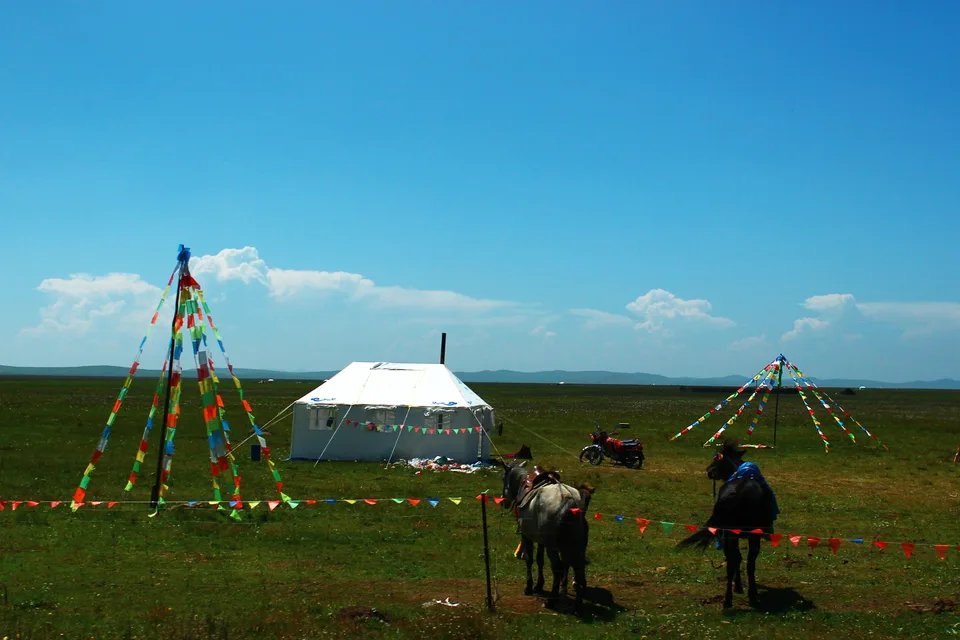
Gannan's four seasons are four different landscapes: green grasslands in high summer, golden river bends in autumn, and the Buddha-unveiling festival in winter. This guide breaks down the core sights — Zhagana, the Ruoergai (Zoigê) grassland and the First Bend of the Yellow River — along a timeline to help you decide which month to go.
The question "when is Gannan most beautiful" has a more divided answer than most destinations, because Gannan's scenery isn't of one type: stone towns, grasslands, wetlands and monasteries each have their own season, and even the same Zhagana is two completely different places between a misty summer morning and a lightly snowed late autumn. From June to August the Ruoergai grassland greens to its extreme and wildflowers spread across Huahu Lake; in September and October the pastures around the First Bend of the Yellow River turn gold, and Zhagana's rocky peaks and autumn colours layer cleanly; and if you're after culture, the first lunar month's Buddha-unveiling festival and butter-lamp display at Labrang Monastery is the most ceremonial moment of the year at this seat of Tibetan learning.
In other words, Gannan has no "wrong" month — only the month of the picture you want. This guide unpacks Gannan along a timeline: what you'll see in each season, how to schedule the best window at each core sight, whether you can go in winter, and a month-by-month decision table at the end. One note: flowering times, scenic-area openings and road conditions are changeable information — please go by the latest official announcements. Read all four seasons through, and the choice is yours — after all, the point of travel is never just following the crowd. One of Gannan's four seasons is always waiting for you.
Gannan's four seasons at a glance
May–June (late spring): The grassland greens up again and visitors are still few. Zhagana's morning mist is highly likely, the mountains freshly tinted, and it suits people who like quiet and don't mind temperature swings. A few high passes may still hold patchy snow, but the roads are basically open.
July–August (high summer): Gannan's visual peak. The Ruoergai grassland is at its greenest, Huahu Lake hits its best flower season, and the First Bend of the Yellow River photographs best at sunset. This is high season — accommodation is tight and prices rise, so crowd-averse travellers can skip the very middle of summer.
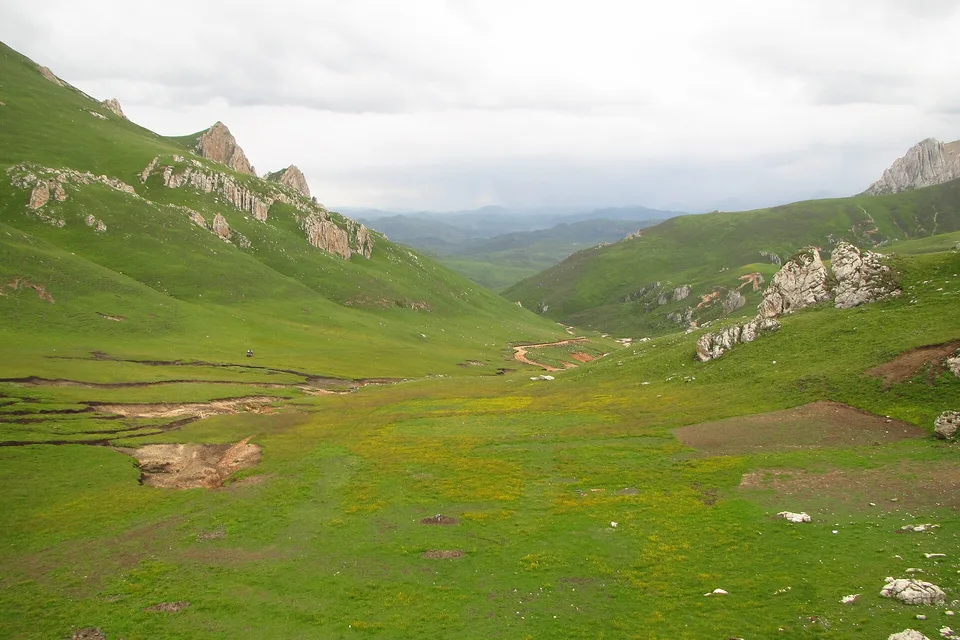
September–October (golden autumn): Favourite of photographers. The grassland shifts from green to gold, Zhagana's stone town stands out in layered autumn colours, and the river channels of the First Bend are wrapped in golden pastures. The weather is stable and crowds thin out — the balance point between climate and scenery.
November–April (winter): Most natural sights move into the low season — the grassland yellows and some stretches hold snow. But this is exactly the window for culture: in the first lunar month, Labrang's Buddha-unveiling festival and butter-lamp displays bring Gannan's grandest Tibetan festivals to you.
Seasonal timeline of the core sights
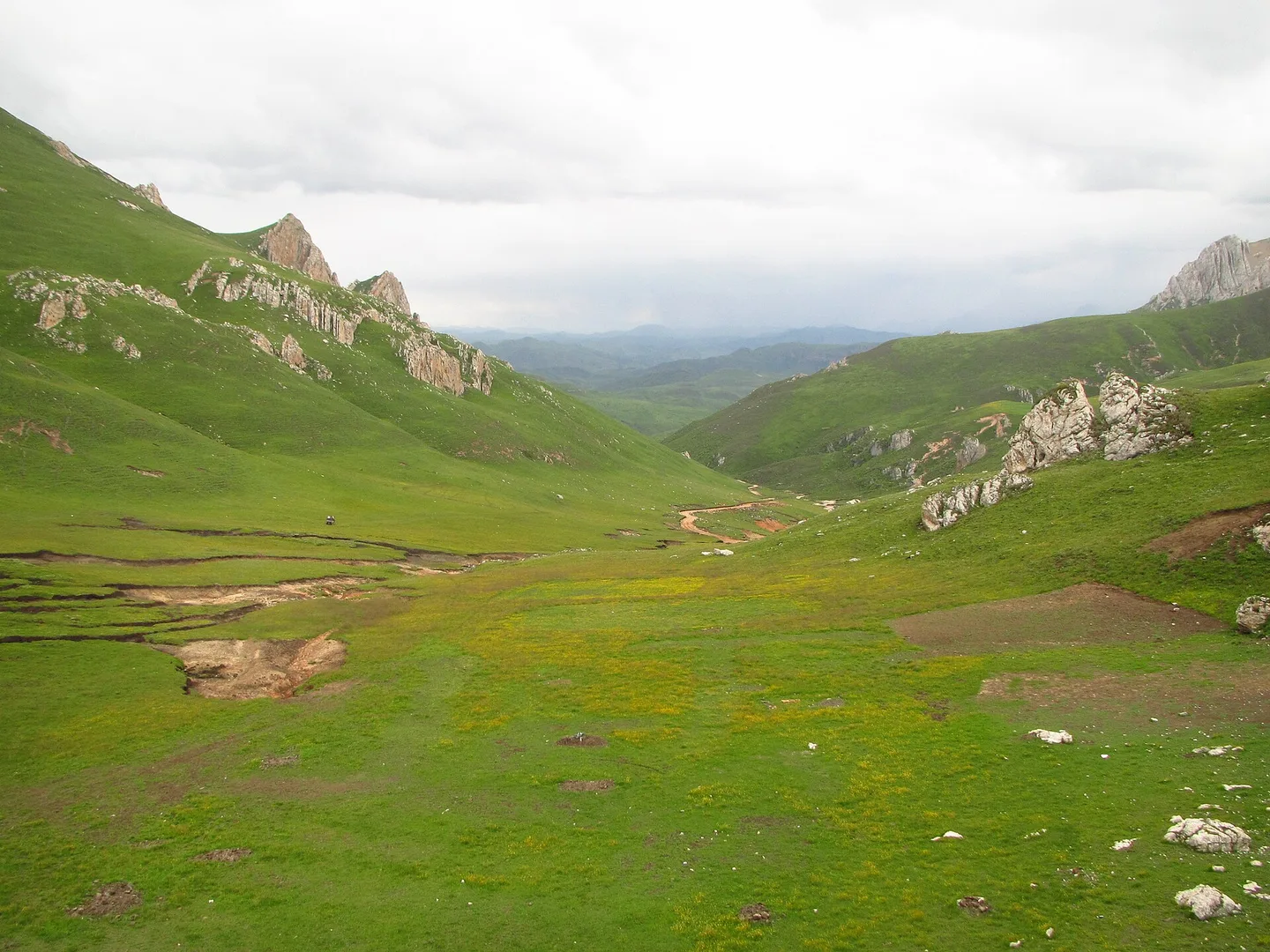
Zhagana: morning mist and the stone town, with a different face every season.Zhagana's core experience is the morning cloud and mist — the stone mountains ring the Tibetan village that appears and disappears in the fog, a scene you can mostly catch between June and October, especially on a clear morning after rain. The green stone town of high summer, the layered colours of golden autumn and the silver of winter snow are all photographable across the four seasons; the difference is that from November to March some viewing platforms and hiking trails may close due to snow, so confirm the opening status before you go.
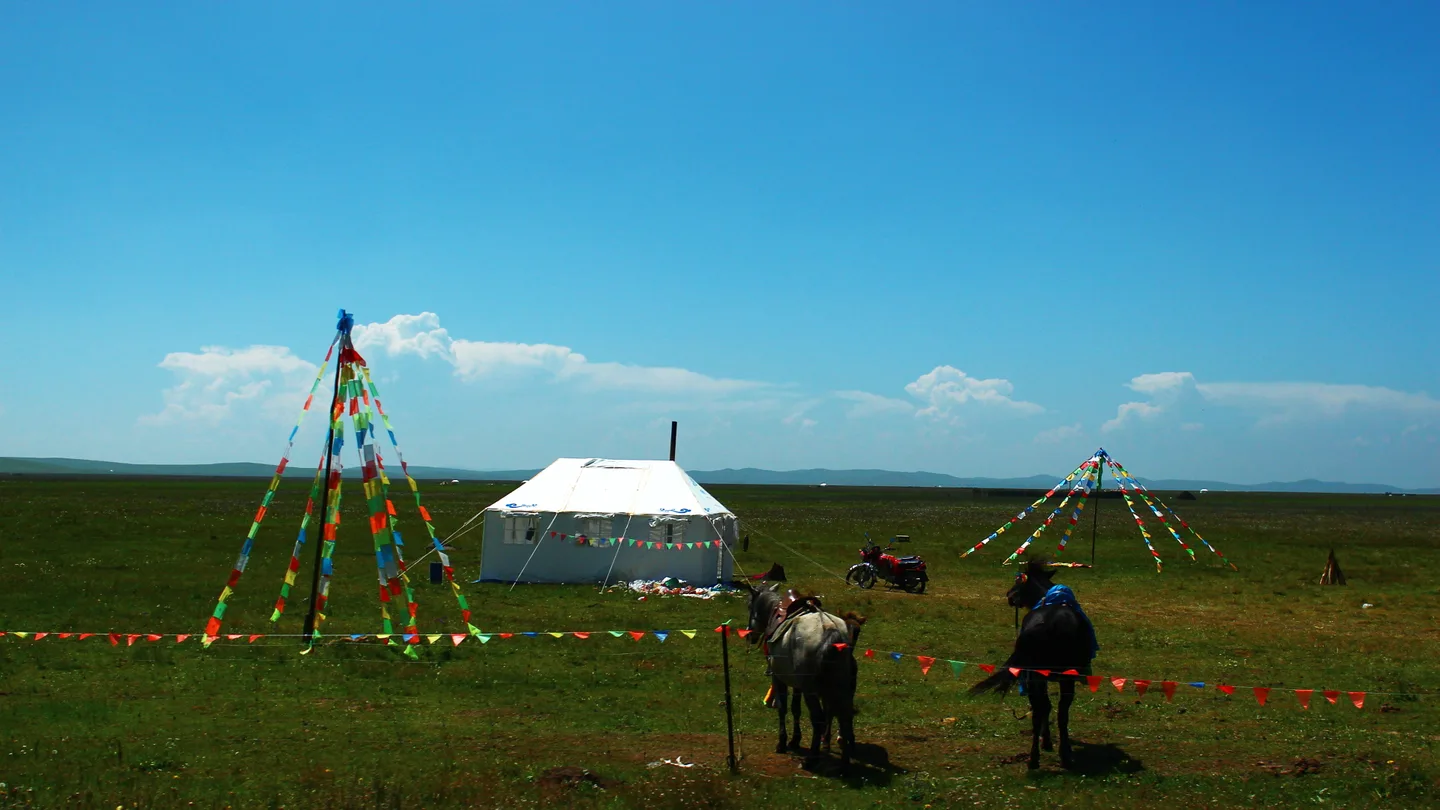
The Ruoergai grassland and Huahu Lake: high summer is the only answer.If you want to shoot that green grassland "where the wind blows low and cattle and sheep appear", mid-to-late July through August is an iron rule of a window; Huahu Lake's wildflowers are fullest around mid-July. After September the grassland yellows into a different kind of vast beauty, but the classic "green grassland" picture is basically gone for the year.
The First Bend of the Yellow River: sunsets photograph year-round; golden autumn is the richest.The nine-fold bend the Yellow River traces across the grassland is not bound by season — what really decides the shot is the evening light. In September and October the pastures are golden and the air clear, and at sunset the river channels share the frame with the afterglow — the most pictorial time of the whole year. The viewing platform sits at about 3,500 metres, so pace yourself on the steps.
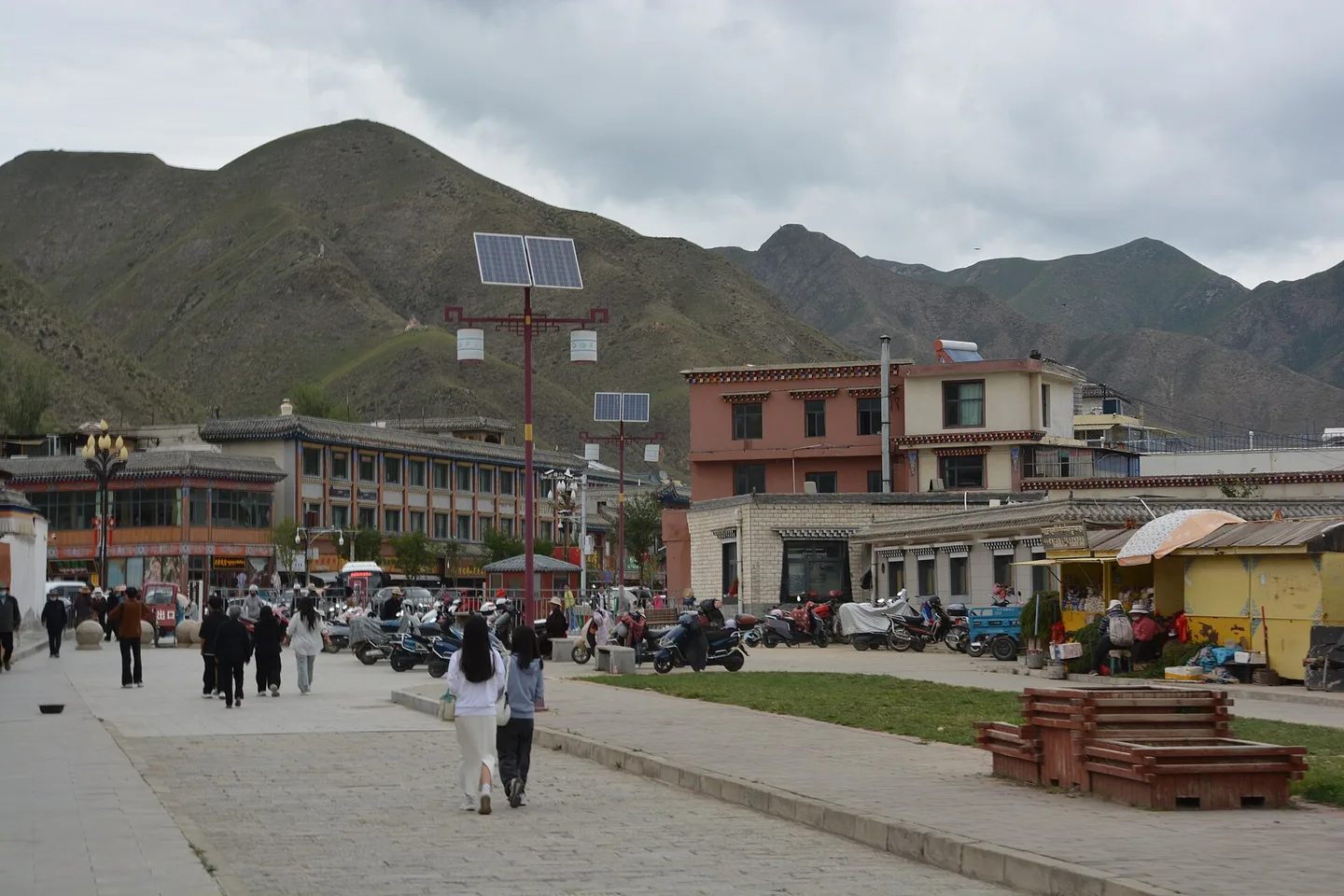
Langmusi and Labrang Monastery: culture is good in any season; the first lunar month is the peak.The monasteries' prayer wheels, debates and architecture are there all year; between May and October the climate is comfortable and the surrounding grasslands make easy side trips. To experience the great festivals such as the Buddha-unveiling ceremony, lock in the period around the beginning of the first lunar month — exact dates differ each year and follow the monastery's announcements. Accommodation in town is tight during the festivals, so plan ahead.
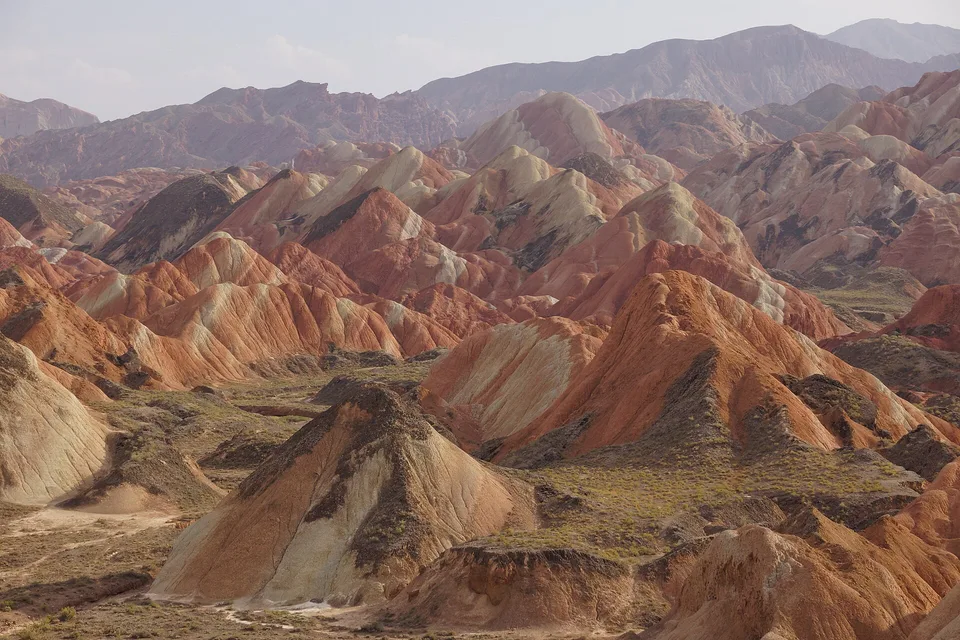
Lianbao Yeze: magical mountains and waters from June to October.This area is known for snowy peaks, lakes and jagged rock mountains; late May through October is the main opening period, when the lakes are unfrozen and at their most colourful. From November snowfall increases and some roads may be temporarily closed, so confirm road conditions in advance for any winter trip.
Month-by-month decision table: decide your departure month in one minute
| Period | Who it suits | Core sights | Main trade-offs | | ---- | -------- | -------- | -------- | | May–June | Off-peak travellers, mist chasers | Greening grassland, Zhagana morning mist | Grass not yet full, big temperature swings | | July–Aug | Family trips, grassland lovers | Green grassland, Huahu Lake, Yellow River Bend sunset | High season crowds, pricey hotels | | Sep–Oct | Photographers, off-peak travellers | Golden grassland, layered autumn woods, clear sunsets | Mornings and evenings cool, first snow on some roads | | Nov–Apr | Culture lovers, festival chasers | Buddha-unveiling festival, butter lamps, snow peaks and Tibetan villages | Natural sights in low season, snow-affected roads |
What to prepare before going to Gannan?
Gannan's altitude mostly runs 3,000–3,500 metres, with some passes above 4,000. Slow your pace and protect your sleep; those with heart or blood-vessel conditions should consult a doctor in advance.
Day–night temperature swings are extreme — even in high summer pack a fleece or light down jacket; in winter, go with full cold-weather gear.
Follow local customs at monasteries: no hats inside the halls, no loud noise, and no photographing monks or Buddha statues without permission.
Grassland and wetland paths get slippery after rain — watch your footing on hikes; whether self-driving or with a group, factor changing road conditions into the plan.
For a worry-free option, join the 8-day Gannan pure-tour loop departing with a direct flight from Guangzhou to Langzhong, covering Zhagana, the Ruoergai grassland, the First Bend of the Yellow River, Lianbao Yeze and the Maijishan Grottoes in one trip — five nights in four-diamond hotels plus one night in a five-diamond hotel, portable oxygen provided, pure touring with no shopping.
Closing words: choose the picture first, then the month
Gannan's answer has never been "which month is most beautiful" but "which Gannan do you want to take home". Want green grassland? Choose high summer. Want golden grassland and clear sunsets? Choose golden autumn. Want to catch the grandest Tibetan festival? Choose the first lunar month. Every answer has its own road, its own season of scenery and its own piece of memory for you. The meaning of travel is not in the month you leave, but in the decision to leave itself. Whichever season you choose, Gannan will remember you in its own way — the wind of high summer, the light of golden autumn, the butter lamps that never go out in the first month. That memory is what lasts longer than any photograph.
If you're still torn between months and days, tell 0765trip your travel time, holiday length and the scenery you most want to see, and we'll build a fitting 8-day Gannan loop around the seasonal windows and road conditions: Zhagana's stone town, Huahu's wetlands, the First Bend of the Yellow River, Lianbao Yeze and the Maijishan Grottoes in one sweep — pure touring, comfortable stays, oxygen along for the ride. Before you leave, recheck the flower seasons, monastery festivals and road conditions — everything should be subject to the latest official announcements. First decide which picture to take home, then line your holiday up with that season — Gannan won't disappoint any choice.