
Travel in China · XZ-06
6-Day Tibet | Yamdrok Lake · Karola Glacier · Everest · Siling Co · Namtso
From Lhasa along the classic loop of Yamdrok Lake, Karola Glacier, Everest Base Camp, Siling Co and Namtso — six days of Tibet's lakes, glaciers and snow peaks.
Lhasa → Tibet
 Small group
THE JOURNEY REVEALED
Tour overview
Understand the pace, service and fit before diving into the itinerary.
This route strings Tibet's most celebrated lakes and peaks into a highland loop: south along the blue waters of Yamdrok Lake, over Karola Glacier, a short rest in Shigatse, then straight to Everest Base Camp to look up at the roof of the world; on the return, visit Siling Co and Namtso, closing with the vastness of the sacred lakes. Led throughout by drivers and guides who know highland routes and emergency response, with private vehicles in small groups, assembling and disbanding in Lhasa. Time is reserved in Lhasa for acclimatisation, oxygen-supplied hotels are prioritised, oxygen canisters and first-aid are always on board, and border permits are handled with your guide's help. Along the way you see holy mountains, sacred lakes, glaciers and highland pastures at once — a safe, experience-rich introductory route to Tibet with a sensible, unhurried pace, ideal for first-timers who want the classic loop in limited time.
The pull of Tibet has never been only the words "high altitude". It is the changing blue of Yamdrok Lake in the shifting light, the stern cold of the Karola Glacier hanging at the end of the road, the awe of flag clouds rolling above Everest Base Camp, and the silence of prayer flags snapping in the wind by the shore of Namtso. This six-day loop threads Tibet's most classic lakes and snow mountains into one route without backtracking: out of Lhasa, first Yamdrok Lake, then over the Karola Glacier, west to Everest Base Camp, visiting Siling Lake and Namtso on the return, and finally back to Lhasa. Daily driving is kept within what the highlands can bear, preserving full viewing time while avoiding the fatigue of a whistle-stop tour.
For first-time visitors to Tibet, this route has another advantage: it assembles and dismisses in Lhasa, and the first two nights are at moderate altitudes, letting the body adapt to the plateau gradually rather than hitting the highest point straight away. A private-car small group throughout, with drivers and guides familiar with highland routes and emergency handling, oxygen-supplemented hotels prioritised in Lhasa city, oxygen cylinders and first-aid medicines kept in the vehicle as standard, and border paperwork handled by the guide. The whole trip includes 5 nights' accommodation with next-morning breakfast, local transport with a dedicated driver, and first-entry tickets to the listed sights. If you've longed for Tibet for years but worry about altitude sickness, this route is a comparatively safe place to start.
Who is this route for?
It suits first-time visitors who want to complete the classic lake-and-snow-mountain loop within limited time, and scenery lovers who enjoy photography and will wait for sunrise and sunset. The itinerary is viewing-led with no difficult hiking, runs as a small group of 2–8, and assembles and dismisses in Lhasa. Highland travel makes demands on heart and lung function — those with underlying conditions such as high blood pressure, heart disease or serious respiratory illness should consult a doctor in advance and tell the leader honestly. Travellers over 70, or those who normally exercise little, are advised to get a health assessment before deciding.
What should you note before departure?
Altitude adaptation: Arrive in Lhasa 1–2 days early to acclimatise; in the lead-up reduce strenuous exercise and protect your sleep. During the trip Everest Base Camp sits at about 5,200 metres — go at your own pace.
Staying warm and sun protection: Bring warm layers — Everest Base Camp has extreme day–night temperature swings, so a windproof jacket, hat and gloves are essential; highland UV is intense, so pack lip balm and sunscreen.
Medicines and oxygen: Bring common medicines and oxygen canisters (kept in the vehicle as standard), and don't take medicines not advised by a doctor.
Border pass: Everest Base Camp requires a border pass — arrange it in advance at your registered residence or through an agency, and confirm the validity covers the whole trip.
Weather expectations: The sunrises and sunsets at Everest and the sacred lakes depend heavily on weather — the guide will try for the best moments, but full visibility can't be guaranteed, so keep expectations easy.
How the six days unfold: sacred lakes, glacier and the top of the world
Day 1 — Arrive in Lhasa: Private-car airport pickup to an oxygen-supplemented hotel; rest in the afternoon, with the travel advisor explaining highland precautions.
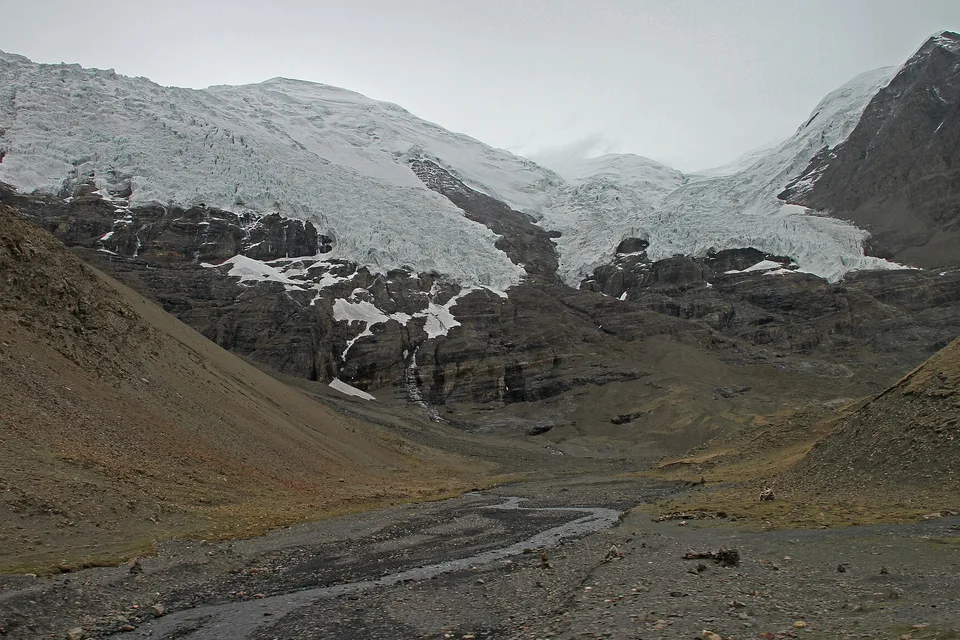
Day 2 — Lhasa–Yamdrok Lake–Karola Glacier–Shigatse: Cross the Kampala pass for the panorama of Yamdrok Lake, then follow the lakeshore; view the ice tongue of the Karola Glacier up close and reach Shigatse by evening.
Day 3 — Shigatse–Everest Base Camp: Pass the Gyawu La pass for a panoramic view of the Himalayan peaks, and wait for the Everest sunset around Rongbuk Monastery in the evening.
Day 4 — Everest–Shigatse: Wait for the Everest sunrise in the early morning, return along the same road to Shigatse, filling in shots of snow rivers and valleys with better light on the way.
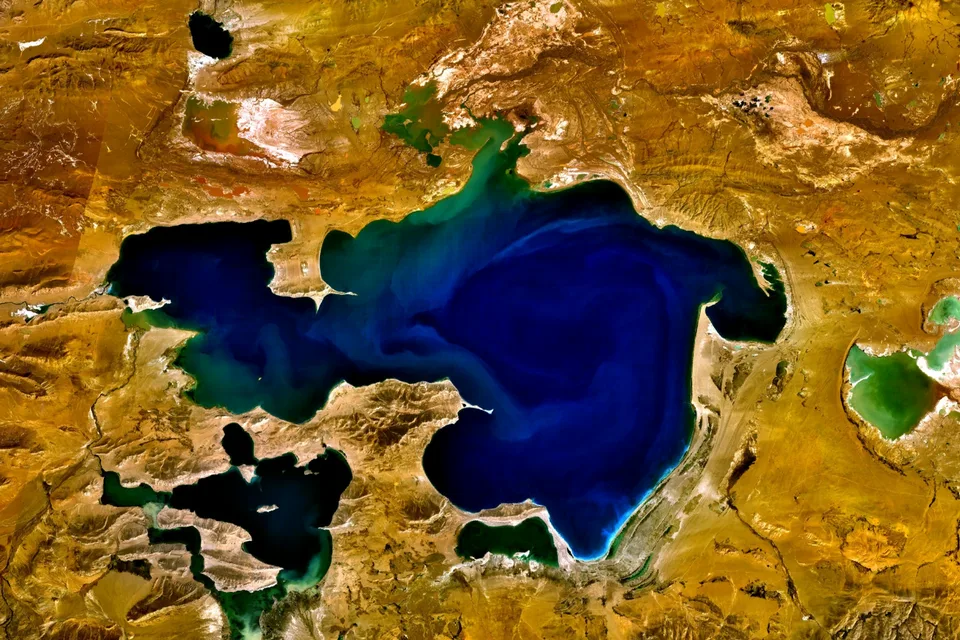
Day 5 — Shigatse–Siling Lake–Namtso: Head north to Siling Lake, Tibet's largest, and feel the vastness of the highland wetlands on its uncrowded shore, reaching Tashi Peninsula on Namtso by evening.
Day 6 — Namtso–Lhasa, group ends: Watch the Namtso sunrise and the Nyenchen Tanglha snow range in the early morning, then return to Lhasa for airport transfer according to flight time.
What's included in the cost, and what's extra?
Included: 5 nights' accommodation with next-morning breakfast, local transport with a dedicated driver, first-entry tickets to the listed sights and Lhasa airport transfers. Not included: your round-trip transport to Lhasa, main meals throughout, scenic-area fees such as the Everest entry fee, border-pass agency fees (if used) and personal spending — budget about 800–1,200 yuan. Accommodation at Everest Base Camp is in tents or hotels in Tingri county — simple but clean; those with higher accommodation standards can upgrade to Tingri hotels. The entry fee, border-pass policy and weather/road conditions follow the official announcements at the time of travel. The trip is a private-car small group of 2–8; to add Lhasa city sights such as the Jokhang Temple or the Potala Palace to the itinerary, discuss it with the advisor at booking.
Closing words: pack the snow mountains into memory, keep the sacred lakes in your heart
In six days you go from the blue of Yamdrok to the ice of Karola, from the snow of Everest to the water of Namtso. Tibet's vastness makes you re-understand the word "faraway" — it isn't a geographical distance but an arrival of the mind. We can't guarantee every clear day, but we can guarantee that every moment worth waiting for is taken seriously: the gold mountain of Everest, the sunset glow over Namtso, the black-necked cranes grazing alone by Siling Lake. When the trip ends and you pack your bags in the warm Lhasa sun, you'll understand why so many people say that once you've been to Tibet, you'll want to go again.
For first-timers to Tibet, the biggest piece of advice is to put "adapting" before "seeing": don't rush or push hard in the first two nights, giving your body a buffer; slow your movements and stay hydrated at Everest Base Camp, and much of the discomfort can actually be avoided. If you'd like to complete this highland beginner loop but aren't sure about the border pass, the season or how to arrange Everest accommodation, tell a 0765trip travel advisor your travel month, group size and health, and we'll confirm a plan based on that season's roads and weather.
- Duration
- 6 days
- Starts in
- Lhasa
- Ends in
- Lhasa
- Destination
- Tibet
IS THIS TOUR FOR ME?
Is this tour right for me?
Prevent altitude sickness in advance
Lhasa sits at about 3,650 m and Everest Base Camp at about 5,200 m. Be honest about your health, arrive in Lhasa 1–2 days early to acclimatise, and avoid strenuous activity during the trip.
Border permit requirements
A border permit is required for Everest Base Camp. Arrange it in advance at your home registration office or through the agency, and confirm it is valid before departure.
Weather can affect the views
Weather around Everest and the sacred lakes is changeable, and sunrise/sunset viewing depends heavily on it. Your guide will aim for the best timing but cannot guarantee full views.
WHERE STORIES COME TO LIFE
Journey highlights
Each highlight connects directly to the day-by-day journey.
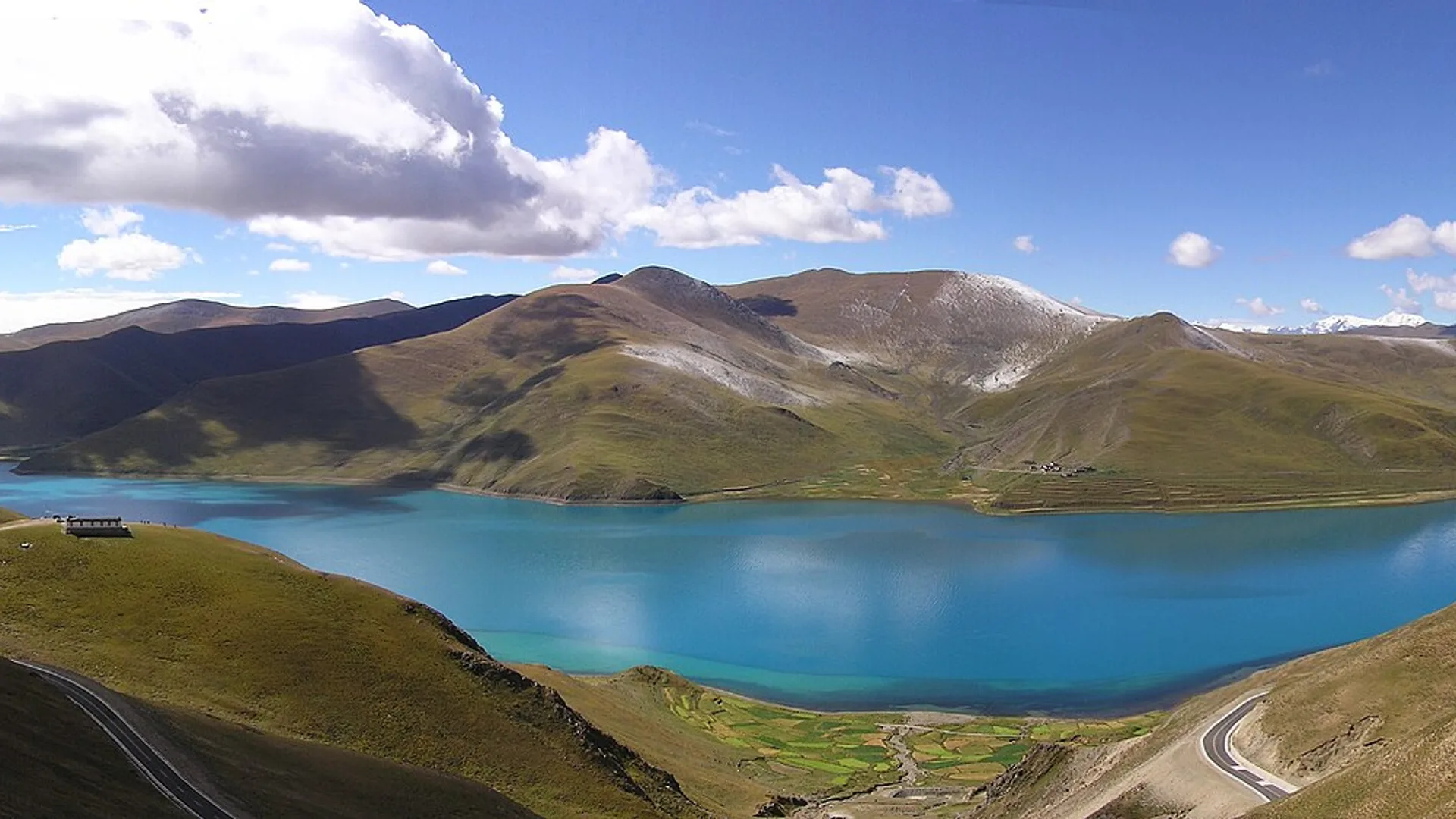
The lakeshore road of Yamdrok Lake
A sapphire of the highlandDescending the switchback road to the lake, its colour shifts with the light — the first visual feast after entering Tibet.
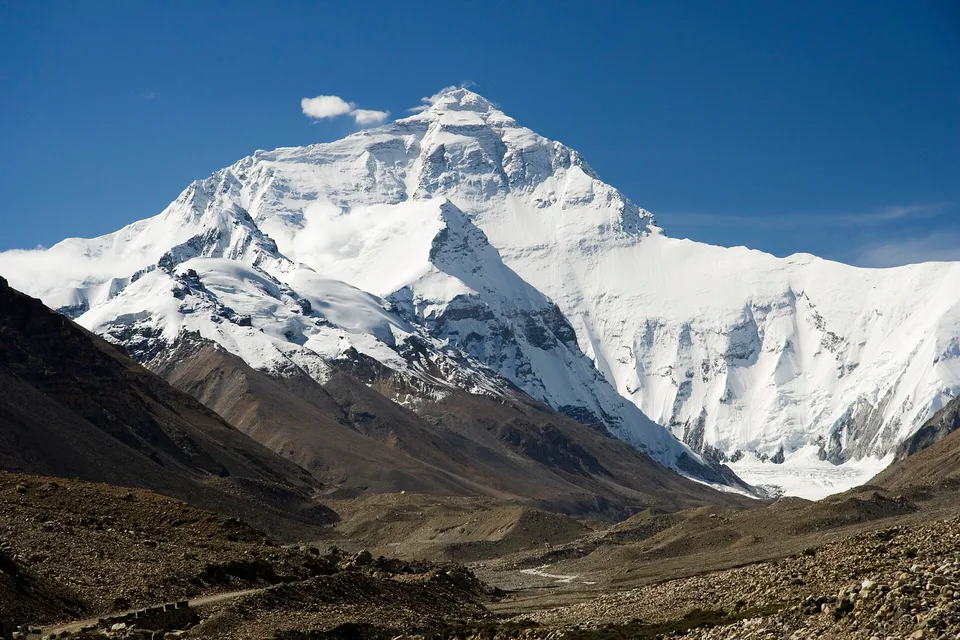
Gazing at the roof of the world from Everest Base Camp
The place closest to the skyFrom Rongbuk Monastery and Everest Base Camp, view Mount Everest — on clear days you can watch the full golden-light transformation.
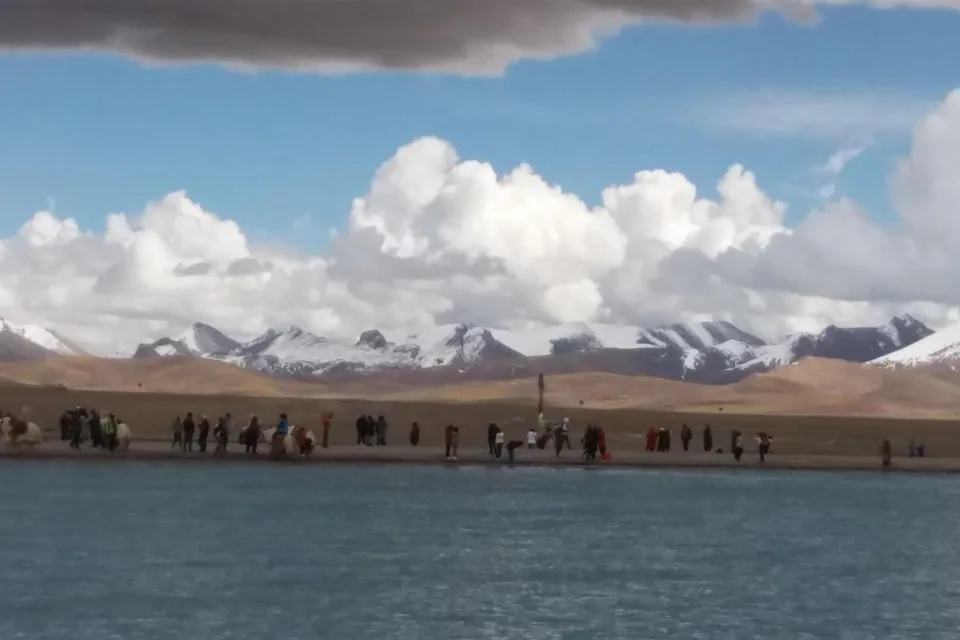
Sunset over the sacred lake Namtso
One of Tibet's three great sacred lakesReach the Namtso lakeshore by evening and wait for the Nyenchen Tanglha peaks and the lake to colour together with dusk.
THE ROUTE
See the route
DAY BY DAY
6 days, day by day
The running order may change with weather, roads and local conditions.
Arrive in Lhasa, acclimatise to altitude
After arrival in Lhasa, a private car takes you to an oxygen-supplied hotel. Rest in the afternoon with minimal activity to adapt for tomorrow. Your consultant explains highland precautions.
- Private airport pickup
- Highland briefing by your travel consultant
- Gentle walk in Lhasa to acclimatise
Lhasa → Yamdrok Lake → Karola Glacier → Shigatse
After breakfast cross Kampala Pass for a panorama of Yamdrok Lake, then descend along its shore. Next, reach the foot of Karola Glacier to see its ice tongue hanging from the summit, arriving in Shigatse by evening.
- Yamdrok Lake viewpoint and lakeshore stop
- Karola Glacier viewpoint
- A stroll around Shigatse's Tashilhunpo Monastery
Shigatse → Everest Base Camp
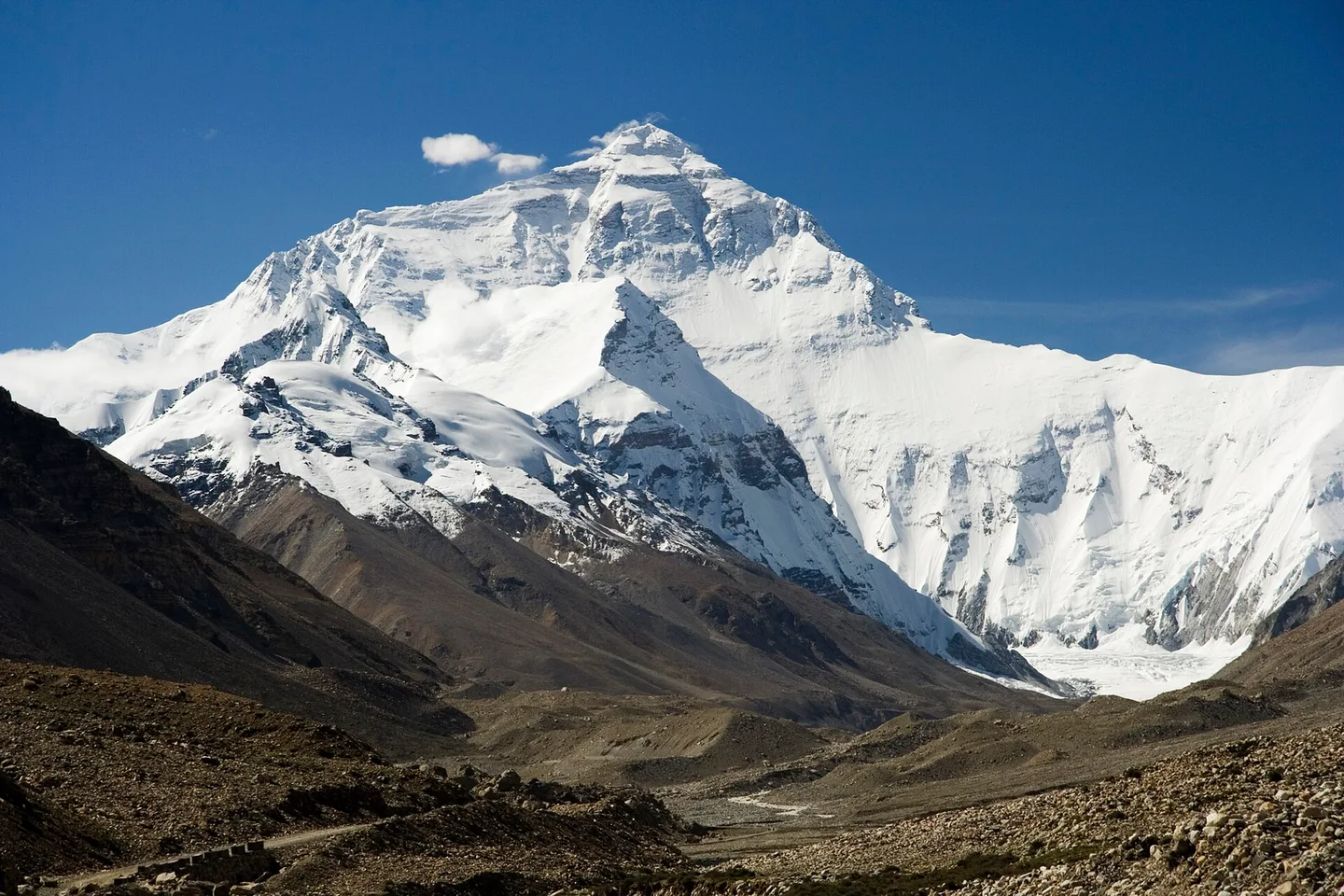
Head west on Highway 318, viewing the Himalaya ranges from Gyawu La Pass, and reach Everest Base Camp by evening to await sunset near Rongbuk Monastery.
- Gyawu La Pass viewpoints
- Sunset watch at Everest Base Camp
- Rongbuk Monastery visit
Everest → Shigatse
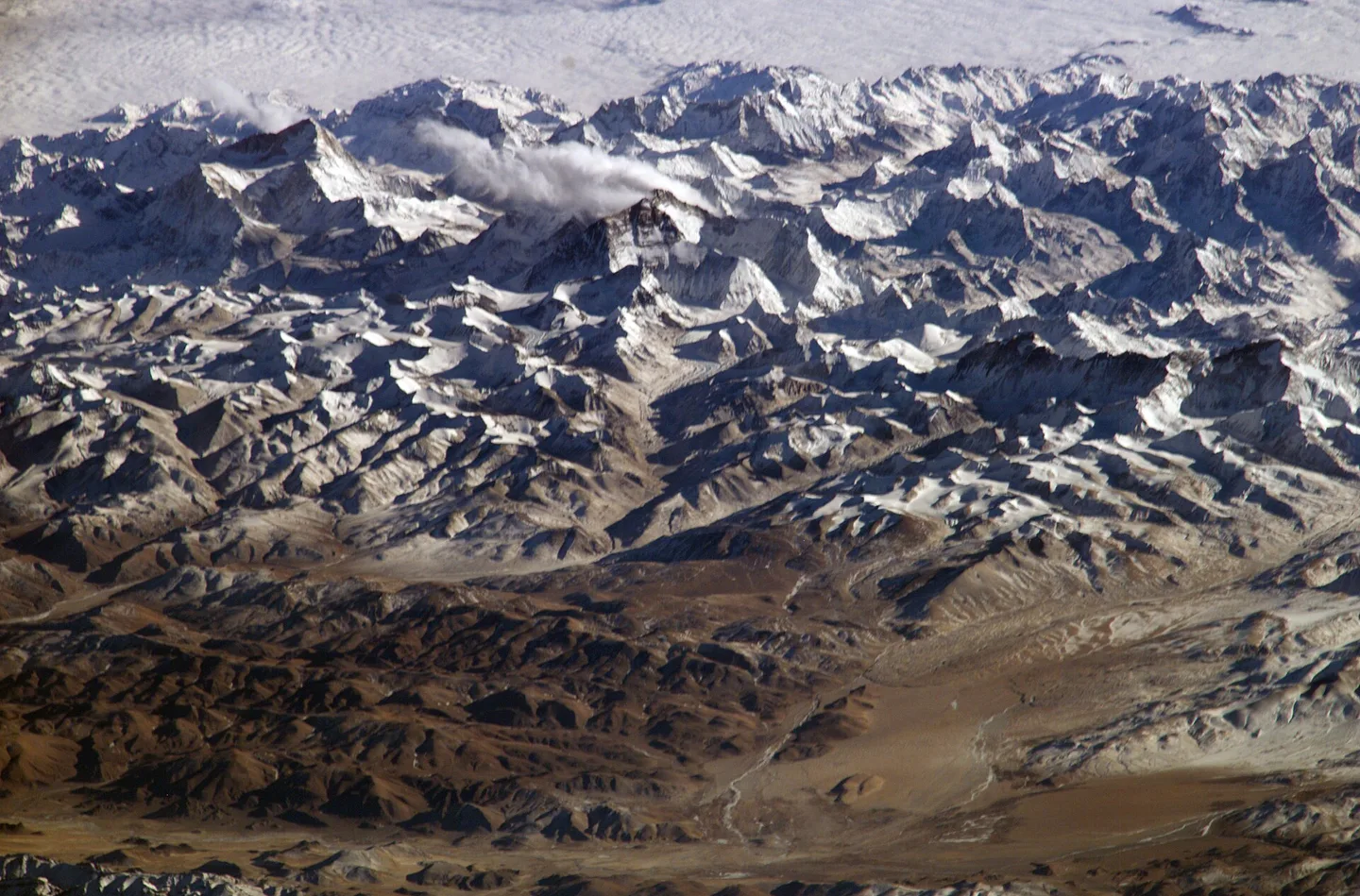
Wait for sunrise at the foot of Everest, then return along the same road to Shigatse, re-shooting snow peaks and valleys in better light, and rest there by evening.
- Sunrise watch at Everest
- Scenic stops on the way back
- Free time in Shigatse
Shigatse → Siling Co → Namtso
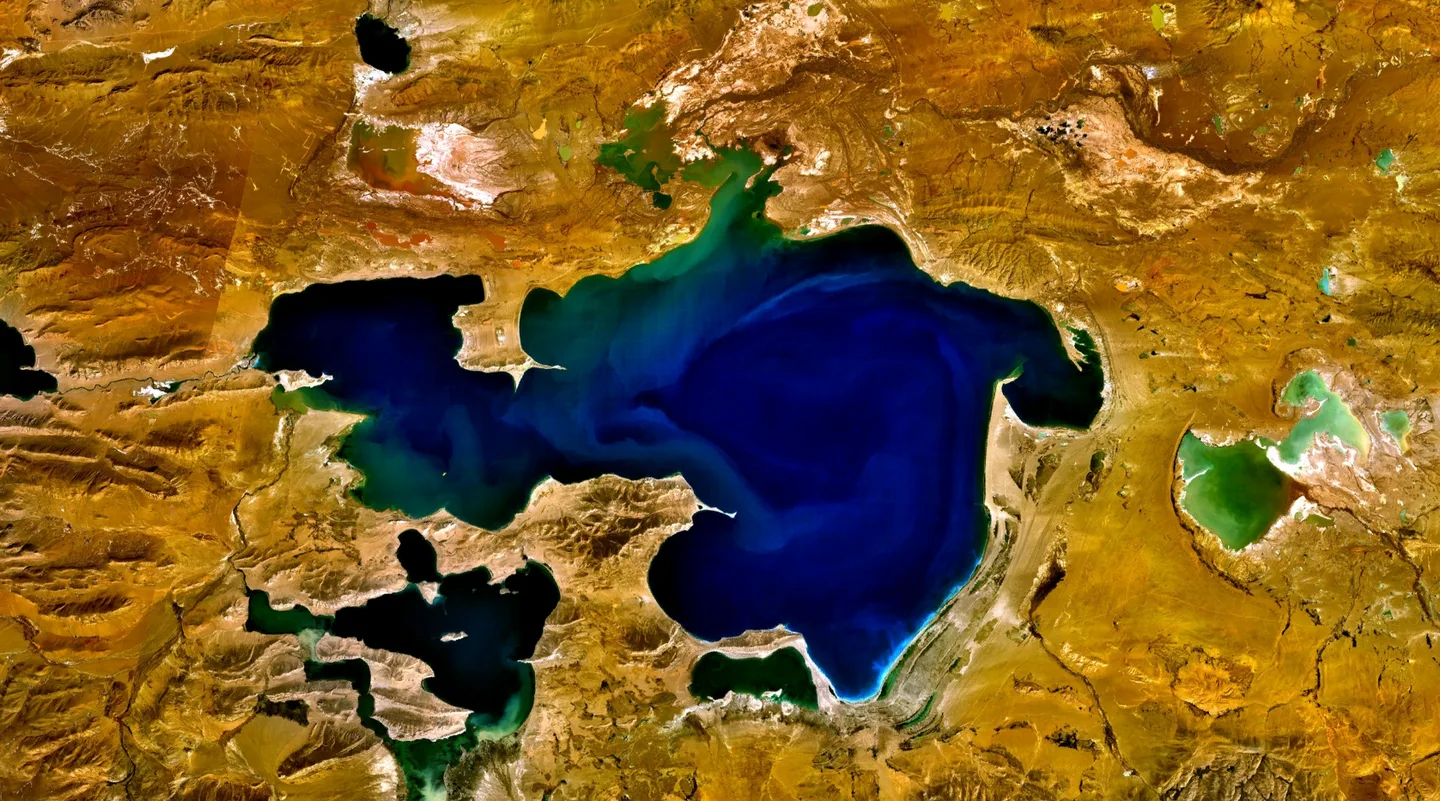
Head north to Siling Co, Tibet's largest lake, and feel the sweep of the highland wetland on its quiet shore; then cross the pass to Namtso and stay near Tashi Peninsula.
- Siling Co lakeshore stop
- Namtso sacred lake viewpoints
- Sunset walk by the Namtso lakeshore
Namtso → Lhasa, tour ends
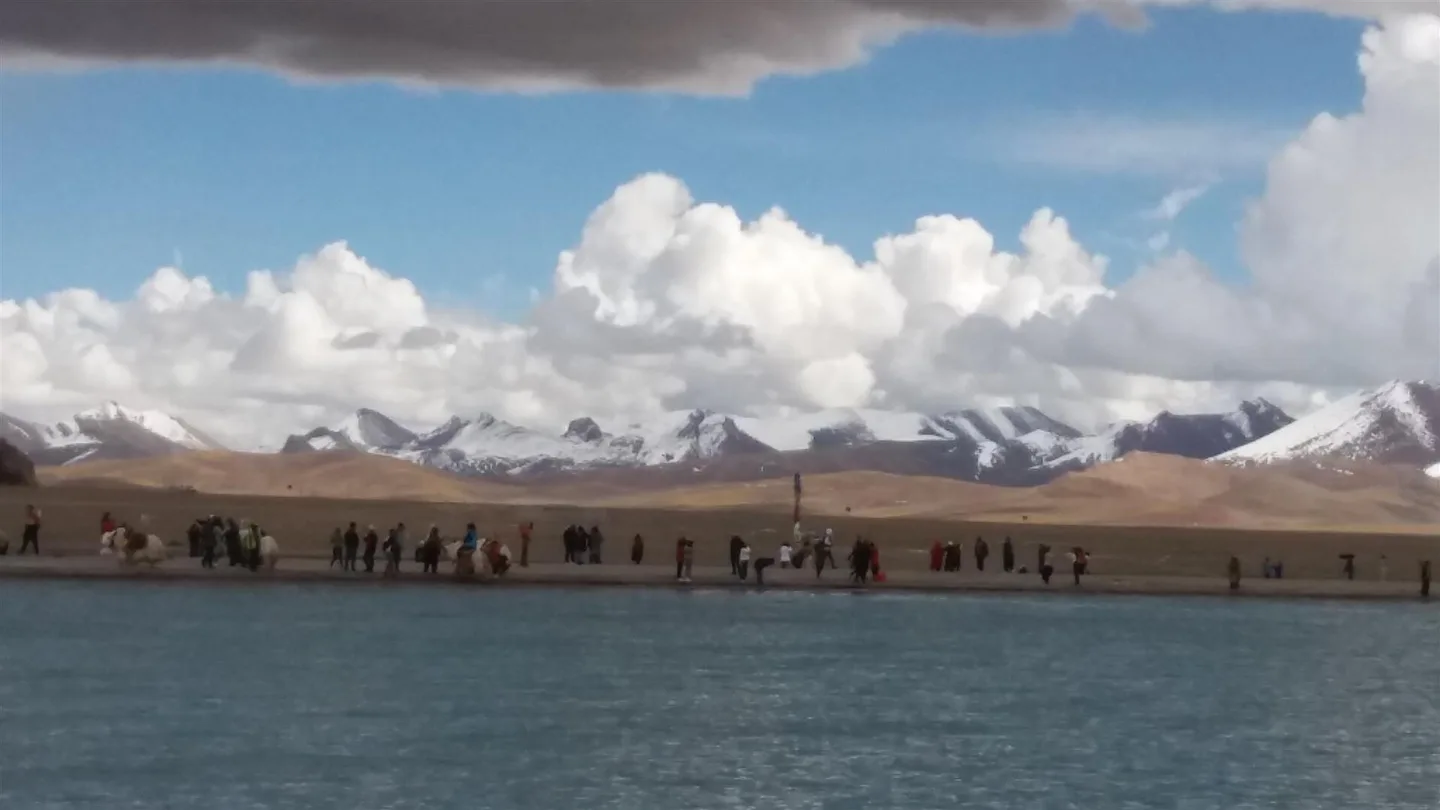
Enjoy the Namtso sunrise and the Nyenchen Tanglha peaks in the morning, then return to Lhasa for airport drop-off according to your flight time, ending the Tibet loop.
- Namtso sunrise viewing
- Private airport drop-off
- Extra night in downtown Lhasa
WHAT’S INCLUDED
What’s included
2 nights in an oxygen-supplied Lhasa hotel, 2 nights in Shigatse, and 1 night at Everest Base Camp or in Tingri; high-altitude stays prioritise heating, oxygen and cleanliness.
5 breakfasts included; main meals are not — choose along the way, with local restaurant tips from your guide.
Business MPVs or off-road vehicles throughout with drivers who know highland routes and emergency response; Lhasa airport transfers included.
Included
- 5 nights' accommodation with breakfast
- Local transport with a dedicated driver
- First-admission tickets to sights listed in the itinerary
Not included
- Transport from and back to your home city to Lhasa
- Main meals and personal expenses
- Border permit processing fee (if applying on your behalf)
Suggested extra budgetMain meals, scenic-area fees such as the Everest access fee, and personal expenses are not included; budget ¥800–1200.
DATES & PRICE
Choose your departure
Dates built around your plans
Share your preferred dates, group size and accommodation needs for an accurate proposal.
BEFORE YOU GO
Frequently asked questions
Is a high-altitude trip safe?+
The tour assembles in Lhasa with moderate-altitude hotels for the first two nights to ease acclimatisation; the private vehicle carries emergency oxygen and your driver knows the routes. Share your health status honestly and follow your guide's advice.
Do I need a border permit?+
A border permit is required for Everest Base Camp. Apply at your home registration office in advance or through the agency — allow enough processing time.
What are the accommodation conditions at Everest Base Camp?+
At Base Camp you stay in a tent, or a hotel in Tingri County — simple but clean, with exceptional stargazing at night. Upgrade to a Tingri hotel if you prefer more comfort.