Thinking of visiting Chaoshan over Spring Festival for the Yingge dance, beef hotpot and gongfu tea? The short version: Yingge parades are concentrated from the first to the fifth day of the lunar New Year. This article covers how to link the three cities of Shantou, Chaozhou and Jieyang, how to structure a 3-day skeleton, and how to add Chaozhou opera and a night stroll on the Memorial Arch Street.
This guide answers exactly one question: if you go to Chaoshan over Spring Festival for the Yingge dance, beef hotpot and gongfu tea, how do you arrange 3 days without feeling rushed? It suits travellers who want 'a complete southern Chinese Spring Festival atmosphere' and to experience Chaozhou and Shantou together; it does not suit a trip that treats 'chasing the Yingge dance' as its single goal and only stops for half an hour of photos.
Three conclusions up front. First, the 'high point' of the Yingge dance is concentrated from the first to the fifth day of the lunar New Year (a few villages and towns carry on until Lantern Festival), but each village's 'festival day' and exact timing differ every year, so before you leave use the 'nao yuanxiao' (Lantern Festival events) and 'ying laoye' (village deity parades) schedules each village committee publishes - that is the core of a Chaoshan Spring Festival, and you should not pin your timing to an old guide from last year. Second, a sensible 3-day skeleton is either 'one night in Shantou + one night in Chaozhou + half a day in Jieyang' or 'two nights in Chaozhou + half a day in Shantou', and keep one whole day - not one hour - flexible for the Yingge dance, because you cannot know in advance which village will be out that evening. Third, Chaoshan's beef hotpot and gongfu tea are things you only truly appreciate at night: arrive in Chaozhou in the morning for the Memorial Arch Street snacks, then head into the old town in the evening for a clear-broth beef hotpot and a brew of Fenghuang dancong tea - that is the more authentic rhythm.
Yingge Dance: What You Are Watching and How to Watch It
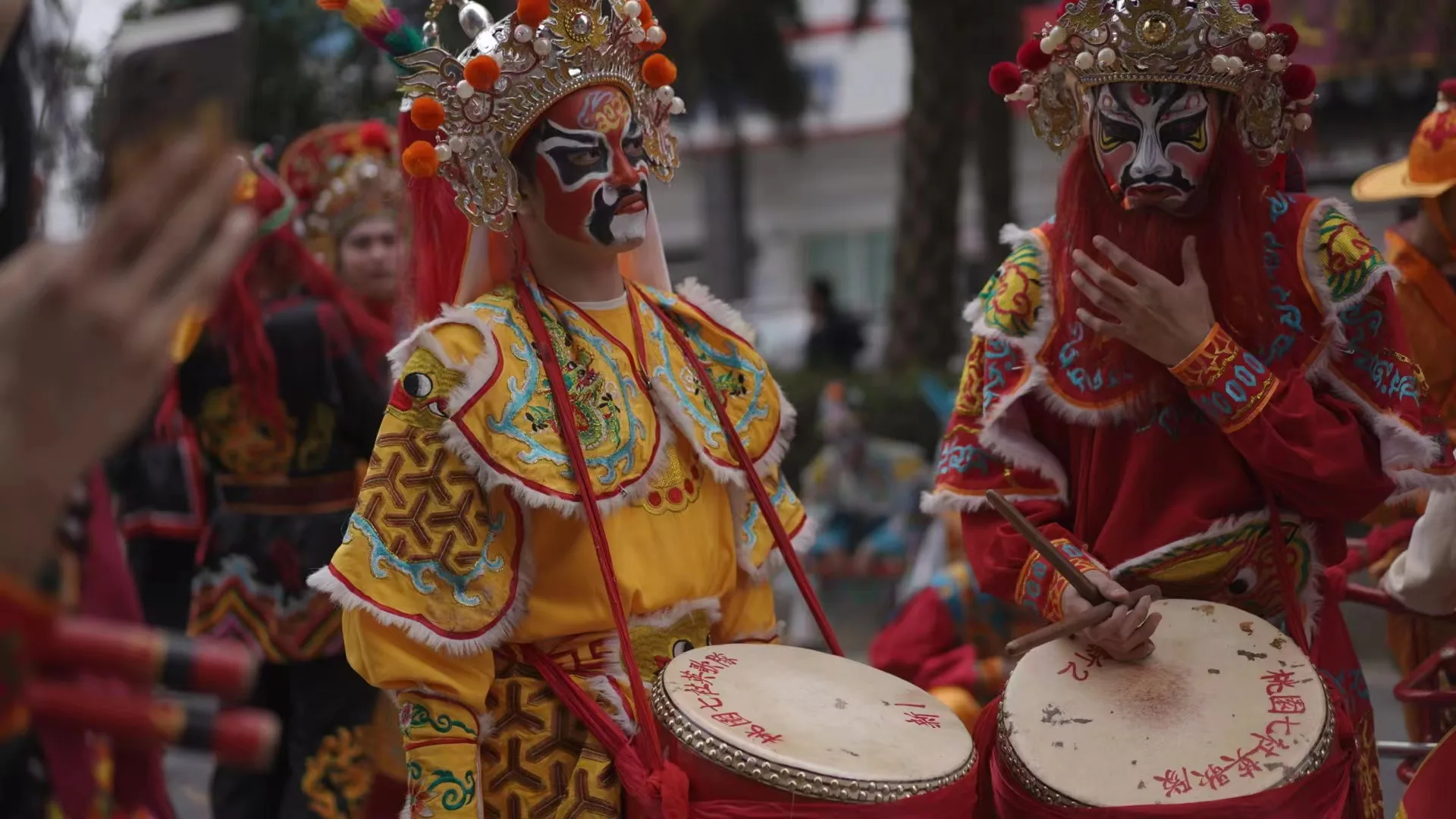
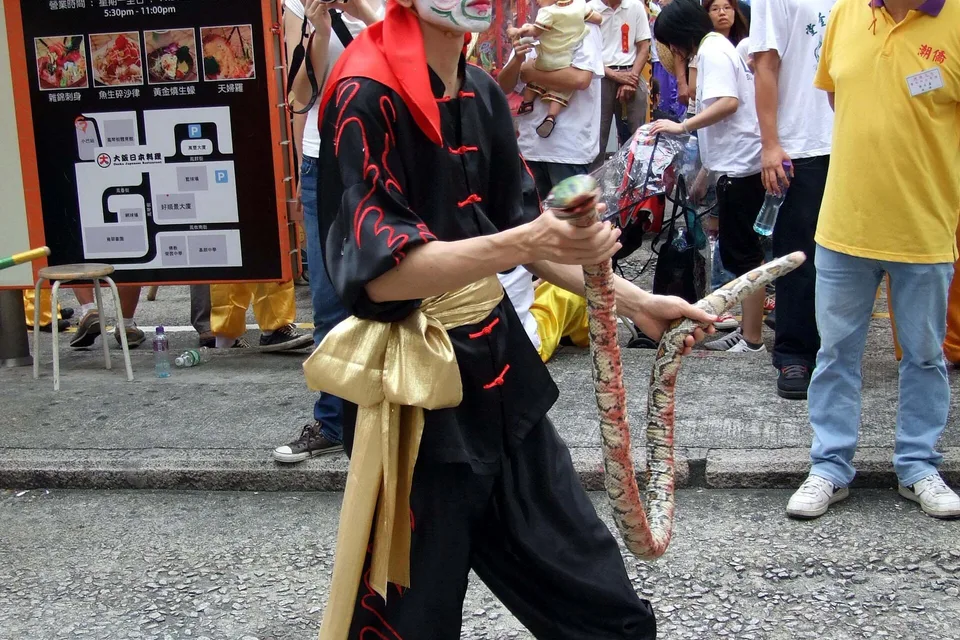
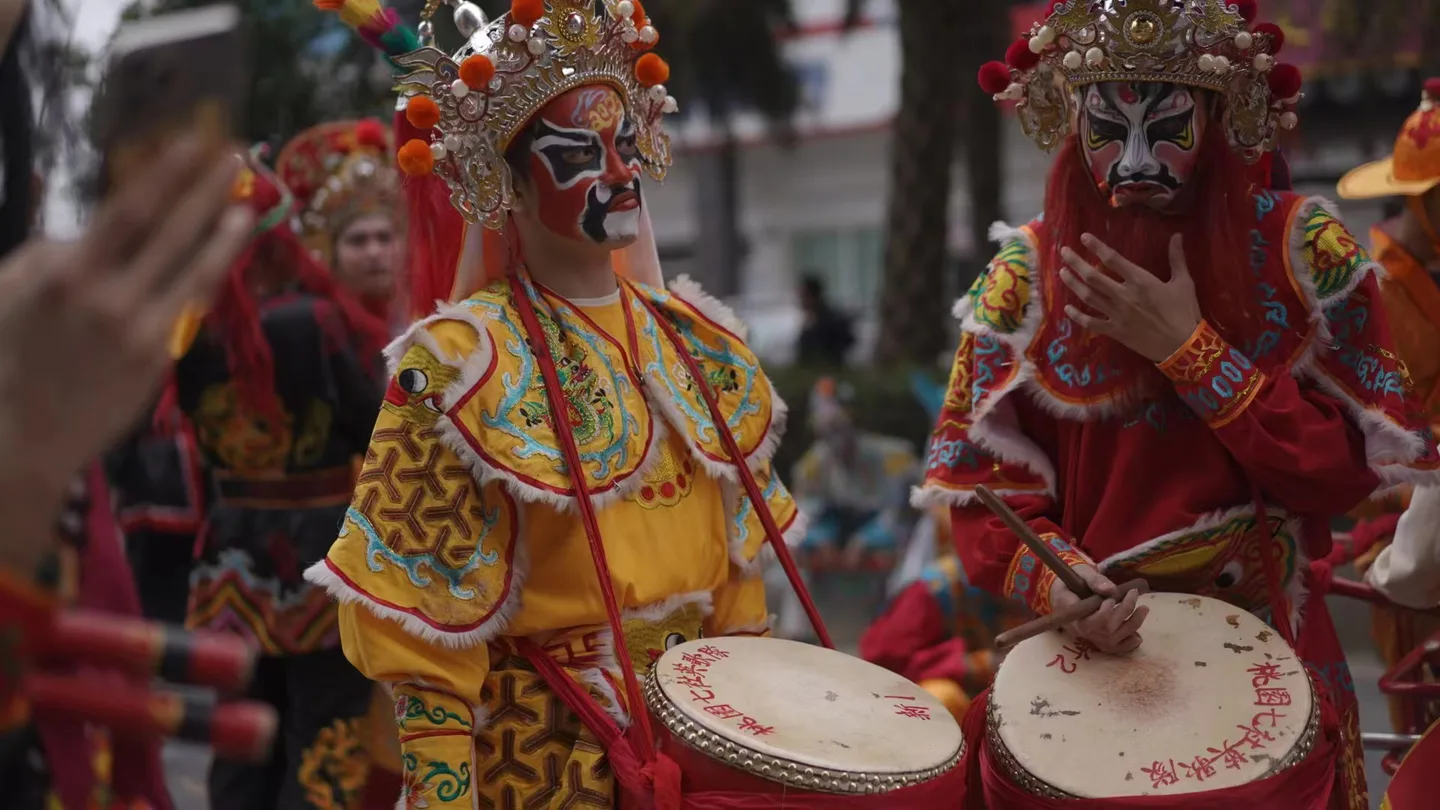
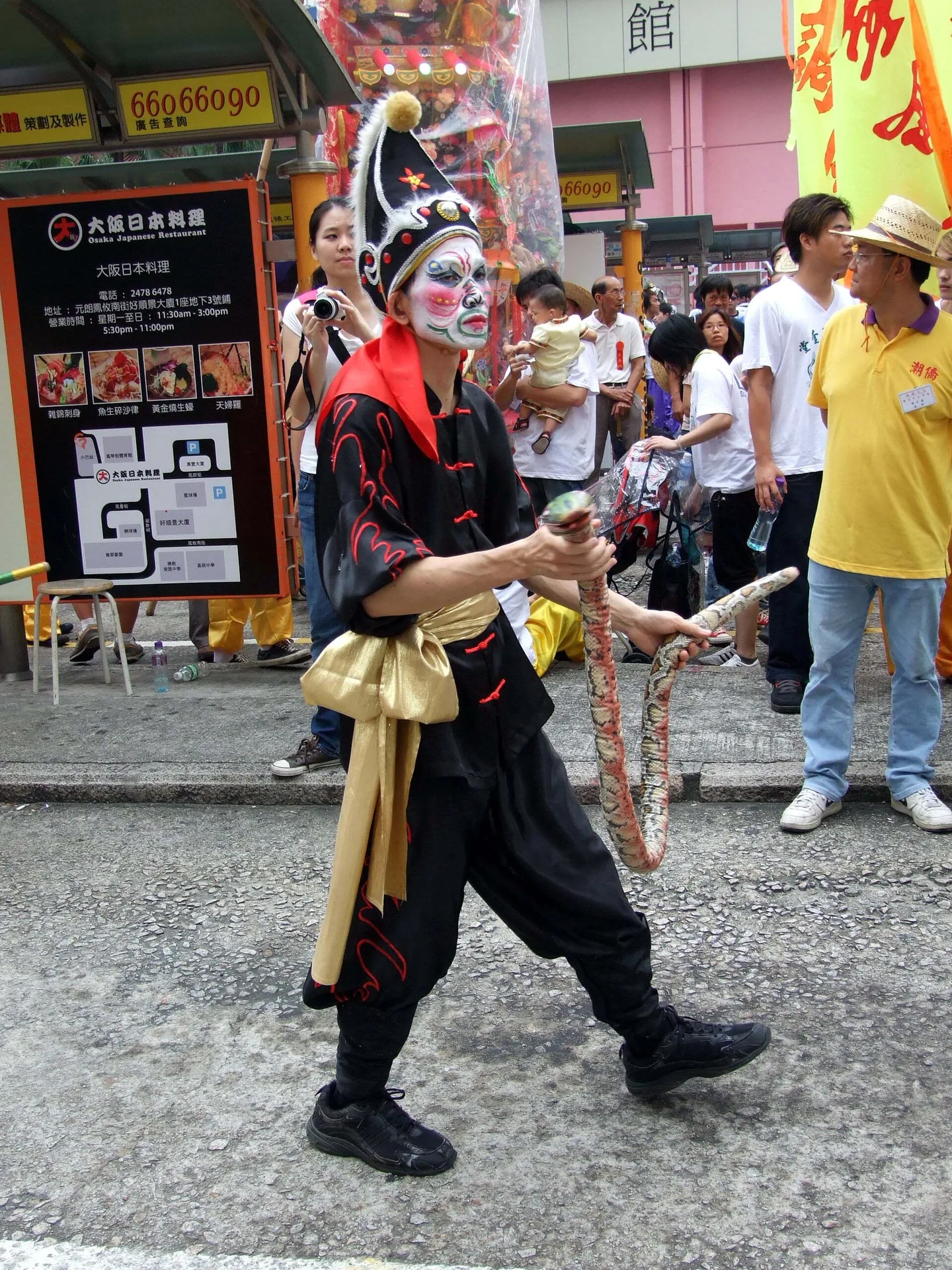
Yingge is a group dance rooted in the stories of the heroes of Mount Liang: performers paint their faces in opera style, grip short wooden batons in both hands and strike them in time, dancing to the rhythm of the Chaozhou drums and gongs. Its visual impact lies in the painted faces and the rhythm, and its most recognisable scene is a street parade of the '108 heroes of the Water Margin'. It was listed as a national-level intangible cultural heritage item in 2006, and villages and towns across the three Chaoshan cities (Shantou, Chaozhou and Jieyang) all keep heritage troupes that are invited out during the bustling 'nao re' of Spring Festival.
How do you get the most out of it? The answer is 'do not chase the fixed online hotspots' - Yingge troupes parade through streets and lanes, so which village, at what time and on which street this year should be checked against the public notices each village or street publishes before you set off, or simply by asking locals on the ground once you arrive (Chaoshan people usually tell you willingly). Rather than waiting dead-still in one square, run 'dinner in the old town at night' and 'a possible parade encounter by day' in parallel and keep one whole day flexible.
How to Structure the 3-Day Skeleton
There are two versions of the skeleton, chosen by whether you fly in and out or use the high-speed rail:
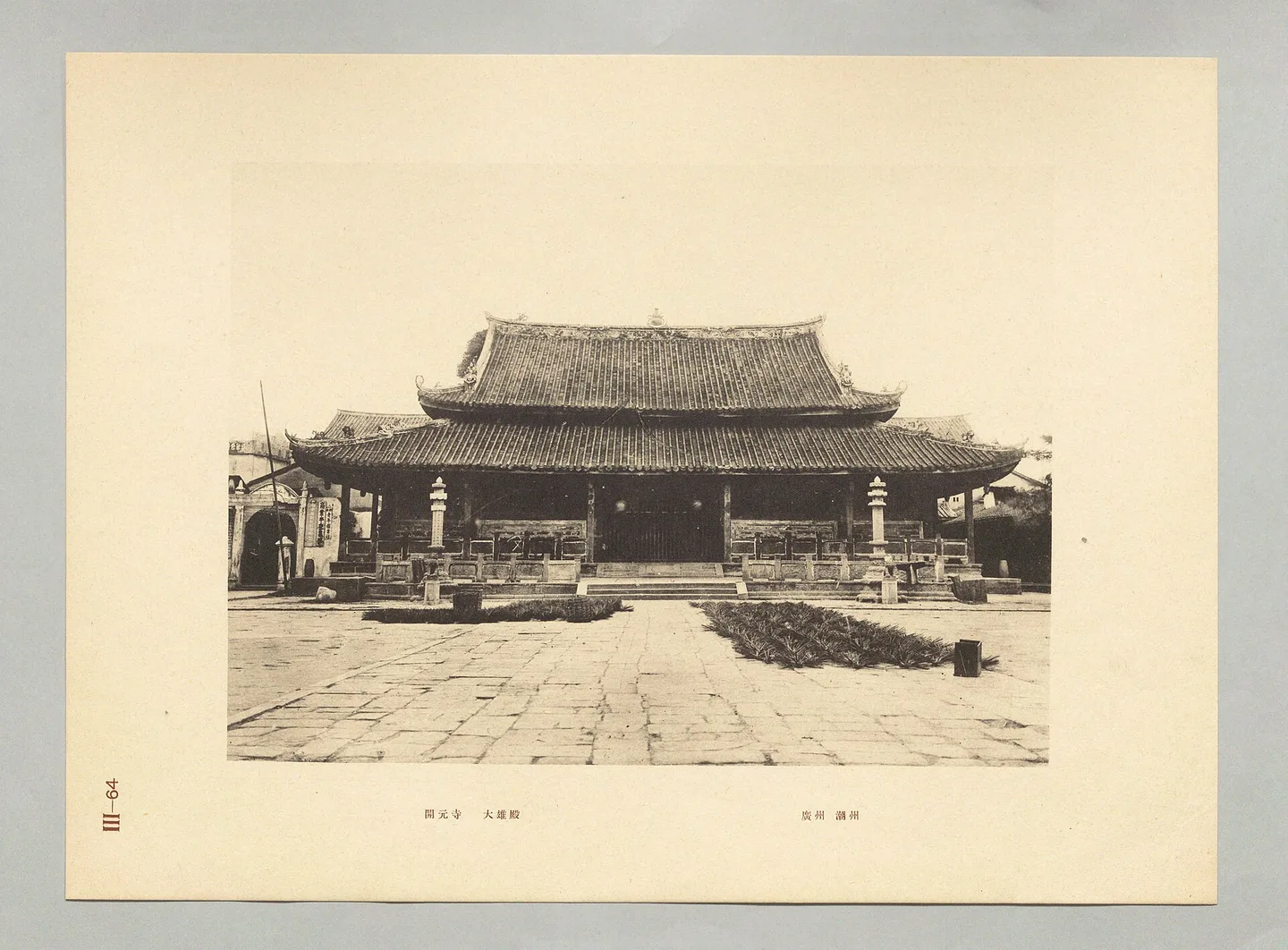
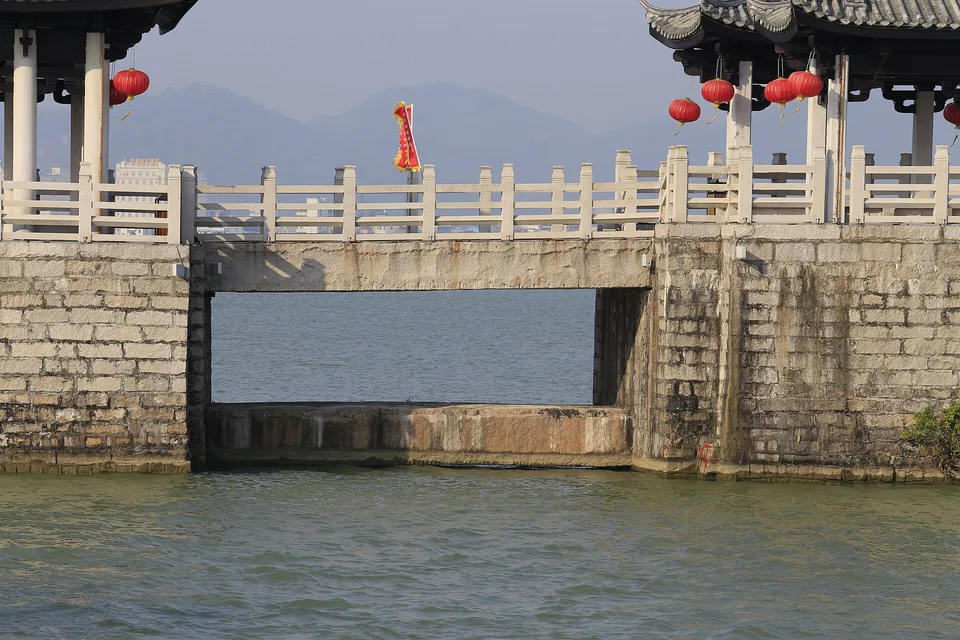
If you fly in and out via Jieyang Chaoshan Airport: Day 1, land in Jieyang and transfer to Chaozhou - spend the afternoon on the Memorial Arch Street, Kaiyuan Temple and Guangji Bridge (as locals joke about the bridge, 'cross the river, then watch the bridge come apart'), and have beef hotpot in the evening; Day 2, breakfast in Chaozhou on beef kway-teow soup or braised pork rice, head towards Jieyang or Shantou before noon to catch an Yingge performance (check the specific schedule before you leave), and return to Chaozhou's old town in the evening for a night stroll; Day 3, morning gongfu tea with Fenghuang dancong at a Chaozhou teahouse, then Shantou's Little Park and Lao Magong in the afternoon, leaving in the evening to match your return transport.
If you arrive and depart by high-speed rail via Shantou or Chaozhou, front-load the 'one night in Shantou + one night in Chaozhou' and leave directly from Chaozhou on Day 3.
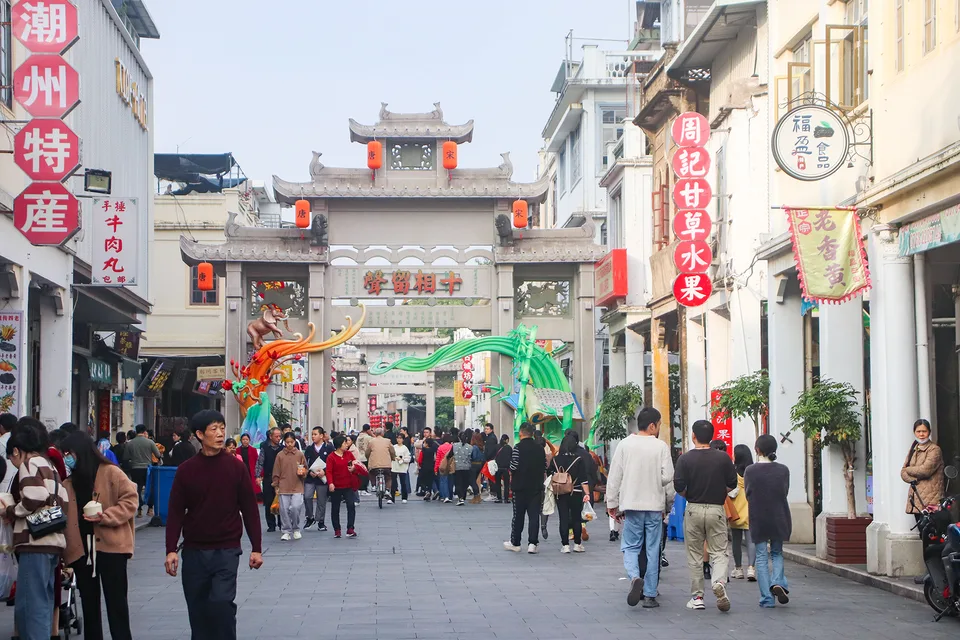
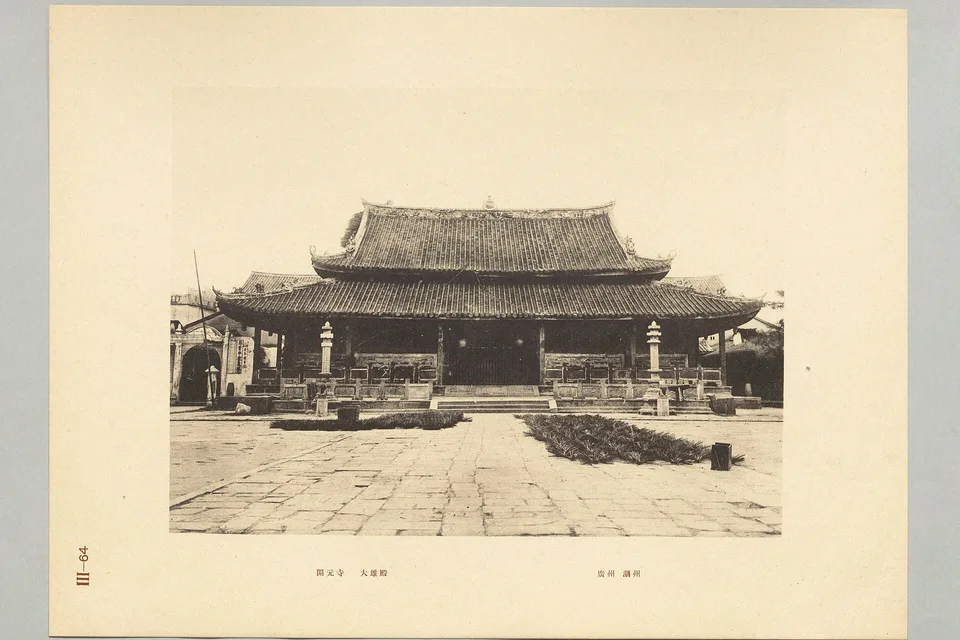
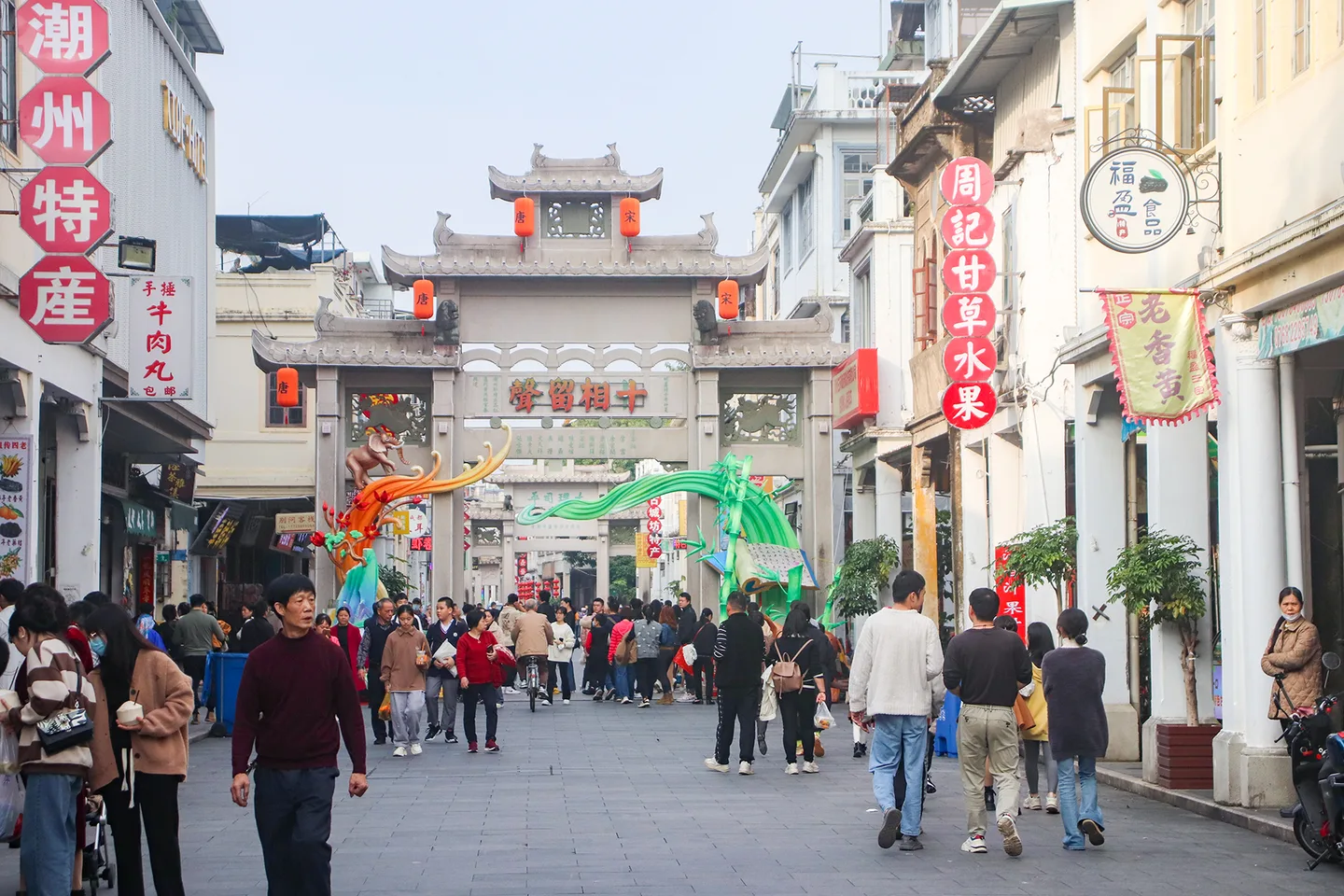
Chaozhou's old town is the 'densest' stop of the trip: the twenty-three Ming-and-Qing memorial arches of the Memorial Arch Street, the Jilue Huanggong ancestral hall, the Xu Fuma mansion, Kaiyuan Temple and the riverside promenade all connect into one walkable area. Guangji Bridge (also called Xiangzi Bridge) is one of China's four great ancient bridges; its middle section is made of linked pontoons that are opened and closed at set times each day (exact times follow the scenic area's notice that day), so time both your photos and your crossing carefully.
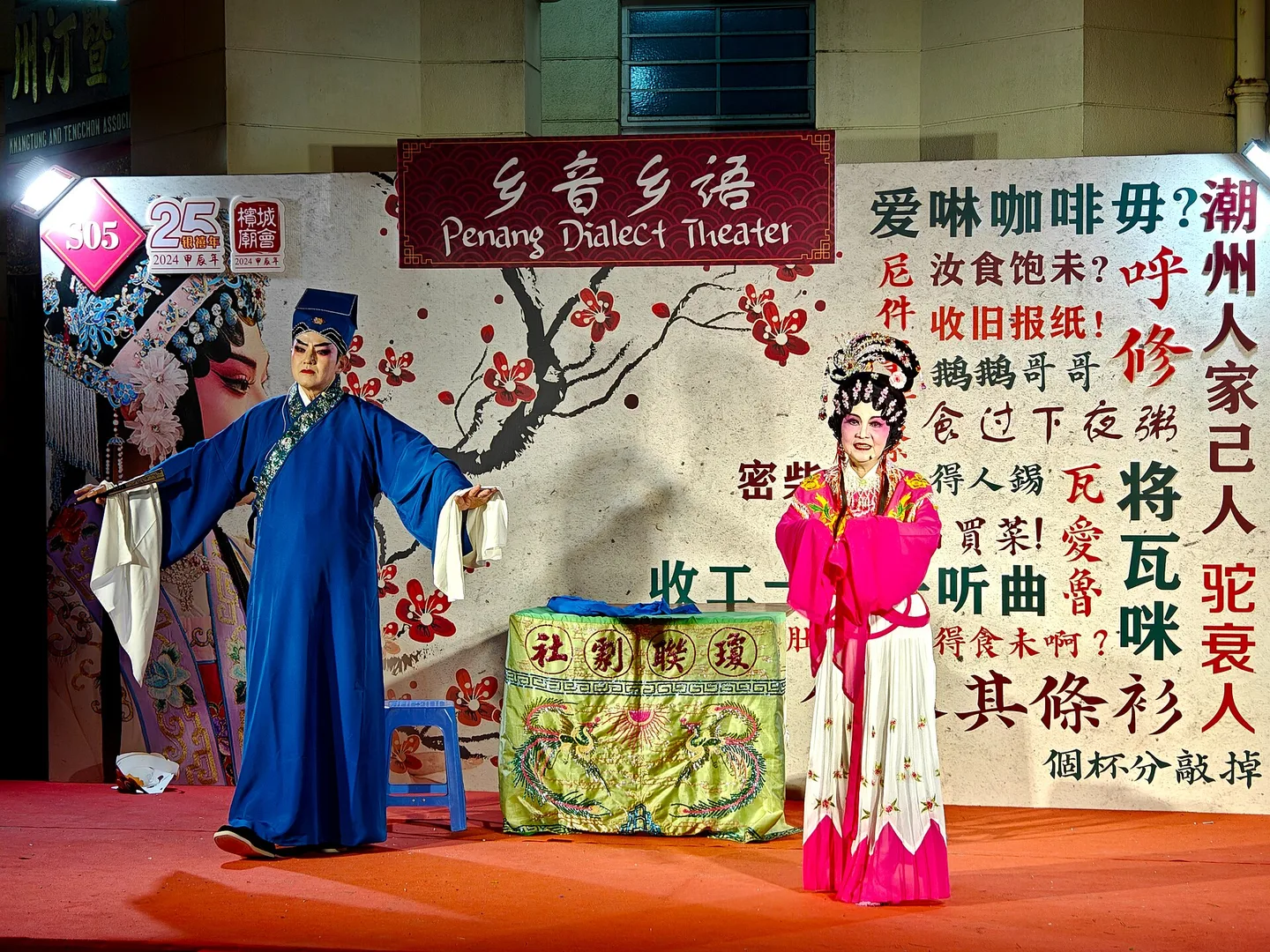
Chaozhou Opera: Adding a Night Show That Is 'Beautiful Even If You Cannot Understand It'
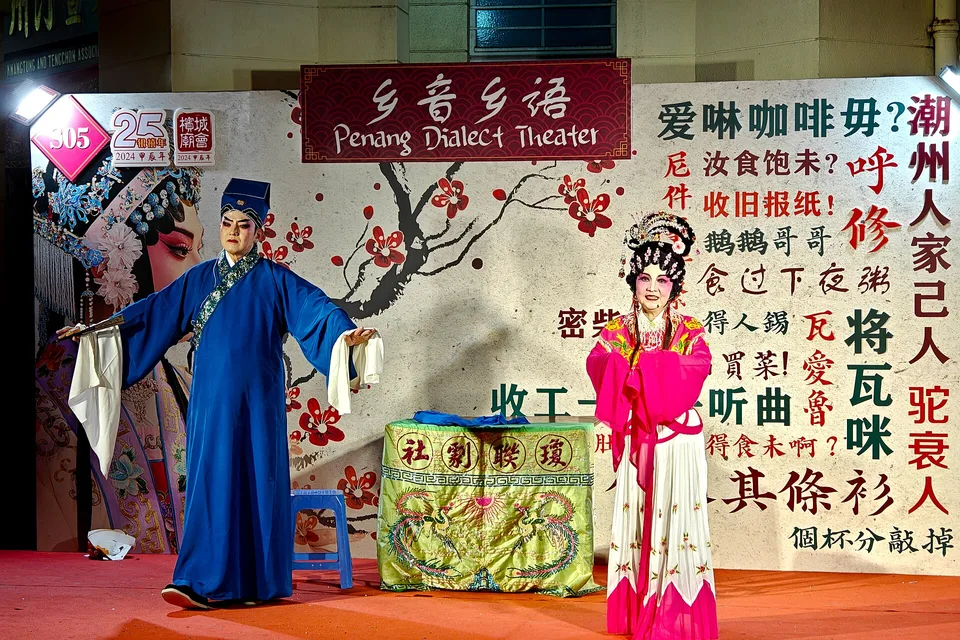
Chaozhou opera is one of China's oldest regional opera forms, and over Spring Festival the Chaoshan opera troupes' holiday schedule reaches 'every village hall that will have one'. From a listening standpoint, its singing is closely tied to the Chaozhou dialect, so an out-of-town audience may not follow it right away - but the painted faces, the movement and the band (especially the lead drum, coconut fiddle and two-string fiddle) still make 90 minutes well spent. The exact programme and venues follow the Chaozhou/Shantou culture centres or the opera troupes' own Spring Festival schedules for the year; tickets are inexpensive and performances frequent.
Food: From Breakfast to Late-Night Snacks
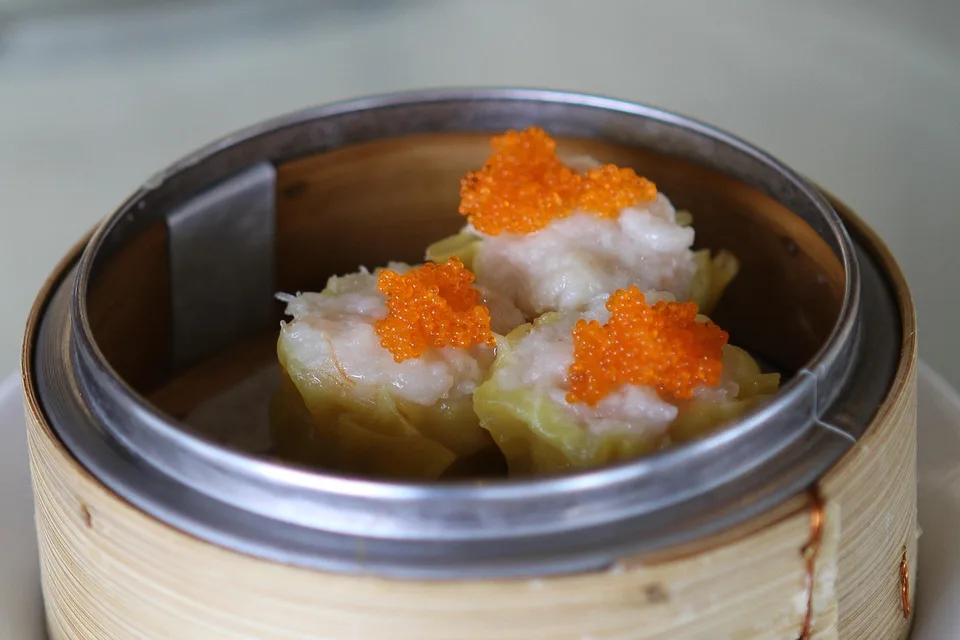
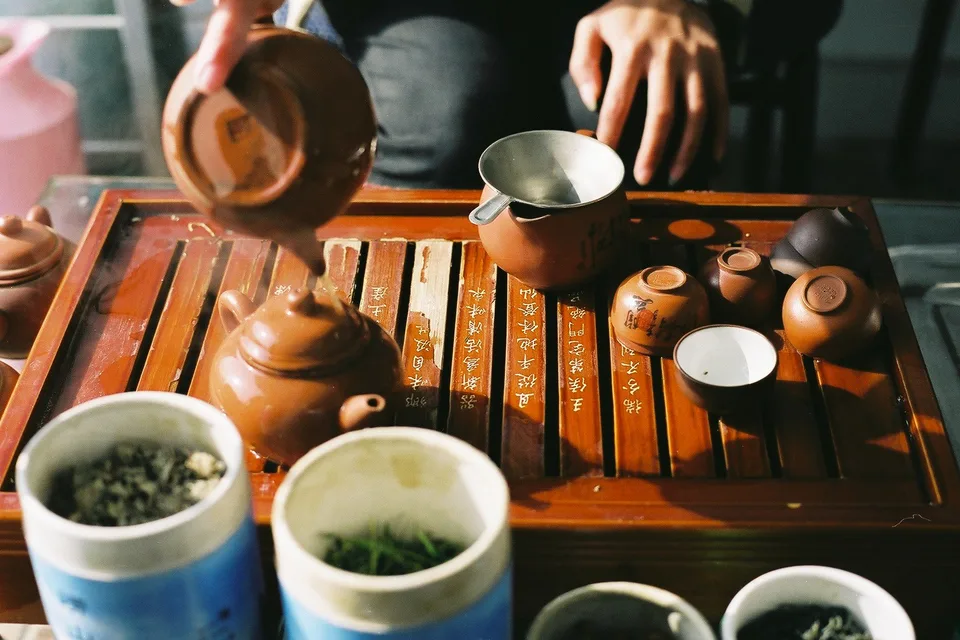
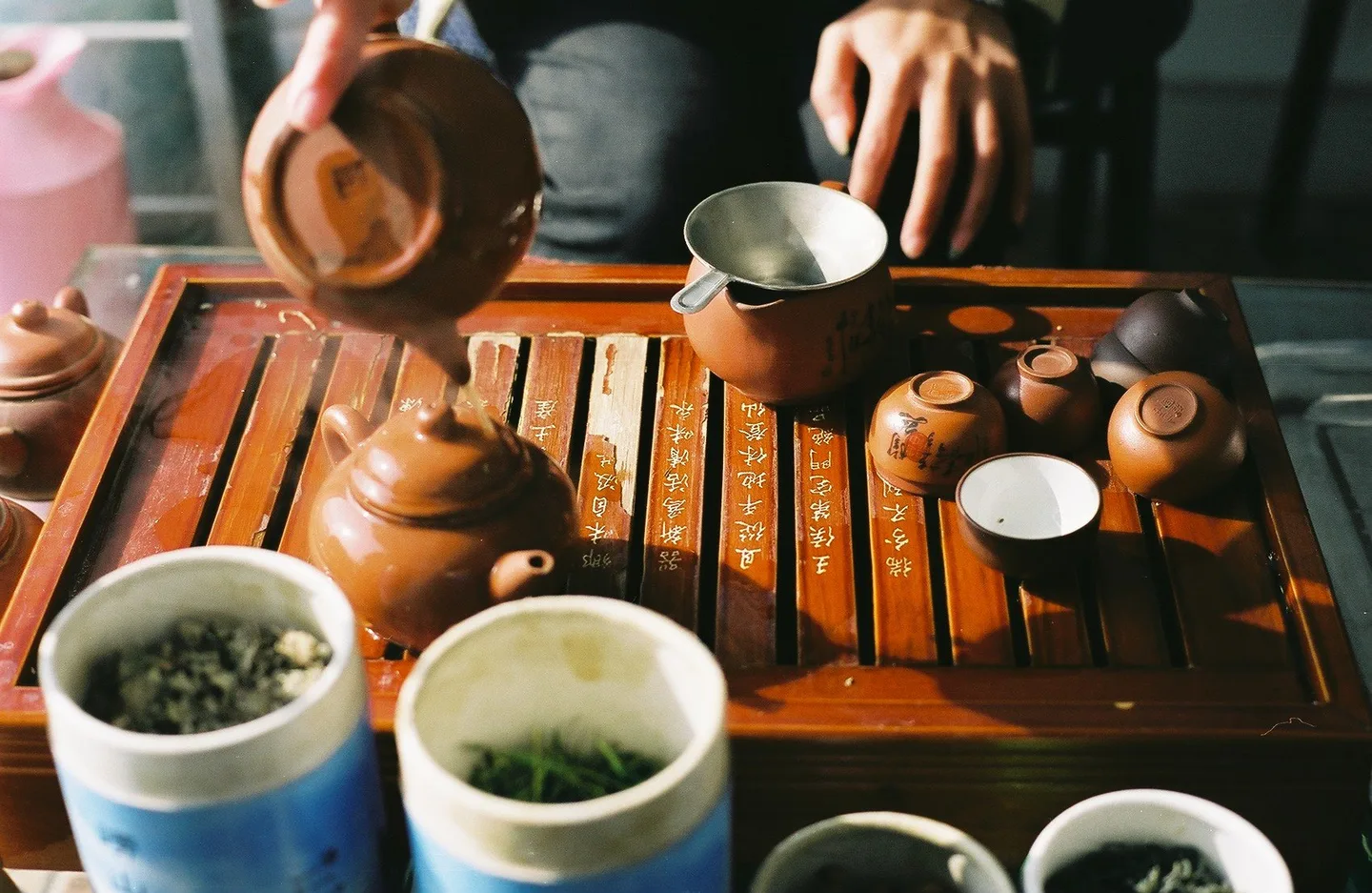
Chaoshan's density of good eating is one of the most 'underrated' tiers in China. For breakfast, beef kway-teow soup (hand-cut slices of fresh beef in clear beef broth over flat rice noodles), Chaozhou spring rolls, oyster omelette, glutinous-rice sausage and guozhi are the core. For lunch and dinner, the beef hotpot (clear broth with hand-cut premium cuts such as diaolong, nenrou, double-layer, huazhi and the creamy xiongkouliao brisket cap) is Chaoshan's most recognisable 'national calling card for a local flavour' - be sure to find a shop in the old town where locals queue (skip the tourist zones). Only with the late-night braised goose, clay-pot congee and ye mi (night rice porridge with small side plates) does the experience feel complete. Gongfu tea is part of daily Chaoshan family life and every brew has its rules; a Fenghuang dancong session at a Chaozhou teahouse runs from about 100 to 500 yuan per brew depending on the grade, so ask separately whether you want to drink it yourself or buy it as a gift.
Going to see Yingge dance over Spring Festival — where to stay and how to get there conveniently?
Chaozhou: stay around the Memorial Arch Street or the old town, within easy walking distance of both Guangji Bridge and Kaiyuan Temple; prices double in the Spring Festival peak, andbooking 30-45 days aheadis far better value than booking one week in advance.
Shantou: stay around Little Park and Lao Magong, or near the MixC mall, where eating and sleeping are both convenient.
Jieyang: flying in and out via Jieyang is very convenient, so you can simply stay near the airport.
Getting between cities: high-speed trains between Shantou and Chaozhou run about every 20 minutes, with the fastest ride taking 14 minutes; a taxi or ride-hailing car from Chaozhou to Jieyang airport takes roughly 35-50 minutes; within Chaozhou or Shantou, taxis are more convenient than buses.
What should you verify before chasing a performance?
Spring Festival is Chaoshan's 'festival for the whole population', so a few things are worth knowing in advance. First, each village, town and street keeps its own 'festival day', andYingge schedules should follow the 'nao re' or 'ying laoye' notices that each village or street publishes, rather than waiting stubbornly on some online 'Yingge calendar'. Second, some memorial arches and ancient temples inside Chaozhou's old town impose temporary capacity limits or adjust their opening hours during Spring Festival, so confirm in advance through the Chaozhou culture, radio, TV, tourism and sports WeChat account or the scenic areas' official channels. Third, the festive bustle of a Chaoshan Spring Festival fills every street and lane - keep children well away from firecrackers and the stalls where paper offerings are burned, and carry some wet wipes (the sauce dishes of the beef hotpot and ye mi, and your hands, will both need them). Fourth, all performance times, Yingge show schedules, temporary controls on the Memorial Arch Street and restaurant opening hours count as changeable information; this article was prepared in September 2026 for the 2026-2027 Spring Festival window, so before you travel always defer to the latest official announcements.
Frequently Asked Questions
Q: Do I have to watch the Yingge dance in some 'classic village'? A: Not necessarily. Every Chaoshan village that keeps an Yingge troupe performs during Spring Festival; the differences lie in troupe size, the refinement of the painted faces and how they are organised. Asking locals 'which village is out tonight' before you set off is usually worth more than heading to one 'IP village'.
Q: Can I cover Shantou, Chaozhou and Jieyang in 3 days? A: Yes, but it is not advisable to go deep in every city. The most comfortable 3-day skeletons are 'two nights in Chaozhou + half a day in Shantou' or 'one night in Shantou + one night in Chaozhou + half a day in Jieyang'.
Q: Will the Chaoshan beef hotpot make me feel 'heaty' or be hard to get used to? A: Chaoshan beef hotpot has a clear broth and cooks fresh slices of yellow beef - it is not spicy. Ordering is by 'fat-to-lean ratio and cut' (diaolong, nenrou, huazhi and the fatty xiongkouliao brisket cap), each slice needs just 6-10 seconds in the pot, and the usual dipping sauce is satay.
Wrapping up
This 3-day framework in one sentence: the Yingge dance tour should keep one day flexible; two nights in Chaozhou plus half a day in Shantou/Jieyang is the best value rhythm, an evening of Teochew opera plus one Yingge performance is the ceiling of the experience, and beef hotpot and gongfu tea are the standard nightcap. Specific performance schedules, restaurant opening hours and Yingge line-ups change every year; this article was compiled in September 2026 for the 2026–2027 Spring Festival window, so before departure please defer to the latest official announcements from the Chaozhou/Shantou Culture, Radio, Television, Tourism and Sports authorities. The 0765trip "Chaoshan 3 Days" tour is already live on the site — treat this guide as supplementary reading for the 3-day itinerary: leaving "which Yingge performance to watch, where to stay, which restaurant to eat at" to the advisor or to on-site notices before you go is far more authentic than locking yourself into some internet itinerary. If you want to refine the trip around your group size, children's ages and must-see priorities, submit "headcount + travel dates + preferences" via our contact page to a 0765trip travel advisor, who will draw up an executable 3-day Yingge route based on the season's schedule. Keep the pacing to yourself and leave the performance schedule to the on-site announcements: watching one rousing Yingge dance and tucking into a clear-broth beef pot at night is the most festive way to open a Chaoshan Spring Festival.