
Travel in China
Half-day in Shunde's mulberry-fishpond countryside: water-town ecology and cooking with mulberry leaves
Step into the mulberry-fishpond (sangji yutang) landscape with a local guide in the Shunde water country, understand this traditional Pearl River Delta ecological cycle, then cook a Cantonese dish with seasonal mulberry leaves — about 4 hours, ideal for families and travellers interested in Lingnan ecology.
Shunde → Guangdong
 Private journey
THE JOURNEY REVEALED
Tour overview
Understand the pace, service and fit before diving into the itinerary.
This is a half-day mulberry-fishpond experience of about 4 hours in the Shunde water country; the exact fishpond farm and meeting point follow your reservation. The experience starts with a water-town guided tour — walking the raised dikes between mulberry groves and fish ponds to understand the centuries-old Pearl River Delta cycle of "mulberry leaves feed silkworms, silkworm droppings feed fish, pond mud fertilises the mulberries". Then you visit a mulberry grove to observe the trees and the seasonal fruit, learn how mulberry leaves are used in Cantonese cooking, and under guidance make a dish with mulberry leaves by hand, finishing by tasting and discussing together. The whole session is explained mainly in Mandarin, with a relaxed, unhurried pace — families, friends and solo travellers are all welcome. This arrangement links Shunde's world capital of gastronomy with the farming wisdom of the Pearl River Delta — suited to families who want children to know where food comes from, and to travellers interested in Lingnan ecology and culture.
Many people know Shunde as a "world capital of gastronomy", yet few know that its deliciousness begins on the dikes. The Pearl River Delta is woven with waterways; the ancestors dug the lowlands into fish ponds and planted mulberries on the raised dikes, forming a cycle of "mulberry leaves feed silkworms, silkworm droppings feed fish, pond mud fertilises the mulberries" — mulberry, silkworm, fish and mud interlocked, supporting for centuries a prosperous water country that produced both silk and fish and rice. This ecological farming system, called the mulberry-fishpond (sangji yutang), is still seen as one of the Chinese people's wisest expressions towards the land. What this half-day experience wants to do is simply walk you onto that dike.
Over about 4 hours, a local guide leads you through the structure of the pond-and-dike system and the relationship between mulberry trees and fish ponds; you visit a mulberry grove to see the trees and the seasonal berries, return to the kitchen to cook a Cantonese dish with mulberry leaves by hand, and finally eat your own cooking. It doesn't chase grand narratives — it lets a real walk and a meal cooked with your own hands make you understand the plain ecological logic behind "why Shunde tastes so good". It suits families — letting children know food doesn't grow in the fridge — and travellers interested in Lingnan ecology and culture. The experience is bookable on demand and explained mainly in Mandarin; families, friends and solo travellers can all join, and the exact meeting point and fee follow the reservation confirmation.
What exactly happens in this half day?
Step one: walk onto the dikes.The experience begins with a water-town tour. The guide introduces the basic structure of the mulberry-fishpond system: fish in the ponds, mulberries on the dikes, silkworms raised in the sheds, silkworm droppings falling into the pond to feed the fish, pond mud returning to the dikes to fertilise the mulberries — one link holding the next. Standing on the dike and hearing this cycle is far more vivid than any diagram — you can even see the fish shadows in the pond and the newly planted mulberries at the dike edge.
Step two: wander the mulberry grove.Walk into the mulberry grove and learn about the mulberry's leaves, fruit and growing rhythm. The fruiting season is roughly March–May; if you arrive in season you can pick a few by hand. Out of season is no problem — the guide explains how mulberry leaves shift from "feeding silkworms" to "entering the kitchen" — mulberry-leaf tea, mulberry leaves in broth, and mulberry-leaf omelette are all seasonal dishes on Lingnan tables.
Step three: cook with mulberry leaves.Back at the experience kitchen, make a dish with the seasonal mulberry leaves under guidance. It's not hard to pick up — the point is understanding the "why": why mulberry leaves need blanching to remove bitterness, how to match them with stock and egg to bring out the clean fragrance. When it's done, taste it together with your companions and the guide, and share what you've learned.
Step four: take away the recipe notes.At the end you'll receive a set of mulberry-leaf recipe notes to bring the methods home. Next time you see mulberry leaves at the market, you'll know what they can become.
Who does this suit? And who might it not suit?
This half day suits: families with children over 6, since the dike tour and the hands-on session are child-friendly and double as a vivid ecology lesson; travellers who love food and want to understand the logic behind "why Shunde tastes so good"; people interested in Lingnan farming and culture who want to see a different side of Shunde; and inbound visitors — placing a water-country experience in a Shunde itinerary adds a whole dimension to the idea of a "capital of gastronomy".
It suits less well: travellers who came to Shunde purely to "eat and stroll" and have no interest in cooking or walking the fields; people with limited mobility who need full assistance, who should confirm the accessibility of the dike paths before booking; and note that mulberry-picking is seasonal — if you're coming specifically to pick mulberries, confirm the fruit is in season first so you aren't disappointed.
After the experience, what else is around to explore?
After the mulberry-fishpond experience, the Shunde water country still offers many ways to wander: walk slowly along the creek, watching the docks, banyan trees and century-old houses scatter along the banks — the most everyday picture of the water country; head to Qinghui Garden in Daliang and while away an afternoon among the pavilions and ponds of a Lingnan garden; or give the time to the heritage shops around Jinbang Street and Huagai Road, tasting your way from double-skin milk pudding and fried milk to fish-skin dumplings. Any of these can combine freely with the half-day experience to turn half a day into a leisurely full one. The water-country area is compact, easily connected on foot or by a short drive — which echoes the line from the experience: Shunde's flavour lives half on the dikes and half in the lanes.
Pre-departure preparation
Booking: This experience is bookable on demand; before travelling, confirm the date, time slot and fee through a 0765trip travel advisor, subject to the reservation confirmation.
Season confirmation: Confirm the season's mulberry-leaf cooking theme and the mulberry fruiting period in advance; the arrangements adjust slightly with the season.
Dress: Wear comfortable non-slip shoes and easy-to-wash clothing — both the dikes and the kitchen are down-to-earth settings; necessary protective gear is provided by the experience organiser.
Allergies and dietary restrictions: State any food allergies or dietary restrictions at booking so the arrangements can be adjusted.
Time: The experience lasts about 4 hours — leave a connecting margin with your other Shunde plans, and it's better enjoyed unhurried.
Closing words: where a meal comes from is worth seeing once
In Shunde, between the mulberry-fishponds and those wonderful restaurants there isn't just a few kilometres — there's a whole logic of the land. Many people have eaten Shunde food; few know where that freshness comes from. This half day doesn't teach you to become a chef or take you to internet-famous spots — it simply puts one dike, one mulberry grove and one meal cooked by your own hands in front of you. Once you start seriously answering the question of where food comes from, travel becomes something very different. An experience is short, but the question it leaves is long — and that question is worth taking back to your own kitchen.
If you're planning a Shunde itinerary, combine this half day with the Cantonese kitchen class and a market-foraging walk: down to the dikes in the morning, into the kitchen in the afternoon — your understanding of Shunde becomes far more three-dimensional. To book this half-day mulberry-fishpond experience, or to combine Shunde with Guangzhou, Foshan or Hong Kong into a longer trip, just tell a 0765trip travel advisor — we'll first confirm your dates, group size and dietary requirements, then arrange the specific reservation. Before you go, check the season's content and the farm's availability — everything is subject to the reservation confirmation.
- Duration
- 1 days
- Starts in
- Shunde
- Ends in
- Shunde
- Destination
- Guangdong
IS THIS TOUR FOR ME?
Is this tour right for me?
Season and seasonal ingredients
The mulberry fruiting season is roughly March–May; the mulberry-leaf cooking and picking content adjusts with the season, subject to confirmation at booking.
Dress and hygiene
For the dike paths and kitchen work, wear comfortable non-slip shoes and easy-to-wash clothes; wash your hands as directed before the experience begins.
Allergies and dietary restrictions
If you have any food allergies or dietary restrictions, state them clearly at booking so the arrangements can be adjusted.
Booking and cancellation
This experience is bookable on demand; the exact time, fee and cancellation policy follow the reservation confirmation. Rescheduling can be discussed in case of force majeure.
WHERE STORIES COME TO LIFE
Journey highlights
Each highlight connects directly to the day-by-day journey.
A mulberry-fishpond ecology lesson
Understanding the farming wisdom of the Pearl River DeltaFollow the guide onto the dikes to read the cycle of mulberry, silkworm, fish and pond mud, and understand this centuries-old Lingnan ecology.
THE ROUTE
See the route
DAY BY DAY
1 days, day by day
The running order may change with weather, roads and local conditions.
Half-day mulberry-fishpond experience (about 4 hours)
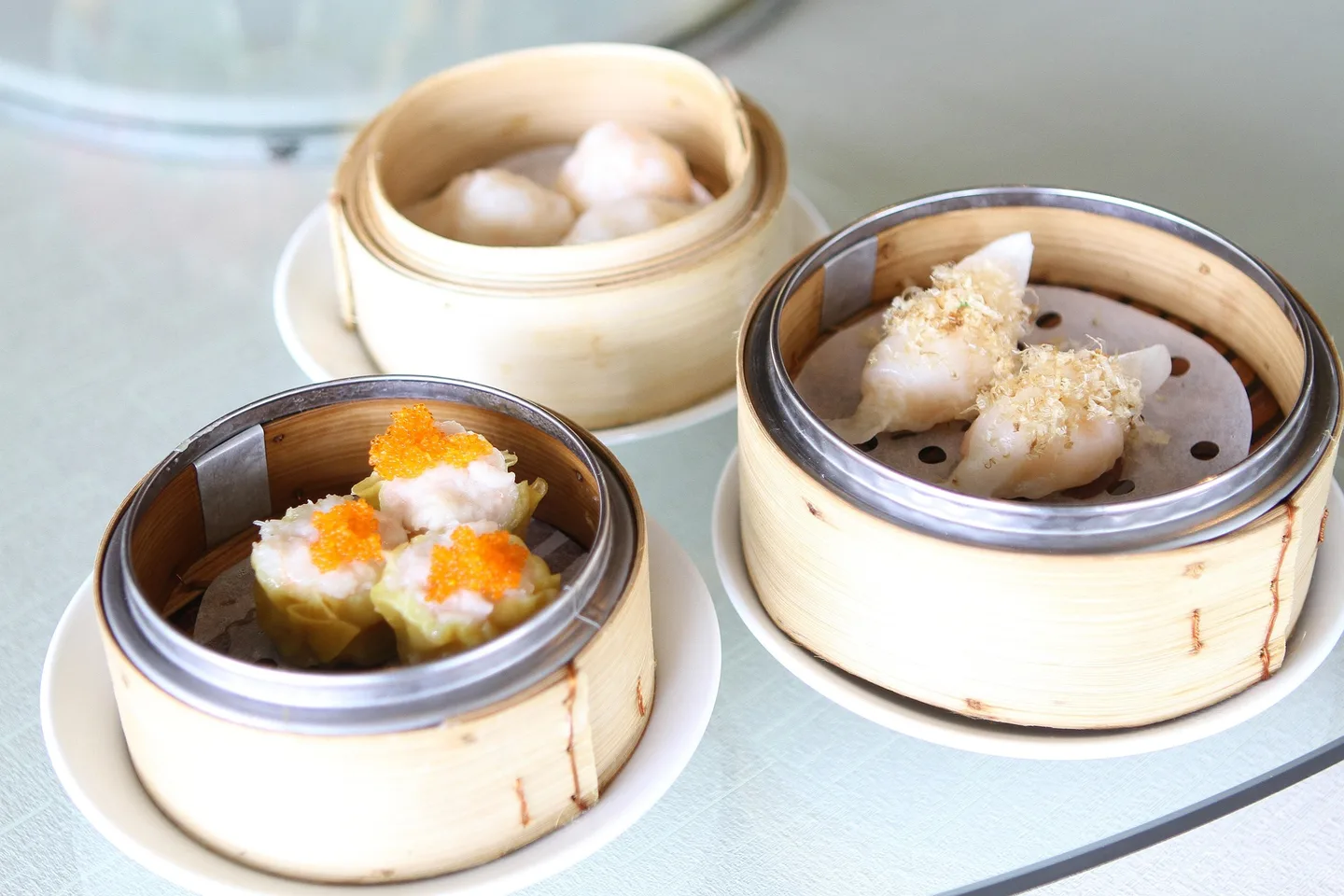
Meet in the morning at the designated point in the Shunde water country (exact location per your reservation confirmation). First a local guide leads you onto the mulberry-fishpond dikes to understand the structure of the pond-and-dike system, the relationship between mulberry trees and fish ponds, and the history and present state of this ecological cycle; then visit a mulberry grove to observe the trees and the seasonal berries (the fruiting season is roughly March–May, subject to that season), and learn how mulberry leaves are commonly used in Cantonese cooking; back at the experience kitchen, make a dish with mulberry leaves by hand under guidance, then taste it together, share notes and take away the recipe notes. About 4 hours, finishing after noon.
- Mulberry-fishpond water-town guided tour
- Mulberry grove observation and explanation
- Hands-on cooking with mulberry leaves
- Tasting the finished dishes and taking away the recipe notes
- Free time for other water-town stops in Shunde
WHAT’S INCLUDED
What’s included
Day trip, no accommodation; if you'd like to stay over, hotels in the Daliang or water-country area can be recommended, subject to booking.
Tasting the finished dishes within the experience is included; meals outside the experience are self-arranged.
The meeting point is in the Shunde water-country area — you make your own way there; the exact address follows the reservation confirmation.
Included
- Water-town guided tour and explanation
- Mulberry grove observation and teaching
- Ingredients, utensils and recipe notes
- Tasting the finished dishes
Not included
- Transport to and from Shunde and the meeting point
- Meals outside the experience and personal spending
Suggested extra budgetRound-trip transport and personal spending not included; the experience fee is confirmed at reservation.
DATES & PRICE
Choose your departure
Dates built around your plans
Share your preferred dates, group size and accommodation needs for an accurate proposal.
BEFORE YOU GO
Frequently asked questions
Can children take part?+
Yes. The experience is designed for families — children can get hands-on in the dike tour and the mulberry-leaf cooking session; we suggest age 6 and above.
Outside the mulberry season, does the experience shrink?+
No. Cooking with mulberry leaves and the ecology tour run all year; only the mulberry-picking is seasonal, and the arrangements adjust with the season.
MORE JOURNEYS
GuangdongDaliang, Shunde: a half-day Cantonese cooking class — slow-simmered soup and steamed fish
Learn three home-style Cantonese dishes with a local chef in a Shunde Daliang kitchen: slow-simmered soup (lou fo tong), steamed fish and greens, about 4 hours — perfect for travellers who want to take home real Cantonese cooking skills.
 Guangdong
Chaoshan 3 Days | Glamorous Chaoshan · Nan'ao Scenery · 10 Chaoshan Meals
A 3-day pure-tourism Chaoshan food-and-culture tour departing from Foshan, exploring Chaozhou Old Town, the Memorial Arch Street and Nan'ao Island, including 4 main meals, 2 breakfasts and 4 snacks — 10 meals in total, no shopping stops.