
Chaoshan isn't a single restaurant — it's a whole city built around taste. This guide treats the Chaozhou old town and Shantou separately: how to order beef hotpot, where to find oyster omelettes and kuih (rice cakes), how to read the street snacks, and a 3-day eat-as-you-walk route.
The biggest mistake people make when they come to Chaoshan to eat is treating food like a check-in list. You save twenty restaurant names, then arrive to find the beef hotpot and the oyster omelette are on opposite sides of a city, that the snack stalls only open in the afternoon, and that you're leaving at three. Chaoshan food isn't about any single shop — it's a whole city's taste system: mornings before dim sum belong to rice rolls and kway teow, midday is ruled by beef hotpot, afternoon streets are taken over by oyster omelettes, spring rolls, salty water kuih and sweet soups, and after dark the old town lights up with another kind of smoke and fire. To truly "eat" Chaoshan you first need to understand this timetable, then plan your route by district rather than navigating shop by shop.
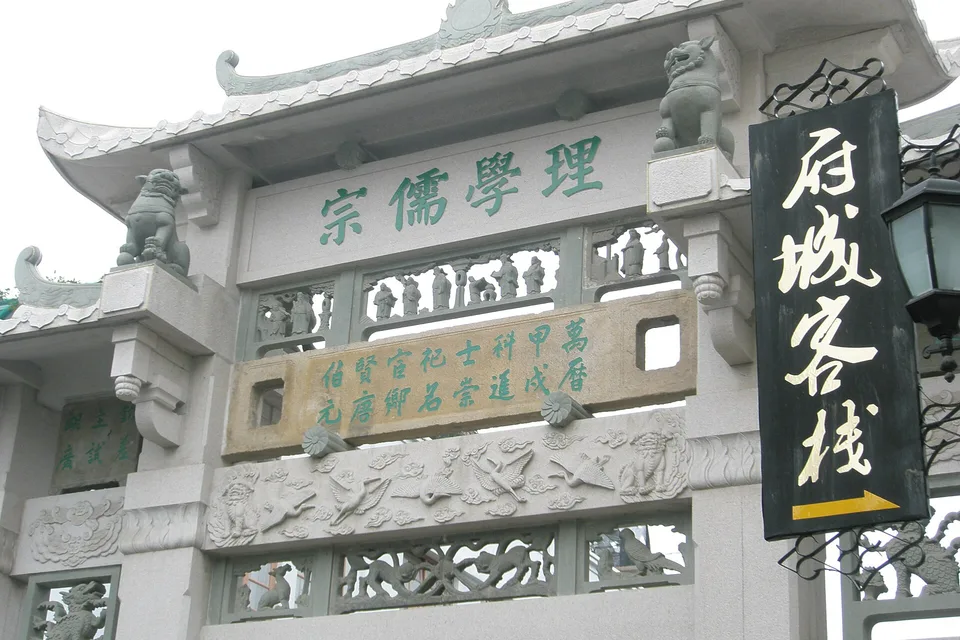
This guide treats the Chaozhou old town and Shantou separately: Chaozhou carries the "tradition and density" — snacks and decades-old shops are tightly packed around Paifang Street and Xima Road, perfect for slow wandering and repeated eating; Shantou carries the "everyday life and late-night food" — the arcade quarter around Xiao Gongyuan (Little Park) preserves the old Shantou taste. With three days, give two to Chaozhou and one to Shantou; if you want seafood, spare half a day more for Nan'ao Island. At the end I'll lay out the know-how for ordering beef hotpot and reading street snacks, and offer a route plan. Prices and opening hours are changeable information, so check what each business has published most recently before you go.
What exactly is good to eat in Chaoshan: first build a taste map
Chaoshan cuisine is vast, but for a short visit, recognising five categories is enough:
beef hotpotis Chaoshan's best-known calling card. Unlike the heavy-oil, fiery Chongqing hotpot, Chaoshan beef hotpot is about "freshness" and "cuts". A clear beef-bone broth, hand-sliced beef swished in for eight to ten seconds, dipped in satay sauce. The key to ordering is the cut: wuhuazhi (five-flower tendon) and diaolong (hanging tenderloin) are springy and crisp, xiongkoulao (beef brisket fat) is rich without being greasy, shibing (spoon tenderloin) is silky — first-timers can simply ask the house to put together a "full platter" by headcount, which is safer than ordering blind.
The oyster omeletteis the national snack of Chaoshan: fresh oysters bound with sweet-potato starch and egg, fried into a golden cake, crisp outside and tender in, eaten with fish sauce or pepper. Two things to check: the oysters must be fresh and the batter crisp. Some stalls turn out a limp, soggy version — usually more starch than oyster, and not worth queuing for.
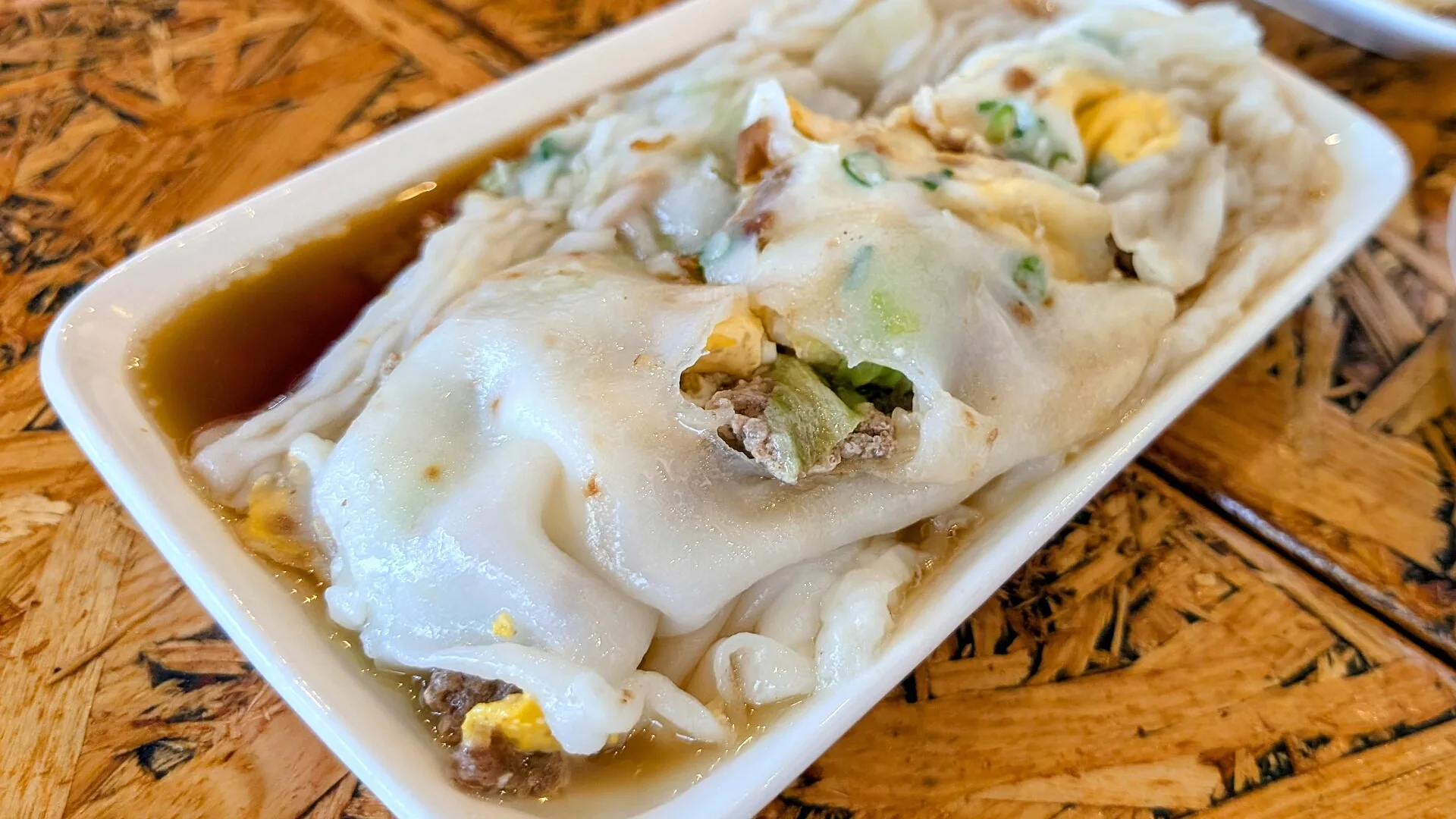
Kuih (rice cakes) are the "carb universe" of Chaoshan.Kway teow resembles ho fun but is thinner and silkier; with beef balls and beef offal it becomes the classic kway teow soup. Salty water kuih are small cup-shaped cakes steamed from rice batter, filled with fried diced turnip; red peach kuih and cudweed kuih are festival cakes especially common around Qingming; spring rolls and fermented tofu cakes are street pastries — one savoury and crisp, one sweet-meets-salty, both made for eating on the move.
Braised foodis a Chaoshan daily staple. Braised goose, duck and pork intestines with a dish of garlic and white vinegar are regulars on Chaozhou dinner tables. The braise stalls that hang their sauces out to air on long bamboo poles are usually more frequented by locals than the beautifully decorated shops.
Sweet soup and sugar waterrounds it off. Chaoshan sweet soup prizes clear sweetness without cloying — mung bean soup, qingxin balls and five-fruit soup are all classics. Plenty of old shops in the old town have made sweet soup for a generation or two; a bowl after dinner is the most comfortable full stop to this taste journey.
How to plan a 3-day food route?
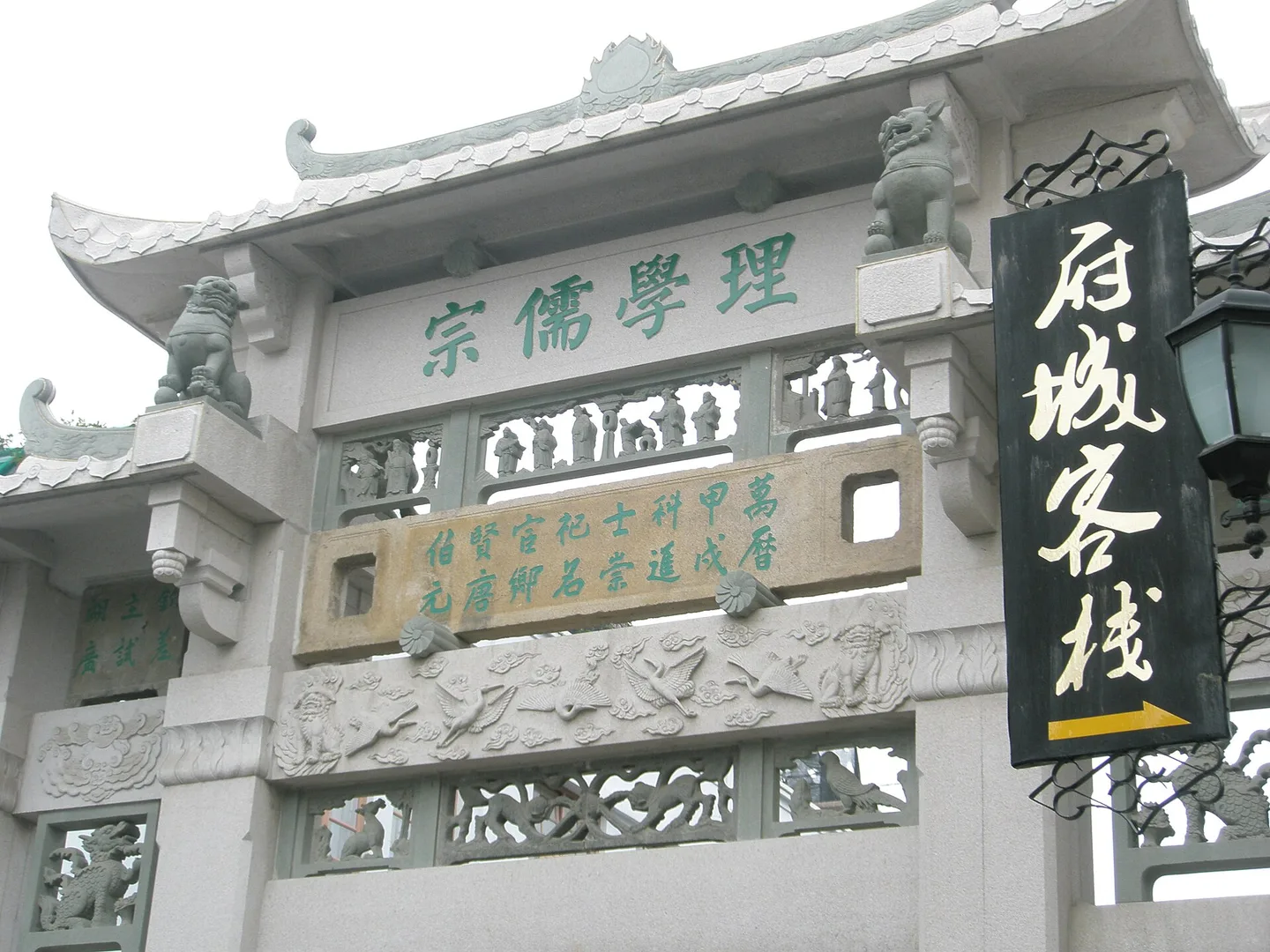
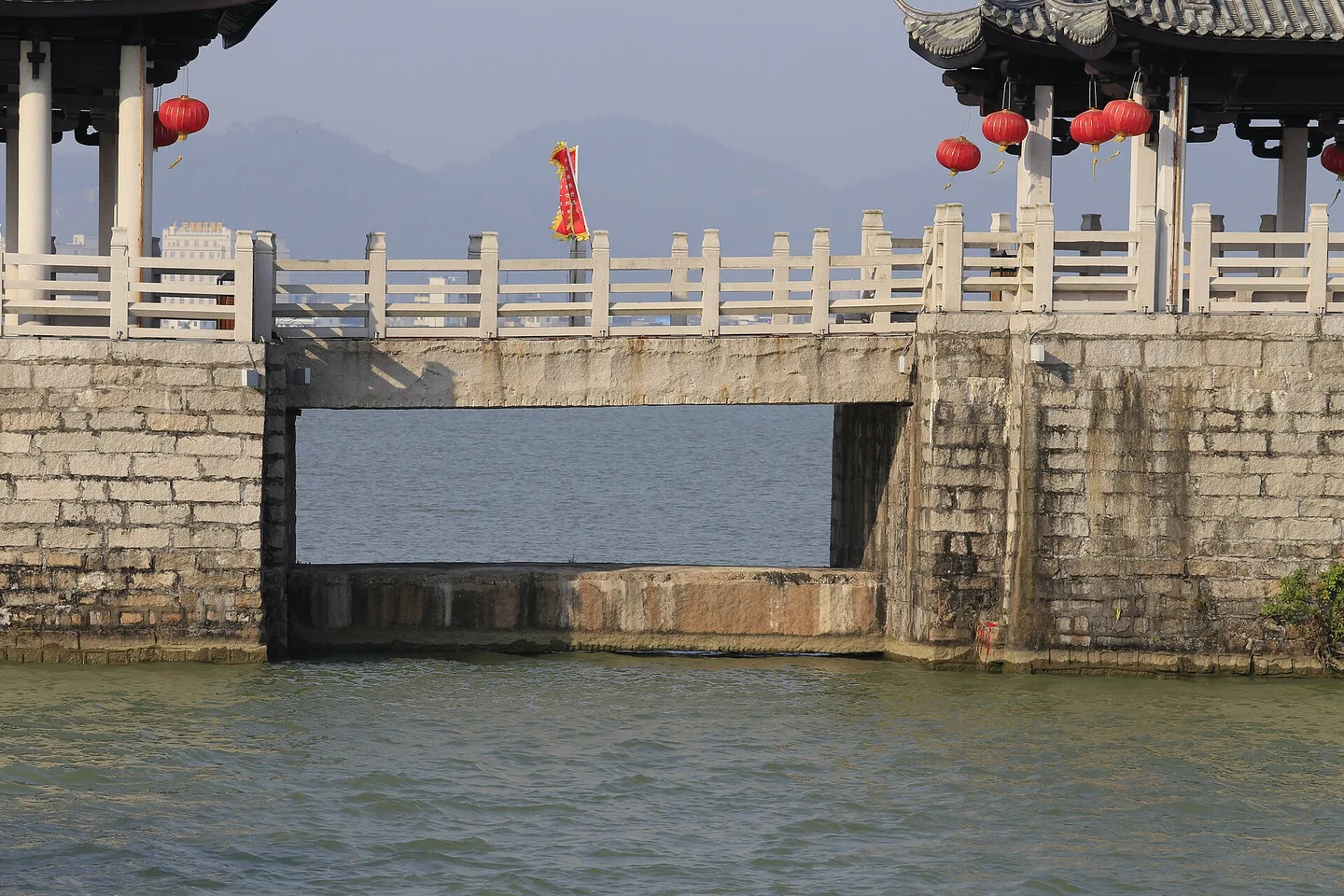
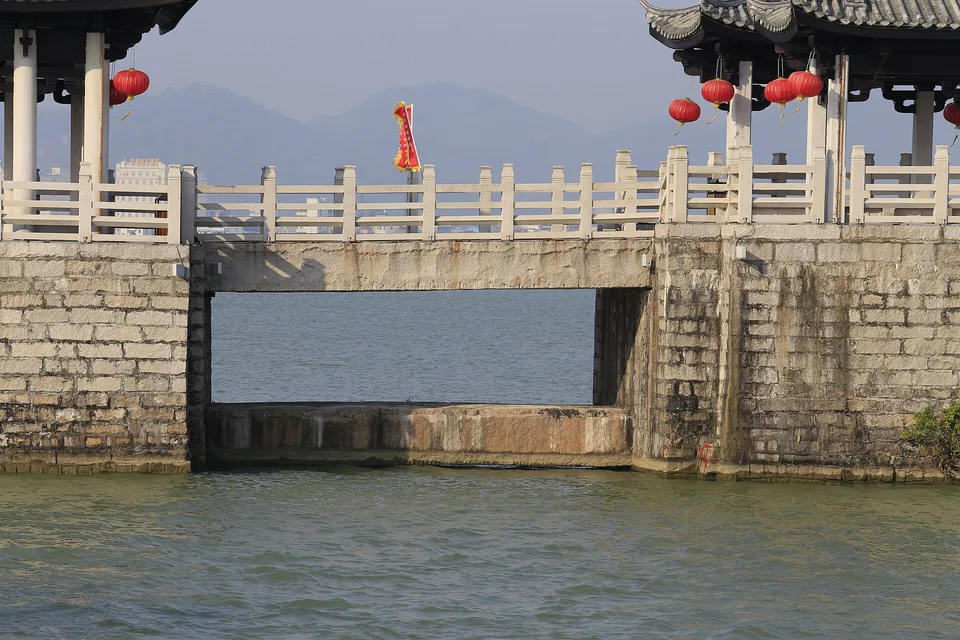
Day 1: the Chaozhou old town, eating your way from Paifang Street to Xima Road.Start in the morning at Paifang Street. This street concentrates Chaozhou's most famous heritage shops — begin at the rice-roll shop near the entrance and eat your way to Xima Road. Xima Road is the food street locals prefer, and many stalls only do business from morning to noon; rice rolls, kway teow and spring rolls can all be found here. In the afternoon walk the Guangji Gate tower and Guangji Bridge, then return to Paifang Street at dusk and wait for the lights to come up along both banks of the river. Dinner is a beef hotpot — the centrepiece of day one.
Day 2: deeper into Chaozhou's lanes, with a second round of beef hotpot.In the morning wander the old houses around Jiadi Lane, filling in snacks you missed yesterday — salty water kuih, fermented tofu cakes and duck-soup dumplings. If braised food appeals, find a local stall and order a plate of braised goose with rice. In the afternoon you can head to Shantou by coach, or stay another night in Chaozhou. For first-timers we'd recommend giving day two to Chaozhou's morning and night: Xima Road's stalls are just opening at dawn, and Paifang Street after dark is a completely different place from daytime.
Day 3: the Shantou Xiao Gongyuan (Little Park) area, where everyday life is thickest.Shantou's old tastes concentrate around the arcades of Xiao Gongyuan. In the morning visit Shipaotai Park and Xiao Gongyuan, have an authentic lunch around the arcades at noon, and in the afternoon pick up gifts such as beef balls, olive vegetables and fermented tofu cakes. If time and appetite remain, Shantou's dai pai dong night market is another world — seafood congee, marinated raw crab and barbecue keep going late into the night.
Want to add seafood?Swap day three for Nan'ao Island. A cross-sea bridge links the island; the seafood stalls of Qing'ao Bay serve the day's catch — steamed fish, stir-fried crab and sea-urchin fried rice are all worth trying. The island wind, lighthouses and beaches also add a scenic breather to three days of pure eating.
How to order beef hotpot: cuts and process, explained once
When you eat Chaoshan beef hotpot for the first time, don't order a heap of different meats straight away. Remember this sequence: ask the house to bring a clear beef-bone broth first; once it boils, drop in a few slices of white radish and corn to sweeten the stock; then swish the meat in order of "crisp → tender → rich" — start with springy cuts like diaolong and shibing, move to bouncy, crunchy cuts like wuhuazhi, and finish with xiongkoulao, blanching it for about ten seconds and lifting it out to eat with satay sauce and a little chilli ring.
Use a slotted ladle for each plate of meat, swish it eight to ten seconds, and eat the moment the colour changes — never tip a whole plate into the pot to boil. Chaoshan people talk about "three lifts and three drops", precisely because meat left too long in the broth turns tough. After the meat, cook the kway teow and vegetables, and finally sip a bowl of the clear broth that has absorbed all the meat's flavour — only then is the meal complete.
How to read street snacks: a guide for visitors who don't want to step on a landmine
Many of Chaozhou's street snack stalls have no menu. Look at the signboards and how things are made on the spot and you won't go far wrong. For rice rolls, see whether the rice batter is freshly ground and whether the sauce is the house's own; for oyster omelettes, listen for the "sizzle" at the edge of the pan and whether the finished cake is golden and crisp; for salty water kuih, see whether the cups are steamed to order and whether the fried turnip smells good; for fermented tofu cakes, look for the words "Chaozhou specialty" — freshly made at the roadside beats the packaged ones.
Long queues don't always mean good, but queues of locals are usually worth waiting for. The test is whether the people in line are speaking Teochew and whether there are older customers — the everyday choices of locals are often more reliable than the "internet-famous" shops in guides. Also, many Chaoshan snack shops keep very short hours: the morning stall may close at noon. Confirm opening times before you set out, so you don't arrive to find it shut.
What to prepare before eating your way through Chaoshan?
Chaoshan food is light, fresh and delicious at heart, but it also includes raw dishes such as marinated raw crab. If your stomach is sensitive, take it easy and start with small amounts.
The hand-sliced beef at hotpot places is "sliced to order", so there may be a wait when busy — shifting your mealtimes away from the peak makes for a better experience.
Prices, opening hours and queues change at every shop — go by each business's latest announcements; during holiday peaks, call ahead to confirm.
The Chaozhou old town is mostly walked, so wear comfortable shoes; for the Nan'ao Island leg allow at least half a day, and self-driving or a chartered car is the easiest way around the island.
For a worry-free option, join the 3-day Chaoshan pure-tour group departing from Foshan: the old town, Nan'ao Island and ten Chaoshan-flavour meals all arranged, with zero shopping stops.
Closing words: the taste of Chaoshan — three days is only the beginning
People in Chaoshan like to say, "Eat in Guangzhou, but taste in Chaoshan." Three days is enough to start knowing this land from the beef-hotpot broth, to eat a bowl of freshly ground rice rolls in the morning light of Paifang Street, to wait at an evening stall for an oyster omelette fresh from the pan, and to end the day in a late-night bowl of sweet soup. But Chaoshan's taste system goes far beyond this — the red peach kuih of festivals, the fish rice in deep lanes, the raw marinated dishes at night markets all need more time and slower steps to be fully tasted.
It doesn't matter if you can't eat it all this time. Walk this three-day route and you'll already understand Chaoshan better than most check-in tourists: you'll know the order in which beef should be swished, know that Xima Road is more local than Paifang Street, and know that the old town at dawn and at midnight are two different cities. Next time, go deeper — to Raoping for seafood, to Jieyang for old braised food, to the mountains for gongfu tea. If you want the Chaozhou old town, Nan'ao Island and ten authentic meals arranged in one go, 0765trip runs a 3-day Chaoshan pure-tour line from Foshan where food, stay and transport are all taken care of; you can also customise it by your departure city and days. Before you set out, recheck each shop's opening hours and reservation info — everything should be subject to the latest announcements from the businesses and official channels.