Everyone dreams of western Sichuan's snow peaks and Tibetan villages, but travelling there with parents calls for a different approach: altitudes that rise gently, short daily drives and comfortable hotels. This guide breaks down pacing and pitfalls for a 6-day senior-friendly loop.
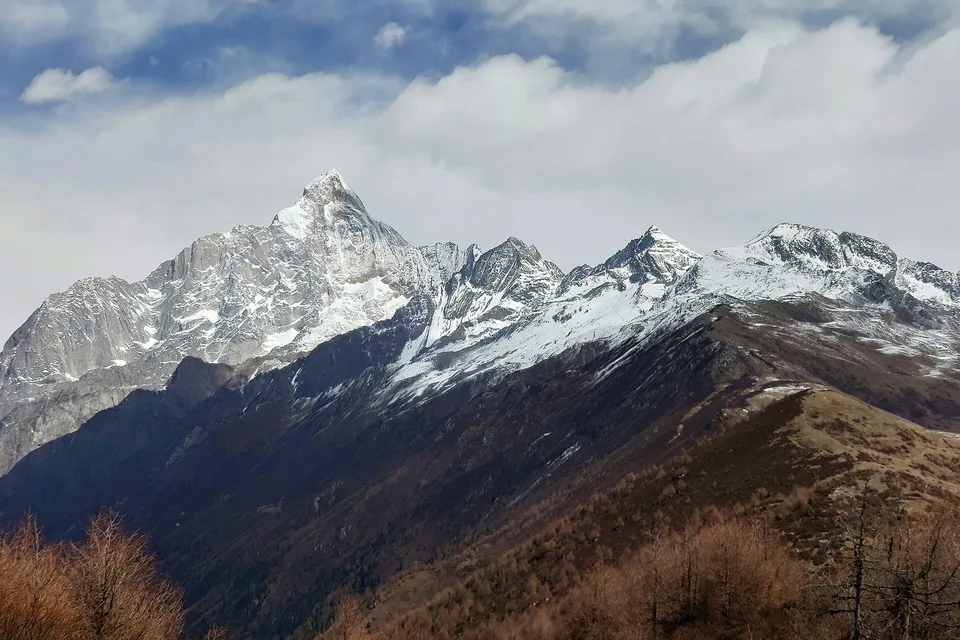
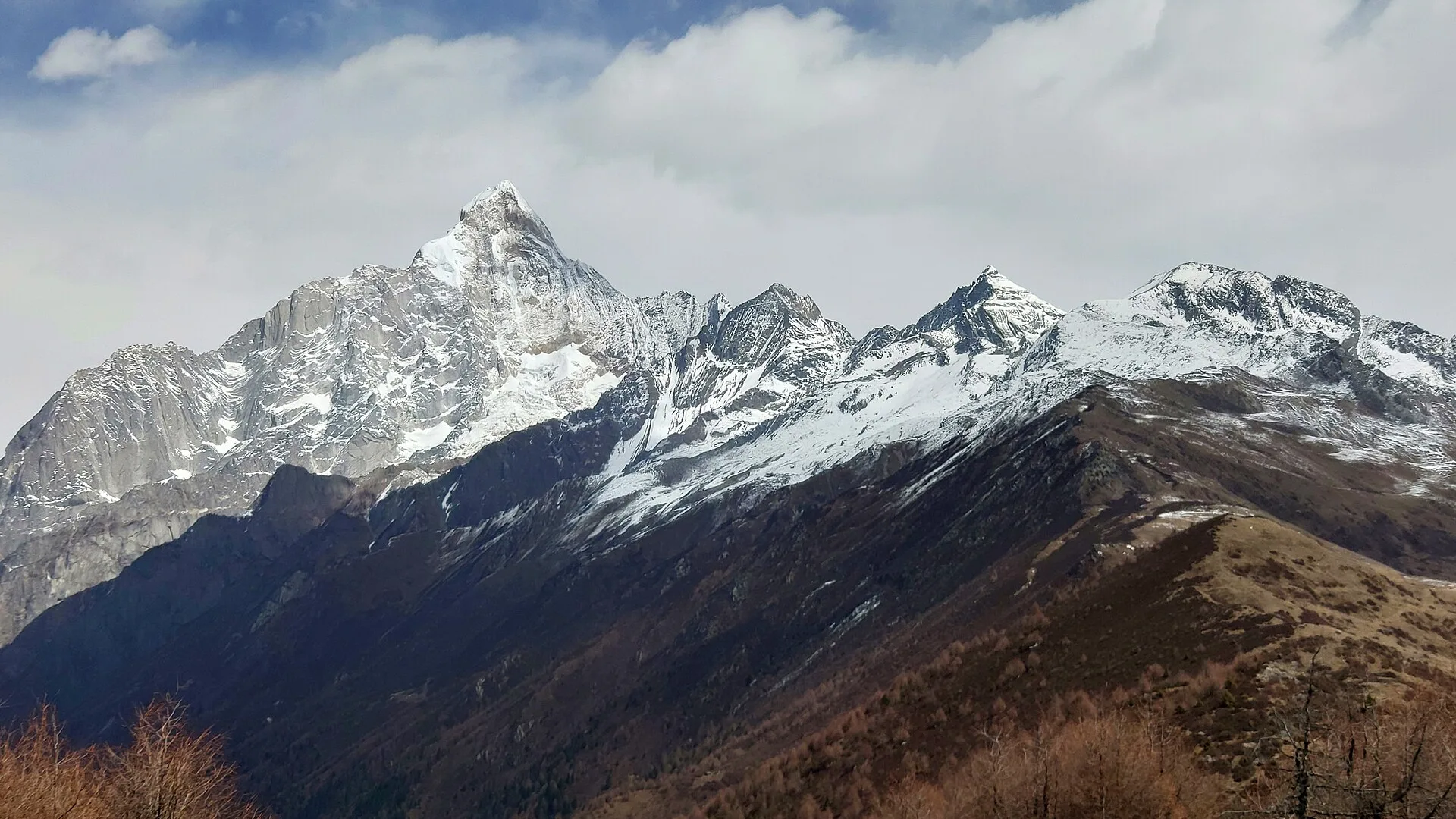
Many people share the same wish: to show their parents the snow mountains and grasslands while they are still fit to travel. Western Sichuan is almost the default answer — the snow peaks of Siguniang Mountain, the watchtowers of Jiaju Tibetan Village and the golden pagodas of Tagong Grassland all sit on the 'must-see once in a lifetime' list. Yet when planning actually begins, doubts creep in: can Mum and Dad cope with 3,000-plus metres? Can they handle three or four hours in the car every day? Will the hotels be too basic?
Those worries are legitimate, but western Sichuan is not only 'challenge mode'. Take the same loop, slow the pace, fix the altitude order and raise the hotel standard, and it becomes a wellness route perfectly suited to seniors. Using a 6-day loop as an example, this article explains four core principles for travelling to western Sichuan with parents: rise gently from low to high, keep daily drives to two or three hours, book comfortable-or-above hotels, and schedule no more than two sights a day. Follow this thinking and your parents will see, not a rushed tour, but snow mountains and pastoral villages unfolding slowly.
One more thing to make clear up front: the "6 days" in this article is a suggested rhythm, not a rigid template. If your parents are fit and the holiday allows, stretch it to 7–8 days; if time is tight, dropping one or two stops still works. What must be held are two bottom lines — altitude never spikes abruptly and driving never exceeds three hours in a row. Before departure, confirm your parents' health, their regular medicines and the travel insurance, and go with the right people — only then is this slow trip truly safe.
Taking parents up onto the plateau — how should the altitude sequence be arranged to stay calm?
When travelling with parents, the order of altitudes matters more than the order of sights. What altitude sickness fears is not altitude itself, but pushing up before the body has adapted. The itinerary should therefore follow 'low entry, high exit': spend the first night at about 1,800 m in Lixian to give the body time to acclimatise, then rise gradually to Siguniang Mountain (3,200 m) and Xinduqiao (3,700 m), before dropping back to Kangding (2,600 m) to rest.
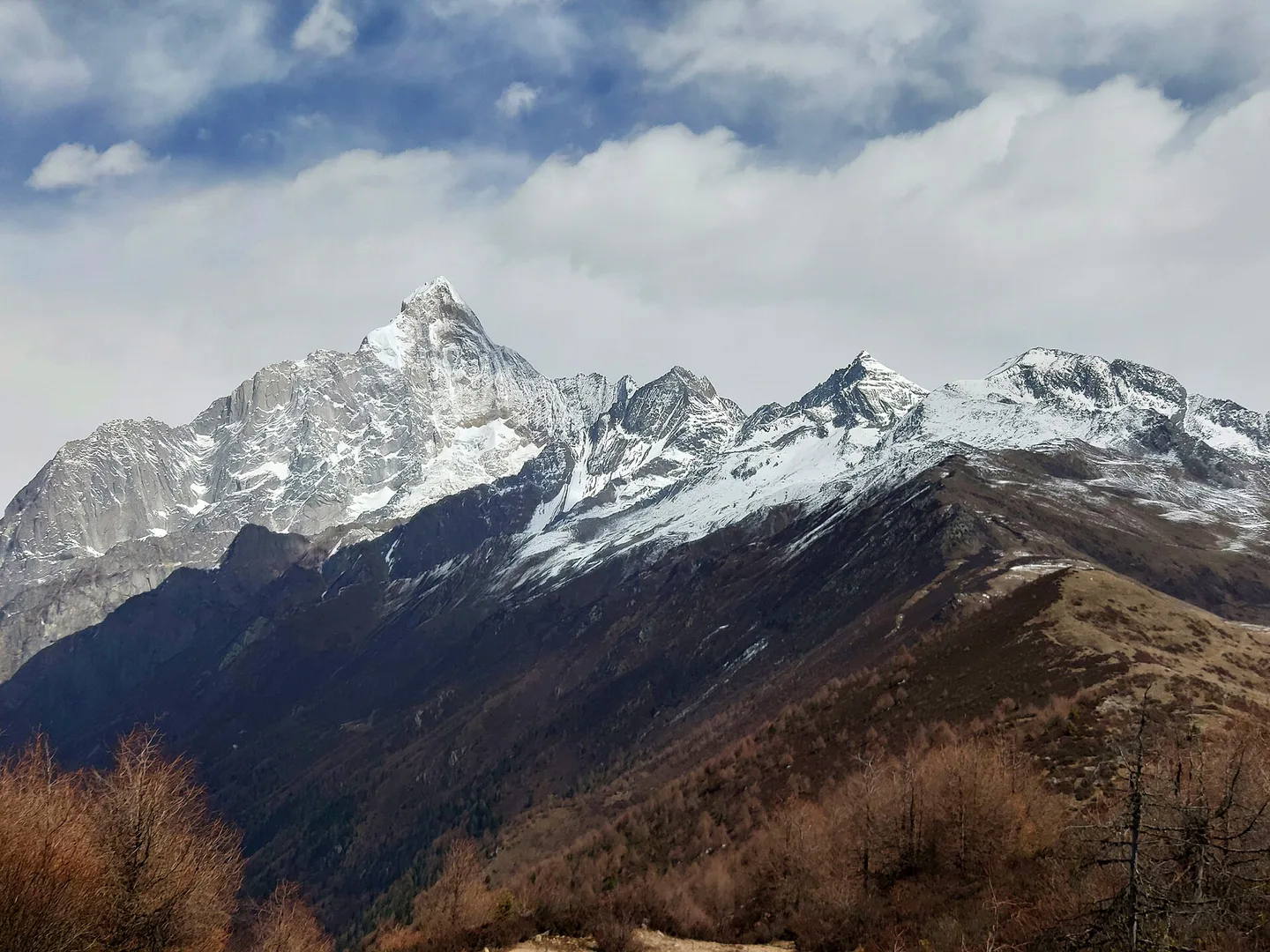
A day-by-day overnight rhythm you can follow: night one in Lixian (approx. 1,800 m) at a hot spring hotel for a relaxing soak; night two in Siguniang town (approx. 3,200 m), with gentle days at Bipenggou and along the Lixiao Road; night three in Danba (approx. 1,900 m), descending after Shuangqiao Valley so altitude drops sharply; night four in Xinduqiao (approx. 3,700 m) — the highest night of the trip, but after three nights of preparation most seniors adapt well; night five in Kangding (approx. 2,600 m) for a good sleep; and day six back to Chengdu. The route rises and falls in gentle waves rather than climbing relentlessly — the most senior-friendly design for highland travel.
How should you control the daily driving time and choose among the sights?
With parents, the worst mistake is a check-in-the-box itinerary. Distances between western Sichuan sights routinely eat two to three hours, and if the schedule is packed, elders spend the trip in the car or rushing, turning beautiful scenery into a burden. Keep total driving under three hours a day: one big sight in the morning, a smaller one in the afternoon, and check into the hotel before 6 pm, leaving time to rest and soak.
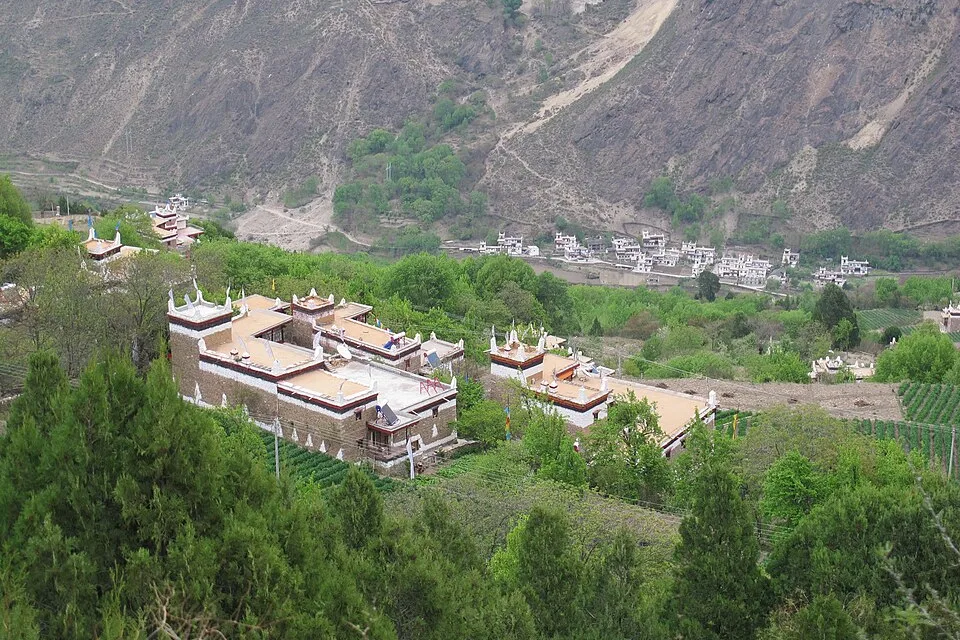
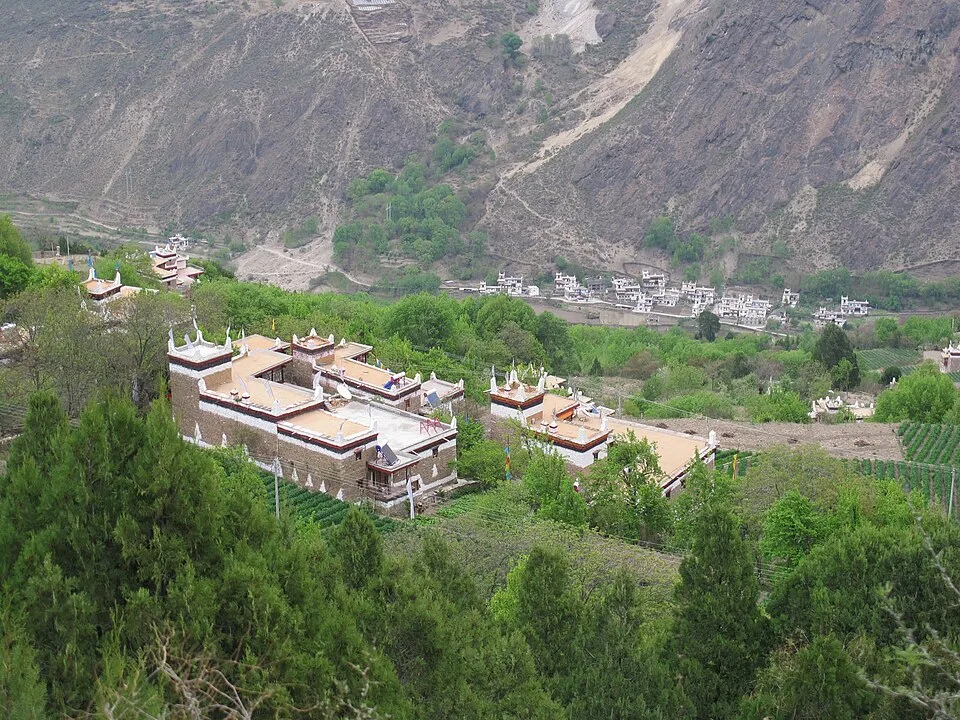
Take the Lixian-in, Kangding-out 6-day route: day one from Chengdu to Lixian is about three hours, split by Dujiangyan and Taoping Qiang Village so the journey feels broken up and effortless; day two heads from Lixian to Siguniang town with most of the day at Bipenggou and the Lixiao Road crossed en route; day three is the lightest of the trip — the Shuangqiao Valley sightseeing bus stops one by one so elders barely walk, followed by an easy browse of Jiaju Tibetan Village; day four has more stops, but Moshikong Park and Tagong Grassland are seen straight from the car, with Yuzixi timed for sunset, so the pace never feels rushed. Separate 'time on the road' from 'time at the sights' and your parents' experience changes completely.
What accommodation standard should you aim for, and should you add hot springs?
Hotel standards in western Sichuan vary widely, so never go below comfortable for elders. A 4-diamond hotel means steady hot water, heating or air conditioning and clean bedding — genuine 'hard requirements' at altitude, especially hot water: some highland hotels supply it only at set hours, so confirm before choosing a room. If the budget allows, book a Tibetan-style resort with hot springs for the first night; one mineral-water soak does wonders for fatigue from the long drive and early altitude discomfort, and parents are usually especially delighted by a 'hot spring' arrangement.
Another easily overlooked point is luggage: western Sichuan has many mountain roads and hotels rarely have lifts, so you carry your own bags. Pack your parents a suitcase of 24 inches or less, or use backpacks, to avoid hauling big cases in and out of vehicles and up stairs. Clothing-wise, day-night swings in western Sichuan can exceed 20°C — short sleeves in the day, down jacket by evening — so dress your parents in 'onion layers', far more practical than one heavy coat.
Principle four: treat meals and rest as sights too
When travelling with parents, the quality of meals and rest decides the whole experience. Among western Sichuan group meals, hot dishes such as yak hotpot and Tibetan claypot suit elders' stomachs far better than cold snacks. Bring an insulated bottle along, as the plateau is dry — remind your parents to sip warm water little and often. Above all, 'slow' rules at altitude: walk slowly, speak slowly, eat slowly, and let your parents set their own rhythm instead of being pushed along by the schedule.
One more small suggestion: give the 'free time' of each day back to your parents. After checking in for the evening, arrange nothing — let them stroll or have tea near the hotel, or simply rest. For elders, the meaning of travel lies less in how many sights are seen than in unhurried time spent with their children.
Travelling to western Sichuan with parents is essentially translating 'the scenery you want to see' into 'a pace your parents can manage'. Altitudes that rise gently, two or three hours of driving a day, comfortable-or-above hotels, and a steaming hotpot — get these right, and the snow peaks of Siguniang and the kitchen smoke of Jiaju will become memories your parents happily recall in their later years. Go while they can still walk — and go slowly.