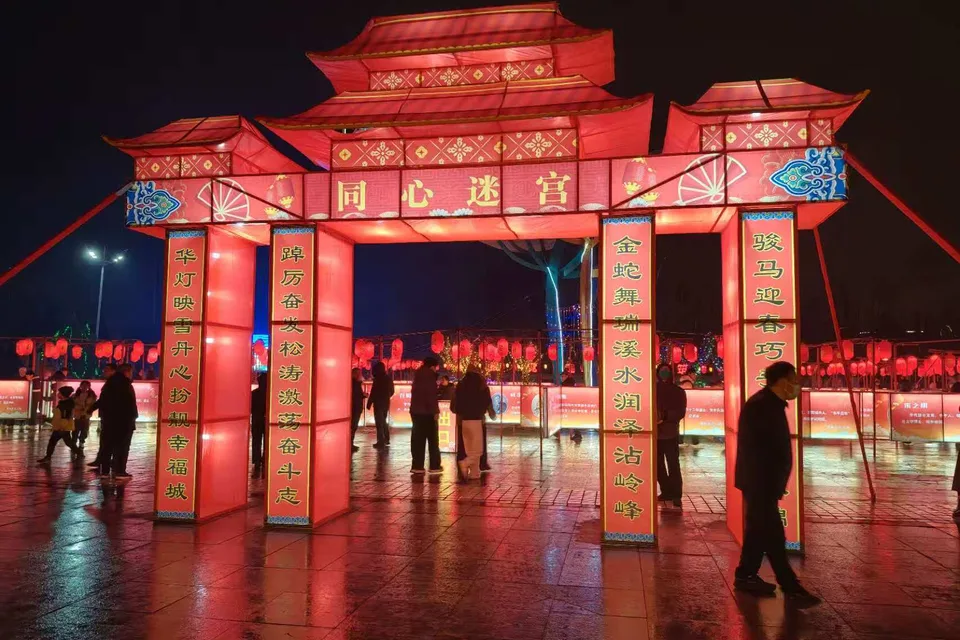
The western Sichuan loop comes in grand-loop, small-loop and middle-loop versions, and picking wrong can turn the whole trip into a rush. This guide lays out the trade-offs of the three loops and offers a 6-day route out of Chengdu with an altitude strategy.
The western Sichuan loop is a regular on many people's "must-do once in a lifetime" lists, but when actually planning, most travellers first get dizzy between "grand loop, small loop and middle loop". They're not just different names — they differ completely in days, altitude and trade-offs: the small loop suits 5–7 days, running Chengdu–Kangding–Xinduqiao–Danba–Siguniangshan for snow mountains, grasslands and Tibetan villages; the grand loop usually needs 9-plus days, reaching deeper towards Sêrtar and Daocheng Yading before looping Kangding–Danba back to Chengdu; and the middle loop uses 7–8 days to stitch Daocheng Yading together with the small loop. The most direct result of choosing wrong: not enough holiday, driving every single day, and a real risk of wrecking your body on the plateau by rushing.
This guide first clarifies the three loops, then offers a compromise route that completes the small loop plus Daocheng Yading in 6 days out of Chengdu — also the plan many first-time western Sichuan travellers actually end up choosing. The article breaks down each day's driving time and altitude, flagging in advance "which day is hardest and where altitude sickness hits most easily". One note: road conditions, closures and scenic-area booking policies in western Sichuan change with the seasons — go by the latest official announcements before you set off. Six days is exactly enough time for you to slow down and get to know western Sichuan.
How to choose among the three loops: set the days first, then the route
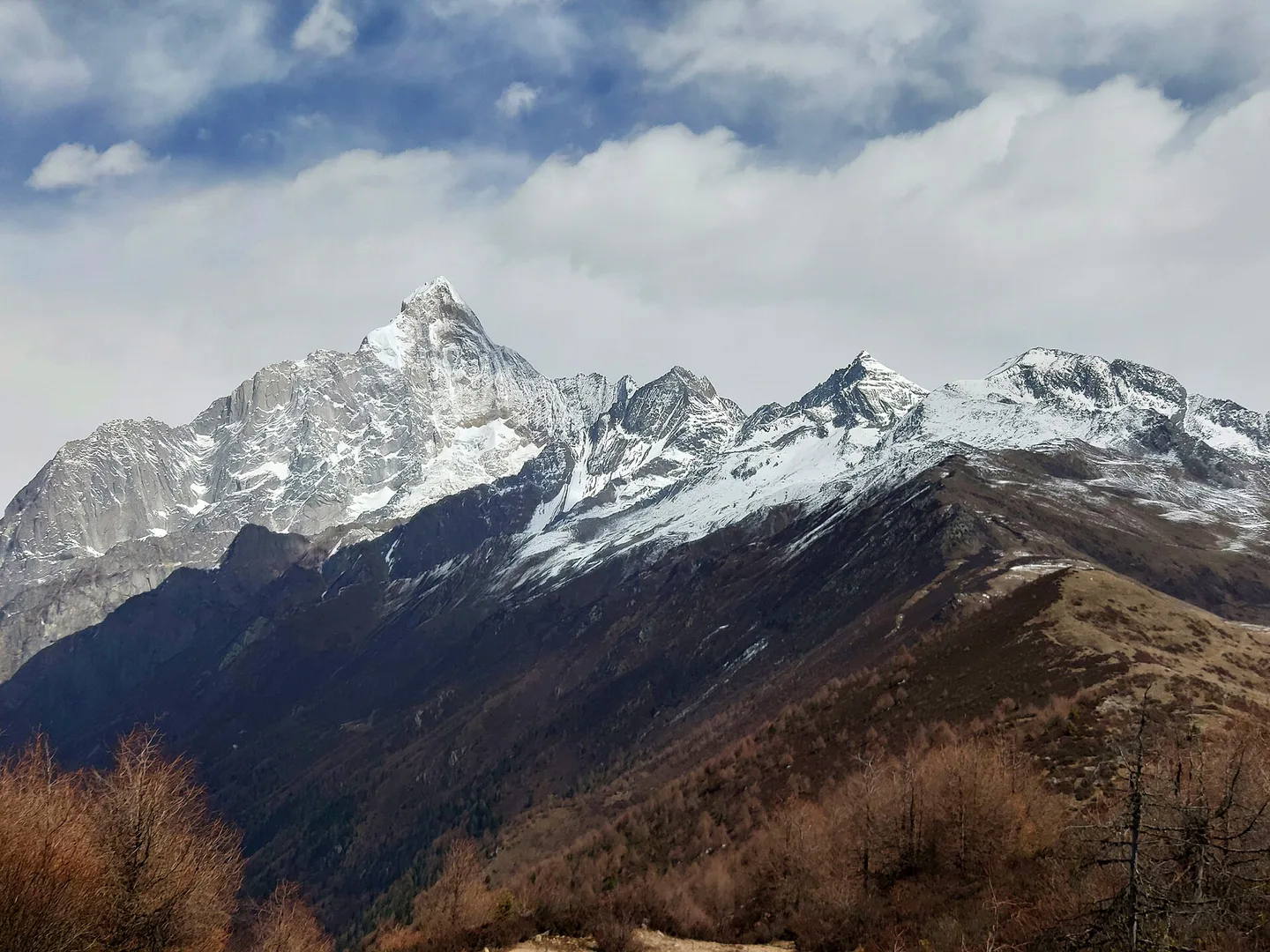
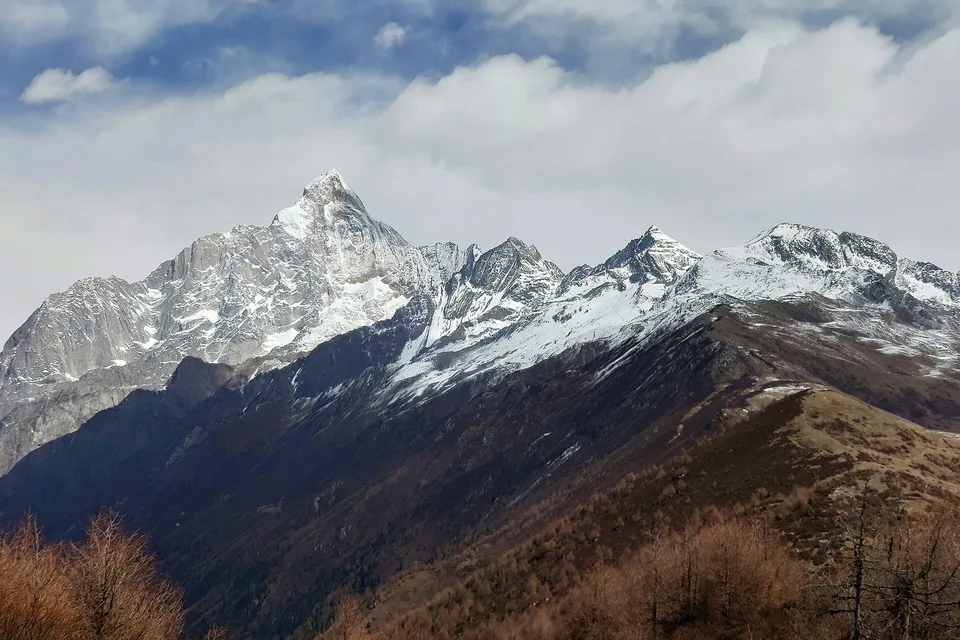
Small loop (5–6 days): Chengdu–Kangding–Xinduqiao–Tagong–Danba–Siguniangshan–Chengdu, either clockwise or anti-clockwise. The highlights are the Gongga peaks from Yuzixi/Xinduqiao, Tagong Grassland, Danba's Jiaju Tibetan Village and Siguniangshan's Shuangqiao Valley. The altitude overall is lower than the grand loop, suiting first-timers with limited holidays.
Middle loop (7–8 days): extends south from the small loop to Daocheng Yading — i.e. Chengdu–Xinduqiao–Daocheng Yading–Litang–Danba–Siguniangshan–Chengdu. You get the three holy mountains of Yading, western Sichuan's strongest natural draw, but it means crossing several more passes above 4,000 metres, demanding more stamina and more days.
Grand loop (9+ days): adds the northern-line destinations of Sêrtar's Larung Gar Five Sciences Buddhist Academy, Luhuo and Daofu, balancing religious culture with nature. It suits people with ample time who can accept extended highland driving; with only a week's holiday, forcing it isn't recommended.
The most common mistake on a first western Sichuan trip is "wanting everything": Sêrtar and Yading both, plus two days at Siguniangshan — ending up with a 7-day route of 400-kilometre marches. Remember one principle: western Sichuan's value lies in "slow" — better one fewer stop than days of continuous driving at altitude.
A reference 6-day route: the small loop plus Daocheng Yading
Day 1: Assemble in Chengdu. Free time by day; in the evening listen to the guide's highland briefing and check warm layers and common medicines. Overnight in Chengdu.
Day 2: Chengdu–Kangding–Zheduo Mountain–Yuzixi–Xinduqiao. Cross Zheduo Mountain and you're on the western Sichuan plateau; in the afternoon go up to the Yuzixi viewing platform to wait for the Gongga sunset — on a clear day you may catch snow peaks and a sea of clouds in one frame. Overnight in Xinduqiao.
Day 3: Xinduqiao–Yajiang–Litang–Daocheng, crossing passes like Ga'ersi and Jianziwan along the way, alternating grassland and canyon. Overnight in Daocheng.
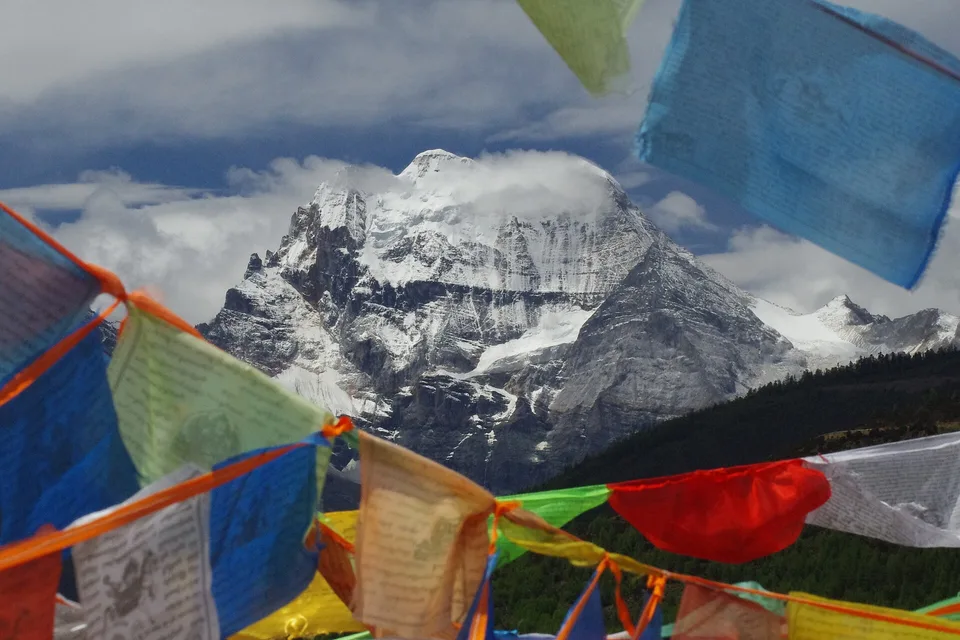
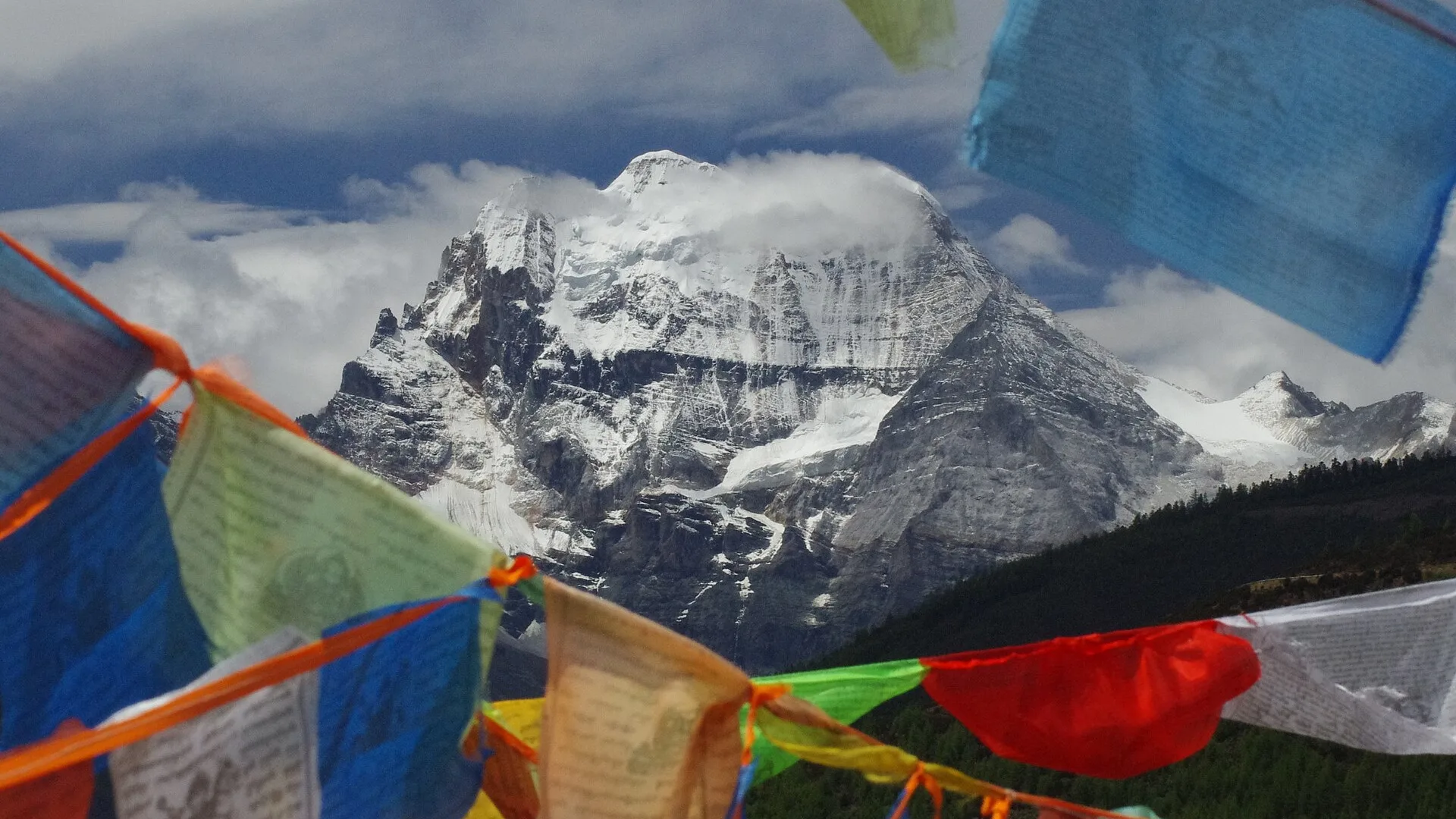
Day 4: A full day in the Daocheng Yading scenic area. Go deep into the canyon ringed by the three holy mountains — Xiannairi, Yangmaiyong and Xianuoduoji — and with good stamina hike or ride a horse to Milk Lake and Five-Colour Lake. This is the most physically demanding day of the whole trip. Overnight in Daocheng.
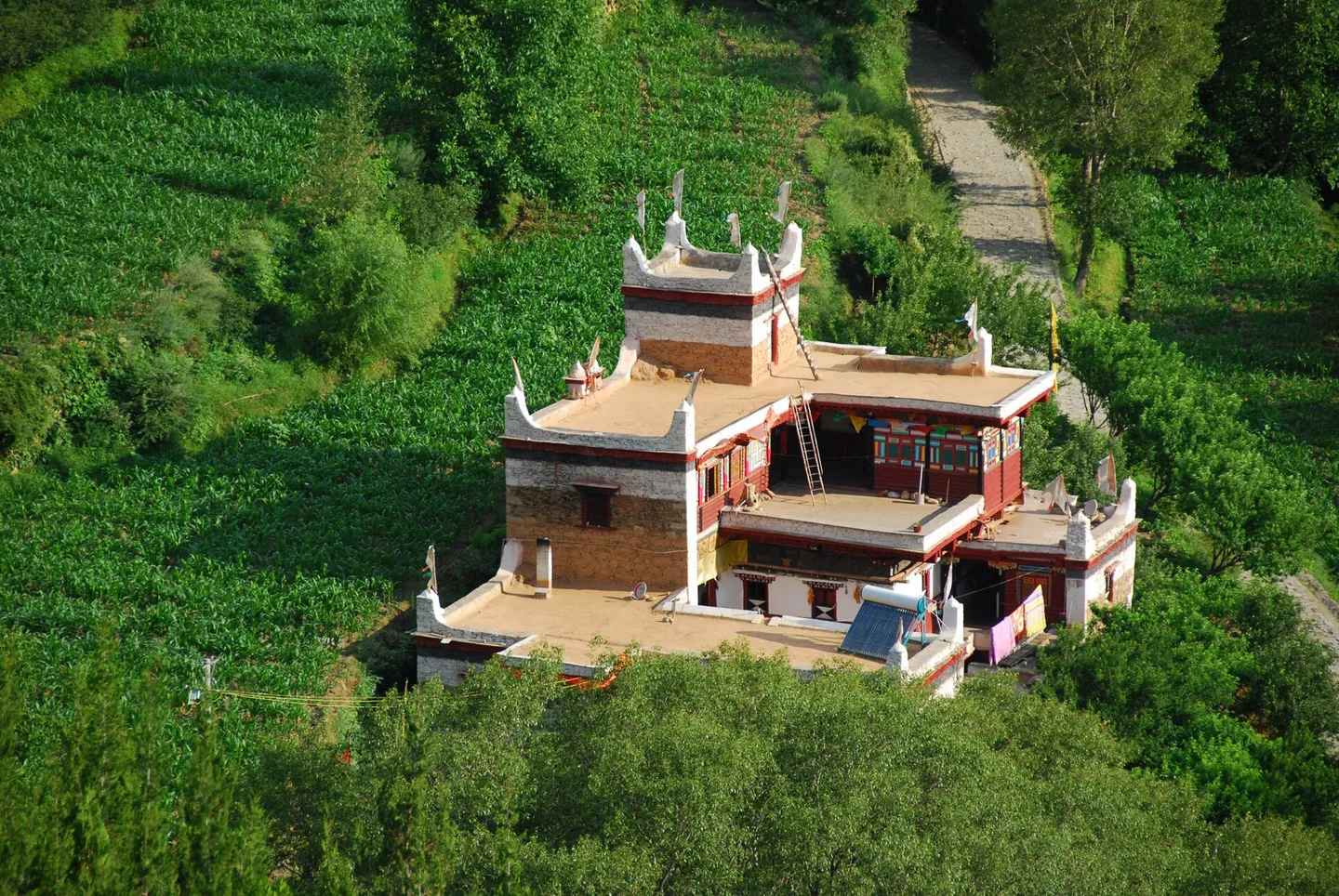
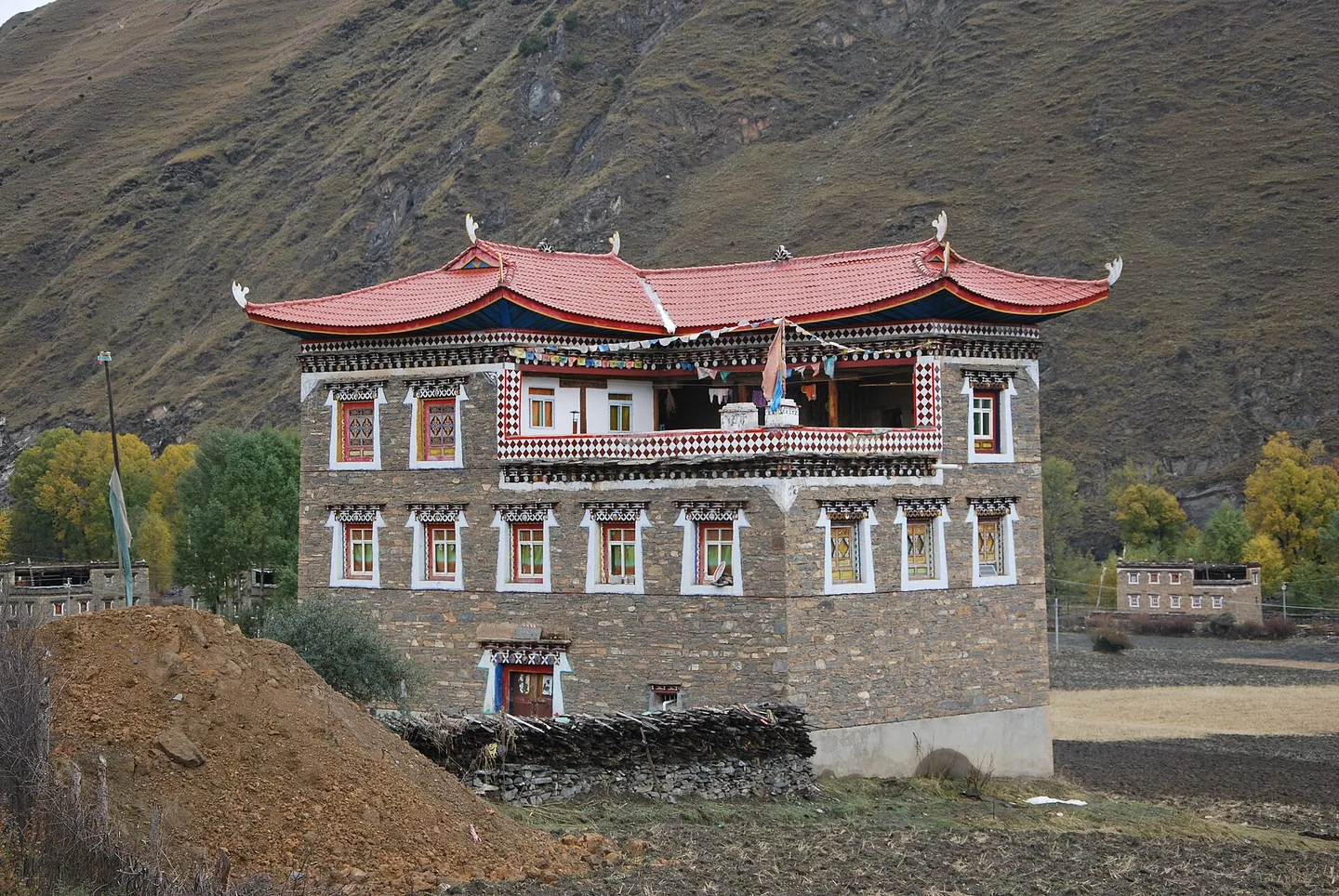
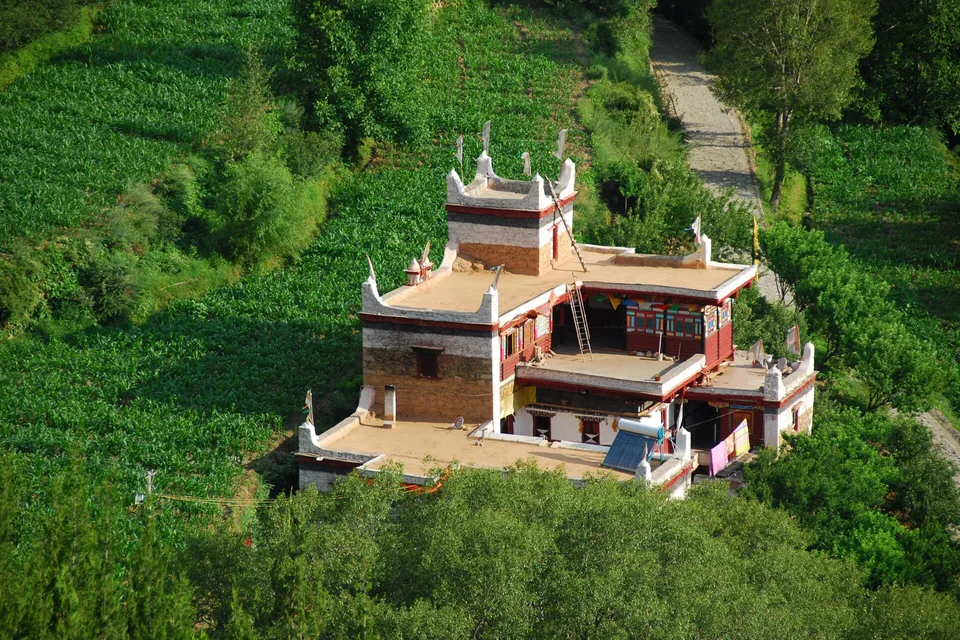
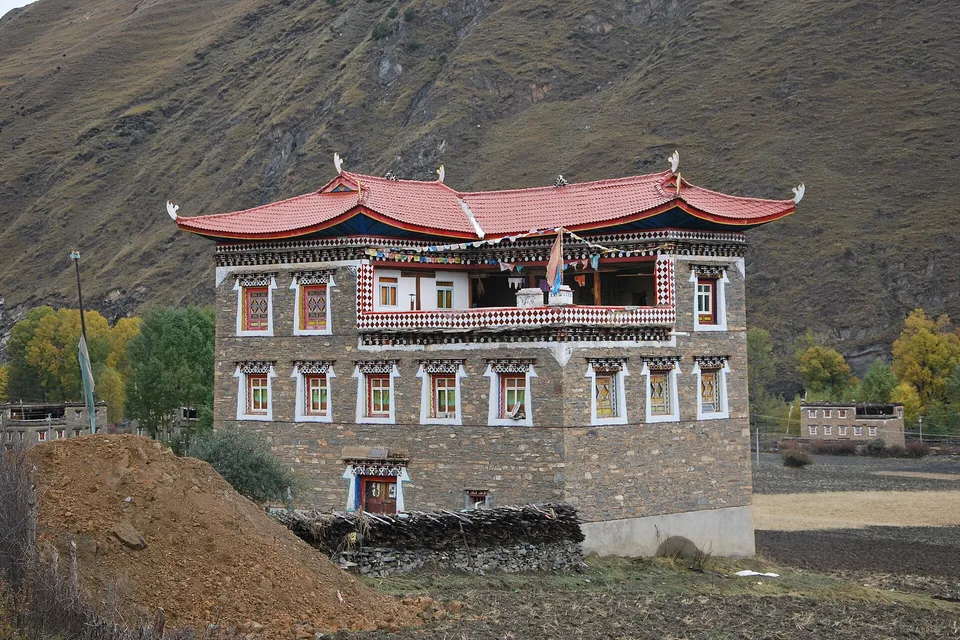
Day 5: Daocheng–Moshi Park–Danba Jiaju Tibetan Village. See the otherworldly grey-black stone forest, then spend the night in the Tibetan village experiencing Jiarong Tibetan life. Overnight in Danba.
Day 6: Danba–Siguniangshan Shuangqiao Valley–Chengdu. Enter Shuangqiao Valley in the morning for snow mountains, forest and meadows; head back to Chengdu in the afternoon to close the trip.
The logic of this route is placing "the hardest day, Yading" on day 4: the first two days gradually acclimatise you to the altitude, and the last two close on the relatively easy Tibetan village and Shuangqiao Valley — avoiding piling highland fatigue onto the final day.
How do you actually prevent altitude sickness in western Sichuan?
Most of western Sichuan sits between 2,500 and 4,500 metres, and many people briefly top 4,500 metres when crossing passes. There's no luck-based "can I tough it out" with altitude sickness; the response is to prepare in advance and slow down: in the one to two weeks before entering the plateau protect your sleep and avoid catching a cold; on the day you arrive don't shower, don't drink alcohol and don't exercise hard; don't pack each day full, and give your body time to adapt. Carry an insulated mug and drink plenty of warm water, and take in a moderate amount of sugar. If persistent headache, nausea, vomiting or breathing difficulty appear, don't push through — descend to lower altitude promptly and seek medical care. Many western Sichuan itineraries carry oxygen cylinders in the vehicle, but the more reliable approach is "never make yourself need it" — stop when tired, sleep when drowsy, and a looser itinerary beats any medicine.
Who it suits / who it does not
This 6-day route suits: travellers heading deep into the western Sichuan plateau for the first time who want snow mountains, grassland and Tibetan villages in one go; photographers happy to wait for sunrise and sunset light; and travellers who can accept 3–5 hours of driving a day and whose accommodation bar is "clean and comfortable". April–June brings azaleas and spring snow, July–August the greenest grassland, and September–October the richest layering of autumn colour and snow peaks — each season has its own appeal.
It doesn't suit: people sensitive to altitude, with serious heart or blood-vessel conditions, or who recently had surgery; people with only 4 days or less who still want Daocheng Yading — better to switch to the pure small loop; and families with children under 12 or seniors over 70, who need to reassess the intensity of long drives and high altitude — consult a professional travel advisor before deciding.
Closing words: pack western Sichuan's "slowness" into six days
The beauty of western Sichuan has never been something to rush. The sunset at Yuzixi needs to be waited for quietly on the mountaintop, the snow mountains of Daocheng Yading approached step by step, the dawn at a Danba Tibetan village seen by opening the window slowly. Six days is just right: two days to acclimatise, one day for Yading, then the Tibetan village and Shuangqiao Valley pull the pace back together. Many who have travelled western Sichuan come back saying the same thing — "I want to go again". Western Sichuan is that kind of place: six days can't finish it, yet it makes you want to return again and again. And every return feels like the first time.
If you'd rather not handle the loop choice, hotels and road conditions yourself, 0765trip runs a 6-day classic western Sichuan loop out of Chengdu, stringing Yuzixi, Daocheng Yading, Moshi Park, the Danba Tibetan village and Siguniangshan into one sensible rhythm — small group, drivers and guides who know the local roads, and a dedicated briefing on highland arrangements. To adjust the days, the season or reshape the trip to suit you better, just tell us your time and preferences. Before you leave, remember to recheck road conditions, closures and scenic-area booking info — everything should be subject to the latest official announcements. You can also note the grand/small/middle loop trade-offs first, discuss the days and physical limits with your family, and only then decide whether to include farther points like Sêrtar or Yading — once you're clear whether this trip is "slow" or "more", the loop choice becomes easy.