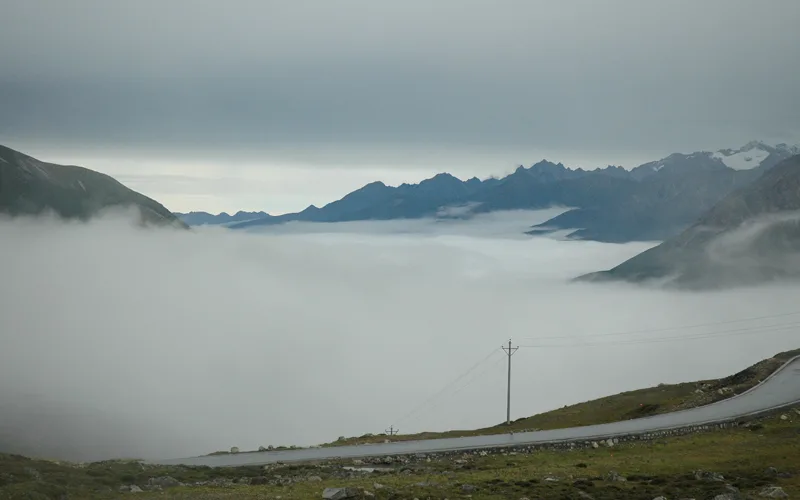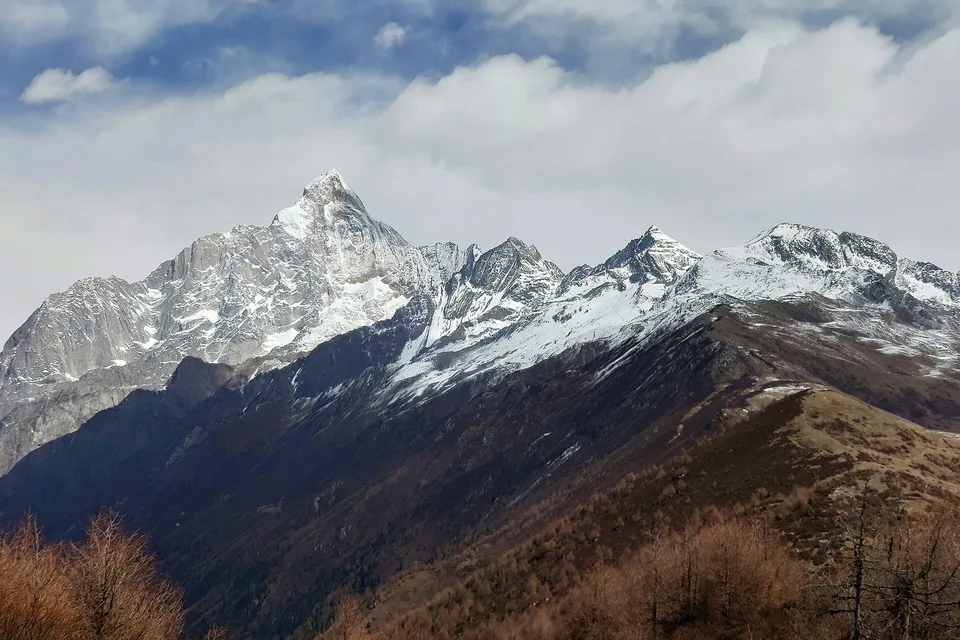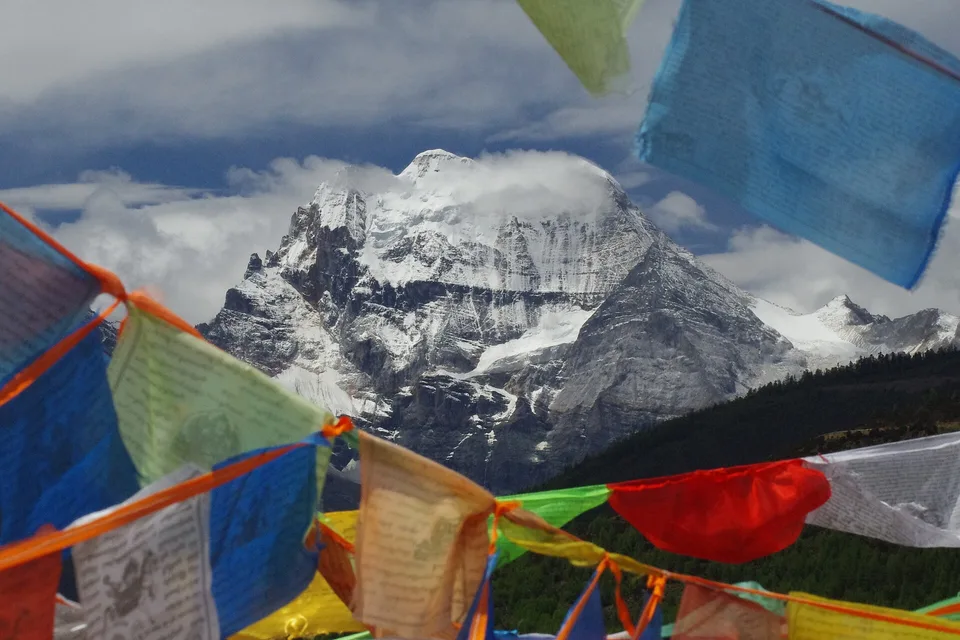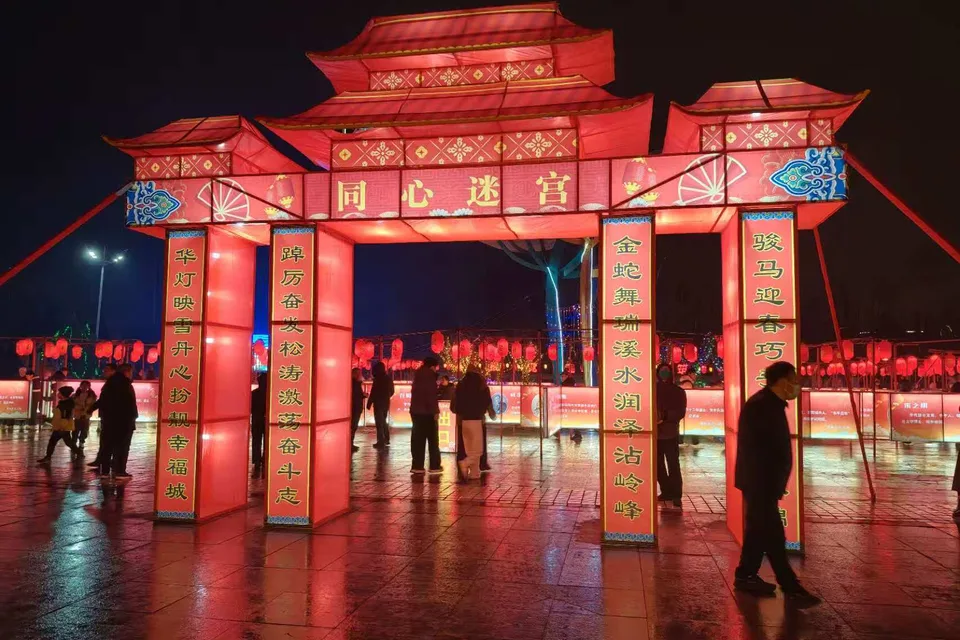
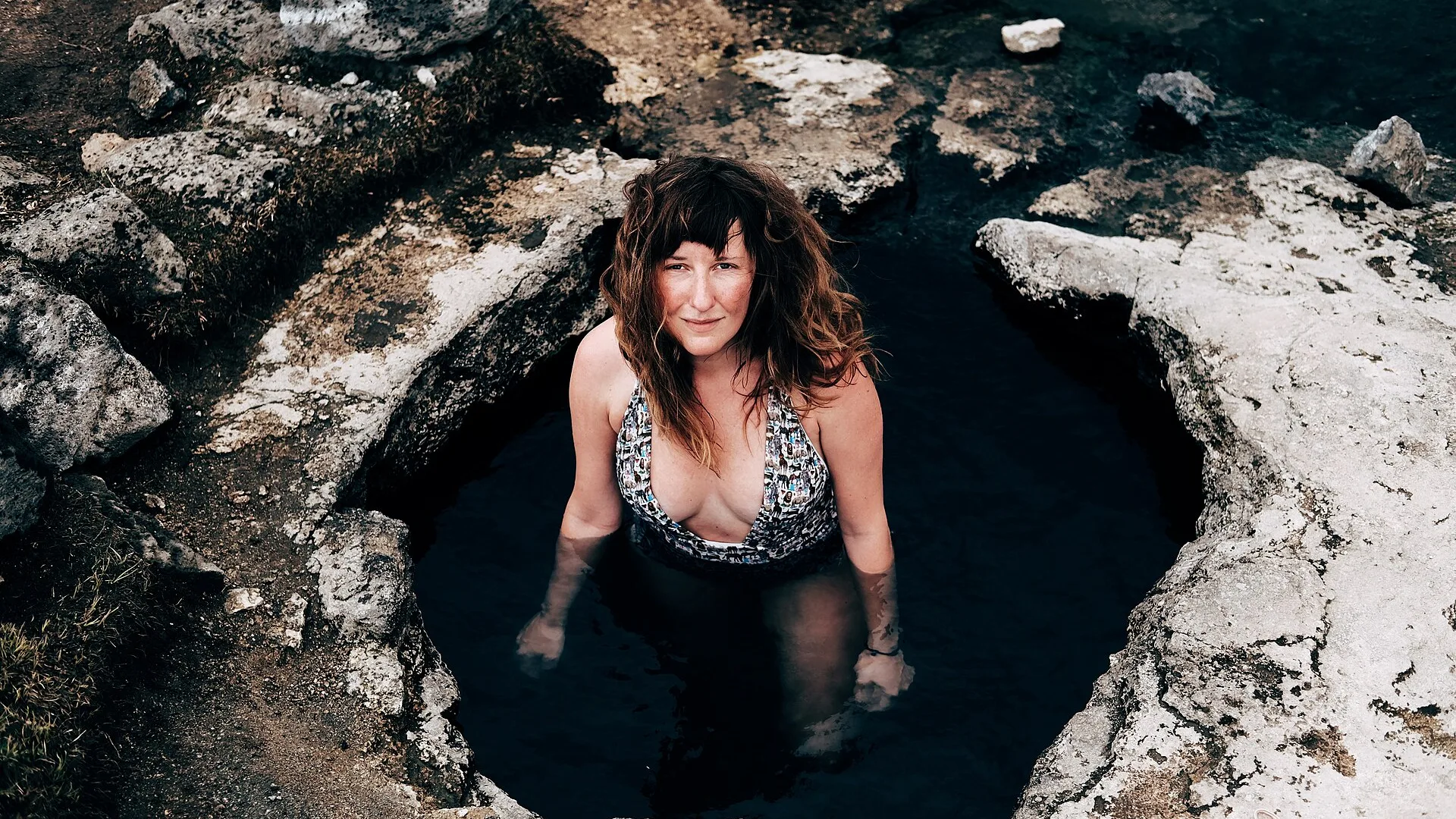
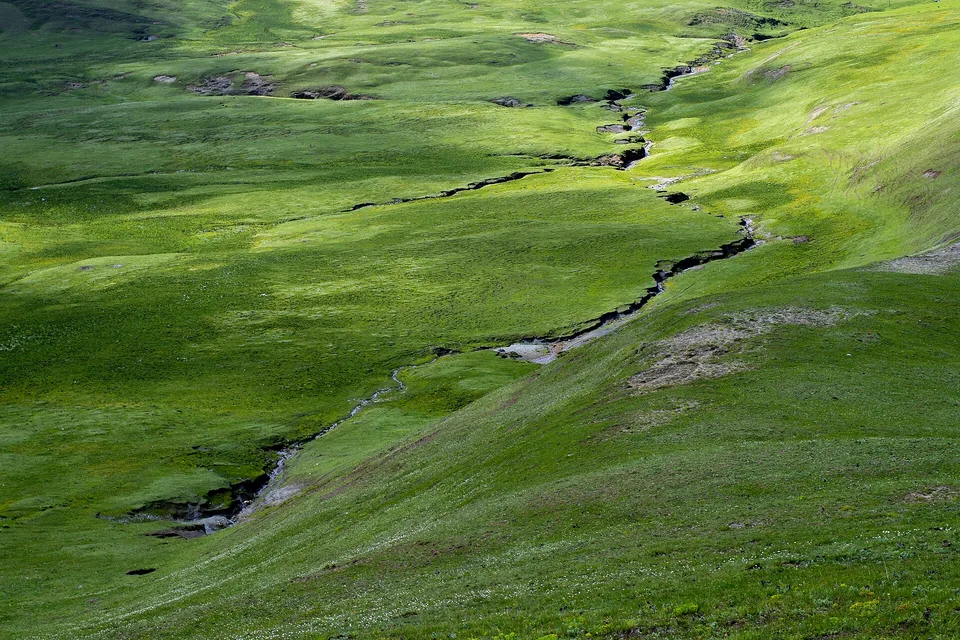
Western Sichuan offers far more than snowy peaks and grasslands — the highland hot mineral springs around Lixian (Li County) are well worth a dedicated visit. This guide explains where the region's hot springs are, how the main spring areas differ, how to choose a hot spring hotel, high-altitude soaking precautions and the best season to go, plus a 6-day itinerary that weaves a soak into a classic western Sichuan loop.
For most people, western Sichuan calls to mind the snowy summits of Mount Siguniang, the golden autumn of Xinduqiao and the prayer flags of Tagong Grassland — few associate hot springs with this highland region. In fact, western Sichuan sits on the eastern edge of the Qinghai–Tibet Plateau with rich geothermal resources: heading up the Min River from Dujiangyan, you will find natural hot mineral springs around Lixian, Guergou and Miyaluo. For many travellers, sinking into a highland hot spring for half an hour after a day of winding mountain roads is more restorative than any scenery — which is why more and more western Sichuan loop itineraries now treat a soak as an official part of the trip rather than a spontaneous extra after checking into the hotel.
This guide answers five practical questions: where the hot springs actually are, what makes each of the main spring areas distinctive, how to choose the right hot spring hotel for different needs, how highland soaking differs from city soaking, and when to go and how to fit a soak into your route. It closes with a suggested 6-day western Sichuan loop starting from the Lixian springs, suitable for first-time visitors who do not want to rush from stop to stop. A reminder: opening status, road conditions and spring hotel availability all change with the season, so always confirm the latest official information from local culture and tourism authorities before you depart, and book well ahead for peak periods (the autumn foliage season and summer holidays).
Where exactly are the hot springs in western Sichuan?
Western Sichuan's hot springs cluster along two geographic belts. The first runs along the upper Min River through Lixian, Guergou and Miyaluo at altitudes of roughly 1,800–2,400 m — the spring area in Aba Prefecture closest to Chengdu, reachable in about 2.5–3 hours by car. The second lies around Kangding and Hailuogou in Garzê Prefecture, known for glacier and alpine springs but farther from Chengdu and higher in altitude. For most first-time visitors whose route centres on Mount Siguniang and Xinduqiao, the Lixian springs are the most convenient: they sit right on the main road from Chengdu to Mount Siguniang, so you can visit Dujiangyan and Taoping Qiang Village by day and check into a hot spring hotel in Lixian by evening.
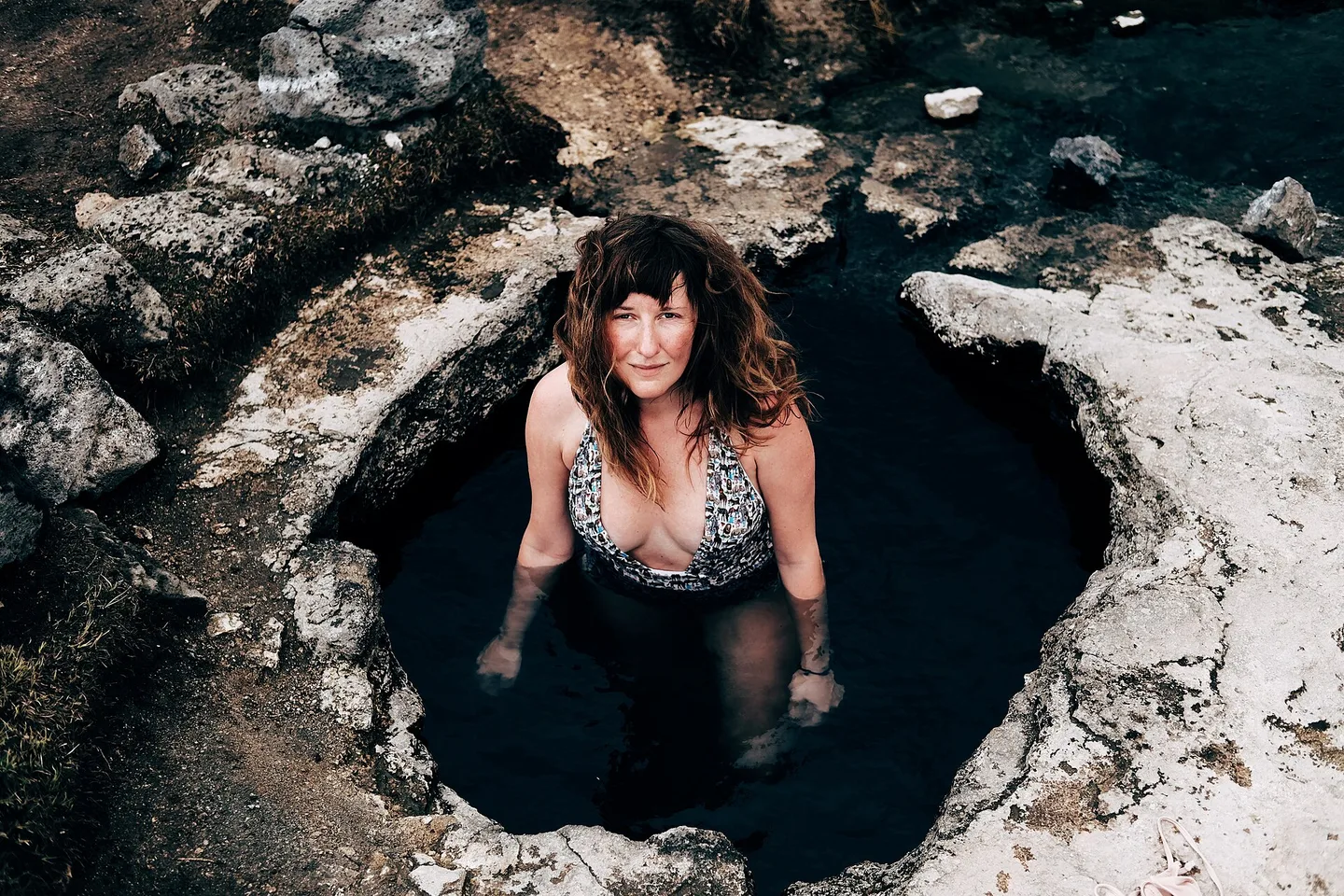
Lixian's springs are mainly hot mineral springs with outlet temperatures generally between 40–55°C, mostly of carbonate or hydrogen-sulphide type — soaking leaves skin smooth and the body relaxed, which helps ease the fatigue of long highland drives. These basic parameters are available on public channels such as the Sichuan Provincial Department of Culture and Tourism and Aba Prefecture's official tourism platforms, as well as each hotel's official booking page — worth cross-checking when you choose a hotel. The biggest difference from city hot springs is the setting: most of Lixian's hotels are built into the hillside with open-air pools, where you can look up at snow mountains and stars. On winter evenings, snow drifts down while you soak in warm water below — an experience unique to western Sichuan.
How do the springs at Guergou, Lixian town and Kangding's Hailuogou differ?
All three are western Sichuan hot springs, yet their characters differ greatly — picking the right one saves a lot of wasted detours. Guergou is the town in Lixian with the densest concentration of springs, close to both Bipenggou and Taoping Qiang Village, and its options range from long-running bathhouse-style inns to resort hotels with private pools — ideal as a convenient overnight stop along a loop. The Tibetan-style hot spring resort hotels around Lixian town are newer and more refined, with higher standards for rooms and public areas — a good fit for travellers who value accommodation quality. Hailuogou near Kangding is known for glacier springs: soaking at the foot of a glacier with snowy peaks and forests in view is a one-of-a-kind landscape, but it sits farther from Chengdu and at higher altitude, better suited to deeper itineraries that already include Hailuogou and the Xinduqiao corridor.
In short: choose Guergou for convenience, Lixian town for accommodation quality, and Hailuogou for glacier scenery. If it is your first visit to western Sichuan with a route built around Mount Siguniang and Xinduqiao, the Lixian corridor is the natural first choice — no need to make a special detour just for hot springs.
How should you choose a hot spring hotel in Lixian?
By need, Lixian's hot spring options fall into three types. The first is the 'loop convenience' type, for self-drivers or group travellers staying a single night: choose a Tibetan-style hot spring resort hotel in Lixian town or Guergou — close to Bipenggou and Taoping Qiang Village, easy to slot into the route, and you can head into the valley early the next morning. These hotels usually come with open-air pools, saunas and lounge areas, and fill up fast in peak season, so book at least two weeks ahead. The second is the 'deep soak' type, for travellers coming specifically for the springs and willing to spend two nights in Guergou: pick a hotel with private-pool rooms, where you have your own pool without public opening hours and with more privacy — though prices generally run 30–50% higher than standard rooms. The third is the 'value' type, for budget-conscious backpackers who treat hot springs as a bonus: Guergou has several long-running bathhouse inns with fair prices and simpler facilities, but the quality of the spring water is in no way compromised.
Three more things to check when choosing. First, confirm whether a pool is a genuine 'hot mineral spring' or simply a heated pool: genuine mineral spring hotels state the water quality and mineral content on their booking pages, so look for this before you go. Second, note the pool opening hours — at altitude, some hotels supply hot water and run pools on a schedule, with peak demand between 20:00–24:00 in the evening. Third, during peak season (the autumn foliage months of October–November and the July–August summer holidays) rooms are tight and spring hotels are especially competitive — booking at the last minute may leave only expensive options.
How does soaking in a highland hot spring differ from a city one?
The biggest difference between highland and city soaking is 'altitude'. Soaking at 1,800–2,400 m makes your body lose more fluid and dilate blood vessels more noticeably than on the plains, so three rules are non-negotiable.
Limit your soakDon't stay in the pool for more than 15–20 minutes at a time, and keep your total soaking time under one hour; if you feel dizzy or tight-chested, get out at once, rest and sip some warm water.
Acclimatise before you soakDon't soak immediately on your first day at altitude — let your body adjust to the environment first. During the trip, schedule a soak at the end of the day once your body has relaxed, rather than right after a mountain hike.
Know your limitsPeople with high blood pressure, heart disease or cerebrovascular conditions, as well as pregnant women and anyone who has been drinking, face higher risks when soaking at altitude — follow medical advice strictly, or skip it altogether. Seniors and children must be accompanied by an adult, and the poolside is slippery, so walk slowly to avoid falls.
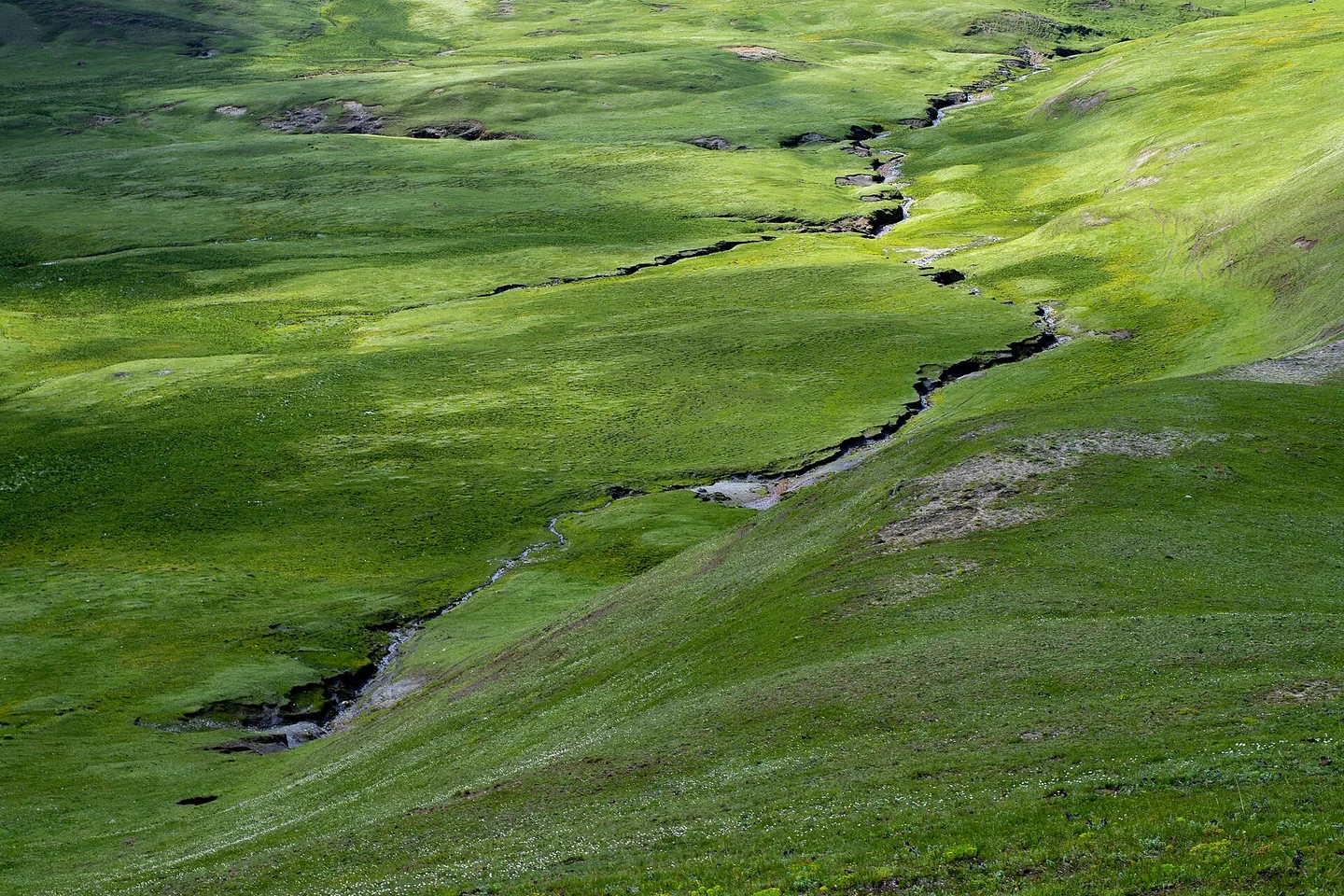
Temperature swings between day and night are also large at altitude, and the walk from the pool back to your room is the easiest place to catch a chill — wrap your bathrobe tightly and drink some hot ginger tea or milk tea once indoors. In winter, schedule your soak for the afternoon or early evening: you can watch the sunset over the snow mountains and avoid the night-time cold.
Is highland hot spring soaking safe? Who should not soak?
On the whole, soaking in highland hot springs is safe — but it does add an 'altitude' variable compared with city springs, so check these three points before you go. First, the following people should avoid highland soaking, or only do so with a doctor's approval: those with high blood pressure, heart disease or cerebrovascular conditions, pregnant women, and anyone who has consumed alcohol — mineral water accelerates blood circulation and dilates blood vessels, and combined with the low-oxygen environment at altitude, the risk increases noticeably. Seniors and children must have an adult with them throughout. Second, pace your soaking: get out after 15–20 minutes per soak, keep the total under one hour and drink plenty of warm water; if you feel dizzy, tight-chested or flustered, leave the pool immediately and rest in a ventilated area. Third, mind the sequence and stay warm: spend the first day at altitude letting your body acclimatise, and soak after the day's activities when you are relaxed — not immediately after a climb or a long drive; wrap up warmly on the way back to your room and drink hot ginger tea or milk tea once indoors.
If you or a travel companion has a chronic condition, the safest approach is to consult a doctor before departure and carry your usual medication. Highland soaking is about relaxation — always put your body's signals first and stop the moment you feel unwell.
When is the best time of year to soak in western Sichuan?
The highland springs run all year round and outlet temperatures barely change with the season, but the experience differs greatly from one season to the next. The most recommended window is the autumn foliage season from mid-October to early November: the coloured forests around Bipenggou and Miyaluo are at their best, and daytime foliage viewing followed by an evening soak is the 'golden period' of western Sichuan hot springs — the trade-off is that hotels are hard to book and prices peak, so reserve more than a month ahead. Winter (December–February) offers a different kind of magic: snow mountains and pools in the same frame, snow overhead and warm water below, and with the crowds gone, accommodation is actually better value. The drawbacks: some high-altitude road sections have ice and snow, so self-drivers should carry snow chains and drive cautiously. Spring (March–May), before the snow fully melts, brings fewer visitors and lower prices, ideal for off-peak travel. Summer (July–August) has more rain, and mountain sections occasionally see landslides or mudslides — always check real-time road conditions and park opening notices before setting out.
How do you fit a hot spring into a 6-day western Sichuan loop?
If your holiday is roughly a week and you want snowy peaks, grasslands and hot springs all together, try this 6-day loop that goes 'in via Lixian, out via Kangding'. Day 1: leave Chengdu, see the Dujiangyan irrigation system and Taoping Qiang Village, then check into a Tibetan-style hot spring hotel in Lixian in the evening and let the mineral pools wash away the road dust. Day 2: explore Bipenggou's snow-capped lakes, cross the Lixiao Road scenic drive in the afternoon and stay overnight at Siguniangshan Town. Day 3: tour Shuangqiao Valley in Mount Siguniang, then drive to Danba in the afternoon to see the Jiaju Tibetan Villages. Day 4: follow the Yala Snow Mountain viewpoint, Mose Stone Park and Tagong Grassland all the way to Yuzixi for views of the Gongga peaks, and stay at Xinduqiao. Day 5: continue via Jiagenba and Red Sea Lake (Honghaizi) along Provincial Road 434 to Kangding. Day 6: visit the Luding Bridge and, back in Chengdu, Jinli and Kuanzhai Alley before heading home.
The loop schedules the soak before day two for a simple reason: by spending a restful night soaking at 1,800 m in Lixian first, then climbing to Mount Siguniang and Xinduqiao above 3,200 m, your body acclimatises to the altitude far more gradually, and the chance of altitude sickness is lower than if you rushed straight up. For anyone travelling with parents, or visiting western Sichuan for the first time, this order is much friendlier than 'hike first, soak later'. If you have more time, stretch the Guergou stay from one night to two, spend a slow morning soaking and enter Bipenggou in the afternoon — a more relaxed rhythm.
Highland hot springs are western Sichuan's gift to slow travellers. Nothing needs to be conquered: at the end of the mountain road, you simply lower your body into a mineral spring of forty-something degrees and look up at the snowy peaks and stars. If you are planning your first western Sichuan trip, save one night in Lixian for the springs — you may find it stays with you longer than any social-media photo spot.
Sources and travel reminders
Information in this guide on spring locations, outlet temperature ranges and water quality types draws mainly on public channels such as the Sichuan Provincial Department of Culture and Tourism and the official tourism platforms of Aba and Garzê Prefectures, as well as each hotel's official booking pages. Altitudes, driving times, road conditions and park opening status in the itinerary should be confirmed against official announcements at the time of travel. For highland travel, verify road conditions, weather and your own health in advance, and keep a sensible pace.