Western Sichuan's list of sights is long, and the real question is not where to go but what to cut when time runs short. This guide sorts the scenery into snow mountains, grasslands, lakes, Tibetan villages and gorges, gives a priority list, and explains what is on the way and what needs a detour, plus the altitude-acclimatisation time you must allow.
Western Sichuan is not a single scenic area but a plateau that rises abruptly west of the Chengdu plain. Its list of sights runs to twenty or thirty names, while a holiday is often only five to seven days. The hard question is never which places are worth visiting, but what to drop when time is short.
The short version. First, the scenery falls into five categories: snow mountains, grasslands, lakes, Tibetan villages and gorges, and one or two representatives from each is enough; repeating the same category noticeably dulls the experience. Second, judge a place by whether it is on the way or needs a detour: Xinduqiao, Tagong and Moshi Park sit on the circuit, while Daocheng Yading, Seda and Cuopugou require a dedicated detour of at least two days. Third, do not overlook altitude. Siguniangshan town sits around 3,200 metres, Xinduqiao around 3,300 and Yading village close to 3,900, so placing low-lying Danba in the middle of the itinerary leaves you far more comfortable than pushing straight up to the plateau.
This article answers one question only: how to prioritise Western Sichuan's sights and what to cut first when time is short. It suits first-time visitors, and those who have been once and want a different route. Opening arrangements, booking rules and road conditions all change; this was compiled in September 2026, so follow the latest announcements from local culture and tourism authorities and from each scenic area.
First, the five categories of Western Sichuan scenery
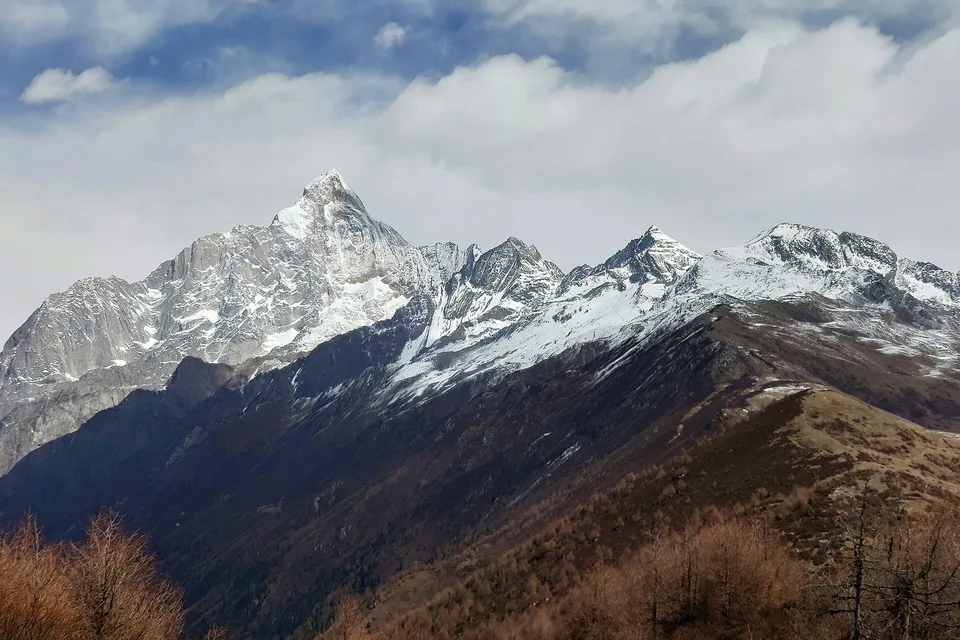
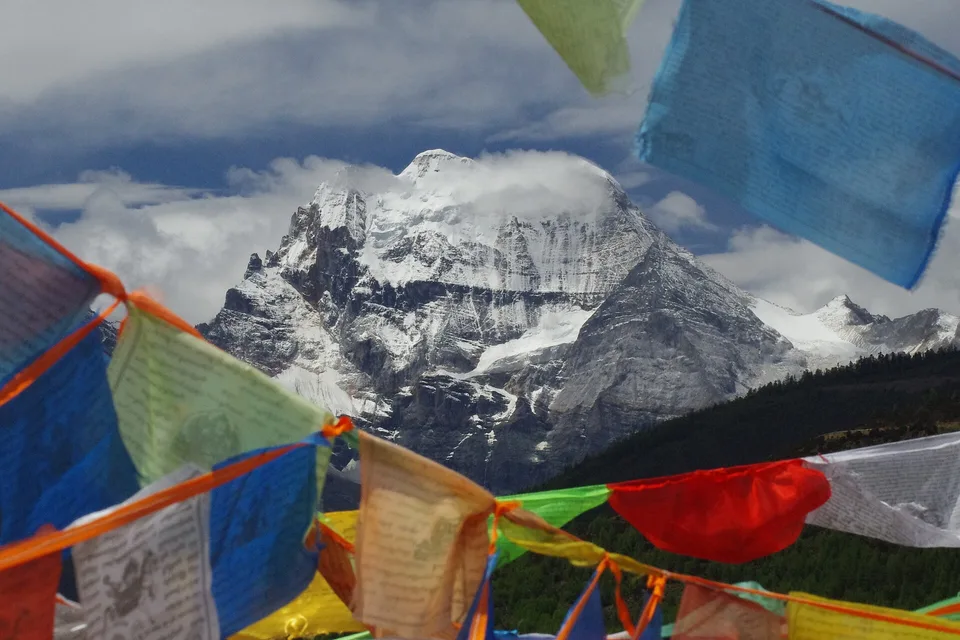
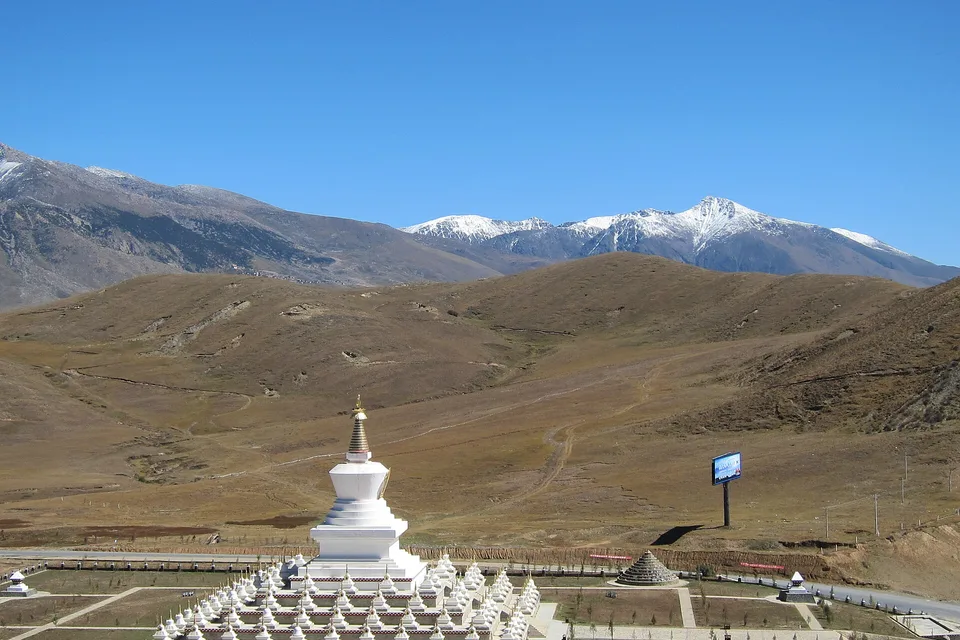
Snow mountains are the headline act and the reason most people come. The best known are Gongga (around 7,556 metres), Mount Siguniang (Yaomei Peak around 6,250 metres), the three sacred peaks of Daocheng Yading, and Mount Yala behind Tagong grassland. Each offers a different way of looking and a different physical demand; they are not the same experience.
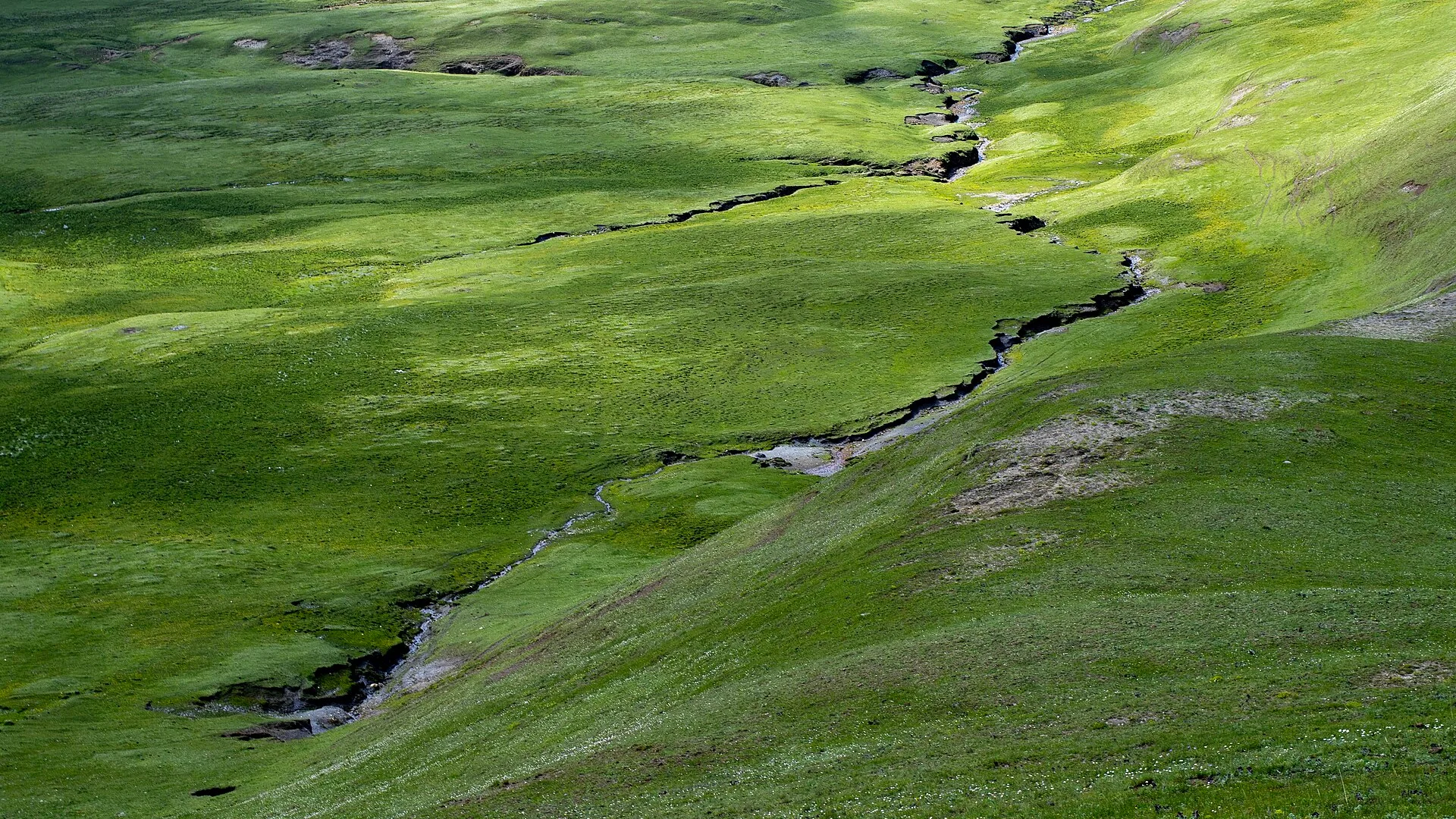
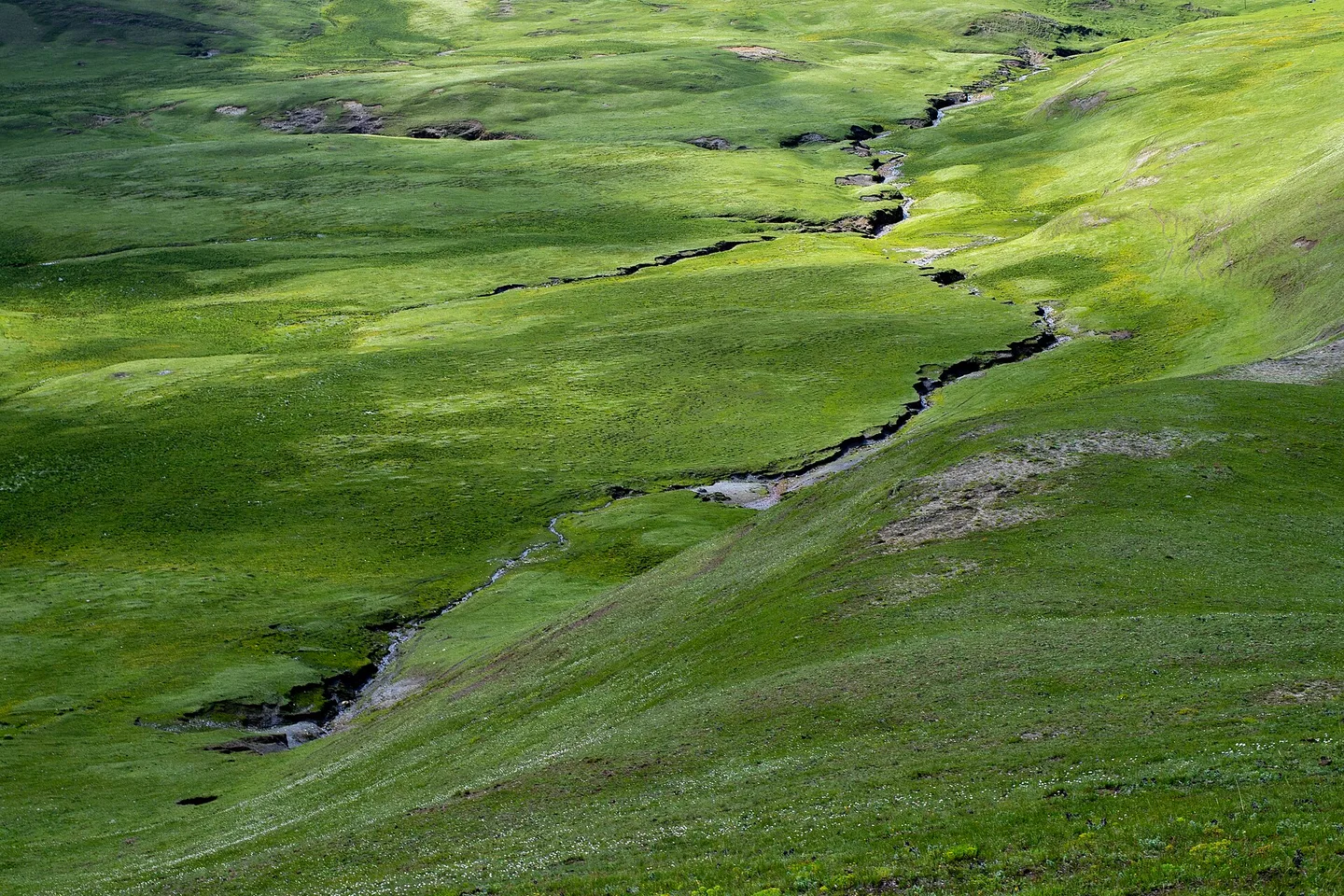
Grasslands and Tibetan villages form the second strand: Xinduqiao, Tagong grassland, Danba's Jiaju village and the Maoya grasslands at Litang. The scenery is open farmland with watchtowers and Tibetan houses, which suits the longest driving day, taken in as you go.
Among the lakes, the typical names are Pearl Lake, Milk Lake and Five Colour Lake (all in Yading), Mugecuo and Dangling's Hulu Lake. What they share is a walk to reach them, so anyone of average fitness should work out the return timing in advance.
Gorges and glaciers are represented by Hailuogou, where the glacier terminus sits at a relatively low altitude and is friendlier to those who struggle with height. The final category is cultural: the Dege Printing House, or the monastic complexes at Seda, where access policy changes often and must be checked separately before you travel.
Snow mountains: Siguniang, Gongga or Yading?
The three differ in how close you get to the mountain and how much walking is involved. Siguniang's advantage is proximity: about four hours from Chengdu to Rilong, with shuttle buses and boardwalks in Shuangqiao Valley that suit people who would rather not hike, while Changping and Haizi valleys need walking or a horse and suit those happy to spend a full day.
Gongga can be viewed from a distance or up close. From a distance, viewpoints such as Yuzixi, Zimei Pass and Yaha Pass can be reached by car, and sunset over the gilded summit is a reasonable bet; the closer view means hiking into the valley, which raises the fitness and equipment bar.
Daocheng Yading takes the most time of the three. The standard visits split into a short route to Chonggu Monastery and Pearl Lake, and a long route from Luorong pasture up to Milk Lake (around 4,600 metres) and Five Colour Lake (around 4,700 metres), which takes most of a day. The altitude is high and the weather turns quickly, so allow both energy and time. If you only want the outline of the three sacred peaks, the short route is enough; to photograph the colour of Milk Lake, accept the effort of the long one.
Grasslands and Tibetan villages: Xinduqiao, Tagong or Danba for a night?
Xinduqiao is known as a photographic corridor, at its best in mid to late October when the poplars turn yellow, but the town itself is small and accommodation is mostly guesthouses and mid-range hotels. It works as a stop on the circuit, one night for early and late light, without a dedicated extra stay.
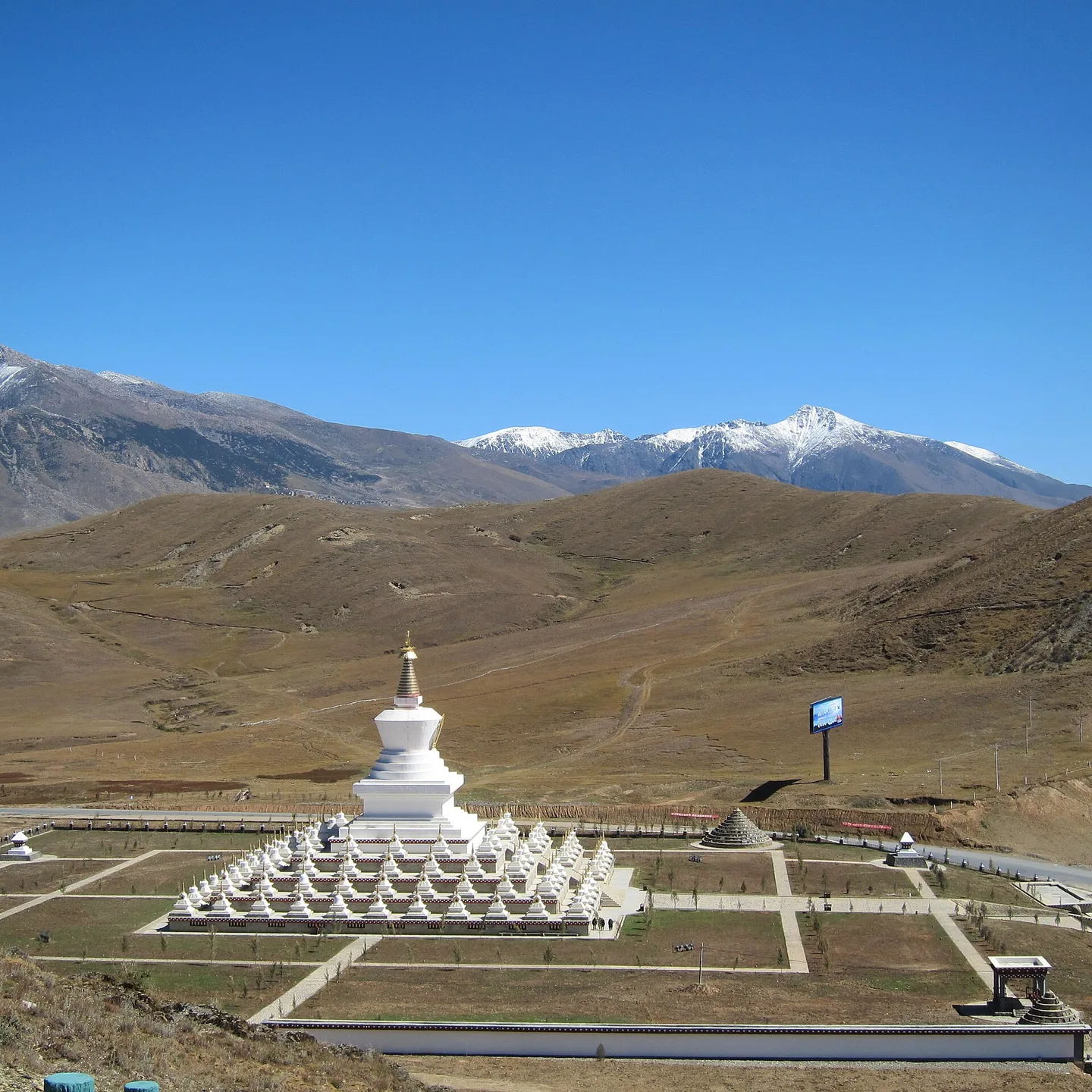
Tagong grassland and Tagong Monastery are about half an hour from Xinduqiao, with wide views and prayer flags framed alongside the monastery, which makes them a good choice in morning light. They work best strung with Tagong, Bamei and Moshi Park into a half-day or full-day line.
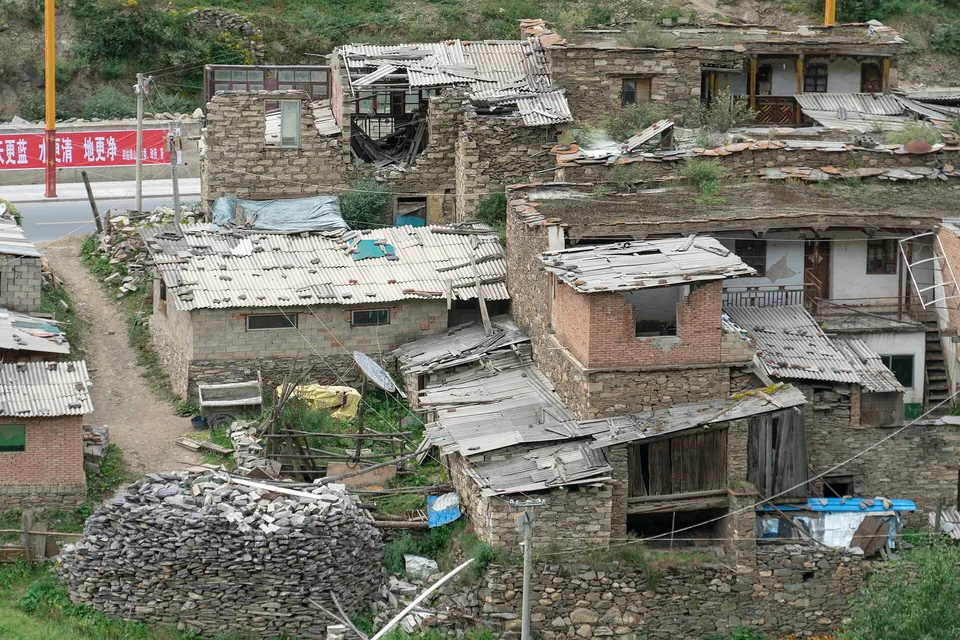
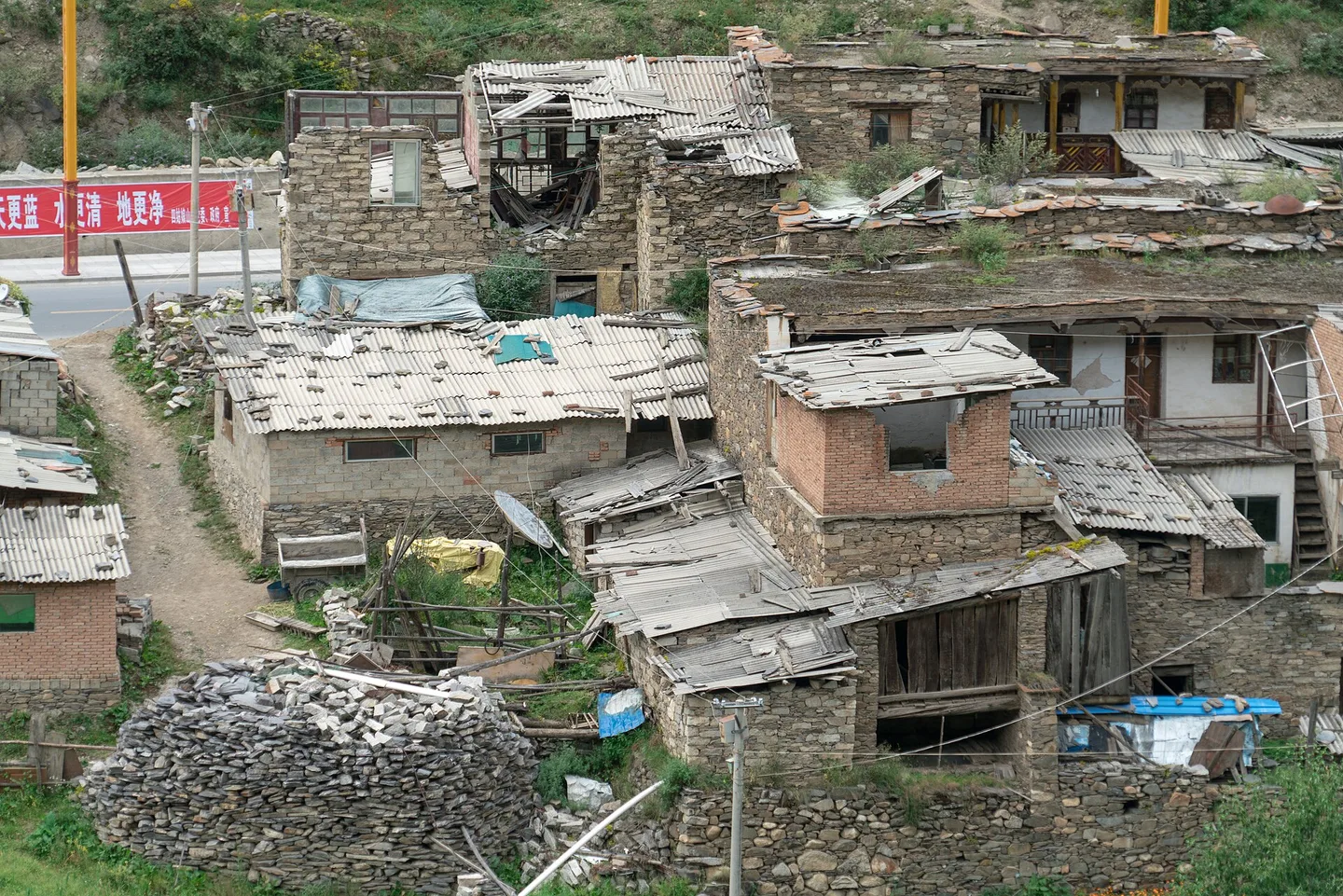
Danba's position is unusual: at only around 2,000 metres it is one of the few low-altitude rest stops on the circuit. Jiaju village, Zhonglu village and the Suopo watchtowers all sit near the county town, with white Tibetan houses and towers scattered across the slopes. To slow the pace and give your body a day's rest, Danba beats Xinduqiao.
Lakes and gorges: what has to be a dedicated trip?
Two things usually justify the detour: Yading's Milk Lake and Five Colour Lake, and the Hailuogou glacier. The first is already part of a full day in Yading; the second means entering the valley from Moxi town in Luding, and the combination of glacier and forest is rare in Western Sichuan, with less altitude pressure.
Lakes on the way are easier: Mugecuo sits near Kangding and suits the day you arrive or leave, while Moshi Park at Bamei in Daofu offers grey-black stone forest landforms completely different from snow mountains and grassland, a good change of scene on a long driving day.
One reminder: lakes are highly sensitive to weather, and colours fade noticeably under cloud and rain. If only one day is free for a lake, put it in the morning when conditions are steadier and keep some room to switch days.
What to cut first when time is short?
The rule is simple: cut the places that need a dedicated detour and have an equivalent elsewhere.
Daocheng Yading takes two days or more, so with only five days off, drop it and give the time to Siguniang and Xinduqiao, which makes the whole trip calmer. Seda, Cuopugou and Dangling each need a day of driving or more, so keep at most one of them in a five- to six-day itinerary. Hailuogou and Siguniang overlap in what they offer, so pick one when time is tight.
What you should not cut is altitude acclimatisation. Leave at least half a day, ideally a full day, with no sights planned, letting your body adjust between 2,000 and 3,000 metres; that decision shapes how the following days feel. For the practical side of altitude, see Preventing altitude sickness on a first trip to Western Sichuan。
Frequently Asked Questions
Q: If I could pick only three must-see sights, which would they be? A: Most people combine Mount Siguniang (Shuangqiao Valley), Xinduqiao with Tagong, and Daocheng Yading. The first two fit a five- to six-day trip; all three need at least seven days.
Q: Is Daocheng Yading suitable if I am not very fit? A: The short route is fine, the long route is demanding. The long route involves a fair distance and altitude with fast-changing weather, so assess your fitness and health beforehand and do not push yourself.
Q: Can Danba and Siguniang be combined in one day? A: Yes, they are two to three hours apart. The usual approach is to leave Danba via Xiaojin to Rilong and enter Shuangqiao Valley that afternoon, or first thing the next morning.
Q: Which sights need advance booking? A: Most paid scenic areas run real-name booking and visitor caps, strictly so in peak season. Check each area's official notice for the season.
Wrapping up
Prioritising Western Sichuan's sights is really an exercise in subtraction. Decide whether you most want snow mountains, grassland or Tibetan villages, pick one representative from each category, and leave the remaining time for driving and acclimatisation. For five to six days, Siguniang plus Xinduqiao, Tagong and Danba already covers most expectations; to include Daocheng Yading, stretch the holiday to seven days or more.
As for what to cut, there are only two rules: cut what needs a dedicated detour and has an equivalent elsewhere, and keep what lies on the way and doubles as a rest. Apply both and the itinerary will not be stuffed simply because you have come this far.
A reminder: opening hours, booking methods, road conditions and weather in Western Sichuan's scenic areas all change with the season. This was compiled in September 2026; follow the latest announcements from each site and local authority before you travel. If you want the sight choices, daily driving times and overnight stops planned together, tell 0765trip's Western Sichuan route consultants, or look at the Chengdu-based 6-day Western Sichuan route and How to choose a Western Sichuan loop; read the two together and the trade-offs become much clearer.