There is no single best month for Western Sichuan; it depends on what you want: mountain azaleas and greening grassland in May and June, the greenest grassland plus the rainy season in July and August, autumn colour from mid-September to late October, and snow with icy roads from November to March. This guide sets out the month-by-month trade-offs, plus booking and road reminders for each season.
Ask when to go to Western Sichuan and everyone answers differently, because everyone wants something different: some want the colour of the grassland, some only want to photograph snow peaks, others want fewer people and lower prices. No season is inherently better; it either matches your wish or it does not.
Four conclusions. For the richest colour, go from mid-September to late October: the autumn window lasts about three weeks, and Xinduqiao, Daocheng and Danba show the most concentrated layers of red and yellow. For the greenest grassland and alpine flowers, go from mid-May to June, when the grass greens up and azaleas open in succession, with steadier weather than high summer. July and August give the best grassland colour but coincide with the rainy season, when landslides and mudflows raise the risk and the itinerary needs slack. November to March is the quiet season: snow and clear visibility are the rewards, at the cost of icy stretches and some sites and guesthouses closing.
This article answers one question only: which season to visit Western Sichuan and what each season asks you to accept. It suits travellers setting dates but not yet fixed on them. Flower periods, autumn colour timing, road conditions and opening arrangements all change; this was compiled in September 2026, so follow the latest official information from each site and local authority, and judge it against your specific route.
The one-line answer: when to go depends on what you want
Split your needs into three and it becomes easy: colour, stability, and crowds with prices. You rarely get all three.
For the richest colour, accepting crowds and high room rates, go in mid to late October. For steady weather, moderate crowds and grassland that has not yet peaked, go from May to June. For few people and low prices, accepting closed facilities and cold, go from December to February. July and August sit in between: the best colour, the least stability.
Another easily missed variable is altitude. On the same circuit, autumn brings bigger day-to-night temperature swings, while winter means low temperatures and ice, and both seasons raise the demands on what you wear and how the vehicle is prepared.
May to June or September to October: which to choose?
These two windows are the most commonly recommended, but they suit different people.
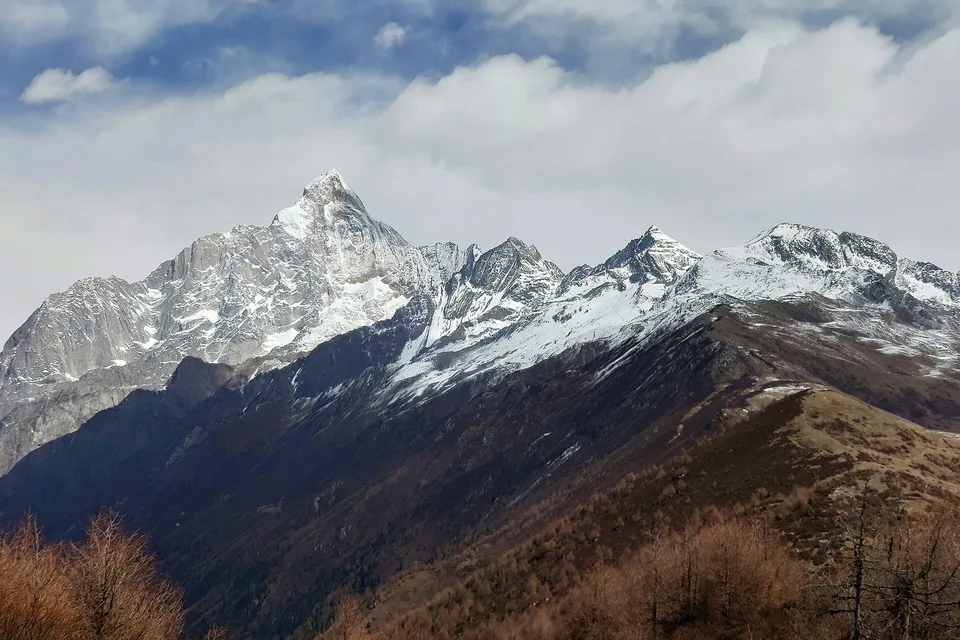
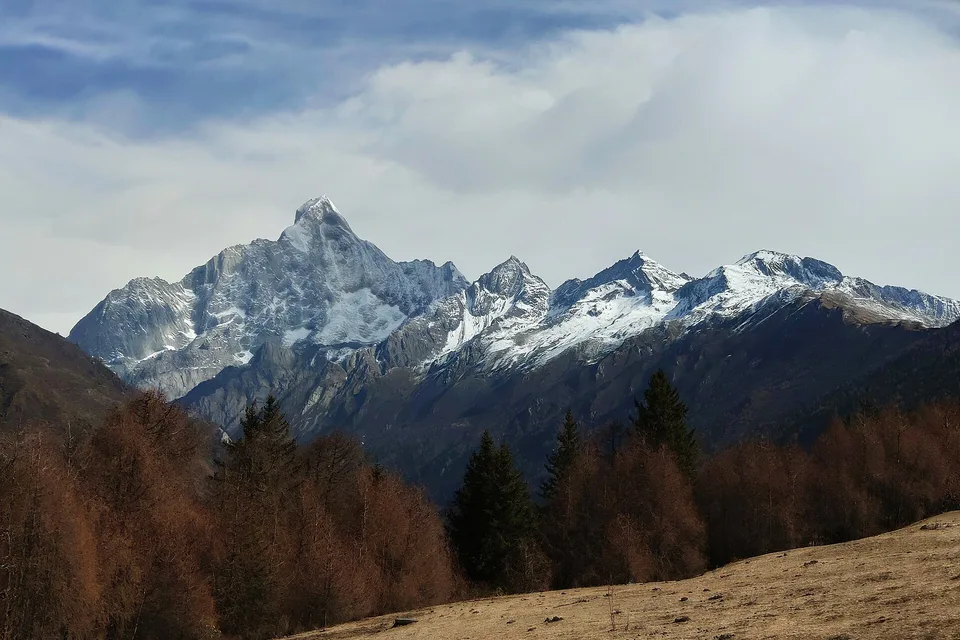
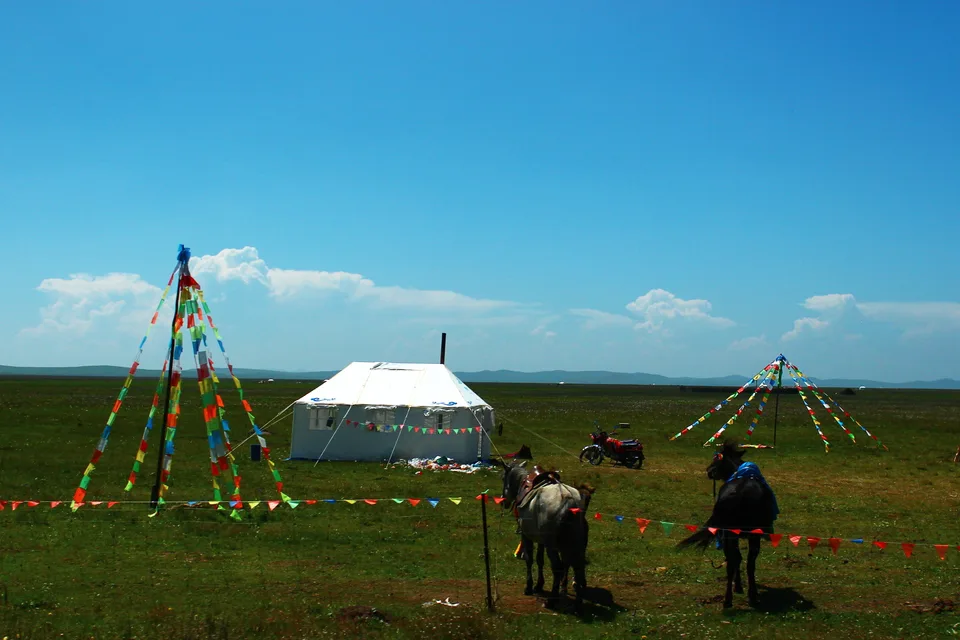
The keyword for mid-May to June is greening. Grassland turns from brown to green, alpine azaleas open in drifts along some stretches, the snowline has not yet retreated far, and snow peaks framed with green vegetation are more likely than in high summer. Crowds are lighter and rooms easier to book. What you accept: residual snow on some passes, and possible restrictions on a few high-altitude stretches.
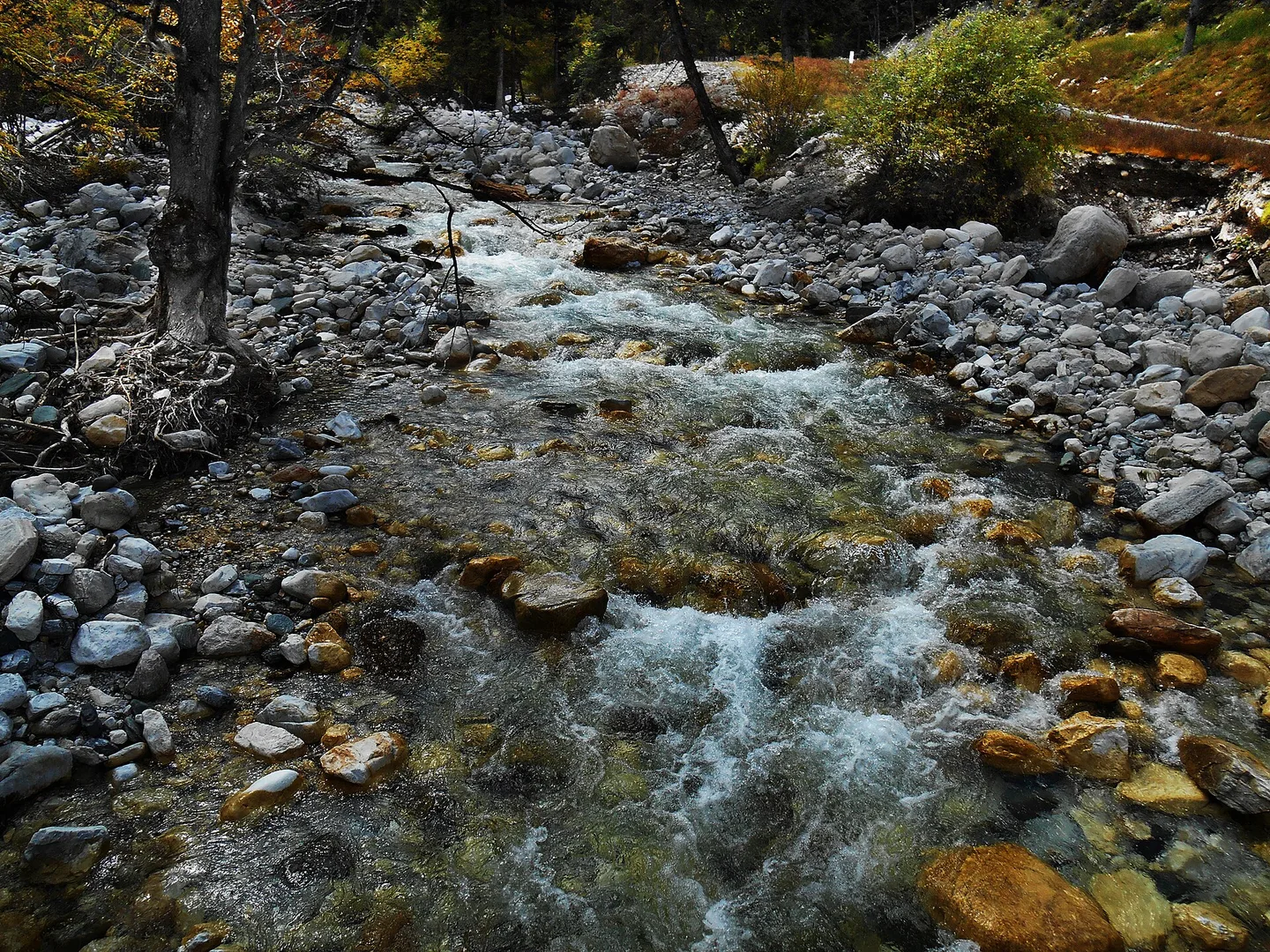
The keyword for mid-September to late October is layering. Poplars, larches and shrubs change colour in sequence, with the strongest concentration along Xinduqiao, Daocheng and Danba, usually peaking in mid to late October. The cost is that National Day brings the densest crowds and the highest room rates, and with an autumn window of only about three weeks, booking a place you really want means starting more than a month ahead.
If you want to see snow peaks alongside forest pushed down by the snowline, mid-May to early June is often steadier than October; if golden trees and clear light matter more, wait for October.
Can you visit during the July and August rainy season?
Yes, but plan by rainy-season logic. Western Sichuan's rainfall concentrates in summer, and heavy rain in the mountains can bring landslides, rockfall and temporary traffic controls, which is the real risk to weigh in July and August.
Three practices help. Do not pack the itinerary too tightly: put the stretch you most want to see in the first half, and keep a day in reserve. For self-drive or chartered cars, check that day's road conditions before setting off, follow on-site instructions when a road is closed, and do not try to slip around on minor roads. For accommodation, favour county towns over remote villages, so that a single day's only stop is not somewhere hard to reach.
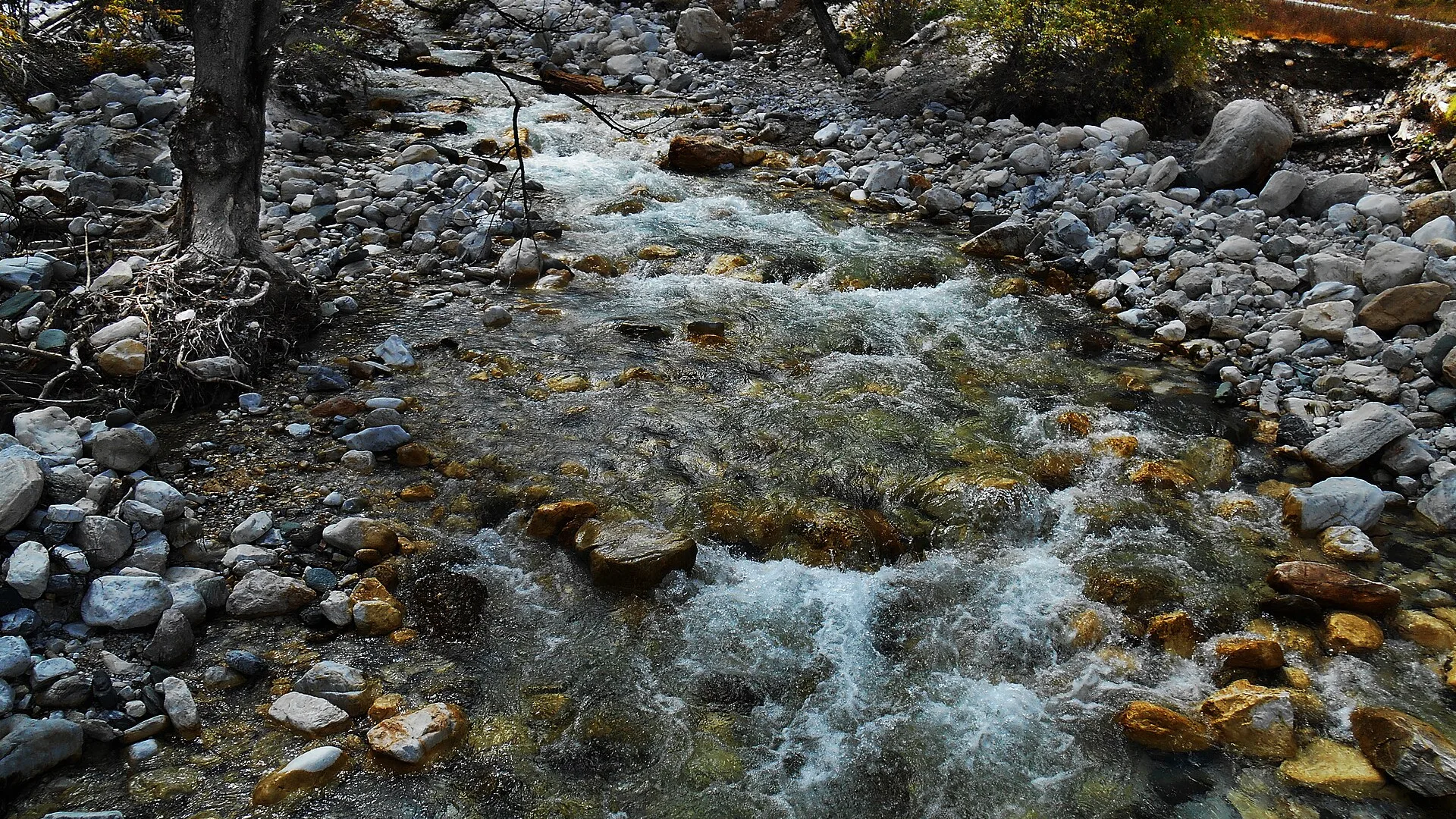
The compensation is direct too: the greenest grassland, the fullest rivers, and cloud drifting through the gorges, which no other season offers. If grassland and forest are what you are after rather than gilded summits, July and August remain a good choice.
Is Western Sichuan worth visiting in winter?
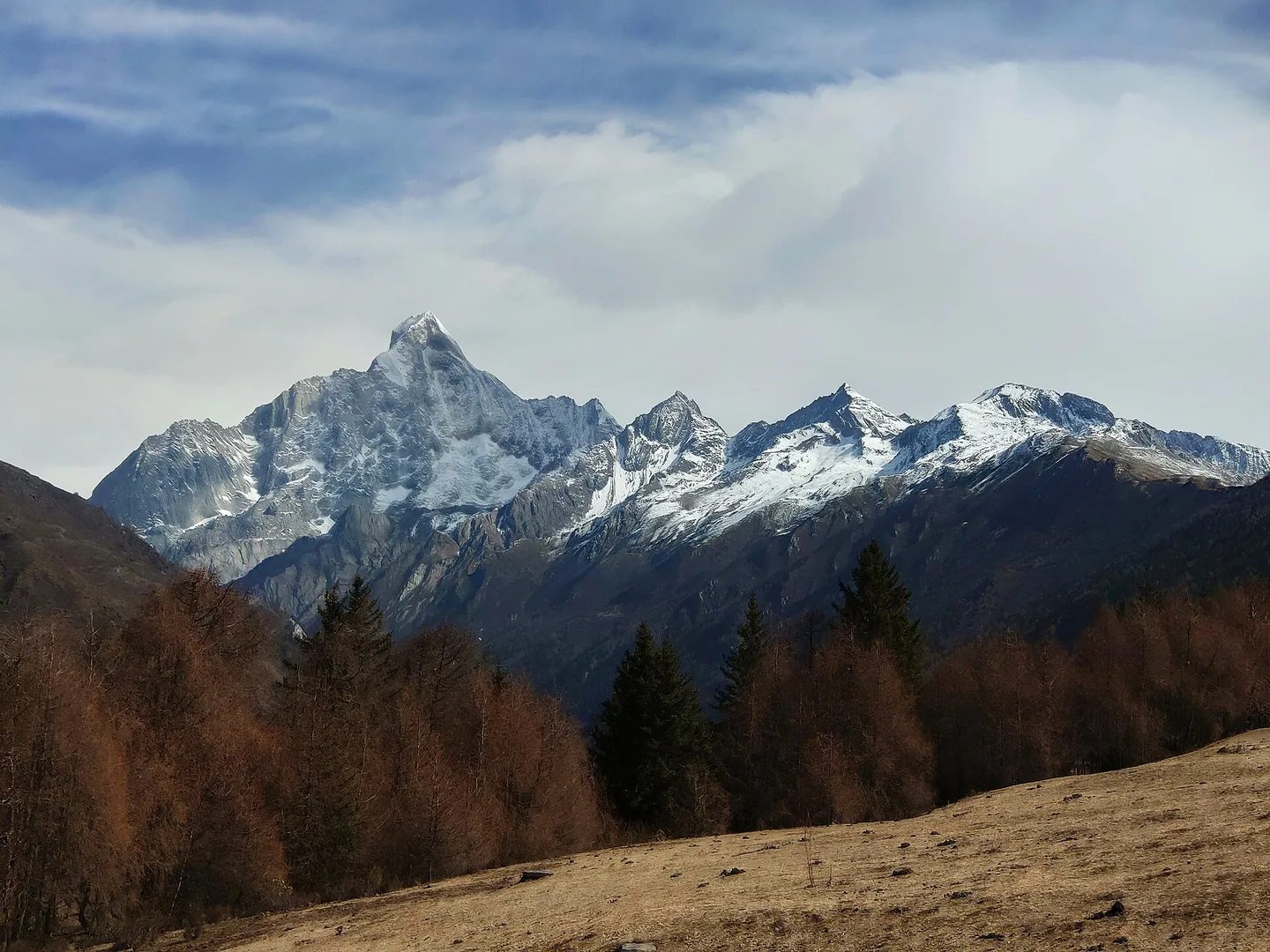
Yes, once you adjust your expectations to the winter version. From November to March there are fewer visitors, lower room rates and clearer visibility, snow peaks stand out far more sharply on sunny days than in the rainy season, and some hot springs and village stays are quieter.
The costs are equally clear: black ice may appear on high passes, requiring chains and more cautious driving; some scenic areas adjust their opening range or shorten hours because of snow; some guesthouses and restaurants close for the season, and a phone call is more reliable than the platform's status; and shorter daylight squeezes the usable part of each day.
Winter suits a shorter circuit rather than a long itinerary, with the emphasis on snow-peak viewpoints, hot springs and Tibetan villages, and less on strenuous hiking.
How far ahead should you book rooms and cars?
It depends on the season. October's autumn colour and National Day are the only window that needs more than a month: rooms at Xinduqiao, Danba and Rilong get tight. July and August need two to four weeks, especially for hotels with a lift, heating and decent hot water.
May, June and November usually need only one to two weeks, at gentler prices. From December to February, apart from around Spring Festival, you can decide a few days ahead, but factor in seasonal closures and favour county-town hotels that stay open.
Cars and drivers follow a similar rhythm: highland drivers are heavily booked during autumn colour and summer, so once your dates are set, waiting to find a car often leaves only the expensive options. For how early to book and how to judge a provider, see Choosing route planning and car services in Western Sichuan。
Frequently Asked Questions
Q: When exactly is the autumn colour at its best? A: In most years the peak falls in mid to late October, earlier at higher altitude. Cold spells shift it by one to two weeks either way, so check local updates in the week before you travel.
Q: Is National Day in Western Sichuan just crowds? A: It is busy and rooms are expensive, but the main scenic areas have limited capacity and require booking, so the experience is more manageable than it sounds. The key is booking and reserving early, and starting each day earlier.
Q: Is self-driving in Western Sichuan dangerous in winter? A: The main risks are black ice and snow at the passes, so you need chains, daylight driving and no long transfers on snow days. Without experience of driving on ice and snow, a chartered car is the better winter choice.
Q: In the quiet season, will many places be closed? A: Larger and mid-range county hotels generally stay open, while village guesthouses and some restaurants close. Contacting them directly beats trusting the platform's status.
Wrapping up
With seasons, decide the one thing you want most: colour, stability, or fewer people and lower prices. For colour, wait for mid-September to late October; for stability, choose May or June; for quiet and clear air, accept winter's cold and controls. July and August are workable, as long as the itinerary is loose and the road conditions are checked each morning.
Once the dates are set, three small decisions shape the experience: which altitude you sleep at, how long each day's drive is, and whether the stretch you care about most falls in the first or second half of the trip. The season is only the starting point; these arrangements decide how smoothly the trip runs.
A reminder: flower periods, autumn colour timing, snow and road closures, and the opening range of scenic areas change every year. This was compiled in September 2026; follow the latest official information from local authorities and each site. If your month is settled and you would like overnight stops, driving times and seasonal highlights arranged together, tell 0765trip's Western Sichuan route consultants, or start with How to prioritise Western Sichuan's sights and the 6-day Western Sichuan route from Chengdu and book tickets once the season and the sights line up.