Altitude sickness is unavoidable talk for any western Sichuan trip, yet most people spend their energy buying oxygen canisters. This guide breaks down what actually works to prevent altitude sickness across three phases — before departure, on the plateau and when symptoms strike — with a ready-to-use packing checklist.
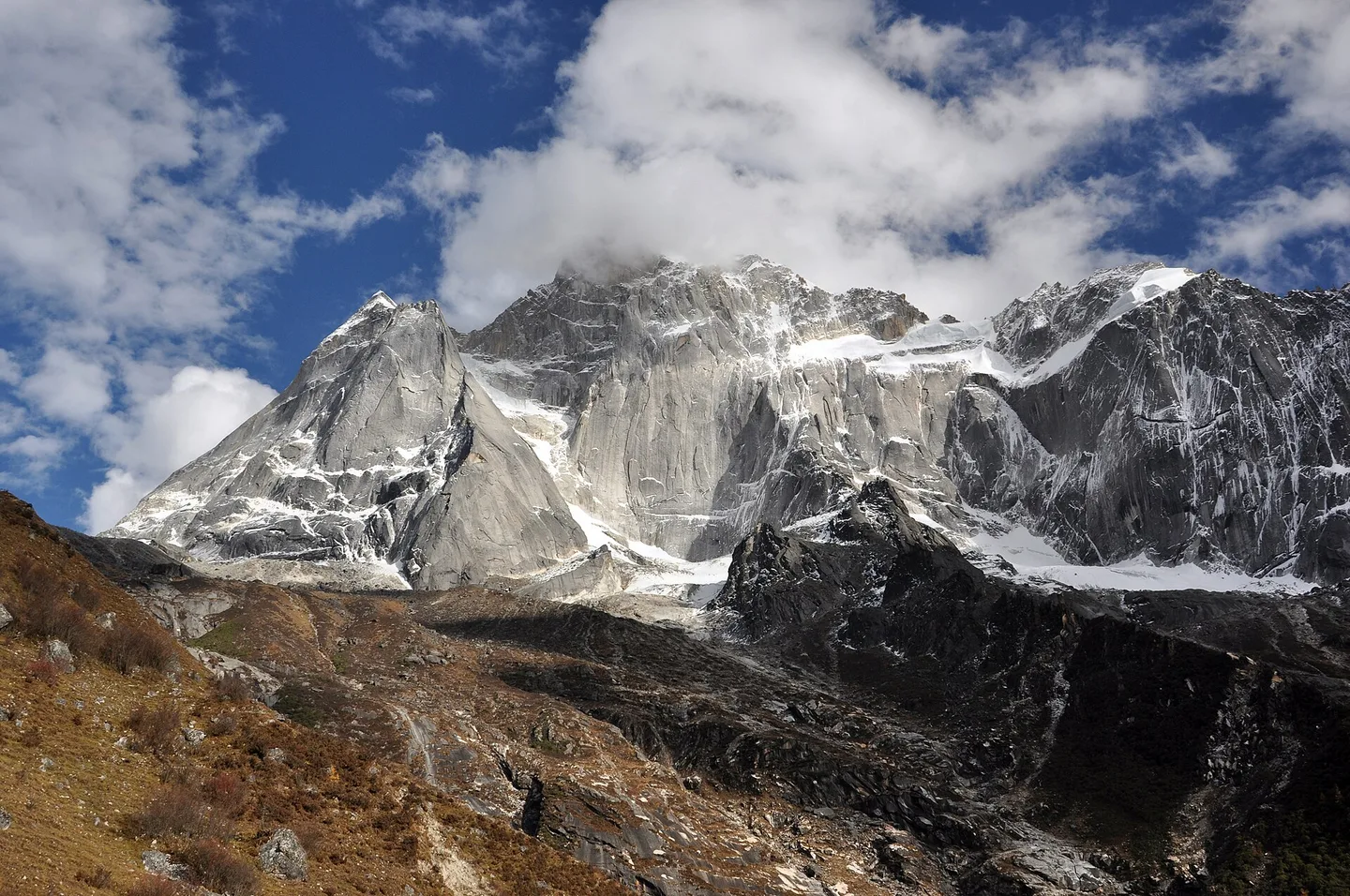
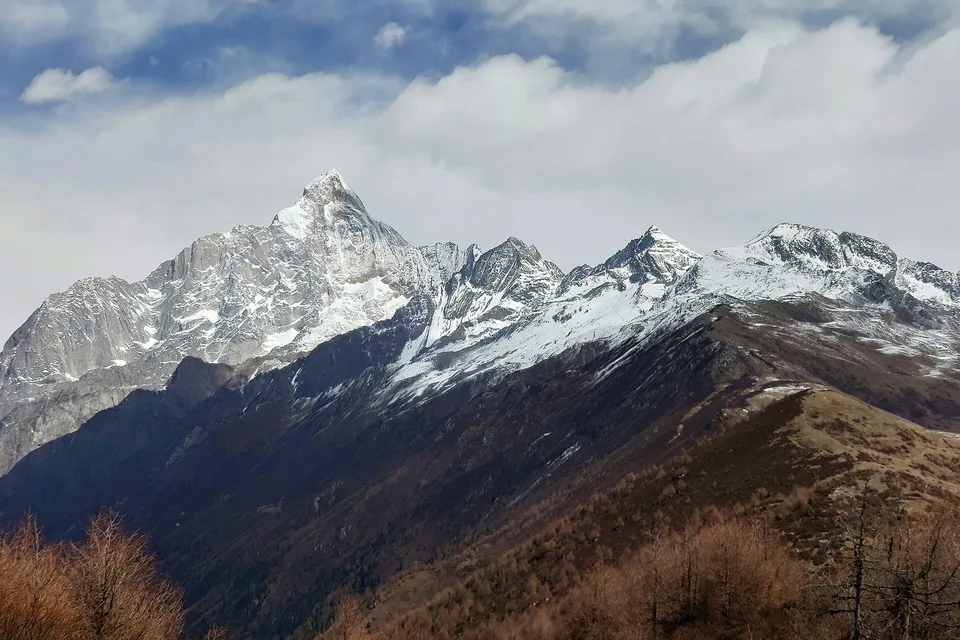
'What worries you most about your first trip to western Sichuan?' Nine out of ten people answer: altitude sickness. The worry is understandable — most of western Sichuan's signature scenery sits above 3,000 m, from Xinduqiao and Siguniang Mountain to Yuzixi, while most travellers live on the plains. But altitude sickness does not mean the plateau will necessarily cause problems; it is more a matter of probability. Well-prepared travellers see mild symptoms ease within two or three hours; the unprepared may not sleep at all and spend the whole next day below par, seriously denting the experience.
The good news is that the playbook for preventing altitude sickness is well established, and most of it costs very little. This guide splits prevention into three phases: what to do two weeks before departure, what to do on the plateau, and what to do if symptoms appear. It ends with a checklist you can copy directly. We use the Lixian–Lixiao Road–Xinduqiao loop as an example because its gentle altitude profile is friendlier to plateau newcomers — but note that no prevention replaces 'listening to your body': if symptoms become serious, descending promptly is always the right call.
What should you prepare in the two weeks before departure?
Preventing altitude sickness actually starts before you leave.Acclimatise in advanceis the single most effective move: if your schedule allows, jog or briskly walk 30–40 minutes daily for two weeks before departure. People with better cardio fitness have significantly lower odds of altitude sickness.MedicationMany people take Rhodiola. To be clear: Rhodiola must be started 7–10 days in advance to have any effect; taking it at the last minute is pointless. If you already tend toward insomnia or anxiety, ask a doctor about a little sleep aid — poor sleep at altitude is a major trigger of altitude sickness.
For gear, oxygen is essential but not the main event — one portable medical oxygen canister (or oxygen bag) for backup is enough. What matters more than any gear is staying warm and sun-protected: on the western Sichuan plateau, day-night temperature swings are huge and UV is intense. Down jacket/fleece, sunscreen, sunglasses, sun hat and lip balm are all non-negotiable. One easy-to-miss tip: the plateau is very dry — bring an insulated bottle and drink 1.5 litres of warm water a day; it helps more against altitude sickness than many supplements.
Once you're on the plateau, how do you prevent altitude sickness?
Once you reach altitude, preventing sickness comes down to one word: slow.Move slowly— walk slowly, get in and out of vehicles slowly, speak slowly. Do no strenuous exercise above 3,000 m, and let the young ones handle heavy luggage.Keep a slow pace— visit no more than two sights per day and check into your hotel before 6 pm to protect your sleep.Design your altitude order— choose a 'low entry, high exit' route where possible, such as a first acclimatising night at 1,800 m in Lixian before going up to 3,200 m at Siguniang, saving the hardest 3,700 m at Xinduqiao for day three or four.
Eating matters too: don't overeat at altitude — about 70% full is most comfortable, to avoid weighing your body down; go easy on greasy and spicy food, and no alcohol or smoking. Do eat carbohydrates: staples like rice and noodles provide steady energy. Be restrained with hot springs: don't soak right away on your first day at altitude, and seniors with conditions such as high blood pressure should be especially careful.
If symptoms appear: judge first, then act
Altitude sickness most commonly shows up as headache, dizziness, insomnia or chest tightness, usually 6–12 hours after arriving at high altitude.Mild symptoms(slight headache, tiredness): don't rush to oxygen. Sit down to rest, drink warm water and breathe deeply; most people recover on their own within two or three hours. Ibuprofen can ease the headache, but don't reach for oxygen immediately, so you don't grow dependent on it.Moderate symptoms(clear headache, vomiting, short of breath after a few steps): take oxygen for 1–2 hours and promptly descend to lower altitude; usually one good night's sleep brings recovery.Severe symptoms(intense headache, confusion, coughing pink frothy sputum): these are signs of pulmonary or cerebral oedema. Descend below 3,000 m immediately and seek medical care — any delay can be life-threatening.
A special note for group-tour travellers: when choosing a tour, study the altitude curve of the itinerary. Reputable agencies state in the contract that 'the route may cross a 4,000 m pass' and carry oxygen on board. If you feel unwell during the trip, tell your guide immediately — don't tough it out. Download the contact numbers of hospitals along the route or ask your guide to note local medical facilities; it costs nothing and can save you.
A packing checklist you can copy directly
Documents & medication: ID card, your usual medicines (blood-pressure and heart medication in sufficient quantity), ibuprofen, cold medicine, stomach medicine, band-aids
Altitude gear: 1–2 portable oxygen canisters, Rhodiola (start in advance), vitamin C, insulated bottle
Clothing: down jacket or fleece, shell jacket, sun-protection shirt, long trousers, comfortable hiking shoes, change of underwear
Protection: SPF50+ sunscreen, sunglasses, sun hat, lip balm, moisturiser
Others: power bank, basic toiletries, some cash, snacks (chocolate, biscuits)
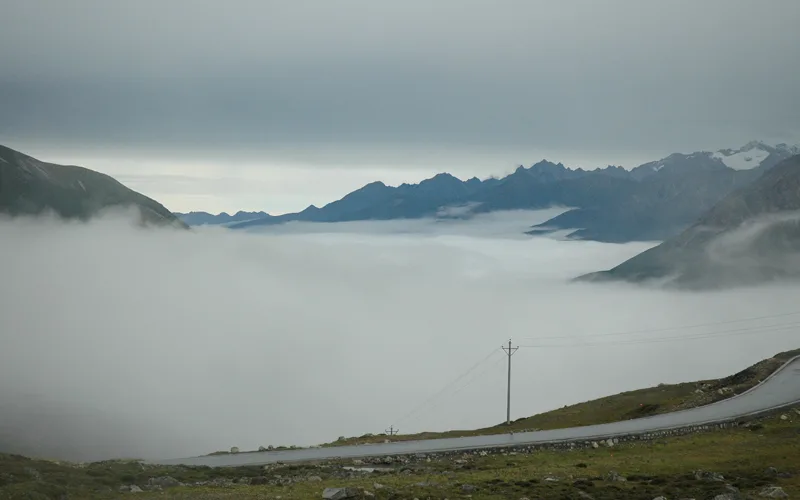
Altitude sickness isn't as scary as it's made out to be, but it deserves to be taken seriously. Treat it as "a trip that needs preparation" rather than "a matter of luck", and you'll find the snow mountains and grasslands of western Sichuan more worth going to than you imagined. Do your pre-trip preparation thoroughly, slow the pace, and take your body's signals seriously — do these three things and you can shift your attention from "will I get altitude sickness" to "those snow mountains are gorgeous". May every first-time highlander remember the best of western Sichuan over a cloud-sea afternoon tea along the Lixiao Road. And repeat the three bottom lines once more: never go up onto the plateau with a cold, never tough it out at high altitude, and descend and seek medical help immediately if serious symptoms appear — keep these three and western Sichuan's altitude becomes just part of the scenery rather than a mental burden.