The first rule for accommodation in Western Sichuan is to follow the altitude, not the star rating. Kangding, Xinduqiao, Danba, Rilong and Daocheng each involve trade-offs; this guide explains which night belongs where, the difference between village guesthouses and county hotels, and seasonal booking lead times and facilities to confirm.
Choosing accommodation in Western Sichuan, many people look first at ratings and stars, but at altitude neither is decisive. What really affects whether you sleep well and how smoothly the next day runs is the altitude, the heating and how convenient the departure is.
Three conclusions. First, follow the altitude: choose Kangding at around 2,600 metres for the first night, put a low-altitude stop such as Danba at around 2,000 metres in the middle of the trip, and spread the higher stops at Xinduqiao, Rilong and Yading apart. Second, facilities matter more than decor: heating, hot water hours, sound insulation and parking carry more weight in Western Sichuan than room size. Third, adapt the lead time to the season: October's autumn colour and the summer break need two to four weeks or more, while May, June and winter need only a few days to a week.
This article answers one question only: which stops to stay at in Western Sichuan, which kind of property to book and how far ahead. It suits travellers planning an itinerary who are unsure where to sleep each night. Accommodation standards, price levels and platform rules all change with the season; this was compiled in September 2026, so follow the latest official information from hotels and platforms.
The first rule: accommodation follows the altitude
The easiest mistake in a Western Sichuan itinerary is putting the highest place on the first night. The body usually needs a day or two to adapt above 3,000 metres, and sleeping above 3,300 on the first night affects both sleep quality and how you feel the next day.
A steadier sequence: one night in Chengdu (around 500 metres), the second in Kangding (around 2,600 metres), then on to Xinduqiao or Danba. Danba's low altitude is a rare advantage on this circuit; placing it mid-trip effectively gives your body a day off.
The Daocheng direction needs particular care: Daocheng county town sits around 3,750 metres, Shangri-La town around 2,900, and Yading village inside the scenic area close to 3,900. To stay close to the park you accept the altitude; to sleep comfortably you stay in Shangri-La town and enter early the next morning.
How to choose each stop
Chengdu: the night before you set off or before your return flight. Choose somewhere near the metro or a bus station so the next morning's departure is quickest.
Kangding: the first choice for night one. Ample county-town hotels, easy food and supermarkets, moderate altitude, a good transition point into the plateau.
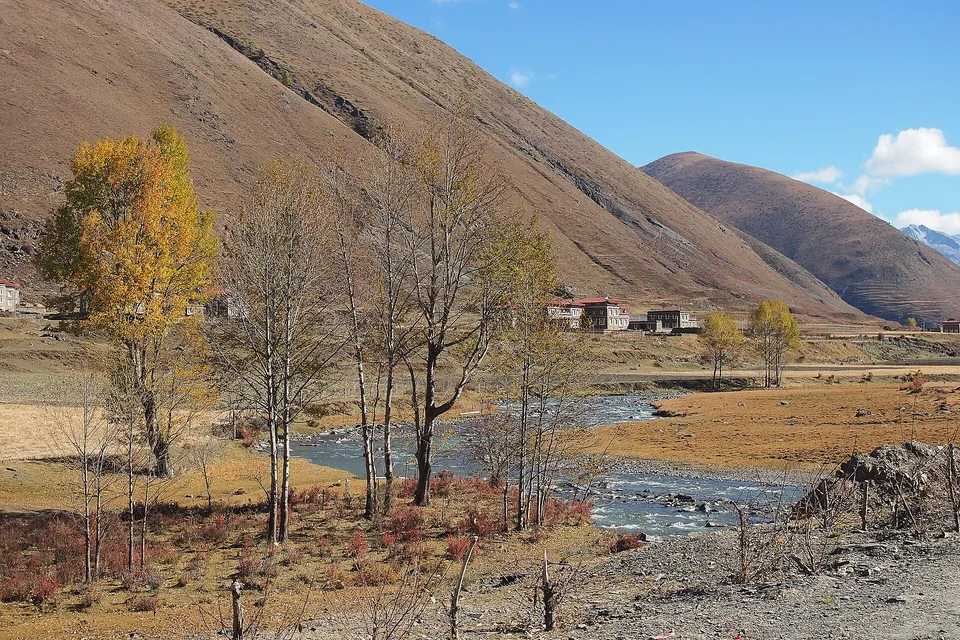
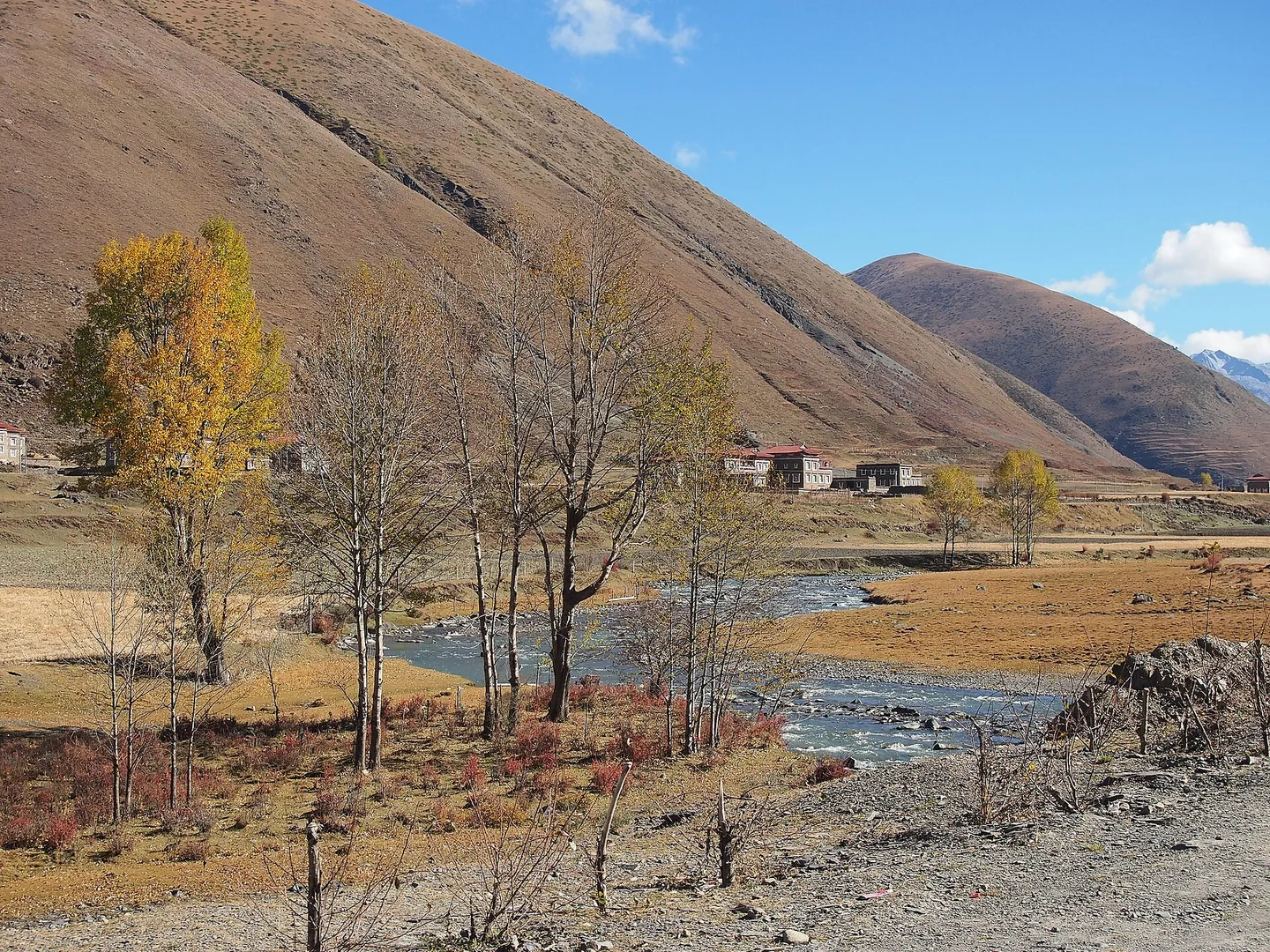
Xinduqiao: a photographic stop, worth one or two nights for early and late light. Accommodation is mostly guesthouses and mid-range hotels, prices rise noticeably in peak season and sound insulation is average.
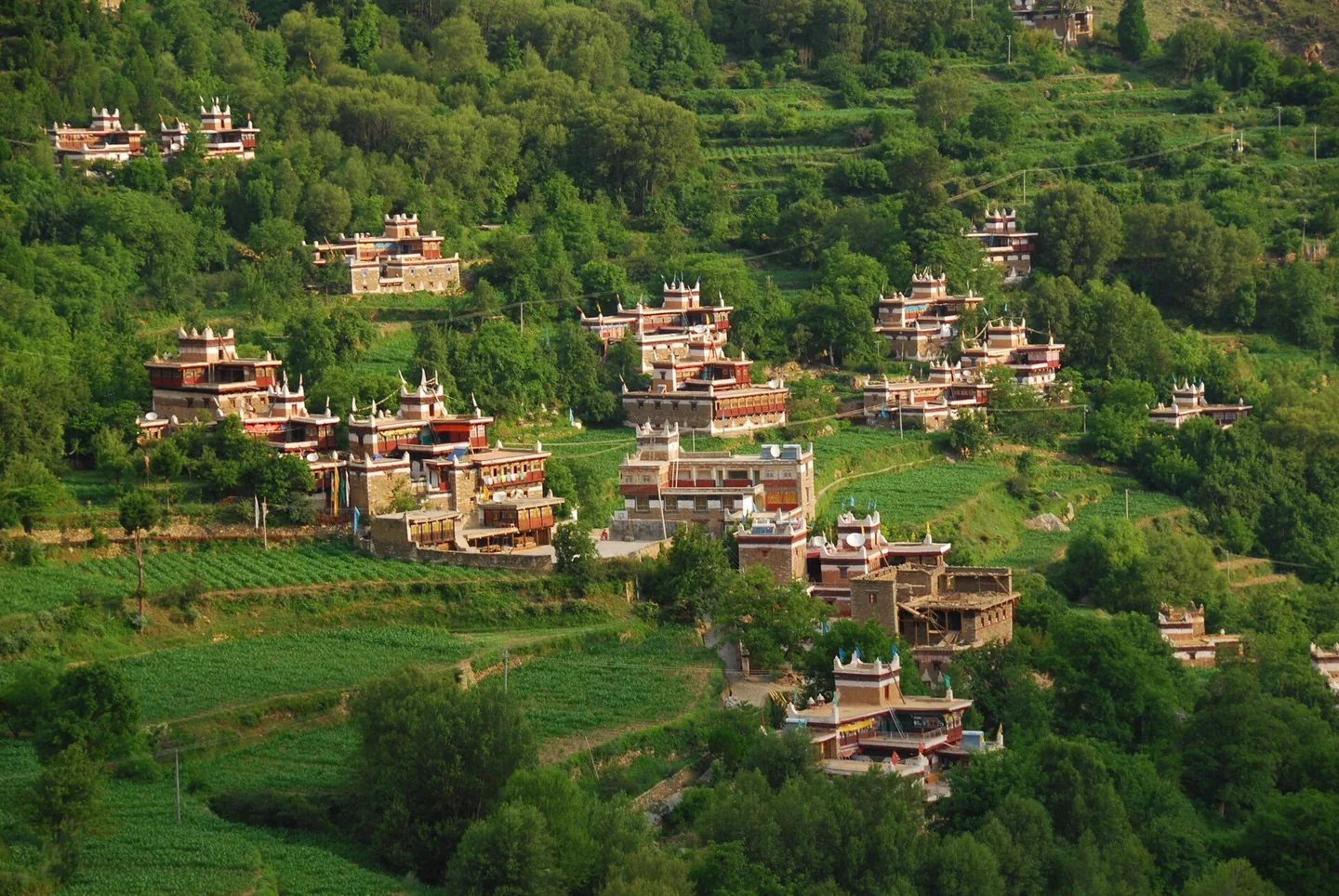
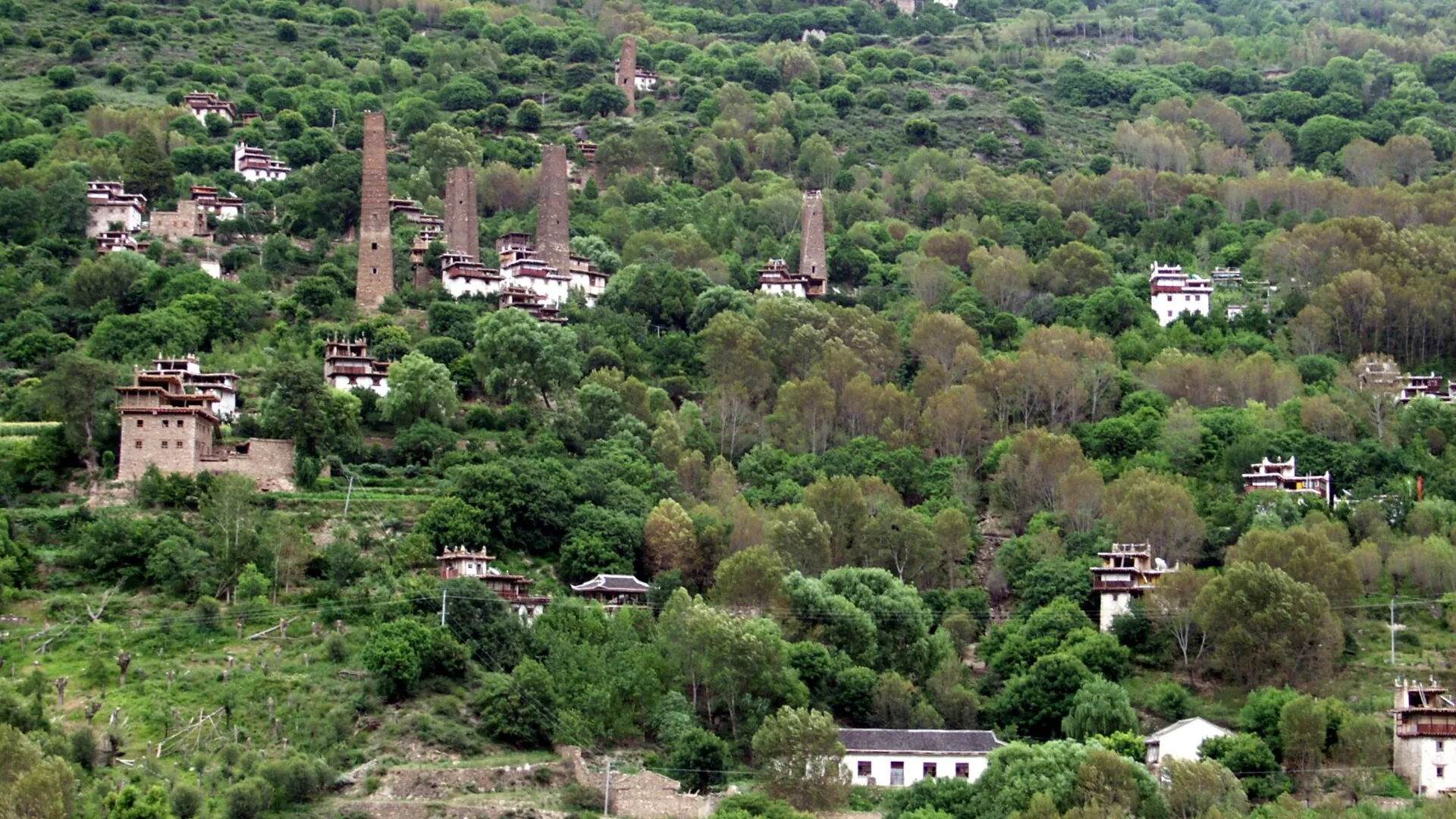
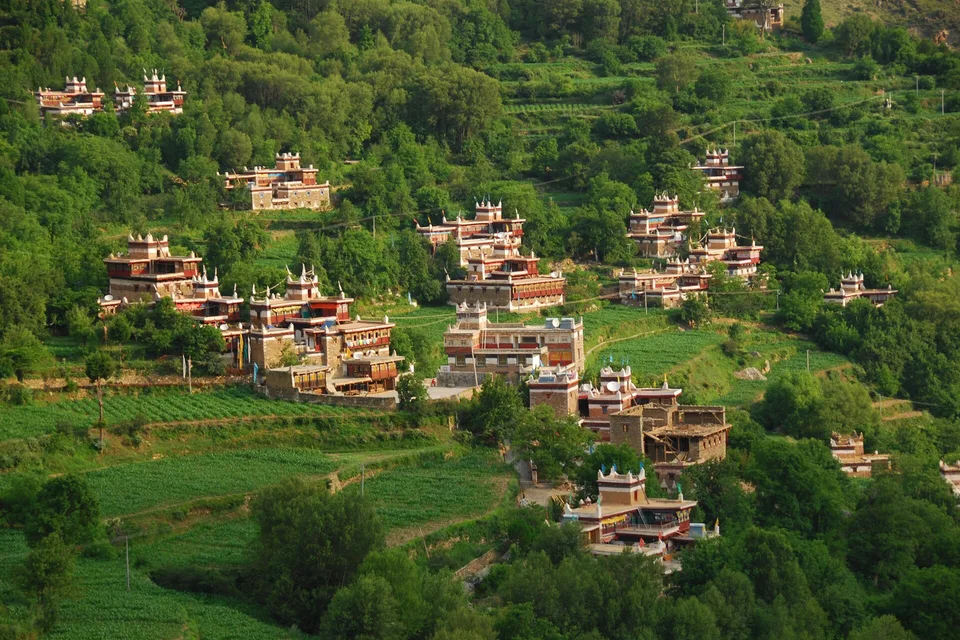
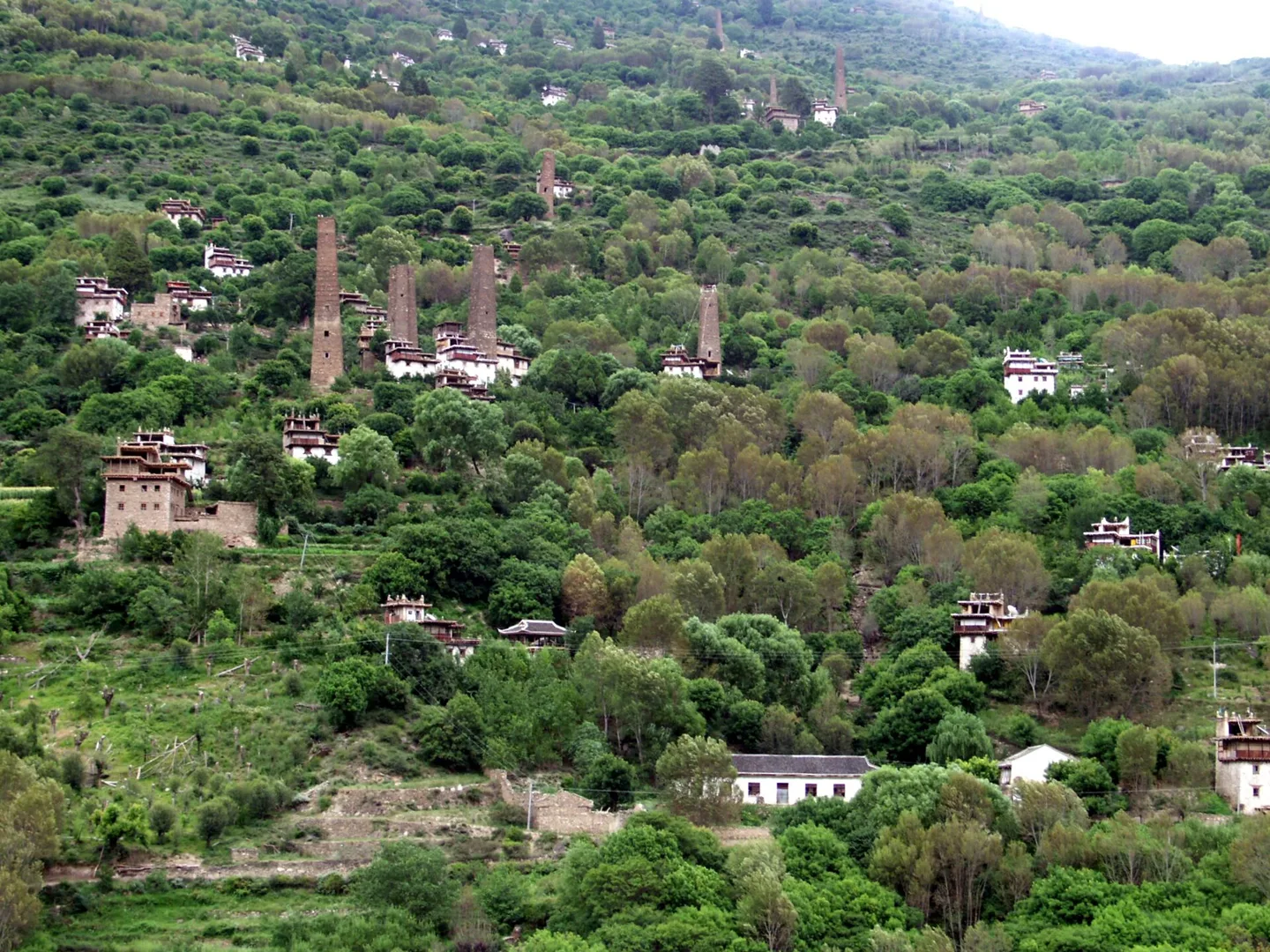
Danba: a low-altitude rest stop, with guesthouses at Jiaju and Zhonglu villages on the hillsides and more practical hotels in the county town. For trips with older relatives or children, it suits two consecutive nights.
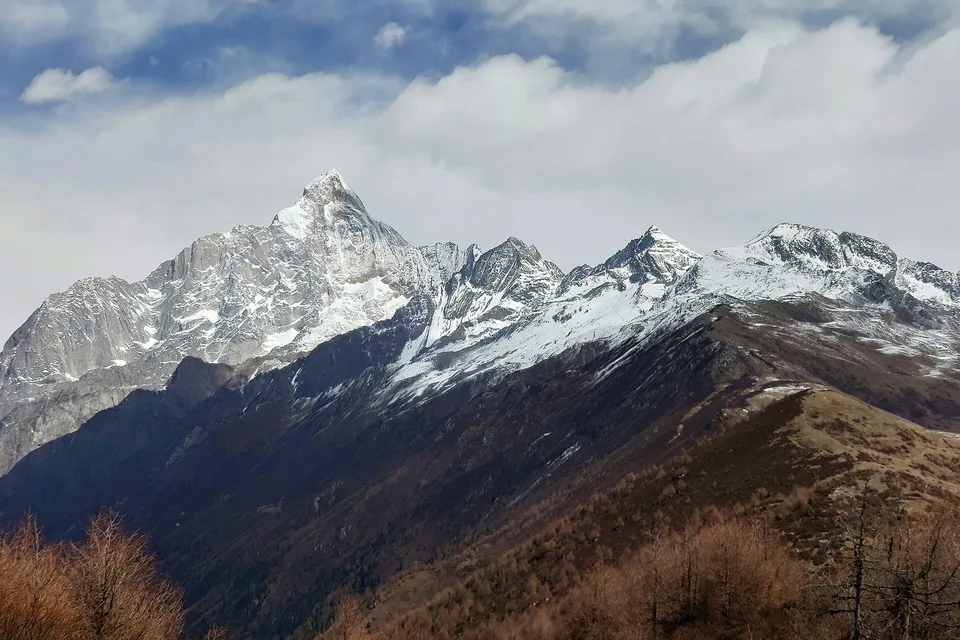
Rilong (Siguniangshan town): the most convenient base for Shuangqiao and Changping valleys, at around 3,200 metres. Standards vary widely in the town, so weigh heating and hot water reviews first.
Daocheng and Yading: Daocheng county town is well equipped but high; Shangri-La town is lower and half an hour to an hour from the park; Yading village is inside the park, closest to the boardwalks and the highest of the three. Choose between them based on what time you plan to enter the park the next day.
Stops at around 4,000 metres, such as Litang and Seda, are not advisable for a first night on the plateau.
Village guesthouses versus county hotels
Village guesthouses appeal through experience: rooms converted from local houses, watchtowers and fields outside the window, and hosts who usually cook. The cost is inconsistent standards - hot water may be limited to certain hours, sound insulation is average, room sizes vary widely, and some have no lift, so you carry luggage upstairs yourself.
County hotels offer certainty: more reliable heating and hot water, lifts and parking, fixed breakfast times. The drawback is a lack of local atmosphere and photographs that all look alike.
A practical combination is to use both: keep the experience for Danba or Zhonglu village, and the certainty for early-start stops such as Kangding and Xinduqiao. With older relatives or children, no mountain-view guesthouse beats a good night's sleep.
Which facilities must be confirmed
Four things to ask: the type of heating (underfloor, air conditioning or electric blanket), the hours hot water is available (whether around the clock), whether there is a lift and parking, and whether the room faces the street. Nights in Western Sichuan are markedly colder than the days, so heating affects sleep more than the age of the decor.
Three more to confirm by group: whether oxygen equipment is provided (some high-altitude hotels offer piped or bottled oxygen), whether there is a humidifier (the plateau is dry, and noses and throats suffer), and when breakfast starts, since on a day you enter a valley early, timing matters more than the food.
There is also a small trick when booking: read the guest photos in reviews, especially of the bathroom and the room's aspect. Many hotels in Western Sichuan have street-facing and rear rows, and the difference in quiet is considerable.
Channels and booking lead times
On channels, domestic platforms (Ctrip, Fliggy, Meituan, Qunar and similar) have the fullest coverage in Western Sichuan, especially in county towns; some village guesthouses are not listed and are best confirmed directly by phone or WeChat; international platforms work better for Chengdu and international chains but offer little in the towns.
Lead times vary by season: October's autumn colour and National Day are the tightest window, with popular room types at Xinduqiao, Danba and Rilong needing more than a month; July and August need two to four weeks; May, June and November need one to two weeks; and December to February, apart from Spring Festival, can largely be decided at short notice, provided you check the property is open out of season.
In peak season there are two ways to lower the risk: book a refundable rate and compare again closer to the date, or accept staying in the county town and driving to the park in the morning, which is far easier than fighting for rooms at the park gate.
Frequently Asked Questions
Q: Is Yading village worth staying in? A: It suits those who want the first shuttle into the park in the morning or plan the long route. At close to 3,900 metres sleep may suffer, so on a first visit to the plateau stay in Shangri-La town instead.
Q: Do all Western Sichuan hotels have heating? A: Mid-range and higher-grade hotels generally heat in autumn and winter, while guesthouses mostly rely on electric blankets or air conditioning. Asking directly about the heating is the safest approach.
Q: Can I request a quiet room on the platform? A: You can add a note, but a note is not a confirmation. Ask again on arrival, or book a room type explicitly described as not street-facing.
Q: Might accommodation close temporarily out of season? A: County-town hotels usually operate all year, while village guesthouses and some restaurants close in winter. Confirming directly is more reliable than the platform's status.
Wrapping up
Choosing accommodation in Western Sichuan works better if you reverse the order: first decide what time you leave the next morning and which park you are heading to, then work back to where to stay and what facilities you need. Once altitude, heating, hot water and departure convenience are settled, ratings and decor are bonuses rather than deciding factors.
One more sequence is worth noting: fix the stop first, then pick the hotel. Western Sichuan's stops are constrained by driving times and altitude, so the flexibility is limited; if a favourite guesthouse pulls the itinerary around instead, you often end up driving an extra hour or two on mountain roads for little gain.
A reminder: accommodation in Western Sichuan improves every year, while prices and availability swing widely with the season. This was compiled in September 2026, so check official hotel and platform information before booking. If the itinerary includes high-altitude stops, prepare for altitude at the same time, see Preventing altitude sickness on a first trip to Western Sichuan; for matching stops to sights, see How to prioritise Western Sichuan's sights。
If you want the stops, driving times and sights arranged in one pass, tell 0765trip's Western Sichuan route consultants your dates, number of days, travel party and budget range, or compare directly with the daily accommodation arrangements in the 6-day Western Sichuan route and 6-day Western Sichuan wellness loop to see which rhythm suits you better.