The Beibu Gulf Fishing Festival is an annual ocean feast on the coast of Guangxi: a sea-worship ceremony, hundreds of sails leaving harbour and a seafood carnival. This guide explains how to join the festival, how to visit Qisha Fishing Harbour and Sanniang Bay, and lays out a 3-day route by bullet train round trip.
Every high summer, the Beibu Gulf hosts a festival all about seafood and fishing harbours — the Sea-Opening Festival (also called the Fishing Festival). The moment the fishing moratorium ends, boats from harbours such as Fangchenggang and Beihai line up and head out to sea: a sea-worship ceremony, a rush of sails and a seafood carnival in turn, as harbours that have slumbered all summer boil back to life. For travellers it is the most "ceremonial" way to experience the Guangxi coast — not only the spectacle of a thousand boats heading out, but also the freshest "first catch" seafood in the week after the ban lifts.
Three days — a bullet-train round trip from Guangzhou — is enough to string together this ocean feast and the good things around it: terraced hot springs hidden in the Shiwanda Mountains, Sanniang Bay where Indo-Pacific humpback dolphins play, a hands-on session with Nixing pottery, one of China's four great ceramics, and a closing stroll through the greenery of Qingxiu Mountain in Nanning. This guide follows that rhythm, explaining how to join the festival, how to wander the fishing harbour and how to eat the seafood. One note: the festival's exact dates are announced each year by the local authorities, and scenic-area openings and performances can change, so go by official information before you set off.
What is the Sea-Opening Festival: a ritual made for fishing harbours
The Sea-Opening Festival is a traditional celebration of the Beibu Gulf's coastal cities, built around the "sea-opening ceremony": once the fishing moratorium ends, fishermen gather at the docks to pray for a good catch, then the boats leave harbour together — at its grandest you can watch hundreds or even thousands of vessels heading for the sea at once. The grounds usually add folk performances, Danjia (boat-dwelling) culture displays, a dried-seafood market and food stalls, and in the first day or two after the ban lifts the waterfront food shacks serve the liveliest catch of the year. For travellers the best way to join in is "watch the ceremony + eat the seafood": the ceremony is mostly in the morning, so afterwards you can settle into a harbour-side stall and taste the first freshness of the season.
How to plan the 3 days? A reference route by bullet train from Guangzhou
Day 1: Guangzhou–Nanning by direct bullet train, then a connection to Shangsi. Spend the afternoon soaking in Butou Hot Springs — terraced travertine pools tucked under the northern flank of the Shiwanda Mountains, with brilliant blue water and white pools stacked like a "Chinese Pamukkale"; along the way you can also drop into a large ecological ranch and get close to the young dairy cows. Overnight in Shangsi.
Day 2: Shangsi–Qisha Fishing Harbour in Fangchenggang. Take part in the annual Sea-Opening Festival in the morning: folk performances at the main stage, the sea-worship ceremony, the sea-opening ritual and a thousand sails leaving harbour, plus the eco seafood carnival; sit down to a seafood feast right in Fangchenggang for lunch. In the afternoon head towards Qinzhou, passing the Longmen Bridge at the mouth of the Pinglu Canal by coach, then walk into Sanniang Bay, home of the Indo-Pacific humpback dolphin — with luck you may see pink dolphins break the surface. Overnight in Qinzhou.
Day 3: Qinzhou–Nanning–Guangzhou. In the morning try a Nixing pottery DIY session and make a piece with your own hands, then wander Qinzhou's old town and Liu Yongfu's former residence; head back to Nanning after noon, wander the green fairyland of Qingxiu Mountain, then return by bullet train.
Can you see dolphins at Sanniang Bay? Keep it casual — it is about luck
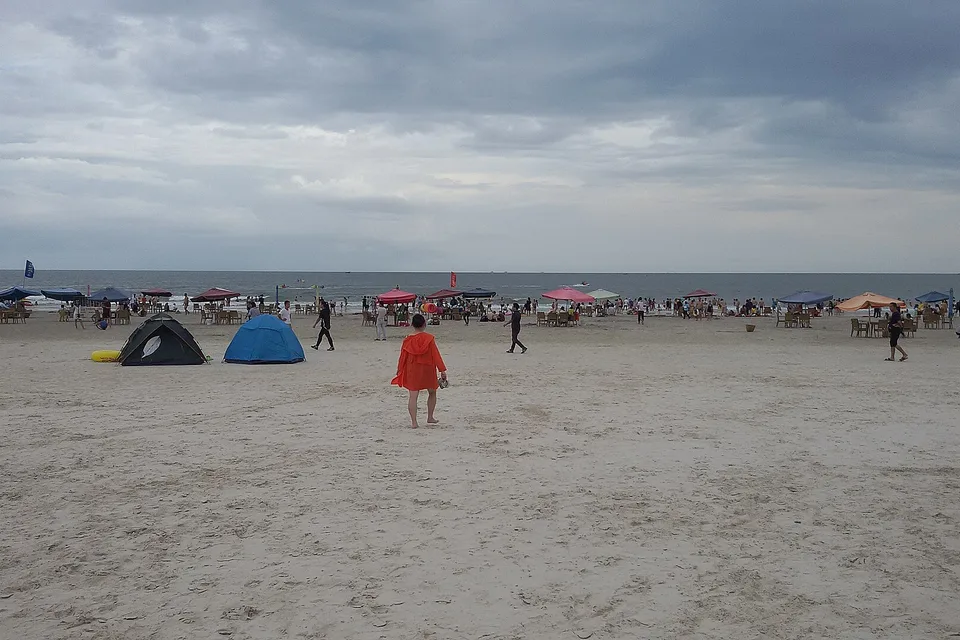
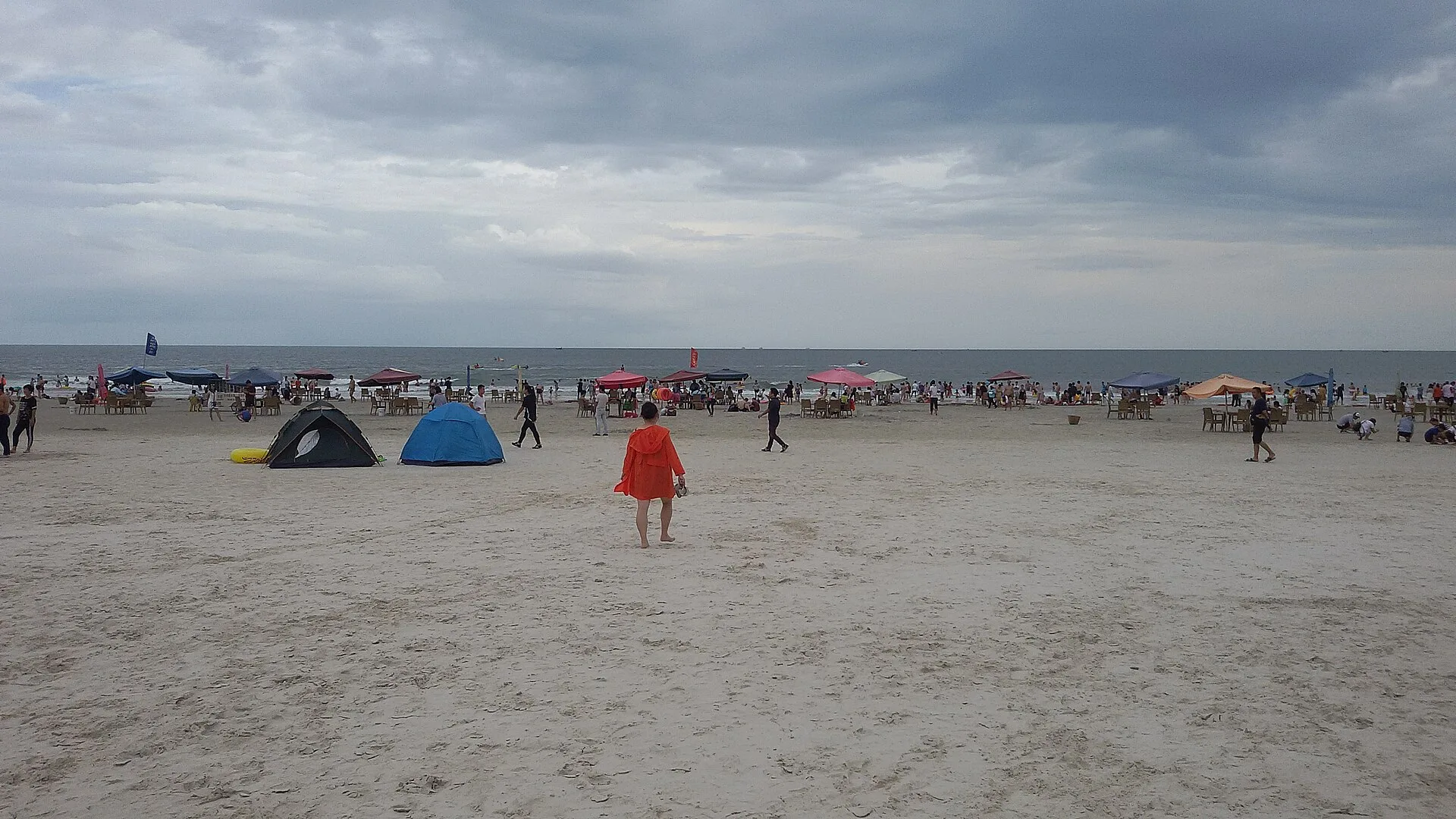
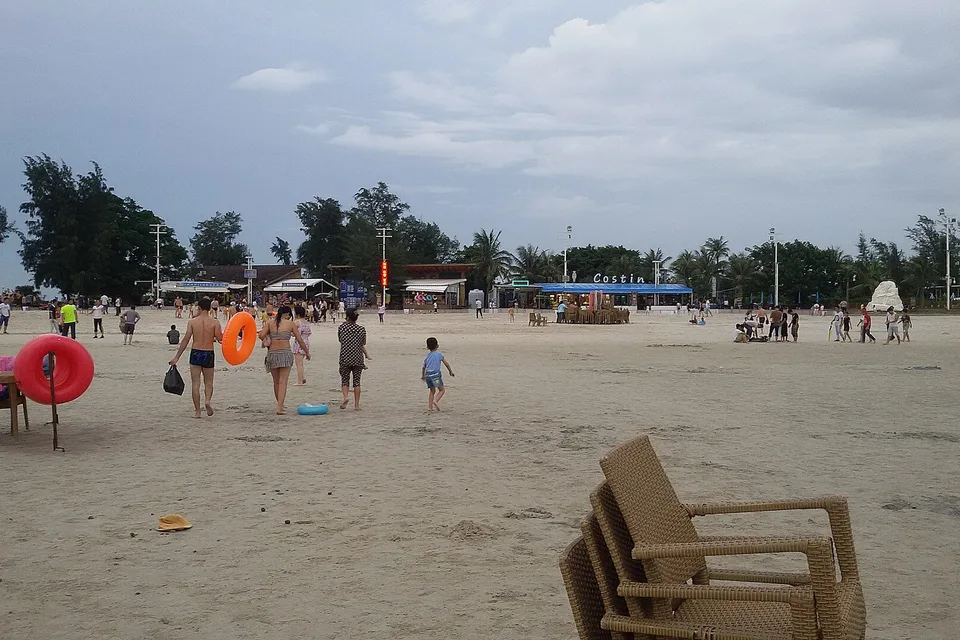
Sanniang Bay is known for its blue sea, sandy beaches, curious rocks, green woods and fishing villages, and is an important habitat for Indo-Pacific humpback dolphins. Spotting them takes a bit of luck: dolphin-seeking boats usually cruise the waters where the dolphins are active, and whether you see them depends on season, weather and tides, with official sighting data and sailing arrangements set on site. If you see none, don't be disappointed — the village charm and coastline of Sanniang Bay are well worth it on their own. Treat "seeing dolphins" as a bonus rather than a mission and the trip feels lighter.
How to eat seafood: the right way after the sea opens
The first week after the sea opens is the golden window for seafood. The stalls around Fangchenggang and Qinzhou advertise "today's catch", and the ordering logic is "read the ice counter, pick the fish": pick the fish, crab and shrimp that arrived that day, and favour simple preparations — blanched, steamed or salt-and-pepper — because the simpler the cooking, the more the freshness comes through. How fat the shrimp and crab are swings with the season, with autumn crabs at their finest; for oysters, sand worms and other shellfish, trust the reputation of their home waters. If your stomach is sensitive, go easy — seafood with beer often upsets digestion, and a local tea is a safer match. To eat your fill of crab and shrimp in one go, tour itineraries usually include a dedicated "seafood banquet", which works out better value than ordering à la carte.
Practical reminders
Coastal accommodation is tight during the festival, so book early once the official dates are out; the docks draw big crowds on festival day, so keep an eye on your belongings.
Bring your own slippers and towels for Butou Hot Springs; keep soaks to a sensible length and stay hydrated.
Safety first when sailing out to seek dolphins at Sanniang Bay — wear your life jacket and follow the boat crew's arrangements.
Guangxi's summer is humid and rainy, so bring rain gear and heat protection; the ultraviolet on the coast is strong, making sunscreen and a sun hat essentials.
For a worry-free option, join the 3-day Beibu Gulf pure-tour group by bullet train from Guangzhou: Butou Hot Springs, the Sea-Opening Festival, Sanniang Bay, a Nixing pottery DIY session and Qingxiu Mountain all arranged, two nights in light-luxury hotels, with a seafood meal and a lemon-duck feast — genuinely pure touring with zero shopping stops.
Closing words: pack the freshness of the Beibu Gulf into one weekend
The beauty of the Beibu Gulf lives half in the sea and half on the shore. The rush of a thousand boats setting sail at the sea-opening ceremony, seafood that just landed at the waterfront stalls, the occasional pink figure leaping from the waters of Sanniang Bay, hot springs in the Shiwanda Mountains with mountain views — put these pictures together and you have the most vivid page of the Guangxi coast. Three days is not long, but for a weekend it is just right. The Sea-Opening Festival happens only once a year — miss it and you wait another year — yet the gulf's seafood, hot springs and fishing harbours are worth it any time. Slow the pace down, let the freshness linger on your tongue a little longer, and pack the Beibu Gulf into your memories. Before you leave, recheck the festival dates and the opening arrangements of the harbours and hot springs — leave the uncertainty to the weather, not your itinerary, and this trip will taste great and go smoothly.
If you'd rather not worry about train tickets, hotels and festival crowds, the 0765trip 3-day Beibu Gulf pure-tour group takes care of it all: the core festival experience, a seafood feast, hot springs and pottery in one package, departing from Guangzhou by bullet train — a great fit for a weekend escape and seafood lovers. To combine Beihai, Weizhou Island or to extend the trip, just tell the travel advisor. Before you leave, double-check the festival dates and scenic-area openings — everything should be subject to the latest official announcements.