Yunnan's winter is not one single thing: Kunming, Dali and Lijiang offer 'winter sunshine' with big day-night temperature swings, while Xishuangbanna is a genuine summer. This guide splits Yunnan from December to February into two climate belts and explains how cold-escape travellers should choose, how to structure an 8-day itinerary, and how to fit both snow mountains and tropical rainforest into one trip.
Every year from December to February, advice about Yunnan online seems to contradict itself: some say it is cold enough for a down jacket, others say you can wear short sleeves. In fact both are right - they are talking about different places. The most distinctive thing about a Yunnan winter is that 'plateau sunshine' and a 'tropical summer' can sit inside one single itinerary: Kunming, Dali and Lijiang bask in warm sun on most days, Xishuangbanna holds steady above 20°C, and even Yuanyang's rice terraces enter their clearest mirror season of the year.
This guide answers one main question: for a winter escape to Yunnan, where should you actually choose and how should you route it? The conclusion first: if you feel the cold and want something reliable, follow the 'Kunming - Dali - Lijiang' route and soak up plateau sunshine - about 8 days feels very comfortable; if you want a genuine summer, press the trip south to 'Xishuangbanna (+ Yuanyang)'; and if you have plenty of time and want both snow and warmth, you can take in both ends. This article was prepared in September 2026; temperatures, cable cars and scenic-area openings follow the latest official announcements.
In one line, find your match: first-time visitors to Yunnan with 6-8 days should favour the plateau-sunshine route - high sight density and mature connections; those spending the winter with seniors and children or simply wanting to wear short sleeves should base the trip on Xishuangbanna and treat Yuanyang as a bonus; repeat visitors who have already done north-western Yunnan and want pure warmth should head south and skip the snow mountains altogether. Below, we first explain why a Yunnan winter is 'warm and cold at the same time', then give the matching route skeletons.
Is Yunnan actually cold or warm in winter?
The winter temperature gaps in Yunnan come down to altitude and latitude, and the province roughly divides into three bands. The first is the plateau belt where Kunming, Dali and Lijiang sit, at roughly 1,500-2,400 m: strong daytime sun that feels warm, temperatures that drop the moment the sun goes down, and day-night swings that often exceed 10°C. The second is the Ailao Mountain belt around Yuanyang in Honghe, where the terraces and river valleys are warm by day and damp and cold by night. The third is the southern-Yunnan river valley of Xishuangbanna, with altitudes as low as around 550 m: daytime temperatures stay above 20°C from December to February, making it a true cold-escape zone.
For most first-time visitors the clearest difference is: over the same 8 days, in Kunming, Dali and Lijiang you need a thick coat plus a jumper, while in Xishuangbanna a light long-sleeve shirt is enough, with a sun-protection layer for mornings and evenings. Deciding whether you want to 'soak up the sun' or 'shed your coat' matters more than agonising over which city is 'more worth visiting'.
The plateau-sunshine route: structuring Kunming, Dali and Lijiang
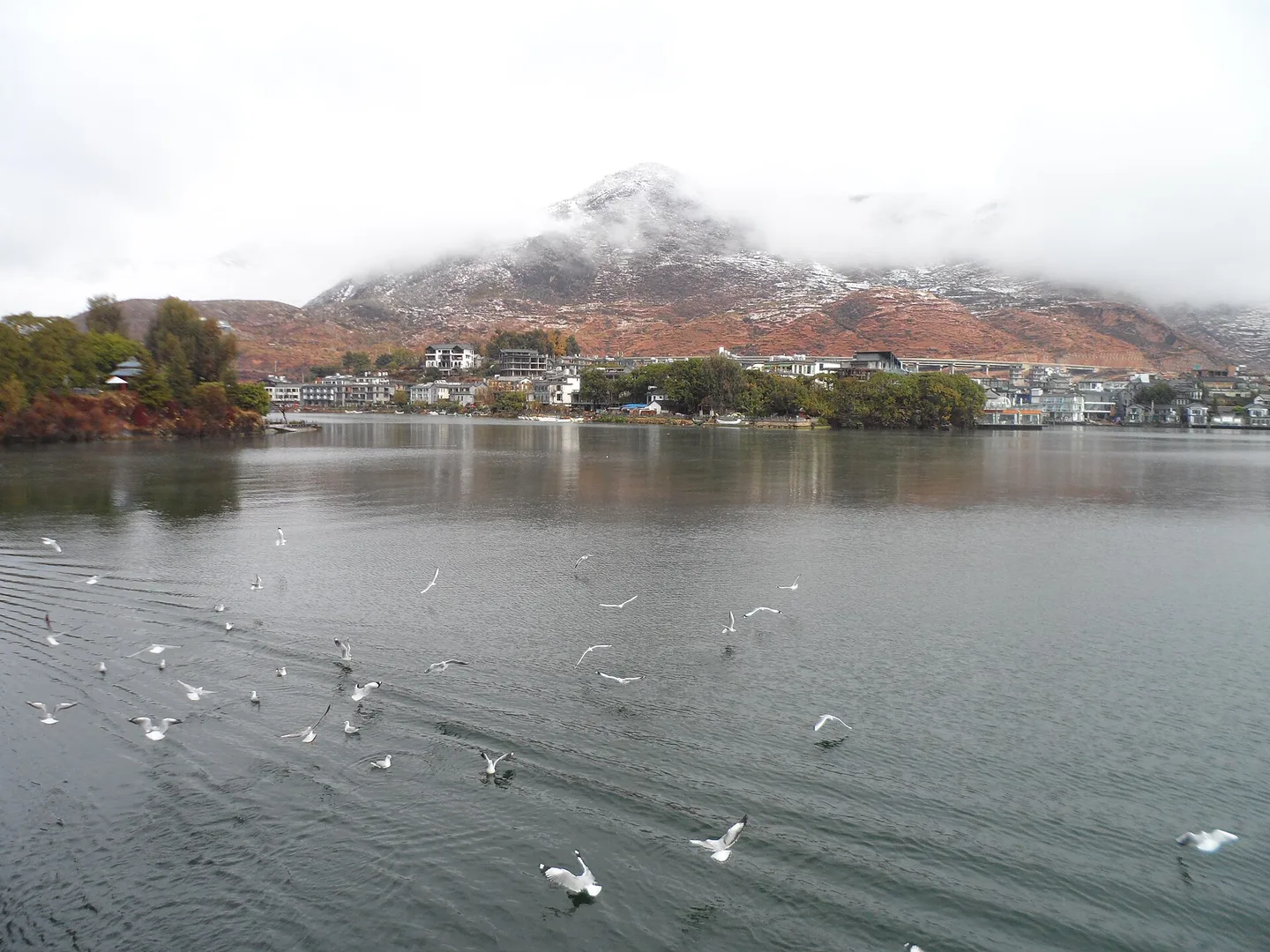
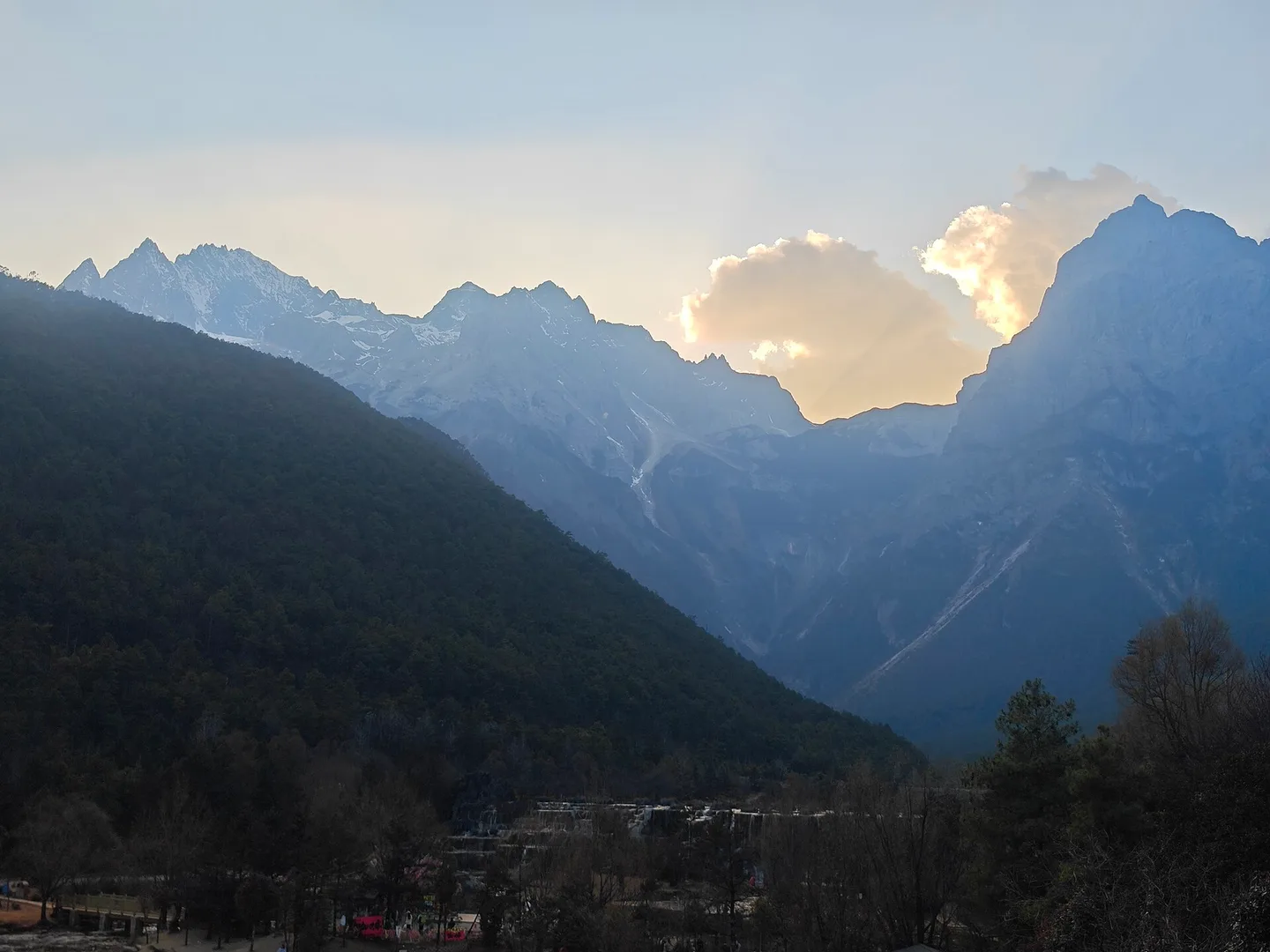
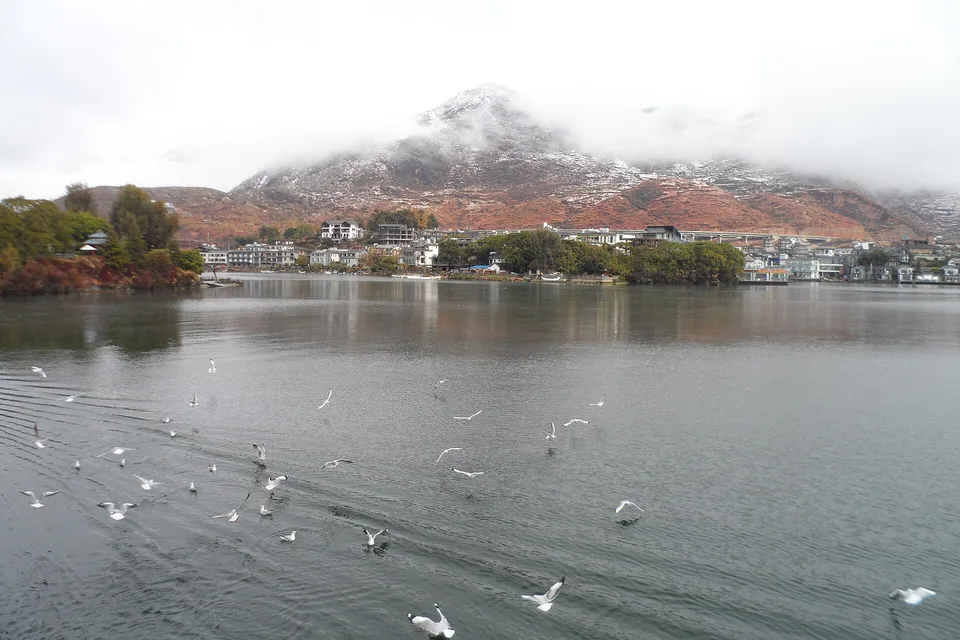
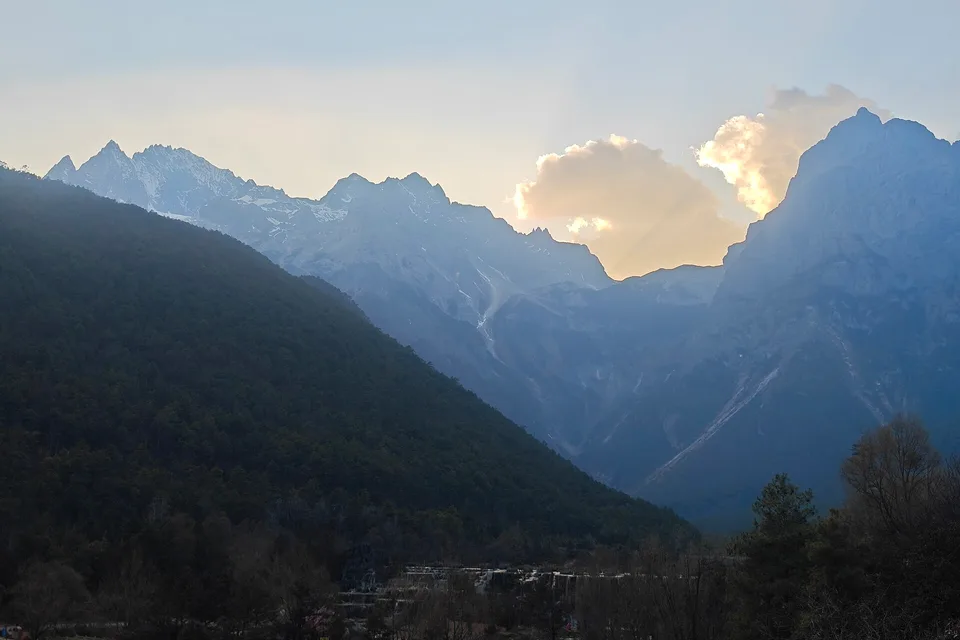
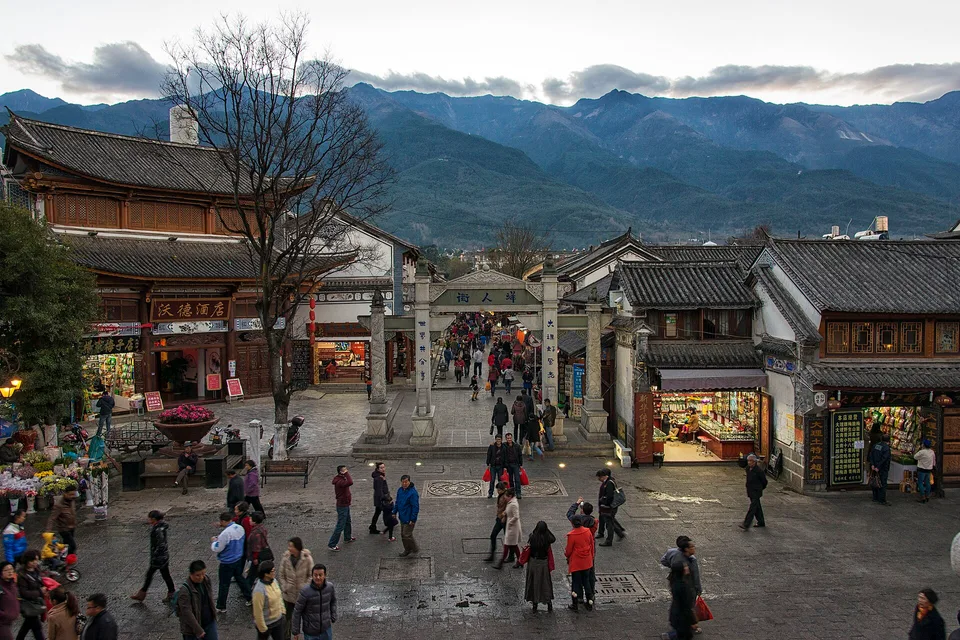
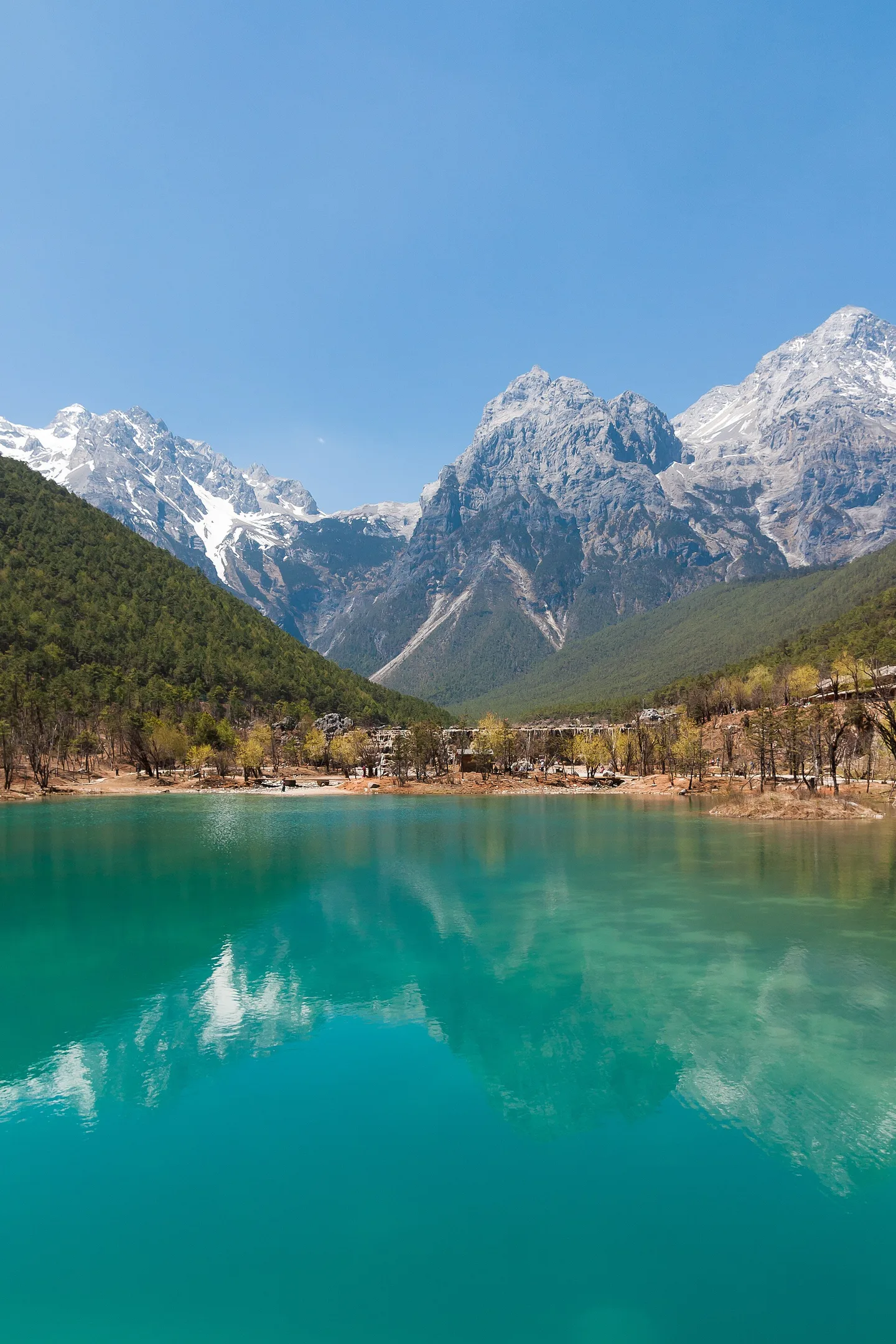
If you choose the 'plateau sunshine' option, the core experience is strolling old towns in the sun, seeing lakes and going up a snow mountain. This route suits first-time visitors to Yunnan who want the classic sights in one trip, and it also works at a gentle pace with seniors and children. A word of caution: Lijiang sits at about 2,400 m, the Jade Dragon Snow Mountain cable-car station higher still, and winter mornings there are especially cold; the risk of altitude sickness is also higher than in Kunming or Dali, so pacing yourself matters.
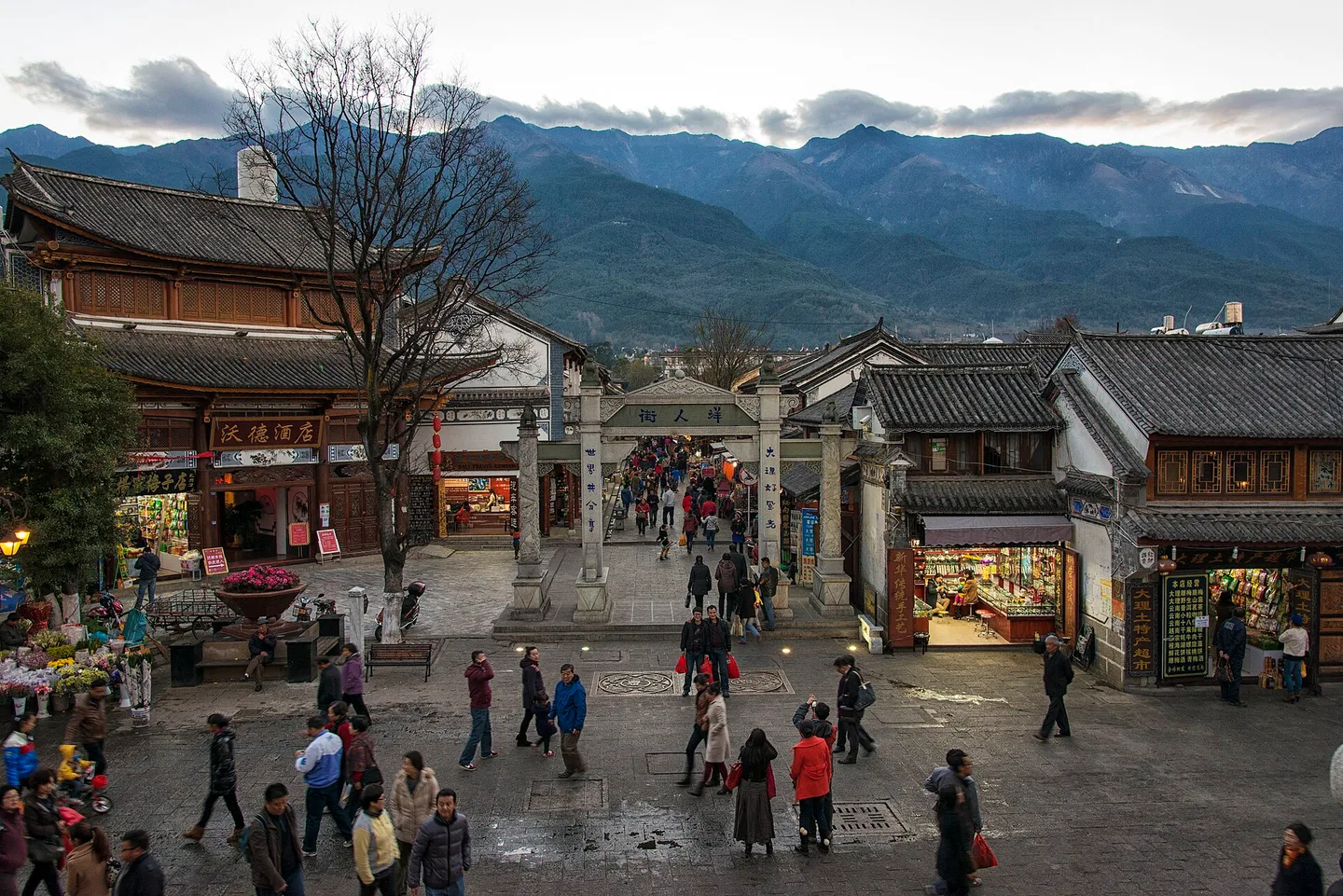
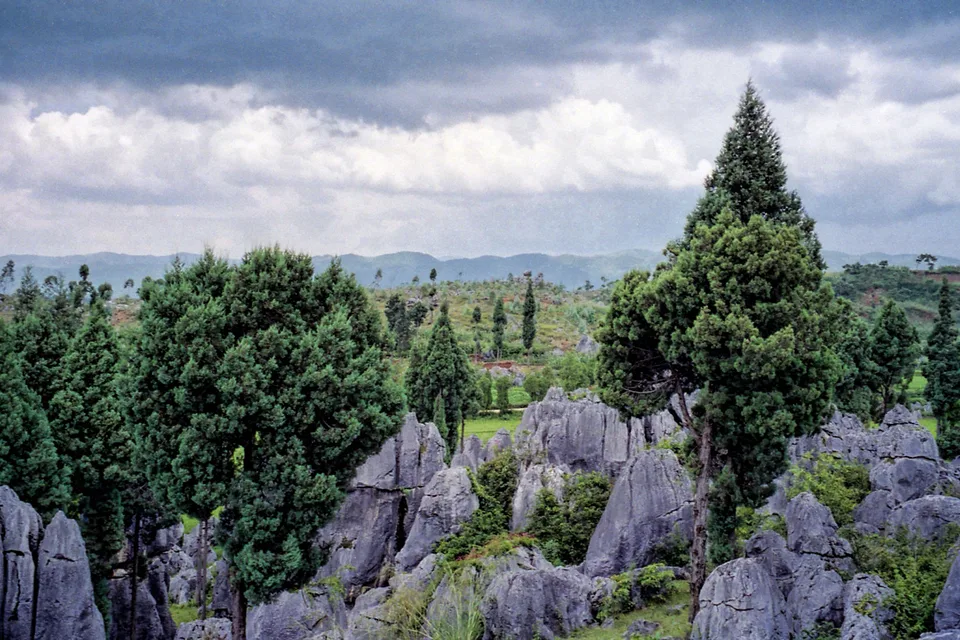
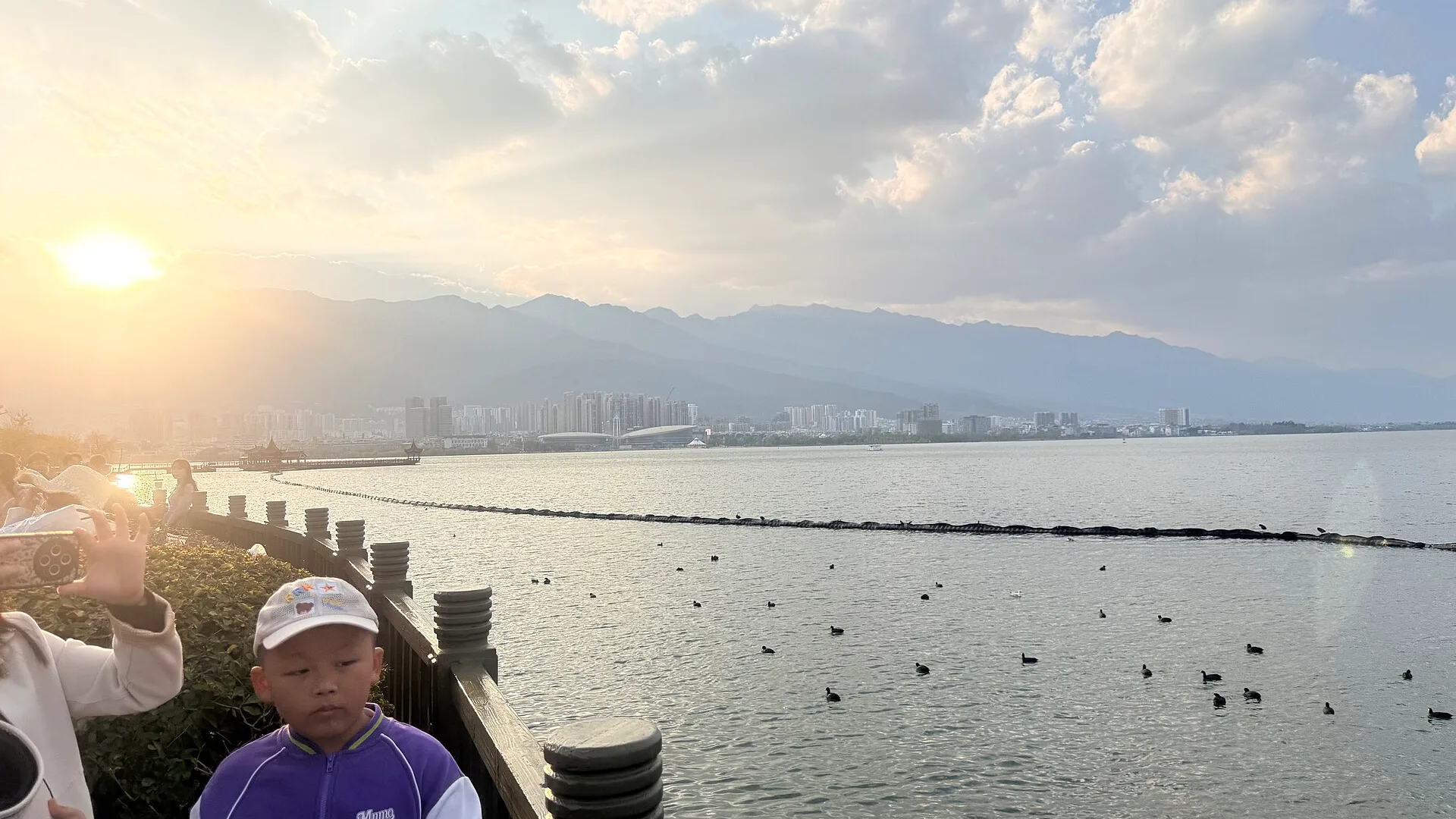
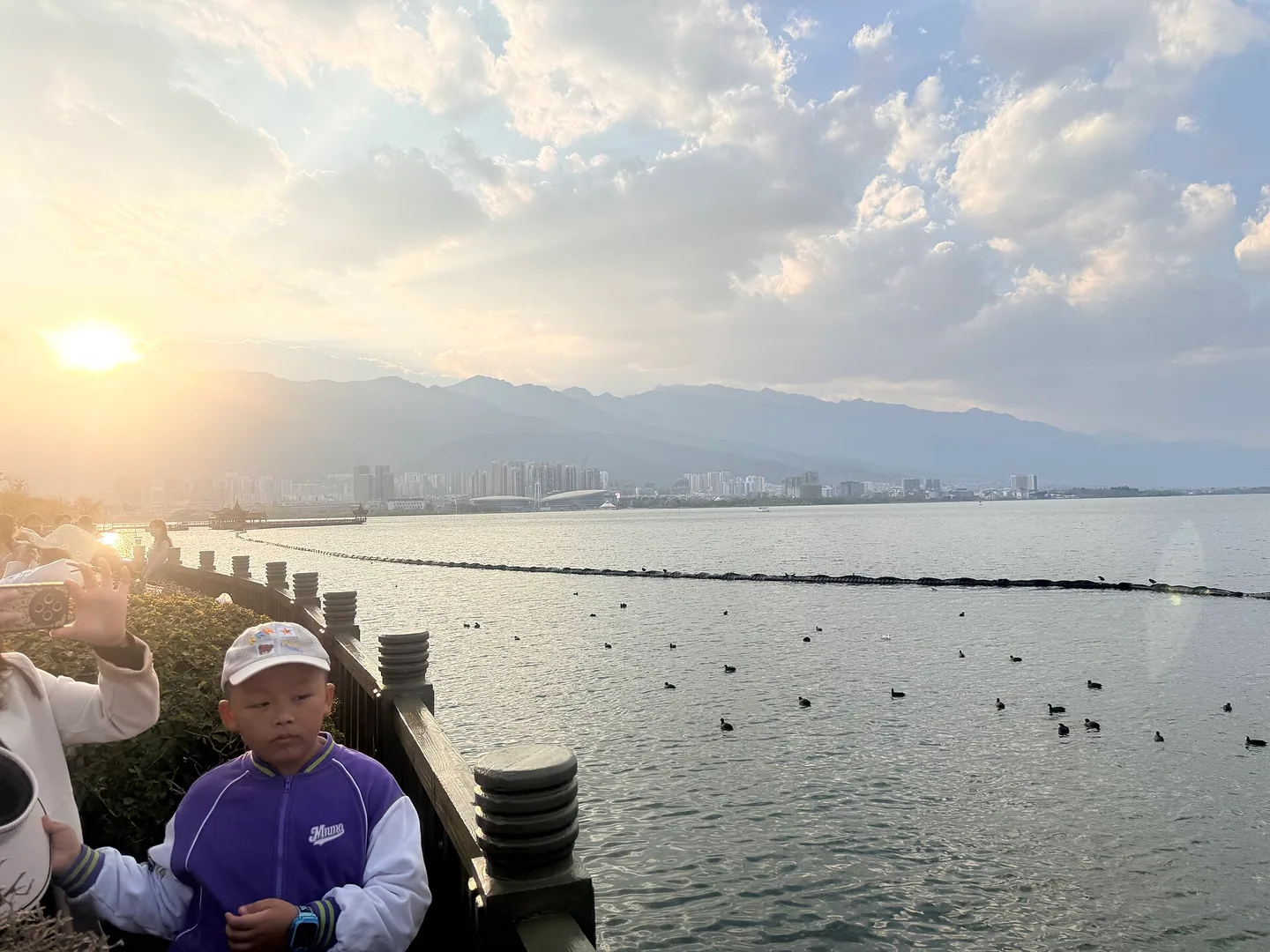
An 8-day skeleton could run like this: after landing in Kunming, rest and acclimatise first, then spend one day at the Stone Forest or Fuxian Lake; take the high-speed rail to Dali and give one day each to an Erhai Lake loop and the old town; move on to Lijiang with one day for the old town and the Dayan area and one day for Jade Dragon Snow Mountain; and keep some flexible time before the return for weather. With only 6 days, we suggest dropping the sights around Kunming and giving the time to Dali and Lijiang for a more relaxed pace. The keyword for this route in winter is 'clear': the plateau has many sunny days, and Erhai Lake and the snow mountain stand out sharply in the clear air, but it feels genuinely cold in the mornings and after sunset, so check the hourly temperature before going out and dress accordingly; once in Lijiang, if the weather turns poor, swap the snow-mountain day with the old-town day - flexibility matters more than pushing through.
The real-summer route: heading south to Xishuangbanna and Yuanyang
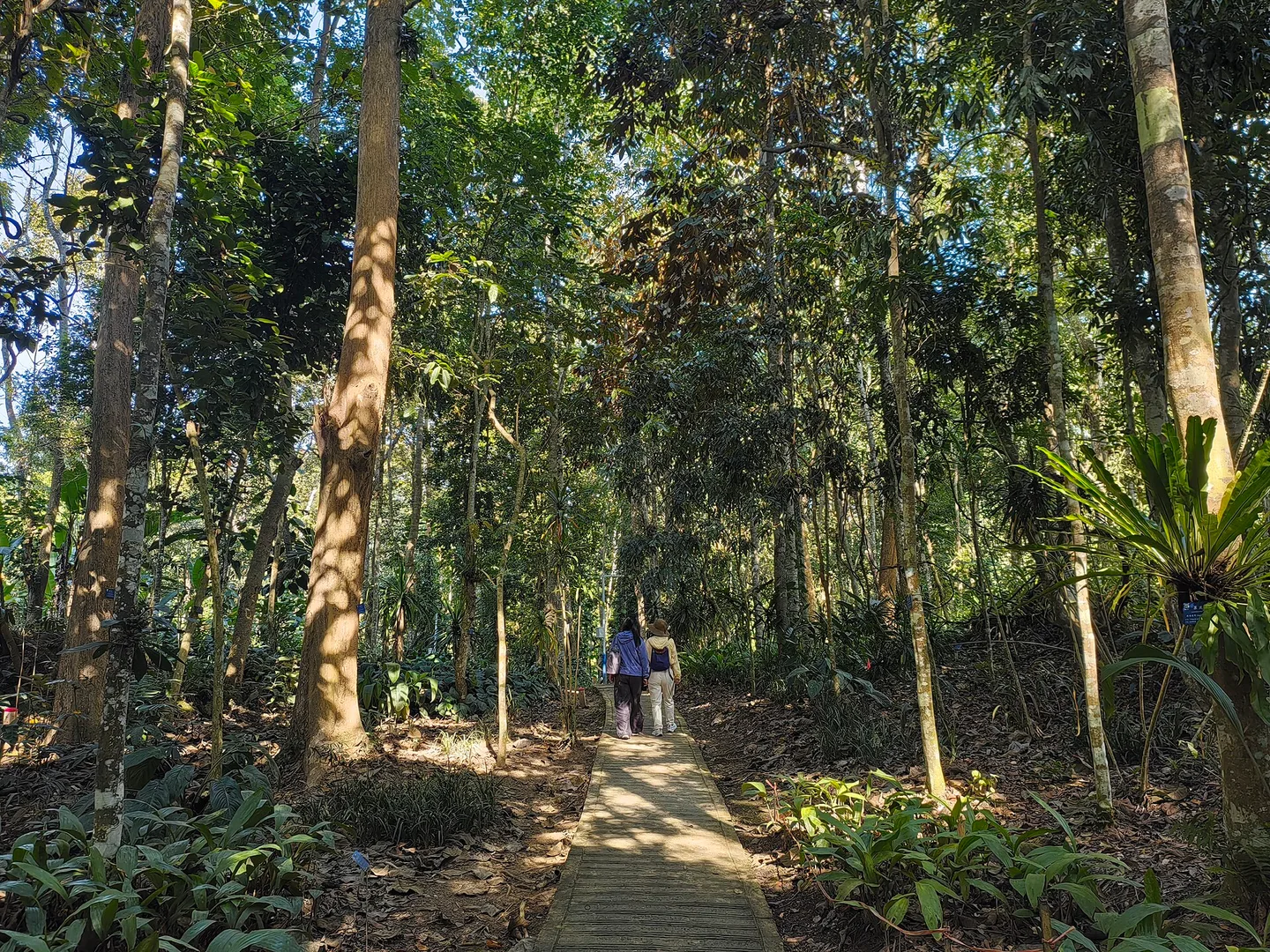
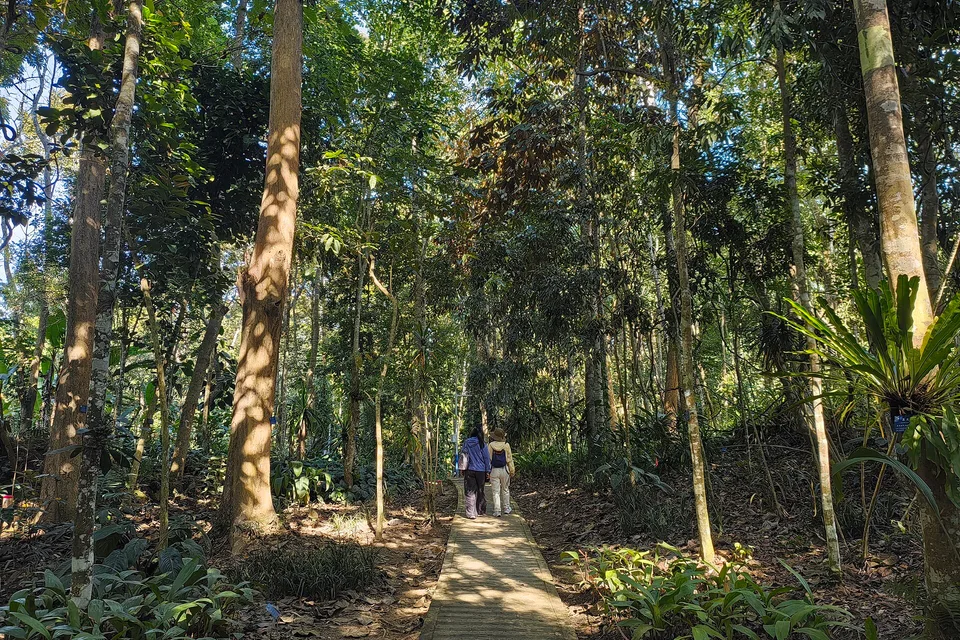
If the goal is simply to 'wear short sleeves in winter', Xishuangbanna is the most dependable choice in a Yunnan winter. December to February is its dry season, with plenty of sunny days and little rain: the Tropical Botanical Garden, Wild Elephant Valley and the Dai ethnic parks are all at their most pleasant, and you will not even need air conditioning at night. Temperatures around Jinghong and Mengla hold steady, making it a worry-free warm escape when travelling with seniors and children.
If you have time to spare, you can string the Yuanyang Hani Rice Terraces and Xishuangbanna together on one southern route: Yuanyang's prime season falls exactly in the December-February water-filling period, when layer upon layer of paddy fields mirror the sky in the morning light like polished glass - a winter-only sight; after the terraces, continue south to Xishuangbanna where the weather grows steadily warmer and the experience shifts from 'river-valley morning mist' to 'tropical rainforest'.
Want both ends? Making the trade-offs on an 8-day route that covers both
To complete 'seeing snow + escaping the cold' in one trip you will need to spend time on the railway, and the route becomes Kunming - Dali - Lijiang - (fly / high-speed rail) - Xishuangbanna. The benefit of this arrangement is seeing both of Yunnan's winters in a single journey; the cost is a near-thousand-kilometre crossing in the middle, a real risk of fatigue in the last two or three days, and the thick clothes you have been carrying turning into baggage once you reach Xishuangbanna.
The trade-off advice is one thing: decide clearly which matters more - 'seeing snow on the plateau' or 'escaping the cold in Xishuangbanna'. If warmth is the priority, swap Jade Dragon Snow Mountain for the lower-altitude Cangshan Mountain or the basins around Lijiang, and give the time you save to Xishuangbanna; if seeing the snow is the priority, there is no need to force the journey south - the plateau-sunshine route is comfortable enough on its own. No route is a 'standard answer'; there is only the one that fits your holiday better.
Winter clothing and packing list
Plateau belt (Kunming, Dali, Lijiang): a long-sleeve layer plus a jacket by day, adding a thick coat or light down jacket in the mornings and evenings; those who feel the cold should bring a scarf and gloves.
Snow mountains (Jade Dragon Snow Mountain and similar): a down jacket, non-slip shoes and sunglasses are essential; cable-car tickets go hand in hand with the weather, and strong winter winds can suspend services at short notice.
Xishuangbanna and the Yuanyang river valley: short sleeves or light long sleeves by day, with a sun-protection layer on hand; early-morning terrace viewing in Yuanyang calls for a thicker coat.
General: ultraviolet radiation is strong on the plateau, so bring sunscreen, lip balm and a thermos as needed; tickets and opening hours at each sight follow the latest official announcements.
Spring Festival travel notes
Spring Festival is one of the busiest periods of the whole year in Yunnan: old-town guesthouses in Kunming, Dali and Lijiang and hotels in Xishuangbanna sell out easily, and train tickets are tight. To avoid the crowds, you can shift off-peak to around the Lantern Festival, or base the trip on routes such as Xishuangbanna and Yuanyang that do not revolve around 'old-town check-ins'. When travelling with seniors and children, we suggest keeping the schedule loose, leaving time for an afternoon rest and flexibility each day, and favouring high-speed rail connections and arrangements that avoid backtracking.
Wrapping up
From December to February Yunnan puts 'warm sunshine' and 'summer' on the shelf at the same time, so there is no right or wrong choice in itself. Decide clearly whether you want to laze in the sun under plateau-blue skies, or short sleeves and tropical fruit on Xishuangbanna's streets, and the route becomes clear. If you would rather not arrange trains and hotels yourself, 0765trip's 8-day Yunnan route already strings the classic legs into a complete itinerary: tell a travel consultant your cold-escape needs, then confirm the cable cars, flights and accommodation details against the current season.
Three final reminders: the plateau sun sets early in winter, so two or three stops a day is enough - do not fill the days with driving; around Spring Festival is the booking peak of the year, so confirm train tickets, cable cars and popular guesthouses as early as possible; and before going up a snow mountain, check the weather and cable-car service notices rather than pushing into high altitude just because 'we came all this way'. Whichever route you choose, build 'blank space' into the plan - Yunnan has more places worth taking slowly than it has sights to check off, and the looser the schedule, the less the trip feels like a rush. The plateau sunshine in winter, Xishuangbanna's birdsong in the early morning and the mirror-like terrace reflections of Yuanyang may become the most enduring images of the journey. Before departure, remember to re-check each scenic area's opening and ticketing information - everything follows the latest official announcements.