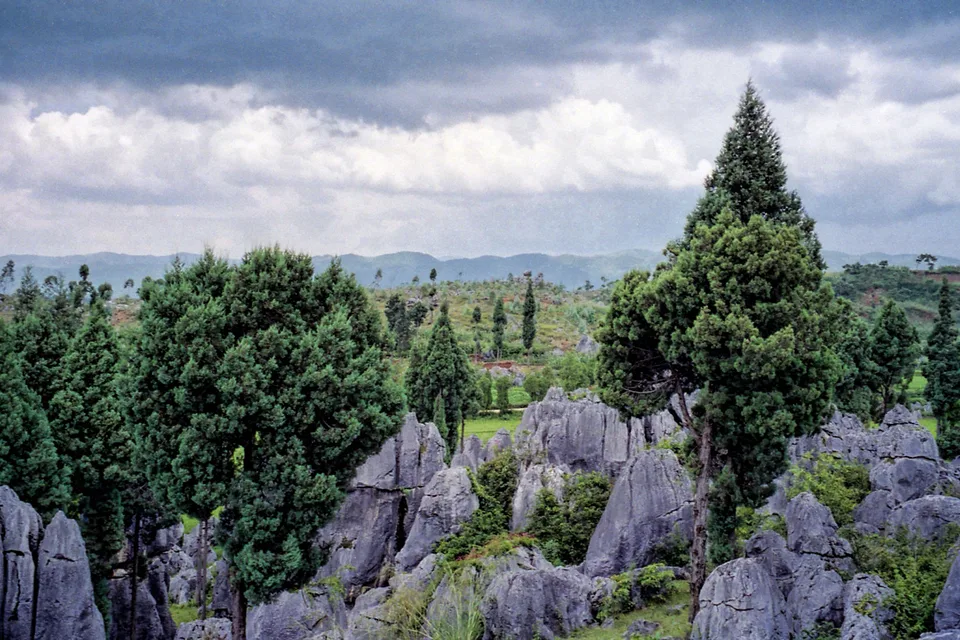
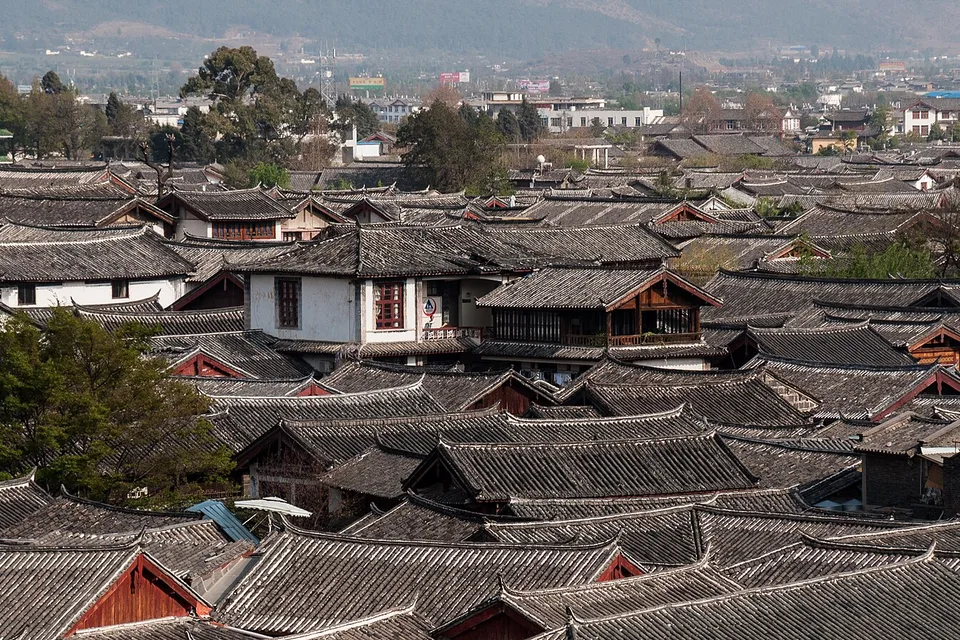
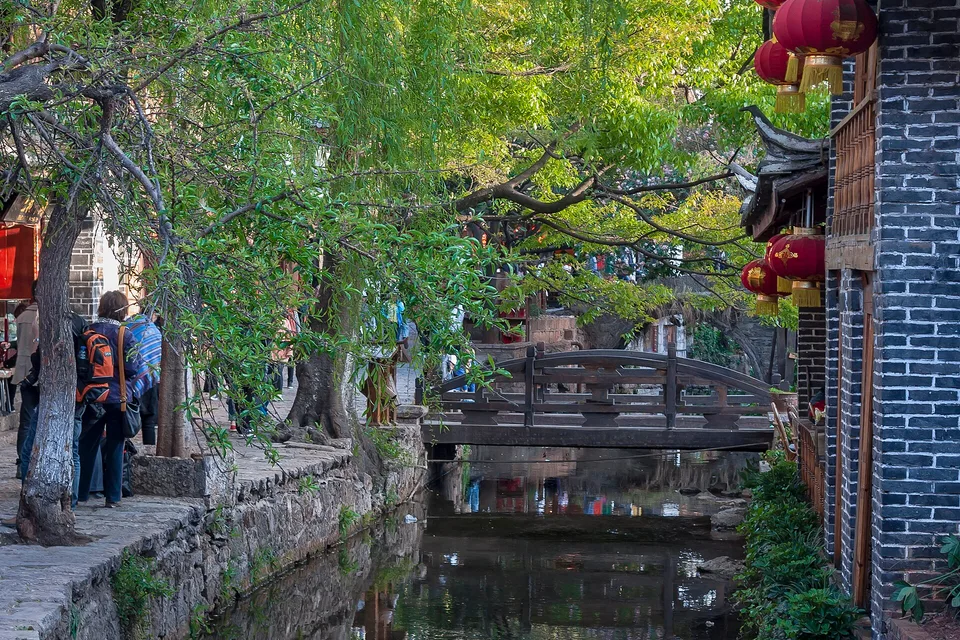
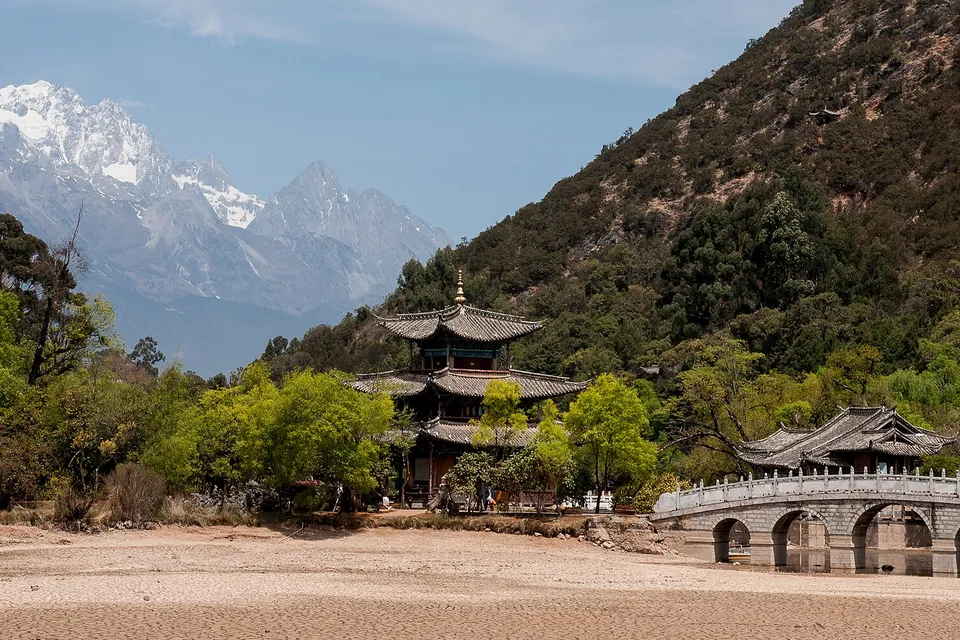
When you take your parents to Yunnan, the hardest part is not where to go but the pace and the altitude. This guide lays out how to decide whether Shangri-La belongs in the plan, the skeleton of a low-altitude multi-generational slow itinerary, and the practical details of transport, accommodation, medical care and insurance.
Travelling with your parents is a completely different task from travelling with friends your own age or with children: older parents have no shortage of appetite for seeing the world - what they lack is a pace that accommodates them. Yunnan sits on a high plateau, and among its most popular routes happens to be a Shangri-La stop, which leaves many grown-up children wavering before they book: should we go? Will they get altitude sickness? Between an 'arrangement made out of filial care' and 'safe and steady', the core question this guide answers is - when taking your parents to Yunnan, how should the route really be planned?
Let's give the conclusion first: by default we recommend the low-altitude multi-generational slow version of 'Kunming - Dali - Lijiang', treating Shangri-La as an option to add only once it passes an assessment rather than a must-visit; across the whole trip plan just one main activity a day, connect the legs by high-speed rail, keep transfers to a minimum and make the accommodation reachable on foot wherever possible. Whether to go up to Shangri-La should be weighed against your parents' age, heart-and-lung condition and any previous high-altitude experience, and when in doubt consult a doctor first. This article was prepared in September 2026; for anything about scenic-area openings, train services and medical resources, please check the latest official and hospital information.
The sections below follow the order in which you make your decisions: first, settle the 'should we do Shangri-La' question; next, the low-altitude slow-route skeleton; then the finer arrangements of pace, transport and accommodation, medical care and insurance, and avoiding peak seasons. Wherever possible each section gives standards you can act on directly rather than a vague 'it depends'.
Think it through first: should Shangri-La be in or out?
Shangri-La sits above 3,200 m, with some of its scenic areas and accommodation even higher - the stop with the biggest altitude gain on any north-western Yunnan route. For a multi-generational party the question it raises is not 'will it be tiring' but a real physiological test: altitude sickness tracks closely with age, heart-and-lung condition and whether someone has been up high before, and there is enough individual variation that it cannot be fully predicted.
Here is a way to judge: if your parents are over 65, have high blood pressure or other heart, lung or chronic conditions, or have never been to anywhere above 2,000 m, choose the low-altitude slow version first; only if they are physically robust, have high-altitude experience and a doctor gives the go-ahead should you consider adding Shangri-La on the way at the very end of the trip - and even then, slow down the climb in altitude. Shangri-La can be an upgrade for families who really want it, but it should not be the default configuration of a Yunnan trip with your parents.
The low-altitude slow route: a Kunming - Dali - Lijiang skeleton
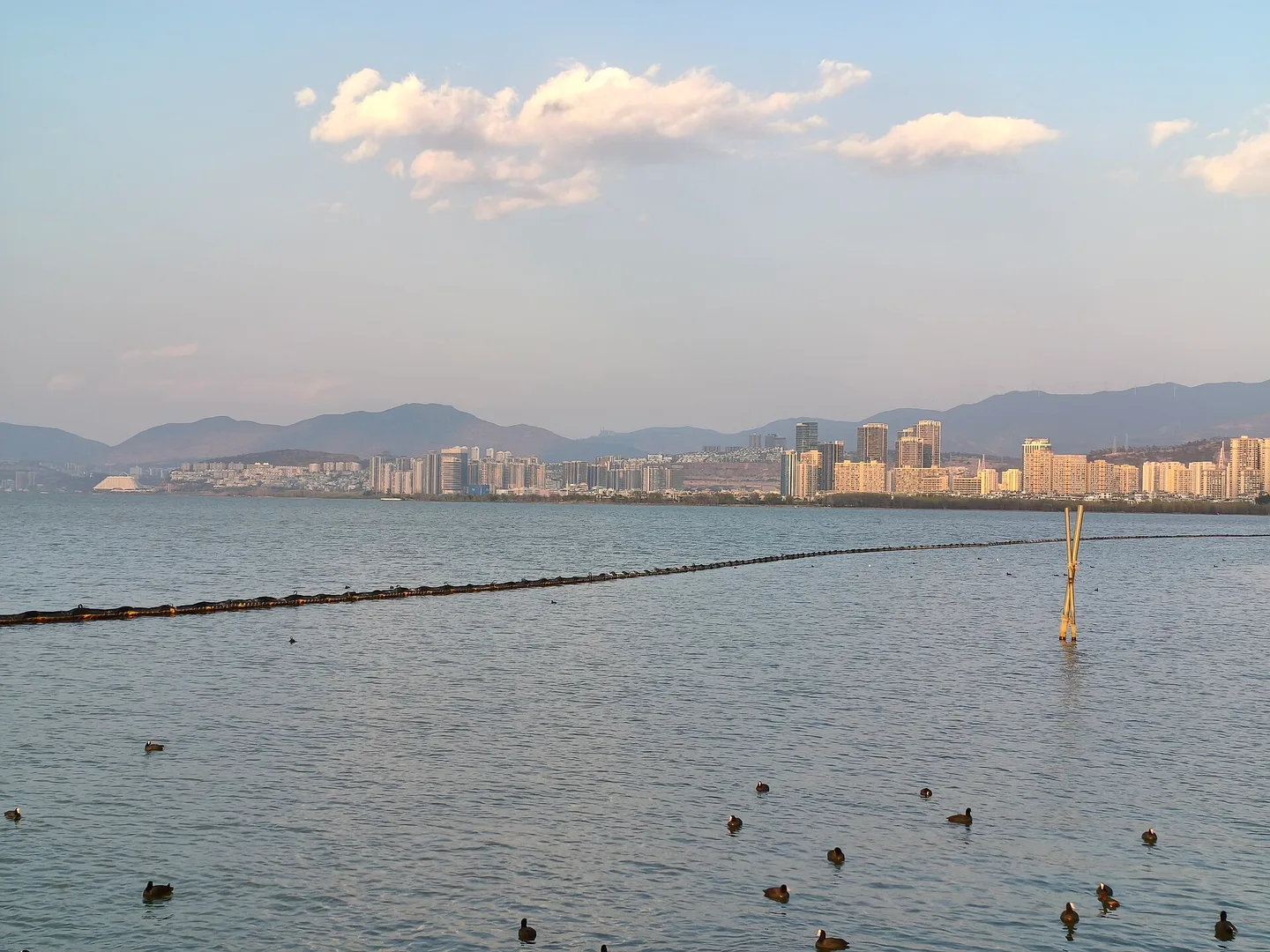
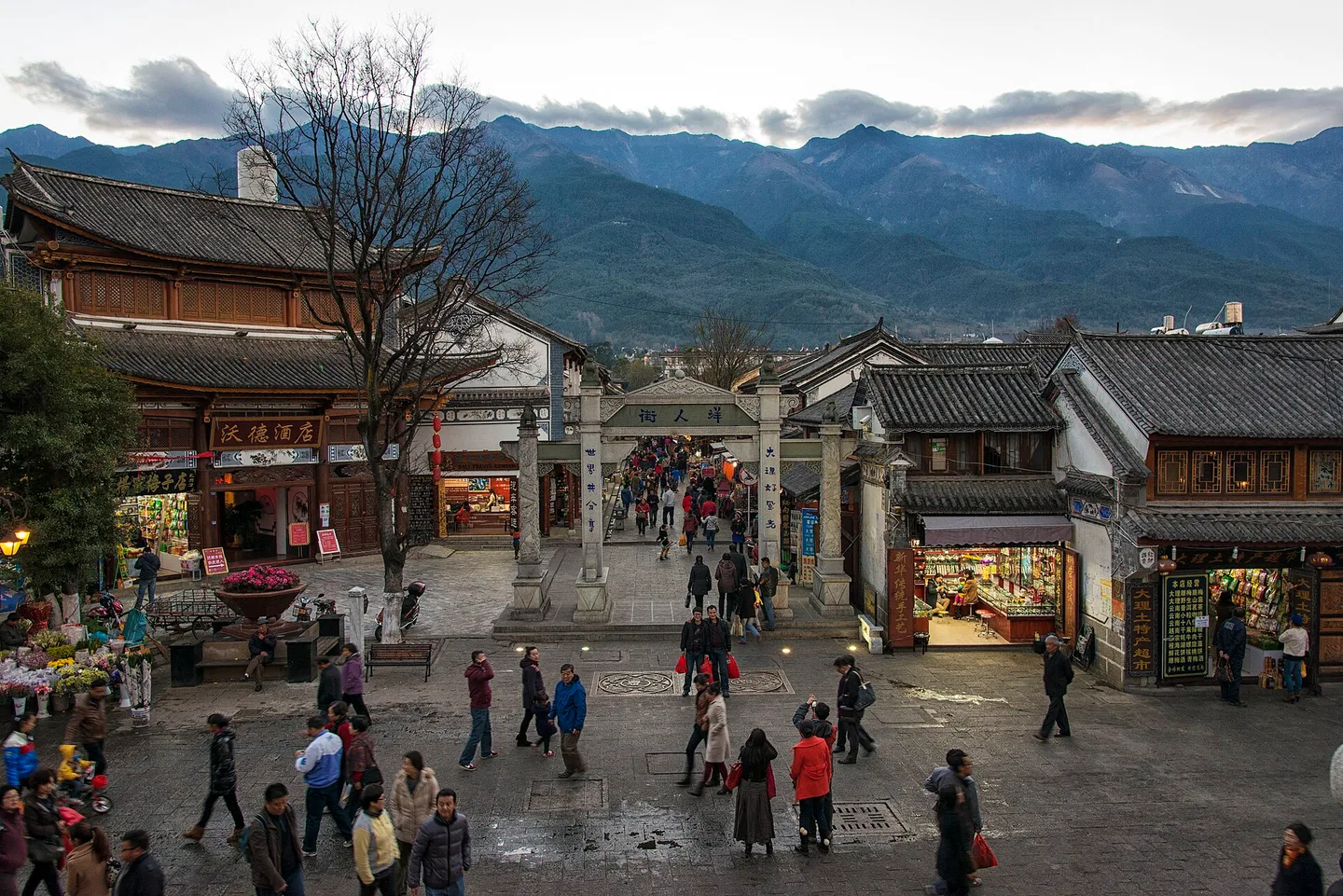
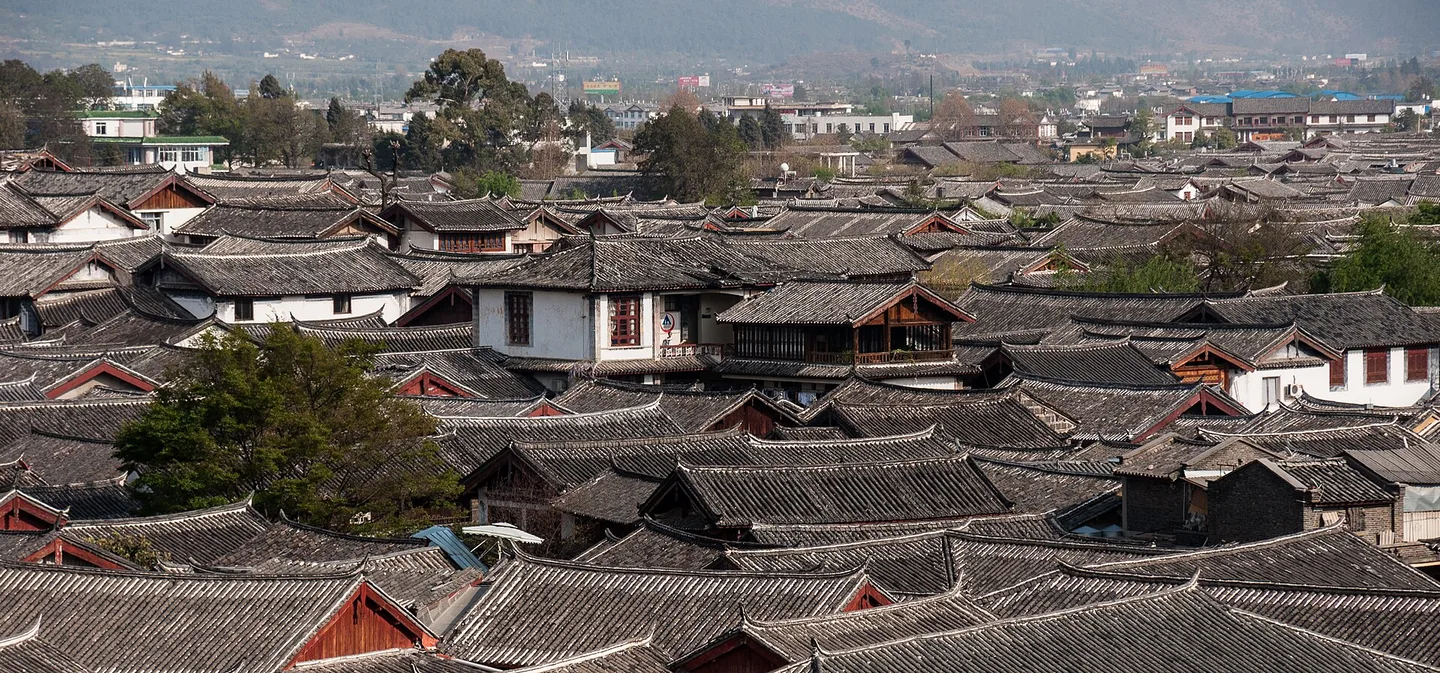
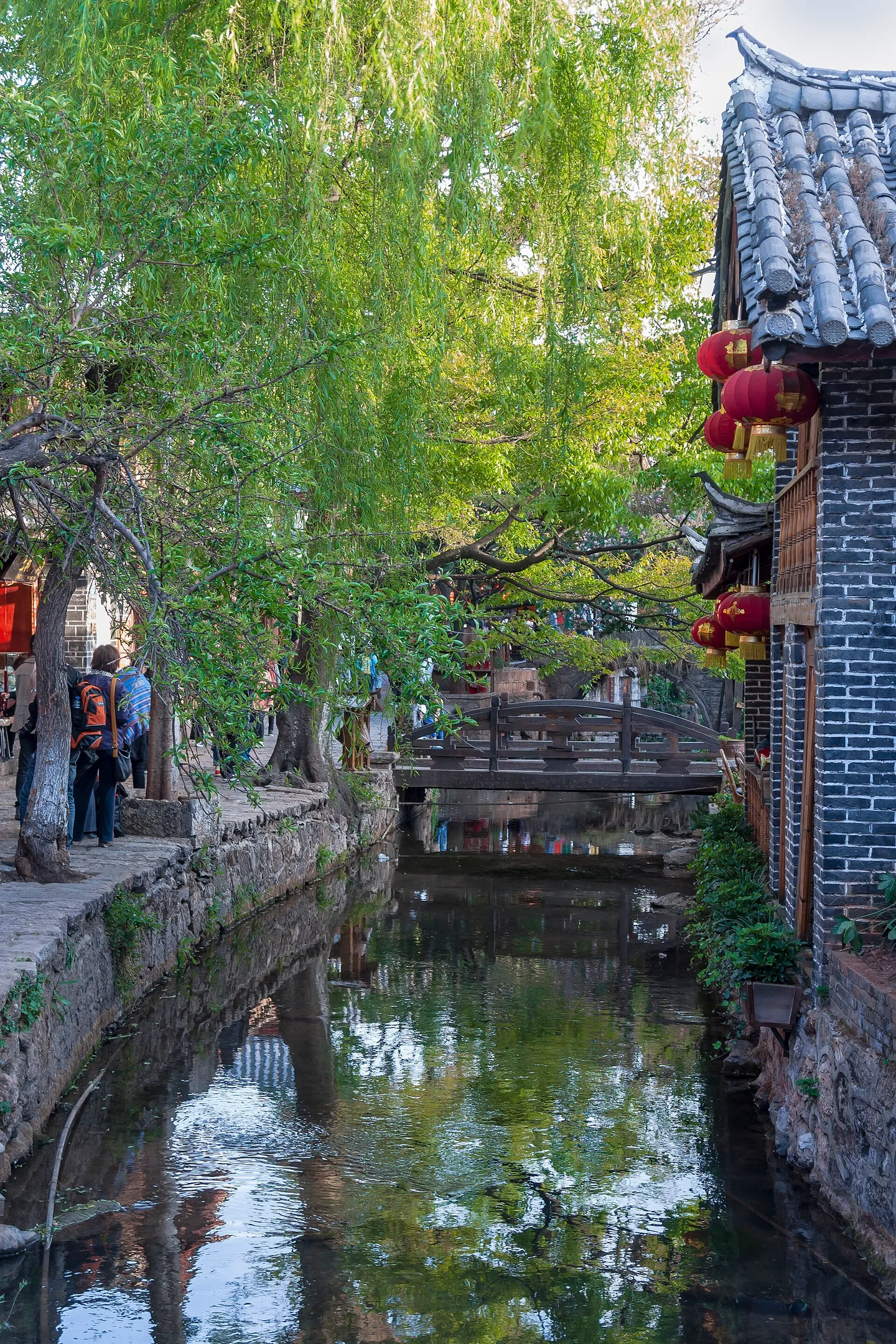
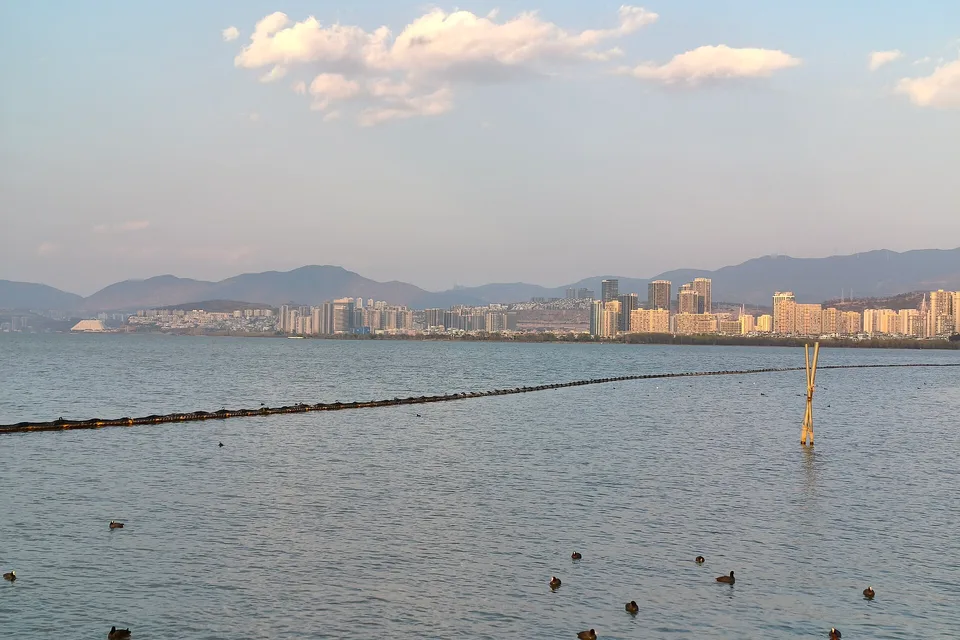
The multi-generational Yunnan route without Shangri-La rests on three cities - Kunming, Dali and Lijiang: the altitude rises gently from about 1,900 m in Kunming to around 2,000 m in Dali and 2,400 m in Lijiang, and most people adapt gradually. A suggested 7-8 day skeleton: land in Kunming and take a day to rest and settle in, with one light sight in the surrounding area; take the high-speed rail to Dali and spread Erhai Lake and the old town over two days; then take the rail to Lijiang, with one day for the old town and half a day for an easy city park such as Black Dragon Pool, deciding later whether to go up the mountain according to everyone's energy. The whole trip is high-speed rail plus short hops only, so the luggage never becomes a struggle - just right for older parents.
The part of this route that is kindest to parents is that 'wanting to see snow mountains without the risk' has an answer too: from Lijiang city itself you can already see Jade Dragon Snow Mountain in the distance, and Black Dragon Pool Park is the classic spot for a snow-mountain reflection in the water - parents' curiosity about the peaks is satisfied without ever riding a high-altitude cable car; if energy allows, you can then weigh up the mountain's lower sections.
The multi-generational pace: one main stop a day
The iron rule of the slow version is 'one main activity a day; everything else is a bonus'. Do the main sightseeing in the morning while energy is highest, let your parents go back to the hotel for a rest after lunch, then step out again for a stroll toward evening; between any two travel days, leave at least one full night of rest. Deliberately cutting the sightseeing density from the three or four stops a day younger travellers are used to down to one or two will reduce your parents' fatigue enormously.
When ranking sights, give priority to places where the amount of walking is manageable, the ground is even and the toilets and facilities are well developed; anything that involves clambering up and down or standing in long queues is better cut than squeezed in. Watching your parents' step counts and general state comes first - if they can barely walk by day one, loosen the days that follow right away instead of pressing on with the original plan.
Picking transport and accommodation that take less effort
For transport, favour high-speed rail plus a chauffeured car or private hire: Kunming-Dali and Dali-Lijiang both run high-speed trains, which are steadier than long-distance buses and keep to predictable times; once you arrive, use a chauffeured car for short hops around the city to cut transfers and searching for your way on foot. Keep luggage as light as possible, and services such as checked luggage and hotel pick-up/drop-off are worth using. Rather than stretching the driving to save one day, it is better to add an extra night to the itinerary.
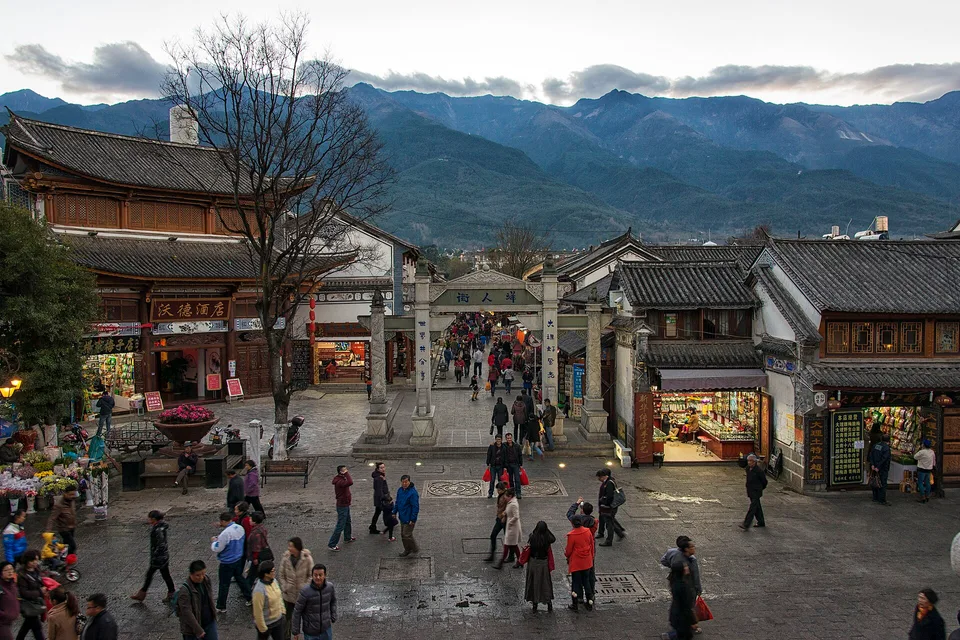
For accommodation, choose hotels on the fringe of the old towns or near the rail station that are reachable by lift and within walking distance of the main streets; staying right in the centre is livelier, but dragging suitcases over cobblestones and night-time noise are not friendly to parents. Before booking, ask whether there is a lift, which floor you will be on and how transfers are arranged - details like these usually decide the experience more than an 'Instagram-worthy view'.
Medical care and insurance preparation
Before departure, have your parents get a routine check-up or at least consult a family doctor, focusing on blood pressure, heart and any chronic conditions, and stock their usual medicines according to the prescription; whether altitude-sickness medicine is needed and how to take it should also follow a doctor's advice - do not buy or take it on your own. During the trip, if clear discomfort such as headache, shortness of breath or vomiting appears, stop and rest immediately and consider descending to a lower altitude, seeking nearby medical help when necessary - Kunming, Dali and Lijiang city centres all have general hospitals, but phone ahead to confirm the emergency department and the relevant specialist services before you arrive.
For insurance, we suggest buying your parents a travel policy that covers accidents, medical care and emergency rescue, and confirming that the terms cover high-altitude-related medical situations; before you leave, put together the policy number, emergency contacts and a list of their regular medicines for the family members travelling with you - the clearer the information, the more relaxed the trip.
Avoiding peak seasons and holidays
What you most want to avoid when travelling with parents is 'crowds on top of long queues': Spring Festival, National Day and the summer holidays are Yunnan's visitor peaks, when the cobbled lanes of the old towns are packed and the queues for cable cars and restaurants drain your parents' energy. If the dates are flexible, aim for spring or autumn or steer clear of the long holidays; if you can only travel in peak season, cut the daily plan back further and book the popular spots for the quieter early-morning or early-evening windows.
Is it right to take your parents? A self-check list
Families that suit this low-altitude slow route usually share a few traits: the parents are comfortable with a slow rhythm of 'one or two stops a day'; they care more about staying somewhere comfortable than somewhere photogenic; and the grown-up children are willing to let their parents' energy - rather than their own sightseeing checklist - set the pace. Situations that fit less well include: parents who clearly want the big high-altitude scenery, children who cannot hold the pace, or a holiday so short that everything would be rushed. Match yourself to the list first, then decide whether to plan the slow version or to arrange a lighter short trip for your parents on its own.
Wrapping up
Taking your parents to Yunnan, the real difficulty was never that there are not enough sights, but how to make them feel looked after without feeling managed. The value of the low-altitude slow route is trading a looser schedule for a steadier experience: high-speed rail connections, accommodation within walking distance and one main stop a day, plus the pre-departure check-up and insurance preparation - they put older travellers at ease and give the grown-up children less to worry about. If you would rather leave the arranging to someone else, 0765trip's Yunnan itineraries let a travel consultant build Kunming, Dali and Lijiang into a no-rush version around your family size and your parents' fitness, and revisit Shangri-La only if it is warranted.
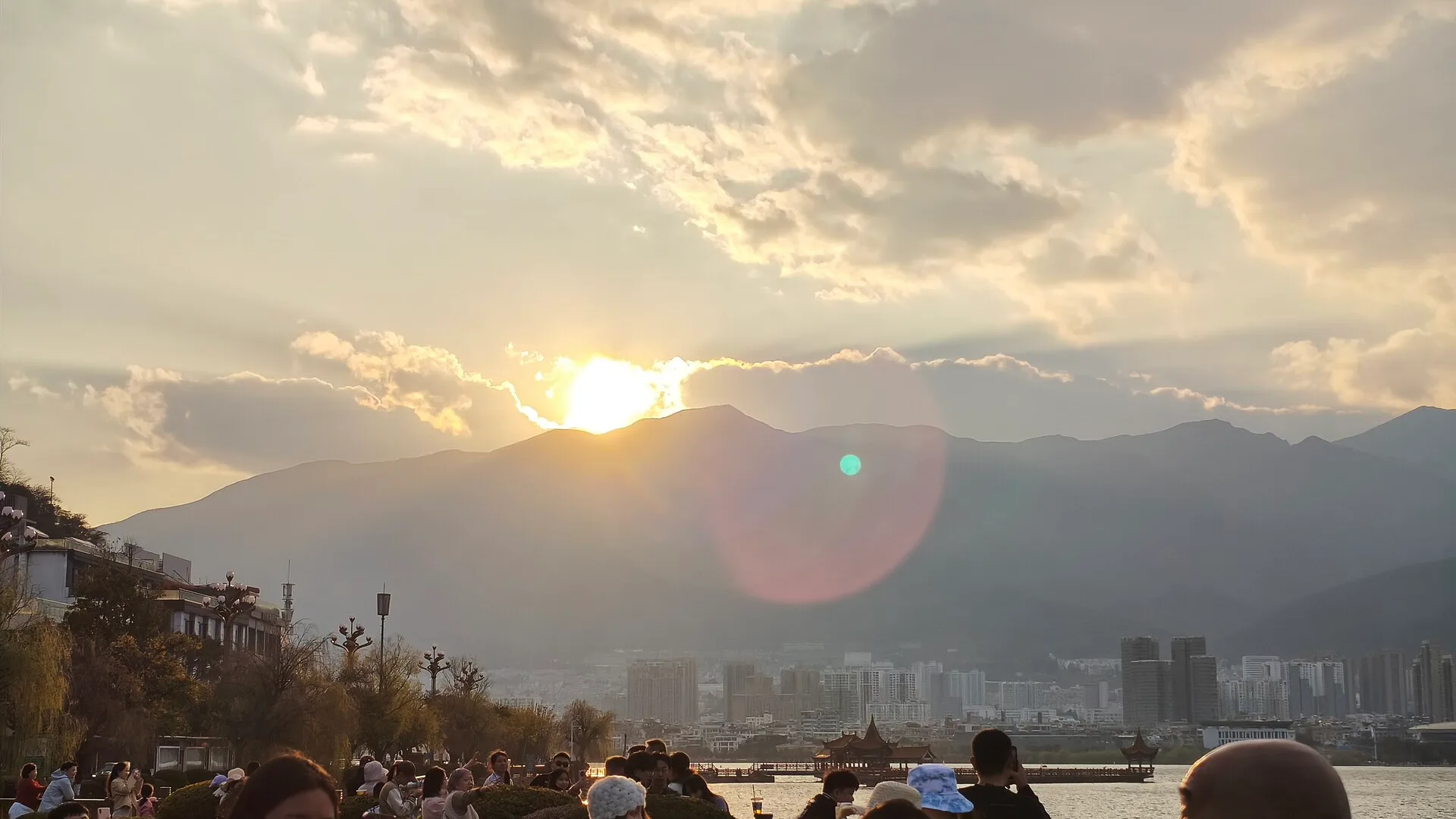
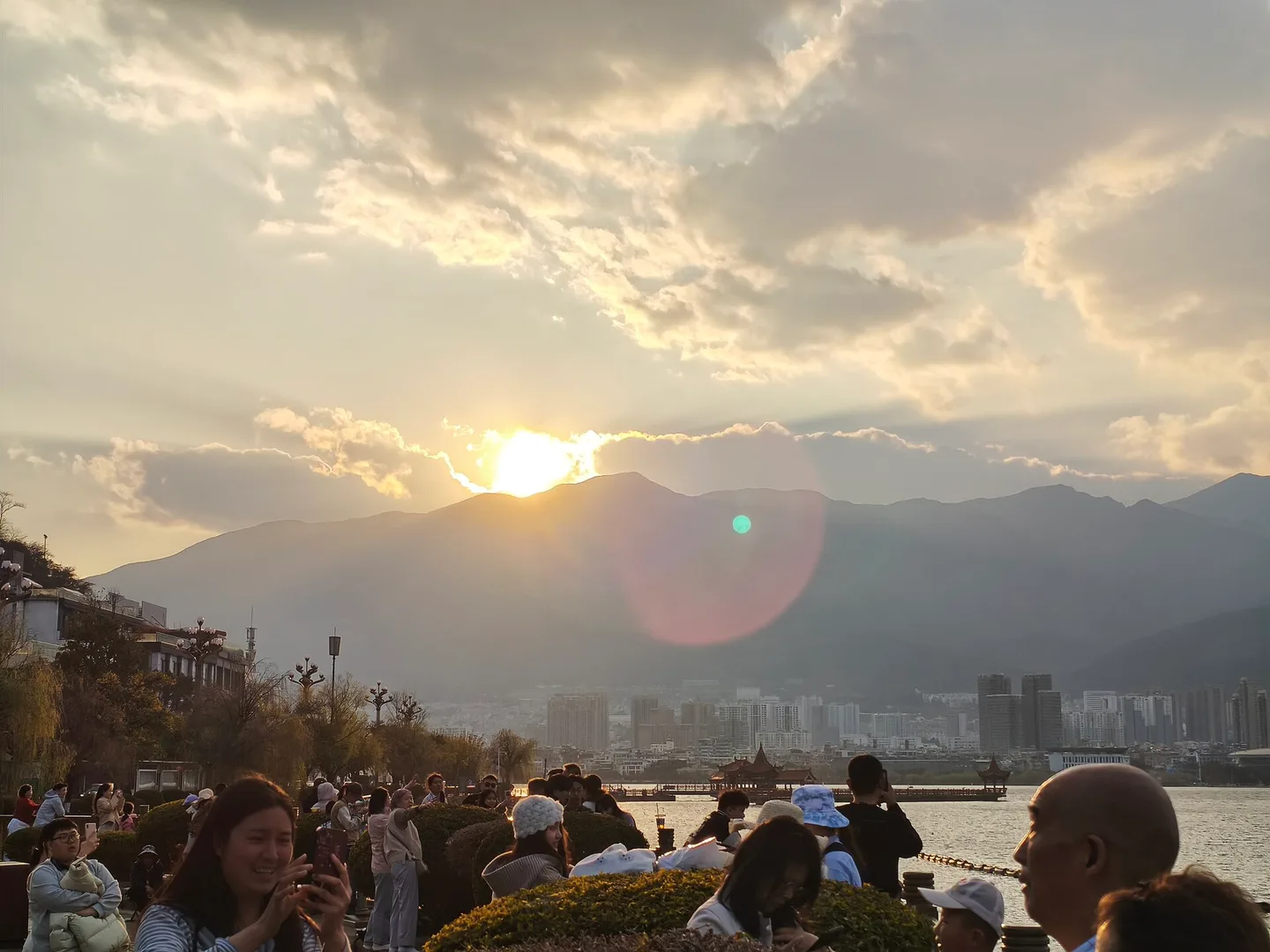
One last word: what parents usually want is not a number of sights that 'earns back the ticket price' but someone to walk slowly with them. Watching one sunset at the edge of Erhai Lake or sharing an unhurried dinner in the old town sits closer to the point of the trip than ticking off two extra sights. Put 'keeping your parents comfortable' ahead of 'completing my own checklist' and this Yunnan trip is already most of the way to a success; when you look back at the photos later, the moments you treasure most tend to be the ones where you walked slowly together. Before you set off, re-check the scenic-area openings, train services and local medical information once more - everything follows the latest official announcements.