

Xi'an's study-tour resources are densely packed — how do you choose what is most worthwhile? This article compares the highlights and booking barriers of the Shaanxi History Museum, the Terracotta Warriors, the City Wall, the Forest of Steles and the Hanyangling Museum, and offers a 2-day study route chosen by age and theme.
Xi'an's study-tour resources are rare even nationwide in their density, but precisely because of that density, "how to choose" becomes the real question. Cramming the Shaanxi History Museum, the Terracotta Warriors, the City Wall, the Forest of Steles and Hanyangling into two days usually ends with exhausted kids, rushed parents and every stop only half-seen. The value of a study tour lies not in quantity but in whether "the child truly takes it in." Explaining the story behind one artefact properly comes closer to the purpose of study travel than breezing past ten. This article walks through Xi'an's main study destinations by age and theme to help you choose, then gives a 2-day route.
The conclusion first:the Terracotta Warriors and the City Wall suit all ages; the Shaanxi History Museum suits upper-primary students and above; the Forest of Steles suits children who have learned calligraphy or are interested in Chinese characters; Hanyangling is the low-threshold choice for "understanding archaeology."If you only have two days, we recommend the "Terracotta Warriors + City Wall + Hanyangling" combination, leaving the Shaanxi History Museum — the hardest to book — for next time or as a flexible third-day option. The adult leading the group should ideally watch a relevant documentary or book a guide in advance, and the children will understand much faster. Each stop is unpacked below, with a booking and pre-departure checklist at the end.
How to pick Xi'an study-tour stops: what to see and who each suits
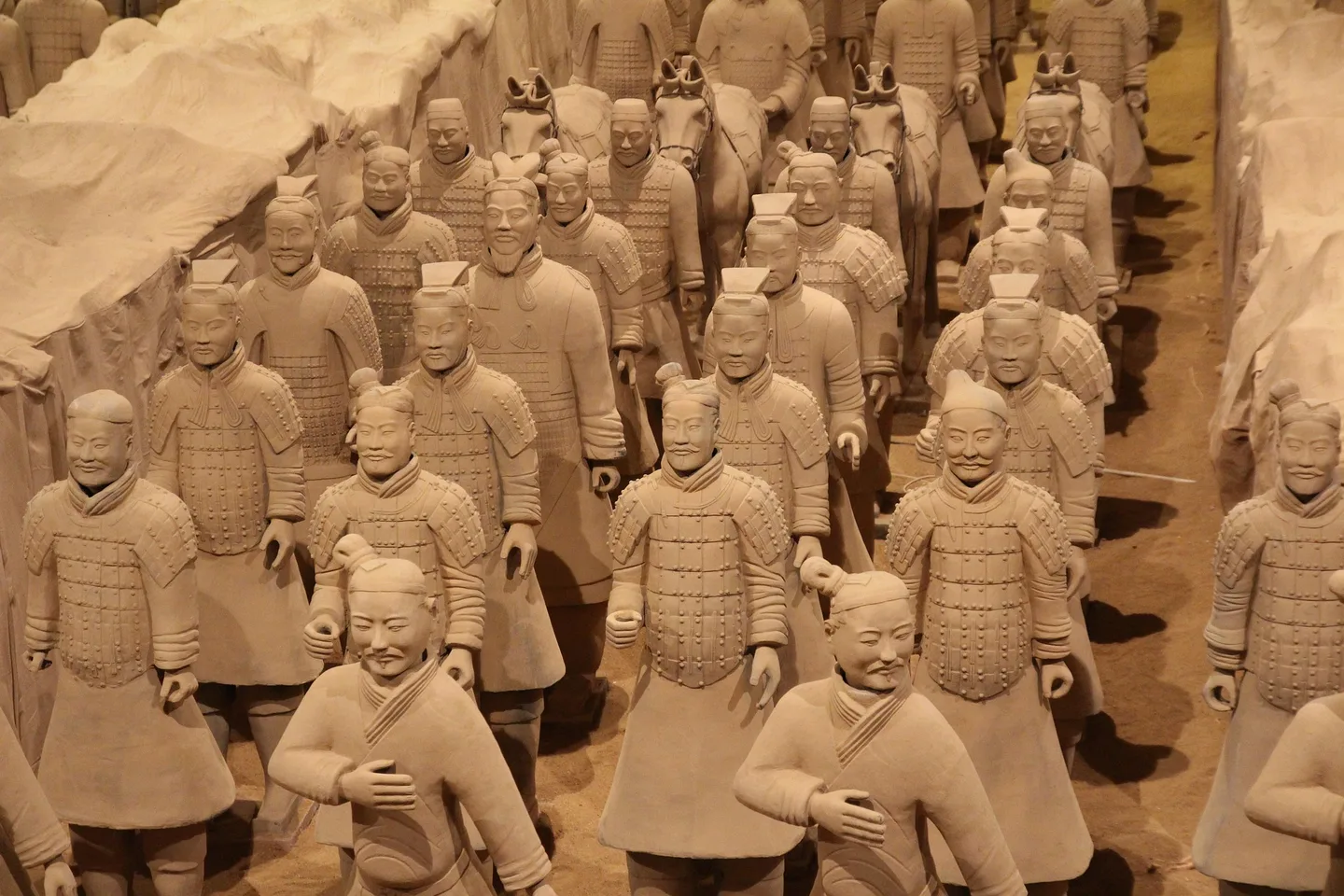
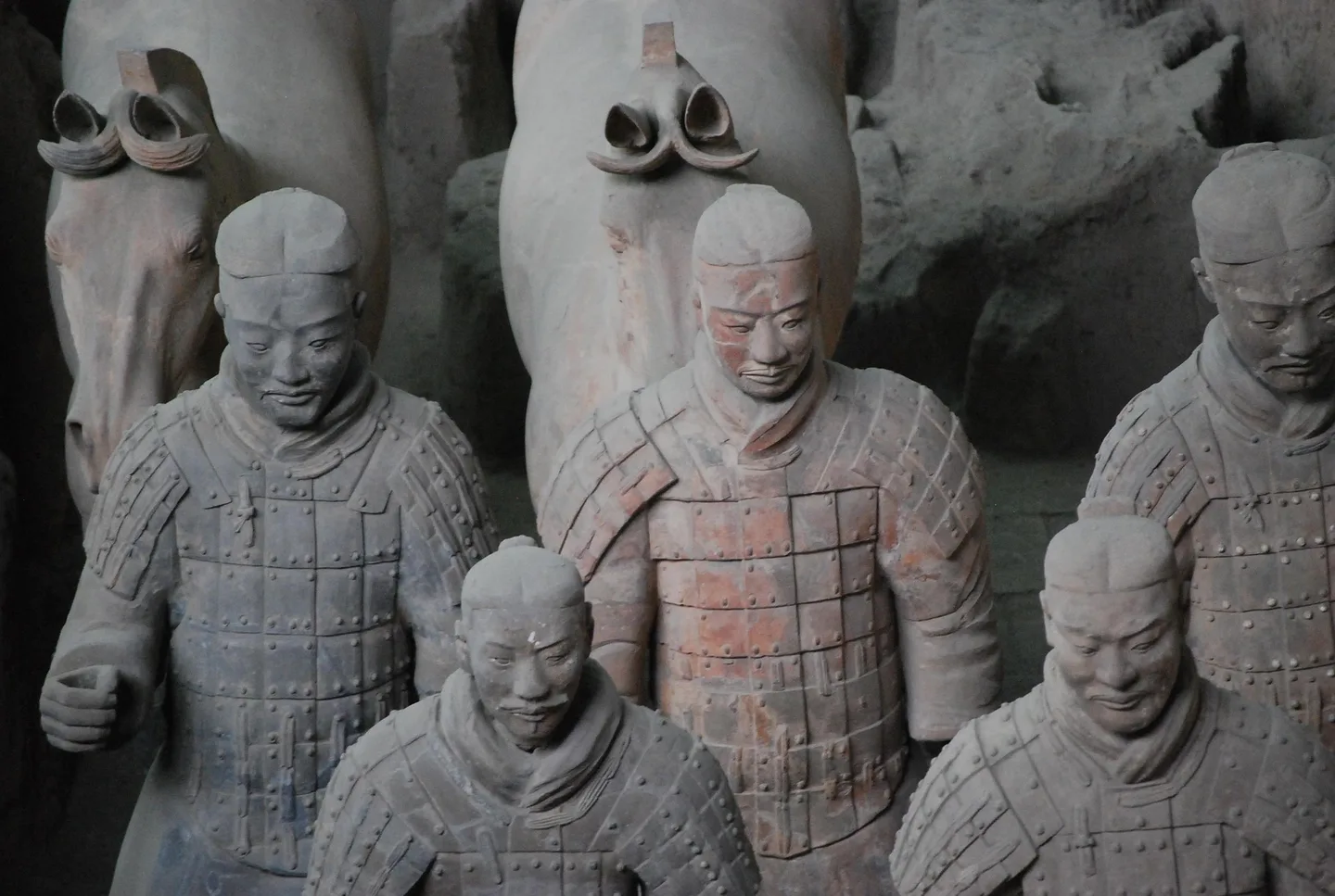
Emperor Qinshihuang's Terracotta Warriors Museum: a must for study tours, but you need to know how to tour it. Pit No. 1 is the most imposing and is the core for understanding the Qin army formation and terracotta crafting; Pits No. 2 and No. 3 add detail. Join a professional guide or watch a documentary in advance as groundwork, otherwise kids tend to get "a few minutes of warriors and half an hour of queueing." For younger children, rather than seeing everything, pick one warrior in Pit No. 1 and explain thoroughly "how it was made."
Shaanxi History Museum: free but extremely hard to book — Xi'an's most difficult national museum to enter. Its collection spans from prehistory to the Tang dynasty with high display density, suiting upper-primary children and above or kids interested in history; preschoolers tire easily, so pick just a few key artefacts to explain. Getting a ticket is the prerequisite; if you cannot, do not force it — Xi'an has other high-quality alternatives.
Xi'an City Wall: not a "museum" in the traditional sense, but cycling, walking and observing the defensive structure are highly attractive to children. It suits all ages, takes half a day, and is an excellent "regulator" in a study route — perfect after a demanding morning.
Xi'an Forest of Steles Museum: a concentration of calligraphy and stone-carving art, suiting children who have learned calligraphy or are interested in Chinese characters; for children unfamiliar with stele history the threshold is high, so treat it as an elective. With kids, focus on "steles inscribed with poems required in primary school," connecting the writing with history.
Hanyangling Museum: an underground site museum where you can walk directly into the excavation site to see the burial pits, with a unique visual effect, fewer visitors and easier booking — a good choice for "understanding archaeology." It is on the outskirts, suiting a half-day with a solid block of time.
There is no "must-visit list" among the five — the real selection logic is: by the child's age and interest, pick two or three from "awe" (Terracotta Warriors), "systematic" (Shaanxi History Museum), "participation" (City Wall cycling), "specialisation" (Forest of Steles) and "on-site realism" (Hanyangling).
How to arrange the 2-day study route
Day 1: morning at the Terracotta Warriors (arrive before 8 am, Pit No. 1 first); afternoon on the way back visit Hanyangling or Huaqing Palace (choose one). At night view the city lights around the Bell Tower and talk about the old city's layout and its "nine-grid" urban form.
Day 2: morning at the Shaanxi History Museum (provided you have tickets); afternoon cycling or strolling on the Xi'an City Wall; evening snacks at Yongxingfang or the Muslim Quarter to finish.
If you cannot get Shaanxi History Museum tickets, swap Day 2 morning to the Forest of Steles plus Shuyuanmen; for younger children, replace "Shaanxi History Museum" with "Xi'an Museum (Small Wild Goose Pagoda)" — fewer people, a shorter exhibition route and more suitable for toddlers. The two-day rhythm is "one heavy, one light": mornings of museum-type activities engage the mind, while afternoon City Wall cycling and street snacks provide physical and relaxed relief, preventing children from staying in "absorption mode" all day and getting exhausted.
Booking and pre-departure preparation (verify before travel)
Both the Shaanxi History Museum and the Terracotta Warriors Museum operate on a booking system; the Shaanxi History Museum's free slots are limited and usually require grabbing tickets on official channels in advance; the Terracotta Warriors' ticketing and study-group reception policies also follow the latest official announcements. For study groups and guided services, contact the venue or a licensed agency in advance to avoid missing out on arrival. Summer and holidays are Xi'an's study-tour peaks — book flights, hotels and reservations as early as possible; the later your travel date, the less flexibility you have.
Do three things before departure: let the child watch 1-2 related documentaries (e.g. on the Terracotta Warriors), prepare a small task of "recording just three impressions per site," and bring comfortable walking shoes and enough water for the child. Study notes need not be exhaustive — encourage the child to tell the family about it on return, which is more rewarding than copying exhibit labels. Xi'an is dry and cold in winter and hot in summer; adjust packing by season, and as venues have large indoor-outdoor temperature differences, bring a light jacket.
Who it suits / who it does not
Suitable for parent-child families or student groups willing to slow down and treat "viewing exhibitions" as "class"; for preschoolers, keep only the Terracotta Warriors and the City Wall with museum time cut to a minimum. With only one day, prioritise the Terracotta Warriors + City Wall combination and save the hard-to-book Shaanxi History Museum for next time. If the child has no interest in history or archaeology and prefers nature or sports, Xi'an's museum density may make them restless — in that case, switch to half a day of museums plus half a day of City Wall cycling to build interest before going deeper.
The right way to open a Xi'an study tour is "fewer but deeper": rather than cramming every venue into two days, pick two or three places the child can truly take in and explain each thoroughly. This 2-day route is designed on that principle, with all the flexible swaps listed here. A study tour's impact on a child lies not in how much is remembered on the day, but in whether they will voluntarily talk about it and look it up afterwards; giving the child a small task of "telling the family about it" comes closer to the purpose of study travel than visiting one more museum. Before departure, put the hardest bookings — the Shaanxi History Museum and the Terracotta Warriors — at the top of the priority list, prepare comfortable shoes, a notebook and enough water, and the trip is more than half done. Xi'an's history is not going anywhere; seeing two or three places thoroughly this time and filling in the rest next time is worth more than one rushed pass at everything. To have a Xi'an study itinerary, guides or transport customised to your child's age and interest, just tell us the child's age and number of days. For opening hours, booking methods and prices at each venue, please rely on the latest official announcements.