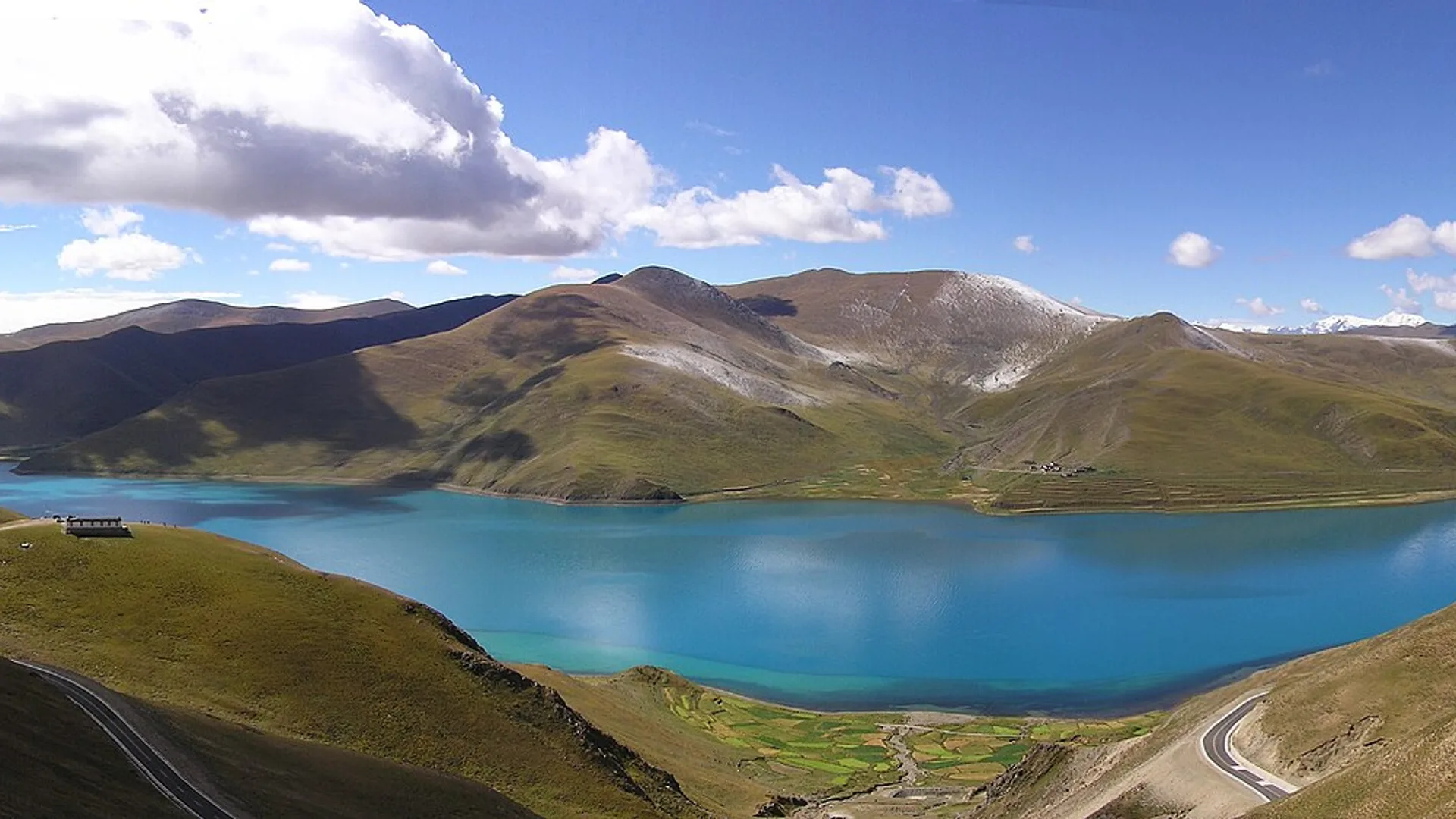
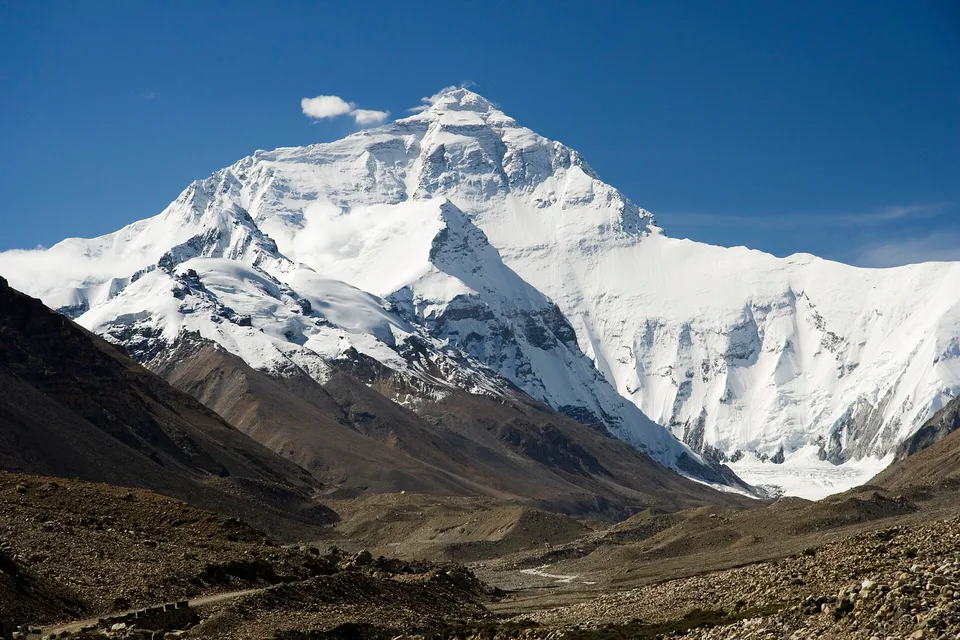
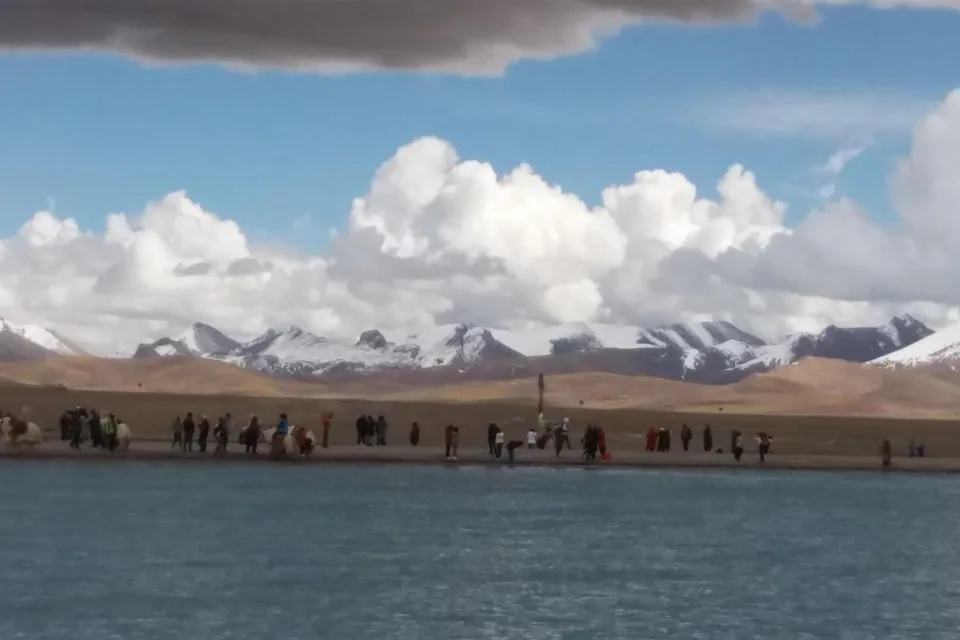
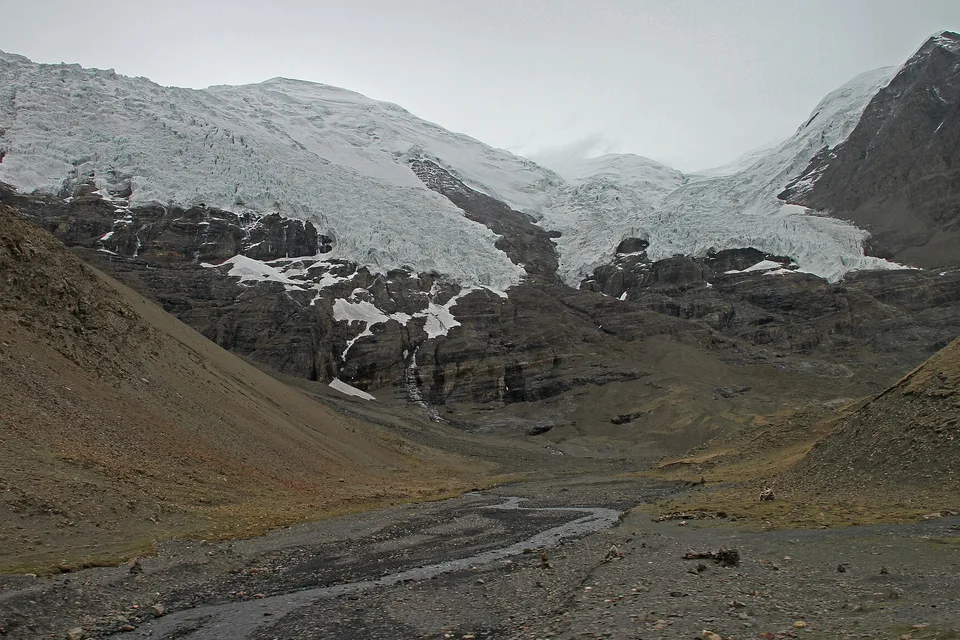
Walking Yamdrok Lake (Yamdrok Yumtso), the Karola Glacier, Everest Base Camp and Namtso in six days — just how intense is it? This guide assesses the altitude, driving time and accommodation piece by piece, answering the questions first-time Tibet travellers care about most.
"Is 6 days enough for a first trip to Tibet?" is one of the questions travel advisors get asked most. The answer: it's enough for one classic loop — provided you accept the route's "intensity setting". In six days out of Lhasa you cover Yamdrok Lake, the Karola Glacier, Everest Base Camp, Siling Lake (Sêling Co) and Namtso, with altitudes above 3,000 metres and several hours of driving almost every day. This isn't a leisurely holiday; it's a "highland scenery harvester" — the density of scenery is extreme, and so is the toll on your body.
Many first-time Tibet travellers focus entirely on "whether I can make it" and overlook the three things that really need assessing: whether you can adapt to the altitude, whether you can take the driving, and whether the paperwork will come through. This guide unpacks those three things: the altitude and driving time of each day on the 6-day route, the logic of dealing with altitude sickness, the border pass requirements, and what kind of physical condition and travel habits suit this route. One reminder: Tibet's border policy, scenic-area openings and vehicle passage rules change — go by the latest official announcements before you leave. Think these three questions through before setting out — Tibet isn't going anywhere; when you're ready and come back, it will only be more generous.
What you can see in 6 days: all of Tibet's signature sights in one line
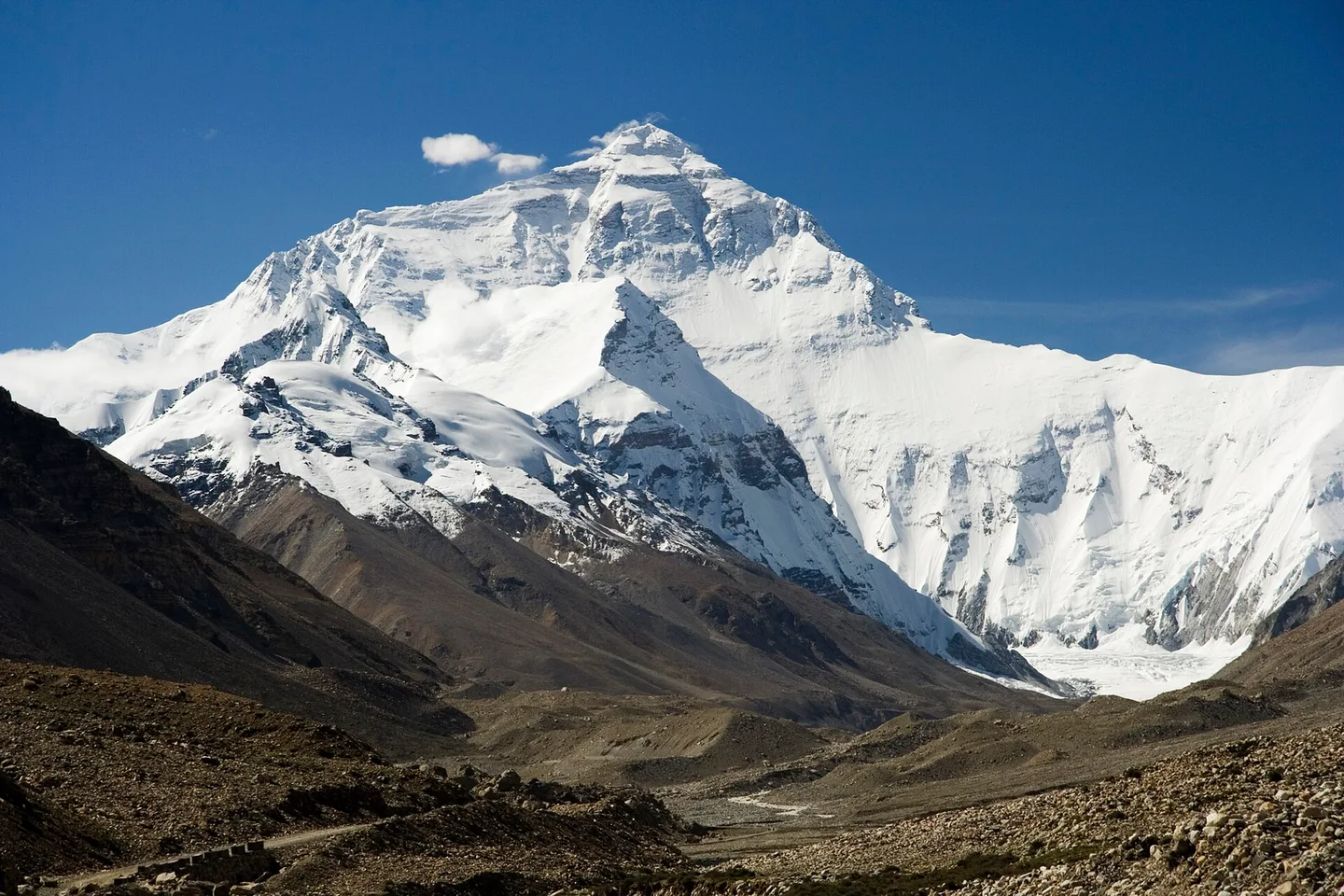
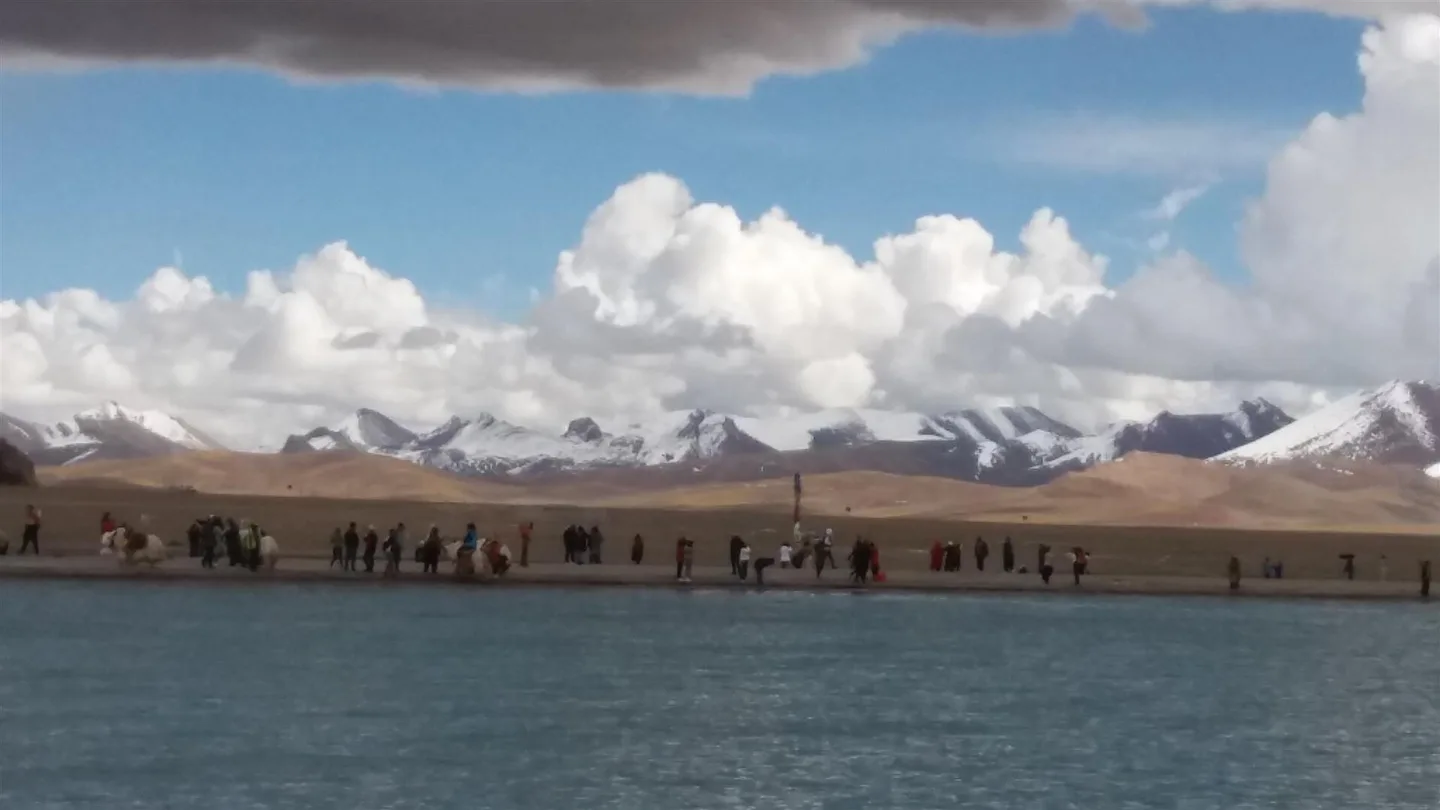
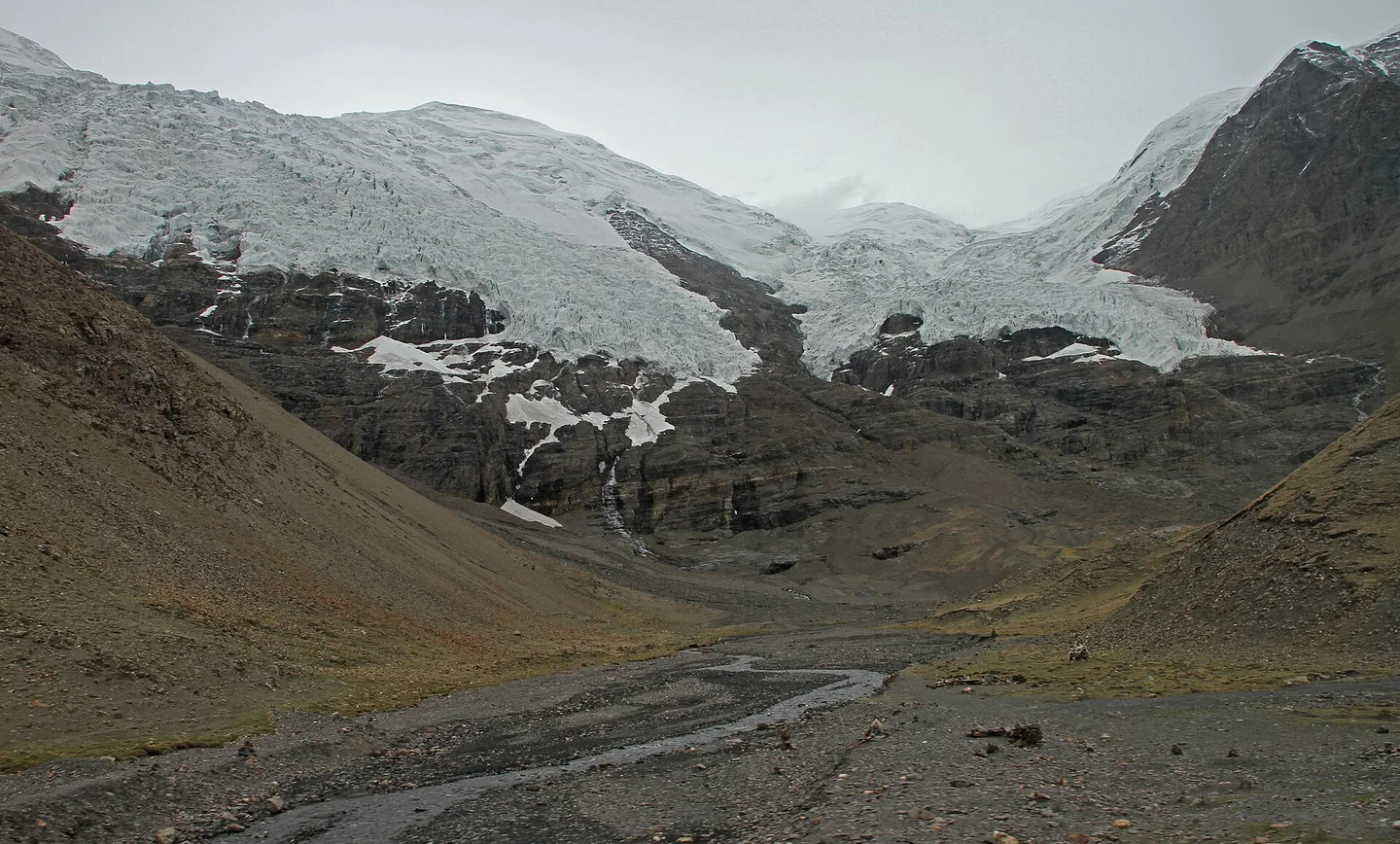
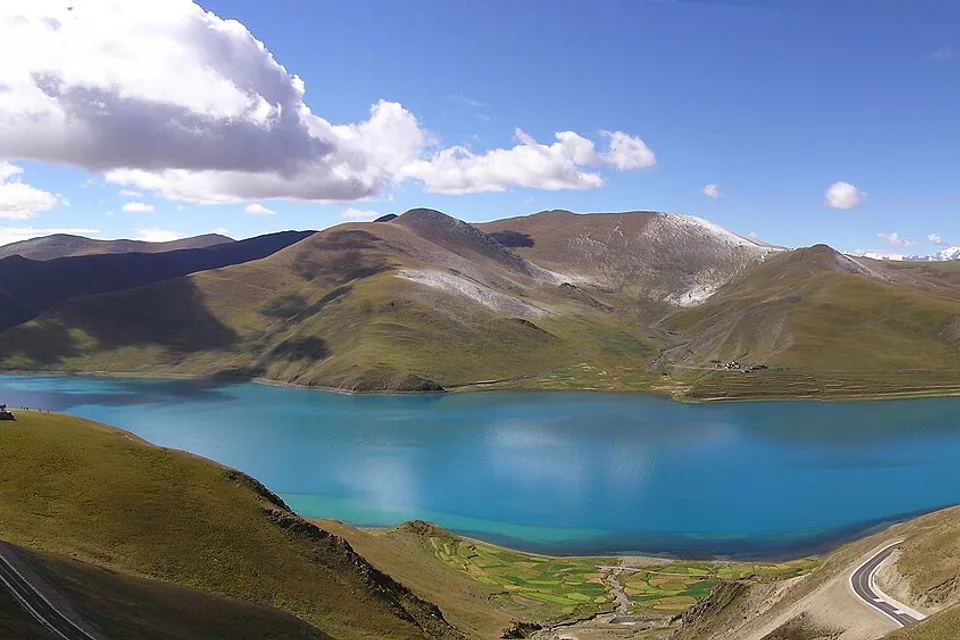
The classic 6-day loop usually runs like this: Day 1 arrive in Lhasa and acclimatise; Day 2 cross the Kamba La pass for Yamdrok Lake, take in the Karola Glacier along the way, and reach Shigatse by evening; Day 3 head straight to Everest Base Camp and view Everest from Rongbuk Monastery; Day 4 return to Shigatse to rest; Day 5 pass Siling Lake (or the northern Tibetan grassland direction) towards Namtso; Day 6 watch the snowy reflection at the lakeshore of Namtso, then return to Lhasa where the group ends. In six days the route packs in Tibet's most famous "lakes one after another" (Yamdrok, Siling, Namtso) and the world's highest peak — a density that sits at the medium-to-compact end of Tibet's standard itineraries.
Intensity assessment: altitude, driving and accommodation, item by item
Altitude.Lhasa's 3,650 metres is the "low point" of this route; Everest Base Camp's 5,200 metres is the "high point", with most stretches moving between 4,000 and 4,700 metres. For most people the altitude on this route isn't a question of "can I withstand it" but "will my body adapt" — the first 1–2 days after entering Tibet are the critical adaptation period, during which you should not shower, drink alcohol or exercise hard; protecting your sleep matters far more than rushing to sights.
Driving.Single-day drives commonly run 300–500 kilometres, with many mountain crossings and strict speed limits, so average speed isn't fast. The round trip towards Everest is the hardest two days of the whole journey; if you lack confidence in long drives, day 3 will be the toughest. Bring your own neck pillow, motion-sickness pills and high-energy snacks.
Accommodation.Lhasa and Shigatse offer oxygen-supplemented hotels; near Everest, conditions are limited and the altitude high — the night most likely to disturb your sleep on the whole trip, so set expectations in advance. Many itineraries equip the car with oxygen cylinders and first-aid supplies, but these are "insurance", not something to "rely on".
Altitude sickness: prevention in advance beats reaction on the spot
The logic of dealing with altitude reaction has one rule: give your body time. In the week or two before departure protect your sleep and avoid catching a cold; on the day you arrive, don't wash your hair or shower and avoid strenuous activity; during the trip slow the pace, drink plenty of warm water and take in moderate sugar. If symptoms like persistent headache, vomiting or difficulty breathing appear, don't tough it out — descend to lower altitude immediately and seek medical care promptly. Anyone with heart or blood-vessel conditions, serious respiratory disease or a recent surgical history should consult a doctor before deciding to enter Tibet. Note that the do's and don'ts for entering Tibet are endlessly debated — the most reliable basis is always a doctor's professional opinion about your own body.
Border pass: some sections need arranging in advance
Travelling to Everest Base Camp and the border areas of Shigatse usually requires a border pass; where to apply, what documents are needed and the scope of validity adjust with policy — generally you can apply at the public security authorities of your registered residence or in Lhasa, following the latest official rules. On a group tour, most Tibet itineraries help arrange the border formalities and handle them centrally, saving you the personal running around. Confirm clearly with your travel agency or the public security authorities before you leave — head straight for Everest without the pass sorted and you may well be stopped at a checkpoint.
Who it suits / who it does not
This 6-day route suits: first-time entrants to Tibet who want to see the classic lakes and Everest within a limited holiday; adults in reasonably good shape who can adapt to altitudes above 4,000 metres; and travellers who accept long drives and simple accommodation and put "seeing the scenery" before "comfort". Most itineraries have clear age limits for participants (generally 16–65 or similar), subject to each route's terms.
It doesn't suit: people extremely sensitive to altitude or with a clear history of altitude sickness; families with children under 12 or elderly seniors — children's tolerance for altitude is harder to assess, so choose lower-altitude, slower-paced itineraries instead; and people whose travel priority is "leisure and relaxation" rather than "seeing the scenery" — Tibet's highland loop will feel too tiring for them.
Closing words: 6 days in Tibet — worth it, but come prepared
Seeing Tibet in six days is like compressing into one trip what others take half a month to cover. The rewards are rich: the blue of Yamdrok, the ice of Karola, the golden dusk of Everest, the snowy reflection at Namtso's shore — these pictures stay with you a long time. The costs are real too: altitude, driving, highland nights. Get your body, paperwork and mindset ready before departure, and this journey will far exceed expectations. I hope yours does too.
If, after assessing, you think this route suits you, the 0765trip 6-day Tibet classic loop assembles and dismisses in Lhasa, stringing Yamdrok Lake, the Karola Glacier, Everest Base Camp, Siling Lake and Namtso into one trip — private-car small group, with drivers and guides familiar with highland routes and emergency handling, oxygen-supplemented hotels prioritised, and border paperwork handled by specialists. To adjust the days, slow the pace, or have us assess whether you're suitable to enter Tibet, just consult your travel advisor — we'll advise based on your physical condition, the season and your preferences. Before you leave, remember to recheck border policy and scenic-area opening information — everything should be subject to the latest official announcements. Compress the order into one line: assess your body and the altitude first, confirm the paperwork and your tolerance for the driving next, and only then talk about the Everest sunrise — prepared properly, 6 days in Tibet will be well worth it.