Southern Xinjiang is not the far-flung place of your imagination — it is where the western-region atmosphere is strongest. This guide explains how to choose between southern and northern Xinjiang, how to wander Kashgar Old Town, how to work the Pamir Plateau line, and the key points for getting your border pass.
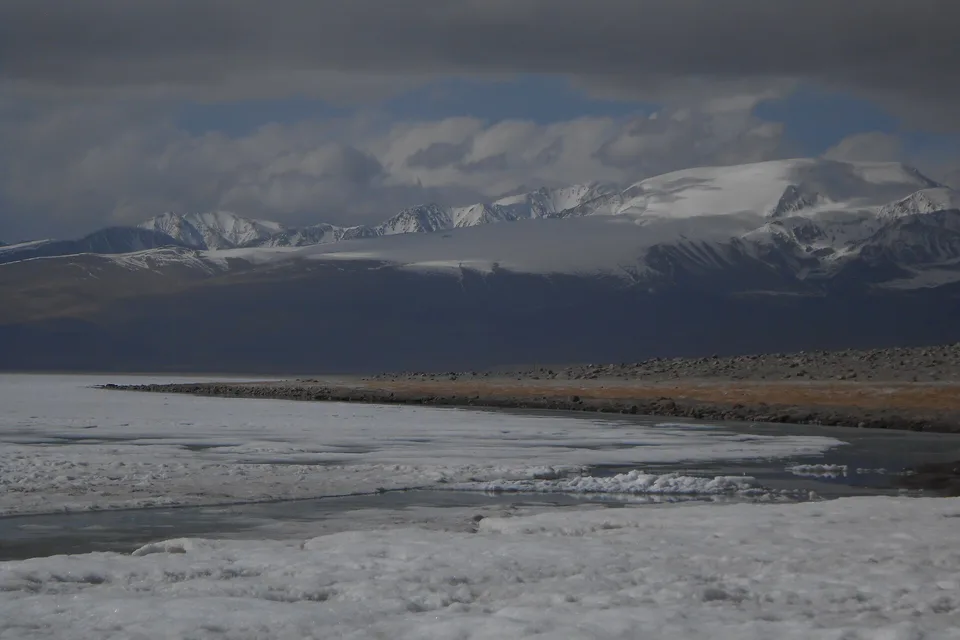
Mention southern Xinjiang and people who haven't been think first of "remote" and "far"; those who have been come back talking in different terms: the alleys of Kashgar Old Town drifting with the aroma of naan bread and grilled meat, Uyghur elders playing chess in century-old teahouses, the white-sand lake on the Pamir Plateau blue as a piece of jade, and the snowline of Muztagh Ata reflected in Karakul Lake. Southern Xinjiang is not what the rumours say — it is the place in China where the western-region character is preserved most completely, and a treasure in the eyes of photographers.
Of course, southern Xinjiang also has a side that needs to be taken seriously: border areas need a border pass, highland roads have changeable weather, and cities are often several hundred kilometres apart. Do your homework in advance and the journey goes far more smoothly. That is the point of this guide: not only to tell you how good southern Xinjiang is, but to tell you how to choose, how to travel and what to watch out for on a first visit — minimising the regrets and saving your expectations for the scenery.
On a first trip to southern Xinjiang, the biggest difficulty is actually "how to choose": northern Xinjiang is about nature (Kanas, the Ili grasslands), southern Xinjiang about culture and stark grandeur (Kashgar Old Town, the Pamirs, the Taklamakan) — and one holiday usually only allows one. If you're drawn to western-region culture, snow mountains and lakes, and desert highways, southern Xinjiang is the right answer. This guide starts from that choice: southern or northern Xinjiang, how to wander Kashgar Old Town, how to work the Pamir line, plus practical points on border passes, seasons and itinerary planning. Border policy, scenic-area openings and passage rules change — go by the latest official announcements before you set off.
Southern or northern Xinjiang: first be clear what you want to see
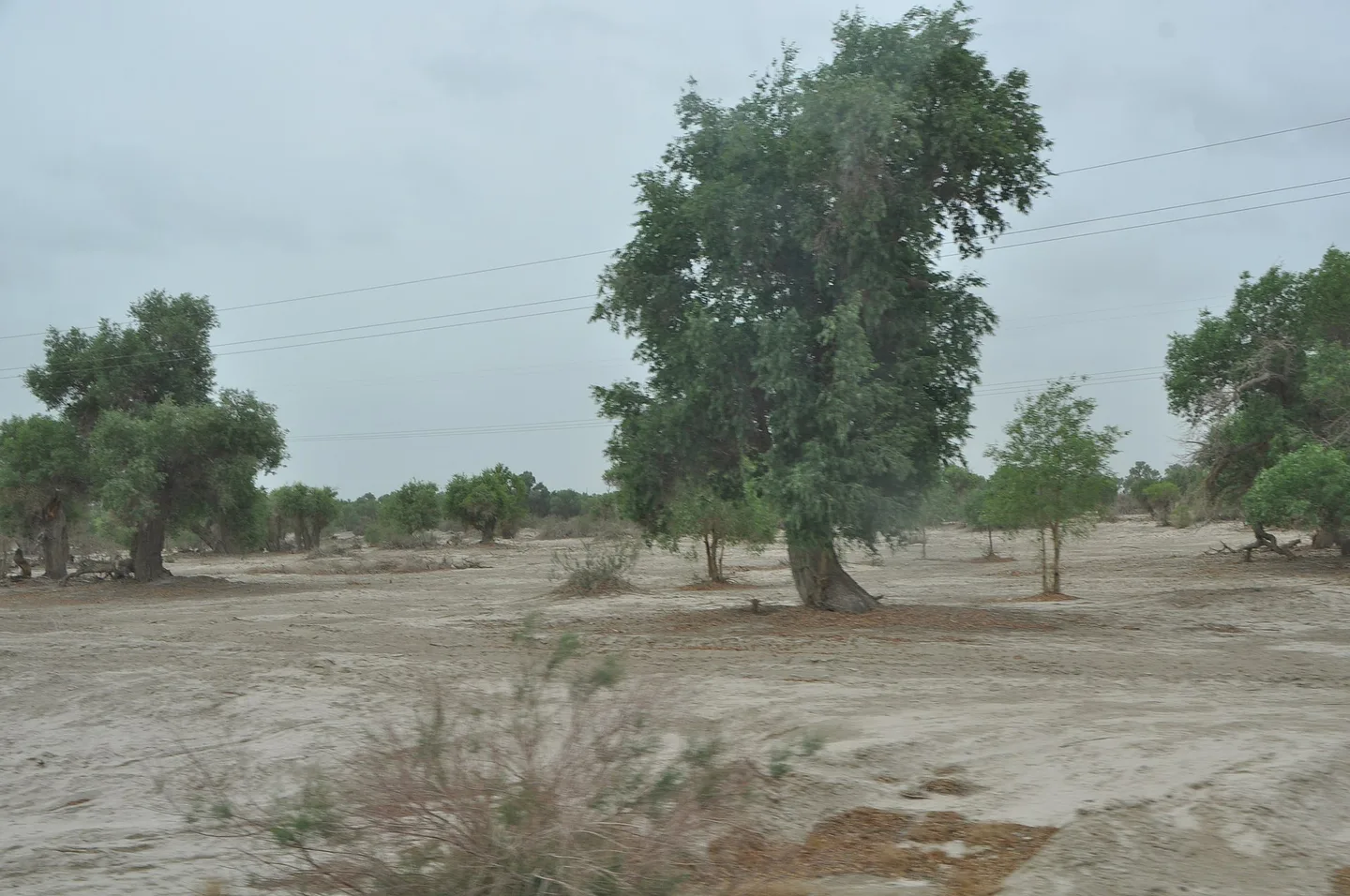
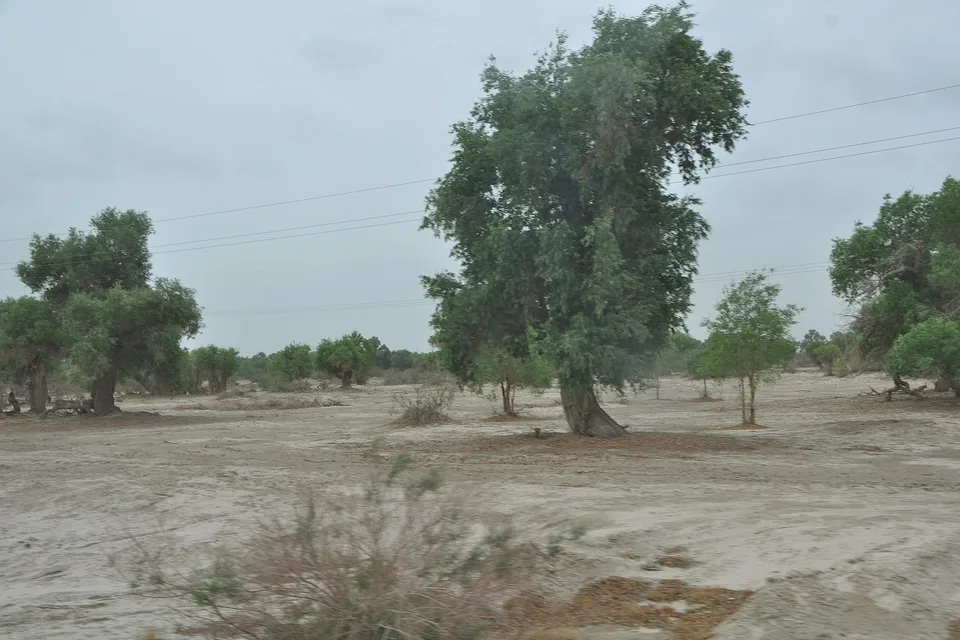
Northern Xinjiang's signature is "pretty": the lakes of Kanas, the grasslands of Ili, the blue of Sayram Lake — visually close to the Alps, best for the green of June–September and the coloured forests of September–October. Southern Xinjiang's signature is "vastness and culture": the everyday life of Kashgar Old Town, the snowy lakes of the Pamir Plateau, the poplars and desert highways at the edge of the Taklamakan — a rough-hewn beauty within the desolation. For a first trip to Xinjiang with only about 7 days, we suggest committing to one side; if you're into photography, September–October is southern Xinjiang's golden period — the snowy lakes of the Pamirs layer more richly in autumn colours, and the poplar forests along the Tarim River enter their best viewing season too.
How to wander Kashgar Old Town: don't treat it as an attraction — treat it as life
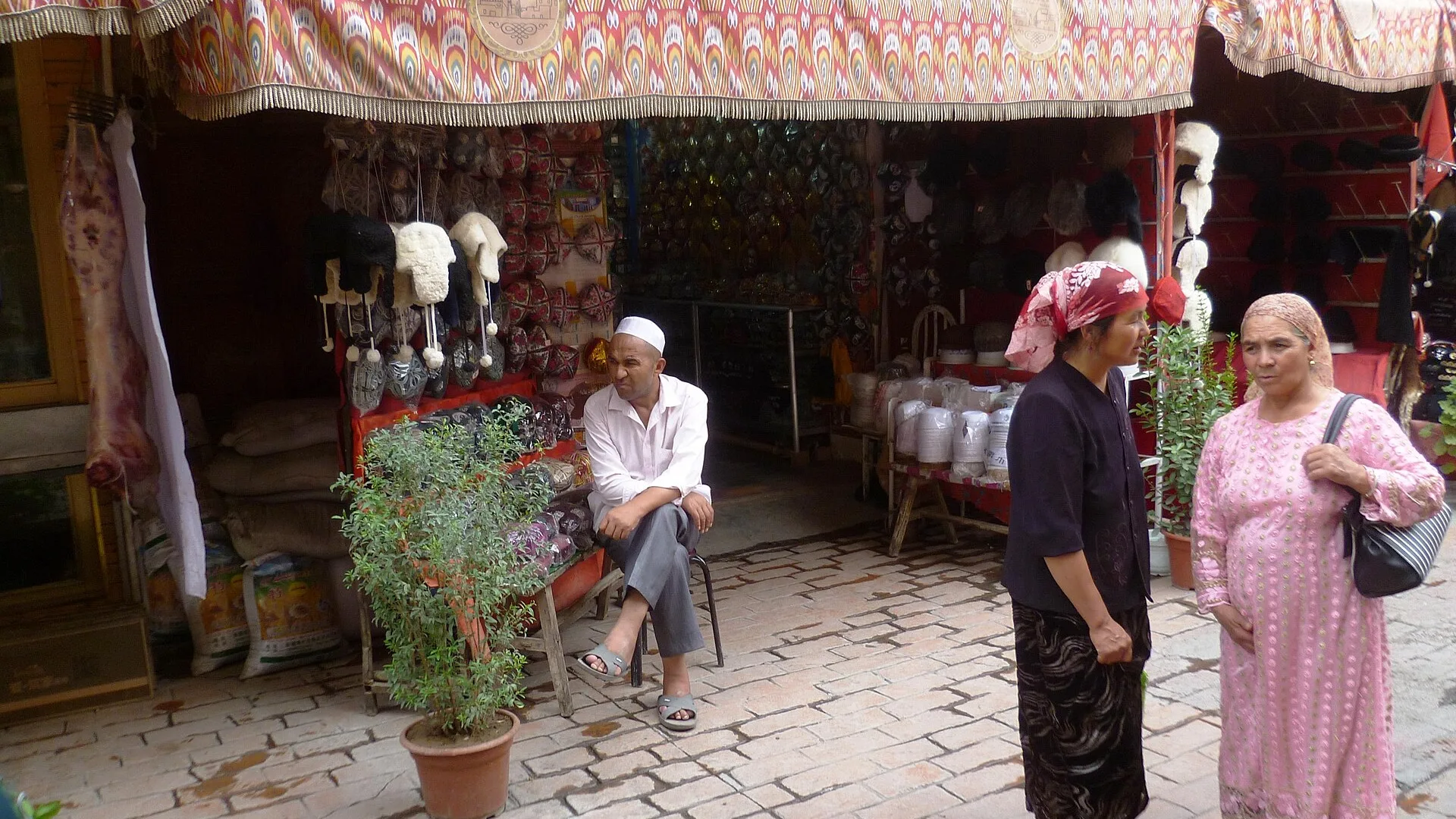
Kashgar Old Town is not an "ancient town" built for tourists; it's a living old city where more than 200,000 people actually live. On a first visit, set aside a full day: enter from the East Gate in the morning to watch the opening ceremony (exact time on site); in the late morning duck into the lanes, where century-old teahouses, handicraft bazaars, coppersmith shops and the hat bazaar sit along winding alleys — many shops have no sign, so follow the bustle to tell good from bad; at noon find a local eatery for pilaf or pulled noodles; in the afternoon climb the city wall to look over the whole old town, or sit for a while at Id Kah Mosque square watching pigeons and the crowd. The most worthwhile thing in the old town isn't ticking spots but slowing down — chatting with a shopkeeper, sitting half an hour in a teahouse; many travellers call this the "highlight moment" of a southern Xinjiang trip.
The Pamir Plateau line: southern Xinjiang's strongest natural stretch
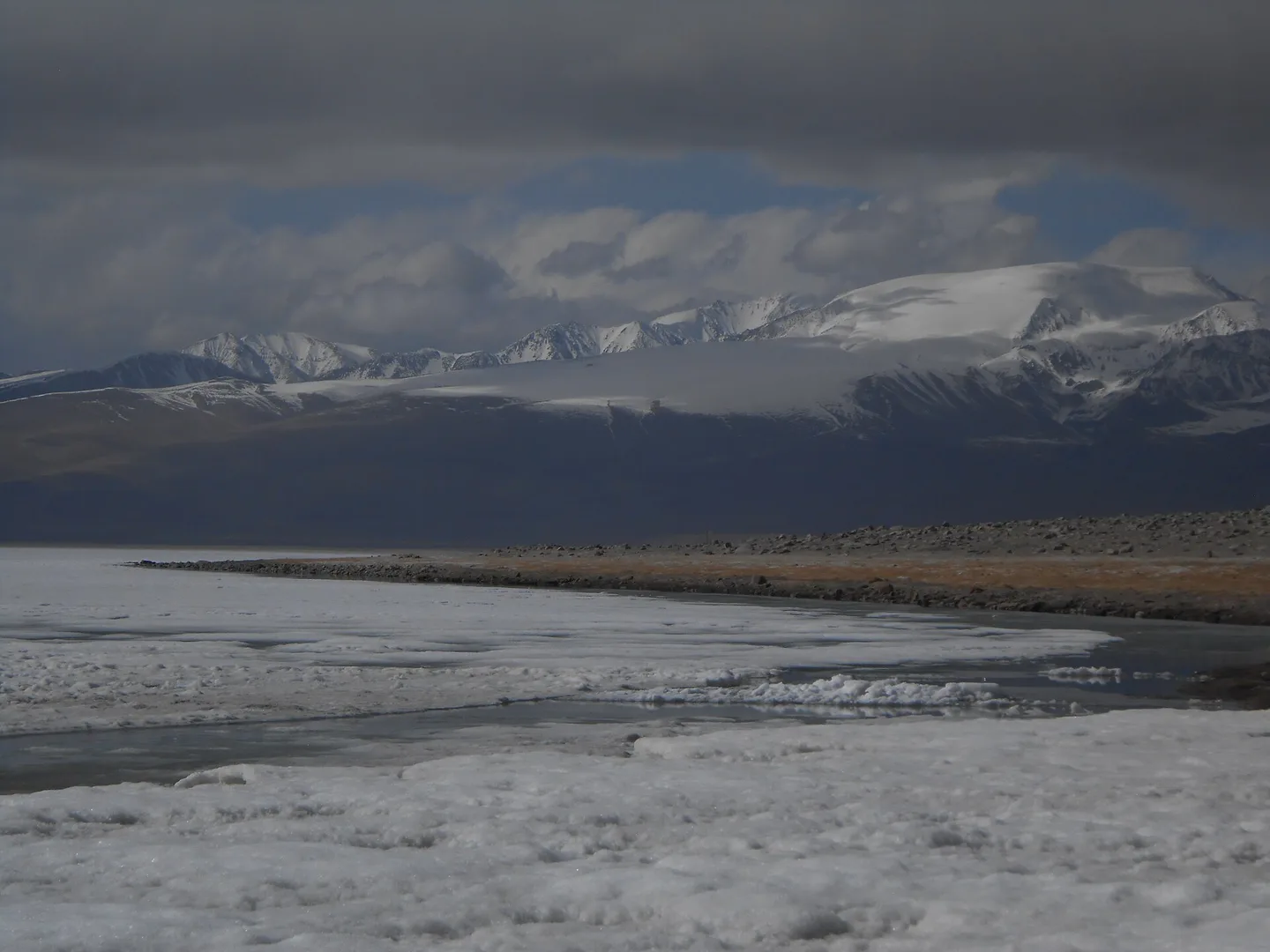
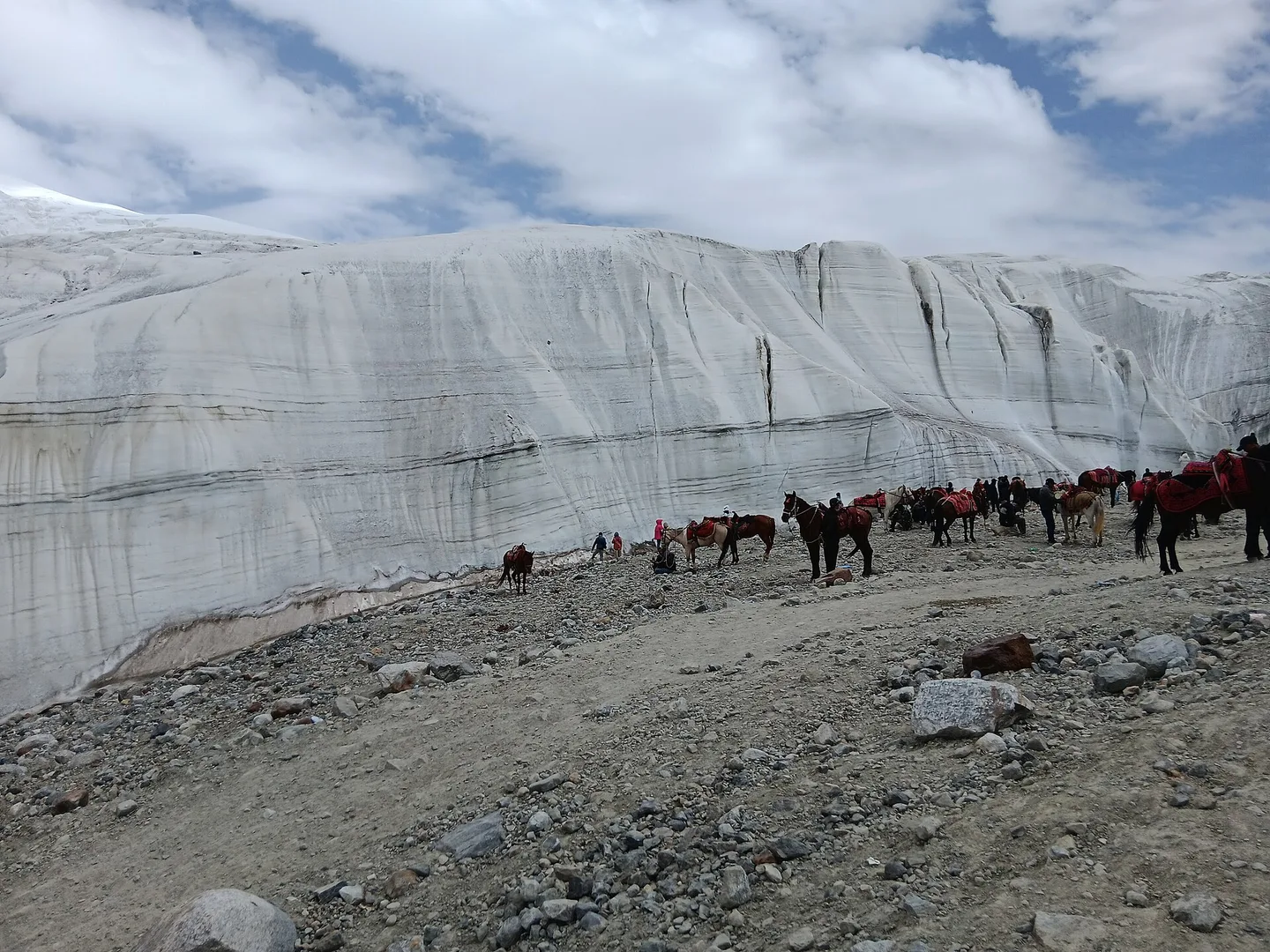
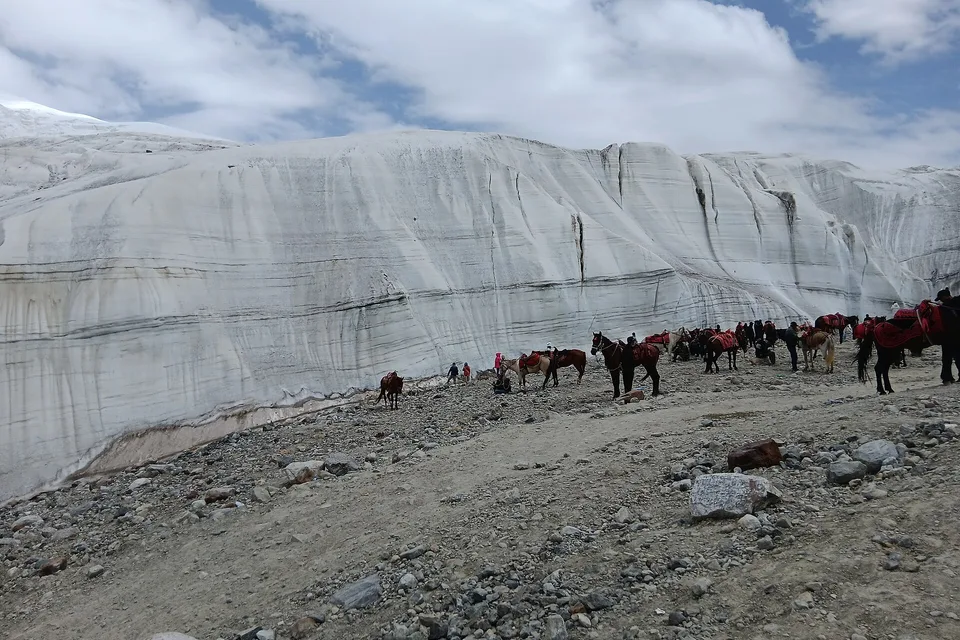
Heading south from Kashgar along the China–Pakistan Friendship Highway (G314) into the Pamir Plateau is the most breathtaking leg of southern Xinjiang:White Sand Lake (Baisha Hu)looks filter-touched under the sunlight;Karakul Lakemirrors Muztagh Ata; andthe Muztagh Ata Glacier Parklets you get close to the glacier itself. Continue south to Tashkurgan, wherethe 600-plus bends of the Panlong Ancient Roadandthe canyon scenery of the Tasha Highwayare both hugely popular shooting spots of recent years. The plateau section sits above 3,000–4,000 metres — dress warmly, protect against the sun and slow the pace. Weather affects how the snowy lakes look enormously, so check the forecast and time your lakeside moments for clear days.
Border pass: a must-do formality for the Pamirs
Travelling to Tashkurgan and parts of the Pamir Plateau requires a border pass. How to apply and the scope of validity adjust with policy; it can generally be arranged at your registered residence or locally in Kashgar — follow the latest rules of the public security authorities. On a group tour, most southern Xinjiang itineraries help arrange the border formalities, which saves you a lot of hassle. Confirm the details with your travel agency or the local public security authorities well before departure — don't leave applying for the pass to the last day.
Reference 7-day route (starting and ending in Kashgar)
Day 1: Arrive in Kashgar, transfer to your hotel, and wander the night market in the evening — start with an authentic round of grilled meat and naan.
Day 2: A full day in Kashgar Old Town — go deep into the old teahouses, the handicraft streets and century-old homes.
Day 3: Kashgar–White Sand Lake–Karakul Lake–Tashkurgan, threading through the snowy lakes of the Pamir Plateau all day.
Day 4: Around Tashkurgan: Muztagh Ata Glacier Park, Panlong Ancient Road and the Tasha Highway stretch, arranged by road conditions and stamina.
Day 5: Tashkurgan–Kashgar, filling in any missed shots from the way down.
Day 6: Optional around Kashgar: poplar forests at the edge of the Taklamakan or a short stretch of desert highway (a top pick in autumn).
Day 7: Depart from Kashgar.
Practical reminders
Southern Xinjiang has big temperature swings in autumn — scorching by day and cold at dawn and dusk, so a shell jacket over a light down jacket is the most practical combination.
Ultraviolet on the highland roads is extreme — sunglasses, sunscreen and a hat are essentials; the glare off the lakes is strong, so protect your eyes while shooting.
Kashgar Old Town is mostly walked — wear comfortable shoes; respect local customs and ask permission before photographing people.
Some border roads may be temporarily controlled due to weather or construction — keep flexibility in the itinerary and don't lock every time point rigidly.
For a worry-free option, join the 7-day Pamir autumn private tour out of Kashgar: White Sand Lake, Karakul Lake, Muztagh Ata and the Panlong Ancient Road in one trip — two guests is enough to form a group, border paperwork handled by specialists, private car and guide throughout, no sharing with strangers.
Closing words: southern Xinjiang deserves an unhurried itinerary
Southern Xinjiang's beauty needs time to settle: the flavour of Kashgar Old Town is in its lanes, the scenery of the Pamirs in its altitude, the gold of the poplars in its season. Seven days isn't enough to finish all of southern Xinjiang, but it's enough to get to know it — to know a living western-region old city, a plateau that holds snow mountains in its lakes, and a road that bends through six hundred turns and still leads onward. Many travellers come back from southern Xinjiang and say: it's not what I imagined — it's worth more than I imagined.
Next time, you'll return with more time, and slowly fill in the roads you didn't finish and the scenery you didn't see enough of.
If you'd rather hand your holiday to a well-arranged route, the 0765trip 7-day southern Xinjiang private tour starts and ends in Kashgar, threading the old city, the twin Pamir lakes, the Muztagh Ata glacier and the internet-famous highways at a sensible rhythm — regular and golden-period departures to choose from, with upgrades to light-luxury stays available. To adjust the days, the season, or to combine with northern Xinjiang for a longer holiday, just tell your travel advisor. Before you leave, remember to recheck border policy, road conditions and weather — everything should be subject to the latest official announcements. Confirm the border pass and the weather at the very front of your itinerary, and leave the rest to the lanes of Kashgar and the light of the Pamirs.