

Shunde is the world capital of gastronomy, but eating without knowing the ropes easily leads to misses. This article explains the classic ways to enjoy dim sum, raw fish, roast meats and desserts across Daliang, Ronggui and Leliu, with locals' ordering tips and verification notes.
Shunde is recognised by UNESCO as a "World Capital of Gastronomy," but that does not mean any shop you walk into is good. Shunde's best restaurants often hide in lanes and alleys; their signature dishes are all about ingredients and heat control, and ordering wrong or picking the wrong shop makes a huge difference. The essence of Shunde cuisine is "clean, fresh, crisp, tender and silky," demanding extreme freshness of ingredients; many signature dishes (raw fish, sauna chicken, steamed fish) rely on "the taste of the ingredient itself" rather than heavy seasoning — consistent with the common impression that "Cantonese food is light," but with its own craft.
This article explains how to eat by category, then gives a 3-day route arranged by day so you need not agonise over "which shop." The core conclusion first:choose a long-established Daliang restaurant for dim sum, a licensed shop with proper handling for raw fish, the just-fresh-from-the-oven window for roast meats, and the old shops of Daliang for desserts.Food information dates quickly — the opening hours, queues and menus mentioned here change with the seasons, so go by the latest announcements from the businesses and official channels before you travel. Below we run through the ordering know-how for four categories — dim sum breakfast, raw fish (yusheng), roasted meats and desserts — then give a 3-day route arranged by day so you don't agonise over "which shop".
How to eat the four major categories
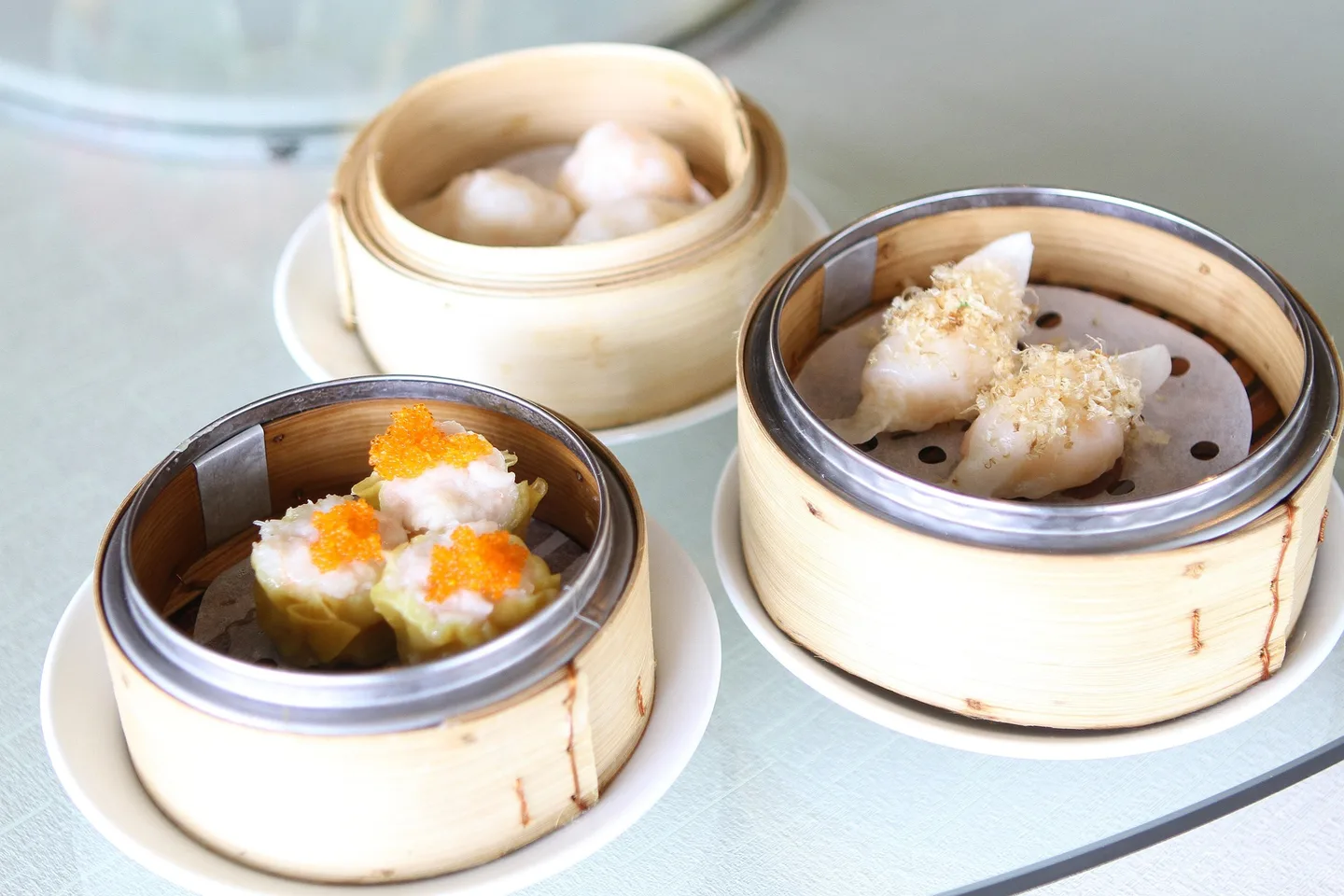
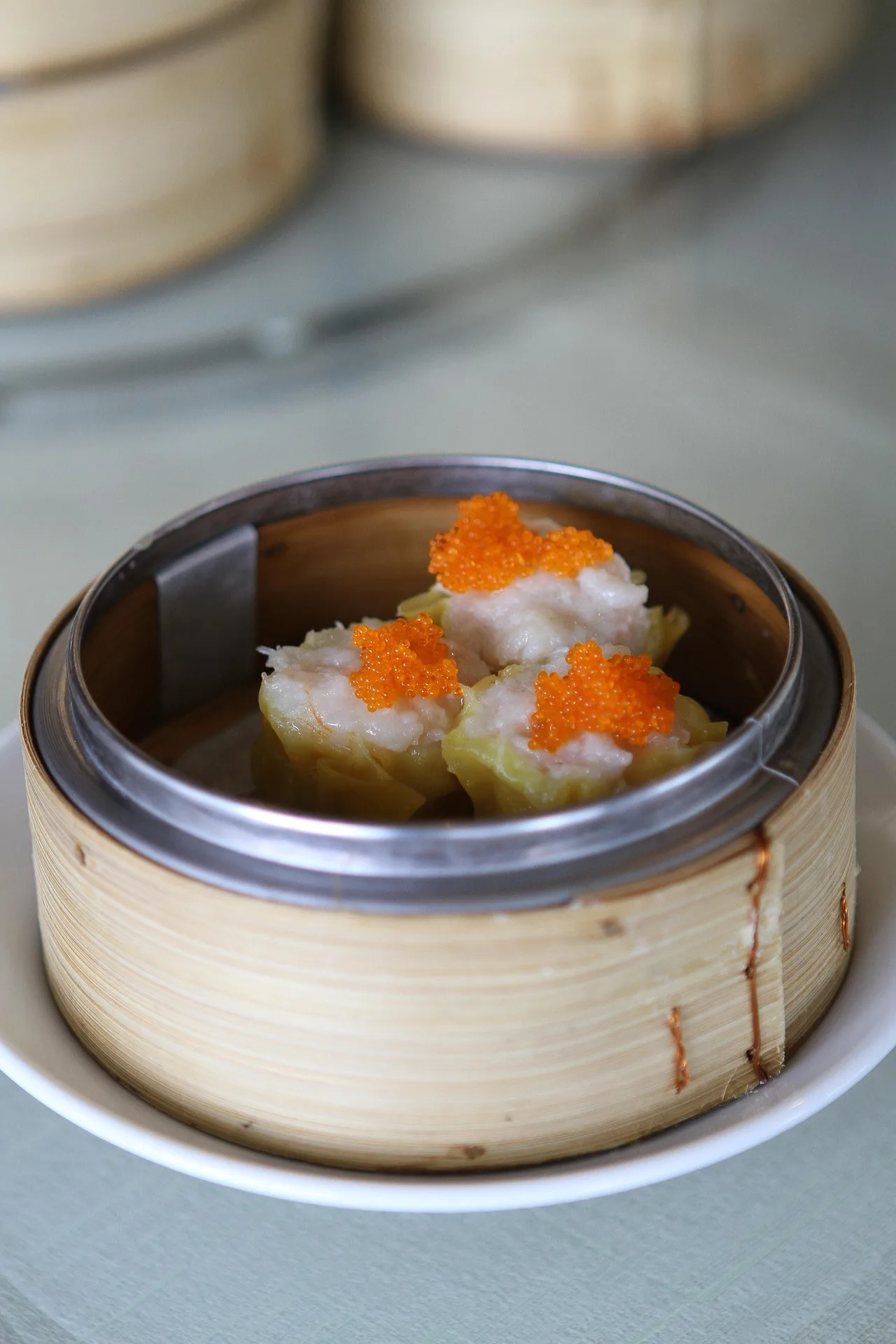
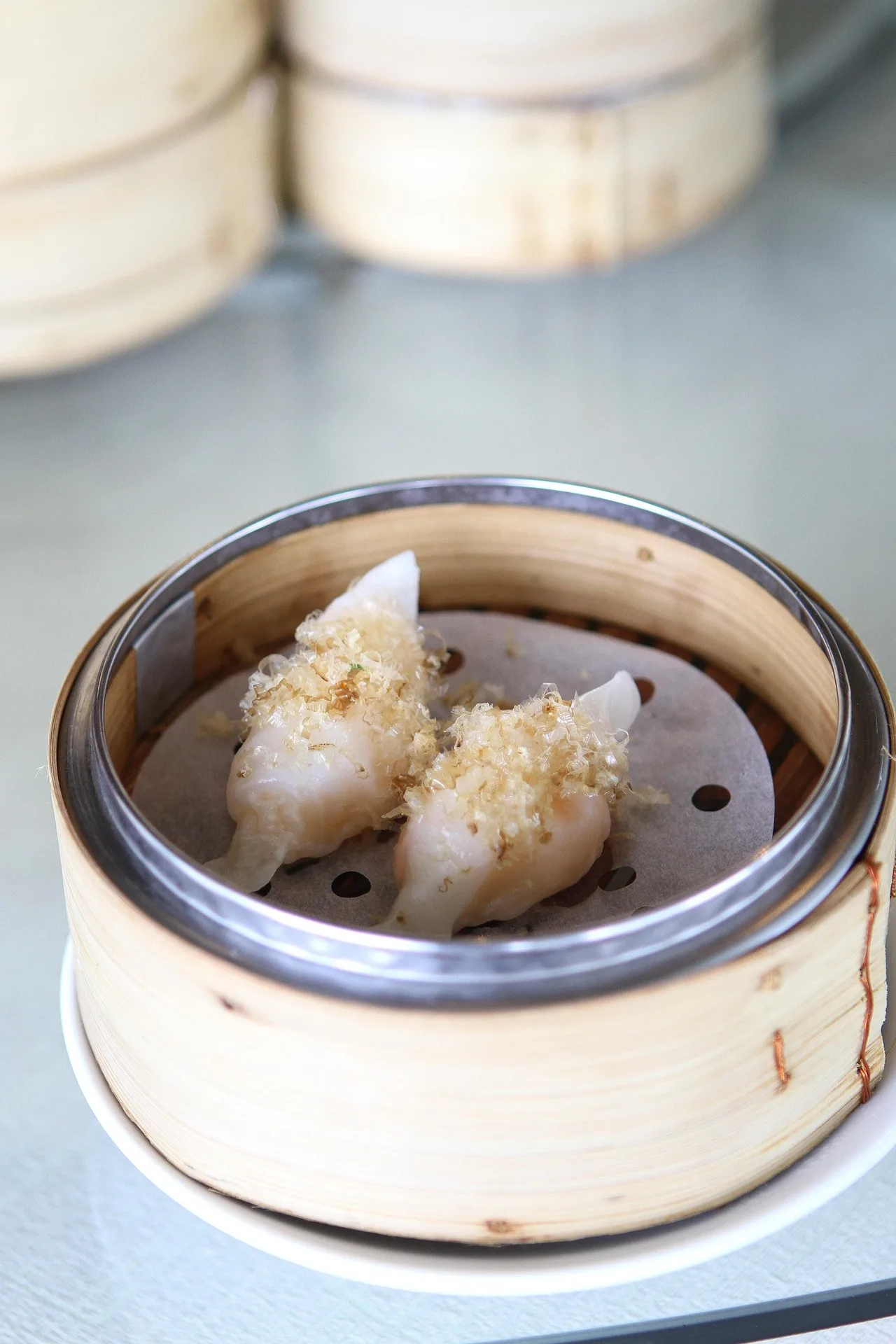
Dim sum (morning tea): dim sum in Shunde is not "breakfast" but a "half-day experience." The classic combination is "one pot, two dishes" — a pot of tea with two or three snacks. Ordering tips: shrimp dumplings, siu mai, chicken feet and rice rolls are the basics, while Shunde's own highlights worth trying are Chencun rice rolls and glutinous rice chicken. Dim sum usually runs from morning to early afternoon; on weekends the crowds are big, so go early or take a number — follow each restaurant's latest hours. No need to order a full table; for two or three people, "one pot, two dishes" plus one or two extras is just right without waste.
Raw fish (yusheng): Shunde raw fish (freshwater yusheng) is a local famous dish prized for knife work and accompaniments. You mix the raw fish with peanut oil, salt, scallion threads, ginger threads, lemon leaves and other condiments. Note: yusheng is eaten raw — those with sensitive stomachs should be cautious; choose a fully licensed restaurant with proper handling procedures and confirm the fish source meets food-grade standards. Some restaurants also offer cooked versions; if you are unused to raw food, order "one fish, many ways" — the head, bones and skin beyond the sashimi all become dishes, and one fish yielding several flavours is the norm on Shunde tables.
Roast meats (siu mei): Shunde's roast goose and roast pork are famous, marked by crisp skin and rich-but-not-greasy meat. For roast goose, arrive at noon or before dinner when the skin is crispiest straight from the oven; roast pork with white sugar is the local way. Popular roast shops often have queues — buy off-peak or choose a branch near your hotel. To judge a roast shop, watching the serving times at the door and the queue of locals is usually more reliable than ratings.
Desserts: double-skin milk and ginger-collision milk are Shunde's signature desserts. Double-skin milk prizes "a thick milk skin and a silky texture" — the original flavour is recommended; ginger-collision milk's on-the-spot "collision" has strong ritual appeal, tastes sharply gingery, and suits cold days or a novelty try. Daliang is the densest area for dessert shops — perfect for afternoon-tea time. Besides these two, Lunjiao cake and Daliang bengsha (crisp fried pastries) are souvenirs you can take away.
3-day food route reference
Day 1: arrive in Shunde (Daliang) → roast meats for lunch (roast goose/roast pork) → Daliang desserts in the afternoon (double-skin milk, ginger-collision milk) → Shunde raw fish or "one fish, many ways" for dinner.
Day 2: dim sum in the morning (Daliang or Ronggui) → afternoon around Ronggui Fisherman's Wharf hunting old-street snacks (fish cakes, Lunjiao cake) → steamed seafood or sauna chicken for dinner, ending light.
Day 3: rice rolls or Chencun rice rolls for breakfast → morning local dishes in the Leliu or Xingtan direction (steamed fish, Jun'an steamed pork) → one more bowl of sweet soup before heading home in the afternoon.
This route takes "Daliang-Ronggui" as its main axis; the two towns are about 20-30 minutes apart by car, and taxis or self-driving are most convenient within Shunde; without a car, the metro (Foshan Metro Line 3 reaches the Daliang area) plus taxis covers most spots. To go further, change Day 3 morning to Chencun for Chencun rice rolls or Jun'an for steamed pork — both spurs centre on Daliang and make easy day trips.
Who it suits / who it does not
It suits travellers whose first aim is eating, especially those who enjoy light, fresh-sweet flavours and are interested in local ingredients. Visitors who do not eat raw fish, dislike queueing, or prefer sight-seeing check-ins may pick just one or two categories rather than forcing three days. For families with elderly members or children, dim sum and desserts suit all ages, while raw fish and spicier dishes can be chosen as needed. If you demand "nice environment and pretty photos," most of Shunde's long-established restaurants have a "hole-in-the-wall" vibe — service and ambience are not those of fine dining, so set expectations before you go.
Half the joy of Shunde food is in the eating, half in the "hunting": crossing old lanes to find a shop where locals queue, then sitting down slowly — that is itself part of the travel experience. This 3-day route strings the four categories and three towns together, with both classics and spurs so you can choose by taste. Shunde does not suit "eat wherever you walk"; decide the next day's main meal the night before so you will not be scrambling at mealtime; for popular old shops, go off-peak or confirm by phone in advance so that "didn't get to eat" never becomes the trip's regret. Choose a fully licensed shop for raw fish, stick to old shops for desserts, and catch the just-fresh window for roast meats — remember these three rules and the miss rate drops by half. The food capital deserves a dedicated trip, and a slower pace at the table, to taste in three days the daily refinement of locals. Need a Shunde food-hunting list customised to your dates and tastes? Just contact us. Business hours, prices and queueing at each restaurant follow the merchants' latest announcements; a phone confirmation before departure is recommended.