Planning your first trip to eastern China? Here is how to link Shanghai, Suzhou, Hangzhou and Wuzhen by high-speed rail over 5-7 days: fly in and out of Shanghai, give Suzhou and Hangzhou one to two days each, treat Wuzhen as a half-day water-town stop, and take high-speed rail for every intercity leg - with workable sequencing based on the latest official schedules and opening information.
This route guide answers one question: on a first trip to eastern China, how do you link Shanghai, Suzhou, Hangzhou and Wuzhen by high-speed rail into a relaxed 5-7 day journey? It suits first-time visitors who want to sample four kinds of China in one trip - a modern metropolis, classical gardens, lakes and mountains, and a Jiangnan water town - without researching train schedules and neighbourhoods themselves.
Three conclusions first. First, basing both your arrival and departure in Shanghai is the easiest: Shanghai is east China's biggest international gateway, and Hongqiao Station is a high-speed rail hub — you can get in and get out with one fewer long cross-city transfer. Second, give Suzhou and Hangzhou one to two days each, and treat Wuzhen as a half-day water-town garnish between Suzhou and Hangzhou rather than a stop that claims its own full night — moving hotels again just for "one ancient town" isn't worth it. Third, move between cities entirely by high-speed rail: Shanghai–Suzhou is about 30 minutes, Suzhou–Hangzhou runs on the Shanghai–Nanjing/Nanjing–Hangzhou corridors, and Shanghai–Hangzhou is about an hour — exact trains and times follow the official 12306 timetable. All of the above is changeable information, compiled in September 2026 for the 2026–2027 winter/Spring Festival window — everything is subject to the latest official announcements. The sections below run "why these four cities — how the high-speed rail connects — how to split 5 vs 7 days", then how to enjoy Jiangnan, language and pacing.
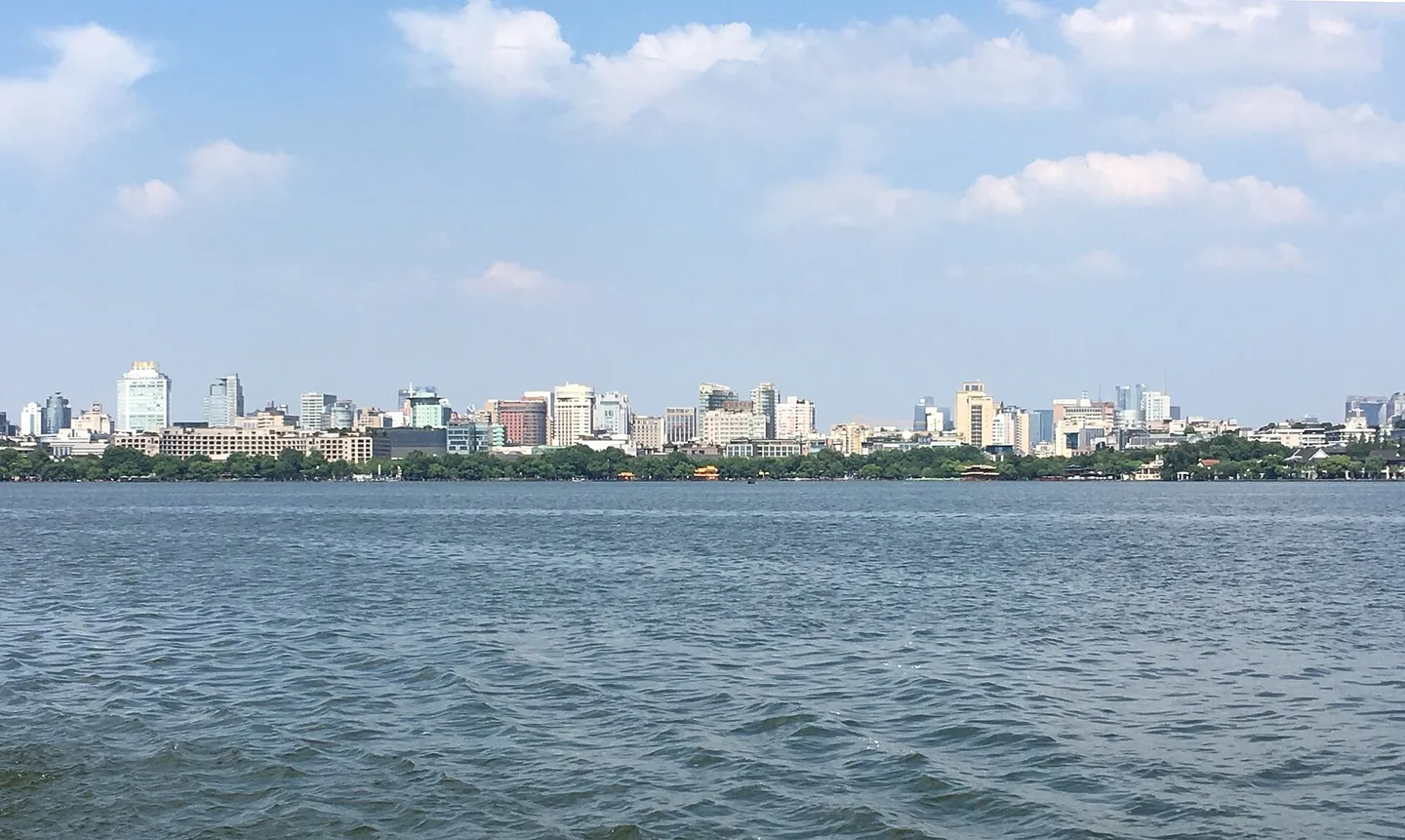
Why these four cities: how to order them
Geographically the four cities form a rough triangle: Shanghai sits at the north-eastern corner, Suzhou lies on the Shanghai-Nanjing line and is the closest to Shanghai, Hangzhou is to the south-west and also close to Shanghai, and Wuzhen lies between Suzhou and Hangzhou (administratively in Jiaxing's Tongxiang). So the smoothest sequence is 'Shanghai to Suzhou to Wuzhen to Hangzhou, then back to Shanghai', or the reverse, treating Wuzhen as a half-day bridge between Suzhou and Hangzhou rather than a separate stage.
What we would not recommend is 'stay a night in every city before moving on' - the rail legs are so short that splitting into four overnight stays lets luggage-moving and check-out times eat into the hours you should be sightseeing. A more sensible logic: use Shanghai as the hub with two nights (one at the start and one at the end), give Suzhou and Hangzhou one or two nights each, and treat Wuzhen as a day trip or a single overnight.
How the intercity rail legs connect
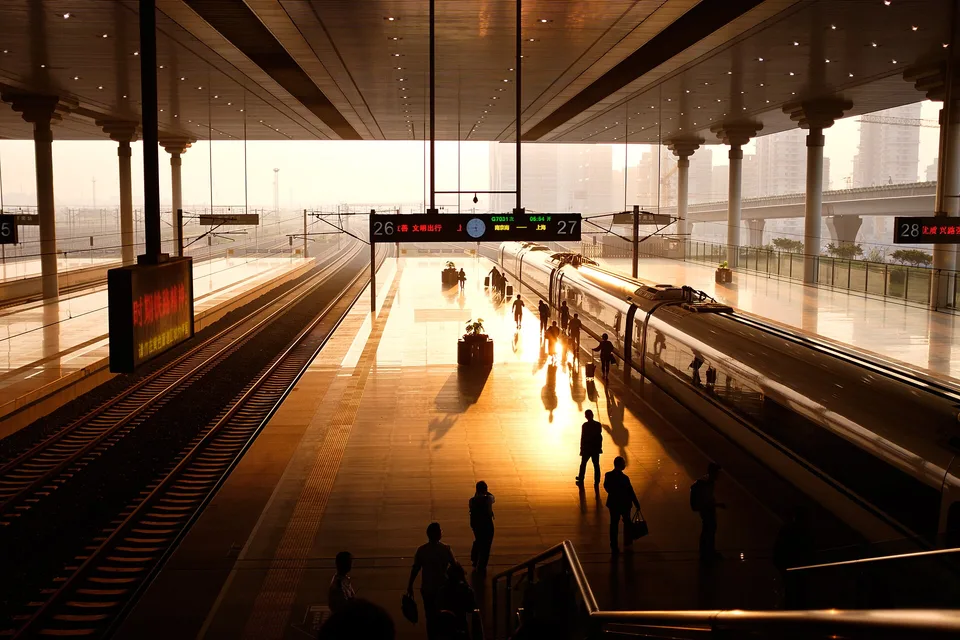
Eastern China's high-speed rail network is dense, and none of these legs needs a flight. Book tickets on 12306 with a passport, and the document used to buy and to board must be the same. A few key points:
Shanghai to Suzhou: most services run on the Shanghai-Nanjing intercity line, roughly 30 minutes, arriving mainly at Suzhou Station or Suzhou North; for the old city choose Suzhou Station.
Suzhou to Wuzhen: there is no direct high-speed service into Wuzhen town; you normally reach Tongxiang Station (in Jiaxing) first and then take a bus or taxi into Wuzhen, or travel from Suzhou to Hangzhou and double back to Wuzhen depending on how the day's services connect.
Wuzhen to Hangzhou: transfer at Tongxiang Station to a high-speed train to Hangzhou East or Hangzhou Station, around an hour.
Hangzhou to Shanghai: Shanghai-Hangzhou services are frequent, around an hour, and arriving at Shanghai Hongqiao makes it easiest to connect to flights or the metro.
Services, stations and journey times follow the official 12306 schedule; this article names no specific trains. Short-haul tickets also tighten during the winter break and Spring Festival peaks, so confirm them in advance.
Allocating your days: 5-day and 7-day structures
Compact 5-day version: Shanghai 2 days (arrival plus city centre / the Bund), Suzhou 1 day (gardens plus Pingjiang Road), Hangzhou 1 day (West Lake plus Lingyin or the Grand Canal), Wuzhen a half day on the way from Suzhou to Hangzhou, and the last day back in Shanghai before departure. Every day involves movement, so this suits travellers with short holidays and good energy.
Relaxed 7-day version: Shanghai 2-3 days, Suzhou 1.5 days, Hangzhou 1.5-2 days, and one night in Wuzhen for the evening lights, with the extra time spent strolling neighbourhoods rather than rushing between sights. For travellers with seniors or anyone keen on photography, 7 days is clearly more comfortable.
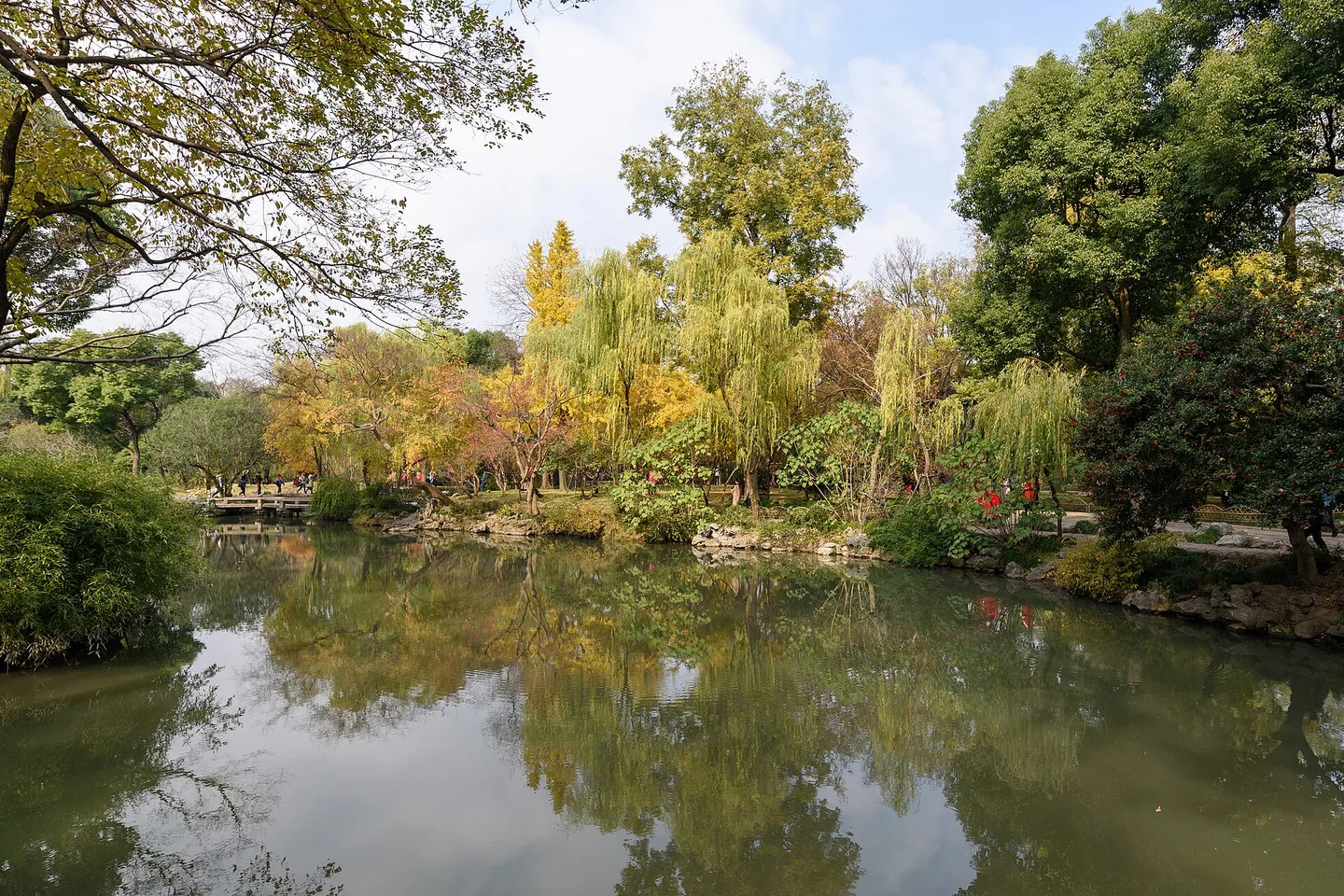
How to enjoy Jiangnan: gardens, water towns and lakes
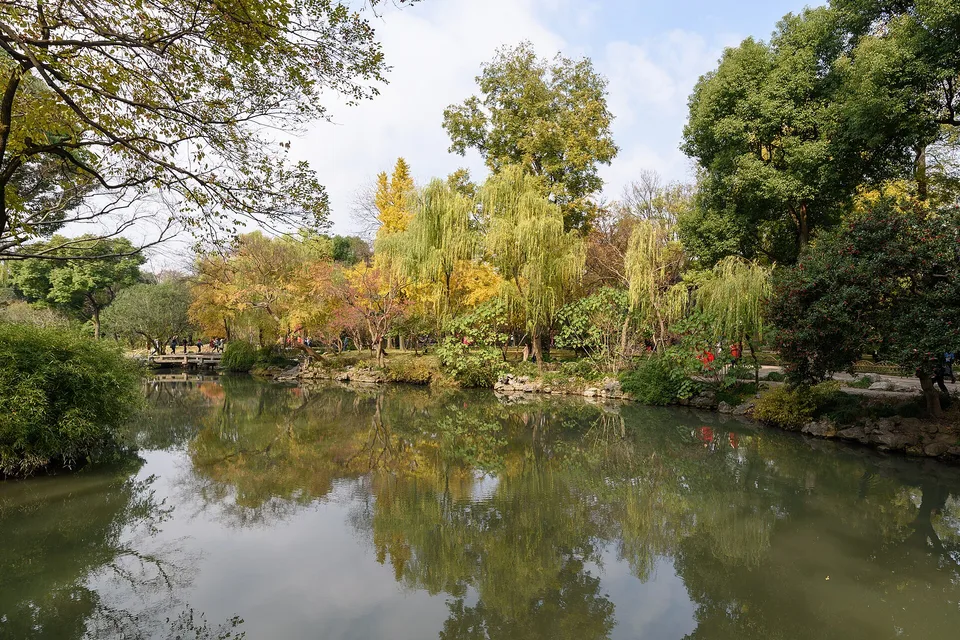
Suzhou's essence is its classical gardens - the Humble Administrator's Garden, the Lingering Garden and the Master of the Nets Garden each have their own character - while Pingjiang Road and Shantang Street are canal-side lanes best in the late afternoon. Gardens generally require real-name booking with timed entry and capacity control; opening and booking rules follow each garden's official notices, and during peaks you should book well ahead.
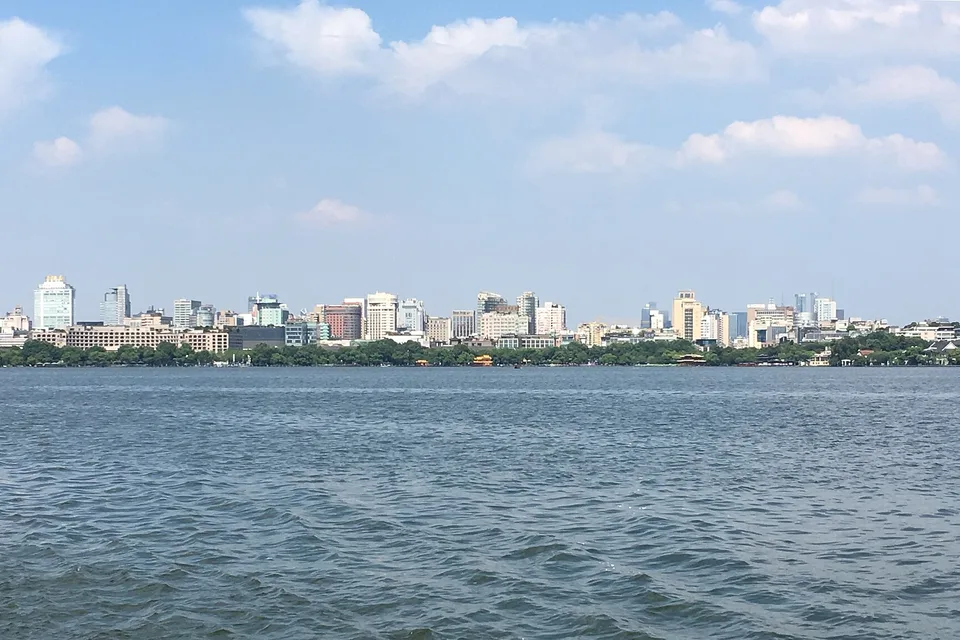
Hangzhou's essence is West Lake: walking or cycling around the lake brings you Broken Bridge, Su Causeway and Leifeng Pagoda, and Lingyin Temple and a stretch of the Grand Canal are common additions. West Lake itself is free and open, but its inner sights, boat trips and Lingyin's ticketing are separate, per official announcements.
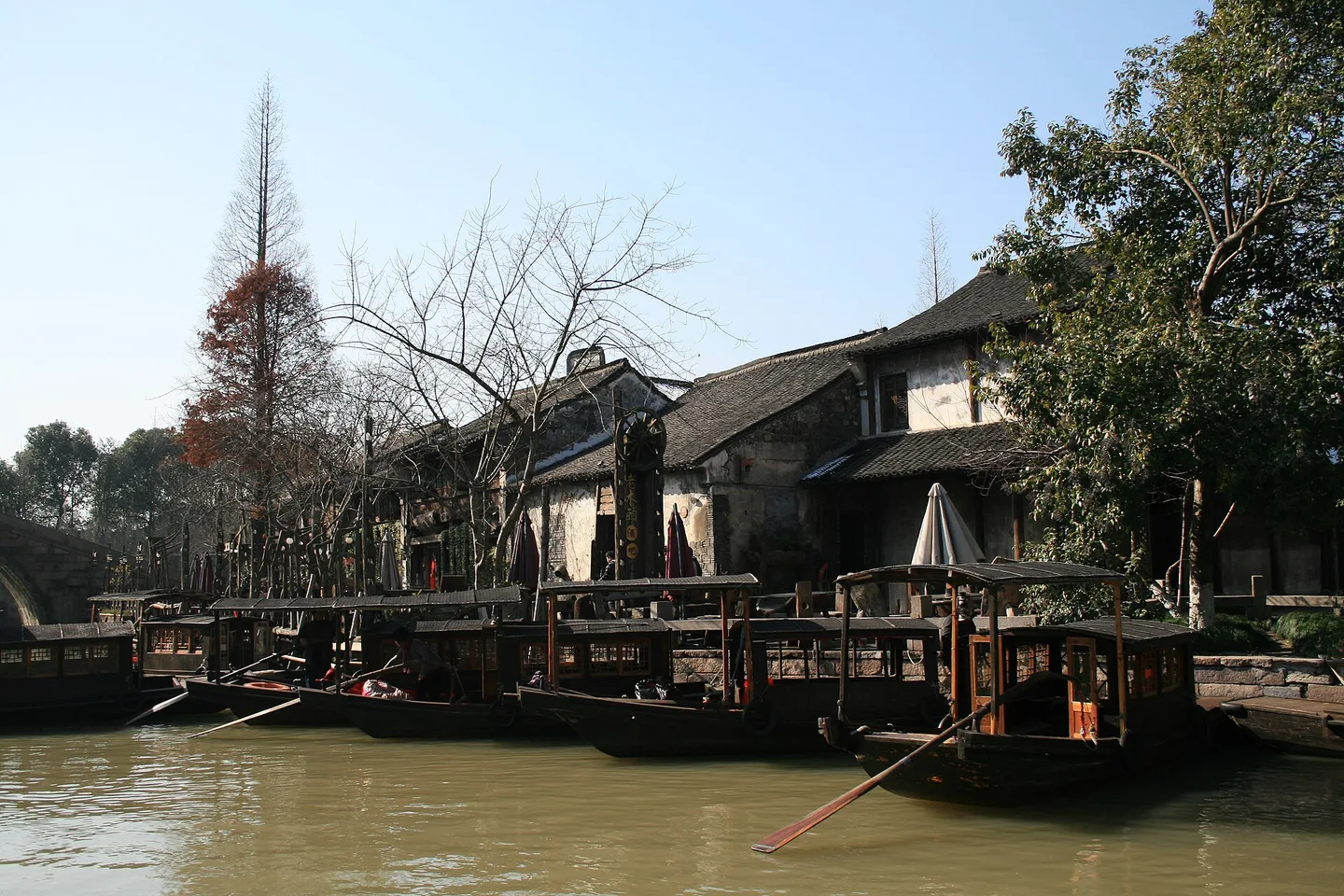
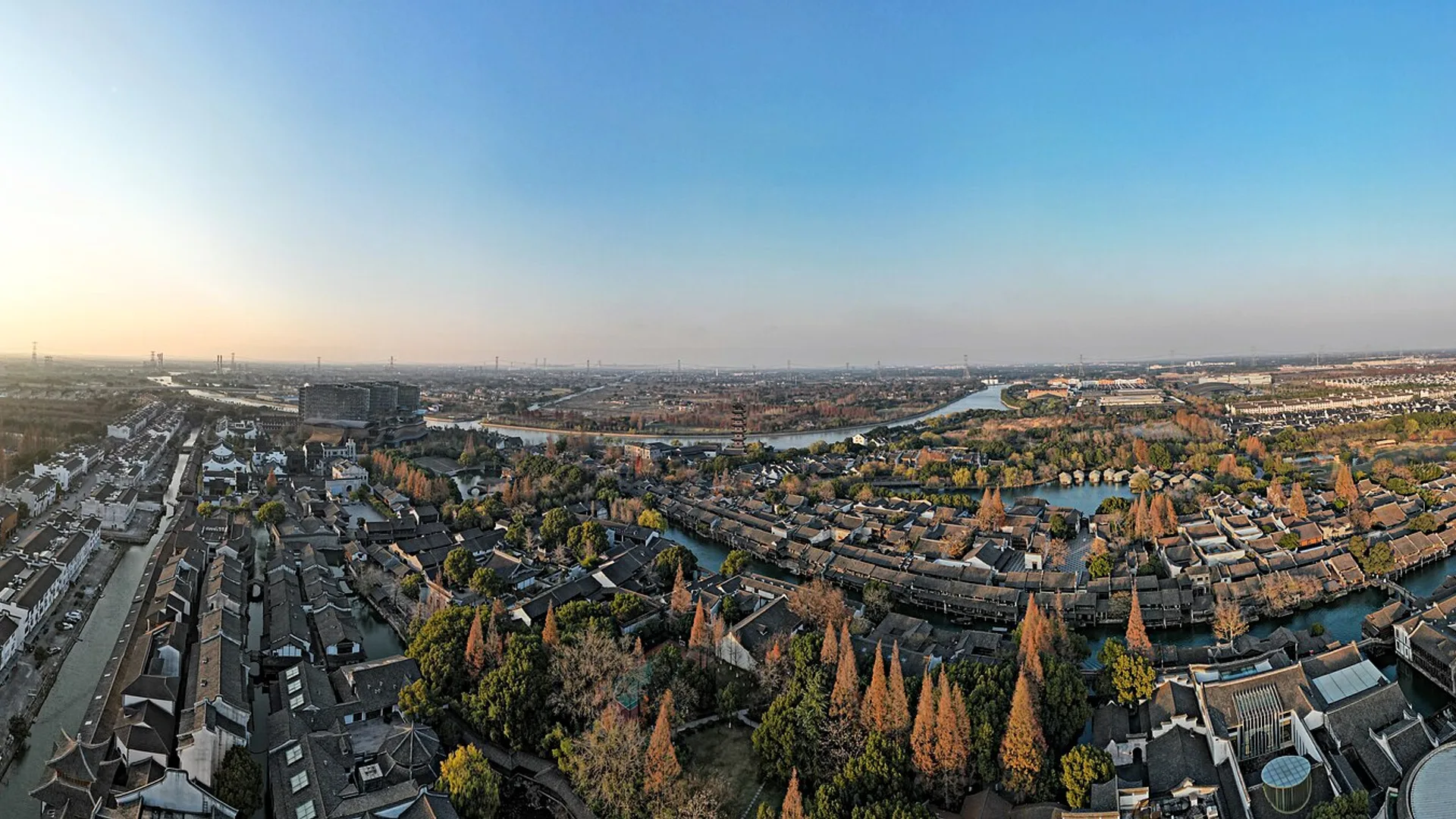
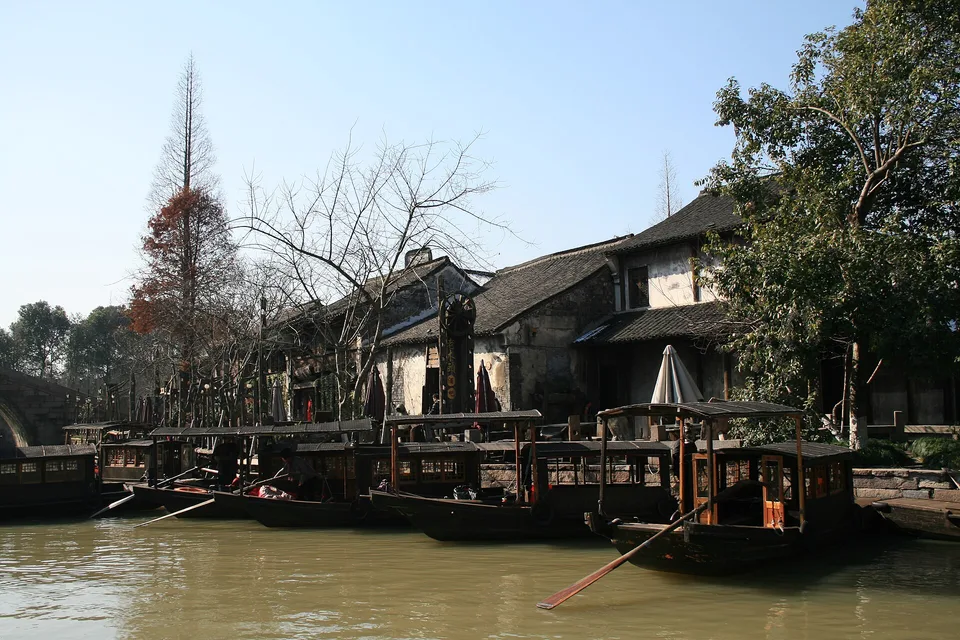
Wuzhen has two sections, East and West; West Gate is better known for its evening lights and is more fully developed, suiting a half day or one night, while East Gate feels more original. Water towns are at their best in the early morning or evening when it is quiet - tour groups peak at midday - so scheduling Wuzhen outside noon makes it far more worthwhile.
English services and language
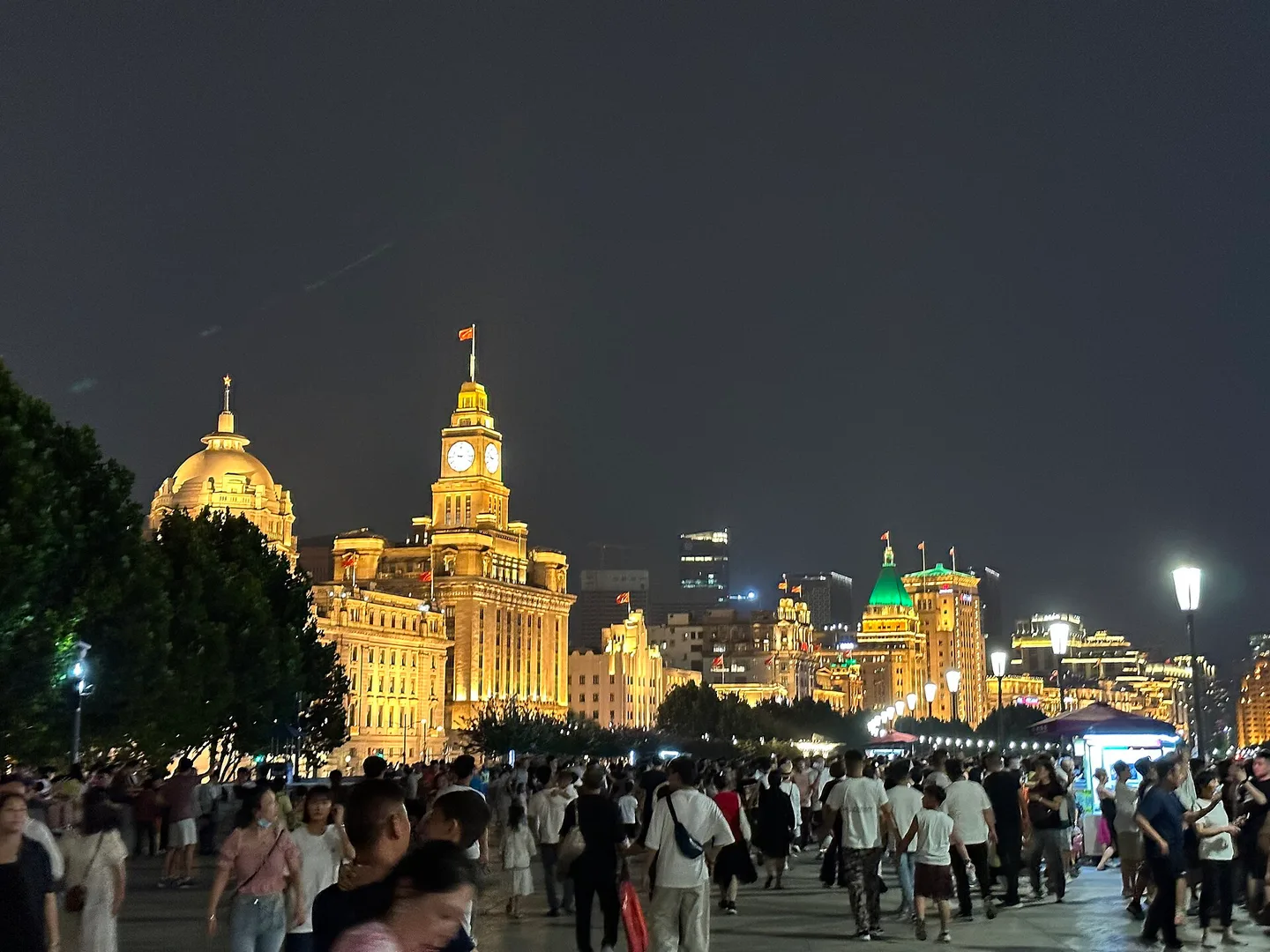
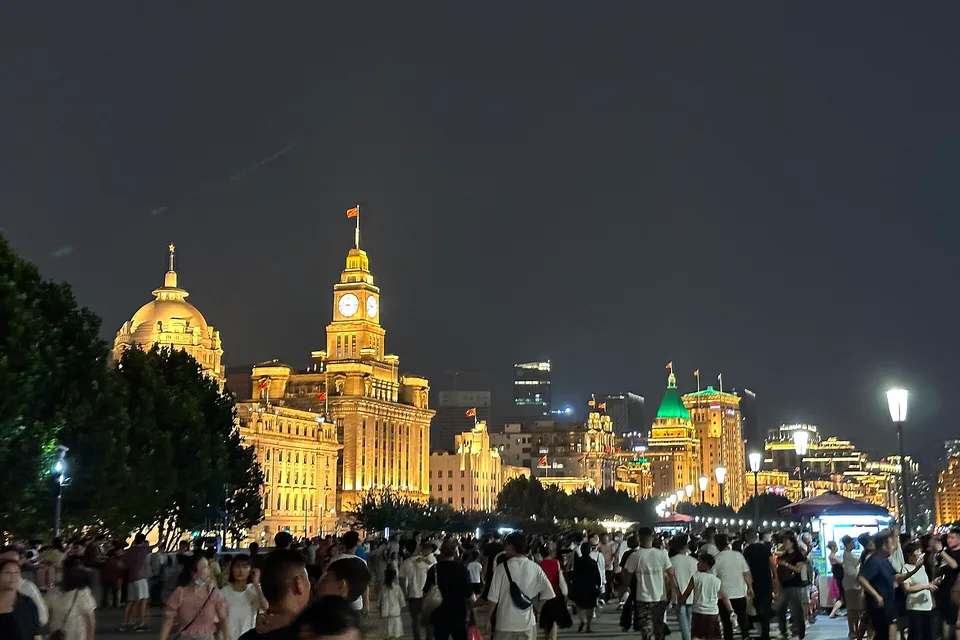
In Shanghai, the Bund, major museums, the airport and upscale hotels have the most reliable English services; Suzhou and Hangzhou's top sights also carry English signage and guides, but fluency drops outside the core attractions. It is wise to rely on a translation app's photo and conversation functions throughout and save hotel addresses in Chinese to show drivers. These details are expanded in the pre-trip checklist, and you can prepare this eastern-China trip alongside that checklist.
Pace and stamina
Heavy walking is common to all these cities: around West Lake, in Suzhou's gardens, on Wuzhen's stone lanes and in Shanghai's neighbourhoods, you easily top 10,000 steps a day. So do not cram three gardens into one day - appreciate fewer gardens more deeply; save water towns for early or late and avoid midday crowds; and spend the stamina that high-speed rail saves on slow neighbourhood strolls instead.
Frequently Asked Questions
Q: Is it worth staying a full night in Wuzhen? A: If time allows (the 7-day version), staying one night to see West Gate's lights gives a fuller experience; in the compact 5-day version, using it as a half-day bridge between Suzhou and Hangzhou saves an unnecessary hotel move. It ultimately depends on your total days.
Q: Must I loop through Wuzhen between Suzhou and Hangzhou? A: Not necessarily. Wuzhen sits between the two, so it fits most naturally as a half-day stop when you are passing anyway; if you only want Suzhou and Hangzhou, you can simply take the high-speed rail directly between them without forcing Wuzhen in.
Q: How far ahead should I buy these short rail tickets? A: On ordinary days you can buy on the day or a day or two ahead, but short-haul tickets tighten during winter-break and Spring Festival peaks, so confirm early and follow 12306's official release.
Wrapping up
To sum this route up in one line: fly in and out of Shanghai, give Suzhou and Hangzhou one to two days each, treat Wuzhen as a half-day water-town interlude, and hand every intercity leg to high-speed rail - four very different versions of eastern China compressed into one 5-7 day holiday. Its advantage is that a first visit can collect four calling cards at once - modern city, classical gardens, lakes and mountains, water town - and its price is a little movement every day, with luggage and trains sorted in advance.
There are really only two decisions to make: whether you have 7 days, and whether to stay overnight in Wuzhen. With enough days, take the relaxed version and keep a night in Wuzhen; short on days, take the compact version and pass through Wuzhen for half a day. Either way, intercity train services and the booking rules for gardens and West Lake are changeable details; before travelling, re-check against the latest official 12306 and venue announcements. If you would rather not verify trains, neighbourhoods and venue bookings item by item yourself, tell 0765trip's inbound route consultants your number of days, arrival city and travel party - see the China inbound tours page for customised services or submit your needs at our contact page, and a consultant will build a workable itinerary around the season's rail schedules and opening times.