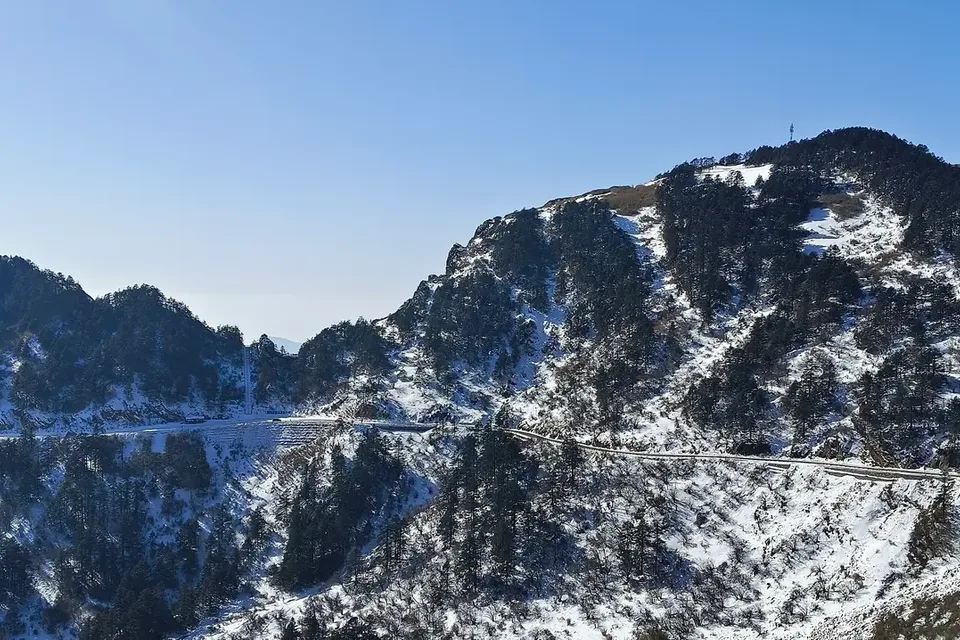
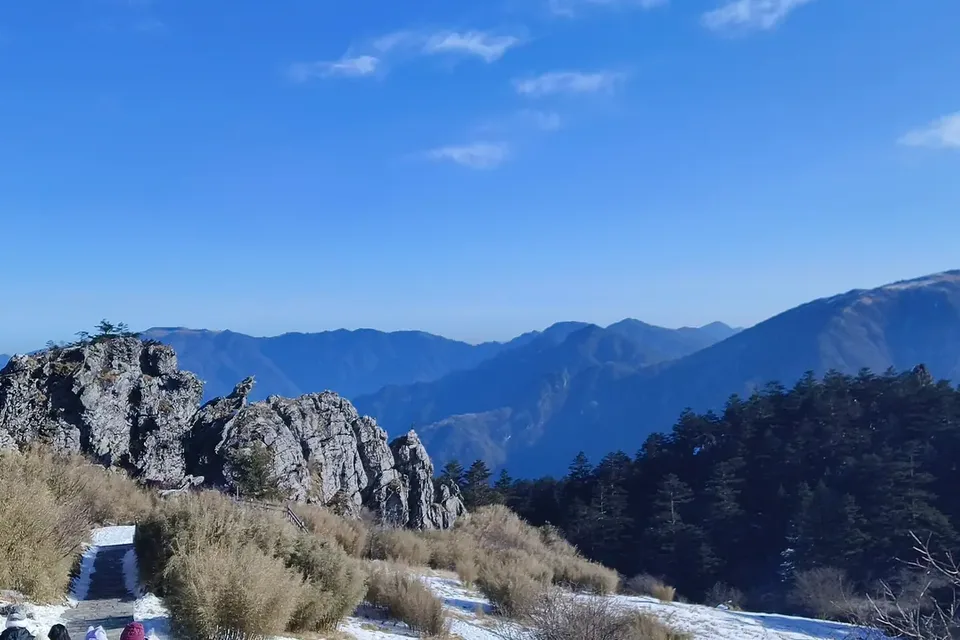
If flying to the Northeast is not an option, the Qinling range and the middle Yangtze also have ski areas. This guide compares Taibai Aoshan in Shaanxi, Shennongjia in Hubei and the resorts around Lanzhou in Gansu by scale, season and the skiers they suit, and explains what each journey costs you and in what order to choose.
Not everyone can take a week off to fly to the Northeast. For people living in Xi'an, Wuhan or Lanzhou, the Qinling range and the middle Yangtze do have ski areas, with shorter journeys and lower costs, suited to a two or three day break or a child's first time on snow. The gap between them and the big northern resorts should be stated plainly: elevation and latitude mean shorter seasons and less natural snow, most slopes rely on snowmaking, and run counts and vertical drops are limited.
Here is the short answer. From Xi'an, choose Taibai Aoshan, which is large by Shaanxi standards; for a same-day return only, Cuihuashan is closer. From Wuhan, Shennongjia International Ski Resort has the most runs in central China, at the cost of half a day on the road; if time is tight, look at Yingshan or Jiugongshan. From Lanzhou, Baolongshan and Xinglongshan are close, while Songmingyan has better facilities. Treat these as practice grounds close to home, and your expectations will hold up. What all three share is a short season, usually mid-December to mid-February, so missing it means waiting another year.
This guide was compiled in September 2026, ahead of the 2026-2027 season. Opening dates, open runs and pass prices change every year, so confirm with each ski area's official announcement before departure.
Which Shaanxi ski areas should you choose?
Shaanxi's ski areas cluster in the Qinling range, where elevation gives them a longer cold season than the Guanzhong plain, roughly December to late February or early March.
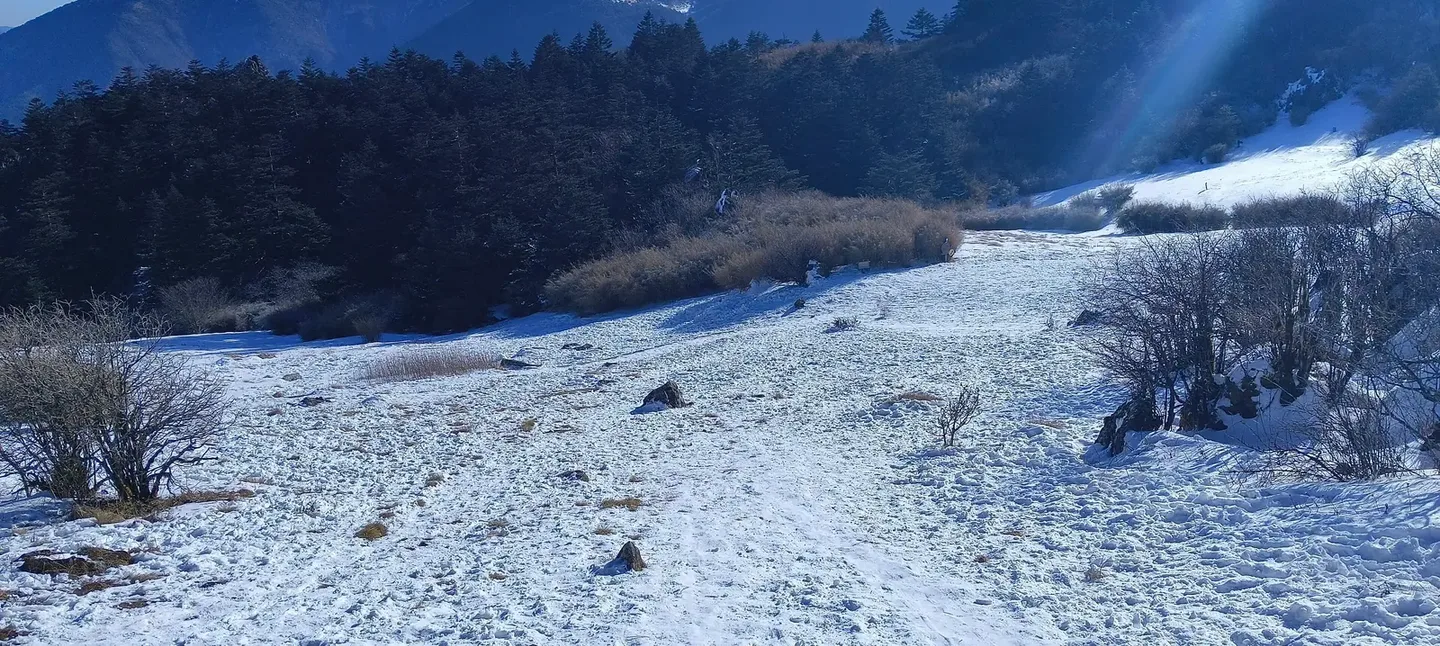
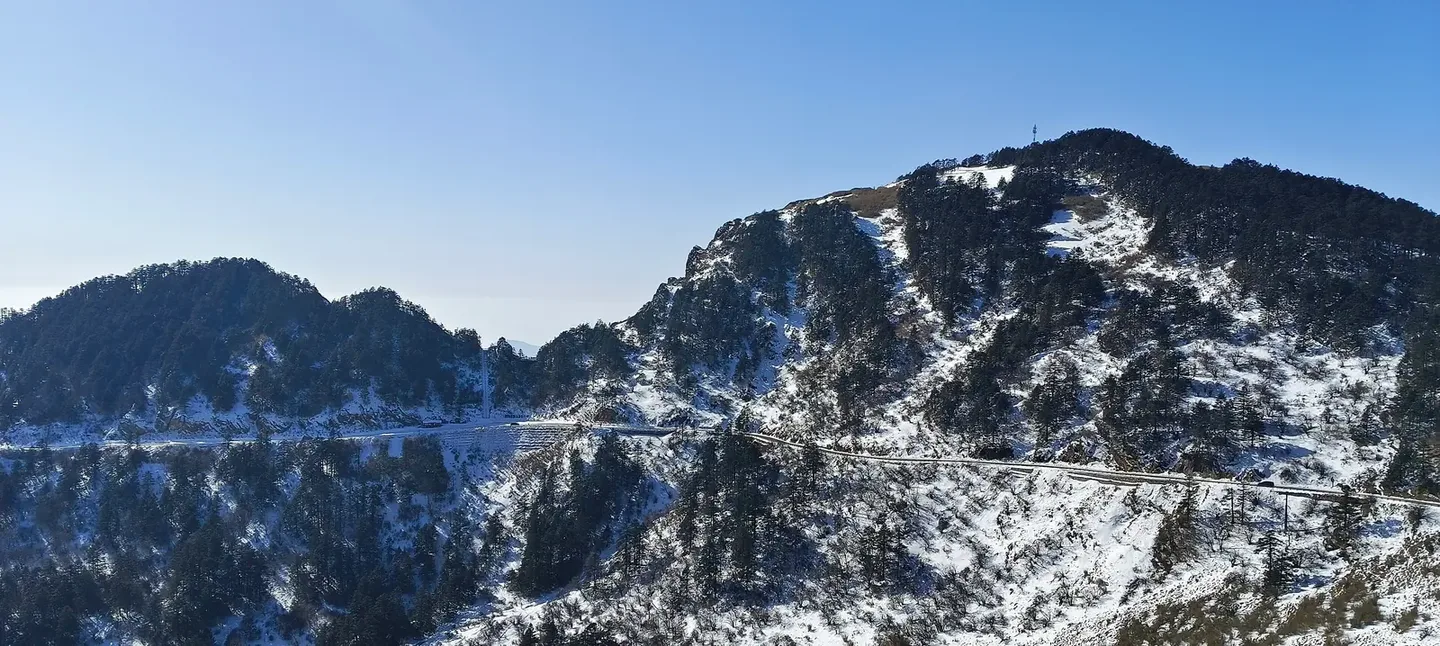
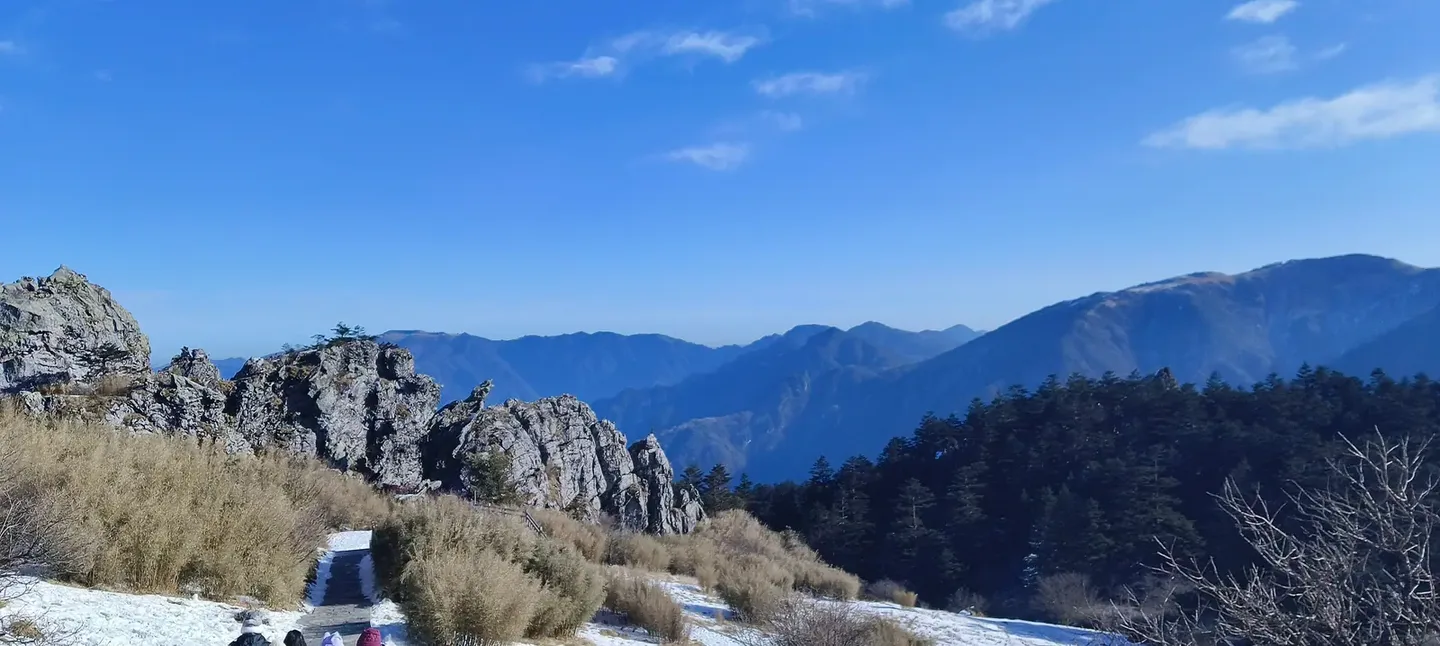
Taibai Aoshan is in Taibai County, Baoji, on the slopes of Aoshan, the second-highest peak in the Qinling range. It reaches 2,595 m at its highest, with a maximum vertical drop of 810 m and a season of about 120 days. It has 21 beginner, intermediate and advanced runs totaling 19,014 m, four high-speed lifts and seven magic carpets, and it opened fully on 26 December 2016. It is Shaanxi's only national-level ski tourism resort. Its drop and run length are among the best in the province. From Xi'an it is a two to three hour drive, so a same-day return is rushed; staying in Taibai County town or near the resort is easier. For anyone who wants two serious days on snow, this is the closest thing to a resort experience in Shaanxi.
Cuihuashan ski area is in Chang'an District, Xi'an, at about 1,200 m, with runs totaling about 800 m and averaging about 70 m wide. It is about 20 km from central Xi'an and suits a half day or a day, with mostly beginner and intermediate terrain; published instructor rates run from CNY 150 to 320. Zhaojin International Ski Resort lies toward Tongchuan, which is more convenient for people travelling in northern Xi'an.
The test is simple. If you will trade an extra two hours of driving for more runs, go to Taibai Aoshan. If you just want a few hours out of the city, choose Cuihuashan. For families with children on a same-day return, Cuihuashan is steadier, and you can leave whenever the child tires.
Is Shennongjia worth a dedicated trip?
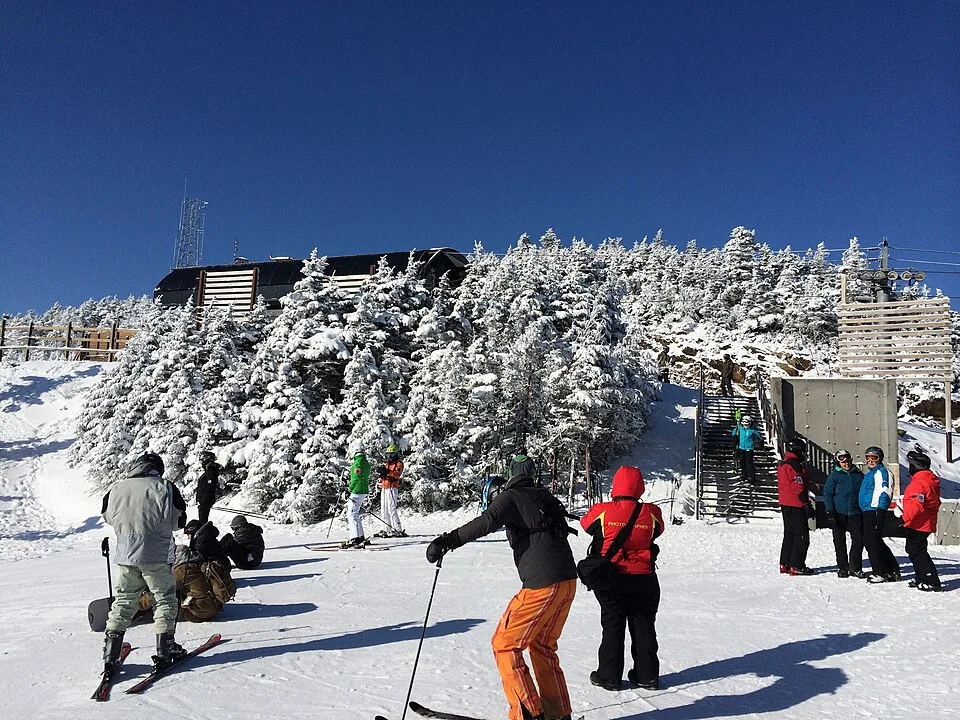
Shennongjia International Ski Resort is in Niuchangping, Hongpingzhen, in the Shennongjia forestry district, at 2,120 to 2,380 m, and it is one of the larger ski areas in central China. It has 13 runs totaling more than 7,000 m and 300,000 sq m of skiable area, with a maximum vertical drop of 210 m, mostly beginner and intermediate but with harder runs as well. The 2024-2025 season opened on 8 December and the season generally runs to late February.
Its central problem is distance. From Wuhan the road takes the better part of a day, and mountain conditions with possible ice in winter often make it longer than a navigation app suggests. A same-day return is not realistic: allow at least two days, one to travel and one to ski, then a morning to head back on the third.
When it is worth it: if you have three or four days and want the largest ski area in central China, plus a look at Shennongjia's winter forest. When it is not: if you only have a weekend and are travelling with young children, the time on the road will exceed the time on snow.
Hubei also has ski areas toward Jiugongshan and Yingshan. They are lower and smaller but closer to Wuhan, suited to a light one or two day visit. A short season is the shared limitation, and January is the steadiest window.
Where should you ski around Lanzhou?
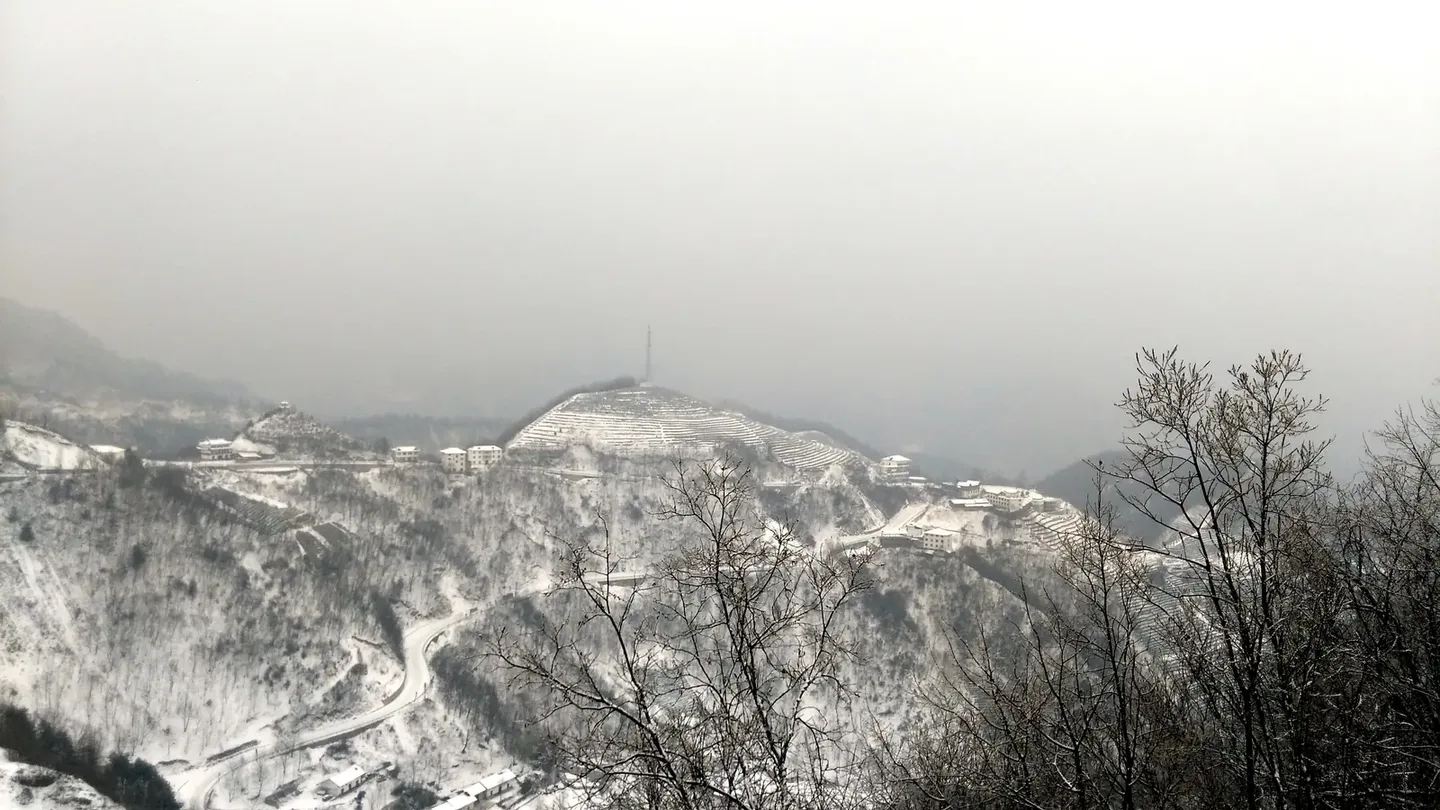
The ski areas around Lanzhou are mainly Baolongshan and Xinglongshan, both toward Yuzhong County and reachable within an hour of the city, which suits a half day or a day. The sites are small, terrain is mostly beginner and intermediate, and they work for a taste of skiing or basic practice. Published run counts and drops for both are thin, so this guide does not speculate; confirm the season's runs and prices with the ski area directly before departure.
Songmingyan International Ski Resort is in Hezheng County, Linxia Prefecture, more than two hours from Lanzhou, but its facilities and run count are better than the city's outskirts. If you already plan to travel toward Gannan or Linxia, folding it into the trip works well; making a special journey just for skiing is less good value.
Gansu ski areas share a short season and weather-dependent conditions, usually from mid-December to early or mid-February. Temperatures rise from late February and the snow softens, so call ahead to confirm the area is open normally that day. Winter days in Gansu swing widely in temperature: it does not feel cold in the sun, but it cools fast after sunset, so pack for the coldest part of the day.
How does skiing in central and western China differ from the Northeast?
The three differences are plain.
Snow quality and season length differ most. The Northeast's season often runs from late November to early March, with natural snowfall and low temperatures keeping the surface steadier. The Qinling range and the middle Yangtze generally have seasons one to two months shorter, a higher share of machine-made snow, and more variation late in the season.
Scale is the second difference. Taibai Aoshan and Shennongjia are large by central and western standards, but their run counts and drops still trail northern resorts such as Beidahu and Wanlong, so anyone working on advanced technique may run out of terrain after two days.
The third difference is how you get there. Ski areas in this belt sit in the mountains, public transport runs infrequently and most people drive or hire a car, while winter ice on mountain roads can change your plans directly. Build flexibility into the travel time and do not cut departures and flights too fine.
For gear and slope etiquette, see the site's first-time skiing preparation guide; if you are still weighing a longer trip, the site's where to ski in China guide compares the Northeast with Xinjiang.
Pre-Departure Checklist
Confirm each of these before departure. Whether the ski area is open that day and which runs are available. Whether the pass includes gear, a helmet and lockers. Whether beginner lessons and instructors need booking. Distance and transport from your lodging to the ski hall. Icy sections on your driving route and a backup route. The day's weather and any road access notices.
The same three safety points apply. Wear a helmet, and rent hip and knee pads while you are learning. Only ski runs that match your level. Confirm before departure that your insurance covers ski-related rescue and medical care. If children or older parents are with you, keep each outdoor session short and break indoors to warm up.
Data sources and review notes
The elevations, run counts, drops, season lengths and instructor rates quoted above are compiled from public material on national-level ski tourism resorts, information from local culture, tourism and sports authorities, and public ticketing pages. The review date is 21 September 2026. Taibai Aoshan and Shennongjia appear with different run counts in different years, including 17, 21, 23 and 28, and this guide uses the most complete published version; the authoritative reference is the trail map the resort publishes for the season. Opening dates, open runs, pass prices and discounts for the 2026-2027 season are subject to each ski area's latest official announcement.
Practice close to home, then go north to improve
The value of ski areas in Shaanxi, Hubei and Gansu is that people in central and western China can get on snow without a long flight. Taibai Aoshan suits a two-day trip from Xi'an, Shennongjia suits three days from Wuhan, and Lanzhou's outskirts suit half a day. None of them can carry the expectation of a week of hard skiing, but all of them can carry learning the basic movements.
What decides the experience is expectation and preparation. Treat these as practice grounds and the reward is real: after two days you can control your speed, turn and stop. Treat them as substitutes for the big northern resorts and you will probably be disappointed. To plan a winter trip toward Gansu and Qinghai next, you can look at eight-day Gansu and Qinghai itinerary or Gansu destination page. To build a ski trip around your group size, days and level, reach us through Contact Us to talk with a 0765trip travel advisor. One last word on snow conditions: ski areas in the Qinling range and the middle Yangtze are unusually sensitive to temperature, and a run of mild days can close runs at short notice. Calling the ski area the day before is more useful than reading a week-old guide. Families with children can save themselves a rescheduled trip by making that call before booking. For 2026-2027 opening dates, pass prices and operating ranges, please refer to each ski area's latest official announcement.