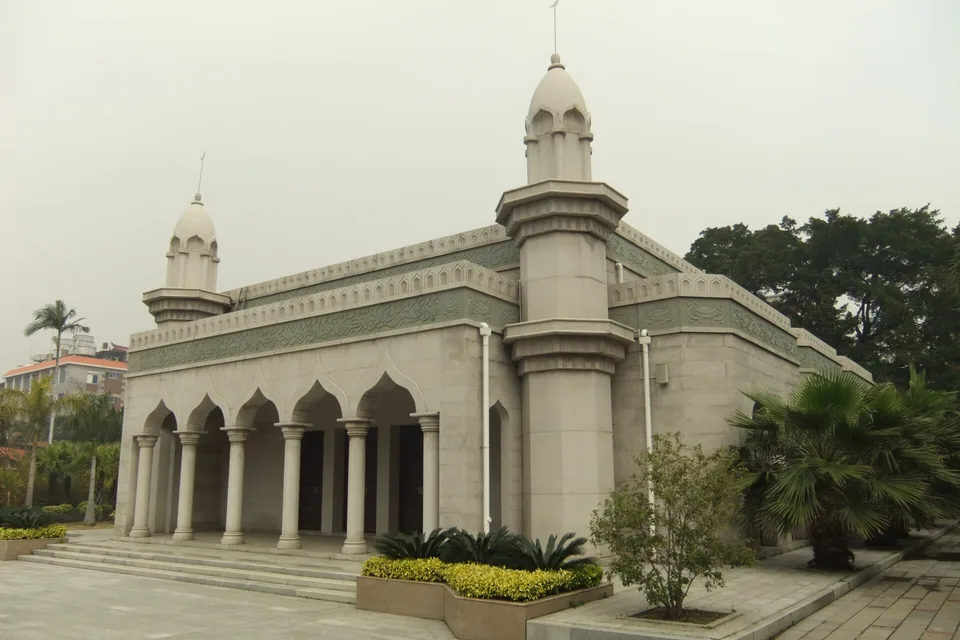
Planning a Spring Festival trip to Quanzhou for Xunpu's zanhua flower-headdress styling, Kaiyuan Temple, West Street and the Maritime Silk Road relics? The short answer: three to four days is a comfortable pace, and from the first to the fifth day of the first lunar month is the window when the Minnan New Year atmosphere is at its strongest. This guide lays out a route built around three blocks - the old-town core, the Maritime Silk Road and Xunpu - and explains booking, styling prices, tide-timed photos and Spring Festival opening hours.
This guide answers a single question: when visiting Quanzhou over Spring Festival for 'flower headdresses + Minnan New Year flavour + Maritime Silk Road relics', how do you arrange the days so it never becomes 'adding sights just for the sake of a photo'? It suits travellers who want a well-preserved Fujian old city that the holiday crowds have not completely flooded, and it does not suit the high-speed in-and-out style that treats Quanzhou only as a stopover between Fuzhou and Xiamen.
Here are three conclusions up front. First, Spring Festival is one of Quanzhou's most 'flavourful' times of year - the incense at the Guandi Temple on New Year's Eve, prayers at Kaiyuan Temple, firecrackers in the streets, and the Xunpu women with coiled hair and flower headdresses passing the lane entrances - this atmosphere is not something a guide invents; the point is to catch that exact time window. Second, three to four days is a comfortable rhythm: one day for the old-town core (Kaiyuan Temple + West Street + the Guandi Temple + the Confucius Temple), one day for the Maritime Silk Road (the Museum of Overseas Communications History + Deji Gate + the Laojun Rock statue), one day for Xunpu village's zanhua styling plus Luoyang Bridge, and one flex day in reserve (tide-timed photos, or going back to the old city to fill in anything missed). Third, the 'full Xunpu zanhua process' runs from washing your hair to coiling it up, pinning in the flowers and changing into the outfit, so allowat least 2-3 hours(queues can be longer in peak season), and also keep an eye on the day's tide (the Xunpu women's 'zanhua wei' look is at its most beautiful by the sea).
The old-town core: Kaiyuan Temple, West Street, the Guandi Temple and the Confucius Temple
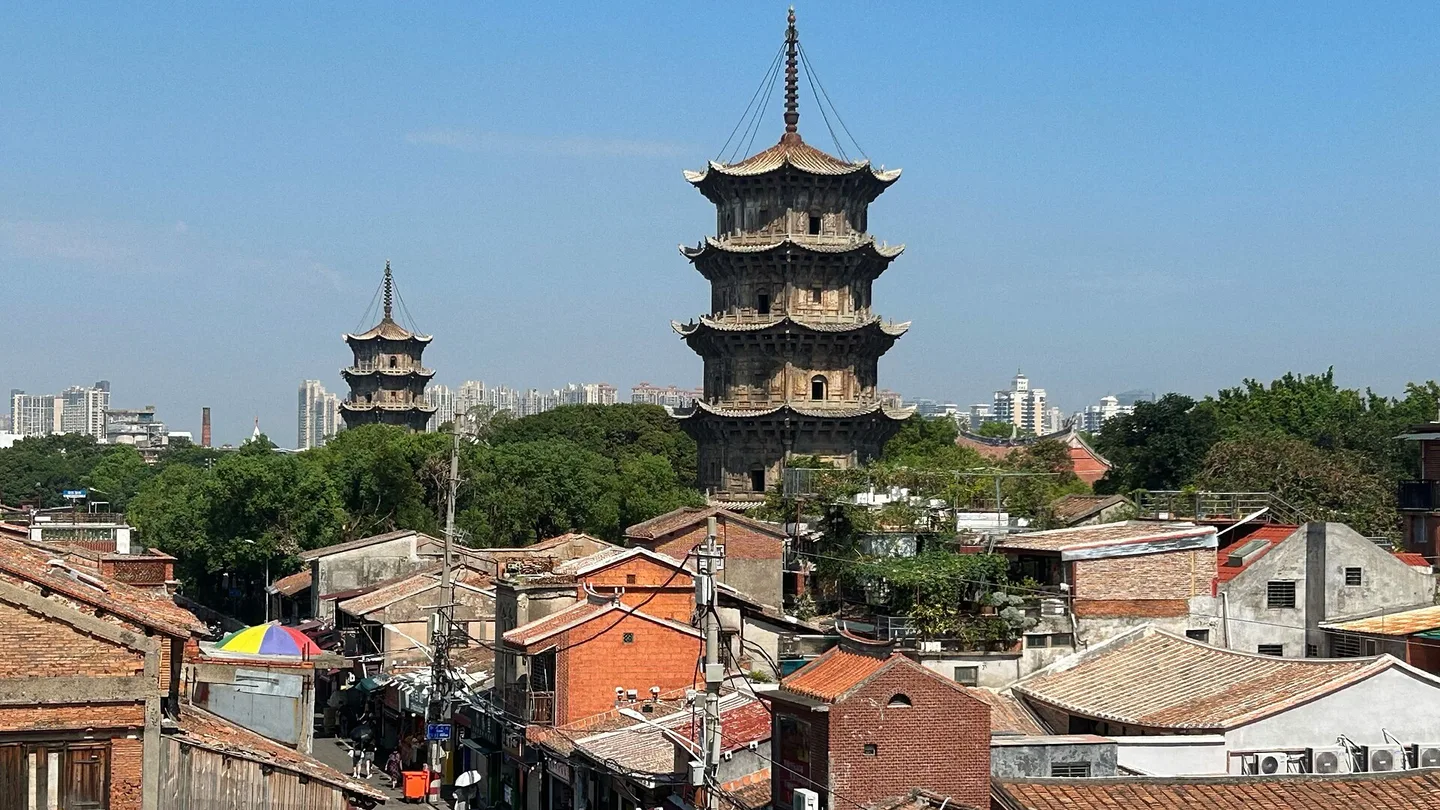
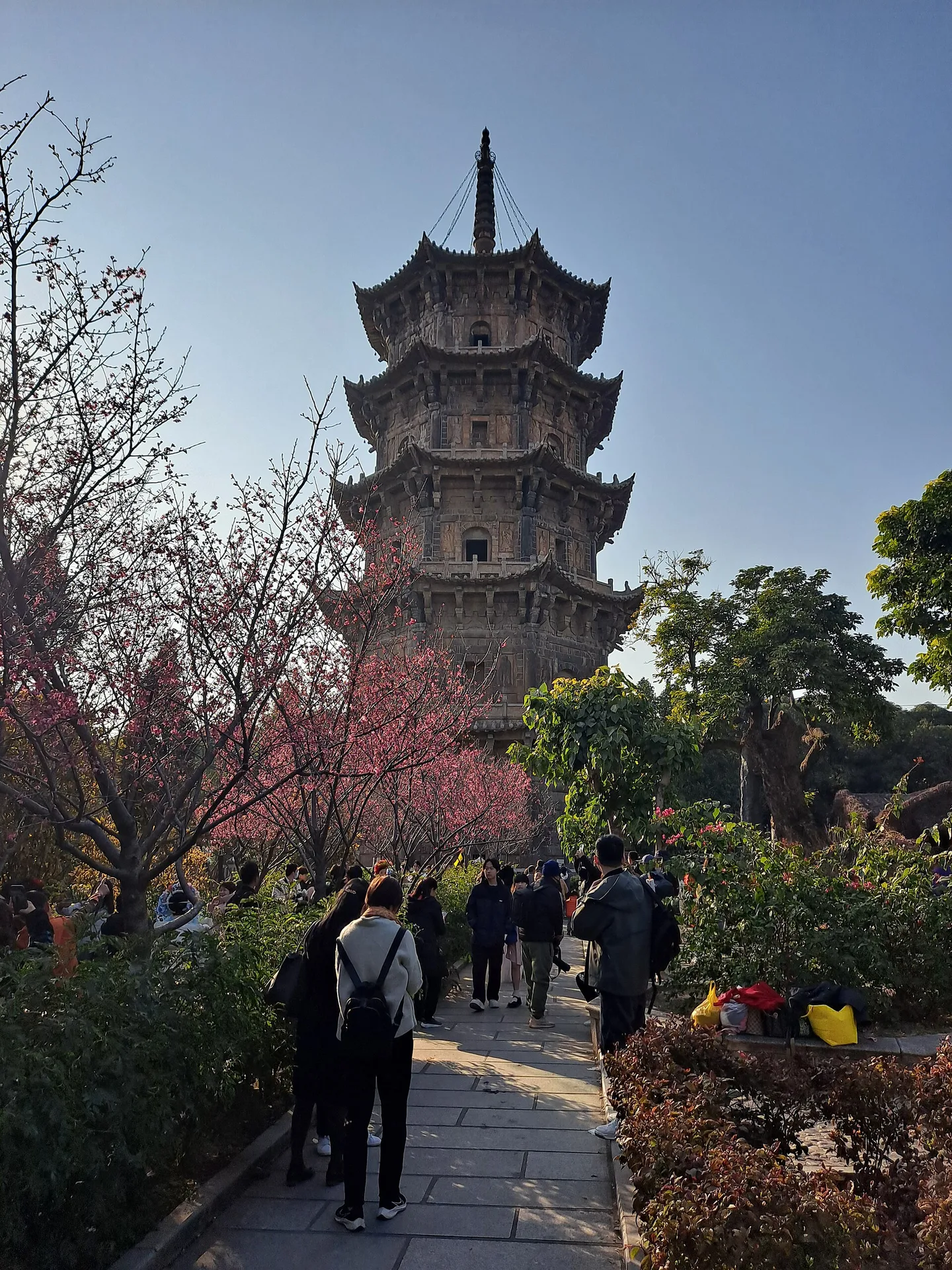
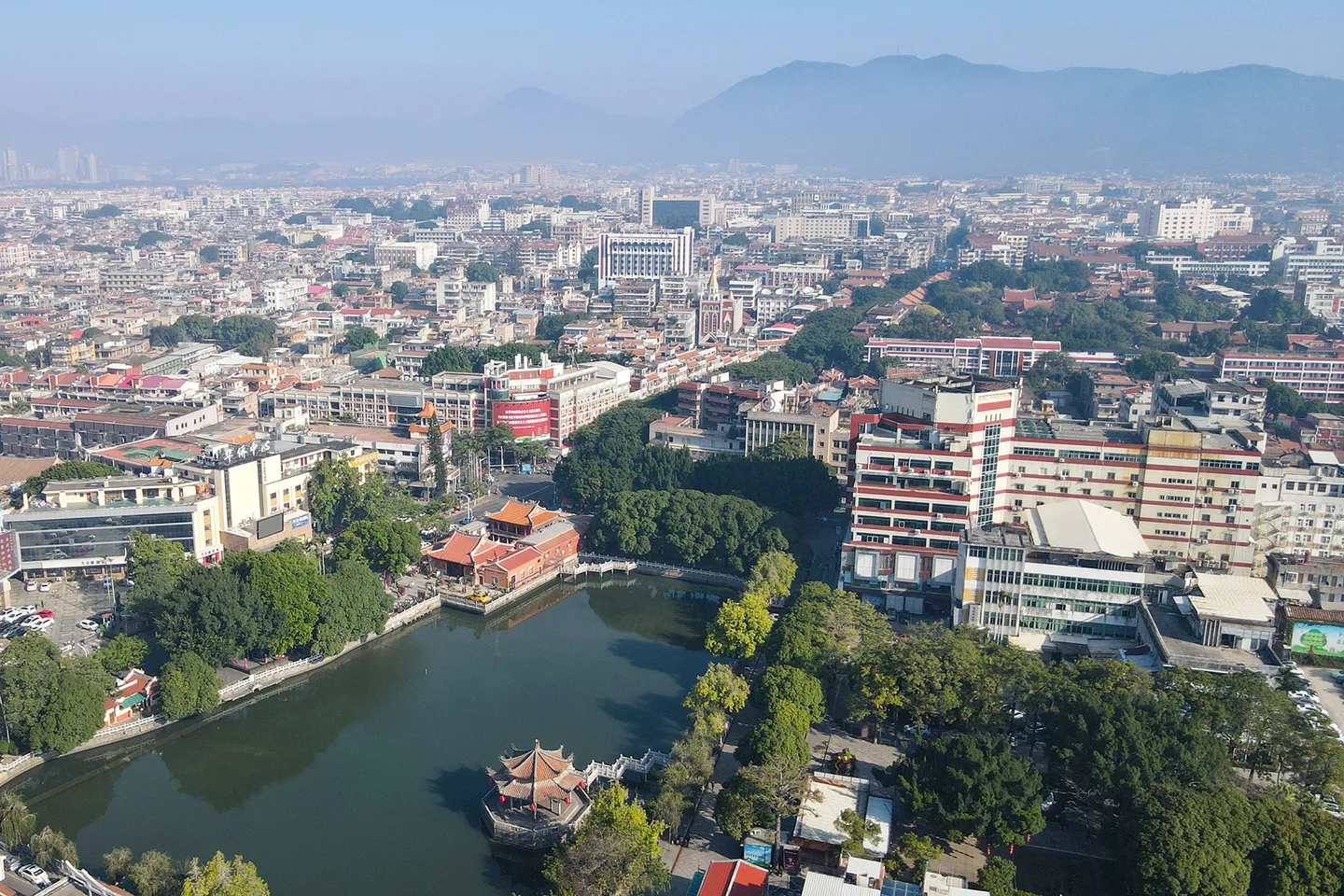
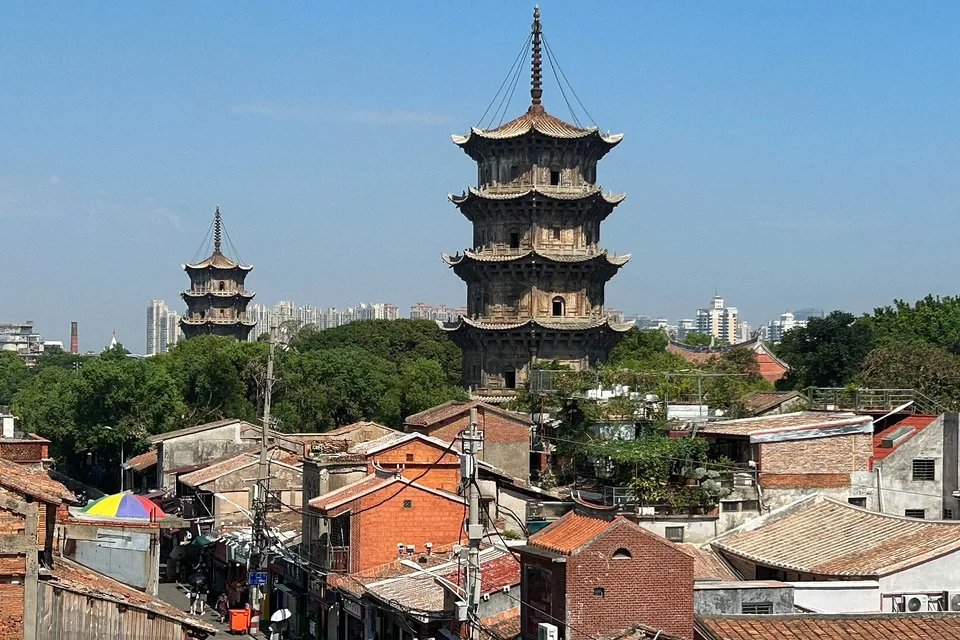
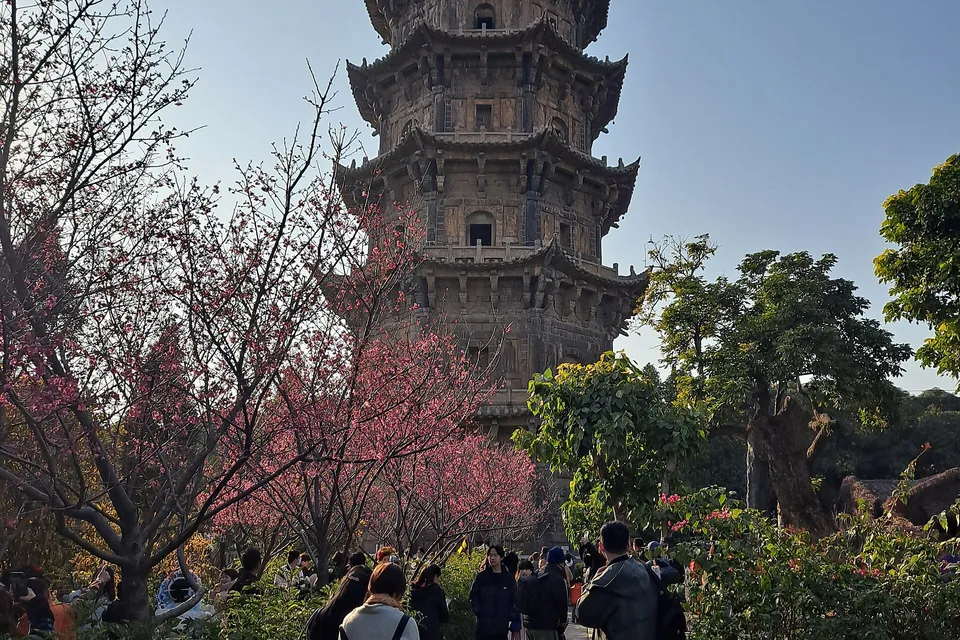
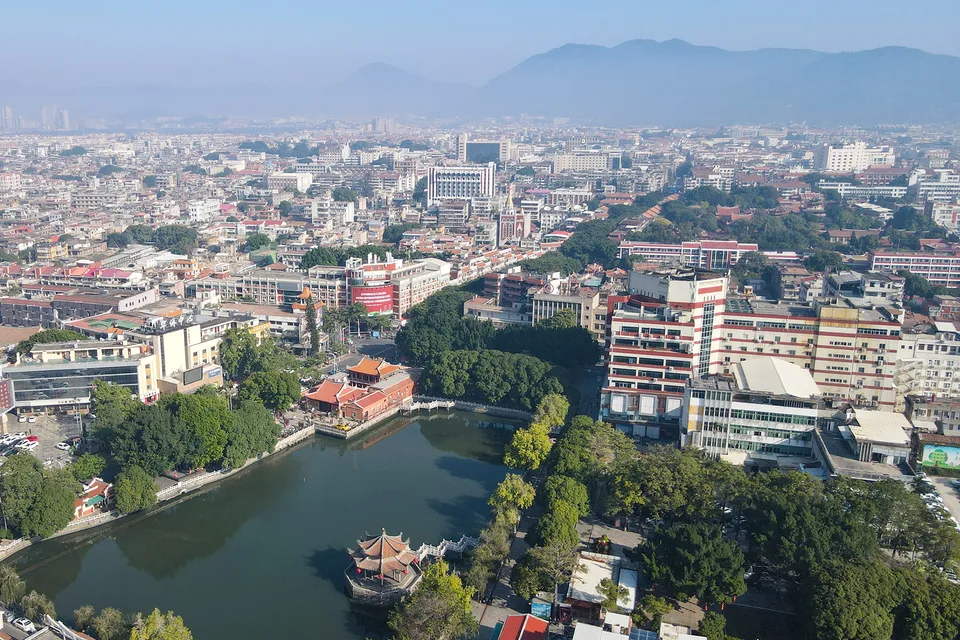
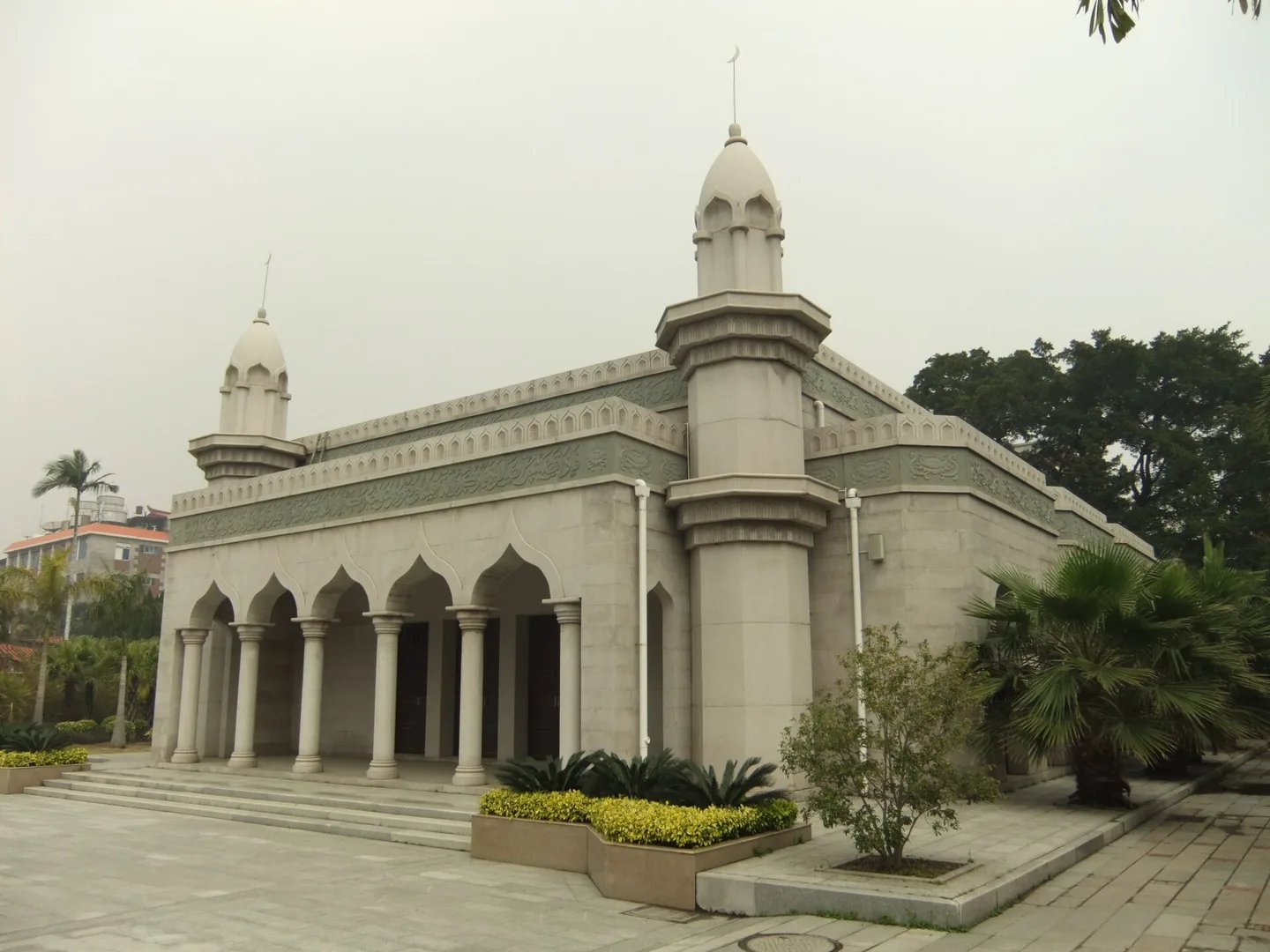
Quanzhou's old city is China's 56th World Heritage site - 'Quanzhou: Emporium of the World in Song-Yuan China'. It earned the World Heritage listing not for any single temple but for the whole structure of 22 heritage sites. For a concentrated Spring Festival visit there are two modes:look at the architecture by day,and watch the festive lights and fireworks by night.Start the day at Kaiyuan Temple (founded in the Tang dynasty; the East and West Pagodas are Quanzhou's landmarks), walk through West Street to the Clock Tower, then loop round to the Confucius Temple; in the early evening head to the Guandi Temple on Tumen Street (it has a 'scramble for the first incense' tradition on New Year's Eve, and the crowds in the small hours of the first day of the New Year are heavy, so safety comes first), then enjoy the night views around the Confucius Temple / Tianhou Palace / Deji Gate.
Old buildings and arcade-lined streets on Quanzhou's West Street (images/quanzhou-spring-festival-guide/g31-west-street.jpg)
West Street also packs in street food - Yafo spring rolls, Aunt Hou's zongzi, pickled radish, thin-noodle soup and beef soup are all everyday local tastes at friendly prices. During Spring Festival some long-standing shops close for a few days' New Year break, so it is safer to check opening hours on Dianping or Xiaohongshu before you go.
The Maritime Silk Road: one city's 'global history'
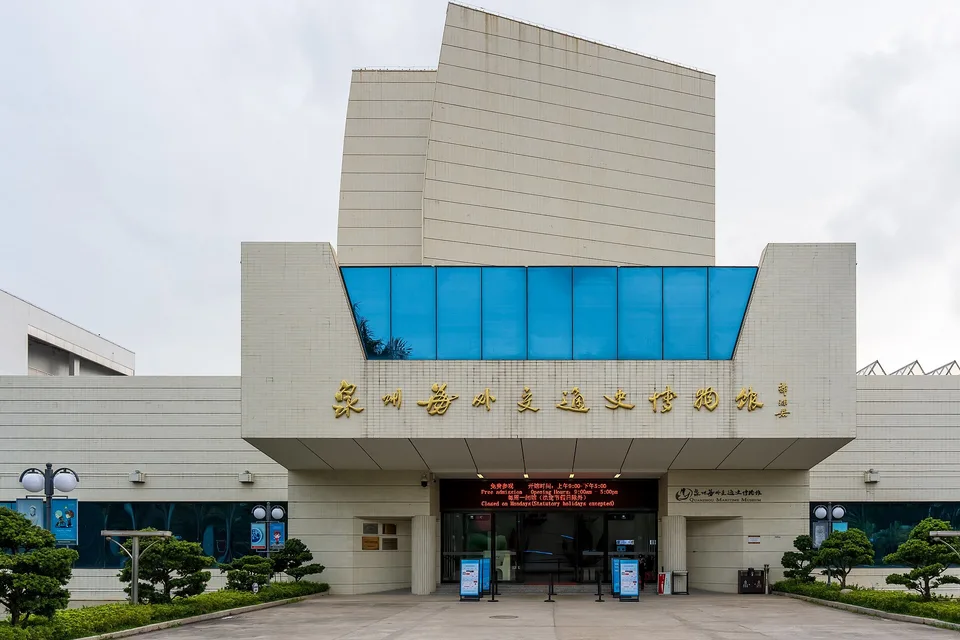
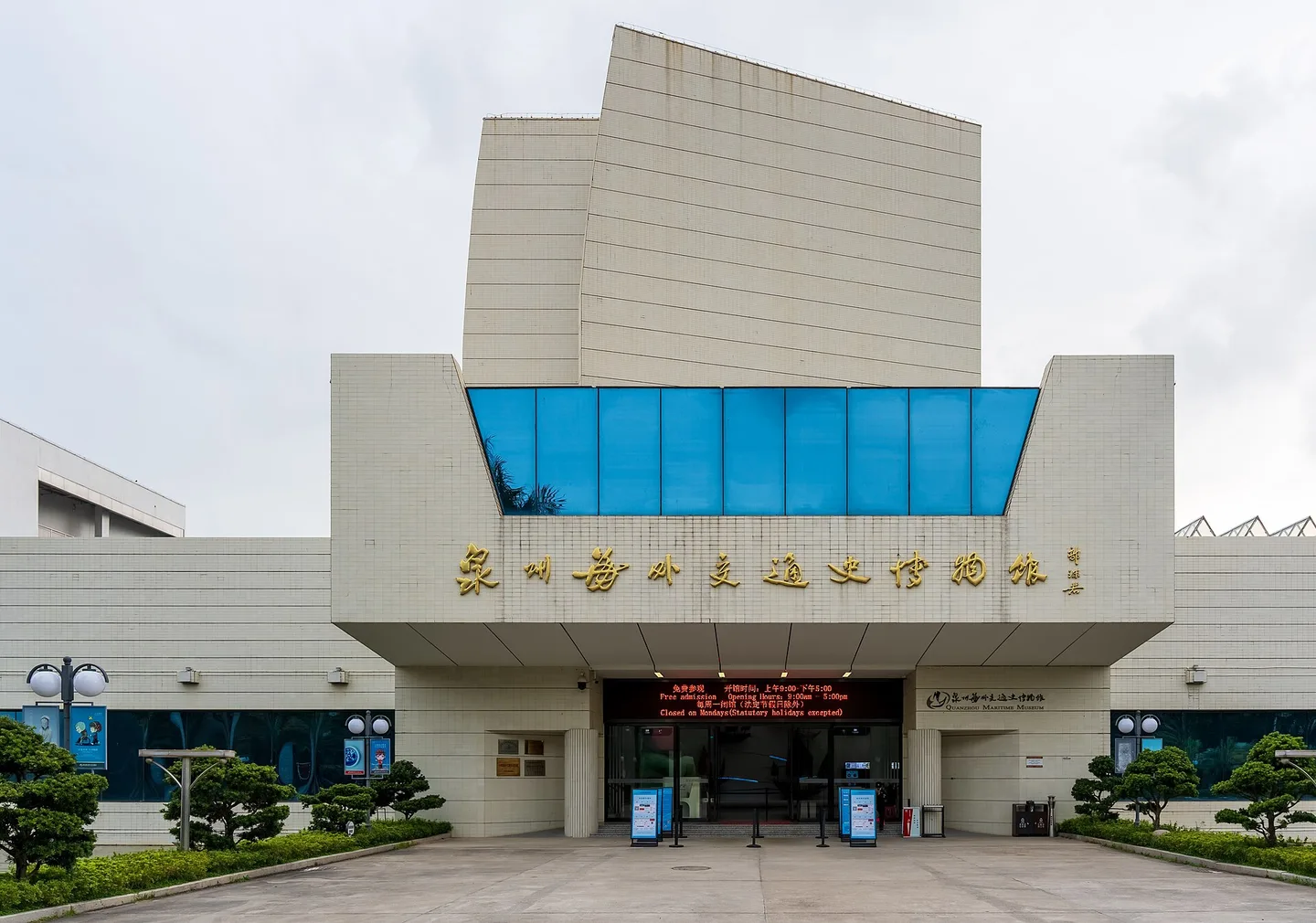
The core evidence of the 'Maritime Silk Road' in Quanzhou is scattered across three places: the Museum of Overseas Communications History (Hai Jiao Guan), the Deji Gate ruins, and the Laojun Rock statue (Song dynasty). Hai Jiao Guan is one of China's most specialised maritime-history museums; its permanent exhibition follows the shipping routes, ships, religions and trade of Quanzhou Port across different periods, and the Song-dynasty seagoing-junk replica and the multi-religion stone carvings - visible even to children - are highlights (traffic is heavy over Spring Festival, so book ahead on the official WeChat account).
Hai Jiao Guan sits beside East Lake Park, about a 10-minute taxi ride from the city centre, and the exhibition plus the grounds take about 1.5-2 hours. The Laojun Rock statue is at the foot of Qingyuan Mountain - a huge open-air Song-dynasty stone statue of Laozi that can be seen in about 30 minutes; relatively few visitors climb Qingyuan Mountain over Spring Festival, making it a good way to escape the old-city crowds.
How long does the Xunpu flower-hairpin experience take, and how should you shoot it?
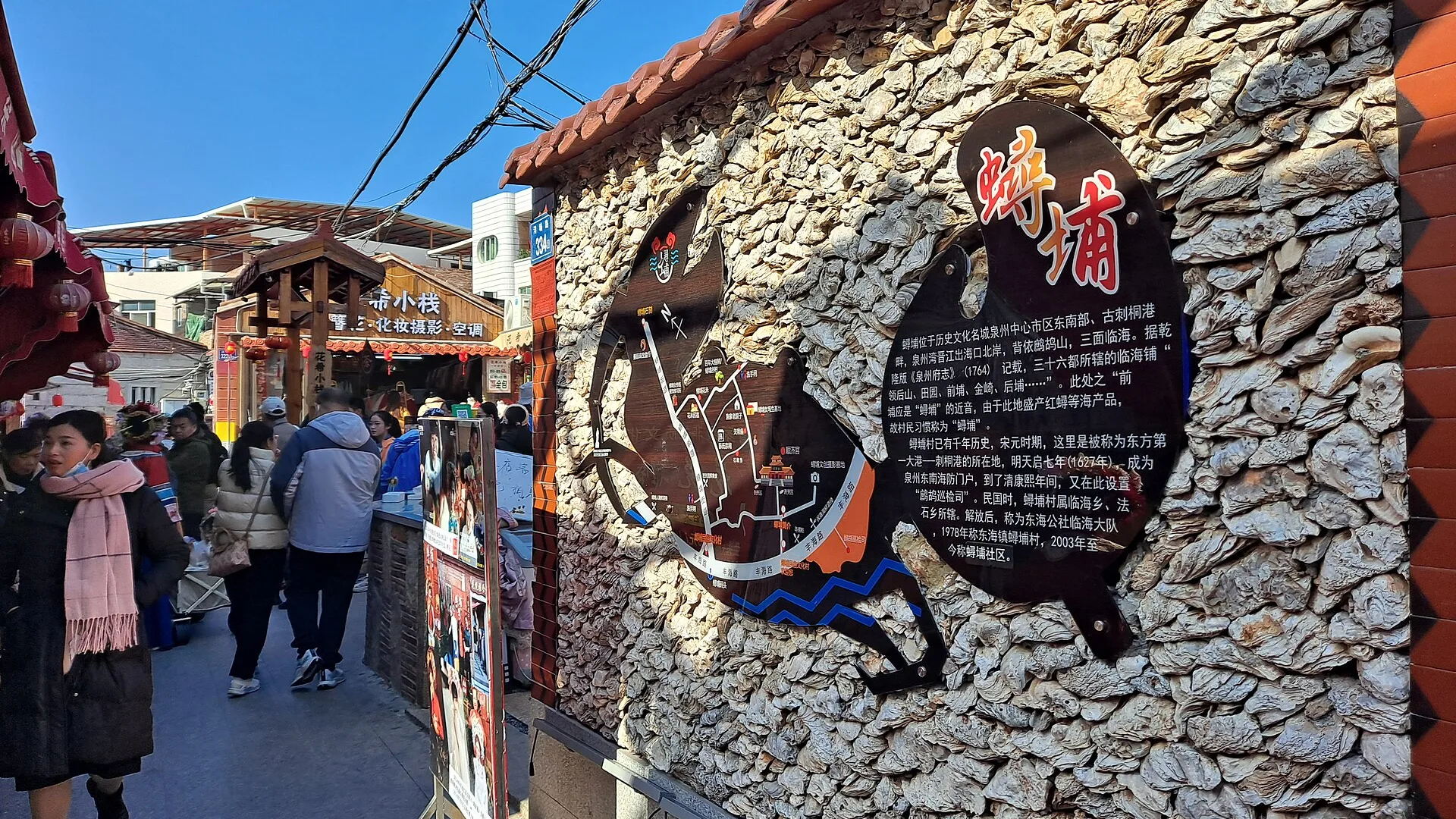
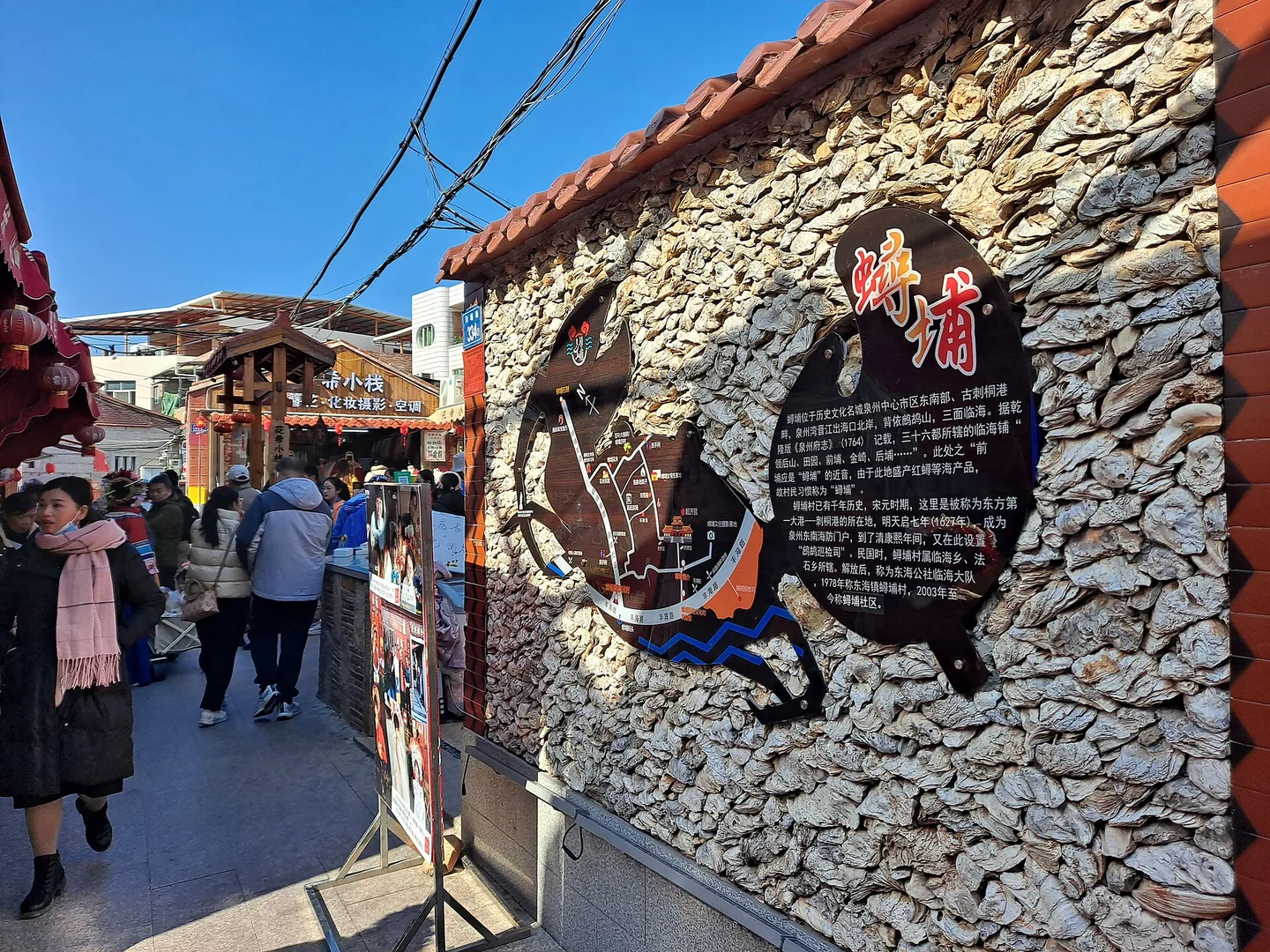
Xunpu is a fishing village in Quanzhou's Fengze District, about a 20-minute drive from the old city and set by the sea. Over the past couple of years the 'zanhua wei' look has exploded on social media, and in the Spring Festival peak season styling-shop queues can start at an hour. The 'zanhua wei' is the Xunpu women's traditional coiled hairstyle: fresh flowers and hairpins woven into a 'garden', worn with the dajushan jacket and wide-leg trousers. The experience runs like this:
Pick one of the many zanhua shops in Xunpu village or at the village entrance (check recent reviews before you goto avoid shops that suddenly raise prices);
Choose your flowers and outfit (basic / bright colours / customised);
Makeup + hair coiling + pinning in the flowers (about 45-60 minutes, depending on the complexity of the hairstyle);
Head out to shoot: the oyster-shell house lanes by the sea are the classic spots,beautiful at high tide and still photographable at low tide;
Return the flowers and clothes in the afternoon, with return times per each shop's notice (mostly before dusk on the day itself).
Prices are packaged as 'flowers + outfit + makeup', with the basic style starting at a few hundred yuan and the 'celebrity styles' costing more, and during theSpring Festival peak do not haggle on the spot - agree on a package in advance. For the photos, go with friends - the dajushan outfit matches the red-brick Minnan houses, lanes, oyster-shell walls, fishing boats and nets beautifully; avoid the harsh midday light, andfront-lit morning or afternoon light is best。
Luoyang Bridge: the 'engineering heritage' of a Song-dynasty seaport
Luoyang Bridge is one of the oldest surviving cross-sea stone bridges in China, built in the Northern Song dynasty under the direction of Cai Xiang, then prefect of Quanzhou, and a key milestone in China's bridge-building history (girder bridge with raft-type foundations). The site is free to enter and not crowded over Spring Festival, making it a lovely place to see the sea, the bridge and the Minnan sea breeze. Walking to the middle of the bridge you can see the stone pagodas, the oyster shells on the pier bases (used in ancient times to strengthen the foundations) and the stelae in the central pavilion. After the bridge, the nearby Cai Xiang Memorial Hall takes about an hour in total.
The Guandi Temple and the 'New Year's Eve first-incense rush'
The Guandi Temple on Tumen Street is one of the most fervently visited temples in Quanzhou, and every New Year's Eve the 'first-incense rush' is one of the city's biggest Spring Festival events - worshippers surge into the temple around the turn of the year to offer the first incense of the new year.If you want to take part, simply soaking up the atmosphere is enough; a safety note:the area around the incense burner is crowded, so do not squeeze in with very young children, and follow the police crowd-control measures and the no-smoking, no-open-flame requirements. During the daytime of the holiday, offering incense follows the normal rhythm, and even if you skip New Year's Eve you can still witness the Minnan people's devout worship.
Food and the Spring Festival table
Minnan cuisine is very 'down to earth' at Spring Festival: oyster omelettes, ginger duck, five-spice rolls, fried wuxiang, sandworm jelly, thin-noodle soup, seafood noodles with gravy, beef soup, braised noodles and radish cakes. Street snacks are dense, butsome shops close for their New Year break, so ask your hotel or a local before travelling. Over Spring Festival every Quanzhou household prepares 'New Year cakes' (red turtle cakes, radish cakes and fa gao), and the festive good omens all live in these rice foods.
Which shops close over Spring Festival in Quanzhou?
The overall picture for Quanzhou over Spring Festival is 'most scenic areas open, some restaurants closed'. Here are the key channels for checking what opens and closes:
Kaiyuan Temple, the Guandi Temple and the Confucius Temple: the scenic areas' official WeChat account 'Quanzhou Tong' or each temple's own announcements;
Museum of Overseas Communications History and the Museum of Fujian-Taiwan Kinship: book / check opening on the museums' official WeChat accounts;
Xunpu zanhua shops and Luoyang Bridge: free sights; the coast gets crowded with festival visitors, so mind your belongings;
From Quanzhou (high-speed rail) Station / Jinjiang Airport to the old city: 25-40 minutes by taxi or ride-hailing.
The above can change from year to year, andthis article was compiled in September 2026 for the 2026-2027 Spring Festival window; before you travel, always defer to the latest official announcements.。
Who is this route not suitable for?
Some families may want to reconsider Quanzhou for Spring Festival: families that cannot eat seafood at all (seafood makes up a large share of Minnan dishes); families with very young children who cannot tolerate long queues at the festival peak (Xunpu has long queues in high season and the Guandi Temple is crowded); and anyone who mainly wants a 'beach resort holiday' over the holiday - Quanzhou's sea is not a Sanya-style resort sea; it is 'fishing villages and stone bridges beyond the old city' and suits a culture-oriented trip better.
Wrapping up
To condense a Quanzhou Spring Festival into four lines: give the old-town core one day (Kaiyuan Temple + West Street + the Guandi Temple), the Maritime Silk Road one day (Hai Jiao Guan + the Laojun Rock statue), Xunpu's zanhua styling half a day to a day, and Luoyang Bridge half a day as a 'passing stop on the way back'; allow at least 2-3 hours for the makeup and flower styling and watch the day's tide; most scenic areas open over Spring Festival while some restaurants close; and most importantly - catch the Minnan festive window from the first to the fifth day of the first lunar month.
If you'd like to refine your group size, children's ages or the balance between photos/sightseeing/sea time, submit "days + headcount + must-see priorities" via our contact page to a 0765trip travel advisor, who will build an executable Quanzhou Spring Festival route around the season's schedule. This ancient city of "half city smoke and fire, half city immortals" deserves two slow days. Remember the rhythm too: don't squeeze the flower-hairpin half day between long transfers; book the Maritime Museum in advance; and take the New Year's Eve rush for the first incense at Guandi Temple at your own pace. Lock in the two or three things you most want to see and leave the rest blank — Quanzhou's new-year flavour lasts longer than any densely packed checklist. The day before departure, recheck each sight's opening hours and restaurant schedules, leave the uncertainty to the on-site notices and keep your mood for the old town.