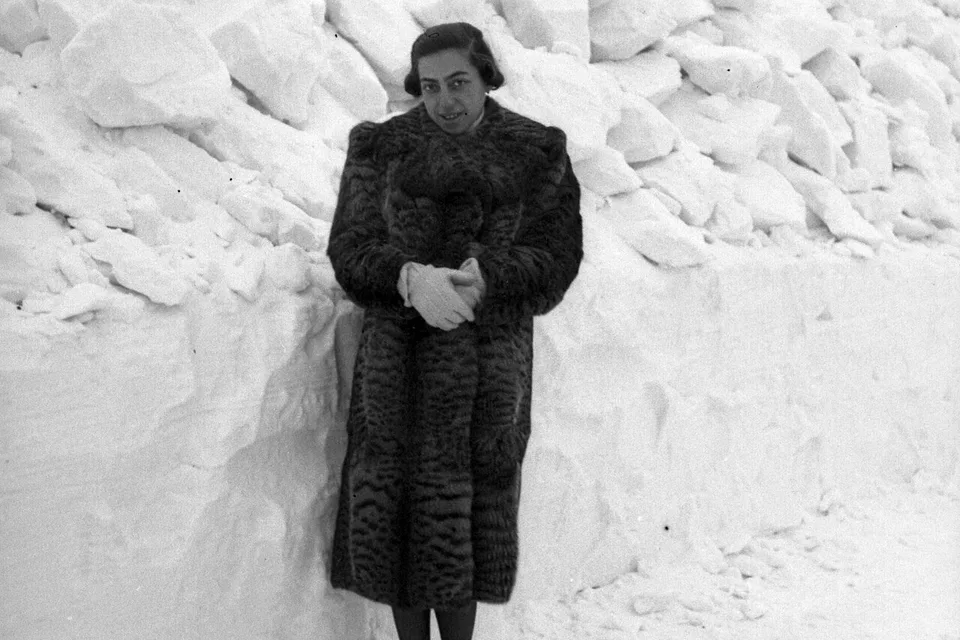
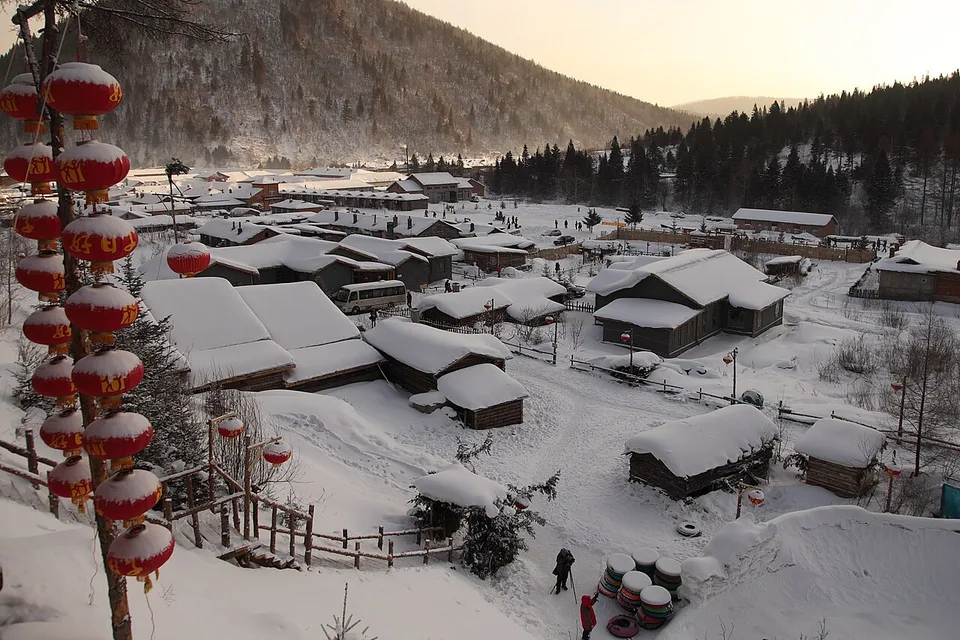
From December through February, Northeast China brings low temperatures, snow that lingers for months and slippery, icy surfaces. This article turns the essentials - three-layer dressing, anti-slip footwear, keeping your head, face and hands warm, heat packs and power banks, frostbite prevention and warming up indoors - into a clothing and anti-slip checklist you can follow before you leave.
What's most underestimated about a Northeast winter (December to February) is never the single word "cold", but the combination of "cold + slippery": daytime temperatures often sit at minus ten to minus twenty-plus, dropping lower at night, snow can lie for months, and city pavements and scenic paths freeze and thaw again and again into ice. Dress wrong and you'll both freeze to a standstill and fall. This article answers one question — for snow-viewing and Spring Festival in the Northeast from December to February, what exactly should you wear and how do you keep your footing? Conclusions first: layer in three — "moisture-wicking base + fleece mid-layer + windproof waterproof shell" — which is more flexible and warmer than one thick padded coat; on your feet choose waterproof snow boots with deep non-slip soles that take thick socks; hands, ears, nose and feet are the frostbite hotspots, so a hat, neck warmer, gloves and mask are all non-negotiable; add hand warmers, a power bank worn close to the body, and a "don't hug the radiator the moment you come indoors" warming rhythm. This article was compiled in September 2026 for the 2026–2027 winter (school break and Spring Festival): exact temperatures, scenic-area openings and transport schedules defer to the latest official announcements. Below we go inside-out and top-to-bottom: how to wear the three layers, how to choose snow boots, how to protect head, face and hands, how to use hand warmers, and finally frostbite prevention and a warming rhythm.
Three-Layer Dressing: More Reliable Than One Thick Coat
Indoor-outdoor temperature swings in the Northeast are extreme - a heated room can sit near twenty degrees while outside may be minus twenty. One heavy cotton coat is warm outdoors but stifling the moment you step in, and taking it off leaves you cold. Layering solves exactly that contradiction:
Moisture-wicking base layer: don't use plain cotton long underwear as your base - once you sweat, the waterlogged cotton makes you colder. Choose quick-dry fabric or a material such as merino wool that 'stays warm even when wet' to carry the sweat away.
Insulating mid layer: a fleece or a light down jacket that traps your body heat; adjust the thickness to the day's low temperature and how long you will be outdoors.
Windproof, waterproof outer layer: a hardshell or ski jacket that blocks wind, snow and splashes. Make sure the cuffs and hem can be tightened, or snow and wind will find their way in.
The payoff of layering is that you can 'peel one layer off indoors and add one back on to go out', so it is easy to adjust as you move between the car, scenic areas and restaurants through the day.
How to choose snow boots? Waterproofing and grip are the baseline
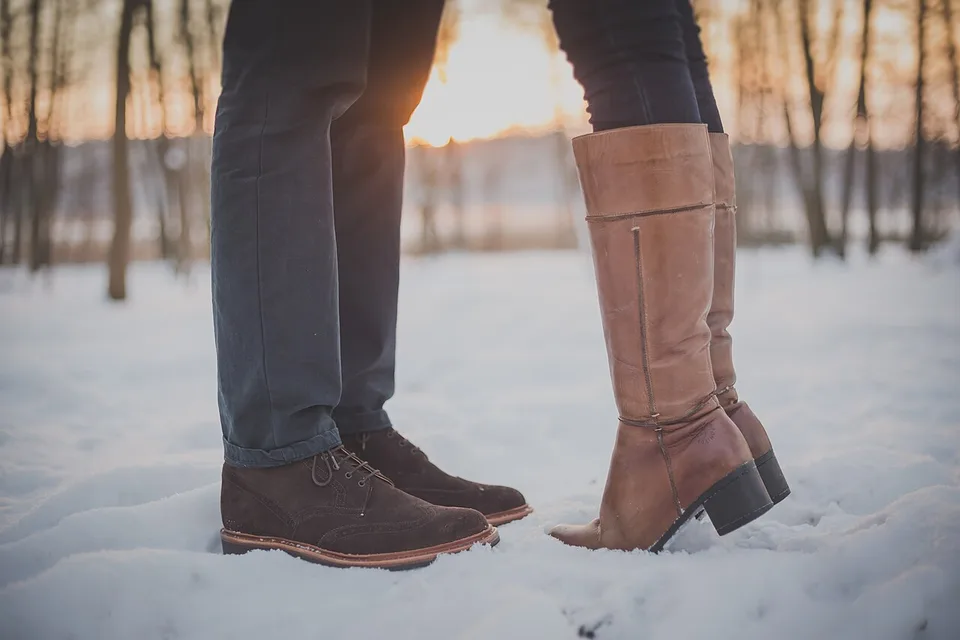
Feet lose heat the fastest, and falls usually come down to your shoes. A snow boot needs three things: it must bewaterproof(snow that gets in drains the warmth away fast),have deep treads(for grip on ice and packed snow), andhave room for thick wool socks, plus a high collar that protects the ankle. Flat shoes and light-tread sneakers are basically 'slip machines' in a Northeastern winter - don't wear them.
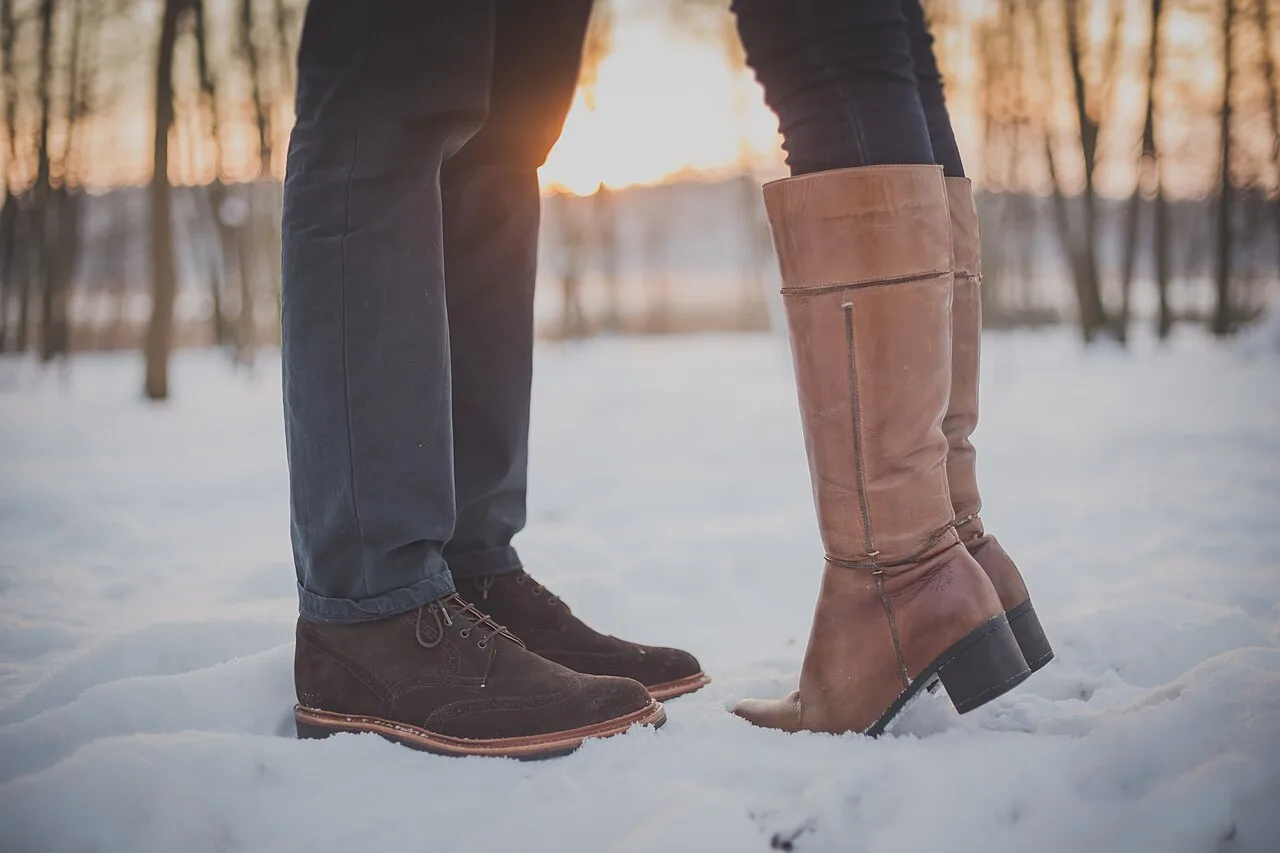
: on stretches with extra ice, you will often find crampons or anti-slip boot covers sold around the scenic areas - choose according to local conditions. Go half a size to a full size up from your usual fit to leave room for thick socks and circulation; feet that aren't cramped stay warm.
Head, Face and Hands: Hat, Neck Warmer, Gloves and Face Mask
A large share of body heat escapes from your head, and your ears, nose and fingers are the least cold-tolerant. A basic kit looks like this:
Hat: make sure it covers the ears - a knit beanie or a snow hat with ear flaps both work;
Neck warmer / scarf collar: safer than a scarf because it can't snag on lifts or car doors, and it can be pulled up to shield the lower half of your face;
Gloves: two layers are recommended - a thin liner for your phone and zips under thick outer gloves for warmth; don't keep going bare-handed for photos;
Face mask: protects your nose from the wind and stops cold air rushing straight down your throat;
Sunglasses or ski goggles: the glare off the snow is intense, and long hours outdoors can bring on 'snow blindness' - wear them especially on sunny days.
Heat Packs and Power Banks: They Only Work Close to Your Body
Heat packs are the 'life-savers' of a Northeastern winter, but how you use them matters:
Stick them over your clothing, never directly on the skin - in the cold they are more likely to raise blisters;
prioritise the lower back, belly, upper back and soles of the feet (tucked outside your socks) - when your extremities are warm, the whole body feels better;
don't wear too many at once, so you don't sweat and then catch a chill afterwards.
Phones drain fast in low temperatures - a few minutes of photography can kill the battery.Keep the power bank in an inner pocket against your body, where it stays warm, and tuck your phone back into an inner pocket when you're not using it too. Take it out for a burst of shots, then put it away - that saves battery and keeps you warmer than holding it all along.
How do you treat and prevent frostbite?
The early warning signs of frostbite are skin turning pale, numb or prickly - usually on the fingers, toes, ear rims and nose tip. Prevention beats treatment:
after every 1-2 hours outdoors, head inside on purpose to warm up, and check each other's ears, noses and fingers;
if something feels numb, don't rub it hard - uselukewarm water (not hot water, and never a fire or heater)to bring it back slowly;
alcohol and smoking both worsen poor circulation and heat loss in your extremities, so avoid them around your time outdoors;
if you notice obvious redness, swelling, blisters or loss of feeling, seek medical care promptly - don't tough it out.
Car-to-Room Temperature Swings and the Right Indoor Warm-Up Rhythm
A Northeast itinerary keeps swinging between 'a heated car, sub-zero outdoors and a heated room', and your body fears exactly these sudden shifts:
when you come inside, don't strip down and hug the radiator at once - shed the layers gradually and let your skin and blood vessels adjust;
a warm car makes drivers drowsy, so don't push through - on long drives stop and rest every two hours;
driving on snow is risky in itself; this article only covers clothing, so for transport and road conditions follow the local traffic authorities and live navigation information.
How does the clothing differ between December, January and February?
The same system works all season - only your 'packing quantities' change:
Mid-to-late December: the snow season is just getting going, it isn't yet at its coldest and crowds are lighter - bring the baseline amounts;
January (winter school break): the snow is deepest, it is the coldest stretch and the travel peak - pack extra socks, heat packs and spare gloves;
February (around Chinese New Year): the festive mood peaks, but so do the cold and the crowds; most lantern viewing and shopping happen in the evening, so step up head, face and hand protection a notch.
Exactly which days parks open or close, and how hotel rates and transport shift, changes every year - check the latest official announcements before you go.
A Final Word: Get These Four Things Right and That's Enough
Looking back, the core of dressing for a Northeast December–February trip isn't "buying the most expensive gear" but doing four things properly: layered dressing lets you adjust between indoors and out, and on and off the vehicle; deep-tread waterproof snow boots minimise the risk of falls and snow getting in; hat, neck warmer, gloves and mask guard the frostbite-prone parts; hand warmers and a body-worn power bank solve the cold-weather battery drain. Trying everything on a week before departure is more reassuring than buying on arrival, and avoids the common traps of "mall boots without grip and online coats without waterproofing". The real cold usually comes from unprotected extremities and an unplanned warming routine — get prepared and leave the rest to the snow scene. One last reminder: rather than scrambling for gear locally, try everything on and adjust a week early — protect the extremities, warm up in an orderly way, and the Northeast winter is nowhere near as hard as it sounds.
If you'd like the warmth, accommodation and transport of a Northeast winter arranged in one place - or you're travelling with elderly parents or children and worried about time outdoors - you're welcome to reach us via theContact Uspage, tell a 0765trip travel consultant your party size, dates and the highlights you want to see, and have a Northeastern winter re-strung around your pace. Before you set off, remember to double-check scenic-area openings and transport schedules - everything follows the latest official announcements.