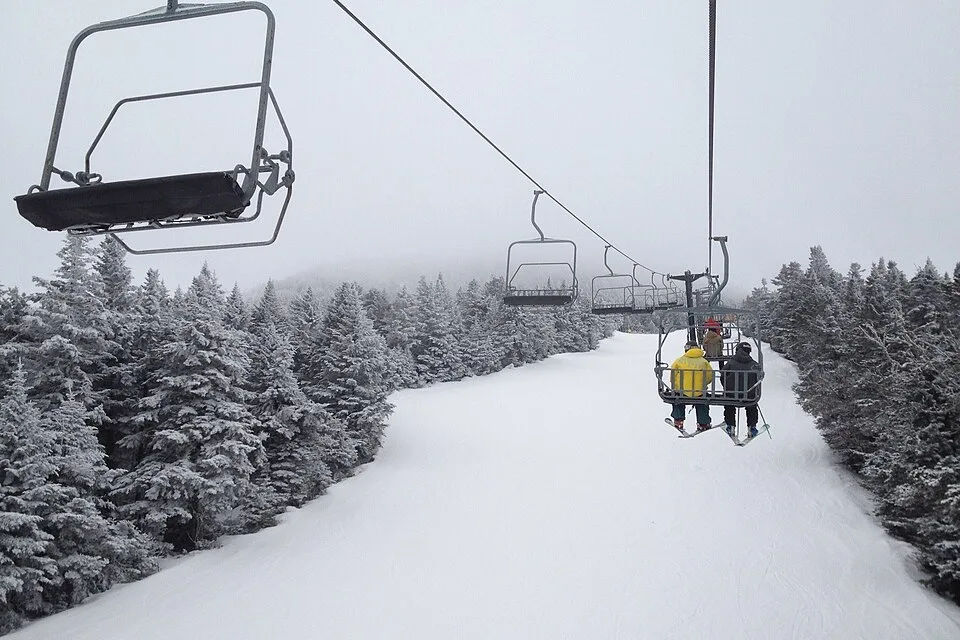
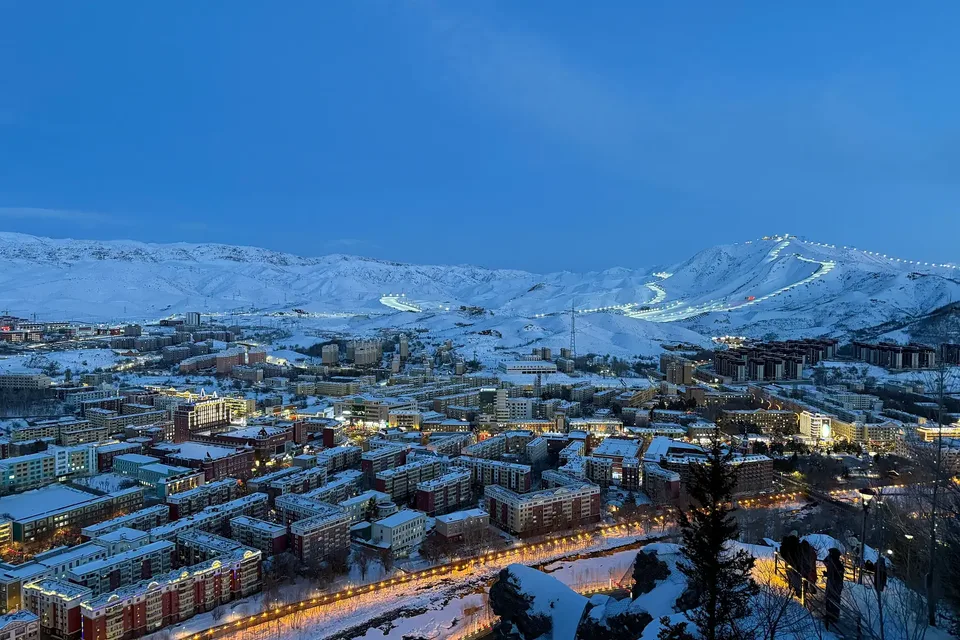
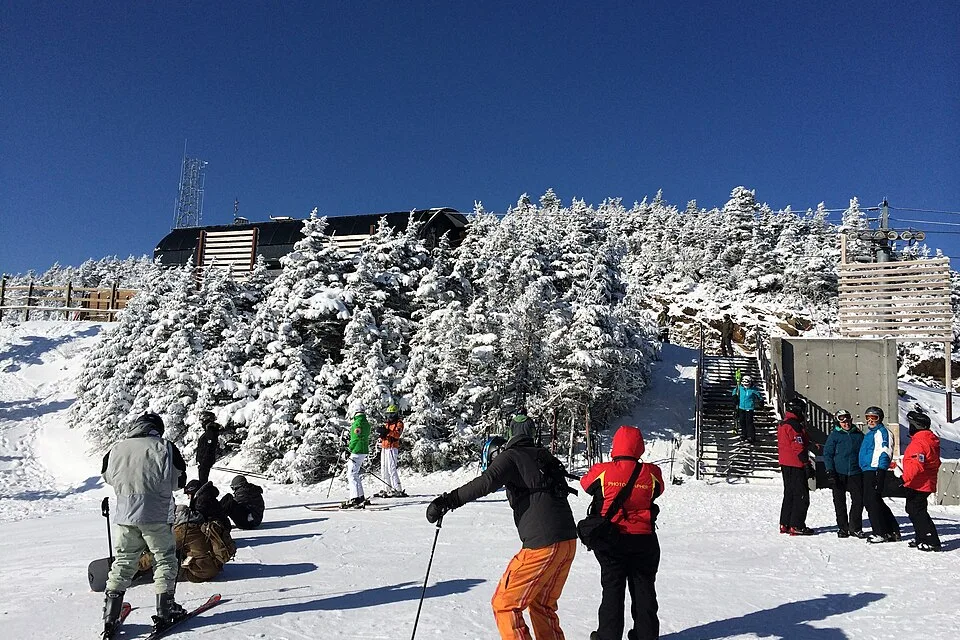
Northeast China and Xinjiang are the country's two great skiing regions. This guide compares their resorts across five dimensions - the length of the ski season, temperature and snow feel, resort scale, accessibility and resort amenities - so you first look at your own skiing level and available days, then choose a region and a resort.
For anyone in China who wants to ski properly, the first comparison usually comes down to the Northeast and Xinjiang: the Northeast has long-established resorts such as Yabuli, Beidahu and Songhua Lake, and the airports and high-speed rail network around Harbin, Changchun and Shenyang make weekend trips comparatively easy; Xinjiang stretches the season longer, with the Altay region known for natural snow and wide-open runs. Both are worth visiting, but they suit different kinds of travellers.
This article answers only one question: between the ski resorts of the Northeast and Xinjiang, which should you go to this time? Straight to the conclusion: first look at your own skiing level and the days you have, then at access transport and the facilities you want. First-time skiers, families with kids and people with only a few days of holiday should prioritise the mature Northeast resorts with solid lesson and resort facilities; those who can already ski steadily, have a longer holiday, and want a longer season and bigger runs can put Xinjiang on the plan. This article was compiled in September 2026 for the 2026–2027 snow season; changeable details such as opening dates, open runs and chairlift operations all defer to the latest official announcements from each resort. Below we compare item by item across five dimensions — season window, temperature and snow feel, resort size, transport access and resort facilities — and finish with a pre-departure checklist and safety reminders.
The Conclusion First: Level and Holiday Length Decide the Region
Rather than asking 'which region is better', ask 'given my level and my days off, where will things go more smoothly?' Two criteria settle it in advance:
First, look at your level. If you have never skied or only tried gentle slopes, what you need is not the biggest vertical drop but an arrival point that is easy to reach, gentle beginner areas, a ski school where Chinese-speaking instructors can be booked, and somewhere warm to eat nearby after skiing. The established resorts of the Northeast are more mature on all of these: runs are clearly graded, magic carpets and beginner lifts are usually kept in their own zones, and there is plenty of margin for error.
Second, look at your holiday length. With only three or four days off, you cannot afford long transfers: the Northeast has more flights and high-speed trains from the major cities, and the onward transfer from arrival to the resort is more standardised. Only travellers with a week or more who are happy to make skiing the theme of the trip should consider Xinjiang's 'fly first, then transfer, then go up the mountain' rhythm, trading a longer stay for a longer tail of the ski season and a bigger area to ski.
The Season Window: How Late into the Season You Can Ski Matters
Both regions run a season that stretches from one winter into the following spring, but at different rhythms. Resorts in the Northeast usually open in waves between late November and December and operate at full strength until late February or early March, after which some runs close progressively depending on the weather. Several higher-altitude resorts in Xinjiang open earlier and close later, and in past years a few have continued into April - though it varies every year.
For the average traveller, what you should actually check is not the vague impression of 'which side has the longer season' but which window your travel dates fall into: if you want to ski from mid-to-late December through the February school break, both regions have plenty of choice; if you want to still be skiing after March, you have to check each resort's official announcements to see which runs and lifts are operating. Also keep expectations modest for November in early winter, since not every run is open at the start of the season.
Temperature and Snow Feel: What Matters More Than 'How Cold'
Winter in both regions is mainly dry cold, and the felt difference comes far more from wind, altitude and the day's weather than from the temperature number alone. When preparing, instead of watching the forecast thermometer, check three things: the local real-time wind-chill and how strong the wind is; whether the resort's snow report for the day is groomed snow, powder or wet snow; and how well you and your companions tolerate being outdoors in sustained low temperatures.
Most resorts in the Northeast sit in hilly forest country, where the snow feel is relatively stable and runs stay in good shape for long stretches in cold weather. Some Xinjiang resorts stand at higher altitude, with stronger sunshine and more intense UV, so goggles and sunscreen are not optional; how the body reacts to the altitude varies from person to person, so do not pack the first two days too full of activity. Wherever you go, dressing in layers and keeping skin covered beats agonising over the exact temperature.
Resort Scale and Runs: What Beginners and Advanced Skiers Each Look For
Resorts in the Northeast worth putting on your list include Yabuli, in Harbin's direction, and in Jilin province Beidahu, Vanke Songhua Lake and the Changbaishan International Resort, each with a different scale and number of runs. They generally offer a complete grading from magic-carpet beginner zones up to intermediate and advanced runs, so people with children or newcomers can practise over and over in one small area while advancing skiers can still find long-enough intermediate runs.
Xinjiang's resorts are concentrated mainly around the Altay region - including Jiangjunshan, Keketuohai and Jikepulin - and there are also convenient options in the near suburbs of Urumqi. Skiers chasing long runs, big vertical drops and open natural terrain often rank Xinjiang's big resorts as advanced destinations; the exact drops, skiable area and open scope follow the piste maps and seasonal announcements each resort publishes, and what is open differs between years and months.
Getting There: The Leg from the Gateway City to the Resort
The Northeast has many gateway cities - Harbin, Changchun and Shenyang all have major airports and dense high-speed rail links between them - and from southern cities such as Guangzhou, Shenzhen and Shanghai most travellers can arrive the same day and then take the onward shuttle to a resort. For first-timers, this certainty of a big-city gateway plus well-established transfers matters a great deal.
Xinjiang's main gateway is Urumqi, and the Altay direction also has dedicated ski-traffic flights reachable from most major domestic cities, but the flight distances are longer and some resorts still need a further overland transfer. When planning, leave room in the schedule for the airport-to-resort leg - especially with ski bags or children in tow, factor the hassle of moving luggage into your planning in advance.
Resort Amenities: How to Spend the Half Day That Is Not Skiing
A ski day usually ends around four or five in the afternoon, and the resort's amenities decide how pleasant the rest of the time is. Most of the Northeast's established resorts put the slopes, hotels, restaurants, hot springs and ski shops in one place, keeping things simple for families of all ages; several resorts in Jilin even bundle hot springs with family entertainment, and soaking straight after skiing is the choice of many families.
Xinjiang's big resorts each have their own character: some sit right beside villages and small towns, where beyond skiing you can experience snow-forest landscapes and local life; others are vast and self-contained within the resort. Choosing Xinjiang means accepting the longer journey chain, planning the transport between your accommodation and the slopes in advance, and booking early in peak season.
The Fork in the Road: Beginners and Advanced Skiers
Putting the comparison above into plain words:
People who should prefer the Northeast: skiing for the first time; travelling with children or seniors; having only three to five days of holiday; wanting 'skiing plus city food and fun' wrapped into one trip. These needs are about certainty and amenities, and the Northeast is the steadier bet.
People who should prefer Xinjiang: already skiing intermediate runs independently and wanting to take on a bigger area; having a week or more of holiday; not minding longer transfers and willing to trade time for a longer season and more open terrain. These needs are about 'bigger, longer, fresher', and Xinjiang's big resorts leave more room for that imagination.
One reminder applies to both sides: choosing the resort always comes after making the trip workable. Sort out the flights, the holiday dates and how fit your companions are before debating the number of runs - the order cannot be reversed.
Pre-Departure Checklist
Once you have chosen a region, run through this checklist point by point before you leave and it will save you a great deal of on-site hassle: whether the season's opening and closing dates cover your travel dates; which runs, lifts and magic carpets are open on the day; whether night skiing runs and when; whether instructors and lessons need booking in advance; what equipment the ski rental includes and whether you need to bring your own protective gear; the transfer options and schedules from the airport or high-speed rail station to the resort; and any weather warnings or notices of temporary resort closures for the destination.
Three more points on safety: always wear a helmet, and renting hip and knee pads is worth it while you are learning; ski only runs that match your level and do not show off by following others down harder slopes; and before you go, confirm that your insurance covers skiing, settling any questions about rescue and medical care while you are still at home. For details on equipment, see the separate first-time skiing checklist on this site.
Closing: Fold the Comparison into Your Own Decision Table
Skiing in the Northeast and skiing in Xinjiang are, at heart, two different kinds of travel: one sets skiing inside a mature resort-and-city lifestyle, the other treats skiing as the reason to head deep into the mountains. Neither is inherently better or worse - only a question of fit. If you are arranging this kind of trip for the first time, try writing down four lines - 'skiing level, available days, who is coming, transfer effort you can accept' - scoring each one for the Northeast versus Xinjiang, and the answer usually surfaces on its own.
If you still can't decide after the table, tell the 0765trip travel advisor roughly which month, how many days and what kind of skiing experience you want, and we'll recommend more specific resorts and an itinerary matched to your level and rhythm; to look at the other side first, the site already has a detailed Xinjiang ski resort guide you can read alongside this one. Happy skiing, and come down the mountain safely. Whichever side you choose, remember to put safety first: always wear a helmet, only ski runs that match your level, and confirm insurance coverage in advance — the runs can wait for your next challenge, but one injury can ruin a whole season. Write the comparison into that decision table, and leave the rest to the resort and the weather: after this trip you'll be even clearer about where you want to go next.