Planning an educational study tour of Luoyang with children? How do you string together the Longmen Grottoes, the Luoyang Museum, the Erlitou Site of the Xia Capital and the Luoyang Ancient Tombs Museum without tiring everyone out? This guide offers two routes by the child's age - a primary-school version (with interaction and guided explanation) and a middle-school version (focused on historical depth) - and explains booking, walking intensity and the right order for the venues.
This guide answers one question only: for a study tour of Luoyang with children, how exactly do you weave the Longmen Grottoes and the museums that really deliver the substance into a relaxed 1-2 day itinerary that children can actually absorb? It suits children from the upper years of primary school through middle school - younger children may not sit well through the cave temples and ancient tombs; families with smaller children may be better served by our guide to 'Luoyang and Kaifeng in 5 Days over the Winter and Spring Festival' (focused on the festive flavour of the ancient capitals) rather than a study-tour route.
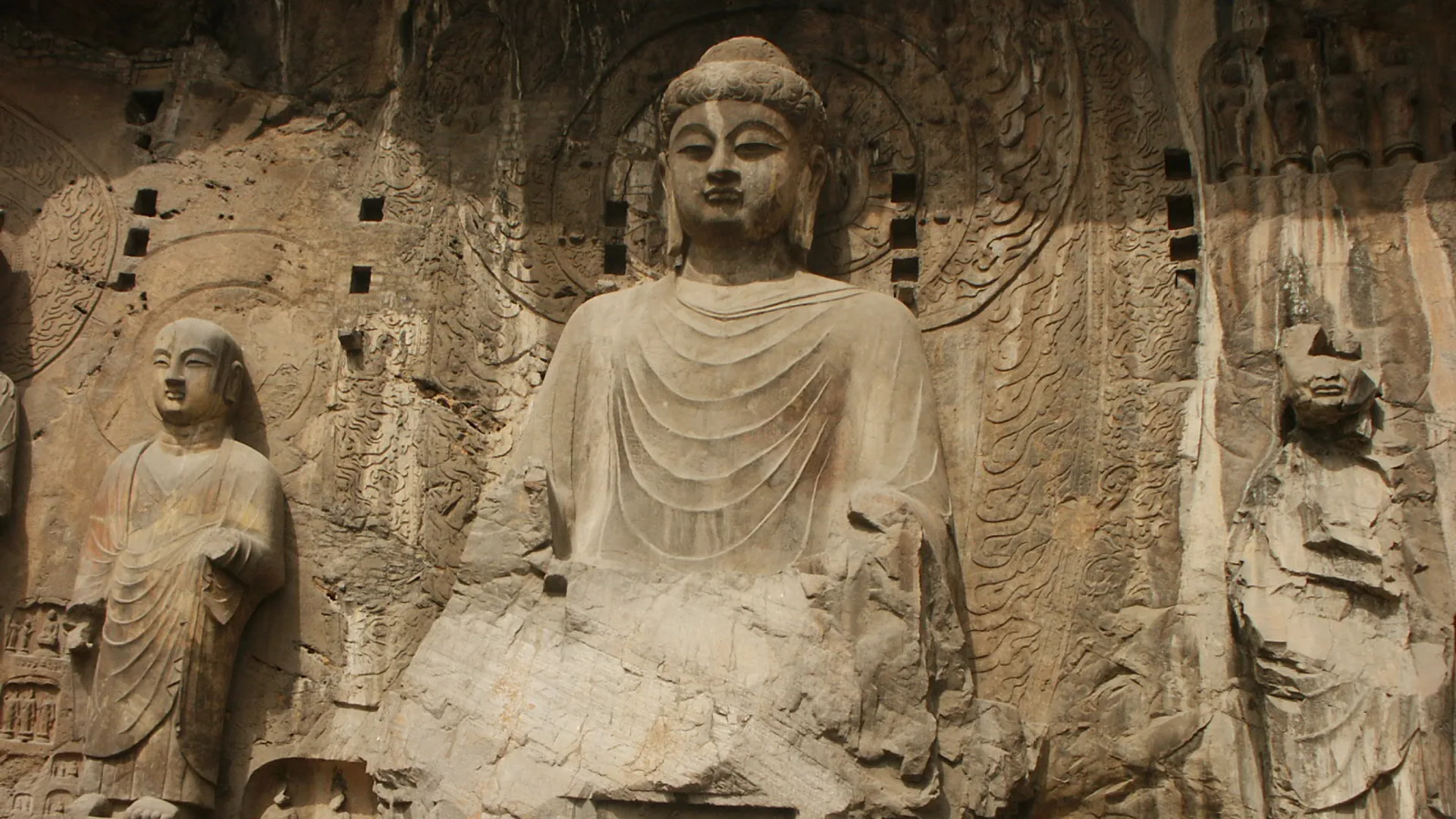
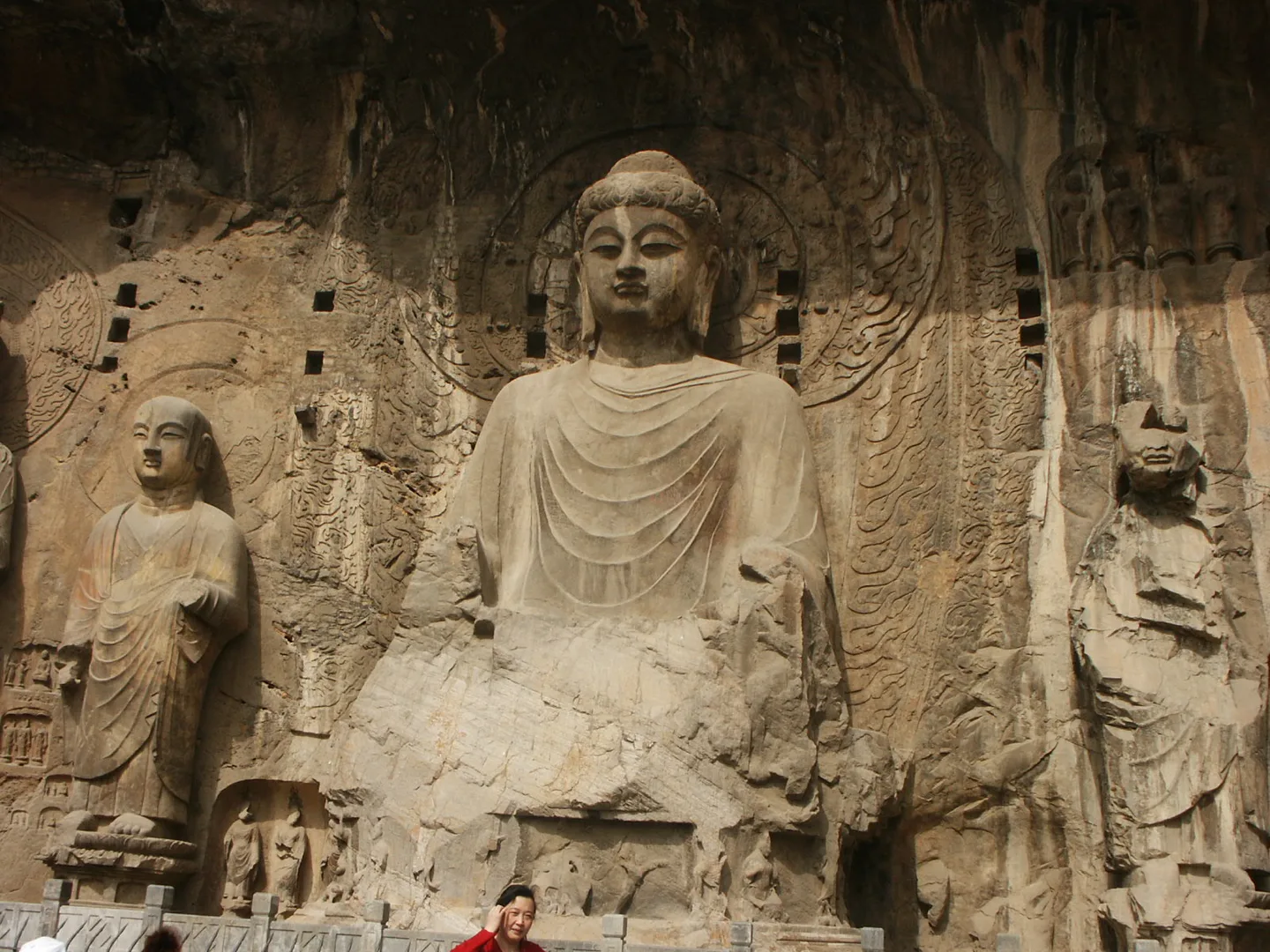
Three conclusions first. First, the heart of a Luoyang study tour is not 'how many places you visit' but 'where you stop and explain'. At the Longmen Grottoes see the Vairocana Buddha in Fengxian Temple, at the Luoyang Museum take in the Xia-Shang-Zhou galleries, and at the Erlitou site explore the palace foundations and turquoise artefacts - explaining one thing clearly at each of these three stops is worth more than rushing through two extra paid halls. Second, the real strain of a study route is on the feet: walking the West Hill grottoes at Longmen takes 2-3 hours, and the four underground floors of the Ancient Tombs Museum take 1.5-2 hours; the younger the child, the more you should spread these across two days. Third, booking and opening hours change every year - the ticketing at Longmen, the capacity control at the Erlitou Site Museum and the booking rules at the Luoyang Museum should all be checked against the latest official announcements before you travel; do not buy tickets based on what past seasons were like.
First Decide the Pace: One Day or Two
The study route has three 'main stops': the Longmen Grottoes, the Luoyang Museum (including its Xia-Shang-Zhou hall) and the Erlitou Site Museum of the Xia Capital; the Luoyang Ancient Tombs Museum is a strong add-on rather than a must-see. Compressing them into one day is exhausting - one grotto site plus one museum already fills 6-7 hours. The two-day version is the more realistic choice: morning of day one at the Luoyang Museum (including Xia-Shang-Zhou), afternoon at the Ancient Tombs Museum or Luoyi Ancient City; morning of day two at Erlitou, afternoon at the Longmen Grottoes, covering only the West Hill and Fengxian Temple.
The child's age decides how the detail is weighted. Upper-primary children respond to 'stories': tell Erlitou as 'the earliest China' rather than just the Xia capital, and at Longmen focus on the story behind Fengxian Temple being carved under Wu Zetian; middle-schoolers can take objects, ornamentation and dating logic, so let the guide stand before the bronzes in the Luoyang Museum and connect Erlitou, Erligang and Yinxu into a single lineage.
Longmen Grottoes: The West Hill + Fengxian Temple Are the Must-Sees
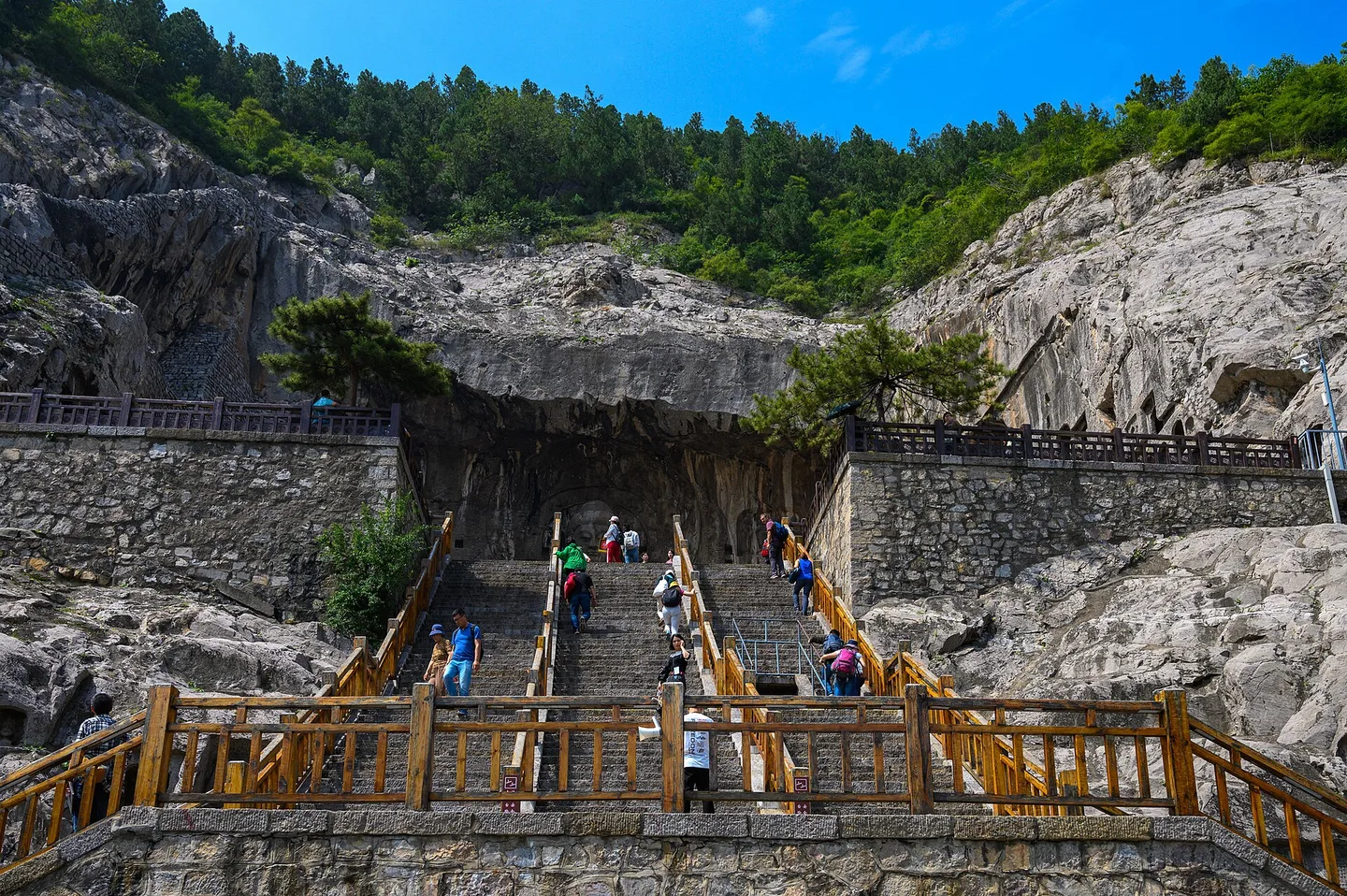
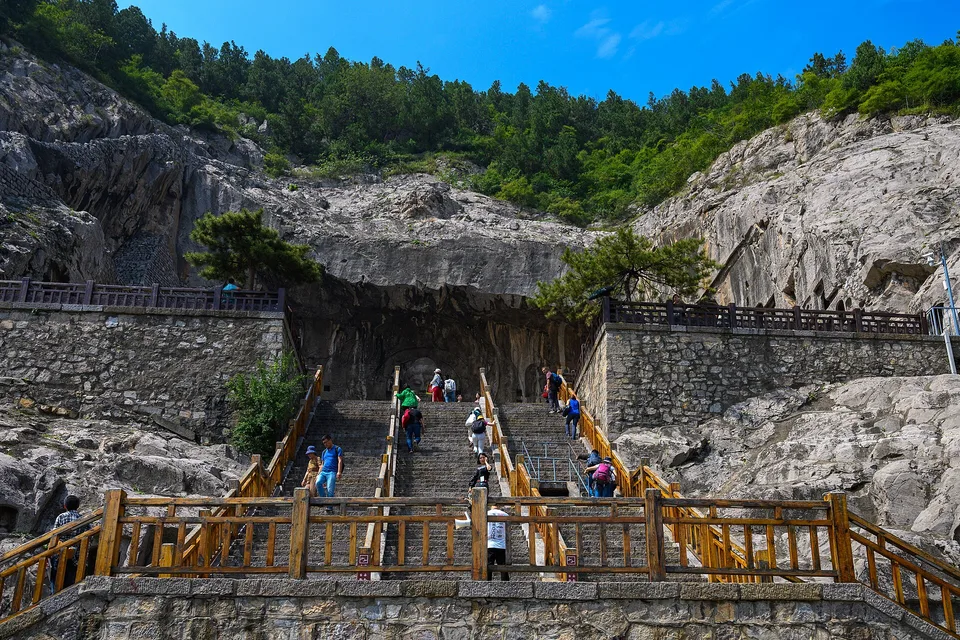
The Longmen Grottoes comprise four areas - the West Hill, the East Hill, Xiangshan Temple and Bai Garden - and for a study tour the West Hill and Fengxian Temple are enough. The East Hill's caves are heavily damaged, while Xiangshan Temple and Bai Garden lean towards scenery and cultural appreciation, offering limited value to the study theme. Budget 2.5-3 hours (West Hill caves + Fengxian Temple + shuttle bus both ways + queues). The grotto paths have many steps and no guardrails, and in winter some sections turn slippery - wear non-slip shoes and do not bring new shoes for the children.
There are three ways to get a guide: an audio handset (roughly 15-30 yuan, per the official published prices), a human guide (join a shared group at the visitor centre - arrive early on holiday peaks) and a custom guide arranged for a school study group. Shared-group guiding does not always guarantee quality, so read the officially recommended route map before you go and get a rough sense of the cave numbers and the nine great statues of Fengxian Temple.
Luoyang Museum: The Xia-Shang-Zhou Collection Is the Core
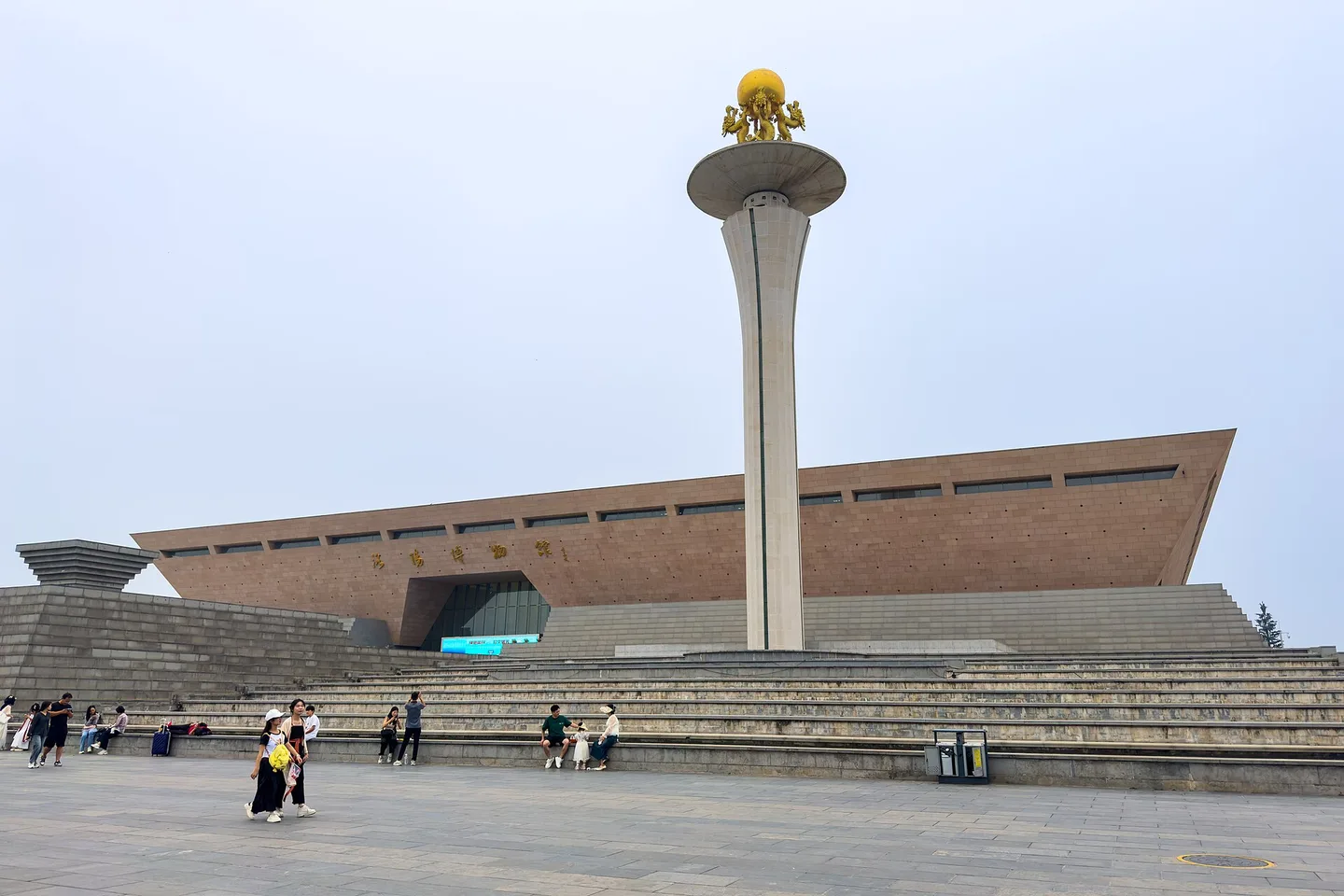
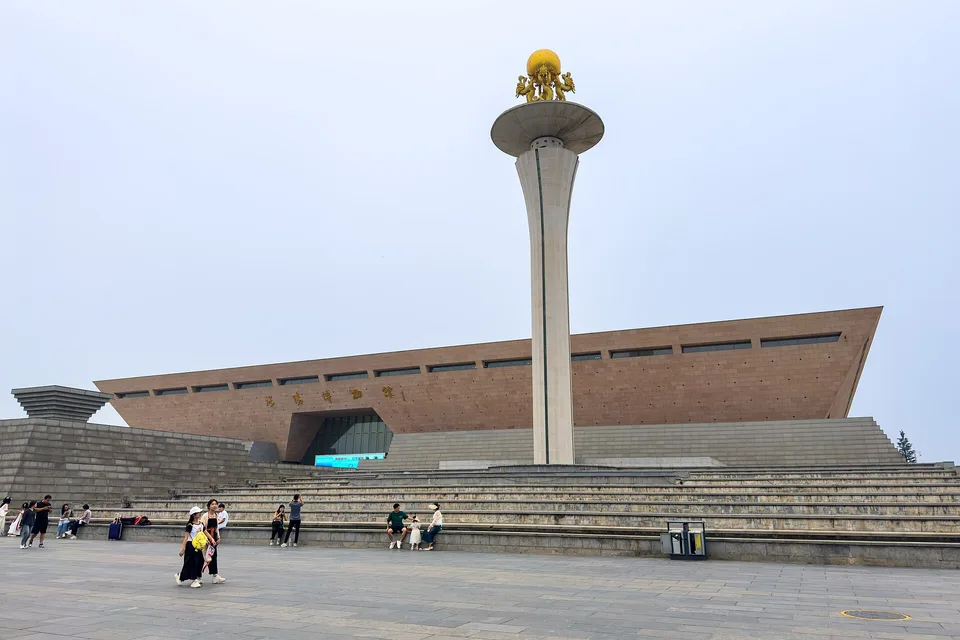
The Luoyang Museum's permanent galleries are arranged chronologically, and the 'Xia, Shang and Zhou' section is the study-tour centrepiece - the real objects children find hardest to see in textbooks, such as the Erlitou turquoise dragon-shaped artefact (a replica), the bronze jue cup with nipple pattern and the bronze yue axe with animal-mask design. Guided tours must be booked in advance through the museum's official channels (slots usually open weekly, with different policies on weekdays and weekends - follow the museum), not arranged on the spot. Families with children should allow a steady 2 hours; if you only want the three-dynasties galleries, 1 hour is enough.
The free volunteer tours at the Luoyang Museum are usually concentrated in the morning, when the crowds are heaviest on holidays and school breaks, and catching one is a matter of luck. If your child is younger or easily distracted, keep the museum visit to within 1.5 hours and save more time for Erlitou, which is more interactive.
Erlitou Site Museum of the Xia Capital: Explaining the 'Earliest China' Clearly
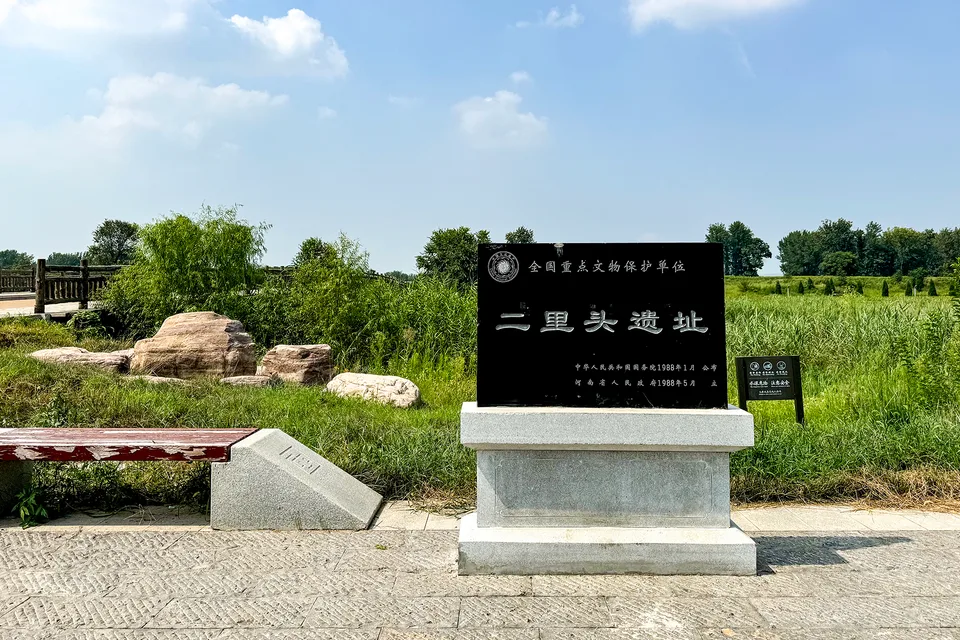
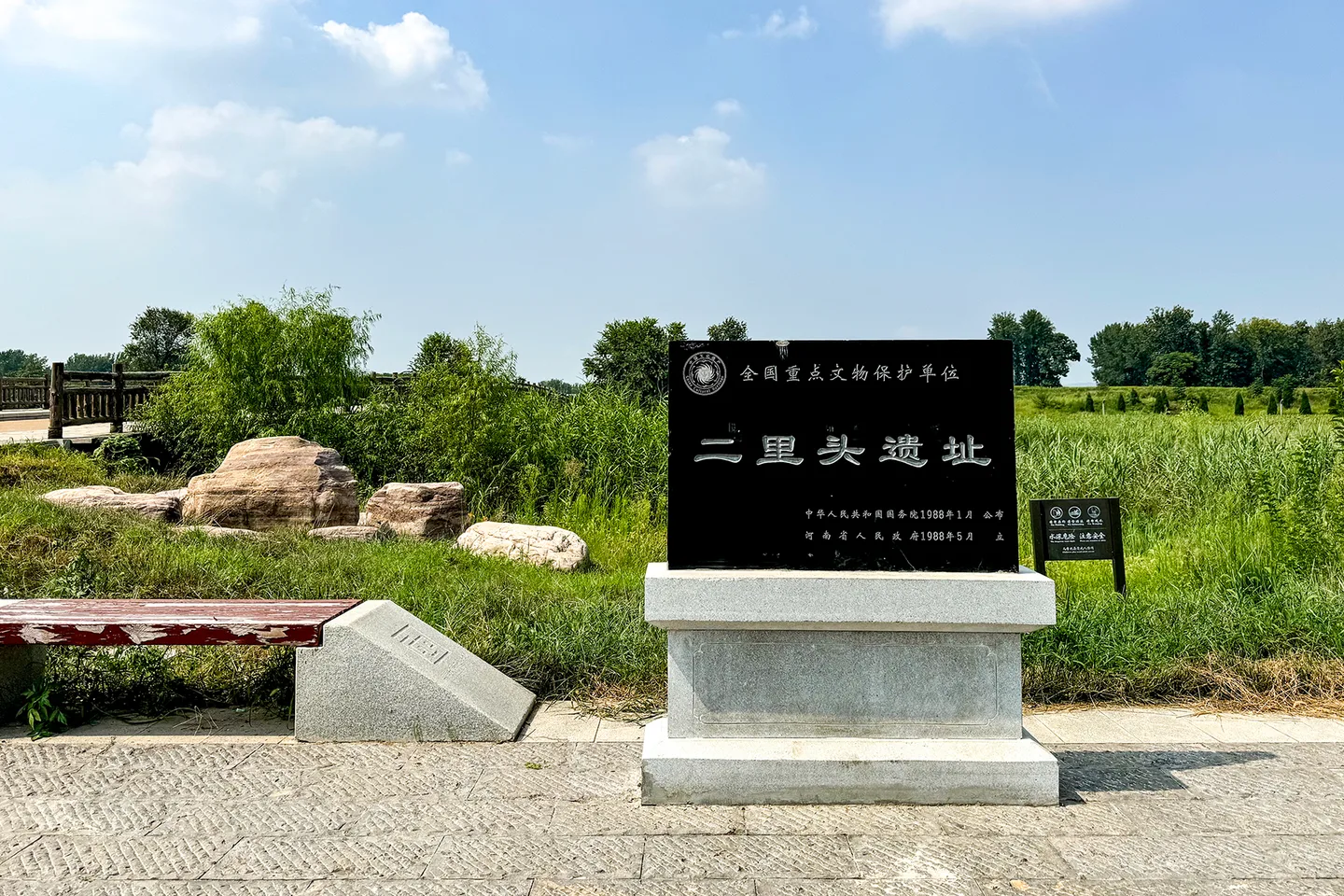
Opened in 2019, the Erlitou museum is a state-level site museum, and the building itself is finished in a 'bronze-green of Erlitou style', giving it a stronger study atmosphere than the Luoyang Museum. The centrepieces are the Palace No.1 and No.2 foundations and the special display of turquoise artefacts; the guides usually frame the visit around the question 'is Erlitou really the Xia capital?' - a matter still debated among scholars, so children can go in asking 'did the Xia dynasty actually exist?'
The site lies in Yanshi District, about 40 km from central Luoyang; driving or hiring a car is most convenient, while public transport runs a shuttle from near Luoyang Longmen Station (services are limited - confirm on the official WeChat account before you go). Study groups usually allow half a day, having lunch near the site or back in the city. In winter it gets dark after 4 pm, so time the journey back carefully.
Ancient Tombs Museum: Go If Your Child Can Handle It, Skip If Not
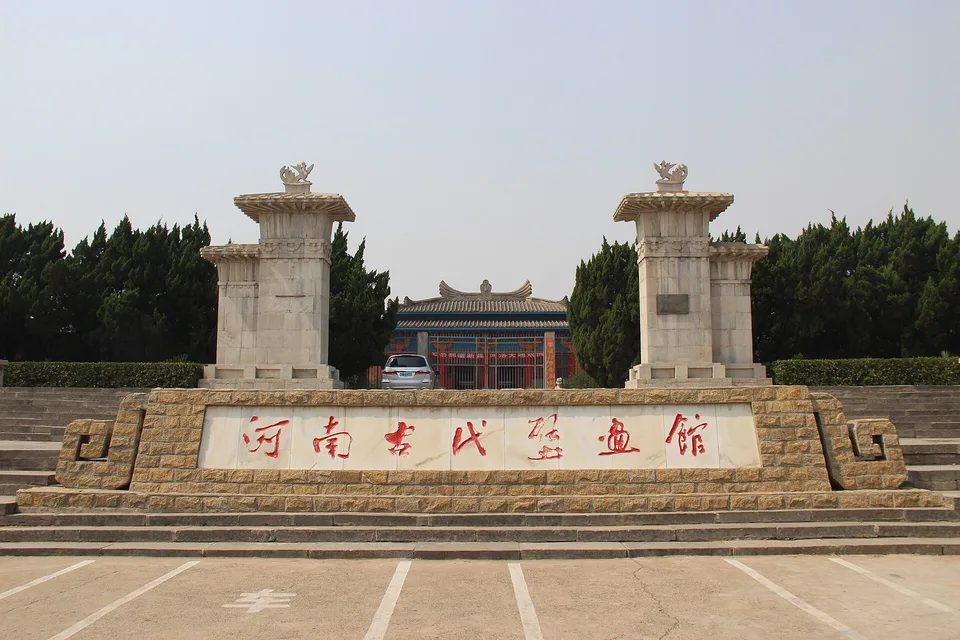
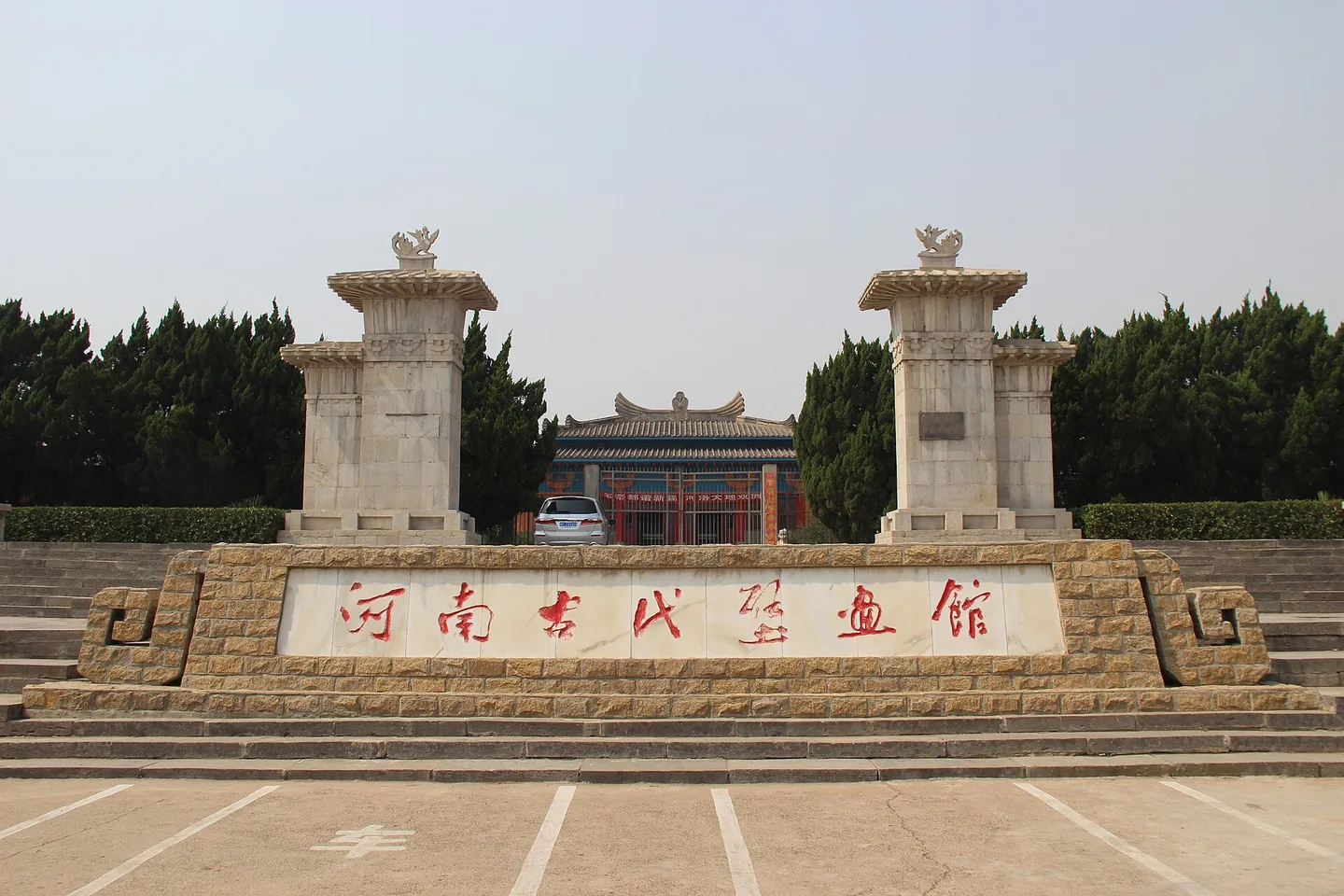
The Luoyang Ancient Tombs Museum (part of the Northern Mangshan 'Chariot of the Son of Heaven' museum complex) displays typical tomb structures and murals from the Western Han through the Song and Jin dynasties across four underground floors totalling 220,000 square metres. Its study value lies in reading the hierarchies and beliefs of ancient Chinese society through burial practices, but visually it mixes real tombs with reproductions, and children aged 3-5 will very likely find it frightening. We suggest taking children of upper-primary age and above, allowing 1.5-2 hours.
If your child is young or emotionally sensitive, swap the Ancient Tombs Museum for the Luoyang Museum's Treasure Hall plus its Tang sancai (three-colour glazed pottery) hall instead - these are equally signature Luoyang collections but with a friendlier look and atmosphere.
Transport, Accommodation and Booking
The usual ways to reach Luoyang: high-speed rail to Luoyang Longmen Station (the most convenient - 10-20 minutes by car from the Longmen Grottoes) or to Luoyang Station (in the city centre). Within the city, taxis suit a multi-museum day better than buses - the museums are not far apart as the crow flies, but once booked time slots and travel time add up, buses become a hassle.
For accommodation, prioritise the area around the old town's Cross Street and Wangcheng Park: meals, the night view (the Yingtian Gate evening experience) and the museums are all close by; if you would rather stay near the Longmen Grottoes, choose somewhere along Longmen Avenue so you can be among the first into the caves the next morning.
Three key bookings: the Longmen Grottoes sell real-name tickets 1-7 days in advance (the official 'Longmen Grottoes' WeChat account is the main entry point); the Luoyang Museum offers free booking 1-7 days ahead; and the Erlitou Site Museum of the Xia Capital offers free booking 1-3 days ahead. The winter school break and Spring Festival are the busiest periods of the year, so book early. Guides are only bookable through the channels each museum officially publishes - do not rely on third parties.
Who Should Not Take This Route
To be honest, this study route does not suit every family. For families whose children are too young or have no interest in history at all, forcing cave temples and museums on them only makes everyone miserable; in winter Luoyang is dry, cold and windy, and children with rhinitis or sensitive airways will be very uncomfortable on the outdoor grotto sections; and parents who only want 'scenery and photographs' will find poor value here - the route is designed for families who 'want to learn something'. If you want both 'fun' and 'learning', you can splice the study route with a festive-flavour ancient-capitals route: 1.5 days of study tour plus 1.5 days of festive sightseeing gives you a five-day trip.
Wrapping up
This study-tour route in one sentence: see the Fengxian Temple at the Longmen Grottoes, the three ancient dynasties at the Luoyang Museum, and the "earliest China" at Erlitou — split them across two days, let the child's age decide how deep the explanations go, and defer to the latest official announcements for reservations and guide resources. What children really remember isn't "how many places we went" but "where we stopped and what we understood". If your child's age, stamina or interests don't match the standard version above, check out 0765trip's other Henan guides (leans towards festival atmosphere), or submit "child's age + rough number of days + must-see priorities" via our contact page to a 0765trip travel advisor, who will build an executable study-tour-plus-festival combination route based on the season. A Luoyang study tour doesn't have to collect every museum — finding the one or two points your child loves and explaining them thoroughly is worth more than a whirlwind tour. And a practical word to parents: a study tour isn't about packing the itinerary full but giving every stop time to "pause and explain" — one place understood deeply, with the child asking their own questions, is worth more than racing through four museums in a day. Factor reservation rules, guide resources and the child's stamina into the plan before you leave, and this Luoyang trip will become a lesson your child remembers.