
Planning a winter-break or Spring Festival trip to Luoyang and Kaifeng to see the lantern fairs, wear hanfu and visit the grottoes, but unsure how to split five days without rushing? The short answer: Luoyang covers the grottoes, night tours and hanfu styling, while Kaifeng covers the Song-dynasty gardens and night markets. The run-up to New Year's Eve is comparatively easier going, while from the fourth day of the first lunar month through the Lantern Festival is the real lantern-fair season. This article explains the division of roles between the two cities, a five-day skeleton, a half-day route through the Longmen Grottoes and advice on dodging crowds and staying warm.
Every year from the winter break through Spring Festival, noticeably more people ask how to string Luoyang and Kaifeng together. Both cities sit in Henan, and on the surface both are ancient capitals with city walls and night markets, so it is easy to treat them as 'two old cities to tick off twice' - and end up spending all five days on the move: the grottoes half-seen, the night tour missed, and the lantern fair glimpsed only over a sea of heads.
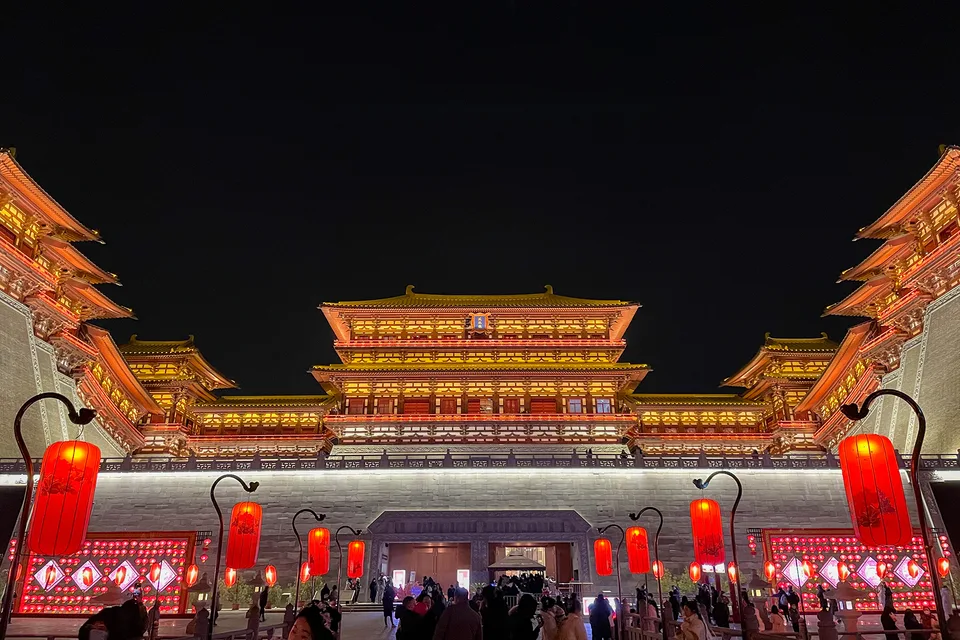
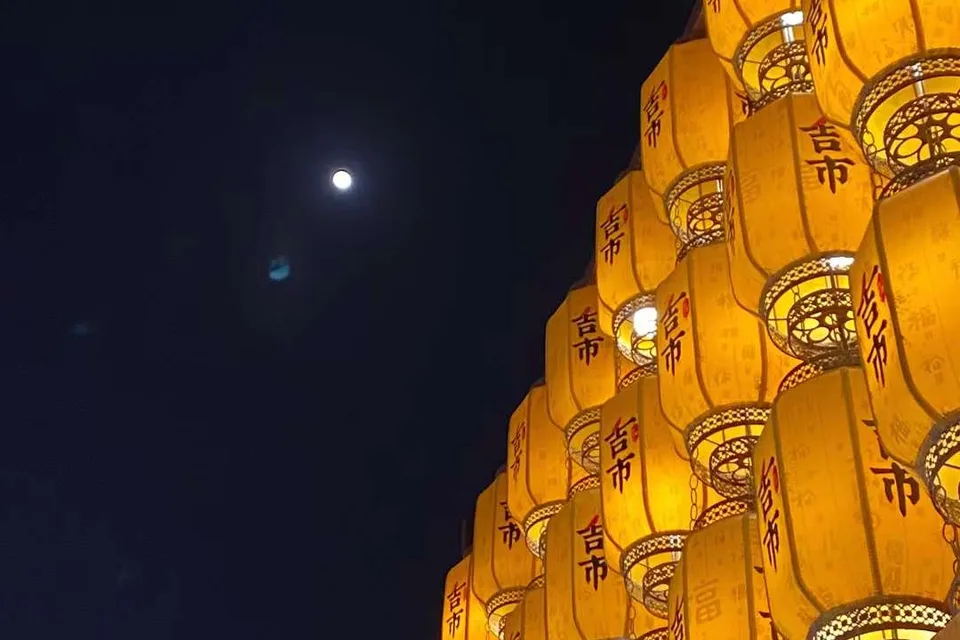
Let's start with the conclusions. First, Luoyang and Kaifeng need clear roles: Luoyang handles the grottoes, the Tang-style night tours and hanfu styling, Kaifeng handles the Song-dynasty gardens, street-life performances and night markets, and you should stay two nights in each city rather than shuttling between them in a single day. Second, the backbone of this route is the evening, not the daytime - in winter Henan turns dark early, and 'daytime' sights such as the Longmen Grottoes and museums really only fill half a day to a day, while what truly carries the festive atmosphere is the lighting of Yingtian Gate and Mingtang, the lantern streets of Luoyi Ancient City, and the lantern fairs and temple fairs dotted around. Third, before and after the New Year are two different ways to play: from the twelfth lunar month up to New Year's Eve, the lantern displays switch on one by one while visitor numbers are still climbing, suiting people who want clear, crowd-free shots and time to linger over the grottoes; from the fourth day of the first lunar month through the Lantern Festival is prime season for lantern and temple fairs - lively it truly is, and crowded it truly is, so be prepared for queues and capacity controls.
One thing to note up front: this article was prepared in September 2026, so please treat the latest official announcements as authoritative for all opening hours, the start and end dates of the lantern and temple fairs, ticketing and capacity rules and performance schedules mentioned here; Spring Festival holiday arrangements, advance ticket sales and motorway access policies likewise follow official releases. If your holiday is only four days, or you are travelling with seniors or young children, you can jump straight to the 'Who this route is not for' and 'Dodging the crowds' sections below, decide first whether the trip is right for you, then work out the sequencing.
How to divide the roles between Luoyang and Kaifeng
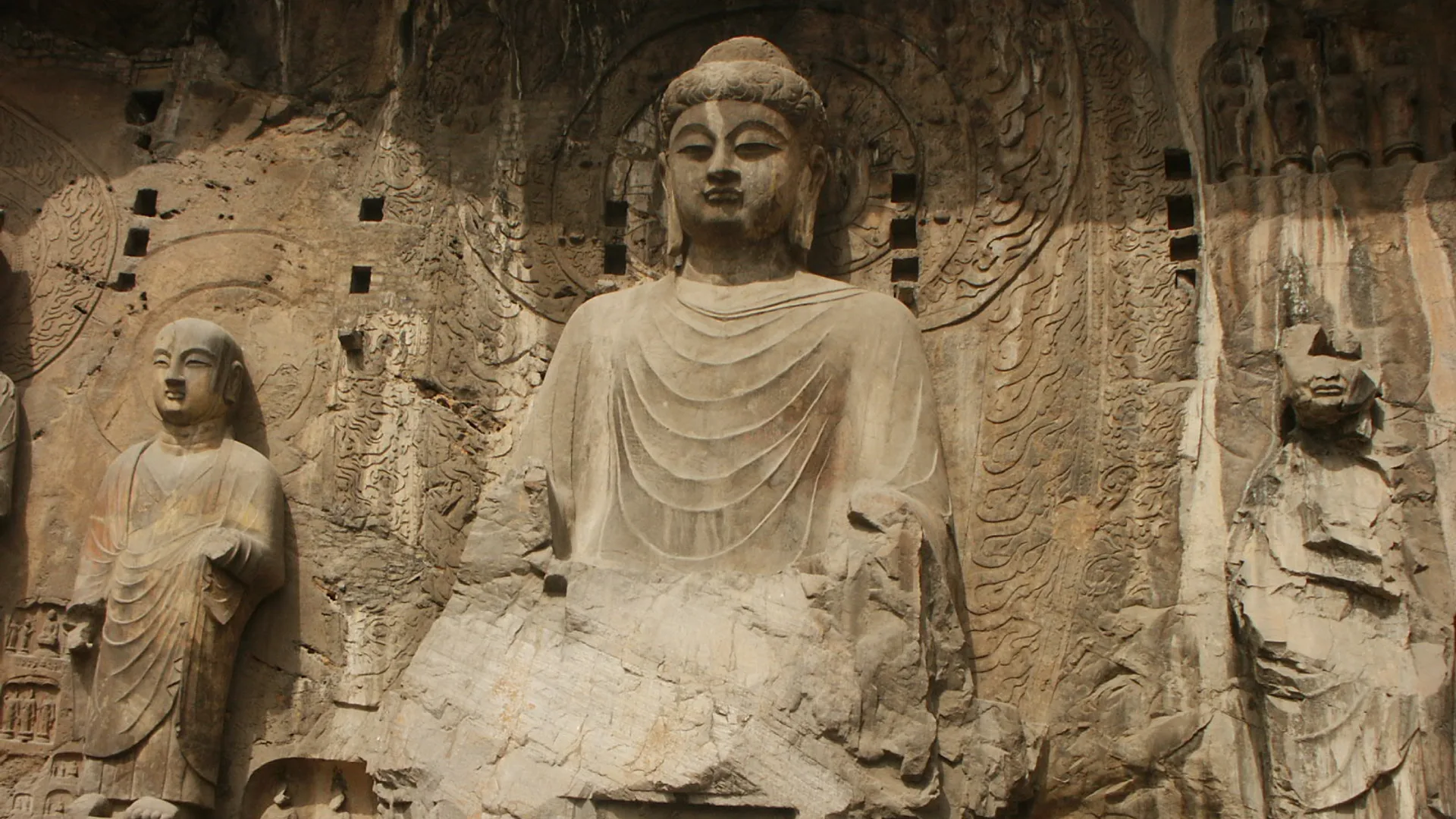
What Luoyang offers is 'the Tang dynasty in stone'. Its core asset is the Longmen Grottoes, a UNESCO World Heritage Site, joined by the palace night scenery along the Sui-Tang Luoyang City Yingtian Gate - Mingtang - Tiantang line, the hanfu night strolling around the old-town Luoyi Ancient City, and optional stops such as the Luoyang Museum, the Erlitou Site Museum of the Xia Capital and the White Horse Temple. Its rhythm is 'carved stone by day, lights after dark', and the evening matters more than the daytime.
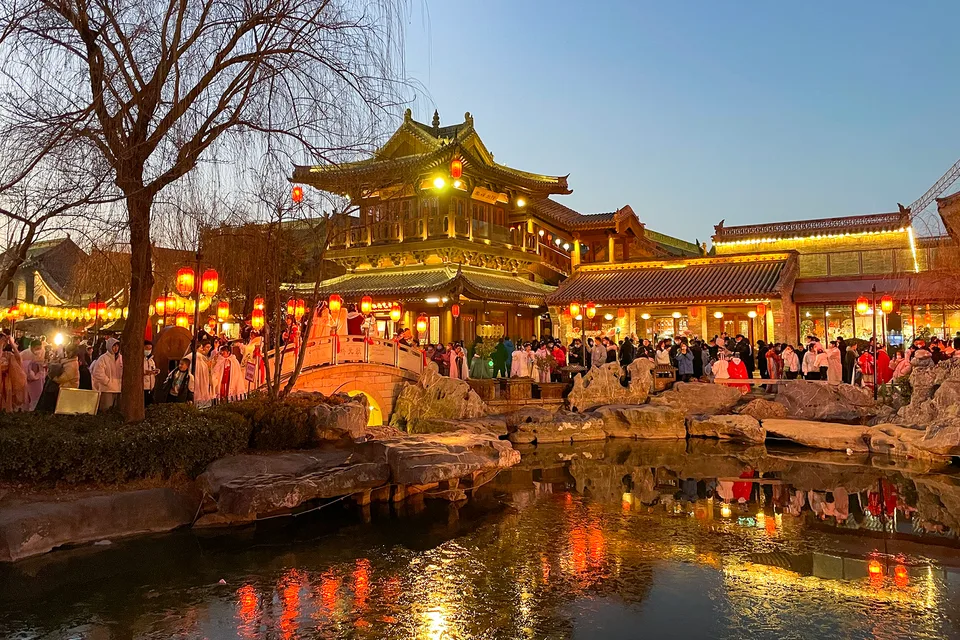
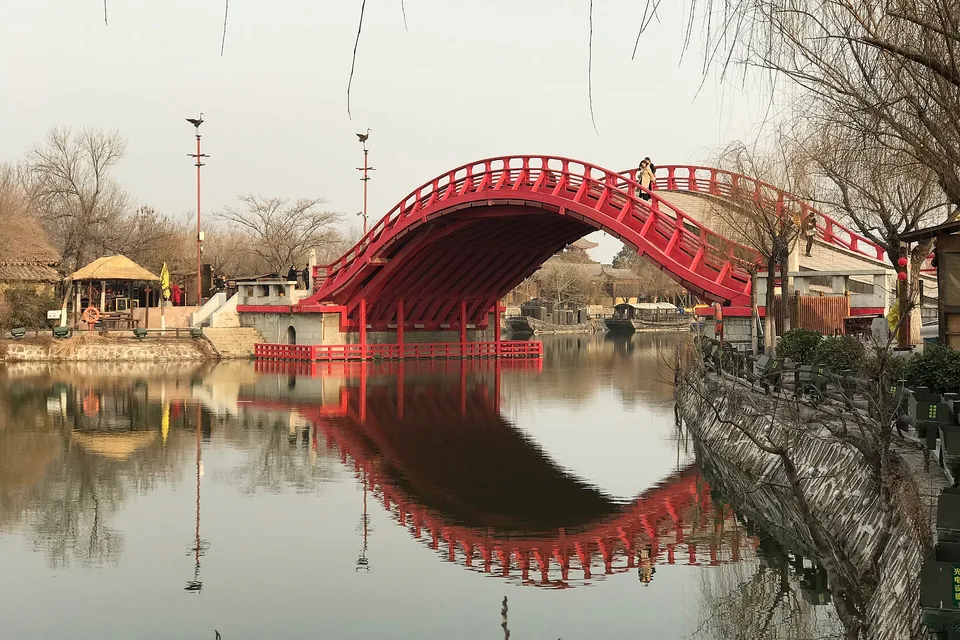
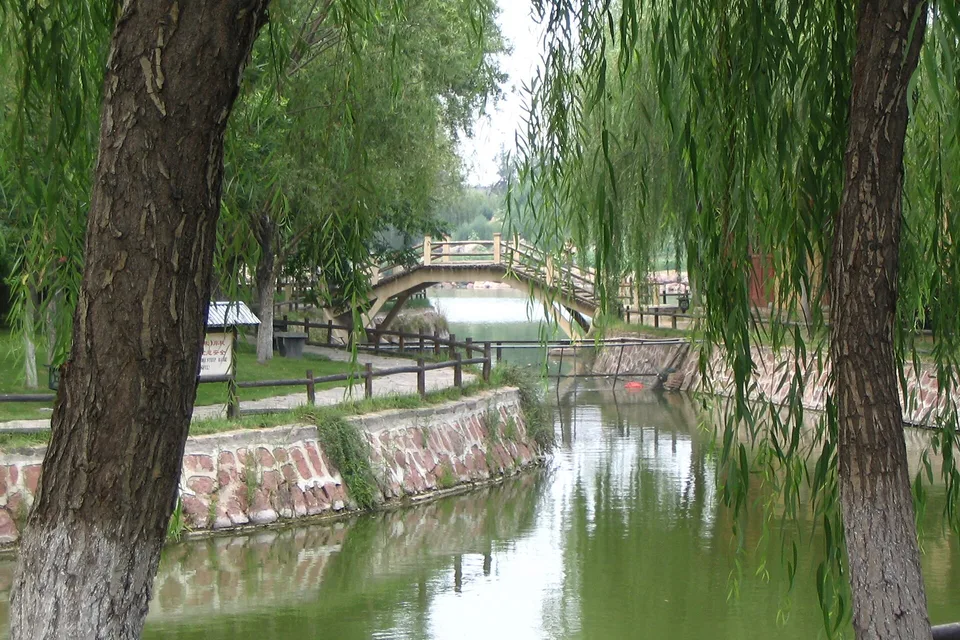
What Kaifeng offers is 'a recreated Song-dynasty street life'. The Qingming Riverside Landscape Garden is a Song-dynasty cultural theme park built on the mood of the painting Along the River During the Qingming Festival, with the Rainbow Bridge, the Bian River, market streets and daytime shows all inside the park; in the city proper, the Dragon Pavilion Park, Daxiangguo Temple, Kaifeng Prefecture and Tianbo Yang Mansion are routine add-ons. The real focus comes after dark - the snacks and lights around the Gulou night market, the Xisi night market and the Little Song City area. Its rhythm is 'stroll the gardens by day, eat your way through the night markets in the evening'.
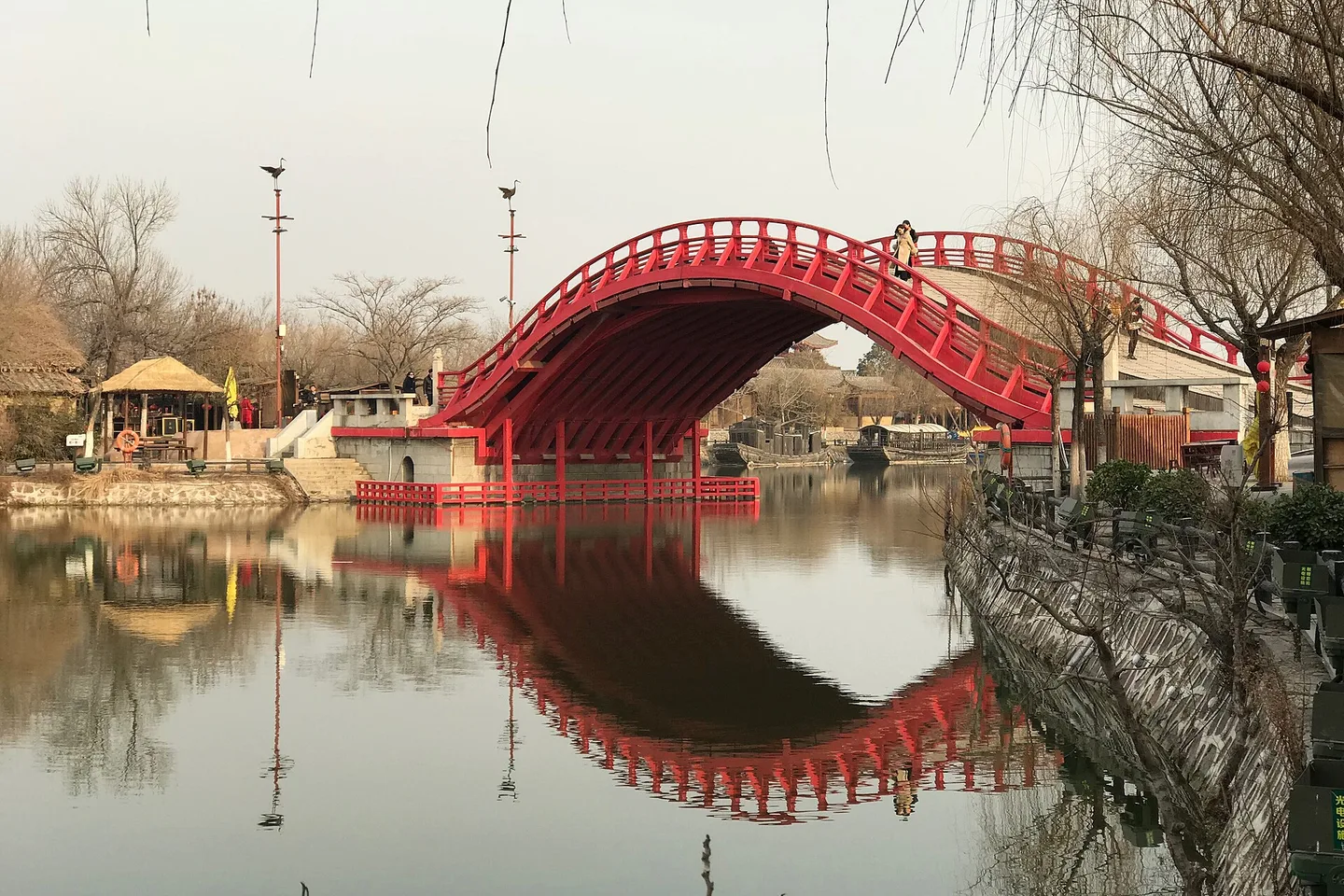
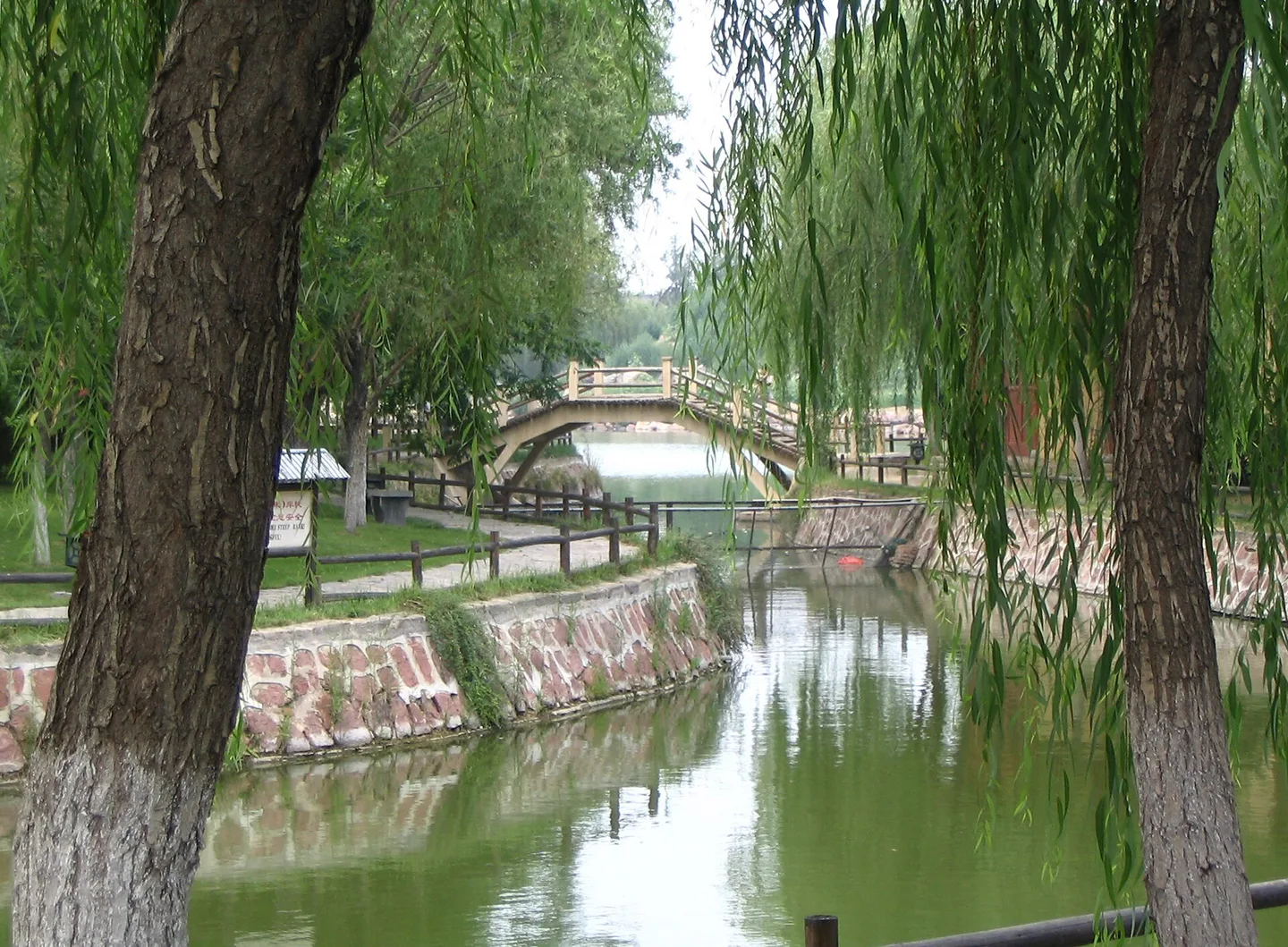
Once the division of roles is clear, so is where to stay: two nights in each city, moving hotels only once in between. Putting both cities into a same-day round trip is the most common planning mistake - between the single-leg journey and getting in and out of stations and waiting, most of a day disappears. Inside the garden, the river channel, small bridges and waterside lanes are the most photogenic stretch; keep an eye on the performance schedule as you go, and take the latest park announcements as authoritative for exact show times.
The 5-day skeleton: two ways to route in and out via Zhengzhou
Neither city has strong direct flights from most places, so Zhengzhou is usually the gateway: land at Zhengzhou Xinzheng International Airport or Zhengzhou East Station, then connect onward by high-speed rail or intercity service. Running times from Zhengzhou East to Kaifeng North and from Zhengzhou East to Luoyang Longmen are both on the order of half an hour; between Luoyang and Kaifeng you generally need to change at Zhengzhou East. Exact trains follow the latest 12306 announcements. Luoyang now has two metro lines covering the main urban areas; Kaifeng's city centre mainly relies on buses and ride-hailing.
Option A: Kaifeng first, then Luoyang (recommended for first-timers)
Day 1: after arriving in Zhengzhou, go straight on to Kaifeng, check in, and hand the evening to the Gulou night market or the Xisi night market to ease into a slower pace. Day 2 morning: enter the Qingming Riverside Landscape Garden and allow generous time for the Rainbow Bridge, the banks of the Bian River and the daytime shows; in the afternoon choose one or two from the Dragon Pavilion Park, Daxiangguo Temple and Kaifeng Prefecture rather than all of them; in the evening try a different night market or head to the Little Song City. Day 3 morning: travel from Kaifeng North via Zhengzhou East to Luoyang Longmen; arrive in Luoyang in the afternoon and begin the Sui-Tang Luoyang City night tour along the Yingtian Gate - Mingtang - Tiantang line at dusk. Day 4 morning: the Longmen Grottoes; afternoon back in the city to rest or visit the Luoyang Museum; evening for hanfu styling and a stroll through Luoyi Ancient City. Day 5 morning: keep for Lijing Gate and Shizi (Cross) Street in the old town, then depart after noon from Luoyang Longmen Station or transfer via Zhengzhou East.
Option B: Luoyang first, then Kaifeng (recommended for those chasing the lanterns before the New Year)
Reversing the order means you connect with the first window of lantern fairs and night tours as soon as you reach Luoyang, and if a lantern display's lighting time is adjusted anywhere, Kaifeng's night markets still serve as a fallback; the downside is two night-market dinners in a row over the final two days - heavy on oil and salt, so anyone with a sensitive stomach should take note. For the return, departing from Zhengzhou East or Kaifeng North is equally convenient; see which side has tickets that are easier to buy.
If you only have four days, cut optional stops such as the museums and the White Horse Temple and compress Kaifeng into a single 'Qingming Riverside Landscape Garden + night market' day; if you only have three days, choose just one city - Luoyang if you lean toward night tours and grottoes, Kaifeng if you lean toward gardens and snacks - and do not try to touch both.
A half-day route through the Longmen Grottoes
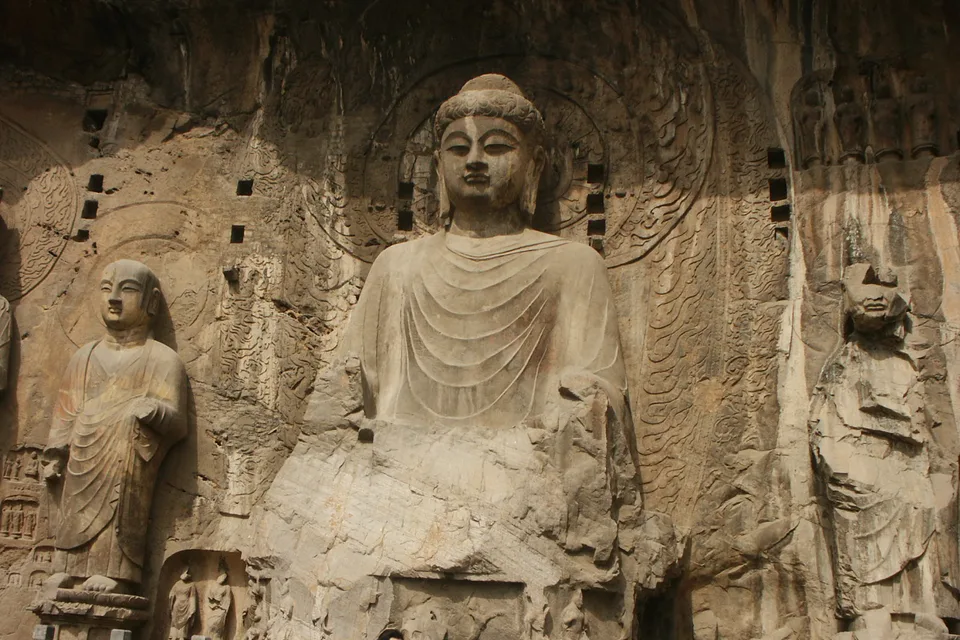
The site stretches along both banks of the Yi River. The West Hill grottoes are the essential section - the Binyang Three Caves, the Lotus Cave and the Guyang Cave all sit on this line, and Fengxian Temple at the southern end houses the Vairocana Buddha (Lu She Na). After crossing the river come the East Hill grottoes, Xiangshan Temple and the Bai Garden. The usual half-day route: after entering, follow the West Hill grottoes walkway south, take in the main cave shrines and finish at Fengxian Temple; if your energy and time still allow, cross the bridge to the East Hill; if pressed for time, leave directly from the exit and save Xiangshan Temple and the Bai Garden for next time.
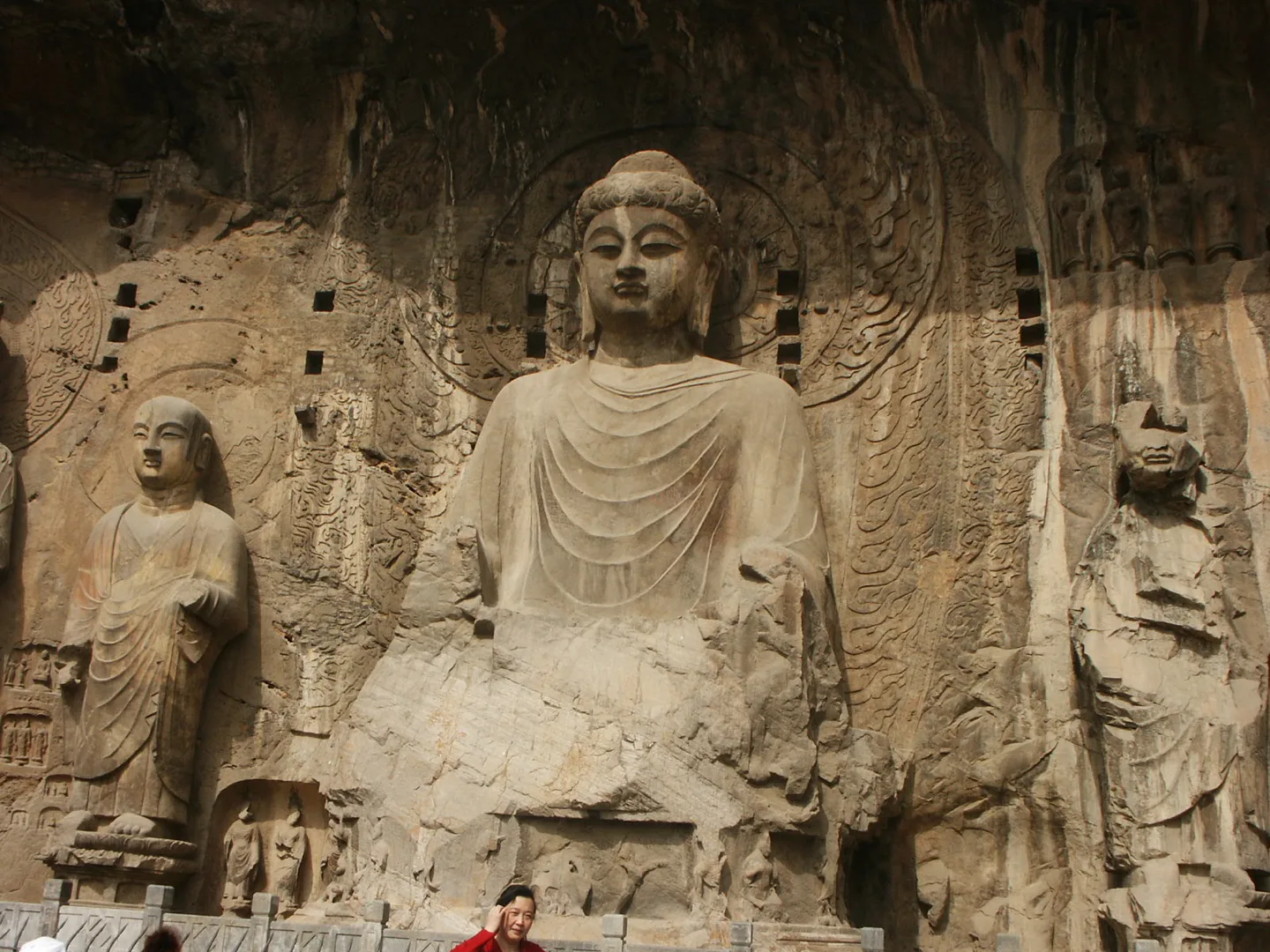
The key to the trade-off: the West Hill grottoes are 'must-see', the East Hill grottoes are 'a bonus', and Xiangshan Temple and the Bai Garden are 'only if you have energy left'. Cramming both banks into a half day usually ends with you sprinting to Fengxian Temple and remembering none of the details. Morning light is usually better for the cave shrines on the west side, though it depends on the day's weather; the grotto walkways have many steps and long slopes, and the Yi River banks are windy in winter, so leave margin in your walking. For interpretation, hire a voice guide or an on-site guide, otherwise the visit can easily turn into 'looking at rocks'; fees and opening hours follow the site's latest announcements.
Yingtian Gate, Luoyi Ancient City and hanfu styling
Yingtian Gate was the main southern gate of the Sui-Tang Luoyang City palace complex; what you see today is a protective display building over the archaeological remains, sharing the palace-axis precinct with the Mingtang and Tiantang to the north. What really makes it memorable is the lighting and the architectural silhouette after nightfall - it is the first stop on a Luoyang night tour.
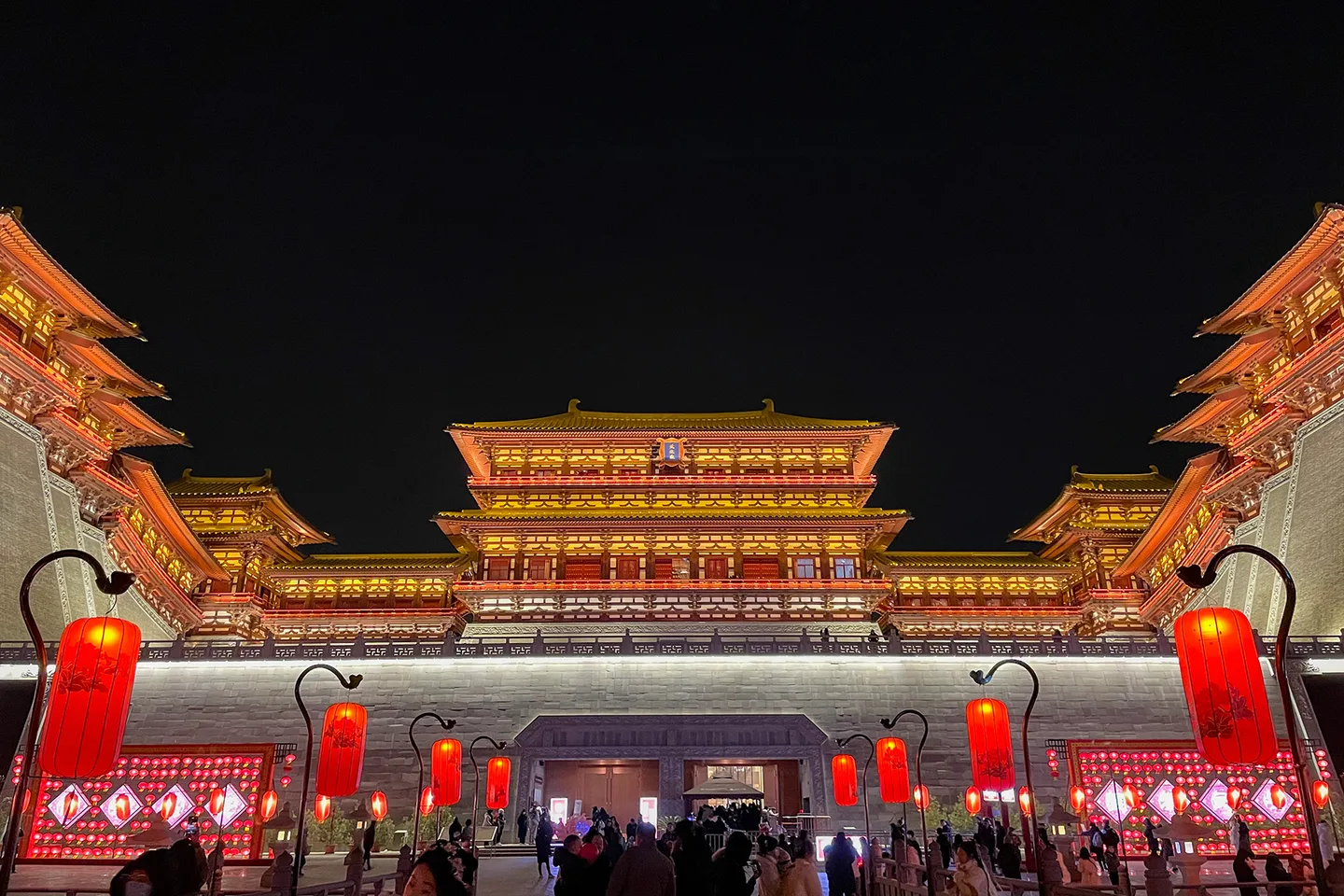
The Luoyi Ancient City area is the gathering spot for hanfu styling shops and night photography: the lanes are small in scale and dense with lanterns, an easy walk that is perfect for slow shooting once your styling is done; Lijing Gate and Shizi (Cross) Street in the old town can be linked along the way.
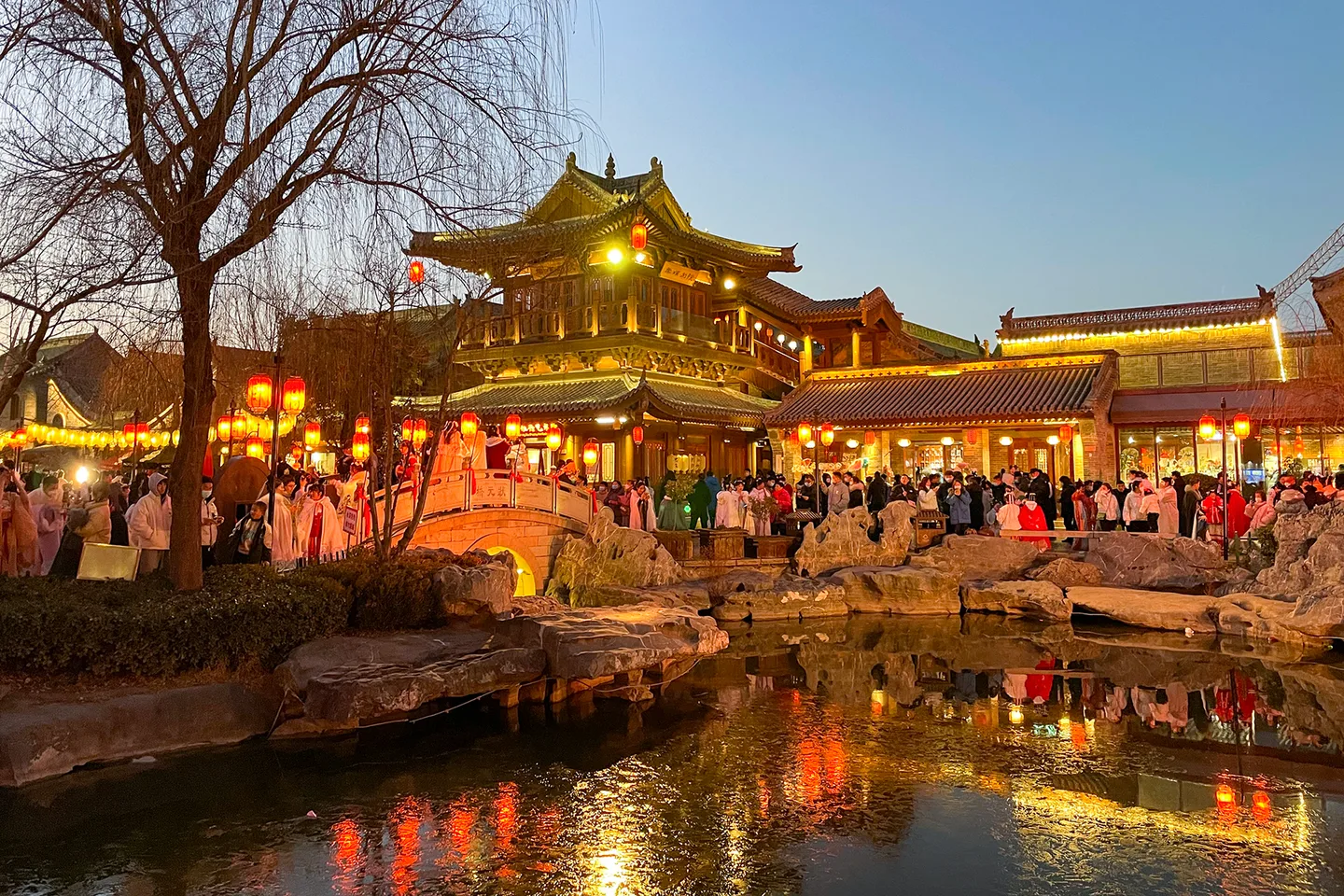
On hanfu styling: shops usually provide the costume, styling and hairstyle, and some include a follow-photographer service; prices vary with the style, duration and whether a photographer is included, and availability is tighter over holidays, so book in advance and follow each shop's latest announcements. In winter, wear thermal base layers under the hanfu - light or nude-coloured underlayers will not ruin the photos - and treat the cloak as both part of the look and a warm layer. Night-lighting times shift with sunset and follow the latest park or official announcements.
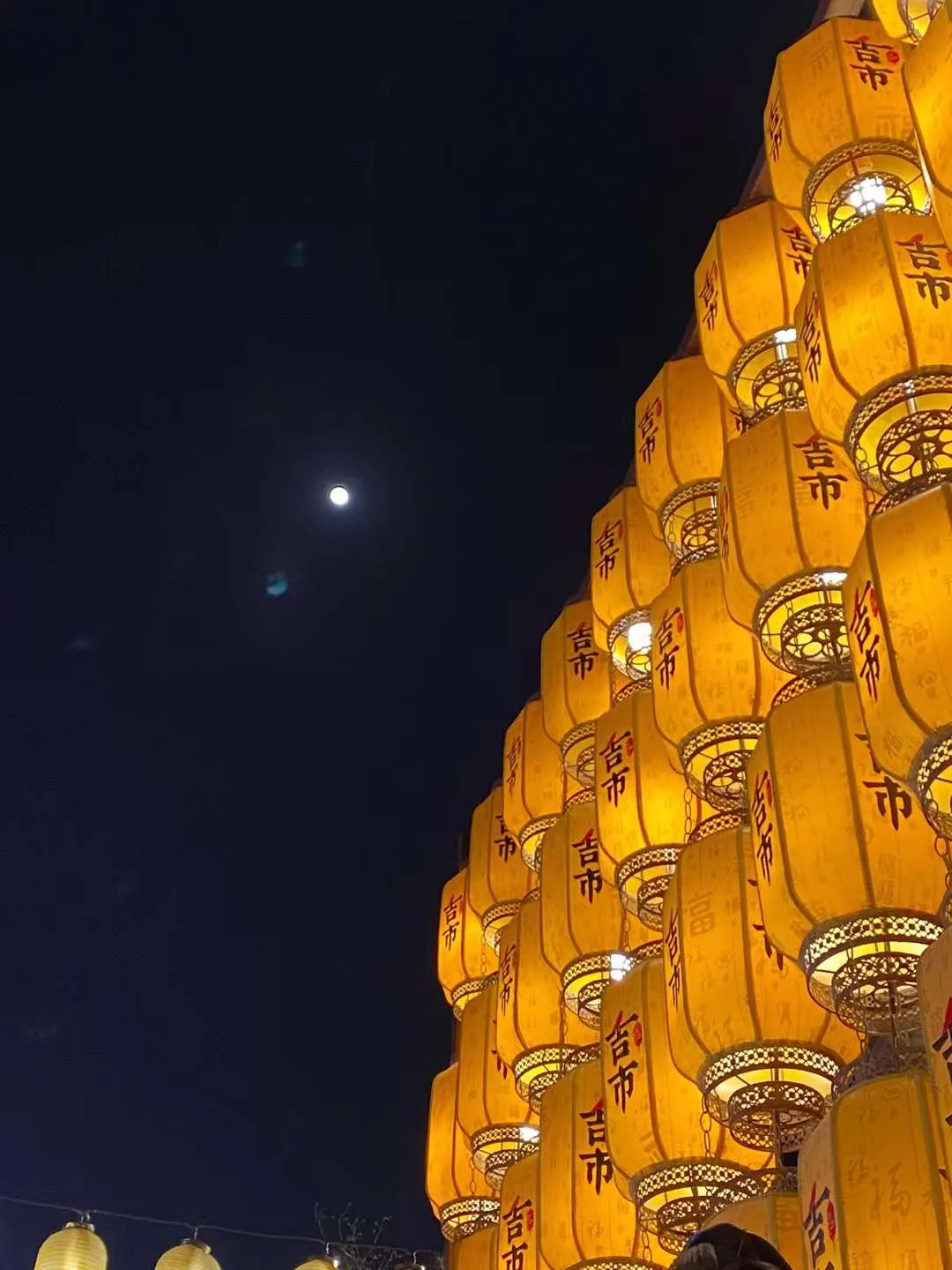
The time window for the lantern fairs and temple fairs
The Spring Festival lantern fairs and temple fairs in Luoyang and Kaifeng usually run from the twelfth lunar month into after the fifteenth day of the first month, and some venues extend their run; each year's exact dates, lighting hours, whether tickets are sold separately and whether capacity is capped are all adjusted, so always follow the latest official announcements. Two patterns from experience can guide you: first, shortly after the lanterns switch on before the New Year, visitor numbers are still climbing, so the viewing and photo experience is better; second, from the fourth day of the first lunar month through the Lantern Festival is prime season - the fullest atmosphere and the most people - and after the Lantern Festival some displays begin coming down.
So treat 'seeing the lights' as a standing item for every evening rather than betting everything on one day and one show. Keep the grottoes, gardens and museums for the daytime as usual, and choose nearby light displays for the evening; that way, even if one venue is temporarily adjusted because of weather or maintenance, your itinerary will not come up empty.
Spring Festival crowds and off-peak dates
The peaks usually appear in two stretches: New Year's Eve through the third day of the first lunar month, when holiday travel and family visits pile on top of each other; and from the fourth day of the first lunar month through the Lantern Festival, when the lantern and temple fairs hit prime season. In Luoyang the worst crowding is around the Longmen Grottoes and Yingtian Gate; in Kaifeng it is the Qingming Riverside Landscape Garden. Comparatively easier going: around the twentieth of the twelfth lunar month, and the weekdays after the seventh day of the first month and before the Lantern Festival.
A few practical crowd-dodging moves: try to hit popular sights at the first moment gates open; keep night tours for the evening - crowded, yes, but the space spreads out and the experience beats daytime bottlenecks; on New Year's Eve many restaurants, time-honoured shops and some venues close or shorten their hours, so arrange meals ahead of time; and confirm train tickets, accommodation and hanfu styling as early as you can.
Staying warm and the walking load in winter
Luoyang and Kaifeng are dry and cold in winter, with daytime temperatures mostly around 10 degrees Celsius and nights possibly near or below 0; the banks of the Yi River, the city walls and open squares are windy, making it feel colder than the thermometer says. Interiors in the north are generally heated or air-conditioned, and the temperature swings between inside and out are large, so the most practical approach is to layer: thermal base layer + middle layer + windproof outer layer, added and removed as needed. Gloves, a hat, a scarf, hand warmers and a thermos flask are worth bringing.
On walking load: the Longmen Grottoes are a half-day of 'steps and slopes' - several hours of stop-and-go that make it the hardest day on your legs of the whole trip; the Yingtian Gate - Mingtang area and Luoyi Ancient City are mostly flat; the Qingming Riverside Landscape Garden involves a moderate amount of walking. Choose non-slip shoes that stay firmly on your feet, and slow down even more on the grotto steps when they are cold or wet.
Who this route is not for
People with limited mobility or bad knees should think carefully: the steps and slopes of the Longmen Grottoes have no fully accessible alternative route, and this is one stretch the route cannot avoid. People who feel the cold should weigh it up too: the backbone of this route is night touring, and standing outdoors for an hour or two in the evening is the norm. If you dislike crowds, avoid the prime days of the lantern and temple fairs, or simply come in another season.
Families with very young children should shorten the night-tour parts: it is cold and crowded after dark and pushchairs are awkward, so it is best to concentrate the hanfu styling and the lantern fair into a single day and get back to the hotel early on the other evenings. Also set expectations in advance: Yingtian Gate is a protective display building over the ruins, and the Qingming Riverside Landscape Garden is a Song-dynasty cultural theme park recreated from Along the River During the Qingming Festival - what they provide is scenes and atmosphere, not original surviving ancient architecture. If you arrive expecting to see real old buildings, the gap will feel large.
If you decide to dial down the intensity, the easiest adjustments are: leave the Longmen Grottoes for the morning of the last day and head straight home after; keep just one night tour, choosing either Luoyi Ancient City or Yingtian Gate; and use the museums as the indoor fallback for rainy or snowy days.
Wrapping up
To compress this route into one sentence: Luoyang handles the grottoes, the Tang-style night tours and hanfu, and Kaifeng handles the Song-dynasty gardens and night markets; before the New Year you go for open space, after the holiday you go for the bustle, with lantern fairs and night tours as the backbone of the whole trip and the daytime grottoes and gardens as mere side dishes. Across five days, only three things really need locking in early - which days you come, which lantern display you see on which evening, and which half-day the Longmen Grottoes take; everything else can be adjusted once you arrive.
On timing, one more word on the trade-off logic: if you want the lights on with few people and clean photos, squeeze the trip into the window from the twentieth of the twelfth lunar month to before New Year's Eve, and put the Longmen Grottoes on a weekday morning; if you want the fullest festive flavour and can accept queues and capacity controls, face up to the fourth-day-to-Lantern-Festival peak, line popular sights up for the first moment gates open, and keep just one main lantern fair for the evening. Neither choice is superior - it simply comes down to whether you care more about photos or about atmosphere.
Henan in winter is dry and cold with a harsh wind and big swings between indoor and outdoor temperatures, so adding and removing layers matters more than wearing very thick clothes; the Longmen Grottoes steps, the low night-time temperatures around Yingtian Gate and Luoyi Ancient City, and the dense crowds at the lantern fairs are the route's three biggest drains on energy and comfort, so leave blank space in the schedule for your body to recover.
There is no fixed route product live in the Henan direction yet. If your party size, dates, whether seniors or children are coming, and whether you want hanfu follow-photography are more or less settled, you can tell a 0765trip travel consultant your needs through our contact page; the consultant will draft a bespoke version around the season's lantern fairs, venue openings and train tickets, and cross-check the opening hours, ticketing and capacity information mentioned in this article - before you set off, always treat the latest official announcements as authoritative for these changeable details.