First-time skiers fear three things most: not knowing how to rent the equipment, not knowing the rules of the slope, and the risk of getting hurt. This guide explains how to rent ski clothing, goggles, gloves and helmets, how to behave on the piste and how to fall and get back up, how to use magic carpets and chairlifts, and which protective gear is worth renting - plus reminders about knowing your limits and what to keep in mind for a child's first ski trip.
First-timers often freeze at the resort gate: rows of boards in the rental hall and no idea which to choose, ski boots they can barely walk in, and a fear of crashing into people the moment they are on the snow. This article answers one question - when you ski for the first time, how do you handle the gear, the rules and the common traps? The short answer first: rent before you buy, and always wear a helmet; stay on beginner (green) runs and master the snowplough stop and how to fall and get up before anything else; for slope etiquette, remember 'don't cut across the piste, control your speed, stop on the right'; on the magic carpet and the chairlift, slow equals steady; renting hip and knee pads is worth it; don't show off or follow stronger skiers onto harder runs; and if you are bringing children, keep sessions short and warm up often. As for choosing a resort, a mature ski area in Northeast China with good facilities and easy-to-book instructors is friendlier for a first trip - if you want to know how to weigh up the two regions' resorts, check the guide on this site:How to Choose a Xinjiang Ski ResortThis article was compiled in September 2026 for the 2026–2027 snow season: opening dates, closing dates and open runs differ every year, so go by the latest official announcements. Treat this as a one-page refresher before you hit the slopes: how to rent gear, what the slope rules are, which movements to practise first — explained in order below. The goal of a first ski day isn't to ski fast, but to finish day one safely and with fun.
What gear should you rent for your first ski trip?
For your first trip there is no need to buy anything - resorts and nearby ski shops rent out full sets:
Ski jacket: water- and wind-proof is enough; if your own hardshell isn't waterproof, it is still worth renting one so a fall in the powder doesn't leave you soaked and chilled;
Ski goggles: they guard against snow blindness and UV rays - the glare off the snow is fierce on sunny days, so they are not optional;
Gloves: water-resistant and warm, ideally with touchscreen fingertips so you can use your phone and do up zips;
Helmet: always rent and always wear one - beginners fall often, and a helmet is the cheapest insurance you will buy;
Skis + boots + poles: rent these as a package and let the shop fit the sizes to your height and weight - don't pick them yourself.
For anything worn close to the body or anything life-critical - goggles and helmets especially - rent from the resort's official rental service, where hygiene and safety standards are more dependable.
Slope Etiquette: Don't Cut Across, Control Your Speed, Stop on the Right
A ski area is not a backcountry slope - there is a set of default rules, and beginners who follow them stay safe and welcome:
Don't cut across the piste: to cross a run, go around the edges - don't cut diagonally through the middle, where skiers coming down can't avoid you;
Control your speed: whoever is downhill has priority; if you feel you are going too fast, slow down in a snowplough instead of charging ahead;
Fall to the right and move off the middle of the run at once: stopping mid-slope leaves you exposed to skiers above;
Don't linger or stand in a row chatting: take your chats to the side of the run;
Follow the ski patrol's instructions: never enter closed or being-groomed areas.
Before the slopes: how to fall and how to get up?
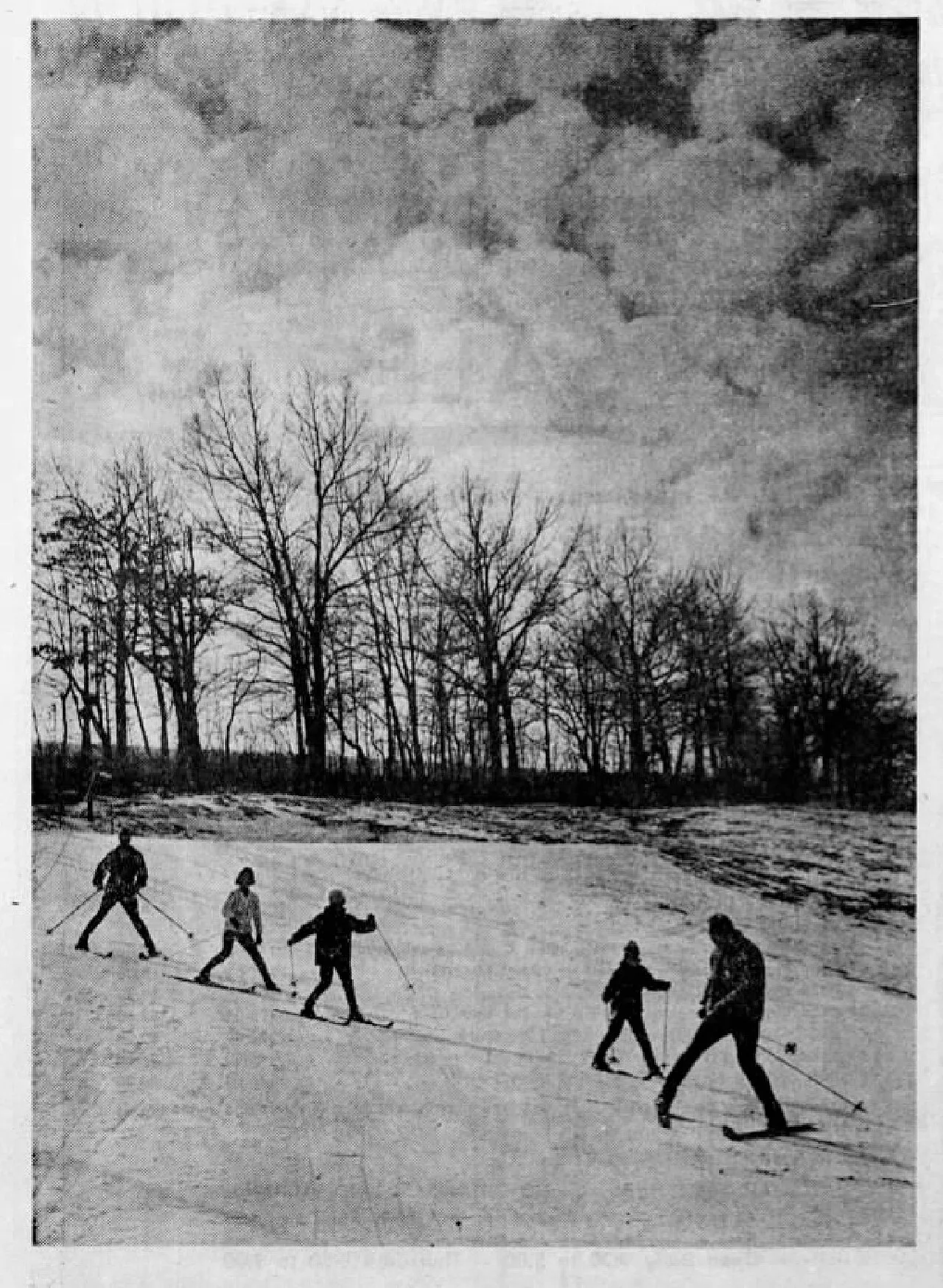
what you need to learn before 'how to ski' is 'how to fall and how to get up':
if you lose your balance, fall sideways with your skis across the slope, and never take the impact on the back of your head or your lower back;
to get up: set your skis across the slope, plant your poles and push yourself up - never wrench at your boots;
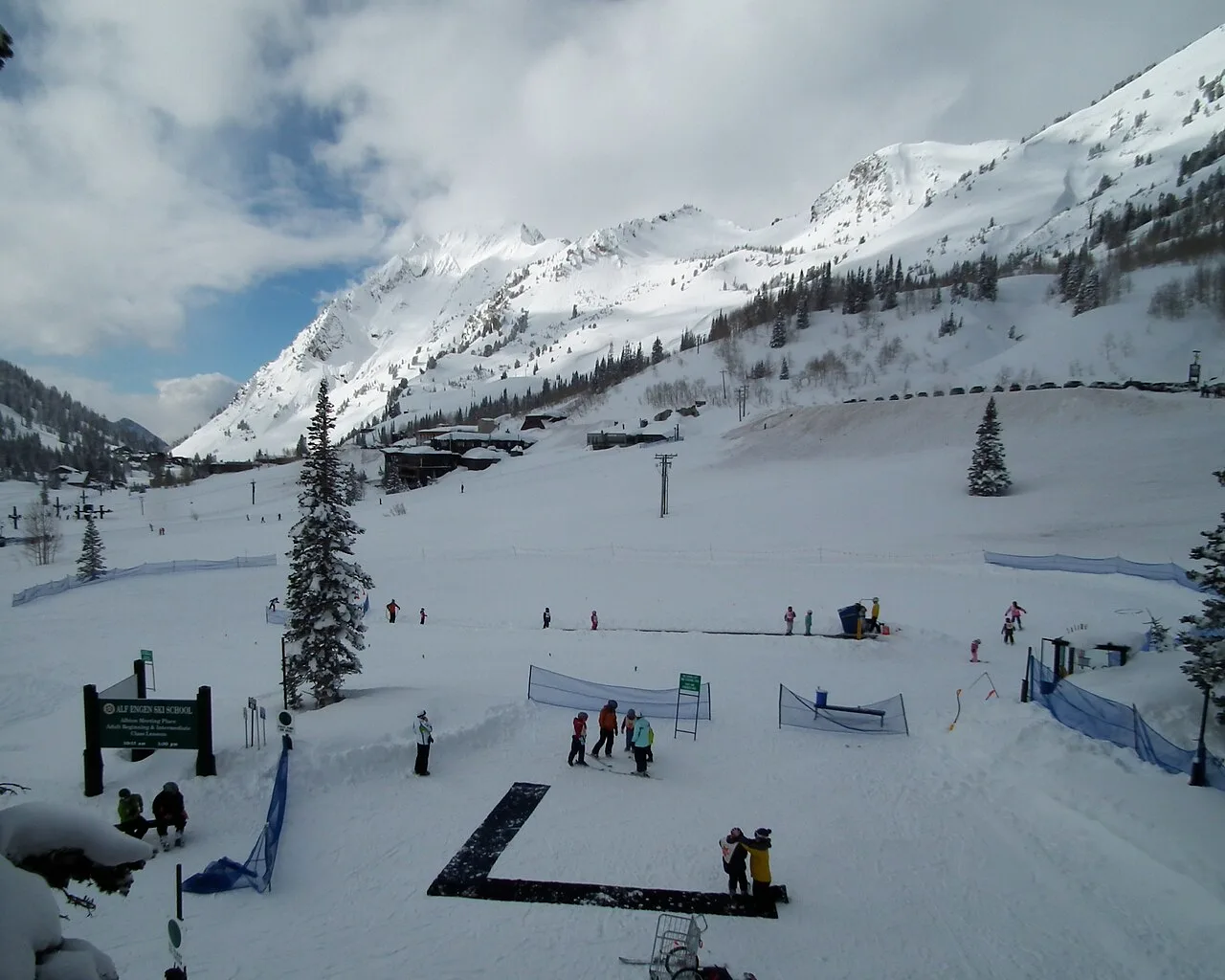
Start on themagic carpet(the conveyor lift) first, repeating the basics in the beginner area before you even think about the chairlift;
your goal for the first half-day isn't 'skiing fast' - it is 'being able to stop, get up and steer'.
Magic Carpet and Chairlift: Slow Means Steady
magic carpet: point both ski tips forward, stand with your feet apart and hold the rail; when the carpet ends, step off and don't hesitate at the exit;
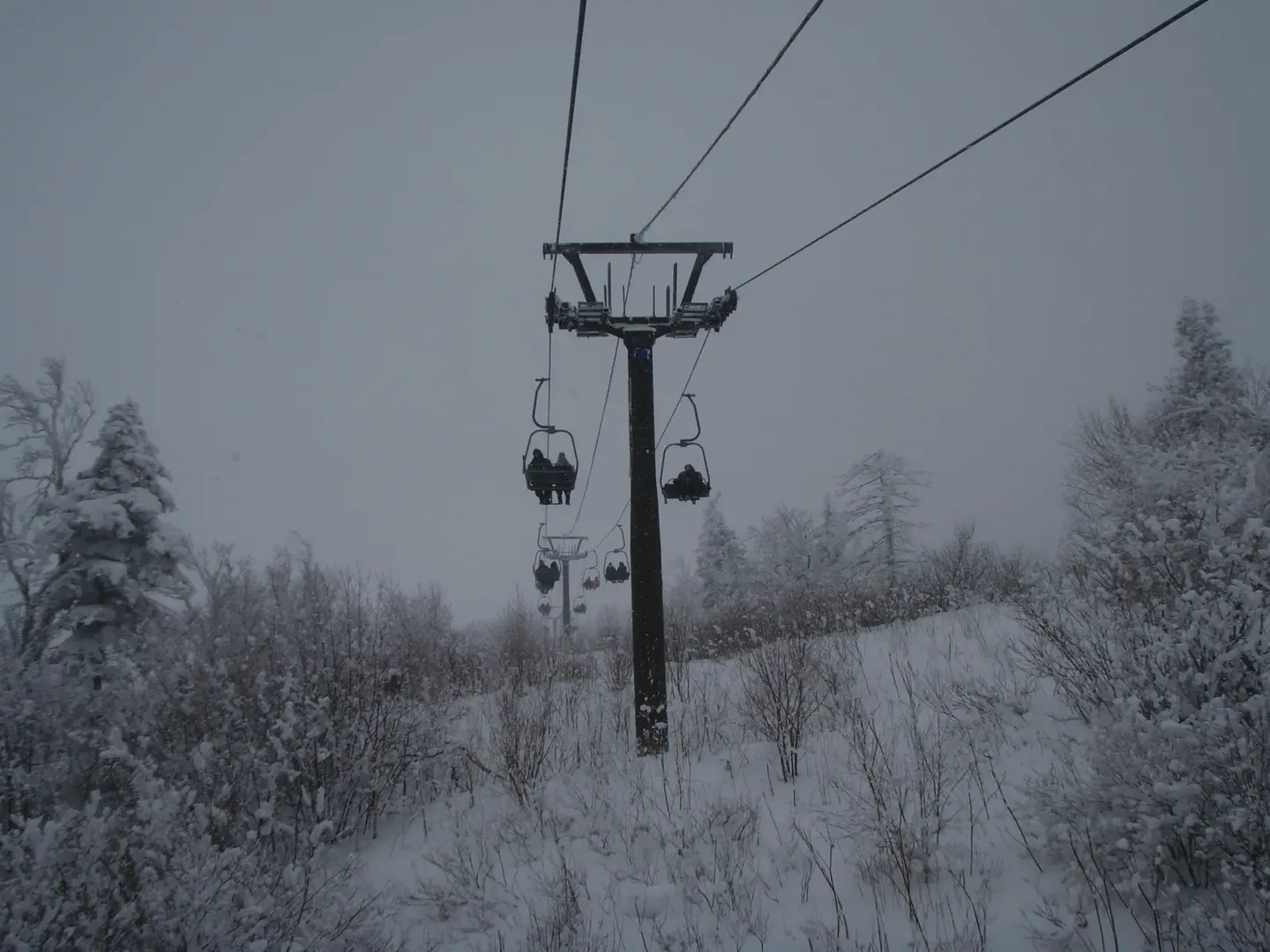
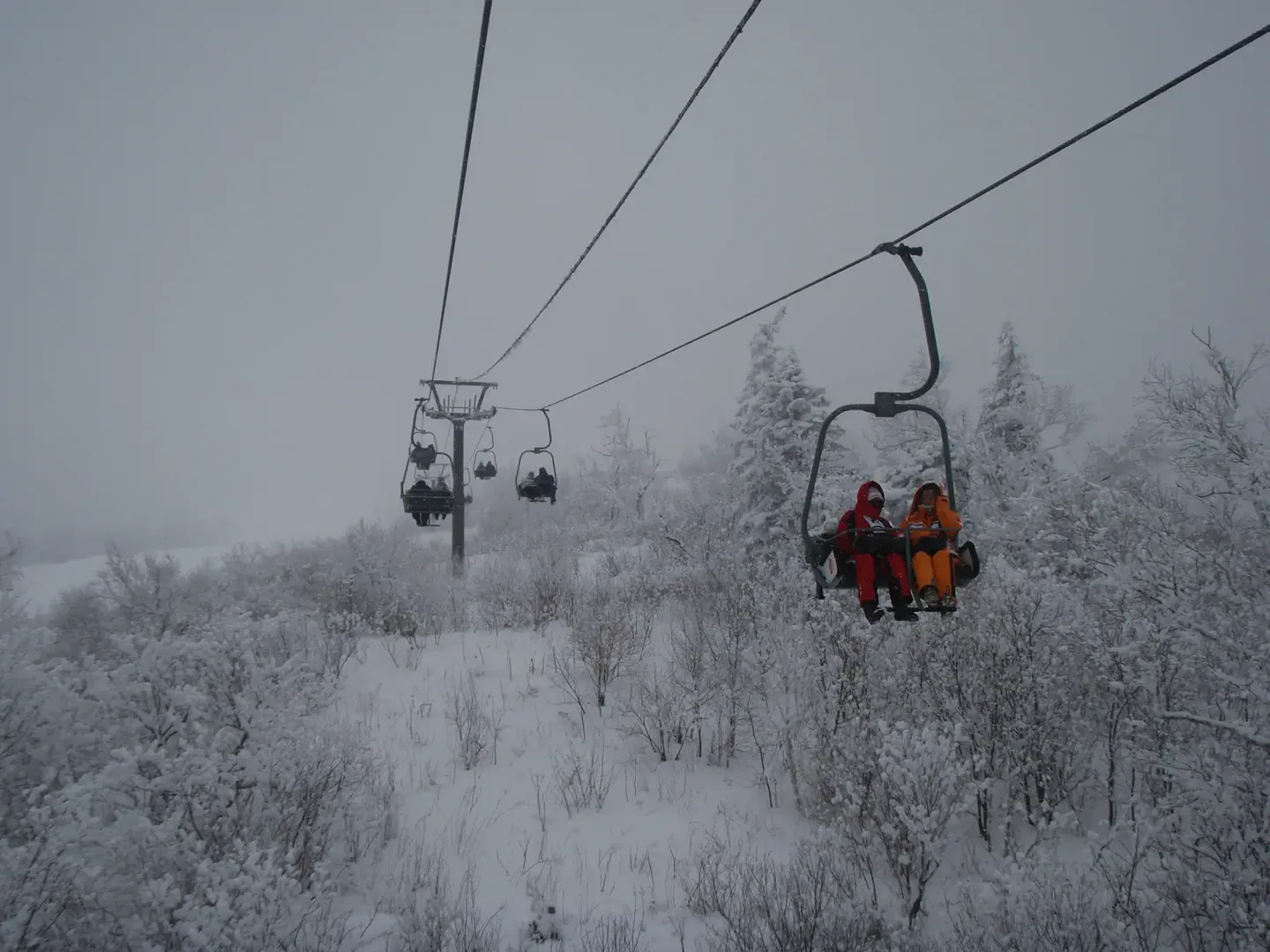
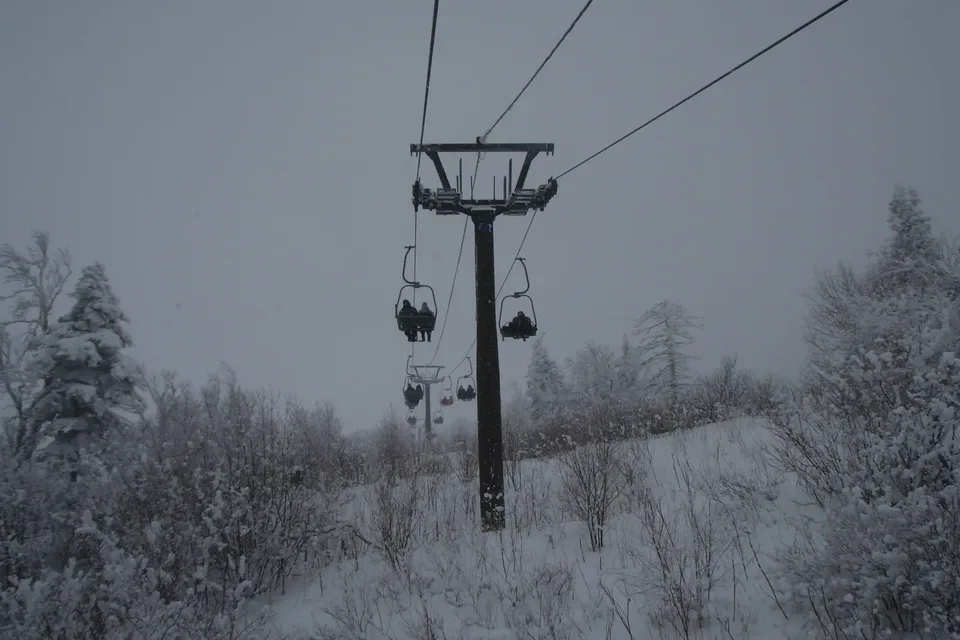
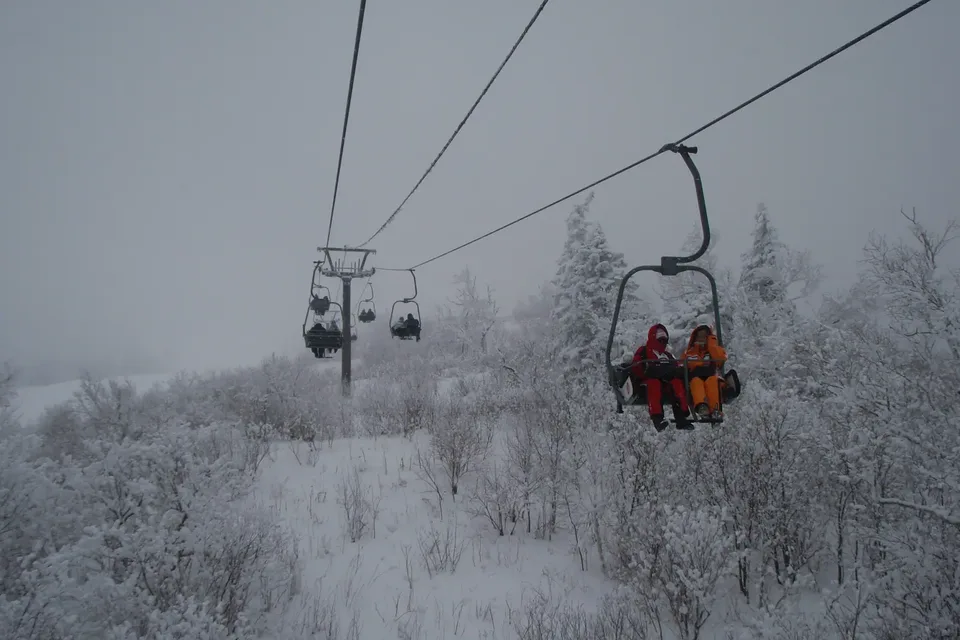
Chairlift: queue at the marked point on the ground and follow the lift staff's directions; don't struggle as you sit down, and just before the top, spot your exit and lift the bar to get off;
If you can't yet handle your skis confidently, take one lap with an instructor first before riding up alone.
Protective Gear and Graded Runs: Know Your Limits
Hip and knee padsare worth renting for beginners - they save you from a lot of bruising;
Only skigreen (beginner) runs, and leave intermediate and advanced runs to people who can ski them steadily;
don't follow others onto harder runs just to look like you can ski - falling on a steep slope is far more dangerous;
before you go, check your ski-related insurance coverage and settle any rescue and medical questions while you're still at home.
A Child's First Ski Trip
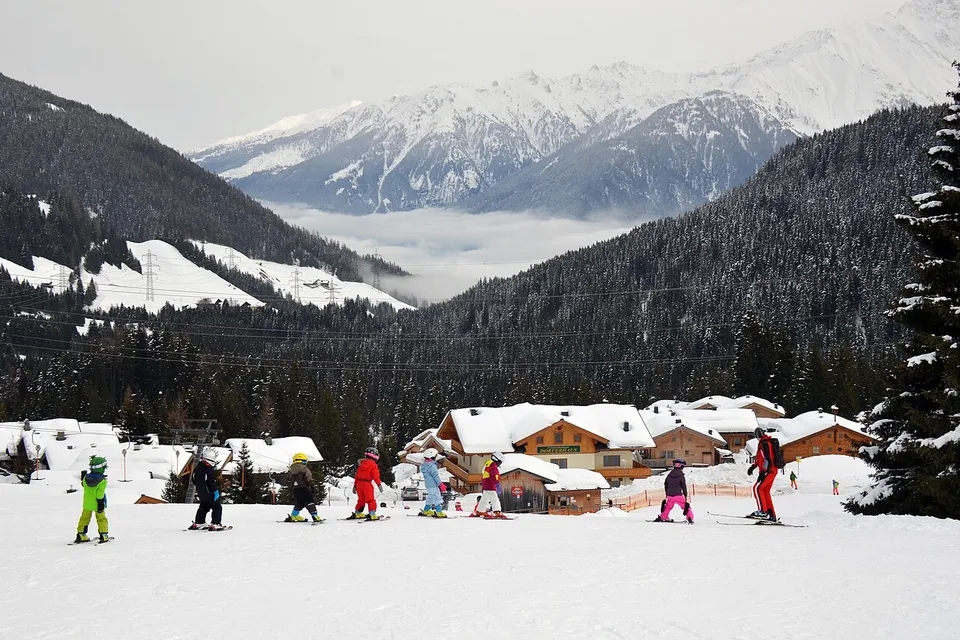
When a child is skiing for the first time, pacing matters more than technique:
give priority to resorts with a children's ski school and bookable Chinese-speaking instructors;
keep each session short and go often - don't cram one day full; when the child is tired, head back indoors to warm up and eat;
keep up the warm layers and frequent warm-up breaks; if their fingers or toes feel numb, go inside;
don't push them onto intermediate or advanced runs - if they happily do two snowplough laps on the beginner slope, that is a win.
First ski trip — Northeast China or Xinjiang?
Northeast China and Xinjiang are the country's two big ski destinations, and for a first trip the more developed Northeastern resorts are the safer recommendation: airports and high-speed rail are close, the runs are clearly graded, instructors and equipment rental are routine, and you can eat and soak in a hot spring nearby afterwards. Xinjiang has a longer season and bigger terrain, which suits people who already ski steadily and have longer holidays. For a closer comparison, check the resort guide on this siteHow to Choose a Xinjiang Ski Resort, and note that opening dates, open runs and chairlift operations always follow each resort's latest official announcements.
A Final Word: Let Go of 'I Want to Ski Well the First Time'
On a first ski trip, the biggest enemy isn't the difficulty of the runs but the urge to "ski it perfectly right away". Rent your gear, strap your helmet on tight, stay on the beginner runs and learn how to fall and get up — after the first half day you can actually stand and glide. It doesn't matter if the magic carpet and chairlift are slow; hip and knee pads spare you a lot of injuries; and with kids, break the time into shorter chunks and keep warming up. Only when you can turn easily on a green run is it time to talk about switching resorts or chasing a longer season. When choosing a resort, the mature, well-equipped Northeast resorts with easily bookable instructors are friendlier for a first ski; to learn how to compare the two regions' resorts, see the in-site guide to choosing Xinjiang ski resorts. Before you go, remember to check opening dates and which runs are open — everything should be subject to the latest official announcements. Remember three lines for your first ski: rent before you buy, stay on the green runs, never skimp on protection — put aside the urge to "ski perfectly right away" and day one will be steady and fun. Set day one's goal low — stop, get up, ride the magic carpet on your own — then you'll still have the appetite to get back on the slopes on day two.
If you'd like your first ski trip arranged as a hassle-free itinerary, or you want to book parent-child ski lessons for the kids, you're welcome to reach us via theContact Uspage and talk to a 0765trip travel consultant; for resort opening and scheduling information, always follow the latest official announcements.