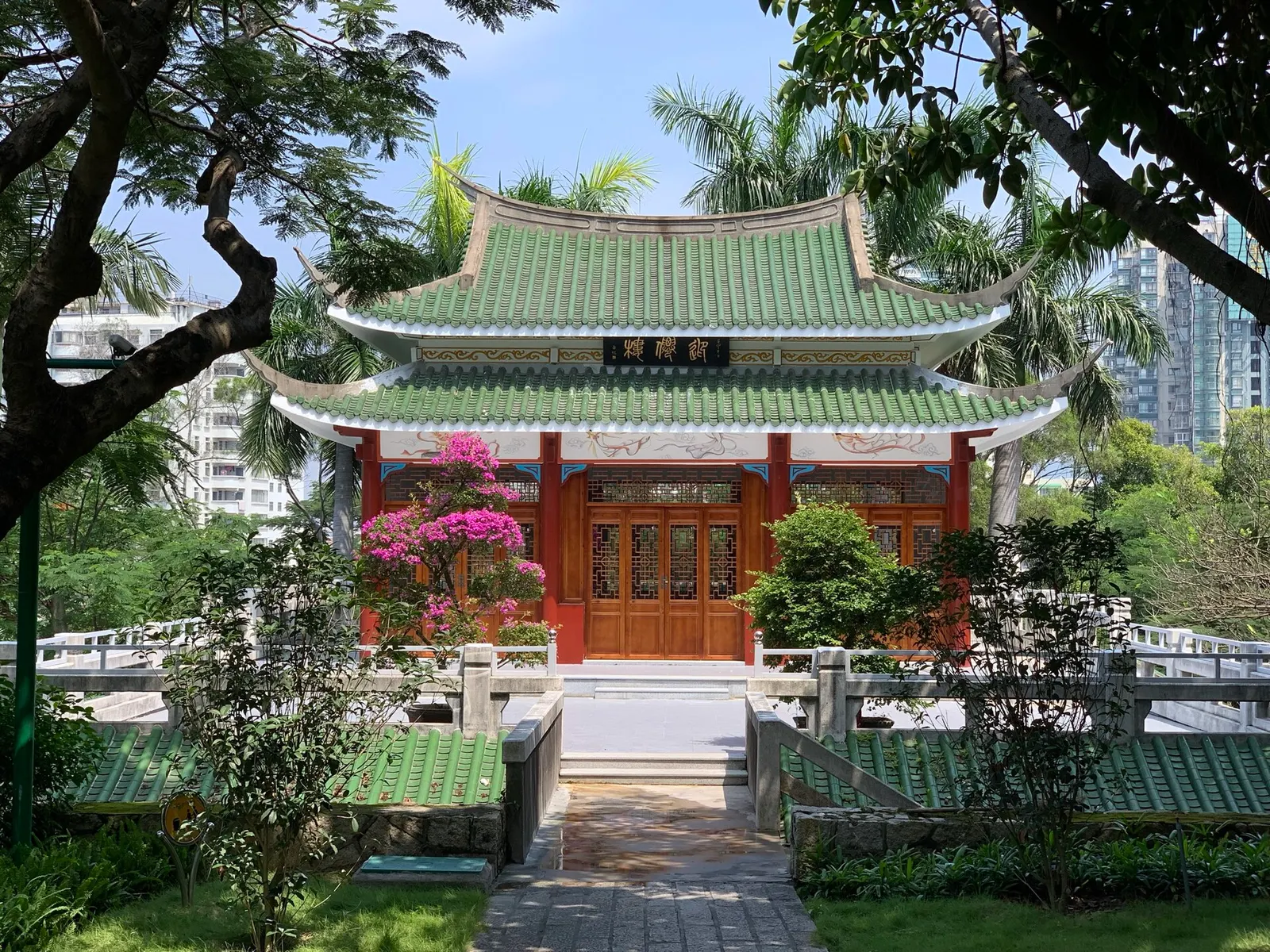
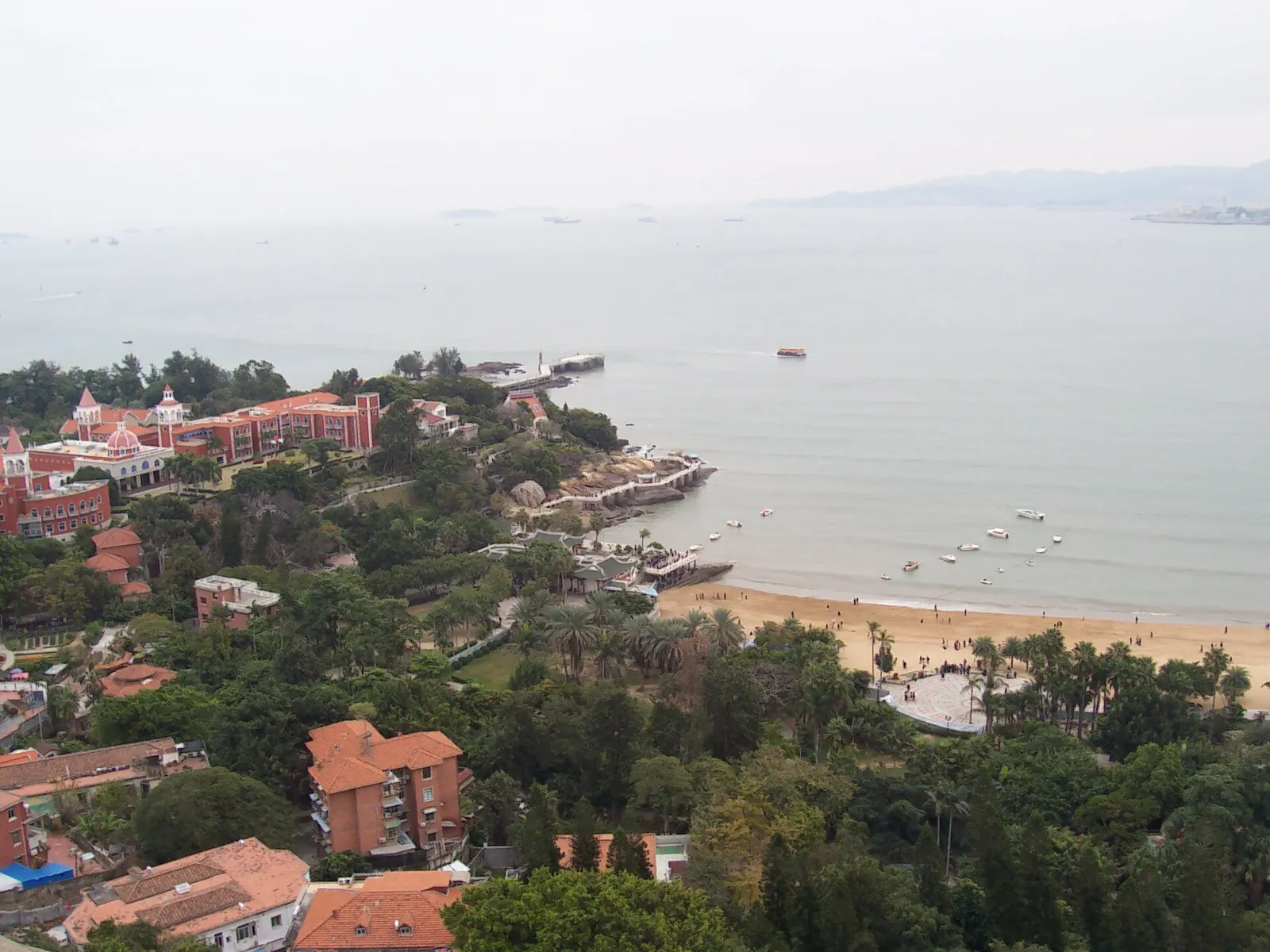
Xiamen is the most relaxed stop on the south China coast: Gulangyu, the old town and the coastline are all close together. The one thing that must be arranged in advance is the ferry to Gulangyu — visitors leave from designated passenger piers and need real-name booking, and in peak season tickets can sell out days ahead. Two days covers the main line and a third adds the tulou or Jimei. Staying around Zhongshan Road and the ferry piers saves the most time (checked 28 September 2026).
Xiamen belongs to the category of Chinese cities that are undisputedly comfortable: not large, mild in climate, with the sea right beside it and a short ferry ride between the island and the old town. It asks little preparation and little stamina, and suits almost every kind of traveller — which is why so many first-time visitors to China put it on the list.
But Xiamen has one thing that must be handled in advance: the Gulangyu ferry. Visitors cannot simply board from a city pier; they must leave from designated passenger piers and book real-name tickets by departure slot, and in peak season or around holidays these often sell out early. Many people arrive to discover that the island they wanted to visit has no tickets left, and end up looking at it from the shore. Settle this first and the rest of Xiamen flows; miss it and half the point of the trip is gone.
Xiamen's other layer is its overseas-Chinese heritage. The old villas on Gulangyu, the arcaded streets around Zhongshan Road and Datong Road, and the building cluster at Jimei all survive from the modern-era traffic between southern Fujian and the world beyond. Read that layer and Xiamen is more than a seaside snack town — it is a stretch of the history of China's southeast coast talking to the world.
This guide is for travellers placing Xiamen in a 7 to 12 day China route: how many days it needs, how to arrange Gulangyu, how to walk the old town and the coast, what to skip, where to stay, and practical matters such as typhoon season.
Is Xiamen right for a first trip to China?
Yes, and it asks little of your stamina. Xiamen island is small, with convenient buses, metro and taxis; Gulangyu is explored on foot; and the Ring Road is made for cycling. The pace is slow and the food leans on seafood and Minnan snacks, which makes it friendly to foreign visitors.
Its shortcoming is limited spectacle: Xiamen has nothing like the Great Wall or the Terracotta Army, so it works best as a breathing space in a long route — after Shenzhen or Guangzhou, or as the transition between east and south China. If you have only five days and want the classic symbols of China, Beijing comes first. How to combine cities and split the days is covered here: which cities to visit on a first trip to China.
How many days does Xiamen need?
Two days is comfortable; one covers only Gulangyu or the old town.
- One day: only one thing — Gulangyu (with the ferry) or the old town plus the coast. Rushed.
- Two days: Gulangyu on day one, then Zhongshan Road, Shapowei, Nanputuo and the Ring Road on day two. That covers the main line.
- Three days: add a day for the tulou (the Fujian earth buildings), or fill in Jimei and the garden expo area.
- 4 days or more: extend to Quanzhou or Fuzhou, or treat Xiamen as a rest stop and stay a while.
What to see first, and what to skip
The test in Xiamen is whether this experience exists only on the Minnan coast, not whether a place is trending.
| Place | For a first visit | Why |
| Gulangyu | Must go | Old villas, gardens and island lanes — and you must book the ferry in advance |
| Sunlight Rock and Shuzhuang Garden | Advice | The island's best views and a representative garden; quietest in the early morning |
| Zhongshan Road and Datong Road | Advice | Arcaded old streets and Minnan daily life; good in the late afternoon |
| Shapowei | Advice | An old fishing harbour turned neighbourhood; best mood at dusk |
| Nanputuo Temple | Advice | An important Minnan temple next to Xiamen University, known for its vegetarian kitchen |
| Xiamen University | Optional | Campus entry requires booking; rules follow official channels |
| Cycling the Ring Road | Strongly recommended | A seafront cycleway and the most comfortable way to move around Xiamen |
| Jimei school village | Optional | The Tan Kah Kee building cluster, in the opposite direction from the centre; half a day |
| Zengcuoan | Can skip | A commercialised snack street with repetitive stalls |
| Gulangyu's main commercial street | Pass through quickly | The shops are much the same — save your time for the villas and the shoreline |
| Fujian tulou | Separate day | Hakka earth buildings, a completely different experience from Xiamen island |
In one line: Gulangyu is Xiamen's core (but solve the ferry first), the old town and coast are daily life, the tulou are the bonus, and the trending snack streets can be skipped.
When to go, and how to dodge the crowds
- March to May: comfortable temperatures, Xiamen's most pleasant stretch.
- October to December: dry, clear autumn weather, good water colour, ideal for cycling and the coast.
- July to September: hot and wet, and typhoon season; typhoons affect flights, ferries and high-speed trains, so the plan must stay flexible.
- January to February: mild, a good choice for escaping the cold; crowds and prices fluctuate around Spring Festival.
Avoiding crowds means Change the hour and book ahead: book an early ferry to Gulangyu, since the island is quietest before nine; Zhongshan Road is liveliest after the lights come on; Shapowei has the best mood at dusk but is busy; the Ring Road is most comfortable to cycle at dawn. Ferry schedules, fares and campus booking rules can change each year — check official channels before you travel (this article was reviewed on 28 September 2026).
Which area to stay in on a first visit
- Zhongshan Road / the ferry piers: close to the Gulangyu pier and walkable to the old town — the most time-efficient base for a first visit, at mid-to-high prices.
- Zengcuoan / the Ring Road: sea views and easy cycling, good if the coast is your priority, though the old town means a bus ride.
- Xiamen University / Nanputuo: quiet and green, with transport depending on buses and taxis.
- On Gulangyu itself: for travellers who want the island at dawn and after dark; against it are the hassle of moving luggage and few, expensive rooms.
- Around Xiamen North Railway Station: fine for travellers using Xiamen as a stopover of less than a day.
Getting to Xiamen and getting around
Into the city. Xiamen Gaoqi International Airport (XMN) is close to the city, with buses, metro and taxis into town; high-speed trains mostly stop at Xiamen and Xiamen North stations, and Xiamen North is some distance out, needing a metro or intercity connection. Exact services are subject to the latest official announcements.
In the city and onto the island. The metro, BRT and buses cover the main areas; the Ring Road suits cycling, with shared bikes unlocked by phone. Reaching Gulangyu requires a boat, leaving from designated passenger piers with real-name booking in advance and boarding by time slot; pier and sailing information follows official announcements. Paying by QR code is covered here: how to pay in China and the travel apps foreign visitors use.
To the tulou. The Fujian earth buildings lie in the mountains west of Xiamen and usually involve a private car, a shared car or a day tour; a same-day return means a long drive. Tickets and boarding are covered here: how to travel by high-speed rail in China.
What to arrange before you land
- Confirm your visa or visa-free eligibility. Xiamen is one of the main entry points and eligible cities, but the visa-free and transit exemptions carry specific day limits and conditions, and they change: how to apply for a China tourist visa.
- Book the Gulangyu ferry first. This is the one step in Xiamen that cannot be skipped — book through official channels and check the pier and departure time.
- Confirm campus and venue bookings. Places such as Xiamen University normally require advance booking and peak-season slots are tight; rules follow official channels.
- Prepare two ways to pay. Mobile payment first, cash and a physical card as backup; small stalls and older shops lean more heavily on QR codes. The general pre-departure checklist is here.
- Watch the forecast in typhoon season. From July to September, check the weather before you travel; if a typhoon warning is issued, leave room for rebooking and an extra night — ferries may be suspended.
- Network and connectivity. Maps, bikes and translation all depend on data, so decide in advance between an eSIM, a local SIM and roaming: choosing between an eSIM, a physical SIM and roaming.
How Xiamen fits into a longer trip
- Shenzhen / Guangzhou + Xiamen: connected along the coast by high-speed rail, linking south China with Fujian; for the Shenzhen half, see first time in Shenzhen: modern China, markets and the Hong Kong link.
- Xiamen + Quanzhou / Fuzhou: continue north for the old towns and religious architecture of Minnan and eastern Fujian — good for travellers drawn to culture.
- Xiamen + the tulou: island and Hakka mountains in one trip, needing an extra day.
- Xiamen + Shanghai / Hangzhou: a transition between east and south China, usually placed mid-route.
If you would prefer someone to line up transport, tickets and hotels, start with our China inbound tours page; to adjust it to your dates and group size, tell us the dates and the number of travellers: contact us.
Frequently Asked Questions
Is Gulangyu worth a night? If you want the island at dawn and after dark, when the tour groups are thinnest, yes; but rooms are few and expensive, and moving luggage on and off the ferry is awkward. Most people go for the day, taking the earliest ferry out and leaving in the late afternoon.
Will not speaking Chinese be difficult on Gulangyu? Not really. The piers and boats are clearly signed, the main lanes on the island have signposts, and most restaurants have picture menus. Save screenshots of your ferry booking and hotel address so you can check them when the signal is weak.
Is Xiamen safe? Broadly safe. What to watch is water safety (do not swim where there are no lifeguards), traffic while cycling, and your belongings in crowds. During typhoon warnings, follow official guidance and adjust your plans.
Do I need to tip in Xiamen? No. Restaurants and guesthouses do not expect tips, and some bills already include a service charge.
Closing thoughts
Xiamen is a city that is easy to underrate and easy to reduce to a snack street. Its core is really three things: an island you must book a ferry to reach, an old town that explains the modern-era traffic between southern Fujian and the world, and a coastline you could cycle all day. Arrange those three and Xiamen becomes an unusually relaxed trip.
Here is an order a first-time visitor can follow: confirm your visa or visa-free eligibility, book the Gulangyu ferry as the very first step, then book a hotel around Zhongshan Road or the piers; on day one take your booked sailing to the island and walk Sunlight Rock, Shuzhuang Garden and the old villas; on day two take Zhongshan Road, Shapowei, Nanputuo and a Ring Road cycle; with another day, extend to the tulou or Jimei. From July to September, keep one spare day for typhoons.
Xiamen will not overwhelm you, but it will rarely tire you — a scarce quality on a long trip.