The question in Suzhou is not how many gardens to see but which ones to choose: the Humble Administrator's Garden for scale, the Master of the Nets for intimacy, the Lingering Garden for spatial change — one or two in a day is enough. Two days covers the gardens and the old town; a third adds Tongli or Zhouzhuang. Shanghai is about half an hour away by high-speed rail, and staying around Guanqian Street or Pingjiang Road saves the most time (checked 28 September 2026).
Among Chinese cities, Suzhou is the easiest to underestimate in difficulty: everyone knows the gardens are fine and that Shanghai is close, so it gets scheduled as a half-day trip from Shanghai. The result is walking into the Humble Administrator's Garden, being carried through it in forty minutes by the crowd, and leaving without having understood the garden or entered the old town.
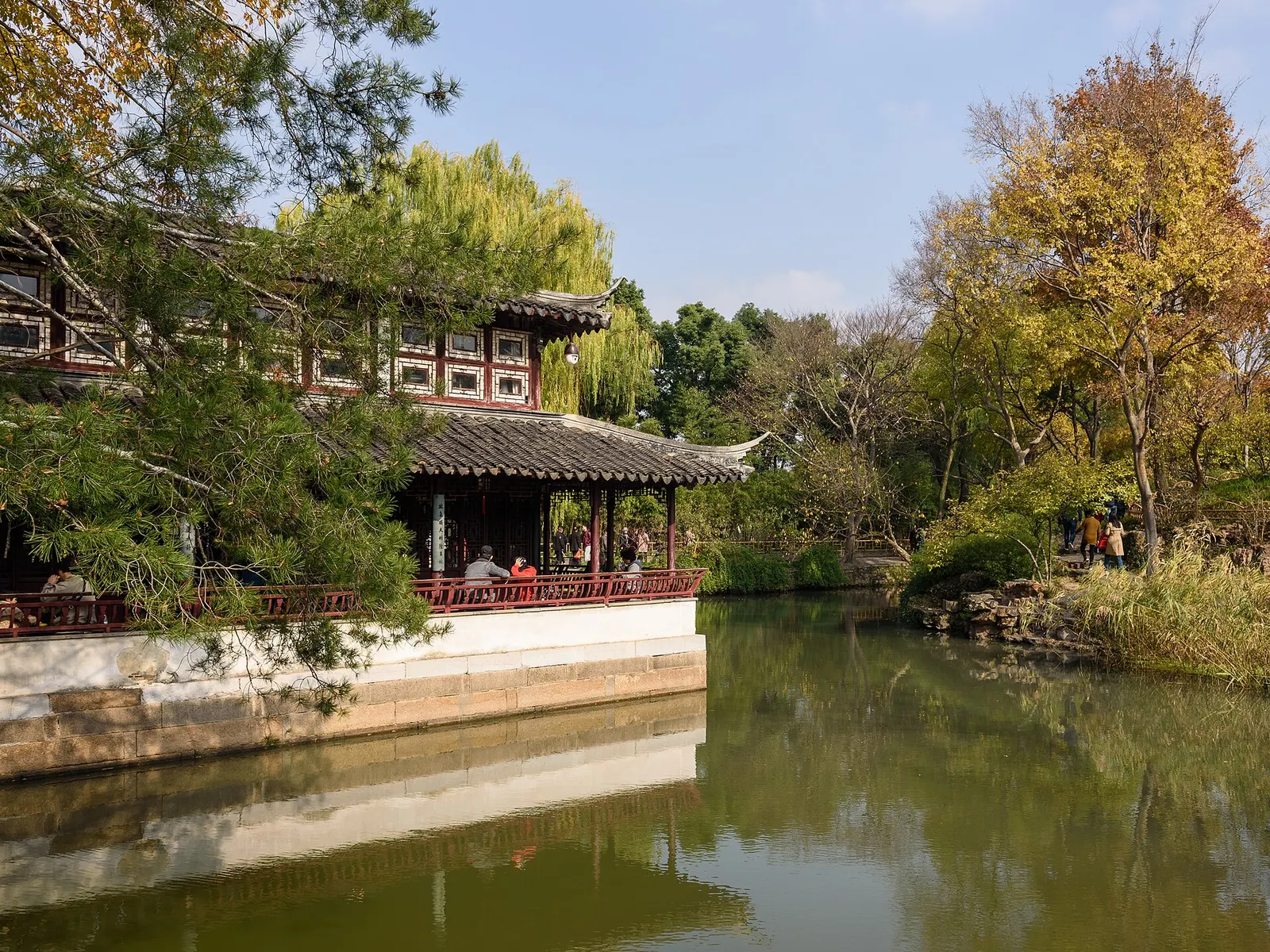
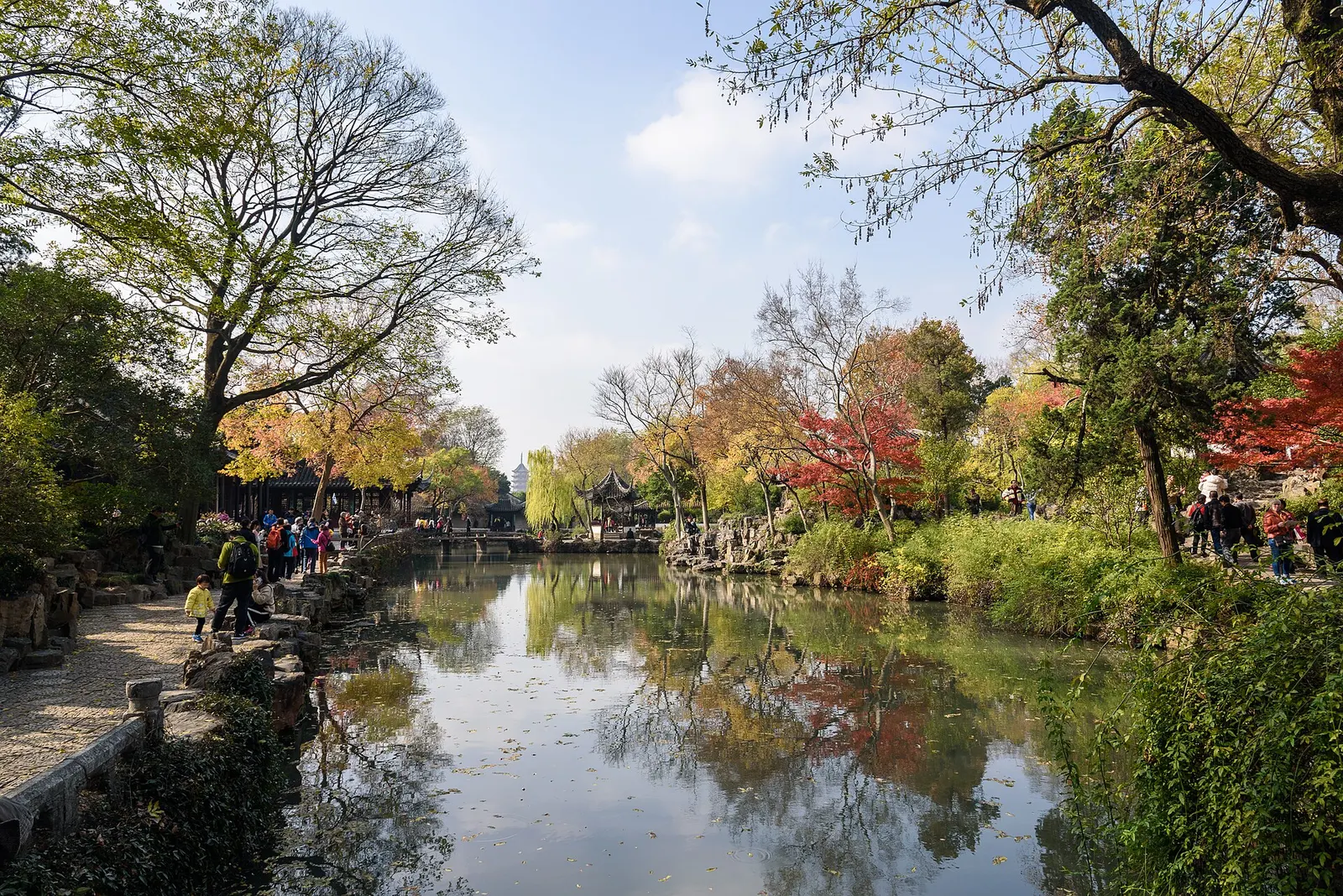
What Suzhou really requires is one decision: which gardens to choose. Suzhou has dozens of classical gardens, and there is no need — or possibility — to see them all on a first visit. They differ not in quality but in what they show: the Humble Administrator's Garden shows scale and water, the Master of the Nets shows how much can fit into a small space, the Lingering Garden shows architecture unfolding stage by stage, and Lion Grove shows rockeries.One or two gardens, unhurried, are worth far more than four in a single day.
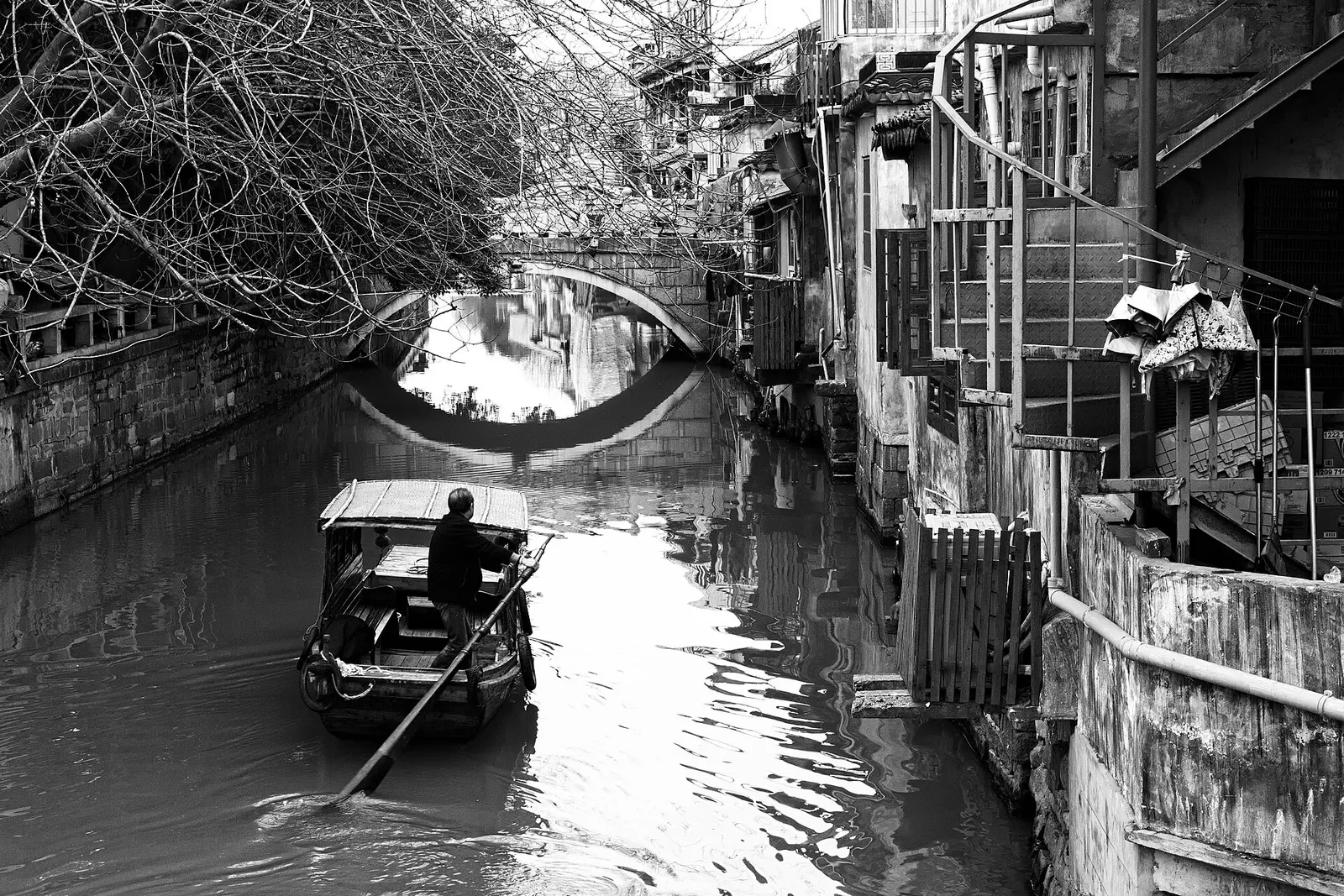
Suzhou's second layer is the old town and its canals: the land-and-water layout around Pingjiang Road, the riverside houses of Shantang Street, and the Suzhou Museum itself, whose I. M. Pei building is a demonstration of modern architecture talking to tradition. Together those three make Suzhou's complete experience of gardens plus city.
This guide is for travellers placing Suzhou in a 7 to 12 day China route: how many days it needs, how to choose gardens, how to walk the old town and the canals, what to skip, where to stay, and practical matters such as bookings and season.
Is Suzhou right for a first trip to China?
Yes, especially if two things apply: Shanghai is in your plan (half an hour by high-speed rail), and gardens, water and a slow old town appeal to you. Suzhou is easy to handle — the old town suits walking, and the metro and buses reach the main sights; the food leans on Suzhou cooking and local noodles, which is friendly to foreign visitors.
Its shortcoming is a narrow range: Suzhou's appeal is gardens and Jiangnan urban form, so if the core of your trip is the Great Wall or the Terracotta Army, Suzhou works better as a change of pace on an east China route. How to combine cities and split the days is covered here: which cities to visit on a first trip to China.
How many days does Suzhou need?
Two days is comfortable; one covers only a garden or two.
- Half a day: only the Humble Administrator's Garden plus a stretch of the old town — a stopover-level visit.
- One day: the Humble Administrator's Garden and the Suzhou Museum, then Pingjiang Road in the evening. You get an introduction to the gardens.
- Two days: the Lingering Garden or the Master of the Nets on day two, plus Tiger Hill or Shantang Street. The main line is complete.
- Three days: add a day for Tongli or Zhouzhuang, or the Changshu and Mudu directions.
What to see first, and what to skip
The test in Suzhou is which spatial technique a garden or street demonstrates, not whether it appears on a ranking.
| Place | For a first visit | Why |
| Humble Administrator's Garden | Must go | The largest classical garden in Suzhou, showing scale and water layout; booking required |
| the Suzhou Museum | Strongly recommended | The I. M. Pei building is itself the attraction; the best indoor option |
| Master of the Nets Garden | Strongly recommended | Small and exquisite — the clearest demonstration of fitting much into little |
| Lingering Garden | Advice | Architecture and space unfolding stage by stage, entirely unlike the Humble Administrator's Garden |
| Pingjiang Road | Advice | The old town's land-and-water layout; best walked in the late afternoon |
| Shantang Street | Optional | Riverside houses and evening cruises, more commercialised than Pingjiang Road |
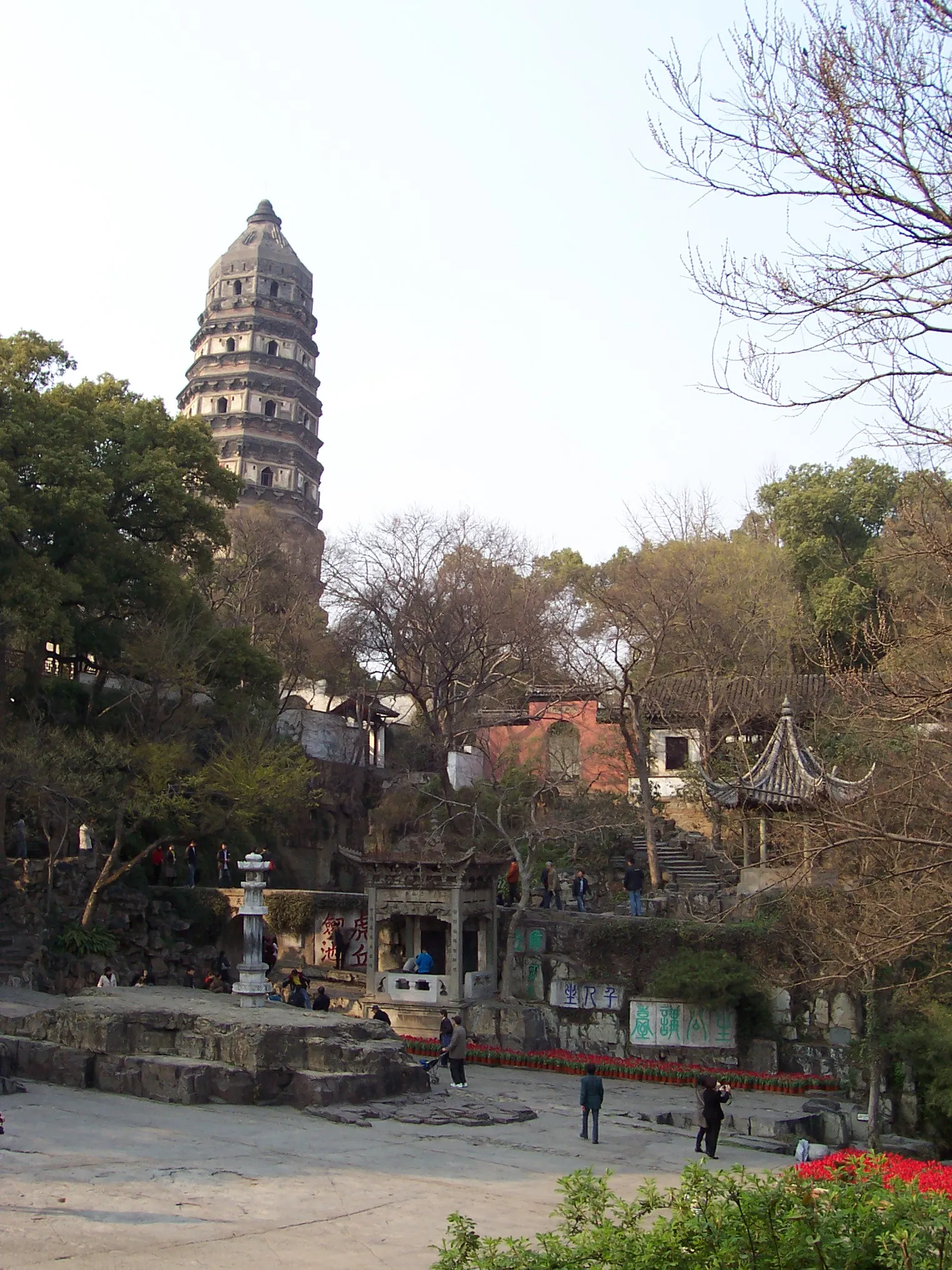
| Tiger Hill | Optional | The Yunyan Pagoda and a long history of stories, some distance from the old town |
| Lion Grove Garden | Optional | Famous for its rockeries; families with children tend to enjoy it more |
| Guanqian Street | Can skip | A commercial street, unlike the old-town canals — fine as you pass through |
| Tongli, Zhouzhuang | Separate day | Classic Jiangnan water towns, each needing a full day; pick one |
In one line: Choose two gardens by contrast, let the old town and canals supply the other half of the city, and give a water town a day of its own.
When to go, and how to dodge the crowds
- March to May: the best spring scenery, with the richest layering of flowers and trees in the gardens.
- September to November: dry, clear autumn weather suits long walks in the old town and visits to the water towns.
- Mid-June to mid-July: the plum-rain season — high humidity and frequent rain; the gardens are atmospheric in rain, but getting around is harder.
- July to August: hot, with some shade in the gardens but the densest crowds; enter as early as possible.
- December to February: damp and cold, but with the fewest visitors — the quiet makes the gardens easier to feel.
Avoiding crowds means Go early, at opening: enter the Humble Administrator's Garden and the Lingering Garden in the first slot after opening; book the Suzhou Museum and choose a weekday; Pingjiang Road is best in the early morning and late afternoon, busiest after midday; Shantang Street fills up once the evening lights come on. Ticketing, bookings and opening hours can change each year — check official channels before you travel (this article was reviewed on 28 September 2026).
Which area to stay in on a first visit
- Guanqian Street / Pingjiang Road: the centre of the old town, walkable to the Humble Administrator's Garden and Pingjiang Road, and dense with restaurants — the most time-efficient base for a first visit.
- Shantang Street / Shilu: close to the Tiger Hill direction and the evening cruise piers, with a good atmosphere after dark.
- Around Jinji Lake: modern Suzhou, with new hotels and tidy surroundings, though the old town means a metro commute.
- Around Suzhou North Railway Station: fine for travellers using Suzhou as a stopover of less than a day.
Getting to Suzhou and getting around
Into the city. Suzhou has several high-speed stations including Suzhou, Suzhou North and Suzhou Industrial Park, about half an hour from Shanghai Hongqiao, with direct services from Nanjing and Hangzhou; for flights, travellers usually go via Shanghai Hongqiao or Pudong. Exact services are subject to the latest official announcements. Stay in the old town and Suzhou station puts Pingjiang Road within a walk or a short taxi ride.
Within the city. The metro covers the old town and the main sights, and the canal district suits walking and cycling; paying by QR code means activating the transport code in Alipay or WeChat Pay first — how to do that is covered here: how to pay in China and the travel apps foreign visitors use. The old-town lanes are narrow, so a taxi is sometimes slower than walking.
To the water towns. Tongli and Zhouzhuang are reached by coach or private car; a same-day return is feasible but long. Buying tickets and boarding are covered here: how to travel by high-speed rail in China.
What to arrange before you land
- Confirm your visa or visa-free eligibility. Suzhou is normally entered via Shanghai and is one of the main eligible cities, but the visa-free and transit exemptions carry specific day limits and conditions, and they change: how to apply for a China tourist visa.
- Book the Humble Administrator's Garden and the museum. Both require advance booking in peak season, with limited slots; choose the first entry slot where possible.
- Prepare two ways to pay. Mobile payment first, cash and a physical card as backup; old-town shops and teahouses lean more heavily on QR codes. The general pre-departure checklist is here.
- Keep quiet in the gardens. Suzhou's gardens are protected historical sites: lower your voice, and do not touch exhibits or plants.
- Be careful when buying silk and crafts. Shops around the old town and the sights trade heavily on silk and pearls, with wide variation in price and quality; buy from established stores and ask for a receipt.
- Network and connectivity. Maps, ride-hailing and translation all depend on data, so decide in advance between an eSIM, a local SIM and roaming: choosing between an eSIM, a physical SIM and roaming.
How Suzhou fits into a longer trip
- Shanghai + Suzhou + Hangzhou + Wuzhen: the smoothest East China combination, linked by high-speed rail, 5 to 7 days.
- Shanghai + Suzhou: the most practical version for three or four days; for the Shanghai half, see first time in Shanghai: 2–4 days, what to see and where to stay.
- Nanjing + Suzhou + Shanghai: linking the Six Dynasties capital with the Jiangnan gardens, all within about an hour by high-speed rail.
- Suzhou + Wuxi / Changzhou: extend towards Lake Tai, good for a second visit to east China.
If you would prefer someone to line up transport, tickets and hotels, start with our China inbound tours page; to adjust it to your dates and group size, tell us the dates and the number of travellers: contact us.
Frequently Asked Questions
Is one day in Suzhou enough? Enough for one or two gardens and a stretch of the old town, but rushed. Suzhou's most comfortable rhythm is two days: one for gardens and the museum, one for the Lingering Garden or the Master of the Nets and the old-town canals.
Can I take photographs in the gardens? Yes, but do not use long poles or flash in a way that disturbs others, and do not touch the structures or plants; some exhibition rooms prohibit photography, with notices on site.
Pingjiang Road or Shantang Street? With time, do both: Pingjiang Road is closer to residents' daily life, while Shantang Street leans commercial and towards evening cruises. If you must choose one on a first visit, take Pingjiang Road and walk it from north to south in the late afternoon.
Do I need to tip in Suzhou? No. Restaurants and hotels do not expect tips, and some bills already include a service charge.
Closing thoughts
Suzhou's difficulty is not where to go but how deeply to look. The same Humble Administrator's Garden, walked through in forty minutes with the crowd or sat with for an hour over water and covered walkways, gives two entirely different experiences. Suzhou rewards slowing down — replacing finishing the list with getting inside it.
Here is an order a first-time visitor can follow: confirm your visa or visa-free eligibility, book a hotel around Guanqian Street or Pingjiang Road, and secure the bookings for the Humble Administrator's Garden and the Suzhou Museum; enter the garden in your booked slot on day one, eat in the old town at midday, visit the museum in the afternoon and walk Pingjiang Road in the evening; on day two take the Lingering Garden or the Master of the Nets, plus Tiger Hill or Shantang Street. With another day, extend to Tongli or Zhouzhuang.
Suzhou will not overwhelm you. It uses a white wall, a moon gate and a sheet of water to make the word craftsmanship very clear.