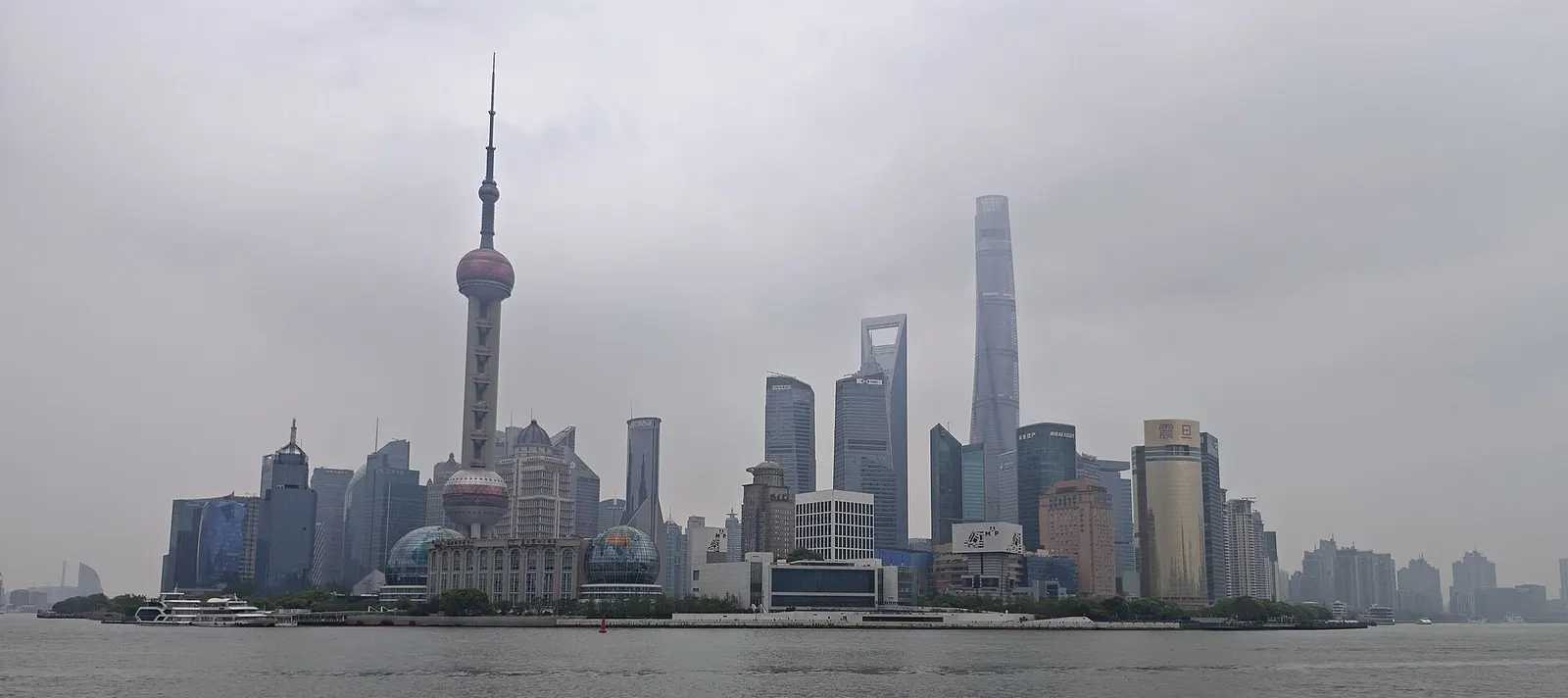
Shanghai is one of the easiest places to land on a first trip to China: both airports and the main rail hub sit inside the city, the metro is dense and well signed, and the city is smaller to navigate than Beijing. Two days covers the Bund and Lujiazui, three adds the historic districts and a museum, four adds Zhujiajiao or Suzhou. Staying around the Bund or Nanjing East Road saves the most commuting, and the stretch from dusk to lights-on is the Bund at its best (checked 28 September 2026).
First-time visitors to China often hesitate between two cities: Beijing or Shanghai first. Beijing hands you the answer to China; Shanghai is the easier entrance. Beijing carries more weight and ceremony, but its sights are spread out, its bookings are many, and one day holds only one or two of them. Shanghai keeps its airport and railway station inside the city, its metro is dense and its signage clear — take a wrong turn and you find your way back quickly.
Scale is Shanghai's other advantage. The core of the city is genuinely small: the Bund, Lujiazui, Nanjing East Road, People's Square and the historic streets of the former French Concession mostly sit within a few kilometres of each other, joined by metro and on foot. For someone who has just landed and is still fighting jet lag, that predictability matters more than spectacle — you do not have to spend stamina to get anything out of the day.
Shanghai is also easy to do badly. The usual version: land, photograph the Bund, walk Nanjing Road, eat a basket of soup dumplings, leave after two days and report that Shanghai is just another big city. What sets Shanghai apart is the kilometre of buildings along the Bund, the city structure formed between Suzhou Creek and the Huangpu, the old houses and plane trees around Wukang Road and the Hengfu area, and the sudden dense towers standing beside those low-rise streets.
This guide is for travellers making Shanghai their first or only stop in China: how many days it needs, what you must see, what you can skip, which area saves the most time, how to get in from the airport, and the procedures that trip up foreign visitors after landing.
Is Shanghai a good first stop in China?
Yes — for many travellers the better one. The reasons are concrete: both airports connect to the city by rail, Hongqiao Airport shares a complex with Hongqiao Railway Station where high-speed trains leave for Suzhou, Hangzhou and Nanjing, the metro network is dense with clear transfer signage, and English is more widely usable in restaurants, hotels and malls than in any other mainland city.
The trade-off is thinner historical substance. If what you came for is the Great Wall, the Forbidden City and the Terracotta Army, Shanghai alone will feel slight; better to put it at the start or the end of a route with Beijing and Xi'an in the middle. How to split the days on that classic three-city line is covered here: how to plan 7–8 days for a first trip to China.
How many days does Shanghai need?
Two days is the floor, three is the most comfortable, and four to five lets you add the surrounding towns.
- One day: the Bund and Lujiazui, walked from late afternoon into the evening, plus one stretch of historic streets. You see a slice of the city and nothing more.
- Two days: the Bund and Lujiazui on the first day, Yu Garden and the old town plus the Wukang Road area on the second. A little rushed, but the main line is covered.
- Three days: add a museum and a long walk through the historic districts, or swap Yu Garden for half a day in Zhujiajiao. Most first-time visitors end up happiest at this length.
- 4 to 5 days: bring Suzhou, Hangzhou or Wuzhen in, each with a full day. How to link them by train and where to stay is covered here: the 5–7 day Shanghai–Suzhou–Hangzhou–Wuzhen high-speed rail route.
If your whole China trip is five to seven days, Shanghai plus Beijing is the most reliable pairing; the high-speed train between the two takes roughly 4.5 to 6 hours, with exact services and times subject to the latest official announcements.
What to see first, and what to skip
Shanghai's problem is not a lack of sights; it is that they start to look alike. Change the test: does this place have a spatial or historical layering that exists nowhere else?
| Place | For a first visit | Why |
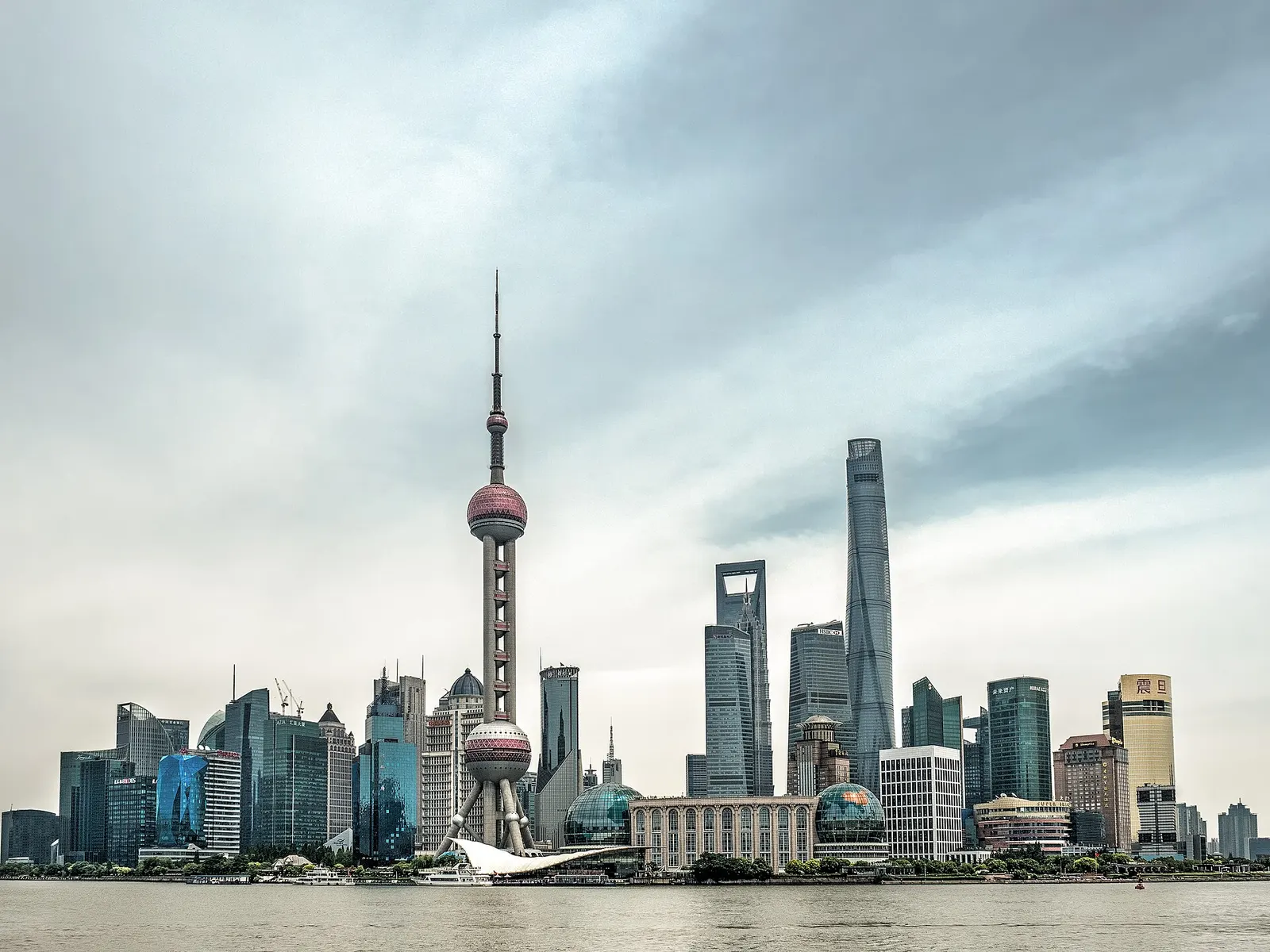
| The Bund (Zhongshan East 1st Road) | Must go | More than twenty early-modern buildings in a single kilometre, with the Lujiazui skyline directly opposite — nowhere else has this pairing |
| Lujiazui | Must go (one observation deck is enough) | It mirrors the Bund across the river; pick a single tower's observation deck, not several |
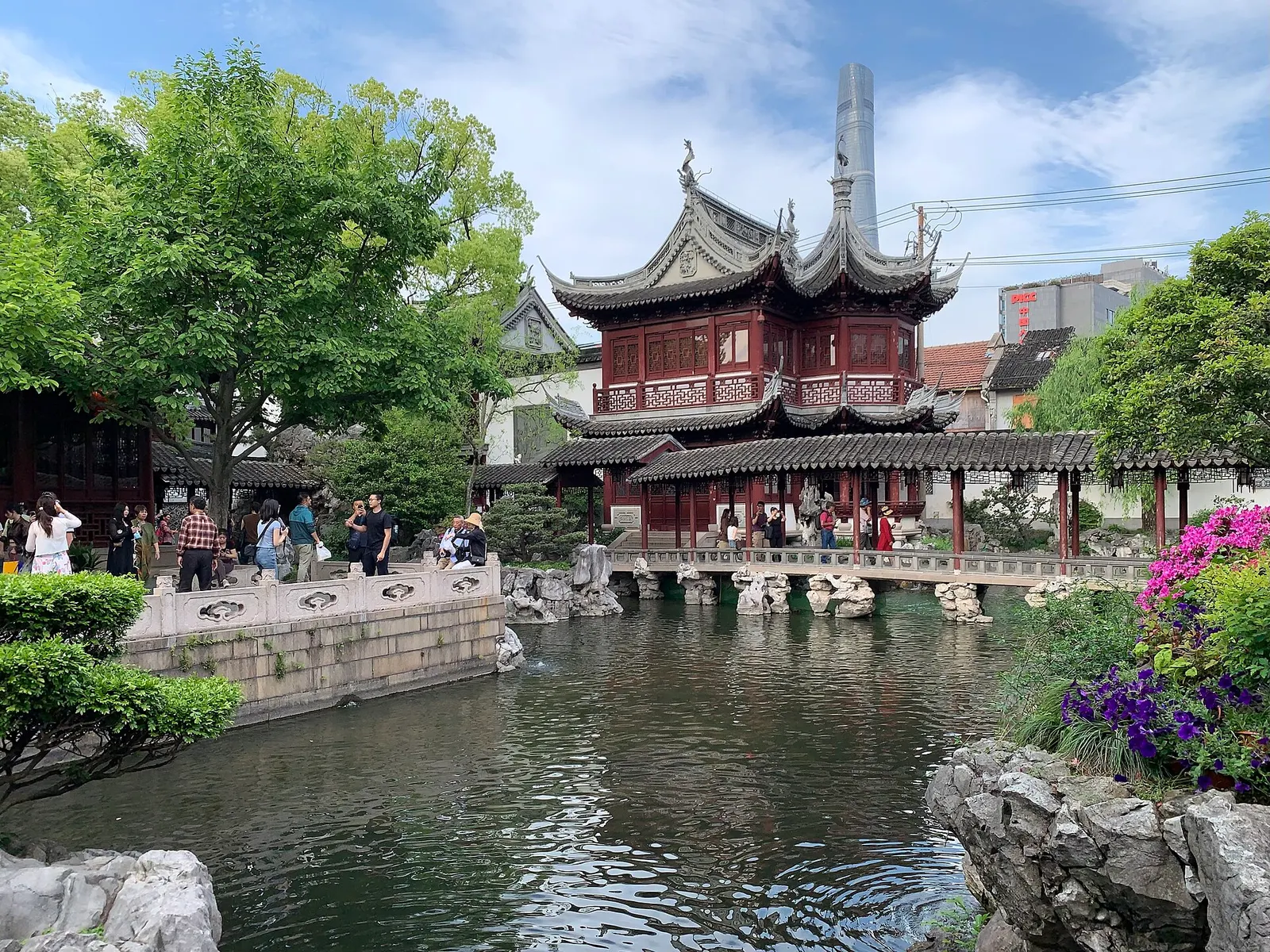
| Yu Garden and the old town | Advice | The Ming-era garden itself is worth seeing; the surrounding commercial quarter is touristy, so keep it brief |
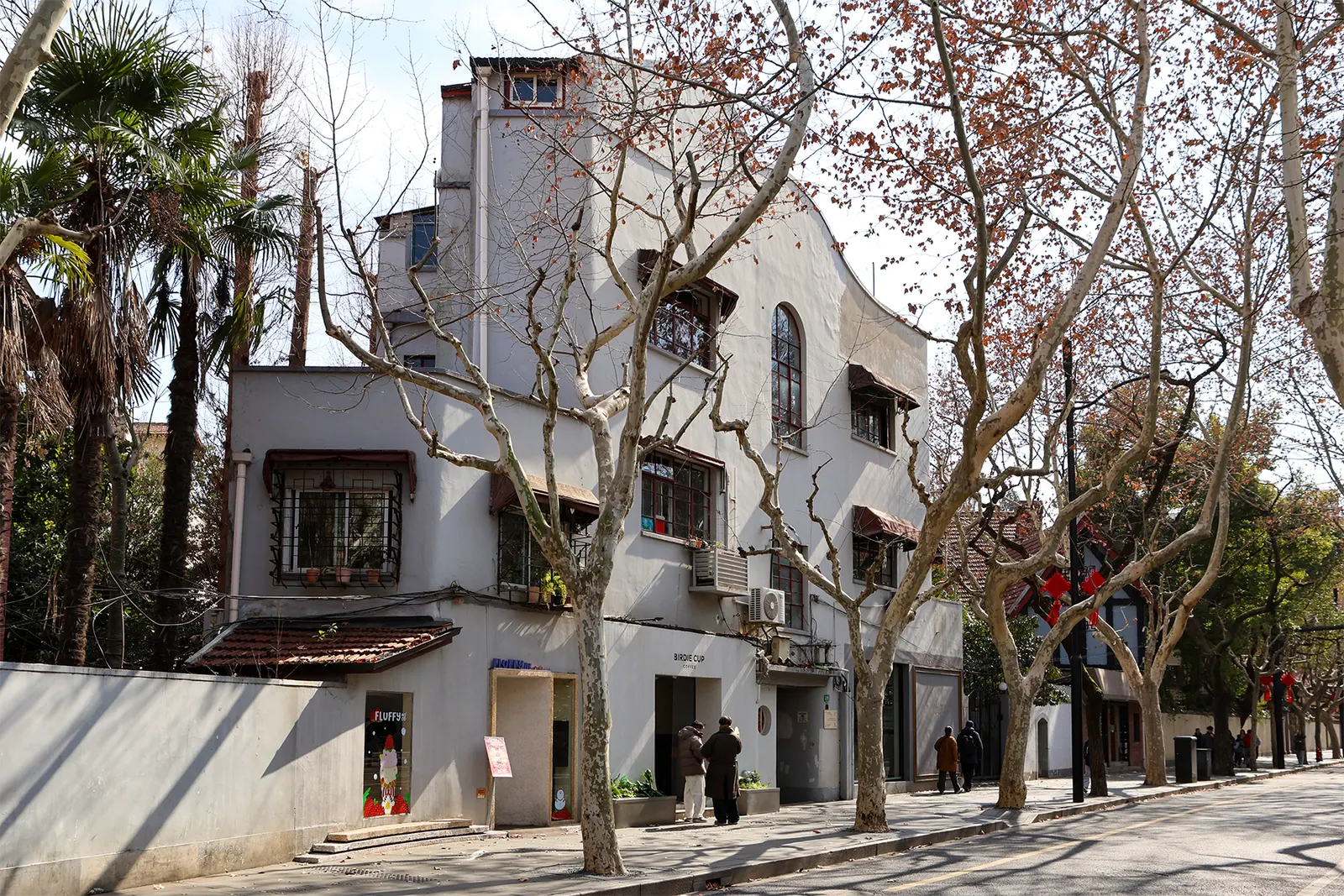
| Wukang Road and the Hengfu historic district | Strongly recommended | Plane trees, old villas and ordinary daily life mixed together — the part of Shanghai that differs from other big cities |
| Shanghai Museum | Advice | Its bronze and ceramic collections are the real draw; entry is free but booked in advance, with rules subject to official announcements |
| Along Suzhou Creek | Optional | A riverside walk past converted warehouses; good for the evening without eating into main sightseeing hours |
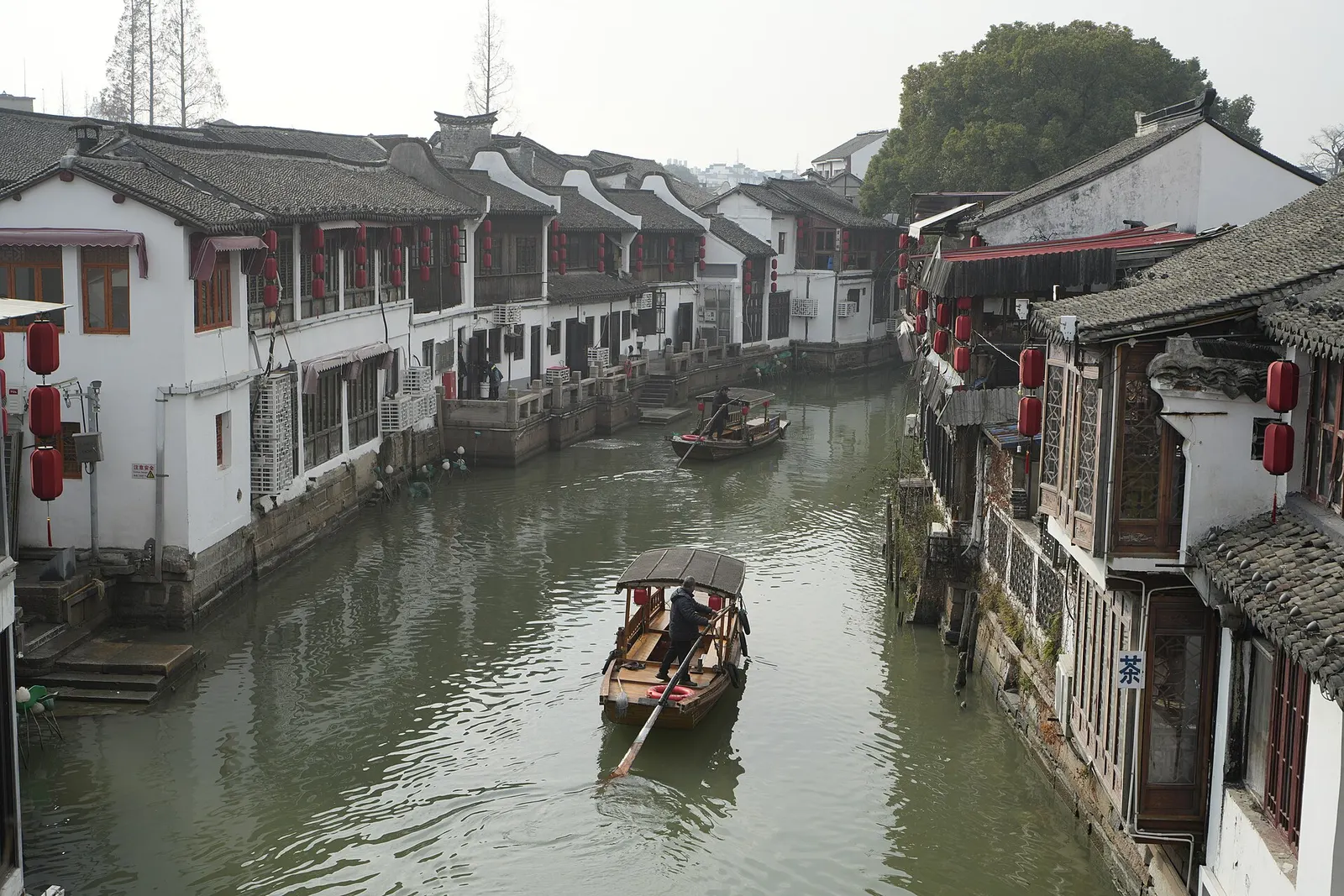
| Zhujiajiao | Optional | A water town doable in half a day, and an easy way to connect Shanghai with the Jiangnan region |
| Nanjing Road pedestrian street | Can skip | Interchangeable with shopping streets anywhere; a glance as you pass is enough |
| Tianzifang | Can skip | Narrow lanes and repetitive shops — better for photos than for the experience |
| Climbing both the SWFC and Shanghai Tower | Not needed | The views repeat; choose one, since queue times vary enormously |
In one line: the Bund and Lujiazui are Shanghai's essential pairing, the Wukang Road area is its character, and everything else ranks below them.
When to go, and how to dodge the crowds
- March to May: comfortable temperatures and newly green plane trees — the best season for walking.
- September to November: widely considered the best. Dry, clear autumn weather suits long walks along the Bund and through the historic districts.
- Mid-June to mid-July: the plum-rain season — high humidity and frequent rain, so keep an indoor backup plan.
- July to August: very hot and unpleasant by day; move outdoor time to early morning and evening.
- December to February: damp cold that feels worse than the temperature suggests; the upside is thin crowds and museums you can walk into.
Avoiding crowds here also means changing the hour: a different hourthe Bund's golden window is dusk through the first hour or two after the lights come on, and weekday evenings are easier than weekends; at Yu Garden and in the old town the tour groups have not arrived before nine; the Wukang Road area is best in the early morning and at dusk, with the heaviest foot traffic in the afternoon. Lights-on times, museum bookings and opening hours shift with the season — check official channels before you travel (this article was reviewed on 28 September 2026).
Which area to stay in on a first visit
In Shanghai the first rule of accommodation is again a short commute, and the second is whether there is anything to walk to outside the door.
- The Bund / Nanjing East Road: walkable to the Bund and the Lujiazui ferry, at the meeting point of Metro Lines 2 and 10 — the easiest base for a first visit. Expensive in high season, with a clear premium for river views.
- People's Square / Nanjing West Road: the metro interchange hub, convenient in every direction, dense with malls and restaurants, and usually better value than the Bund.
- Jing'an / Wukang Road: the best old-villa and plane-tree atmosphere, ideal if walking counts as part of your itinerary; a few metro stops from the Bund.
- Lujiazui, Pudong: modern, quiet, newer hotels and good views — but crossing the river takes a metro ride or a ferry, and the streets feel empty at night.
Getting to Shanghai and getting around
Into the city. Shanghai has two airports: Pudong International (PVG) and Hongqiao International (SHA). Pudong connects to the city by the maglev and Metro Line 2, while Hongqiao shares a transport complex with Hongqiao Railway Station, so you can transfer straight to a high-speed train for Suzhou or Hangzhou. Fares and operating hours are subject to the latest official announcements. Arriving late at night, a taxi or ride-hailing car is the practical option, at a higher fare than in daytime.
Within the city. The metro is the default: dense, clearly signed in English and cheap. Paying by QR code means activating the transport code in Alipay or WeChat Pay first, or using a transport card — how to set that up is covered here: how to pay in China and the travel apps foreign visitors use. For cars, ride-hailing removes the language problem; drivers calling to confirm your location will speak Chinese, so set your pickup point as the hotel or a metro exit.
To the surrounding towns. From Hongqiao Railway Station, Suzhou is roughly half an hour and Hangzhou about an hour (subject to published services), making day trips entirely practical; buying tickets and boarding are covered here: how to travel by high-speed rail in China.
What to arrange before you land
- Confirm your visa or visa-free eligibility. Shanghai is one of the main eligible ports, but the visa-free and transit exemptions carry specific day limits and conditions, and they change — check the latest official announcements: how to apply for a China tourist visa.
- Book museums and observation decks. Popular venues such as the Shanghai Museum require reservation; for tower observation decks, buy ahead and choose an off-peak slot, since the queue can easily outlast the visit.
- Prepare two ways to pay. Mobile payment first, cash and a physical card as backup, with card linking and verification done before you fly. The general pre-departure checklist is here.
- Network and connectivity. Maps, ride-hailing and translation all depend on data, so decide in advance between an eSIM, a local SIM and roaming: choosing between an eSIM, a physical SIM and roaming.
- Plan the Bund, Lujiazui and the historic streets as one walking route rather than three separate trips — a good part of Shanghai's appeal lives in the walking between districts.
- Recheck the details that change. Lights-on times, booking rules, ticket prices and opening hours are adjusted every year; check official channels before you travel (this article was reviewed on 28 September 2026).
How Shanghai fits into a longer trip
- Shanghai + Suzhou + Hangzhou + Wuzhen: the smoothest East China combination, linked by high-speed rail, 5 to 7 days.
- Shanghai + Beijing + Xi'an: both the history and the city, 7 to 8 days.
- Shanghai + Beijing: if you only have five days, the two-city return by high-speed rail is the easiest version; for how to choose within Beijing, see first time in Beijing: what to see, where to stay and how many days.
- Shanghai plus a half-day water town: if you would rather not change hotels, use Zhujiajiao or Suzhou as a day trip.
If you would prefer someone to line up transport, tickets and hotels, start with our China inbound tours page; to adjust it to your dates and group size, tell us the dates and the number of travellers: contact us.
Frequently Asked Questions
What is the most underrated part of Shanghai? The Wukang Road and Hengfu historic district. Many people treat it as a photo stop and walk it in half an hour; in fact it deserves half a day — old villas, small shops and residents' daily life are mixed together, and it is the best window onto how this city works.
Do I need to tip in Shanghai? No. Restaurants and taxis do not expect tips; a service charge may already appear on the bill, and nothing further is required.
Will not speaking Chinese be a problem? Less of one than in most Chinese cities: the metro, airports, malls and chain restaurants generally have English, and hotel desks usually speak some. Older local restaurants and small shops may need your translation app's camera mode.
How crowded does the Bund get? Very crowded on holiday evenings, more manageable on weekday evenings. Early morning is the quietest time for clean photos, though the lights are off then.
Closing thoughts
Shanghai's value is not the number of sights but the relationship between them: one river placing a row of early-modern buildings opposite a cluster of supertall towers, a few streets weaving old villas, plane trees and commercial blocks together. Understand that and two days are rewarding; miss it and a week is only passing through.
Here is an order a first-time visitor can follow: sort out payment and data near your hotel after landing, put the Bund on your first evening, use the daylight hours for the historic districts and a museum, save the observation deck for the clearest day, and decide on Zhujiajiao or Suzhou with the days you have left. Stay around the Bund, Nanjing East Road or People's Square, rely on the metro, and treat walking as part of the itinerary.
Shanghai is not here to overwhelm you. It is here to let you start smoothly — and then want one more day. On a first trip to China, both of those matter.