Nanjing is one of the few Chinese cities where three layers stack up: a Six Dynasties capital, an intact Ming city wall, and modern-era architecture. Two days covers the main line — one for the Sun Yat-sen Mausoleum and Ming Xiaoling, one for the wall, the museum and the Qinhuai River; a third adds Qixia Mountain or Yangzhou. Staying around Xinjiekou or Fuzimiao saves the most time (checked 28 September 2026).
On any first-trip list, Nanjing often sits in the reserve slot: it lacks a single world-class symbol like Beijing or Xi'an, and it has none of Shanghai's strong modern-city feel. But put Nanjing in your itinerary and you get an overlay that is rare elsewhere — the remains of a Six Dynasties capital, a Ming city wall that survives intact, modern-era buildings and streets, and a river that strings the city's history together。
That overlay means Nanjing cannot be understood as a handful of stops. Its core experiences run in two directions: in the east, the Purple Mountain area, where the Sun Yat-sen Mausoleum and Ming Xiaoling represent two utterly different mausoleum architectures — one early Ming, one modern; in the southwest of the old city, the wall and the Qinhuai River connect Ming defences with everyday life. The Nanjing Museum then brings this long history indoors, making it the reliable choice on rainy or very hot days.
Nanjing also has a practical advantage: it sits conveniently on the east China line. Suzhou, Shanghai and Hangzhou are all about an hour away by high-speed rail, which makes the connections before and after easy, and the metro reaches the main sights. For first-time visitors building an east China route, Nanjing is often the stop that turns out to be a bonus.
This guide is for travellers placing Nanjing in a 7 to 12 day China route: how many days it needs, how to arrange Purple Mountain, how to walk the wall and the Qinhuai River, what to skip, where to stay, and practical matters such as bookings and season.
Is Nanjing right for a first trip to China?
Yes, especially if two things apply: your plan already includes east China cities (Shanghai, Suzhou, Hangzhou), and ancient capitals and city walls interest you. Nanjing's sights are moderate in scale — two or three in a day, with no long transfers.
Its shortcoming is that no single symbol stands out: Nanjing's history is spread across dynasties, and first-time visitors often feel there is a lot to see without one focus. The answer is to give Nanjing two days and accept its order — Purple Mountain first, then the wall and the old city. With only five days, Beijing and Xi'an take priority. How to combine cities and split the days is covered here: which cities to visit on a first trip to China.
How many days does Nanjing need?
Two days is the core; three is more relaxed.
- One day: only one direction — Purple Mountain (Sun Yat-sen Mausoleum plus Ming Xiaoling) or the old city (wall plus Qinhuai River). Rushed.
- Two days: Purple Mountain on day one, then the wall, the Nanjing Museum and the Qinhuai River at night on day two. The main line is complete.
- Three days: add a day for Qixia Mountain, Niushou Mountain or Yangzhou.
- 4 days or more: link Yangzhou, Zhenjiang and Wuxi into an east China canal route.
What to see first, and what to skip
The test in Nanjing is whether it is a physical relic of a particular dynasty, not whether it appears on a trending list.
| Place | For a first visit | Why |
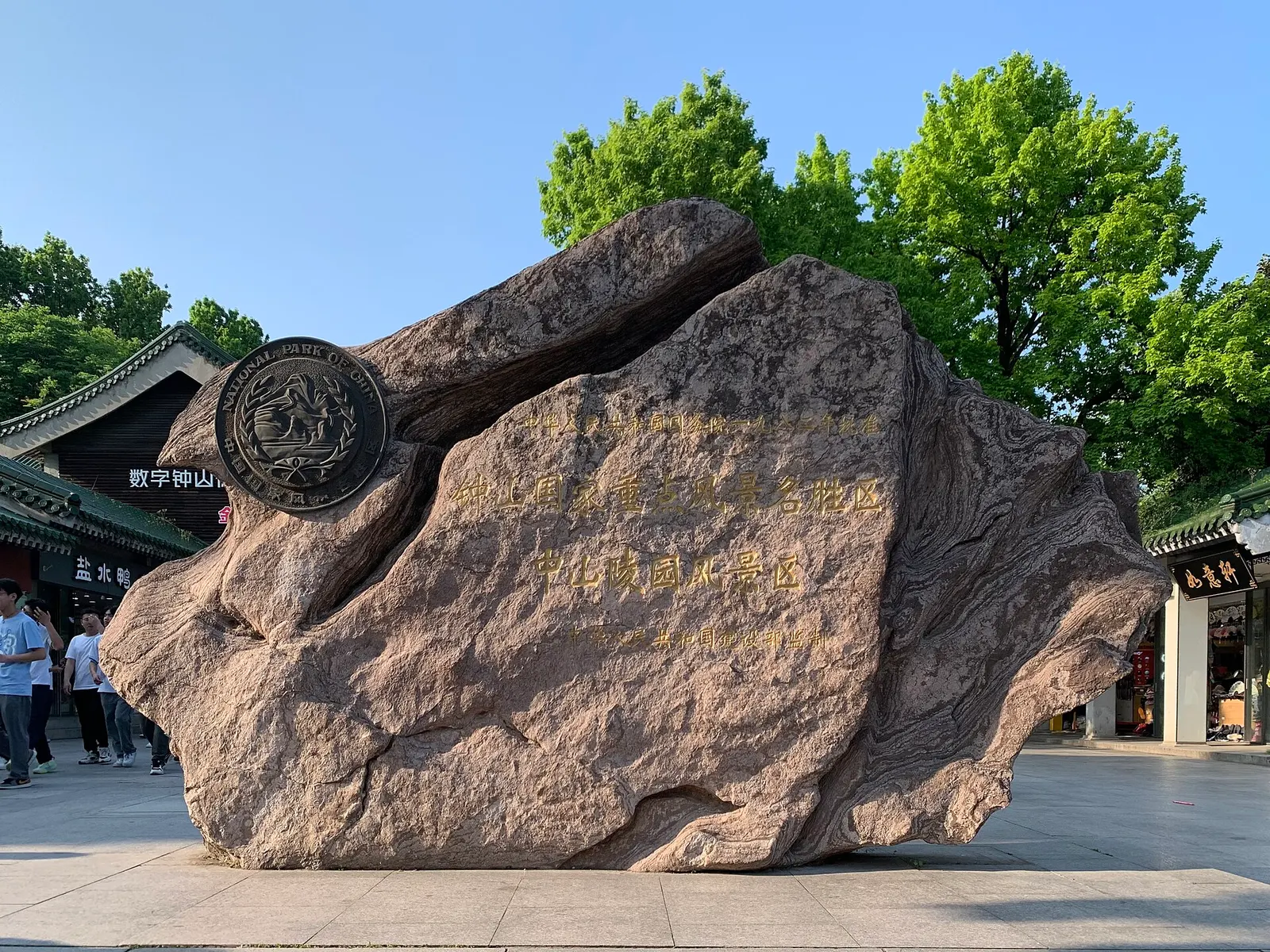
| Dr Sun Yat-sen's Mausoleum | Must go | A landmark combining modern architecture with the mountain setting; requires advance booking |
| The Ming Xiaoling Mausoleum | Must go | The mausoleum of the early Ming emperors with its spirit way sculptures, wholly different in character from the Sun Yat-sen Mausoleum |
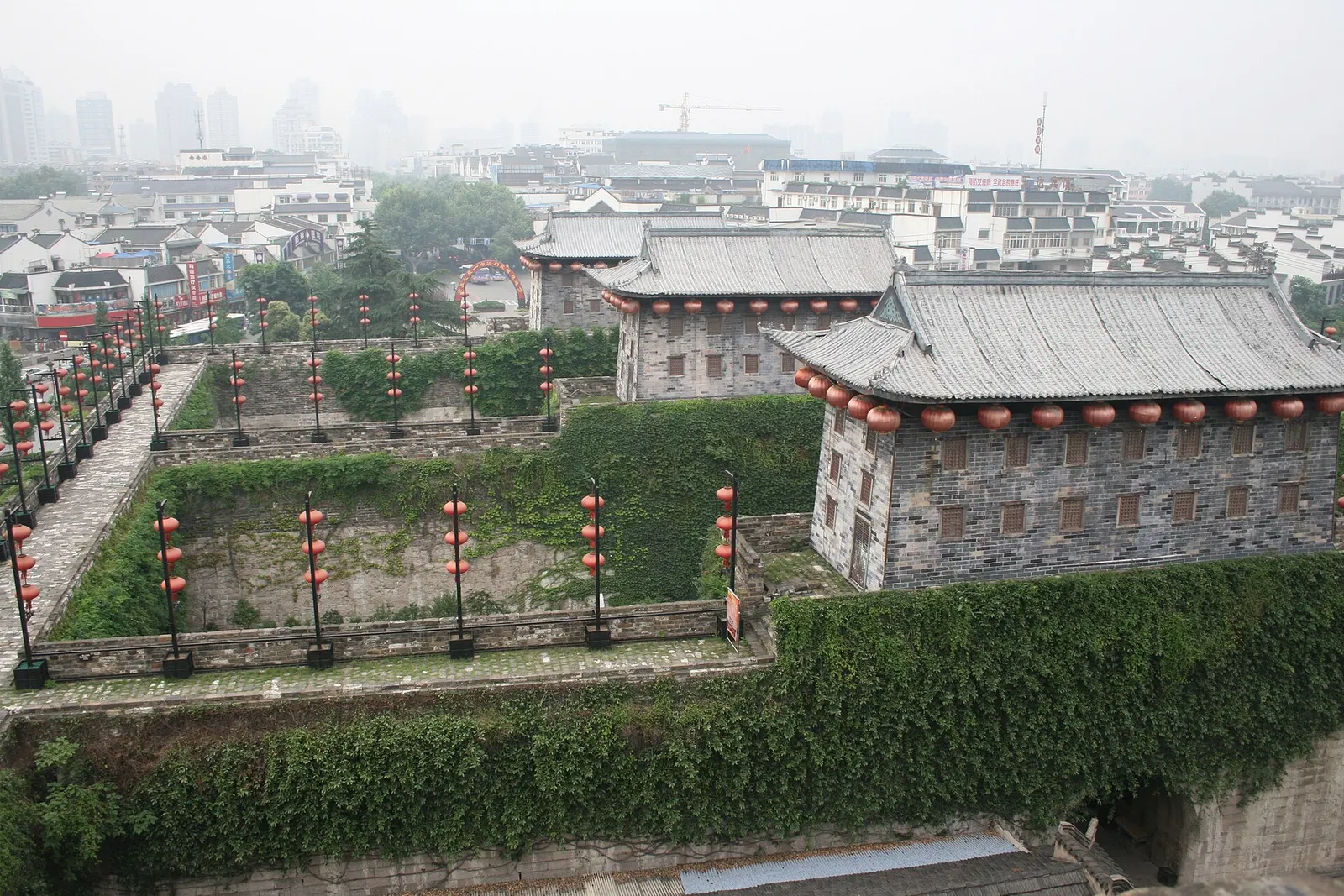
| Zhonghua Gate and the Nanjing city wall | Strongly recommended | One of the most complete ancient city walls in China, with a clearly legible barbican structure |
| The Nanjing Museum | Strongly recommended | One museum that lays out Jiangsu and the Six Dynasties; the best indoor option |
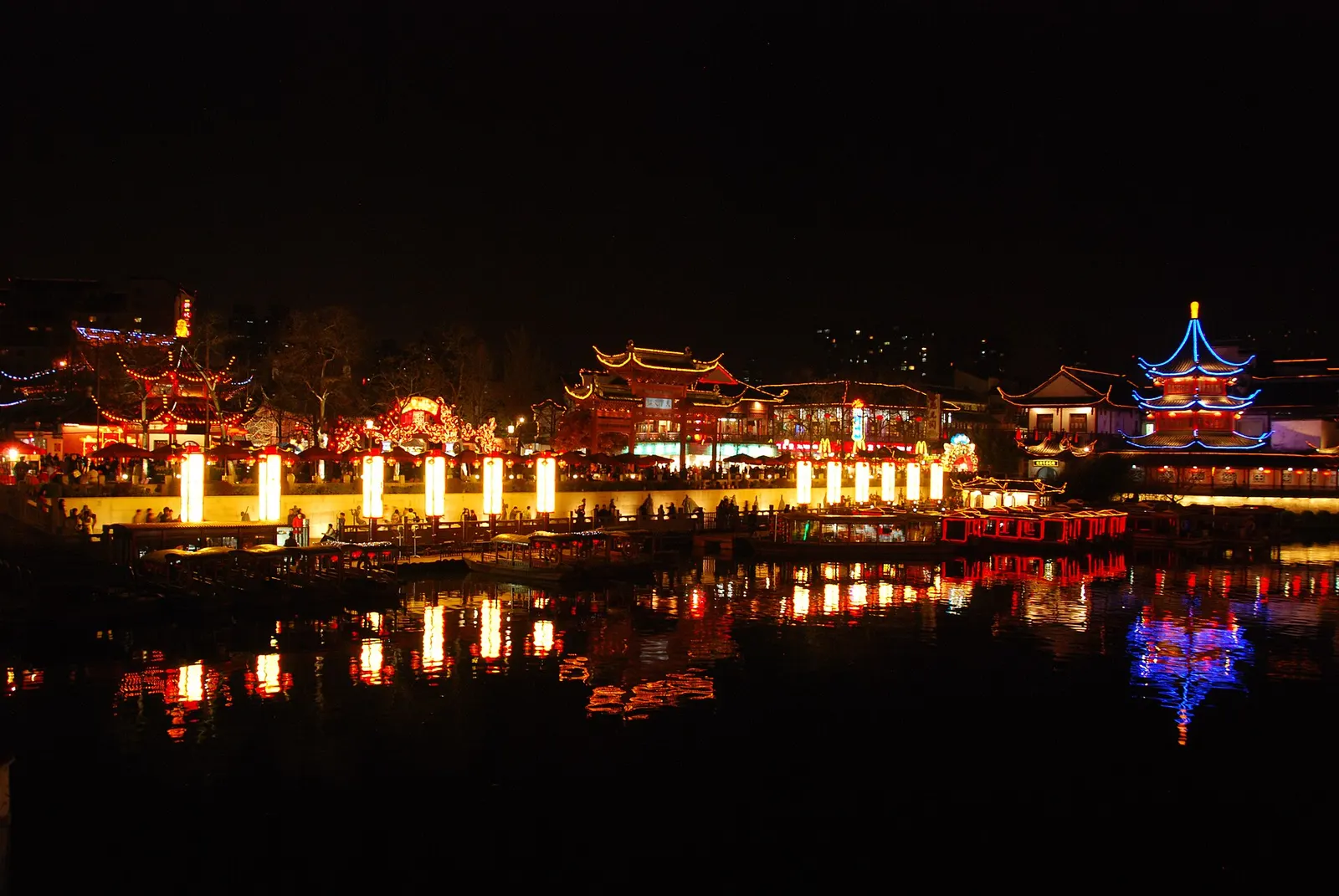
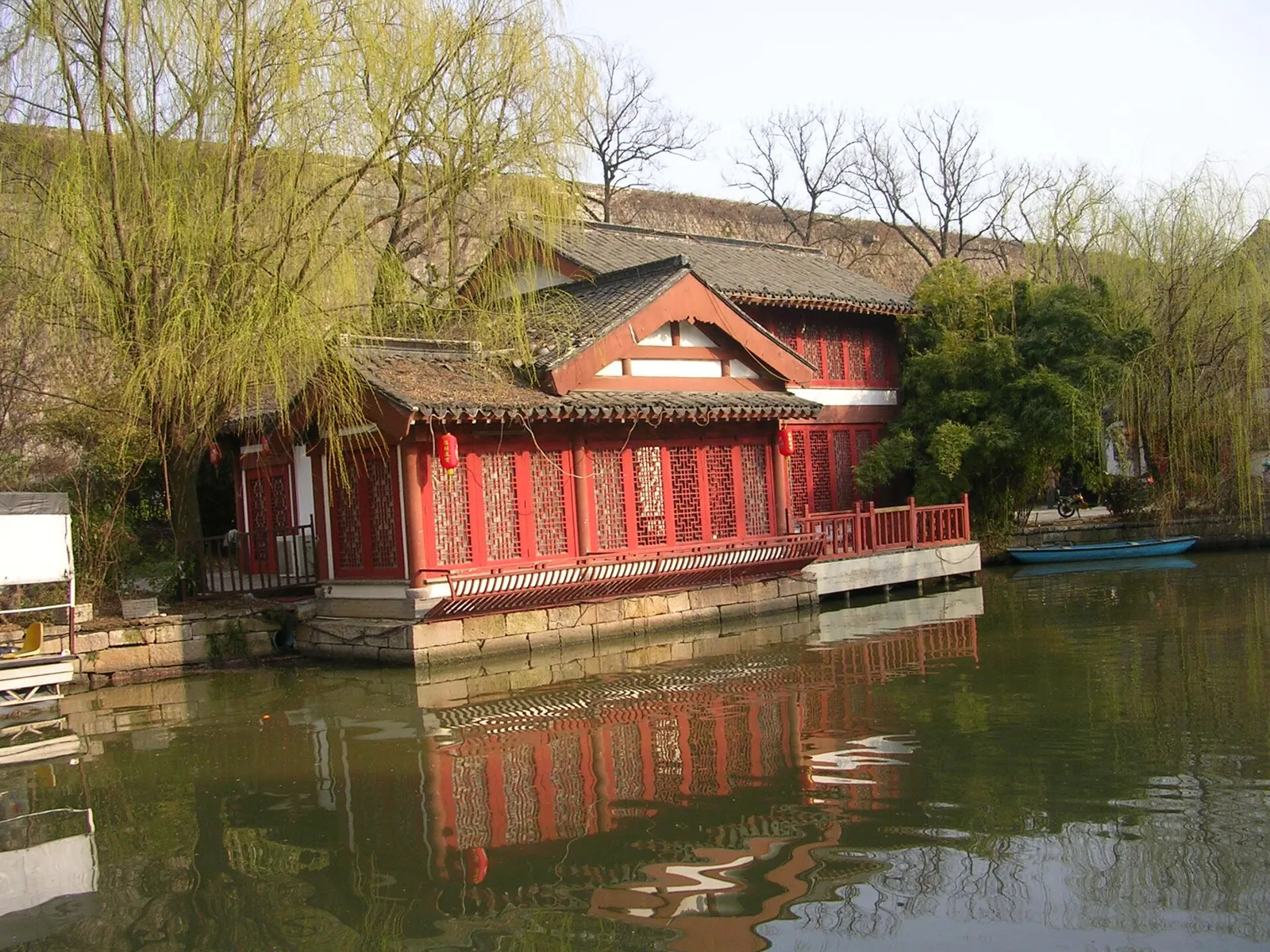
| The Qinhuai River and Fuzimiao | Advice | The classic old-city night scene; best from late afternoon into the evening |
| Laomendong | Advice | A southern old-city quarter, quieter than the main Fuzimiao street |
| Presidential Palace | Optional | Modern-era buildings and a garden; booking required, mostly indoors |
| Jiming Temple and Xuanwu Lake | Optional | Cherry blossom season by the lake; a good half day |
| Qixia Mountain | Can skip | Known for autumn red leaves, but some distance out and strongly seasonal |
| Shopping streets and snack malls in the commercial style | Can skip | Heavily commercialised — the wall and the museum deserve the time more |
In one line: Purple Mountain and the city wall are Nanjing's two relic-level experiences, the museum fills in the thread, the Qinhuai River owns the night, and everything else depends on the time you have.
When to go, and how to dodge the crowds
- March to April: plum blossom and cherry season — one of Nanjing's busiest and most beautiful periods.
- September to November: dry, clear autumn weather, the best colour on the wall and Purple Mountain, and good for long walks.
- June to August: hot and humid, with heavy daytime exertion outdoors; put Purple Mountain in the early morning and the museum in the afternoon.
- December to February: damp and cold, feeling colder than the temperature suggests; the upside is thin crowds and a calmer experience in museums and indoor sights.
Avoiding crowds means a different hour: reach the Sun Yat-sen Mausoleum and Ming Xiaoling within the first hour after opening, since tour groups arrive after ten; the wall is quiet in the morning and busier from midday; the Qinhuai River and Fuzimiao are at their most crowded from late afternoon into the night, so go during the day if you want quiet; for the Nanjing Museum, book ahead and choose a weekday morning. Opening hours, booking releases and ticketing rules can change each year — check official channels before you travel (this article was reviewed on 28 September 2026).
Which area to stay in on a first visit
- Around Xinjiekou: the metro interchange hub, convenient to Purple Mountain, the old city and the stations — the easiest base for a first visit.
- Fuzimiao / the Qinhuai area: the best old-city atmosphere, with the Qinhuai River at your doorstep in the evening, though it is lively and noisy at night.
- Purple Mountain / around the Sun Yat-sen Mausoleum: quiet, good for making the mountain and the mausoleums an early-morning plan, with fewer dining options.
- Around Nanjing South Railway Station: fine for travellers using Nanjing as a rail stopover of less than a day.
Getting to Nanjing and getting around
Into the city. Nanjing Lukou International Airport (NKG) connects to the city by metro and the airport line; high-speed trains mostly stop at Nanjing South and Nanjing, with direct services from Shanghai, Suzhou, Beijing and Hangzhou — Nanjing South is a major hub on the east China network. Exact services are subject to the latest official announcements.
Within the city. The metro reaches the Sun Yat-sen Mausoleum, Ming Xiaoling, Fuzimiao and the museum; inside the Purple Mountain scenic area you rely on walking and internal transport, and a full day adds up to a lot of steps, so wear comfortable shoes. Paying by QR code means activating the transport code in Alipay or WeChat Pay first — how to do that is covered here: how to pay in China and the travel apps foreign visitors use.
To the surrounding towns. Yangzhou, Zhenjiang, Suzhou and Shanghai are one to two hours away by high-speed rail, making day trips practical; buying tickets and boarding are covered here: how to travel by high-speed rail in China.
What to arrange before you land
- Confirm your visa or visa-free eligibility. Nanjing is one of the main entry points and eligible cities, but the visa-free and transit exemptions carry specific day limits and conditions, and they change: how to apply for a China tourist visa.
- Book the Sun Yat-sen Mausoleum and the museum. Both require advance real-name booking and peak-season slots are tight; Ming Xiaoling and the Sun Yat-sen Mausoleum have separate entrances and tickets, so do not treat them as one booking.
- Prepare two ways to pay. Mobile payment first, cash and a physical card as backup; small shops at the sights and old-town stalls lean more heavily on QR codes. The general pre-departure checklist is here.
- Observe etiquette at commemorative sites. Nanjing has commemorative venues that require booking and ask for quiet, respectful behaviour; follow on-site guidance and official requirements.
- Estimate your walking. A day on Purple Mountain often means ten to twenty thousand steps; with older travellers or young children, plan rest stops.
- Network and connectivity. Maps, ride-hailing and translation all depend on data, so decide in advance between an eSIM, a local SIM and roaming: choosing between an eSIM, a physical SIM and roaming.
How Nanjing fits into a longer trip
- Nanjing + Suzhou + Shanghai: the smoothest stretch of east China, all within about an hour by high-speed rail, good as the closing section of a long route.
- Nanjing + Yangzhou / Zhenjiang: food and canal themes, one day each — good if you have time to spare.
- Beijing + Nanjing + Shanghai: linking the northern ancient capital with the Jiangnan cities, comfortable in 8 to 10 days; for the Beijing half, see first time in Beijing: what to see, where to stay and how many days.
- Nanjing + Mount Huangshan / Hangzhou: extend towards scenery, needing one or two extra days.
If you would prefer someone to line up transport, tickets and hotels, start with our China inbound tours page; to adjust it to your dates and group size, tell us the dates and the number of travellers: contact us.
Frequently Asked Questions
How many days in Nanjing without regret? If Nanjing is one stop on an east China route, two days is enough; if you love history and architecture, three days adds a wall walk, unhurried museum time and one nearby city.
Can the Sun Yat-sen Mausoleum and Ming Xiaoling be done in one day? Yes — both sit in the Purple Mountain scenic area, but each involves walking and queues, so allow half a day to a day and wear comfortable shoes.
Is the Nanjing Museum worth a special trip? For anyone who enjoys artefacts and historical threads, yes: it is the most informative indoor stop, requires booking in peak season, and deserves at least two to three hours.
Do I need to tip in Nanjing? No. Restaurants and hotels do not expect tips, and some bills already include a service charge.
Closing thoughts
Nanjing's value lies in layers: in one city you can see Six Dynasties remains, a Ming wall, modern-era buildings and today's streets, all within a short distance of each other. That density is unusual in China, and it earns Nanjing two full days on a long route.
Here is an order a first-time visitor can follow: confirm your visa or visa-free eligibility, book a hotel around Xinjiekou or Fuzimiao, and secure the bookings for the Sun Yat-sen Mausoleum and the Nanjing Museum; walk Purple Mountain on day one (the mausoleum early in the morning, Ming Xiaoling and the spirit way in the afternoon), then the Zhonghua Gate stretch of the wall on the morning of day two, the museum in the afternoon and the Qinhuai River and Laomendong in the evening. With another day, add Qixia Mountain or Yangzhou.
Nanjing will not overwhelm you with a single sight. It uses the density of two days to show you that China's ancient capitals do not all look the same.