The first task in Luoyang is getting the Longmen Grottoes right: the west hill for the great Buddhas, the east hill for the long view, plus Xiangshan Temple and the Bai Garden — essentially a full day. Two days adds the White Horse Temple and the Luoyang Museum, and three brings in Erlitou or the Sui-Tang Luoyang City ruins. April is the peony season, the most beautiful and the most crowded; stay around the old town's Cross Street or Longmen Station (checked 28 September 2026).
Among China's ancient capitals, Luoyang sits in an unusual place: it is not a provincial capital and not a large city, yet what it holds is anything but light — the world-class sculptures of the Longmen Grottoes, the White Horse Temple as China's first imperially built Buddhist monastery, the capitals of five dynasties beneath its soil, and peonies filling the city every April. For a traveller interested in early Chinese civilisation and Buddhist art, the information density in Luoyang is startling.
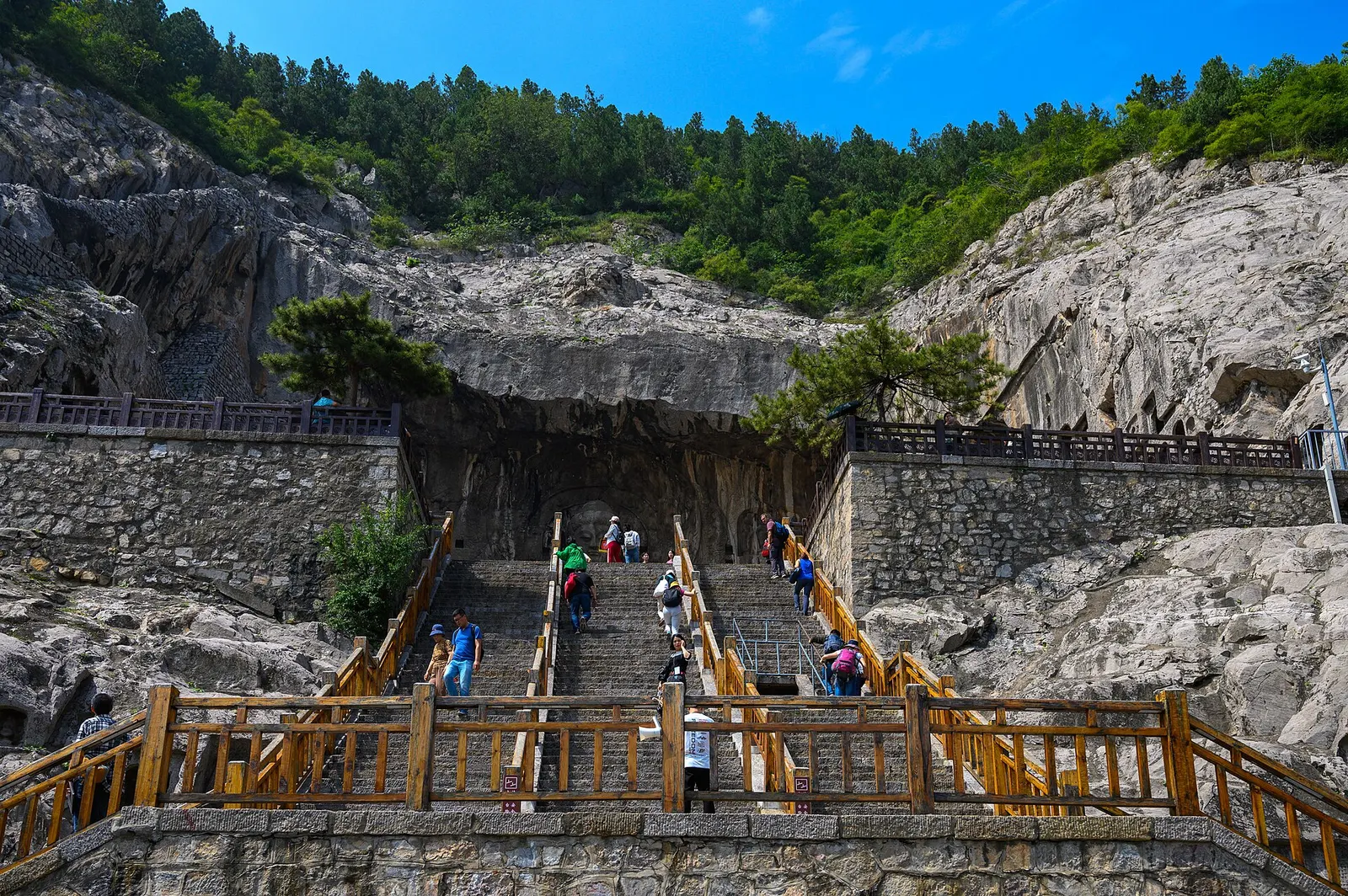
The difficulty in Luoyang is not where to go but how to schedule the Longmen Grottoes. Longmen is not a sight you glance at and photograph: the carvings run about a kilometre north to south along both banks of the Yi River, with the west hill holding the finest caves, the east hill offering a view back across the water, and Xiangshan Temple and the Bai Garden further south. Half a day to a day is a reasonable expectation; an hour means you have effectively missed it.
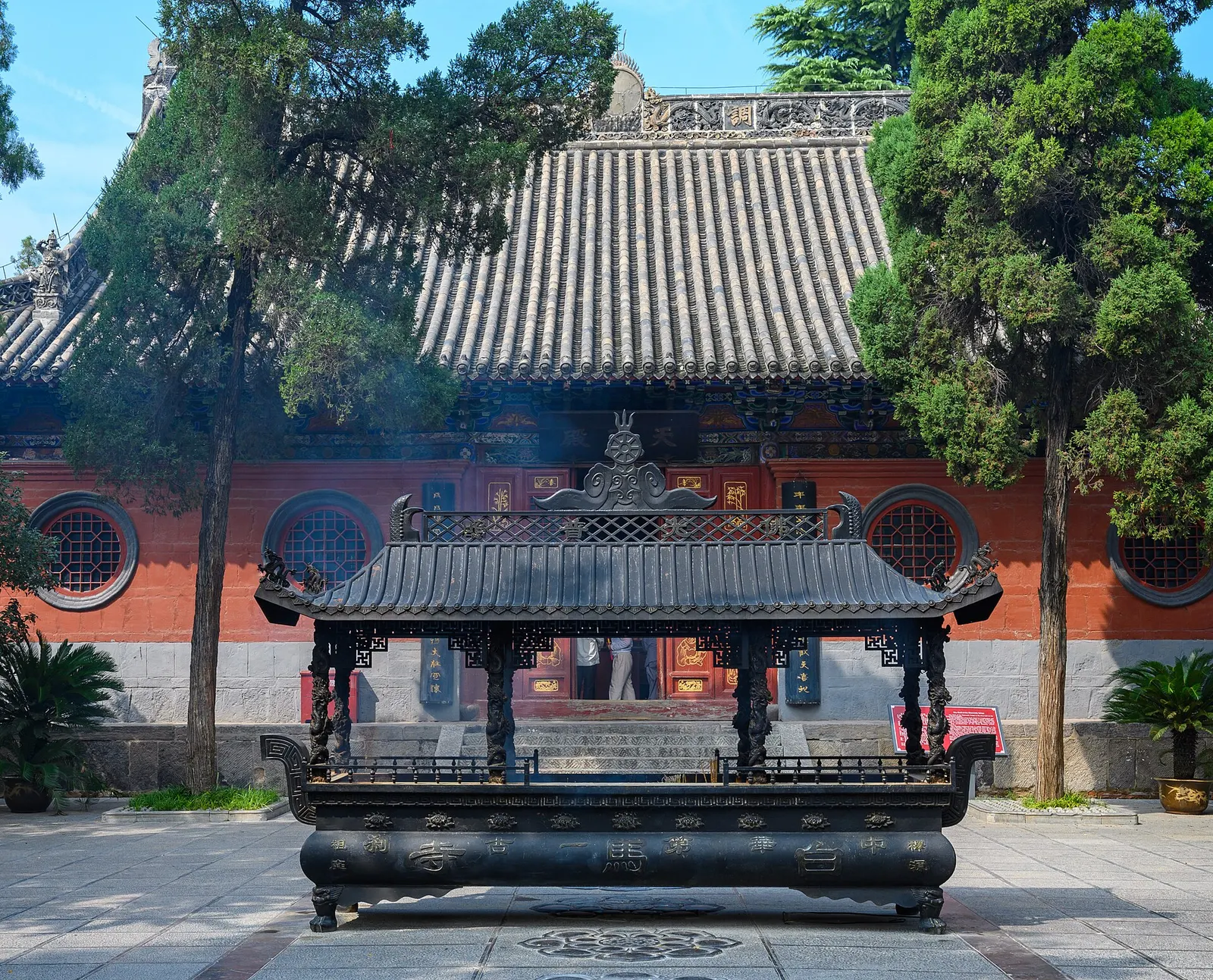
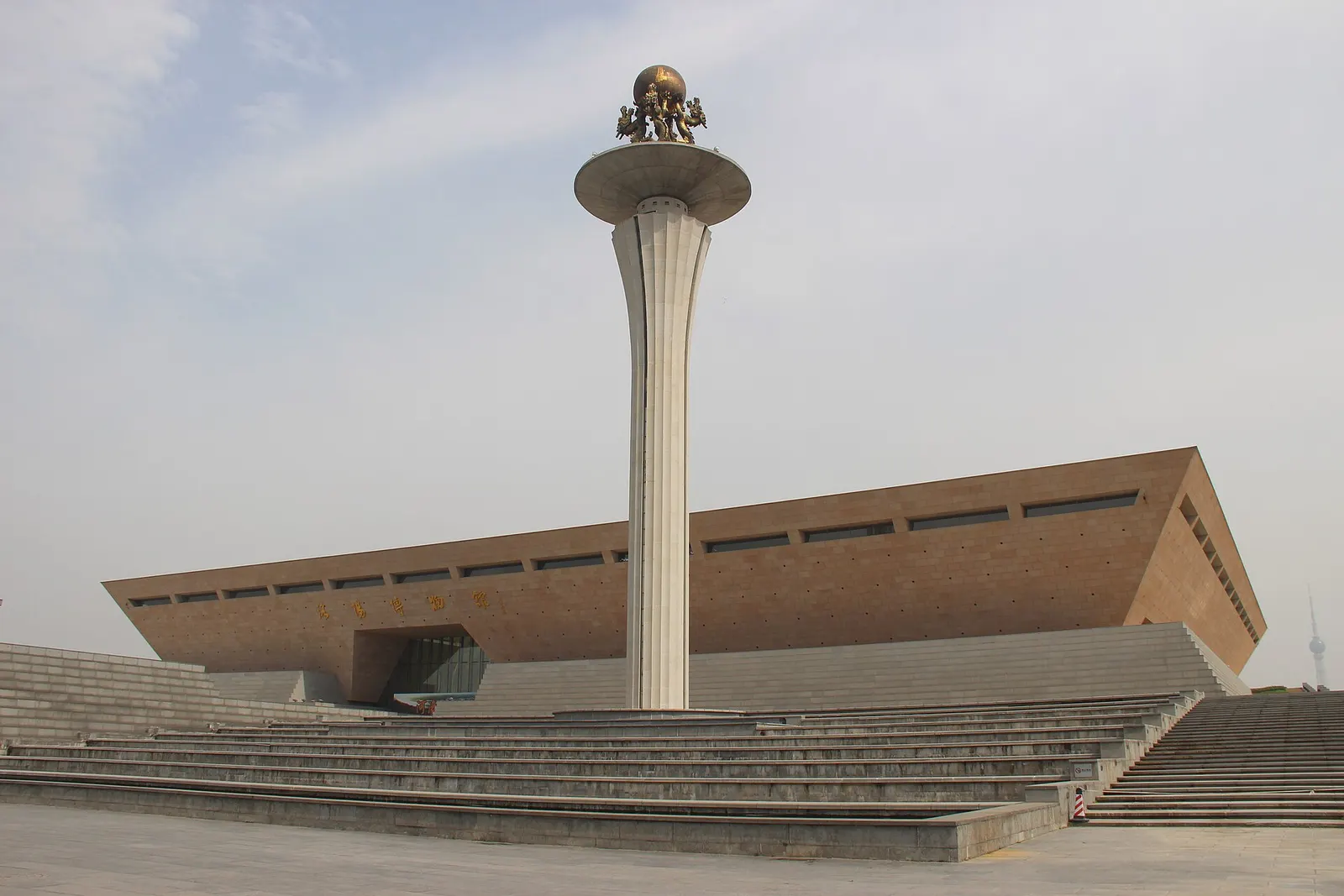
The second thing easily overlooked is that Luoyang is not only Longmen. The White Horse Temple is the first monastery built by imperial order after Buddhism reached China, which gives it a special standing; the Luoyang Museum gathers the threads from the Xia and Shang to the Sui and Tang in one place and is the reliable option on a rainy day; and the Erlitou Site Museum lays China's earliest wide-reaching royal capital directly in front of you. Together they make Luoyang worth two or three days.
This guide is for travellers placing Luoyang in a 7 to 12 day China route: how many days it needs, how to schedule Longmen, when to see the peonies, what to skip, where to stay, and how to link it with Xi'an, Zhengzhou and Kaifeng.
Is Luoyang right for a first trip to China?
Yes, especially for two kinds of traveller: those interested in Chinese Buddhist art and early dynastic sites, and those who have already seen Beijing, Xi'an and Nanjing and want to go one layer further back into an earlier China.
For first-time visitors, Luoyang's practical advantages are that the city is small, its main sights point in only two or three directions and transport is simple; high-speed rail connections from Xi'an, Zhengzhou and Beijing are good; and prices and accommodation are less pressured than in the largest cities. Its weakness is an ordinary urban face: beyond the old town and the archaeological zones, the everyday streetscape is unremarkable, so your expectations should rest on the sites and museums themselves. How to combine cities and split the days is covered here: which cities to visit on a first trip to China.
How many days does Luoyang need?
Two days is the core; three is more relaxed.
- One day: only the Longmen Grottoes (including Xiangshan Temple and the Bai Garden), then dinner back in the old town. A stopover-level visit.
- Two days: Longmen on day one; the White Horse Temple, the Luoyang Museum and the old town's Cross Street on day two. The main line is complete.
- Three days: add the Erlitou Site Museum or the Sui-Tang Luoyang City National Archaeological Park.
- 4 days or more: bring in Zhengzhou and Kaifeng, or extend towards Mount Song and the Shaolin Temple.
What to see first, and what to skip
The test in Luoyang is whether it is a physical relic of early Chinese civilisation or Buddhist art, not whether it is a popular sight.
| Place | For a first visit | Why |
| Longmen Grottoes | Must go | A world-class group of cave sculptures and the whole reason for Luoyang; half a day to a day |
| The White Horse Temple | Strongly recommended | China's first imperially built Buddhist monastery, with an international Buddhist hall area; half a day |
| Luoyang Museum | Strongly recommended | One museum that lays out the Heluo region from the Xia and Shang to the Sui and Tang |
| Erlitou Site Museum | Advice | One of China's earliest capital sites; essential if early civilisation interests you |
| Sui-Tang Luoyang City National Archaeological Park | Optional | The Dingding Gate and Tianjie axis; above ground the remains are marked and reconstructed |
| The old town's Cross Street and Lijing Gate | Advice | Old-town night atmosphere and street food; a good way to close a day |
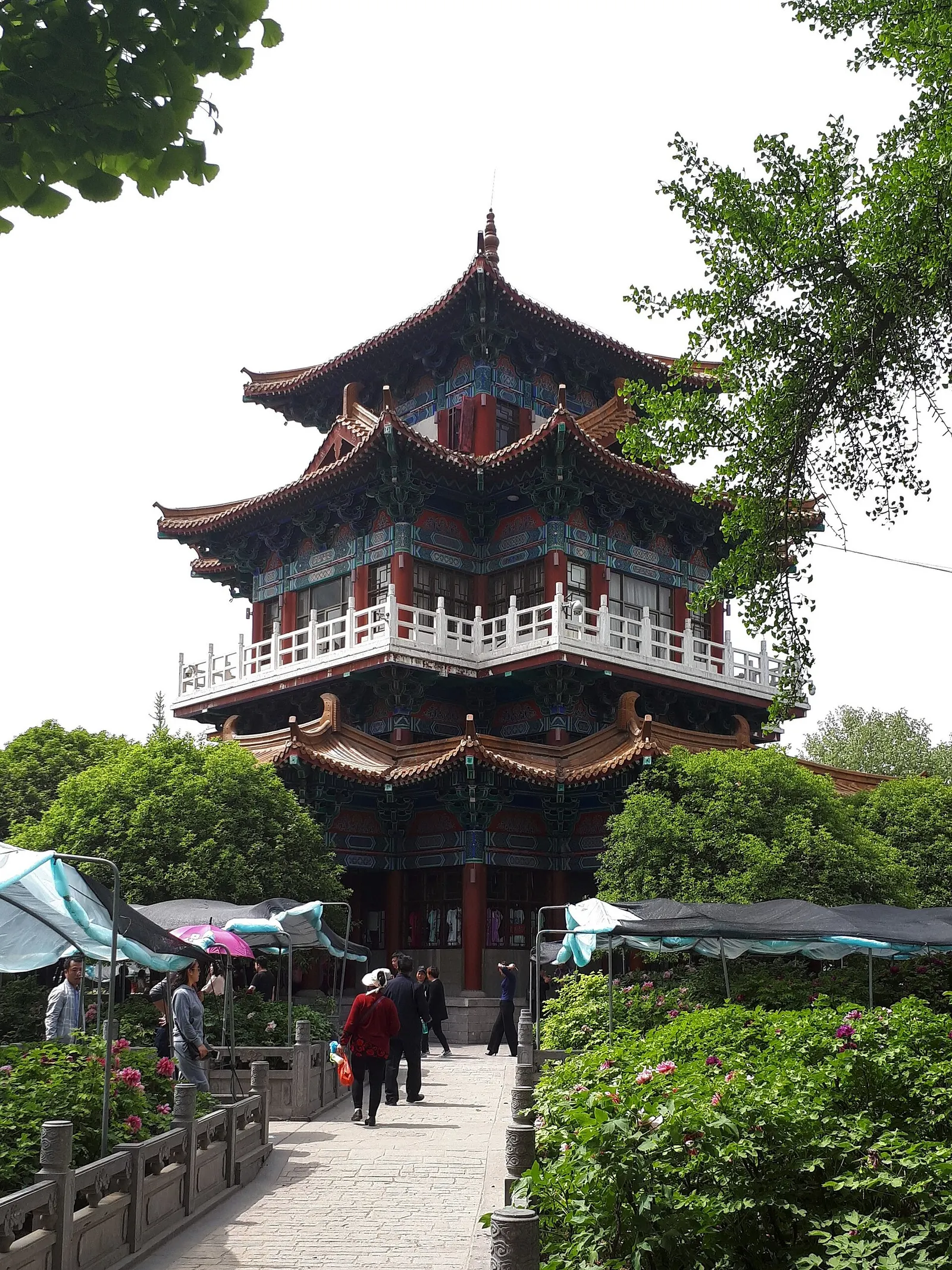
| Peony gardens (Wangcheng Park and others) | Essential in April | Peonies are Luoyang's seasonal signature, flowering mainly in early to mid April |
| Guanlin | Optional | A shrine to Guan Yu with ancient cypresses; can be combined with Longmen |
| Longtan Grand Canyon, Baiyun Mountain | Separate day | Natural scenery some distance from the city; needs separate planning |
| Neo-antique commercial streets in the city centre | Can skip | Unrelated to the archaeological sites; the museum deserves the time more |
In one line: The Longmen Grottoes are Luoyang's irreplaceable sight, the White Horse Temple and the museum add the layers, the peonies are a seasonal bonus, and the natural areas need days of their own.
When to go, and how to dodge the crowds
- April: peony season, the most beautiful and the most crowded stretch of Luoyang's year; book hotels and train tickets early.
- May to June: the flowering is over, temperatures are comfortable and crowds thin — very good value.
- September to October: dry autumn weather suits long walks between the caves and the sites.
- July to August: hot and rainy; put Longmen in the early morning and the museum in the afternoon.
- November to February: cold, with the fewest visitors — the caves and museums are actually calmer.
Avoiding crowds means Go early and dodge the peaks: enter the Longmen Grottoes within the first hour after opening, since tour groups concentrate after ten; the White Horse Temple is quiet in the morning; the museum is best on a weekday morning; and the old town's Cross Street is liveliest from late afternoon into the night. Opening hours, tickets and booking rules can change each year — check official channels before you travel (this article was reviewed on 28 September 2026).
Which area to stay in on a first visit
- The old town's Cross Street / Lijing Gate area: the easiest base for a first visit, with the snack street and old town at your door, and buses or taxis to Longmen and the museum.
- Luoyang Station / Wangcheng Park area: transport and commerce concentrated, convenient for the peony gardens and usually better value.
- Around Luoyang Longmen Station: good for a rail stopover or for putting Longmen first, though the old town is a drive away.
- The new district (Luolong): newer hotels and tidy surroundings, closer to the museum and Longmen, with less night-market atmosphere.
Getting to Luoyang and getting around
Into the city. Luoyang has Beijiao Airport (LYA) with mostly domestic routes, so international visitors usually arrive via Xi'an, Zhengzhou or Beijing and continue by high-speed rail; trains mostly stop at Luoyang Longmen and Luoyang stations, with direct services from Xi'an, Zhengzhou and Beijing. Exact services are subject to the latest official announcements. Longmen Station is close to the grottoes, which suits scheduling them for your arrival or departure day.
Within the city. The metro and buses cover the Longmen Grottoes, the Luoyang Museum and the old town; inside the grottoes area you walk, and a full day adds up to a lot of steps, so wear comfortable shoes. Paying by QR code means activating the transport code in Alipay or WeChat Pay first — how to do that is covered here: how to pay in China and the travel apps foreign visitors use. Taxis are cheap, even across districts.
To the surrounding towns. Zhengzhou, Kaifeng and Xi'an are one to two hours away by high-speed rail, so day trips or linking them in sequence both work. Tickets and boarding are covered here: how to travel by high-speed rail in China.
What to arrange before you land
- Confirm your visa or visa-free eligibility. Luoyang is normally entered via Xi'an, Zhengzhou or Beijing and is one of the main eligible cities, but the visa-free and transit exemptions carry specific day limits and conditions, and they change: how to apply for a China tourist visa.
- Book the Longmen Grottoes and the museum. Peak season requires advance booking, with real-name details as officially required; the grottoes and the museum run separate systems, so do not treat them as one reservation.
- Help protect the carvings. Do not touch the sculptures or inscriptions, and follow the site's photography notices; there are many steps, so wear shoes with grip.
- Prepare two ways to pay. Mobile payment first, cash and a physical card as backup; shops at the sites and in the old town lean more heavily on QR codes. The general pre-departure checklist is here.
- Book early in peony season. April is the tightest stretch of the year for accommodation and high-speed tickets, so the earlier the better.
- Network and connectivity. Maps, ride-hailing and translation all depend on data, so decide in advance between an eSIM, a local SIM and roaming: choosing between an eSIM, a physical SIM and roaming.
How Luoyang fits into a longer trip
- Xi'an + Luoyang: a high-speed pairing of two ancient capitals, linking the Qin, Han and Tang with the earlier Heluo civilisation; for the Xi'an half, see first time in Xi'an: Terracotta Army, city wall and how many days.
- Luoyang + Zhengzhou / Kaifeng: the ancient-capital line of Henan, one to two days each, forming a four to five day central plains itinerary with Luoyang.
- Beijing + Luoyang + Xi'an: stretching the northern history line further, comfortable in 8 to 10 days; for the Beijing half, see first time in Beijing: what to see, where to stay and how many days.
- Luoyang + Mount Song / the Shaolin Temple: extend a day towards Dengfeng, good for travellers interested in both Buddhism and mountains.
If you would prefer someone to line up transport, tickets and hotels, start with our China inbound tours page; to adjust it to your dates and group size, tell us the dates and the number of travellers: contact us.
For a Spring Festival visit combined with Kaifeng, see the Luoyang and Kaifeng five-day winter holiday guide; for a family or study trip, see how to choose a Luoyang study tour.
Frequently Asked Questions
Is one day in Luoyang enough? Enough for the Longmen Grottoes, but not for the White Horse Temple or the museum. With only a day, focus on Longmen (including Xiangshan Temple and the Bai Garden) and leave the rest for next time.
Should I hire a guide at the Longmen Grottoes? At least use an audio guide or a human guide once: the value of the caves lies in their dates, subjects and carving detail, and without explanation it easily becomes looking at a row of stone figures. If you prefer to read up yourself, do some background reading in advance.
Can the peonies only be seen in April? Peonies flower mainly in early to mid April and cannot be seen in other seasons; but Luoyang's sites and museums are open all year, so there is no need to reshape a whole trip around the flowers.
Do I need to tip in Luoyang? No. Restaurants and hotels do not expect tips, and some bills already include a service charge.
Closing thoughts
Luoyang is best understood in layers: the Longmen Grottoes are a peak of Buddhist art, the White Horse Temple is one of the starting points of Buddhism's eastward spread, Erlitou and the Sui-Tang ruins lay out the history of China's earliest capitals, and the peonies give the city a seasonal face. It is not as thoroughly touristed as Xi'an, nor does it have Beijing's scale — and for that very reason what you see in Luoyang is mostly the sites themselves rather than the commercial streets built around them.
Here is an order a first-time visitor can follow: confirm your visa or visa-free eligibility, book a hotel in the old town or near Longmen Station, and secure the Longmen booking; on day one enter from the north gate, take in the west hill's finest caves first, then look back from the east hill, and finish at Xiangshan Temple and the Bai Garden; on day two visit the White Horse Temple in the morning, the Luoyang Museum in the afternoon and the old town's Cross Street for dinner. With another day, add Erlitou or the Sui-Tang Luoyang City park.
Luoyang will not stun you with one landmark. It will use a few days to make the question of where China began a little more concrete.