Winter in Harbin comes down to three things: ice sculptures, the old street and coping with the cold. Ice and Snow World deserves a whole evening, while Central Street and Saint Sophia Cathedral take half a day. Two days covers the city, three adds Sun Island, and four or more brings in Yabuli or Xuexiang. Staying near Central Street is the simplest base, and cold-weather gear matters more than the itinerary (checked 28 September 2026).
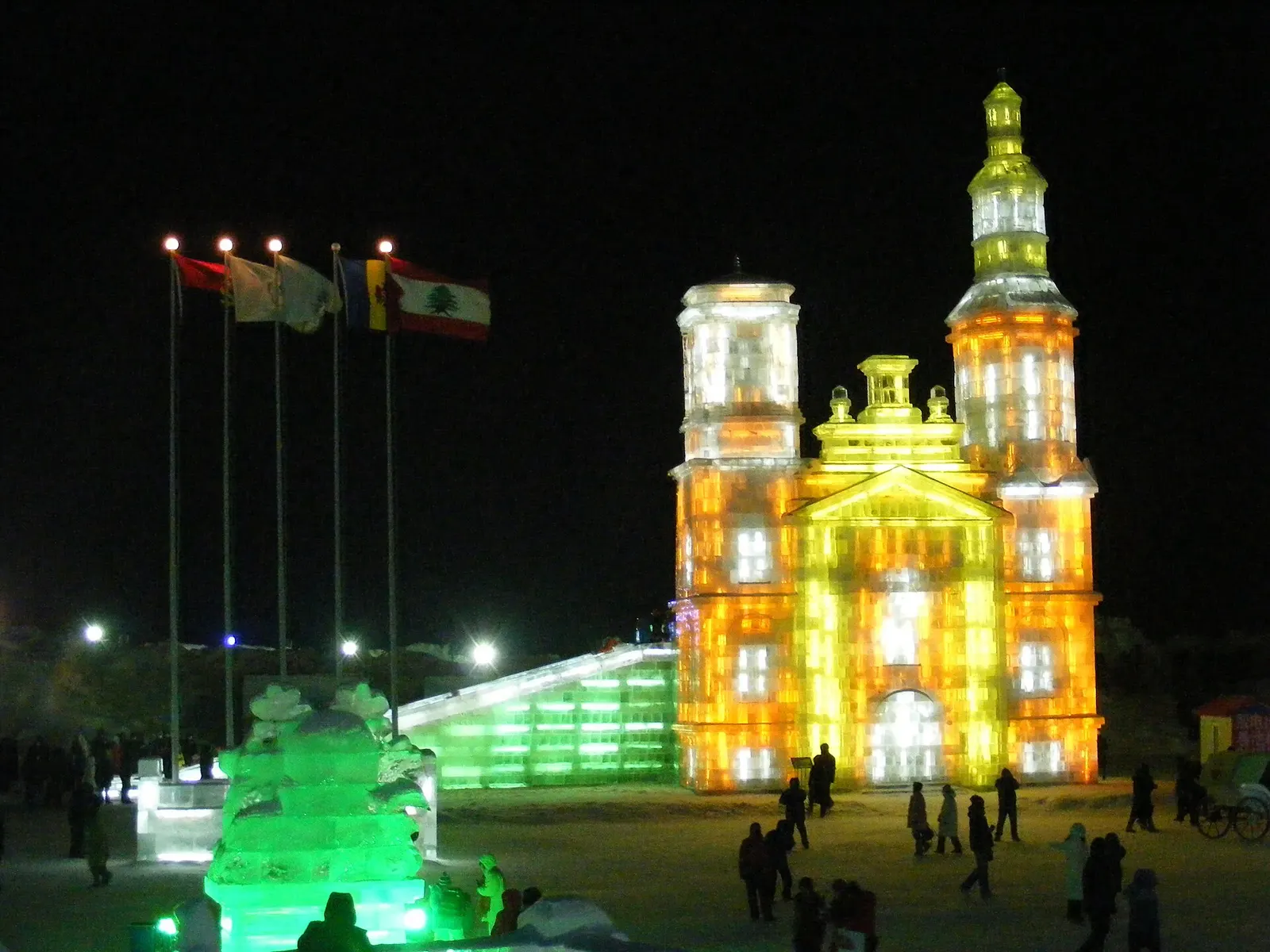
Among Chinese winter destinations, Harbin is the only city where the cold itself is the attraction. Elsewhere winter is the low season; in Harbin it is the high season. The Songhua River freezes over, ice sculptures rise along the streets, Ice and Snow World lights up a whole field of coloured ice at night, the cobbles of Central Street shine underfoot, and people eat ice cream in down jackets at minus twenty.
That contrast draws many first-time visitors into a winter trip here, but the problem that actually shows up on the ground is not failing to see ice — it is being underprepared: not enough layers, shoes without grip, a phone that dies within the hour, and Xuexiang squeezed into the same three days as the city, so that half a day disappears in a car.
The right approach to Harbin is simple: the city itself is a day and a half to two days of content (Central Street, Saint Sophia Cathedral, the flood monument, the Songhua River, Ice and Snow World), cold-weather gear is the foundation of the whole experience, and Xuexiang and Yabuli are separate trips. Handle those three things separately and Harbin becomes an outstanding winter.
This guide is for travellers placing Harbin in a 7 to 12 day winter route: how many days it needs, how to arrange the ice attractions, what to wear, what to skip, where to stay, and the problems that only exist in the northeast — phone batteries in the cold and the swing between indoor and outdoor temperatures.
Is Harbin right for a first trip to China?
Yes, provided your trip falls in winter. Harbin's appeal is ice and snow, and the other seasons are not its strength. If your first China trip is in spring, summer or autumn, Harbin should come later.
For first-time visitors Harbin has two practical advantages as well: the city is small, with the main sights clustered around Central Street within walking distance, and the visitor infrastructure is solid — the airport, railway stations and metro are clearly signed, and the food is northeastern: generous portions and not fussy. Its weakness is that no single landmark is world-class: Central Street and Saint Sophia Cathedral have real character, but they are not on the scale of the Great Wall or the Terracotta Army, which makes Harbin better as a change of season after Beijing or Xi'an. How to combine cities and split the days is covered here: which cities to visit on a first trip to China.
How many days does Harbin need?
Two days covers the city, three adds one nearby site, and four or more brings in Xuexiang or Yabuli.
- One day: only Central Street and Saint Sophia Cathedral, plus Ice and Snow World in the evening. Very rushed.
- Two days: Central Street and Saint Sophia Cathedral on day one with Ice and Snow World in the evening; the flood monument, the Songhua River and Laodaowai on day two. The city main line is complete.
- Three days: add Sun Island's snow sculpture expo, the polar museum or the Siberian tiger park — one of them.
- 4 days or more: extend to skiing at Yabuli or to Xuexiang, each needing one to two days with slack for weather and road conditions.
What to see first, and what to skip
The test in Harbin is whether it only exists in a northeastern winter, not whether it is a trending photo spot.
| Place | For a first visit | Why |
| Harbin Ice and Snow World | Must go | The core of a Harbin winter, at its best once the lights come on — allow a full evening |
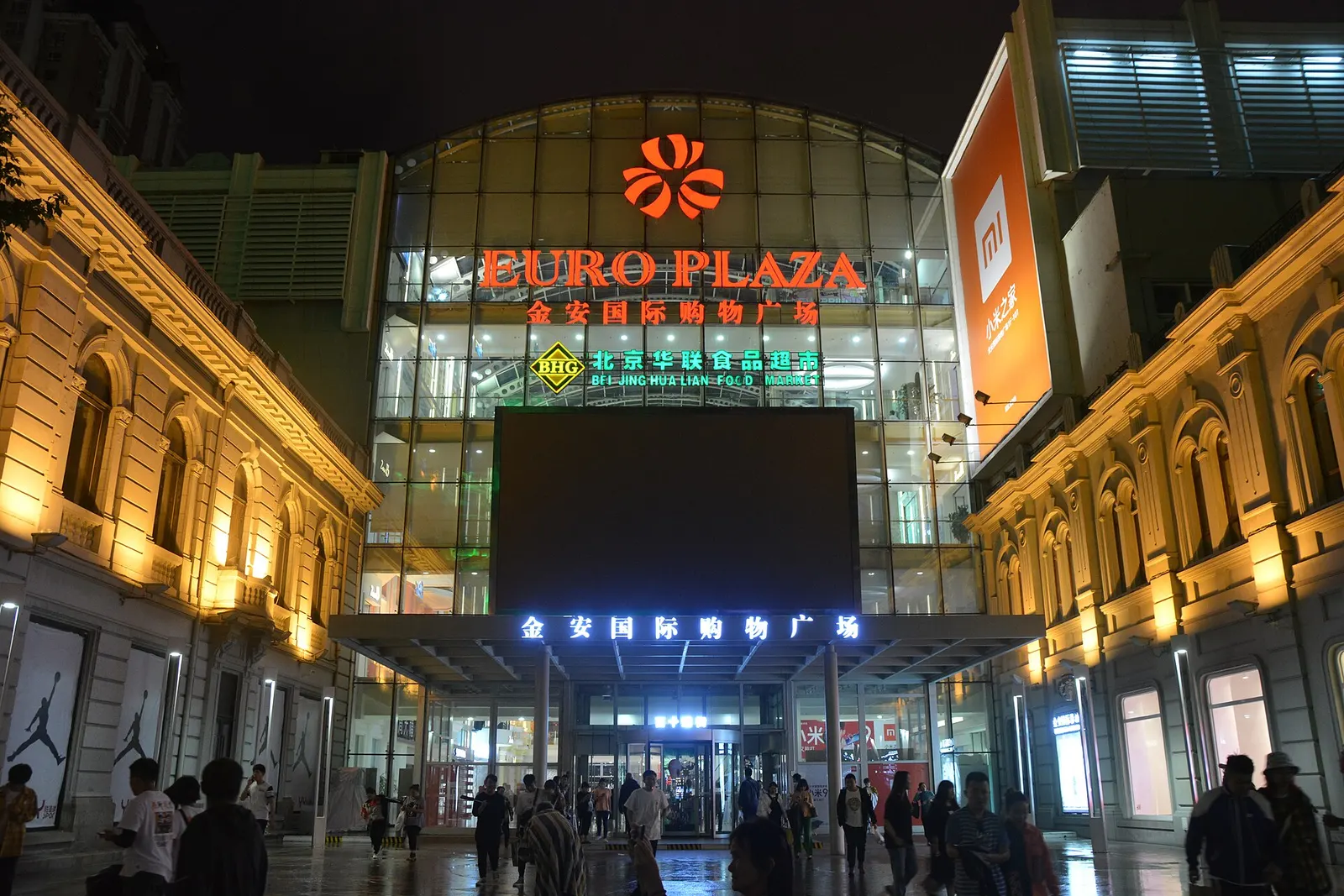
| Central Street | Must go | A cobbled old street with modern-era buildings; different in daylight and at night |
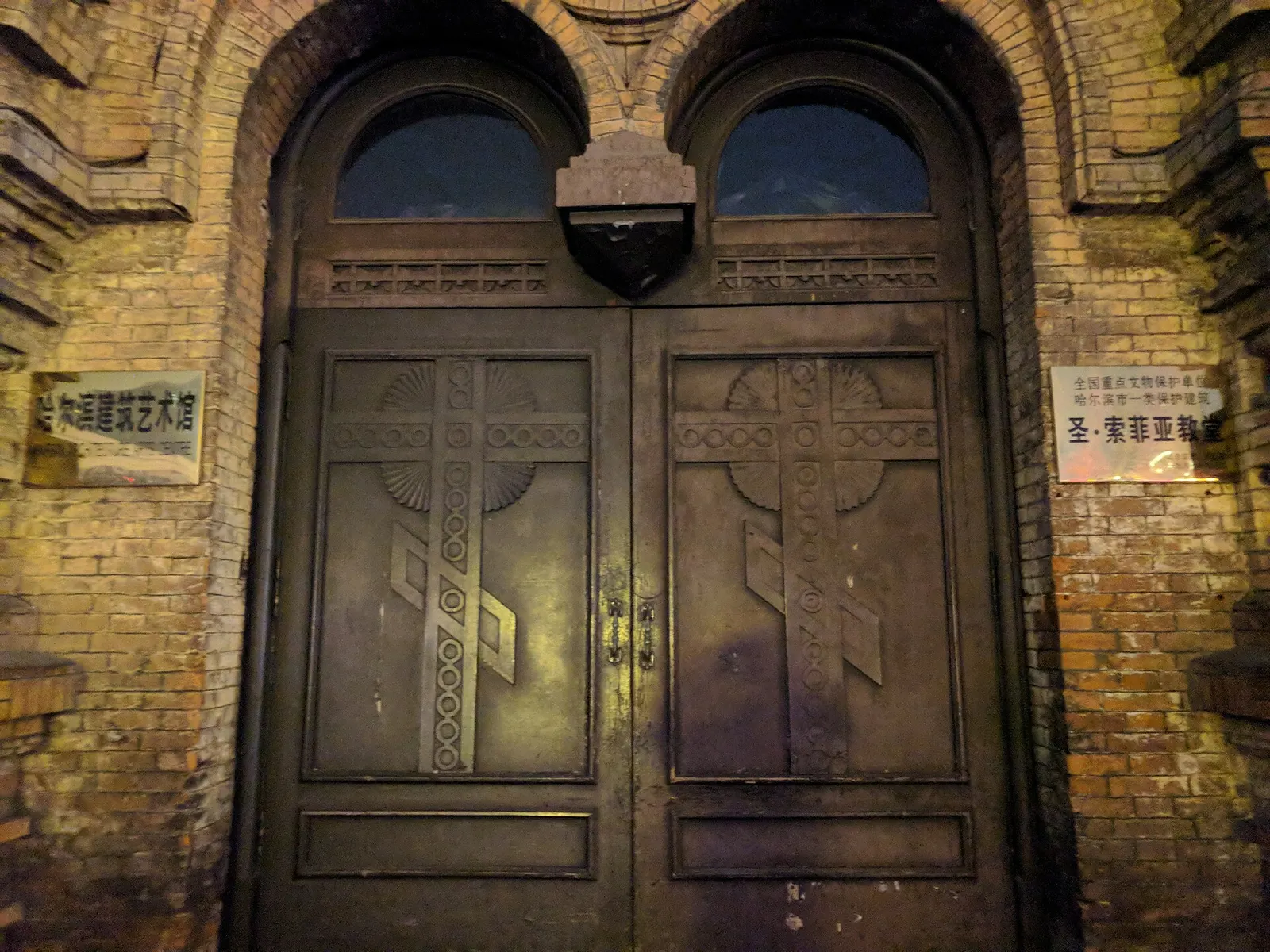
| Saint Sophia Cathedral | Advice | The city's symbol, best seen from the square; indoors subject to opening arrangements |
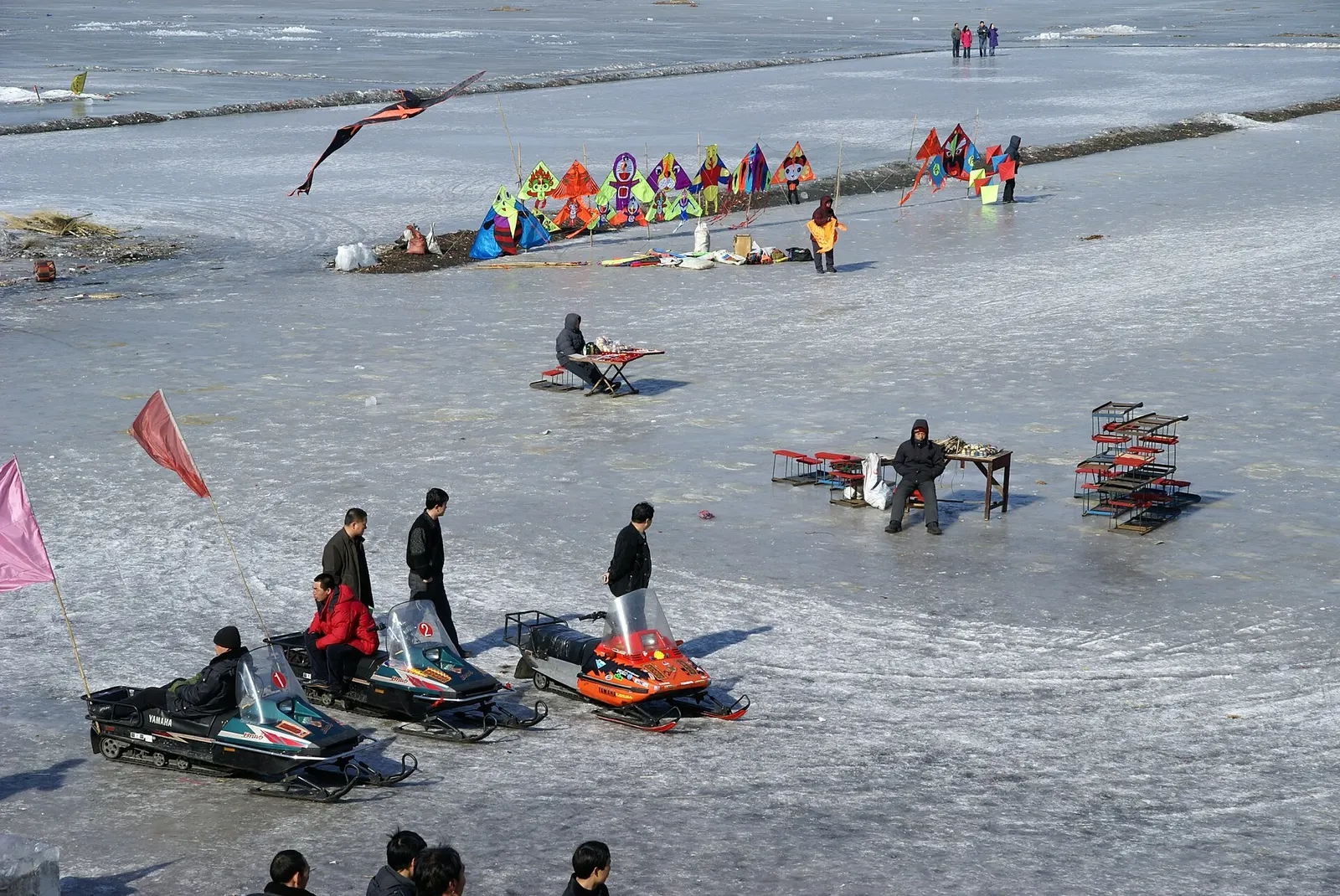
| The flood monument and the Songhua River | Advice | Ice activities and city views once the river freezes; good for half a day |
| Laodaowai Chinese Baroque district | Advice | Old buildings and street food — more lived-in than the commercial streets |
| Sun Island Snow Expo | Optional | Snow sculpture as an art form, complementing the ice sculptures; half a day |
| The polar museum, the Siberian tiger park | Optional | Good for families with children; slightly away from the city centre |
| Gogol Street and the Qiulin area | Pass through | Fine as you pass through; no need to make it a destination |
| Skiing at Yabuli | Separate one to two days | Skiing and mountain scenery, requiring transport and accommodation arrangements |
| Snow Town | Separate one to two days | Classic snow scenery but commercialised and a long drive away; plan it separately |
In one line: A day and a half to two days covers the city; Ice and Snow World is the one place that needs a full evening, and Xuexiang and Yabuli require their own days.
When to go, and how to dodge the crowds
- Late December to January: the most complete ice and snow season, and the coldest and busiest stretch. Ice and Snow World normally opens within this window; exact dates follow official announcements.
- February: ice and snow remain, but temperatures rise from mid-month and outdoor sculptures may melt or close; crowds peak around Spring Festival.
- November and March: transitional months — the ice has either not formed or started melting, so a special trip is not worth it.
- Summer: cool and good for escaping the heat, but unrelated to the classic image of Harbin; first-time visitors expecting ice will be disappointed.
Avoiding crowds means a different hour: Central Street is quietest in the morning and late at night and busiest towards evening; Ice and Snow World peaks at dusk, so arriving earlier means shorter queues; the square at Saint Sophia Cathedral fills with tour groups during the day; and the frozen Songhua River is calmest and most comfortable in the morning. Opening dates, tickets and booking rules change each year — check official channels before you travel (this article was reviewed on 28 September 2026).
Which area to stay in on a first visit
- Central Street / the flood monument area: the best base for a first visit, walkable to the old street, the river and Saint Sophia Cathedral, with easy metro or taxi access to Ice and Snow World.
- Harbin Station / the museum area: a transport hub with usually better value, though Central Street takes a metro ride or a taxi.
- Songbei (towards Ice and Snow World): close to Ice and Snow World, good if the ice sculptures are your priority, at the cost of a longer commute to the old city.
- Around Harbin West Railway Station: fine for travellers using Harbin as a rail stopover of less than a day.
Getting to Harbin and getting around
Into the city. Harbin Taiping International Airport (HRB) connects to the city by metro and airport buses; high-speed trains mostly stop at Harbin, Harbin West and Harbin North, with direct services from Beijing, Shenyang and Dalian. Exact services are subject to the latest official announcements. Stay around Central Street and Harbin Station puts you within a walk or a short taxi ride of the old street.
Within the city. The metro and buses cover Central Street, Saint Sophia Cathedral and the Songbei direction; in winter the pavements are icy, so walk slowly and wear shoes with grip. Paying by QR code means activating the transport code in Alipay or WeChat Pay first — how to do that is covered here: how to pay in China and the travel apps foreign visitors use. Taxis are cheap and convenient, but queues are long when Ice and Snow World empties out.
To Yabuli or Xuexiang. Both involve long drives, reachable by high-speed rail plus a connection or by private car; winter road conditions depend heavily on the weather, so allow slack. Tickets and boarding are covered here: how to travel by high-speed rail in China.
What to arrange before you land
- Confirm your visa or visa-free eligibility. Harbin is one of the main entry points and eligible cities, but the visa-free and transit exemptions carry specific day limits and conditions, and they change: how to apply for a China tourist visa.
- Treat cold-weather gear as part of the itinerary. Layering, waterproof gloves, thick socks and shoes with grip are essentials, and hand warmers are genuinely useful while queueing outdoors. Turning up underprepared means spending the day looking for somewhere warm.
- Keep phones and cameras warm. Batteries drain fast in low temperatures; carry a power bank and keep devices in an inside pocket, and seal them in a bag before going indoors to reduce condensation.
- Prepare two ways to pay. Mobile payment first, cash and a physical card as backup; phone screens slow down in the cold, so have your transport and payment codes ready in advance. The general pre-departure checklist is here.
- Plan the indoor-outdoor rhythm. Avoid staying outside for more than about an hour at a time, and break it up with malls, museums or cafés — the experience improves considerably.
- Network and connectivity. Maps, ride-hailing and translation all depend on data, so decide in advance between an eSIM, a local SIM and roaming: choosing between an eSIM, a physical SIM and roaming.
How Harbin fits into a longer trip
- Beijing + Harbin: linked by high-speed rail, the smoothest history-plus-ice combination in winter; for the Beijing half, see first time in Beijing: what to see, where to stay and how many days.
- Harbin + Yabuli / Xuexiang: add skiing or snow scenery after the city, allowing one to two days each.
- Harbin + Shenyang / Dalian: one northeastern route, best for travellers with time to see several cities in the region.
- Only two or three days in Harbin: the city and Ice and Snow World are a complete winter trip on their own — no need to force a long drive into the schedule.
If you would prefer someone to line up transport, tickets and hotels, start with our China inbound tours page; to adjust it to your dates and group size, tell us the dates and the number of travellers: contact us.
If you are here to photograph, camera positions and timing have a dedicated guide: the best time to shoot Ice and Snow World; travelling with children, see taking kids to see the snow in Harbin; and for a Spring Festival visit, the New Year atmosphere and Xuexiang arrangements are covered in spending Spring Festival in Harbin and Xuexiang.
Frequently Asked Questions
How cold does it get on a first visit, and what should I wear? Prepare for minus twenty: a down jacket, a fleece mid-layer and a moisture-wicking base, plus hat, scarf, gloves, thick socks and shoes with grip. Indoor heating is strong, so layers you can add and remove beat one very thick coat.
Ice and Snow World or the snow sculpture expo — if I can only pick one? Choose Ice and Snow World. It is the night-time ice-and-light spectacle with far more impact and is the most representative of Harbin; the snow expo is daytime sculpture and suits anyone with an extra day.
Is three days enough to include Xuexiang? It is tight. Xuexiang needs a long drive plus an overnight, and squeezing it into three days leaves only one day for the city, which weakens the trip. Either give Xuexiang four days or more, or keep this trip to Harbin itself.
Do I need to tip in Harbin? No. Restaurants and hotels do not expect tips, and some bills already include a service charge.
Closing thoughts
Harbin is one of the few Chinese cities where the season is the destination: its core experience only exists in winter and is only worth a special trip then. That means the itinerary bends around the weather and the cold, not the other way round.
Here is an order a first-time visitor can follow: confirm your visa or visa-free eligibility, book a hotel around Central Street, and have your cold-weather gear ready before you fly; walk Central Street, Saint Sophia Cathedral and the flood monument on day one, then enter Ice and Snow World in the evening; on day two take the frozen Songhua River and Laodaowai in the morning and finish with Sun Island or an indoor venue in the afternoon. With more time, add Yabuli or Xuexiang as a separate leg.
Harbin will not feel comfortable, but it will make you remember standing at minus twenty watching a whole field of ice lights come on — and no other Chinese city offers a substitute for that.