Guangzhou is the easiest gateway into China from the south and a city that puts everyday food culture at the centre of the trip. Two days covers Shamian, the Chen Clan Ancestral Hall and a night cruise on the Pearl River, and morning tea needs a full morning of its own; a third day adds the Museum of the Nanyue King or an extension towards Foshan and Shunde. Staying around Zhujiang New Town or Beijing Road saves the most commuting (checked 28 September 2026).
The mistake first-time visitors make in Guangzhou is not going to the wrong places. It is treating Guangzhou as a transit city: land, sleep one night, take a high-speed train somewhere else the next morning. You end up having eaten no morning tea and walked none of the old town, remembering only the airport and the metro.
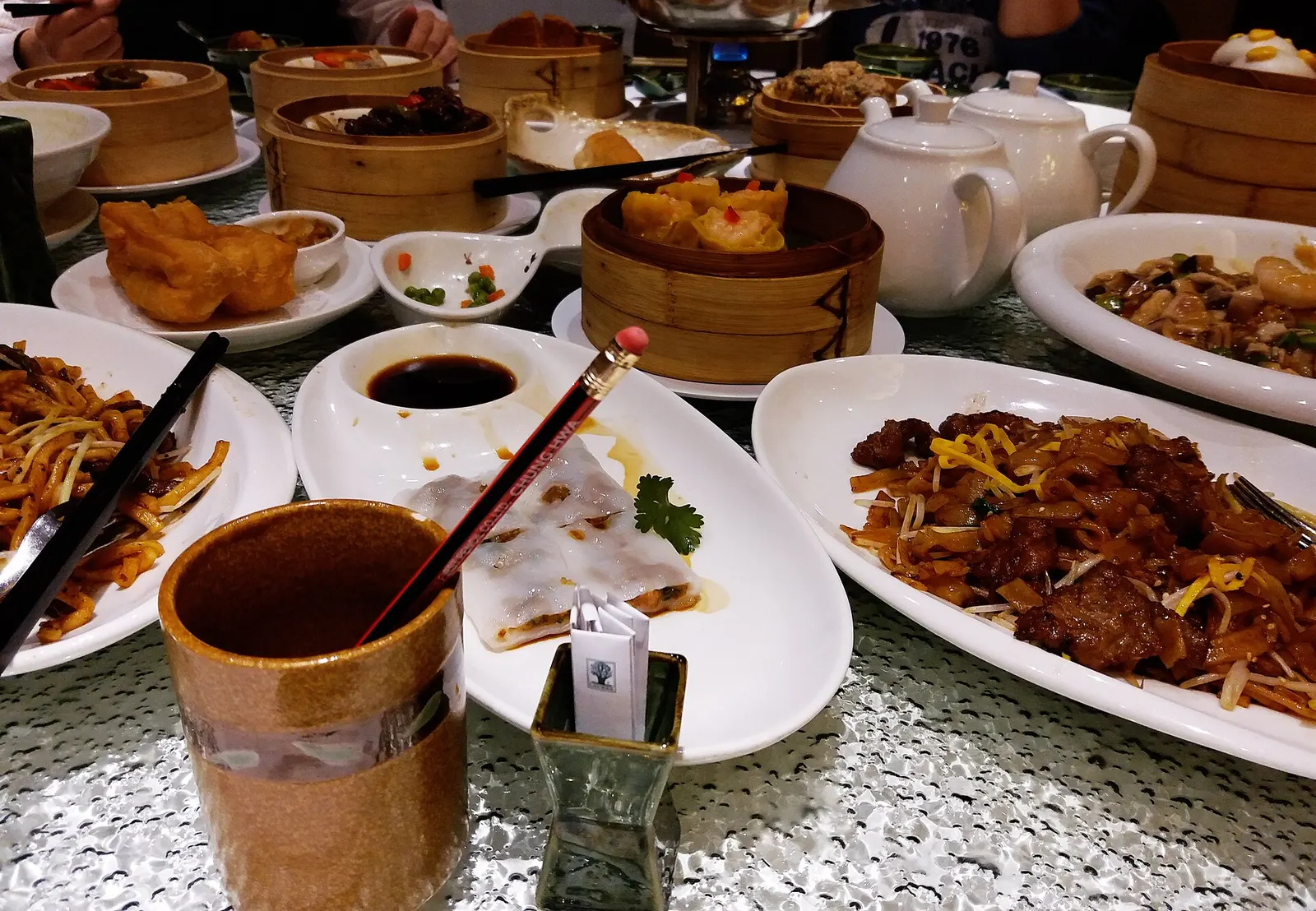
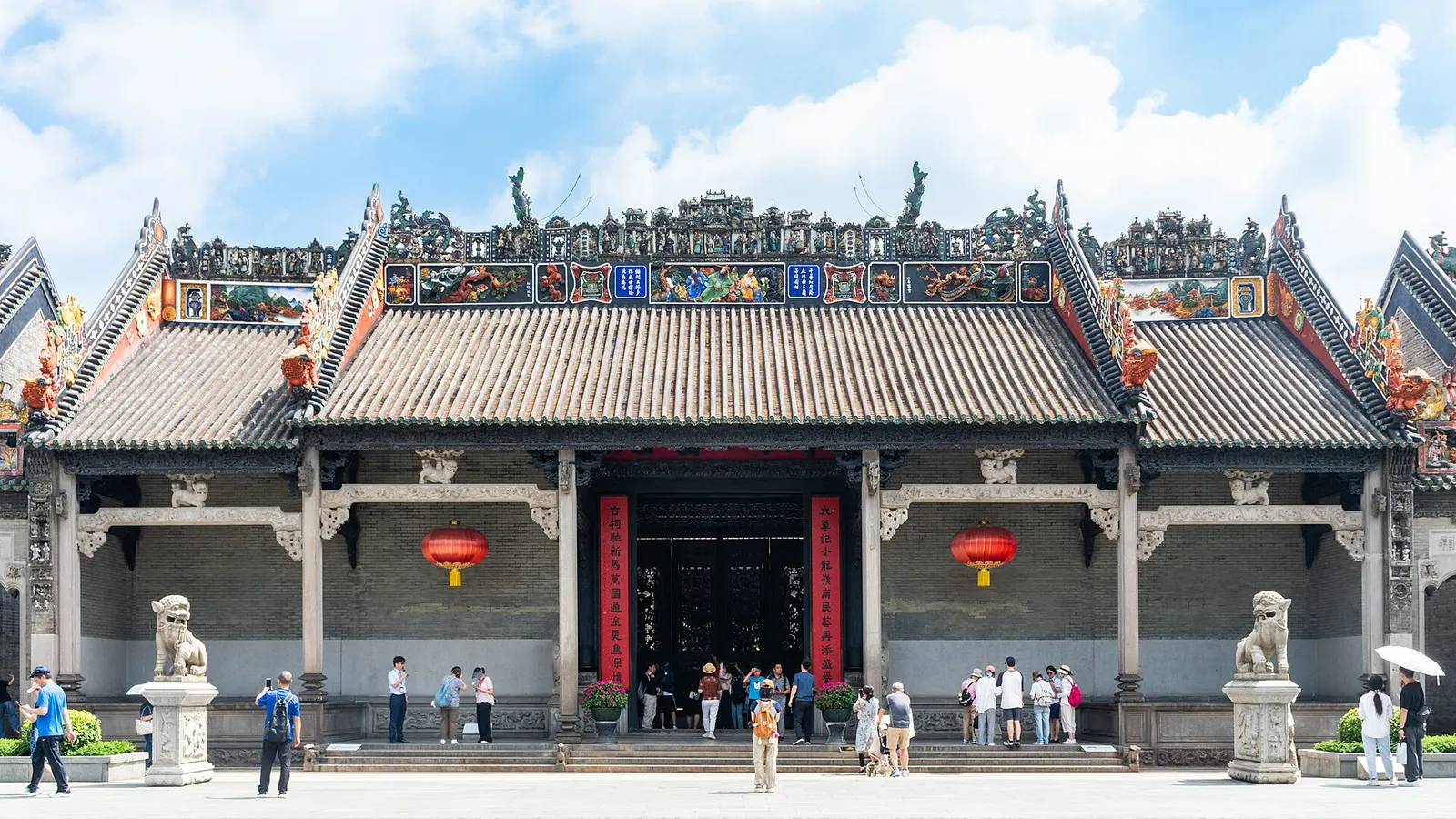
Guangzhou's value sits precisely in the two things that look least urgent. The first is food: Cantonese morning tea is a complete social institution — a pot of tea, several baskets of dim sum, an hour or two of unhurried conversation. It is the most direct way into daily life in Guangdong, and a stretch of experience hard to replicate in other Chinese cities. The second is the old town: the early-modern buildings of Shamian, the Lingnan craft of the Chen Clan Ancestral Hall and the excavated objects in the Museum of the Nanyue King between them lay out a city that has been a trading port for more than two thousand years.
Guangzhou is also friendly in practical terms: Baiyun Airport has many international routes, the metro is dense with clear English signage, and food and accommodation run from street-level shops to high-end hotels at every price. It is the most convenient hub in south China too — Shenzhen is about half an hour away, Foshan and Shunde are just as close, and high-speed trains run towards Guilin, Changsha and Wuhan.
This guide is for travellers placing Guangzhou in a 7 to 12 day China route: how many days it needs, how to arrange morning tea, how to walk the old town, what to skip, where to stay, and practical matters such as typhoon season that are easy to overlook.
Is Guangzhou right for a first trip to China?
Yes, especially if three things apply: you are entering China through the south, food matters to you, and you would rather not rush. Guangzhou is more compact than Beijing or Shanghai — half an hour by metro from the old town to Zhujiang New Town — so a day holds two or three stops comfortably instead of five ticked off in a hurry.
Its shortcoming is a shortage of world-class historical symbols. If what you came for is the Great Wall, the Terracotta Army or the Forbidden City, Guangzhou works better as the start or end of a south China stretch with Beijing and Xi'an in the middle. How to combine cities and split the days is covered here: which cities to visit on a first trip to China.
How many days does Guangzhou need?
Two days is the core; a third allows one extension.
- One day: only a morning of tea plus one afternoon in the old town (the Chen Clan Ancestral Hall or Shamian), then a walk by the river in the evening. Very rushed.
- Two days: morning tea, the Chen Clan Ancestral Hall, Shangxiajiu and Shamian on day one; the Museum of the Nanyue King, Beijing Road and the river cruise on day two. That covers the core impression.
- Three days: add Baiyun Mountain or the Huangpu direction, or extend a day to Foshan and Shunde (strongly recommended if food is the point).
- 4 days or more: connect to Shenzhen and Hong Kong, or head north to Guilin or Shaoguan, linking south China into one stretch.
What to see first, and what to skip
Guangzhou can be judged in one line: look at how daily life runs, not at how tall the landmarks are.
| Place | For a first visit | Why |
| Morning tea (a teahouse) | Must go | The entry point to Cantonese cooking and a live picture of how Guangdong lives — set aside a morning |
| Chen Clan Ancestral Hall | Must go | A concentrated display of Lingnan architecture and craft, mostly indoors, so it works on rainy days too |
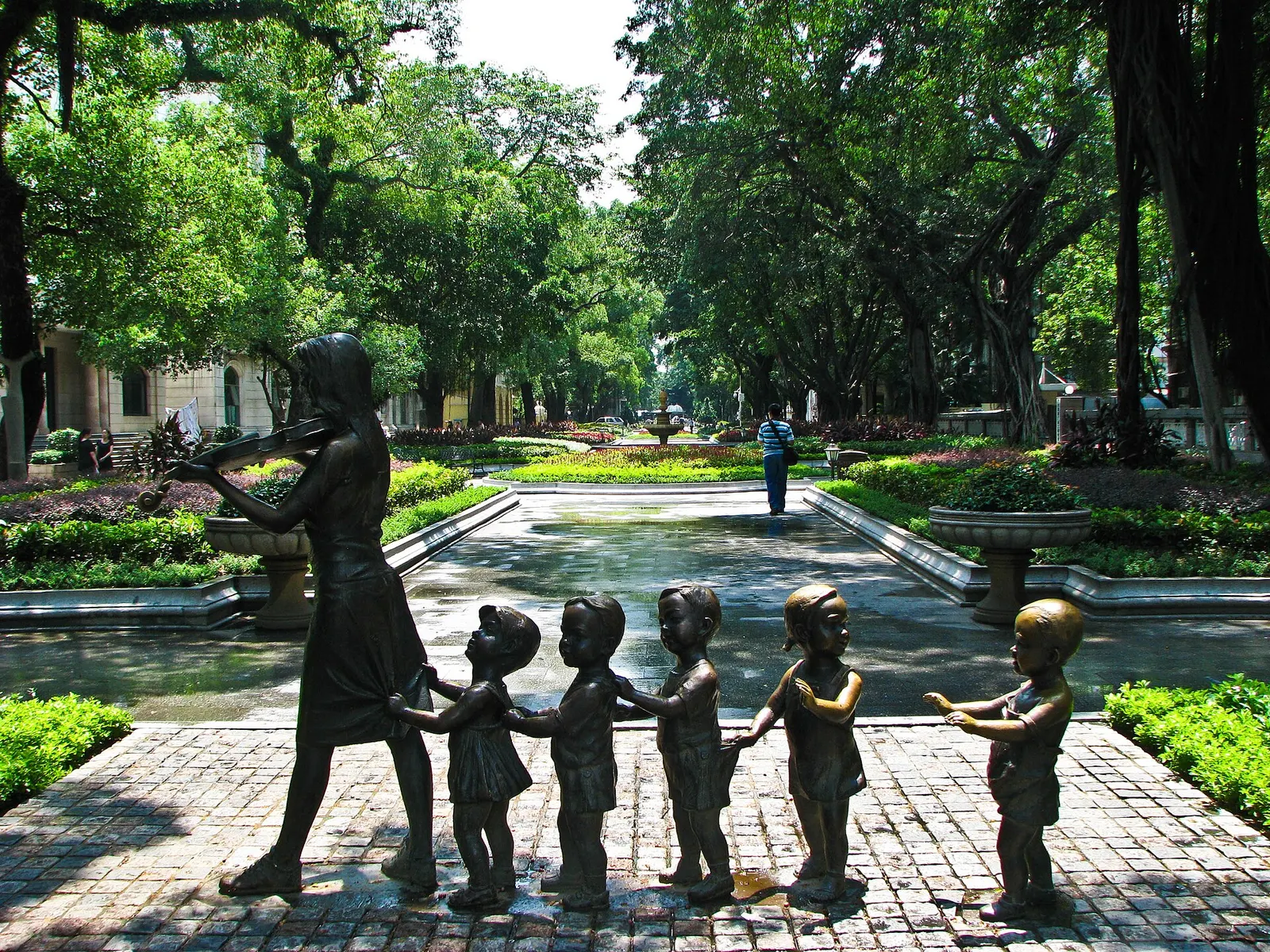
| Shamian Island | Strongly recommended | A cluster of early trading-port architecture, well shaded and pleasant to walk, best in the late afternoon |
| Museum of the Nanyue King | Strongly recommended | Nanyue history backed by excavated objects — the key to understanding Guangzhou's two thousand years |
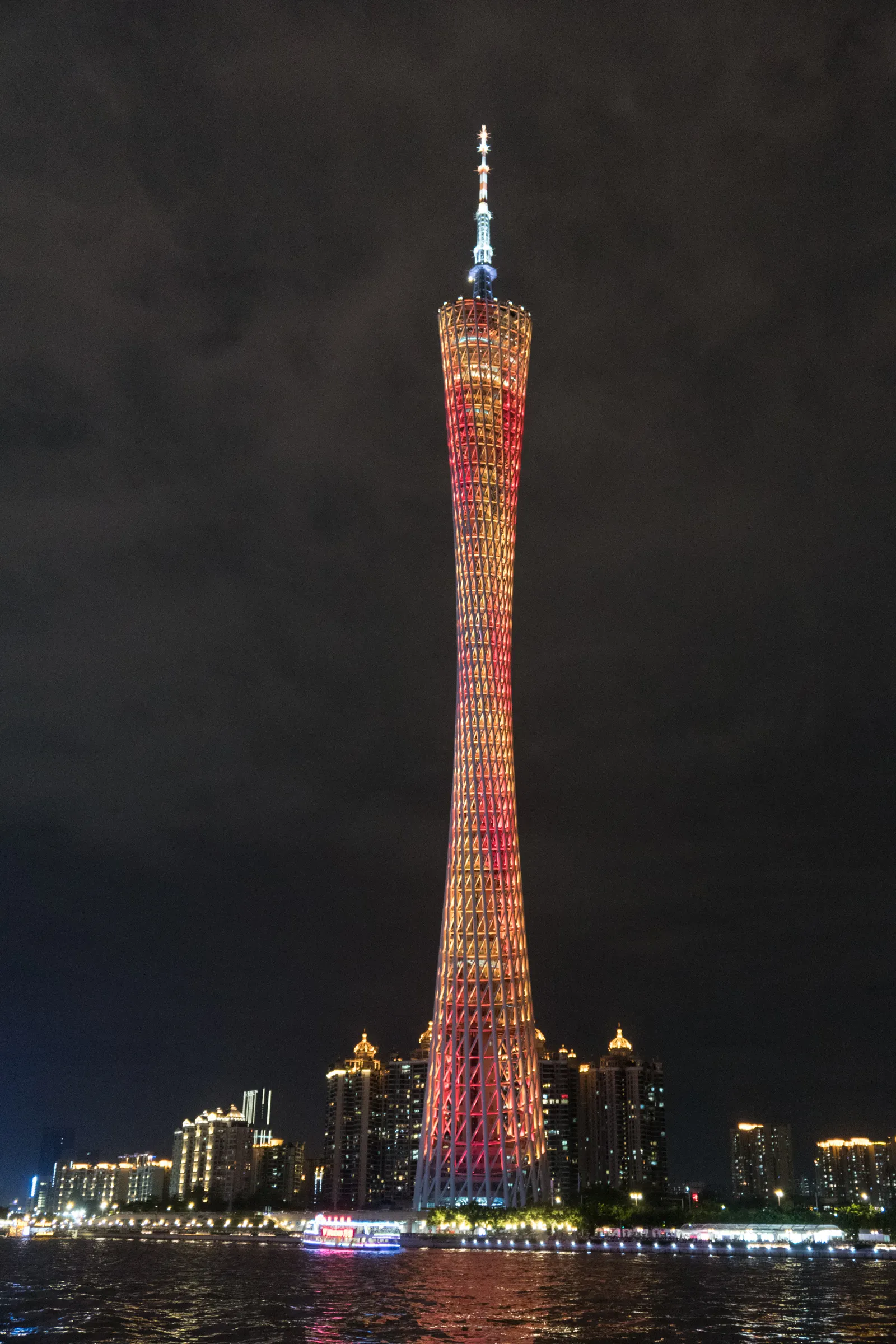
| Pearl River night cruise | Advice | Board around the Tianzi Pier area for the Canton Tower and Zhujiang New Town skyline after dark |
| Canton Tower | Optional | Going up the tower depends on weather and queues; watching the night view from the riverside works just as well |
| Beijing Road and Shangxiajiu | Pass through | Shopping streets — fine as you pass through, no need to make them a destination |
| Baiyun Mountain | Optional | The city's green lung; half a day to a day for anyone wanting to walk uphill |
| Chimelong theme parks | Separate time | Family-oriented, needs a full day, and sits in a different direction from the city centre |
| Foshan Ancestral Temple, Shunde | Separate day | Lingnan craft and the source of Cantonese cooking — a good second-day extension |
In one line: Guangzhou's first priority is a proper morning tea; second are the concrete things that show craft and the city's layers, such as the Chen Clan Ancestral Hall and Shamian; landmarks come after that.
When to go, and how to dodge the crowds
- October to December: widely considered the best — cooler, drier weather suits long hours walking outdoors and through the old town.
- March to April: temperatures rise, but expect damp spells and drizzle, with high humidity.
- May to September: humid, wet and in typhoon season; typhoons and heavy rain can affect flights and high-speed trains, so check the forecast and keep flexibility in the plan.
- January to February: relatively mild and one of the more comfortable periods of the year; some restaurants close for Spring Festival.
Avoiding crowds means a different hour: reach the teahouse before nine, since queues start after ten; the Chen Clan Ancestral Hall and the Museum of the Nanyue King are quietest in the morning; Shamian is never crowded and is at its best in the late afternoon; and book the river cruise in advance, avoiding weekend evening departures. Opening hours, ticket prices and museum booking rules can change each year — check official channels before you travel (this article was reviewed on 28 September 2026).
Which area to stay in on a first visit
- Zhujiang New Town / Tianhe: the modern core, dense metro lines, convenient to both the Canton Tower and the old town, at mid-to-high prices.
- Beijing Road / Gongyuanqian: the centre of the old town, walkable towards Shangxiajiu, with plenty of teahouses and snacks and usually better value.
- Shamian / along the river: quiet and green, good if an evening walk counts as part of the itinerary.
- Around Guangzhou South Railway Station: fine for travellers using Guangzhou as a stopover of less than a day, but the city experience is limited.
Getting to Guangzhou and getting around
Into the city. Guangzhou Baiyun International Airport (CAN) connects to the city by metro; high-speed trains mostly arrive at Guangzhou South, Guangzhou East and Guangzhou Station, with direct services from Shenzhen, Foshan, Guilin and Changsha. Exact services and routes are subject to the latest official announcements.
Within the city. The metro reaches the main sights, with clear English signage in the stations; paying by QR code means activating the transport code in Alipay or WeChat Pay first — how to do that is covered here: how to pay in China and the travel apps foreign visitors use. Walking in summer costs energy, so keep daytime stops close to metro stations.
To the surrounding towns. Services towards Shenzhen and Hong Kong are frequent; Foshan and Shunde are reachable directly by metro and intercity rail, which makes a one-day extension easy. Buying tickets and boarding are covered here: how to travel by high-speed rail in China.
What to arrange before you land
- Confirm your visa or visa-free eligibility. Guangzhou is one of the main entry points and eligible cities, but the visa-free and transit exemptions carry specific day limits and conditions, and they change: how to apply for a China tourist visa.
- Give morning tea a full morning. A teahouse is not built for hurrying, and eating fast defeats the point.
- Prepare two ways to pay. Mobile payment first, cash and a physical card as backup; older teahouses and small shops lean more heavily on QR codes. The general pre-departure checklist is here.
- Watch the forecast in typhoon season. From May to September, check the weather before you travel and leave room for rebooking or an extra night if a typhoon warning is issued.
- Grade your food curiosity. Cantonese cooking includes plenty of things that look unfamiliar and taste excellent; pick according to your comfort level the first time, and state allergies or restrictions when ordering.
- Network and connectivity. Maps, ride-hailing and translation all depend on data, so decide in advance between an eSIM, a local SIM and roaming: choosing between an eSIM, a physical SIM and roaming.
How Guangzhou fits into a longer trip
- Guangzhou + Shenzhen + Hong Kong: the shortest south China combination, with frequent connections that link your entry and exit.
- Guangzhou + Foshan + Shunde: a one- to two-day food-led extension with local cooking you will not find in the city centre.
- Guangzhou + Guilin: north into the karst landscape, an easy way to connect south China with scenery.
- Guangzhou + Beijing / Xi'an / Shanghai: as the start or finish of a long route, with a flight or train between sections, in 7 to 10 days.
If you would prefer someone to line up transport, tickets and hotels, start with our China inbound tours page; to adjust it to your dates and group size, tell us the dates and the number of travellers: contact us.
Frequently Asked Questions
Guangzhou or Shenzhen — which one? For the Lingnan old town, morning tea and two thousand years of urban history, choose Guangzhou; for the contemporary cityscape and Hong Kong connections, do both — the high-speed train between them takes about half an hour.
Does morning tea really take two hours? No deliberate padding needed, but half an hour is too short. The normal rhythm is an hour to an hour and a half of eating and talking; if you have plans afterwards, four baskets in about an hour works.
Can you visit Guangzhou in summer? Yes, but change the rhythm: keep the old town and museums for morning and evening, retreat to the hotel or a mall at midday, and cut outdoor stops to one. From May to September, watch for typhoons and heavy rain.
Do I need to tip in Guangzhou? No. Teahouses and restaurants do not expect tips, and some bills already include a service charge.
Closing thoughts
Guangzhou rewards slowness. Its best moments hide in a basket of shrimp dumplings at morning tea, a carved brick panel at the Chen Clan Ancestral Hall, a shaded avenue on Shamian, a jade piece in the Museum of the Nanyue King — none of which require queueing for tickets, only the time to sit with them. Treat Guangzhou as a stopover and it feels ordinary; treat it as a few slow days of ordinary life and it gives you the most lived-in stretch of your China trip.
Here is an order a first-time visitor can follow: confirm your visa or visa-free eligibility, book a hotel near Beijing Road or Zhujiang New Town, keep the first morning free for tea, walk the Chen Clan Ancestral Hall and Shamian in the afternoon, and go to the river in the evening; on day two, take the Museum of the Nanyue King and an old-town walk, and decide on the tower according to the weather. With another day, head for Foshan and Shunde.
Guangzhou will not overwhelm you. It will use one meal and one long street of detail to explain why people in Guangdong treat eating as a serious matter.