On a first trip to China, settle the number of days before you choose cities: with five days take Beijing or Shanghai; with seven to ten, follow Beijing–Xi'an–Shanghai; with two weeks or more, add Guilin, Chengdu or Hangzhou. The order of judgement is entry port, then season, then interest — not how famous a city is. The table below gives suggested days, best season and best-fit traveller for ten first-trip cities (checked 28 September 2026).
The question first-time visitors ask most is not how to see a particular sight but which cities to visit. It is difficult because China's popular cities differ enormously: Beijing layers the imperial city onto the modern state, Shanghai is the most modern gateway, Xi'an is the layer from two thousand years ago, Chengdu means pandas and a slower pace, Chongqing is a vertical mountain city, Guilin is karst landscape, Hangzhou is Jiangnan, and Guangzhou and Shenzhen are the commerce and daily life of the south.
Choosing the wrong city costs more than choosing the wrong sight. Distances between Chinese cities are long and intercity travel runs on high-speed rail and flights: one hop takes two or three hours at best, five or six at worst. Force unrelated cities into a single trip and half your holiday goes to trains and hotel changes — what you remember afterwards is the stations.
Get the order right and the same number of days holds entirely different experiences. Beijing, Xi'an and Shanghai became the classic trio not because they are the most famous, but because high-speed rail links them in sequence and their mix of history and modernity complements itself.
This guide does not repeat how to see each city. It answers one question: how do you decide which cities to visit on a first trip to China? The order is: fix the days, check the season, narrow by interest and entry port, then confirm with the comparison table. City guides for Beijing, Shanghai and Xi'an are already published, and more are being added.
Step 1: fix the days, then the cities
Days decide how many cities fit. Do not skip this step.
- 5 days: one city plus a nearby second. Beijing with Xi'an, or Shanghai with Suzhou and Hangzhou. Do not try to cross three major regions.
- 7 to 8 days: the classic Beijing–Xi'an–Shanghai line works at this length, joined by high-speed rail; how to split the days is covered here: how to plan 7–8 days for a first trip to China.
- 10 days: add Chengdu or Guilin to the trio, or bring in Suzhou, Hangzhou and Wuzhen in the east.
- Two weeks or more: build it in three parts — north China for history, the southwest for landscape and food, the east for cities — leaving a buffer day between each.
Do the reverse calculation too: five days spread across three cities gives you roughly one clear day per city, and transport plus hotel changes eat the rest. Cutting one city usually improves the trip.
Step 2: check the season
Season rules some cities out and makes others shine.
- April to May, September to October: most of the country is in its comfortable window — the easiest months to plan, and the best season for Beijing, Xi'an, Shanghai and Hangzhou.
- June to August: humid and wet in the south, blazing in the north; better for cities with water and gardens such as Hangzhou and Suzhou, or move outdoor time to early morning and evening.
- November to February: damp cold in the south, dry cold with indoor heating in the north; head to Hainan and southern Yunnan to escape the cold, or to the northeast and Beijing for snow.
- Spring Festival and the October holiday: the whole country peaks at once, and both fares and crowds jump; on a first trip it is best to avoid these periods.
The fuller logic of seasonal choice sits in the best-season section of each city guide.
Step 3: narrow by interest
Matching what you want to see to a city shrinks the list immediately.
- History and ancient capitals: Beijing and Xi'an lead; Luoyang, Kaifeng, Nanjing and Suzhou extend the theme.
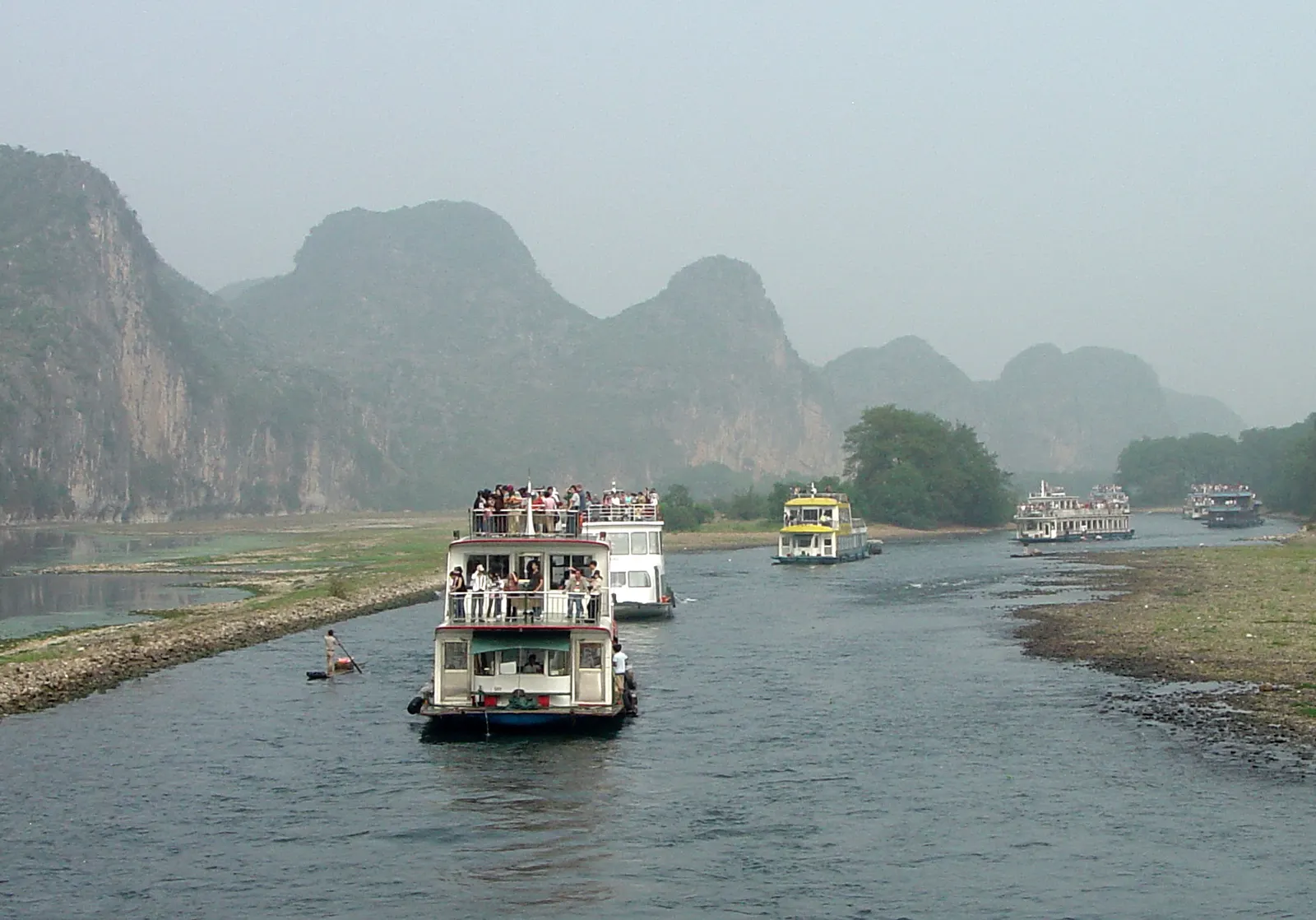
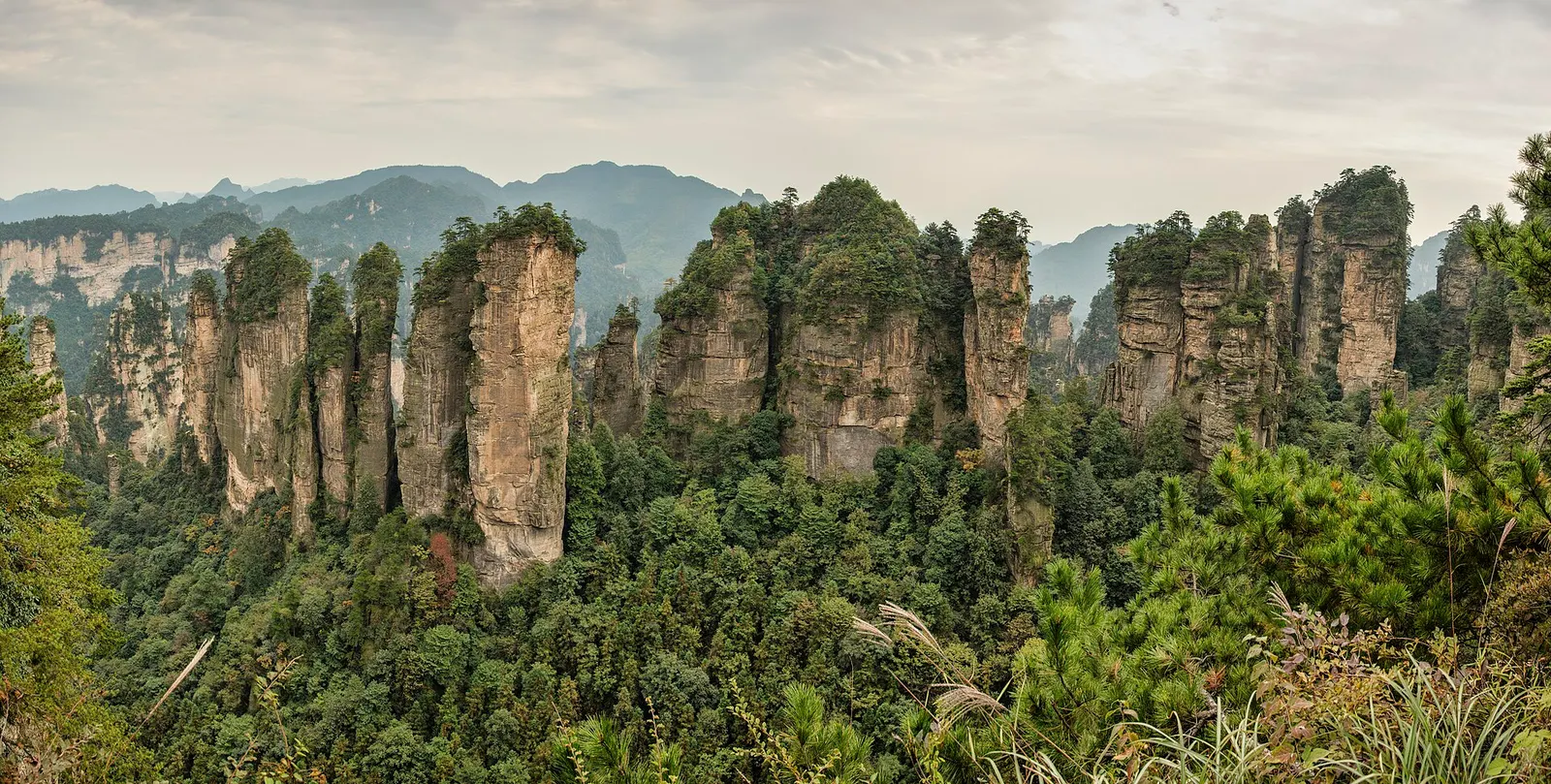
- Landscape: Guilin and Yangshuo, Zhangjiajie, Yuanyang and Dali in Yunnan, and the karst of Guizhou.
- Food: Chengdu, Guangzhou, Chongqing and Chaoshan; around Xi'an, the lanes beyond the Muslim Quarter main street are also worth it.
- Modern cities and night views: Shanghai, Shenzhen and Chongqing — the Bund against Lujiazui, Shenzhen's contemporary face and Chongqing's layered night skyline are three different answers.
- Pandas and family travel: Chengdu, plus Dujiangyan nearby.
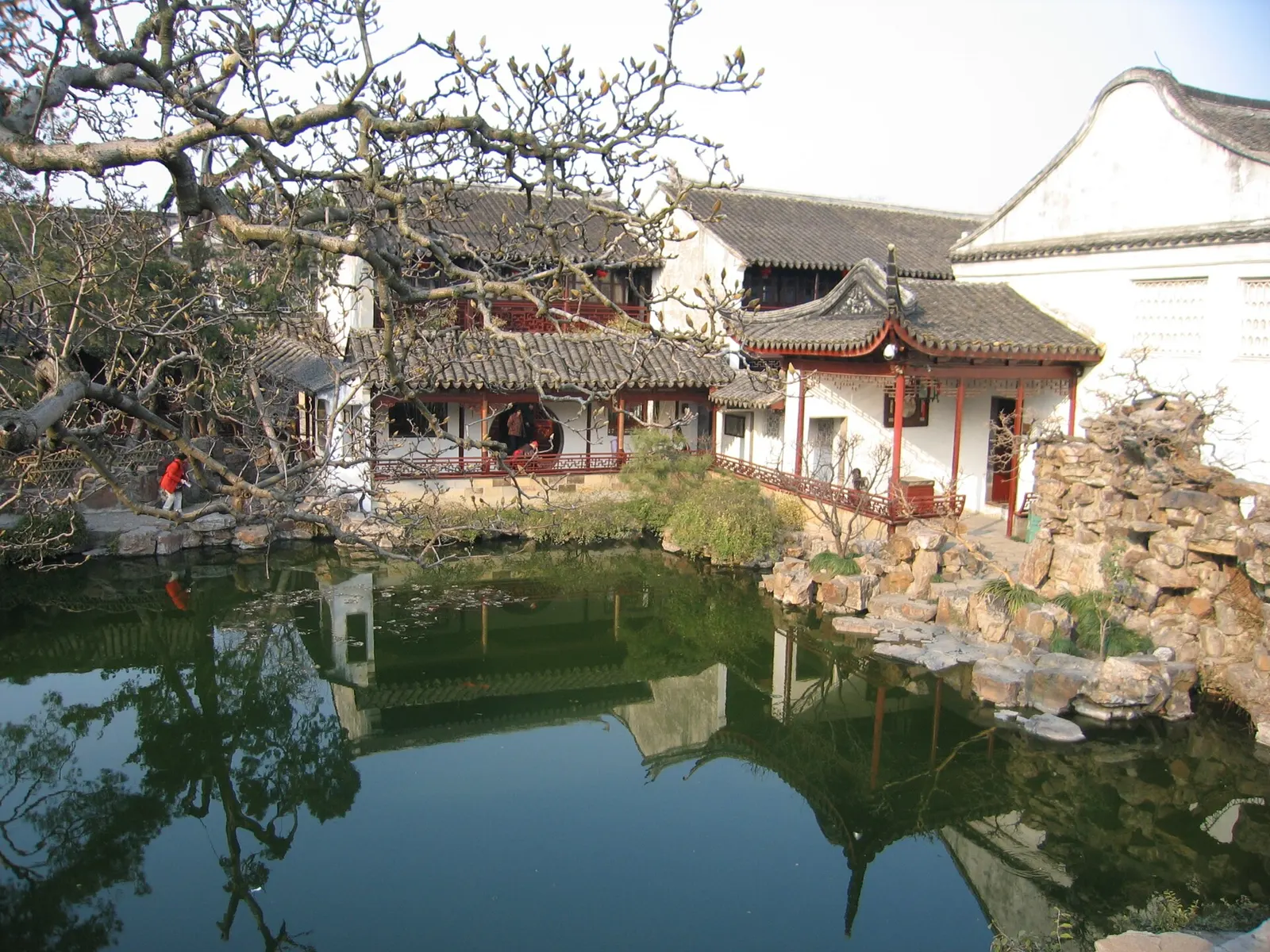
- Jiangnan gardens and water towns: Suzhou, Hangzhou and Wuzhen — easy to link with Shanghai.
Ten first-trip cities compared
The table below is organised around the common needs of a first trip to China. The day counts are suggested minimum to comfortable lengths, not how long you must stay.
| City | Signature experience | Suggested days | Best season | Best for |
| Beijing | The Great Wall, the Forbidden City, hutongs and the central axis | 3–5 days | April–May, September–October | Travellers who want the classic symbols of China; most first-time visitors |
| Shanghai's | The Bund set against Lujiazui, plus the historic districts | 2–4 days | March–May, September–November | People who want an easy first stop and care about comfort |
| Xi'an | Terracotta Army, city wall, Tang-dynasty pagoda | 2–3 days | March–May, September–November | Travellers here for history, willing to give a full day to the Terracotta Army |
| Chengdu | Pandas, Sichuan food, unhurried neighbourhoods | 3–4 days | March–June, September–November | Families, food-first travellers, anyone wanting a slower pace |
| Chongqing | Mountain-city terrain, layered night views, hotpot | 2–3 days | March–April, October–November | Travellers drawn to urban spectacle and night views, comfortable with hills |
| Guangzhou | Morning tea, Lingnan old town, the Pearl River Delta gateway | 2–3 days | October–December, March–April | Arriving via south China, interested in everyday food culture |
| Shenzhen | Contemporary cityscape, easy Hong Kong connections | 1–2 days | October–December, March–April | Travellers linking to Hong Kong, interested in contemporary cities |
| Hangzhou | West Lake, Longjing tea hills, Jiangnan water scenery | 1–2 days | March–May, September–November | Combining with Shanghai; lovers of gardens and water |
| Guilin and Yangshuo | Li River karst scenery, cycling through farmland | 2–3 days | April–June, September–November | Travellers who want Chinese landscape and are happy outdoors |
| Xiamen | Islands, Gulangyu, Fujian overseas-Chinese heritage | 2–3 days | March–May, October–December | Anyone wanting to avoid big cities; resonates with Southeast Asian Chinese travellers |
A simple test when choosing: if this is likely your only China trip, protect Beijing and Xi'an — the two cities with no substitutes; if the trip needs to be easy and smooth on arrival, Shanghai is the best place to start.
Step 4: choose by entry port and flights
This step is often skipped, yet it decides how smoothly the trip runs.
- Main international gateways: Beijing, Shanghai, Guangzhou, Shenzhen, Chengdu, Xi'an, Chongqing, Hangzhou and Xiamen all have international routes; where you land shapes the efficiency of the onward high-speed connections.
- Visa-free and transit exemption: eligible countries, permitted days and ports of entry are all specified and subject to change. If your eligibility depends on a particular port, build the itinerary around it: how to apply for a China tourist visa.
- The first thing after landing: whichever city you land in, sort out payment, data and transport apps first; the order is in the general pre-departure checklist.
City guides already published
This series is filled in city by city. Available now:
- Beijing: first time in Beijing: what to see, where to stay and how many days; if you only need the day structure, there is a separate guide to how many days Beijing needs.
- Shanghai's: first time in Shanghai: 2–4 days, what to see and where to stay.
- Xi'an: first time in Xi'an: Terracotta Army, city wall and how many days; for children or study trips, choosing a Xi'an study tour.
Chengdu, Chongqing, Guangzhou, Guilin, Hangzhou, Shenzhen and Xiamen will follow. The simplest approach is to use the table above to settle on two or three cities, then let the city guides decide how to arrange time inside each one.
Frequently Asked Questions
Is three cities in one first trip too rushed? Three cities in seven to ten days is reasonable, provided they sit on one high-speed line (Beijing–Xi'an–Shanghai) and each city gets at least two consecutive days. Three cities in three separate regions becomes constant travelling.
Can I stay in just one city? Yes. On trips of five days or less, staying in one city with day trips out usually beats moving between cities. Beijing plus the Great Wall and its surroundings, or Shanghai plus Suzhou or a water town, is a complete trip.
Does the order of cities matter? Yes. History usually comes first, from Beijing or Xi'an, with the city part (Shanghai) reserved for the end; if you land in south China, start in Guangzhou or Shenzhen and work north towards Beijing and Xi'an. Get the order right and the pace looks after itself.
Should I change cities because of visa-free rules? Worth considering. If your visa-free or transit exemption is tied to specific ports, choose cities by port and expand around it — less trouble than applying for a visa to reach one particular city.
Closing thoughts
The answer to which cities to visit on a first trip to China is not a fixed list but a sequence: confirm how many days you have, check whether the season suits you, narrow by interest to two or three cities, then verify against entry ports and flights. Once those four steps are done, what remains is detail.
If you are still torn between two or three options, use a simpler test: put the cities with no substitutes first (the Great Wall and the Forbidden City in Beijing, the Terracotta Army in Xi'an), place the easy, comfortable arrival city at the start or the end (Shanghai), link them by high-speed rail, and avoid sending yourself across regions mid-trip.
China's cities differ enough that no first trip can cover them all. Three cities you actually walk into beat six you only pass through.