Chengdu suits a slower first trip to China: the Panda Base is the core and you must go in the morning; one day in town covers Kuanzhai Alley, the Wuhou Shrine and a teahouse; add a day for Dujiangyan or Mount Qingcheng. Three days is comfortable, and four lets you add Chongqing or Leshan. Staying around Chunxi Road and Taikoo Li saves the most commuting (checked 28 September 2026).
Among Chinese cities Chengdu sits in an unusual place: it has no must-see historical symbol like Beijing or Xi'an, and none of the visible modern velocity of Shanghai or Shenzhen. What puts it on a first China itinerary is usually two other things: pandas, and a way of living that is simply easier to adjust to.
Both matter on a first trip. If you have spent several days moving hard between sights, Chengdu is one of the few places in that stretch where you can slow down: pandas in the morning, a proper Sichuan lunch, an hour or two in a teahouse in the afternoon, a walk through a neighbourhood in the evening. It does not ask you to spend stamina to get anything out of it.
Chengdu does have its own scheduling problem. The Panda Base is best in the morning, when the animals are active; by early afternoon most of them are resting. The sights in town point in several directions, so Kuanzhai Alley, the Wuhou Shrine and People's Park each involve a metro ride or a taxi. Dujiangyan and Mount Qingcheng sit west of the city and need a day of their own. Work that out and Chengdu will not become a city you saw nothing of.
This guide is for travellers placing Chengdu in a 7 to 12 day China route: how many days it needs, how to arrange the Panda Base, how to move around town, what to skip, where to stay, and the easily misread questions about Sichuan food and spice.
Is Chengdu right for a first trip to China?
Yes, especially for families and for travellers who put food first. It is friendly in practical ways: a dense metro, an easy connection between the airports and the city, plenty of restaurants at every price, and a pace that is not rushed — good as a breather in the middle of a longer route.
What it is not is a single-stop destination. If you have five days and want the classic symbols of China, Beijing or Xi'an come first. Chengdu works better as a second-stage destination, combined with Xi'an, Chongqing or Shanghai. How to choose among cities and split the days is covered here: which cities to visit on a first trip to China.
How many days does Chengdu need?
Three days is comfortable, two covers only the city, and four or more lets you add Chongqing or Leshan.
- One day: the Panda Base plus one street in town (Kuanzhai Alley or Taikoo Li). Very rushed — little more than an introduction.
- Two days: the Panda Base and the city on day one, then the Wuhou Shrine, Jinli and the People's Park teahouses on day two. Two proper Sichuan meals.
- Three days: add a day for Dujiangyan or Mount Qingcheng, which completes Chengdu's city-plus-landscape structure. The length most first-time visitors are happiest with.
- 4 to 5 days: add Chongqing (about 1.5 to 2 hours by high-speed rail), or head south to Leshan and Mount Emei, linking Sichuan and Chongqing in one stretch.
If a western Sichuan plateau trip follows (Daocheng, Mount Siguniang and similar), arrange the altitude acclimatisation separately — do not compress it into the city days.
What to see first, and what to skip
Chengdu is judged differently from Beijing or Xi'an: those cities offer history that exists nowhere else, while Chengdu offers the density and comfort of experience。
| Place | For a first visit | Why |
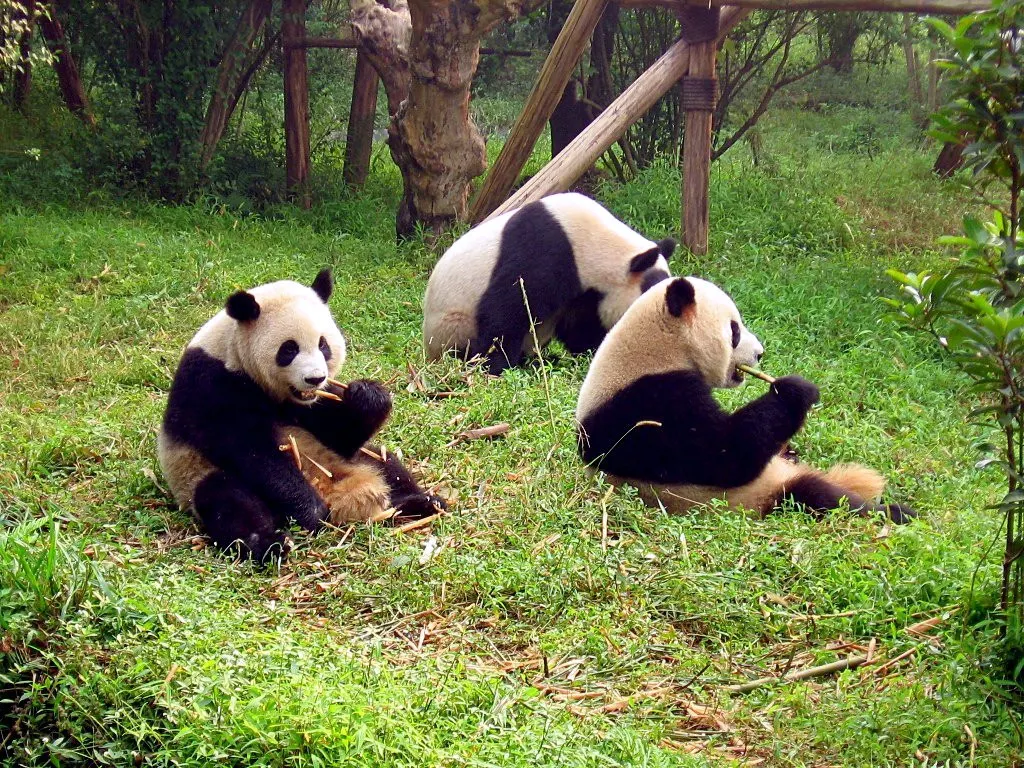
| Giant Panda Breeding Research Base | Must go | The most irreplaceable place in Chengdu, and you must go in the morning |
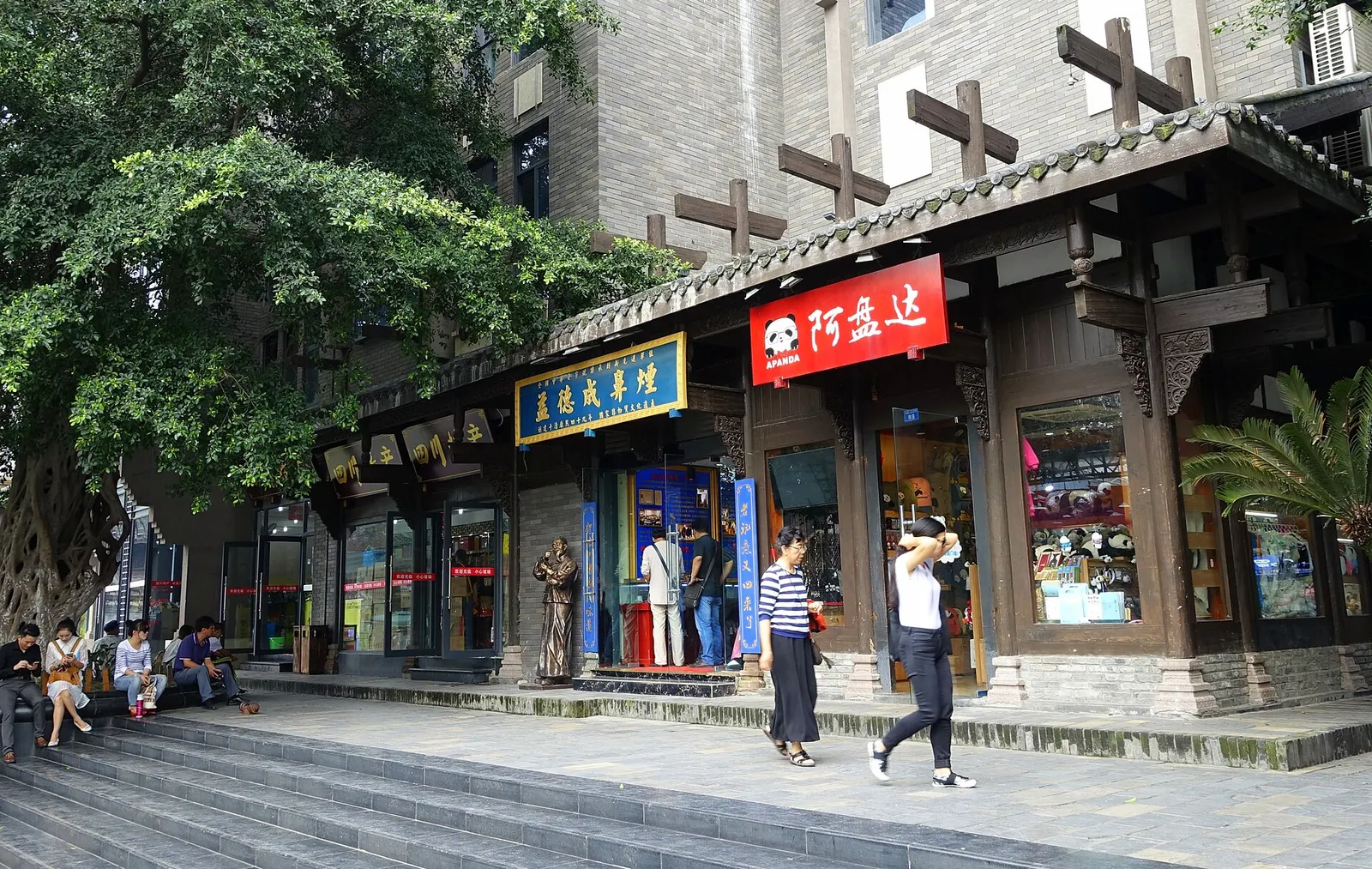
| Kuanzhai Alley | Advice | The old lane layout survives, though commercialisation is obvious — an hour or more, taken slowly |
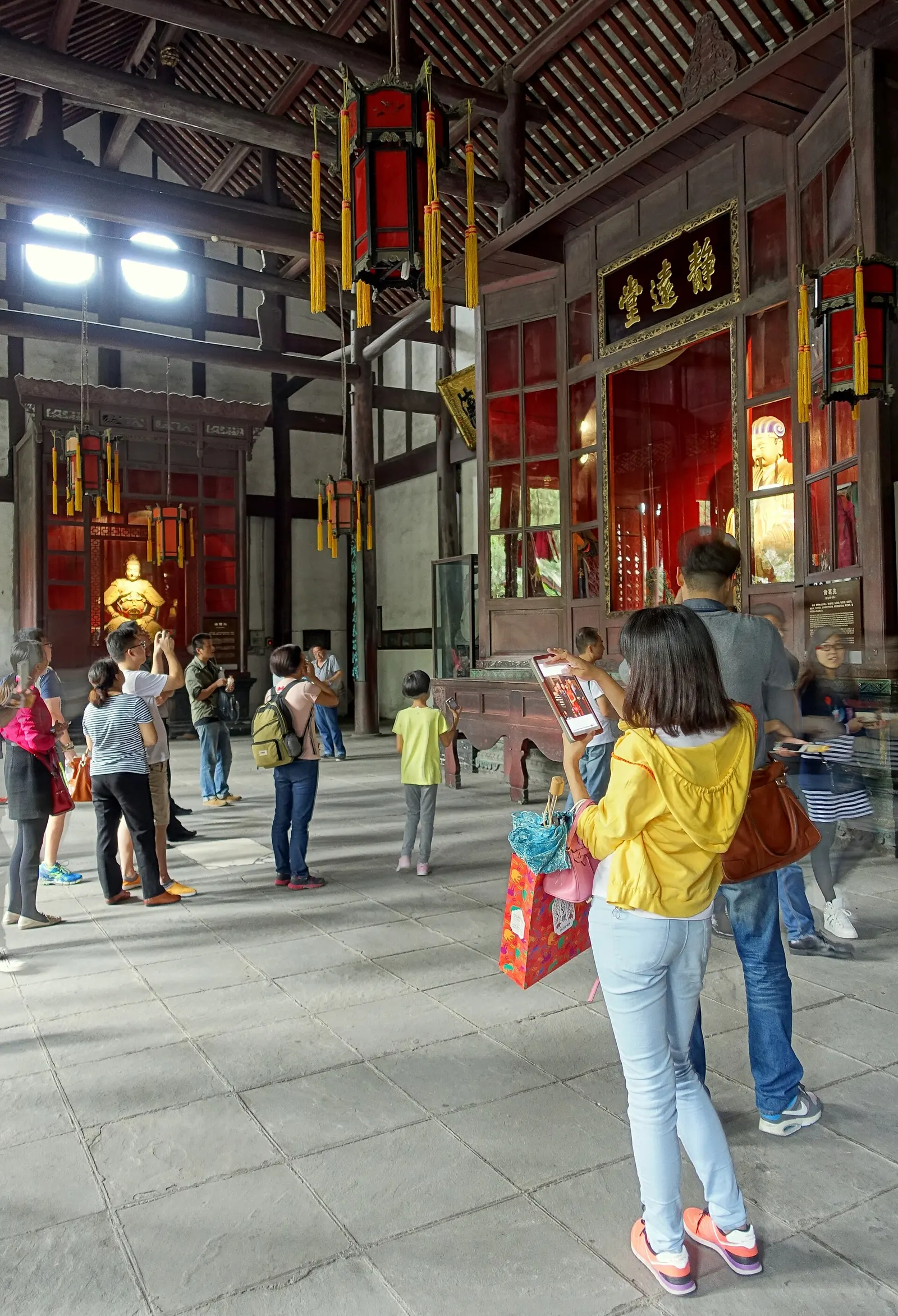
| Wuhou Shrine and Jinli | Advice | A Three Kingdoms shrine with an adjoining commercial street; good from afternoon into evening |
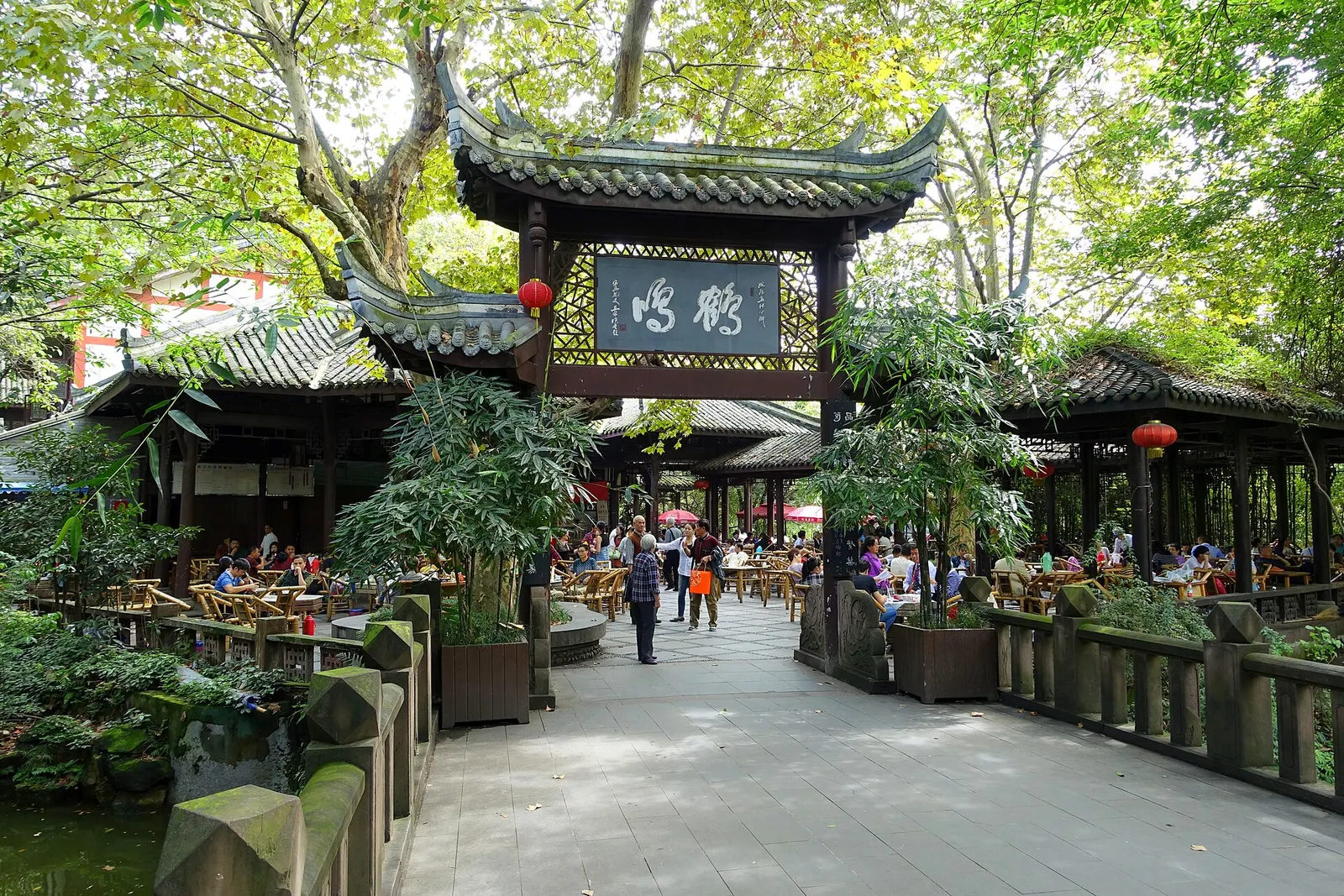
| People's Park and the teahouses | Strongly recommended | The clearest view of how Chengdu lives; an hour or two is enough |
| Du Fu Thatched Cottage | Optional | Gardens and poetry, with few visitors — good for travellers who like quiet |
| Jinsha Site Museum | Optional | An ancient Shu thread that complements Sanxingdui; a good indoor option |
| Dujiangyan | Strongly recommended | An irrigation system still working after two thousand years; worth a day of its own |
| Mount Qingcheng | Optional | Can be combined with Dujiangyan on the same day, but it costs energy |
| Chunxi Road and Taikoo Li | Pass through | A commercial district for evening meals and shopping; no need to make it a destination |
| Leshan Buddha, Mount Emei | Separate time | Each needs one to two full days; do not squeeze them into the city itinerary |
In one line: The Panda Base is the core, the teahouses and lanes are Chengdu's character, Dujiangyan is the bonus, and everything else depends on the time left.
When to go, and how to dodge the crowds
- March to June: comfortable temperatures, Chengdu's best stretch, with spring flowers and humidity still bearable.
- September to November: dry and clear, good for long hours outdoors and walking through the districts.
- July to August: humid and wet, with frequent afternoon showers; keep the itinerary to mornings and evenings in this season.
- December to February: overcast and cold with little sun; Chengdu's winter is not made for long hours outdoors, though restaurants and museums are unaffected.
Avoiding crowds also means a different hour: reach the Panda Base as close to opening as you can, ideally with tickets booked in advance; Kuanzhai Alley is quietest before ten and busiest from afternoon into evening; the Wuhou Shrine and Jinli are at their best and most crowded after the evening lights come on; the teahouses are never crowded, and suit a slow visit. Opening hours, tickets and booking rules can change each year — check official channels before you travel (this article was reviewed on 28 September 2026).
Which area to stay in on a first visit
In Chengdu the first rule of accommodation is to stay near the metro; how close you are to the sights comes second.
- Chunxi Road / Taikoo Li: the densest cluster of restaurants and malls, easy metro transfers, the most convenient base for a first visit, at mid-to-high prices.
- People's Park / Kuanzhai Alley: the best old-town atmosphere, walkable to teahouses and lanes, and quiet at night.
- Wuhou Shrine / Jinli: good if you want the Three Kingdoms theme and a night market together, though the Panda Base and Dujiangyan both take longer to reach.
- Around Tianfu Square: the meeting point of Metro Lines 1 and 2, convenient in every direction and usually good value.
Getting to Chengdu and getting around
Into the city. Chengdu has two airports: Shuangliu International (CTU) and Tianfu International (TFU). Shuangliu is closer to the centre, Tianfu is farther out but carries more flights; both connect to the city by metro or rail, with exact routes and hours subject to the latest official announcements. High-speed trains mostly arrive at Chengdu East and Chengdu South, with direct services from Xi'an, Chongqing and Guiyang.
Within the city. The metro reaches the main sights, with stations at Kuanzhai Alley, People's Park, Chunxi Road and the Wuhou Shrine; paying by QR code means activating the transport code in Alipay or WeChat Pay first — how to do that is covered here: how to pay in China and the travel apps foreign visitors use. Taxis and ride-hailing are inexpensive and easy to find at night.
To Dujiangyan and Mount Qingcheng. Take the intercity railway from the city towards Dujiangyan, roughly half an hour to an hour depending on the service (check the published timetable), then a local bus or taxi to the site; combining both sites in one day is rushed, so choose one and do it properly. Intercity and high-speed ticketing are covered here: how to travel by high-speed rail in China.
What to arrange before you land
- Confirm your visa or visa-free eligibility. Chengdu is one of the main entry points and eligible cities, but the visa-free and transit exemptions carry specific day limits and conditions, and they change: how to apply for a China tourist visa.
- Book the Panda Base tickets first. Peak season and holidays fill up, and your entry time affects whether you actually see the pandas moving; check whether real-name details are required.
- Book museums in advance. Venues such as the Jinsha Site Museum normally require reservations; the rules follow official channels.
- Prepare two ways to pay. Mobile payment first, cash and a physical card as backup, with card linking and verification done before you fly. The general pre-departure checklist is here.
- Explain your spice level and dietary needs. Say clearly that you want no chilli, or order a split hotpot with a plain broth on one side; for allergies or restrictions, write the Chinese wording down and show it to the staff.
- Network and connectivity. Maps, ride-hailing and translation all depend on data, so decide in advance between an eSIM, a local SIM and roaming: choosing between an eSIM, a physical SIM and roaming.
How Chengdu fits into a longer trip
- Xi'an + Chengdu: history paired with easy living, about four hours by high-speed rail, putting the Terracotta Army and pandas in one trip: first time in Xi'an: Terracotta Army, city wall and how many days.
- Chengdu + Chongqing: the shortest pairing, roughly 1.5 to 2 hours by high-speed rail, and two completely different cities — two to three days each.
- Chengdu + Shanghai / Beijing: on a long route, Chengdu usually sits in the middle as a change of pace, connected by rail or flight.
- Chengdu + Leshan and Emei: extend two days south for the giant Buddha and mountain scenery — best for a second trip or a generous schedule.
If you would prefer someone to line up transport, tickets and hotels, start with our China inbound tours page; to adjust it to your dates and group size, tell us the dates and the number of travellers: contact us.
Frequently Asked Questions
Does the Panda Base need a full day? No. Two to three hours is right, and the key is going in the morning. What really eats time is the round trip and the peak-season queues. If you also want the red pandas or other areas of the park, allow one more hour.
Is Dujiangyan worth it? With two days or more in Chengdu, yes. It is a completely different kind of sight from the city: an irrigation system still working after more than two thousand years, and easier to follow with a guide. Do not force it into a day and a half.
Is Chengdu safe? The centre and the sights are safe. What to watch is your belongings in crowds, pushy selling around attractions, and disputes over bills in the bar streets at night. Spice and unfamiliar food are the more common problems — start with plain broths if your stomach is sensitive.
Is ordering food difficult without Chinese? Chain restaurants and mall restaurants usually have picture menus, and a phone translation app is enough; older local eateries may have Chinese-only menus, so have your usual dishes and the phrase for no chilli ready to show.
Closing thoughts
Chengdu's value is not how much you saw but how comfortable you were while seeing it. It is a city built for a slower pace: pandas in the morning, a serious meal at midday, an hour doing nothing in a teahouse in the afternoon, a walk in the evening. For anyone who has been moving hard between sights for days, that pace is itself an itinerary.
Here is an order a first-time visitor can follow: confirm your visa or visa-free eligibility, book the hotel and intercity transport, put the Panda Base tickets on your first morning, then decide on Dujiangyan, Mount Qingcheng or Chongqing with the days left. Stay around Chunxi Road, People's Park or Tianfu Square, treat the metro as your main transport, and write a Sichuan meal and a teahouse afternoon into the plan as real itinerary items.
If Chengdu is just somewhere to see pandas, two days will do. If it is the one stretch of your China trip where you slow down, three or four days will not be wasted.