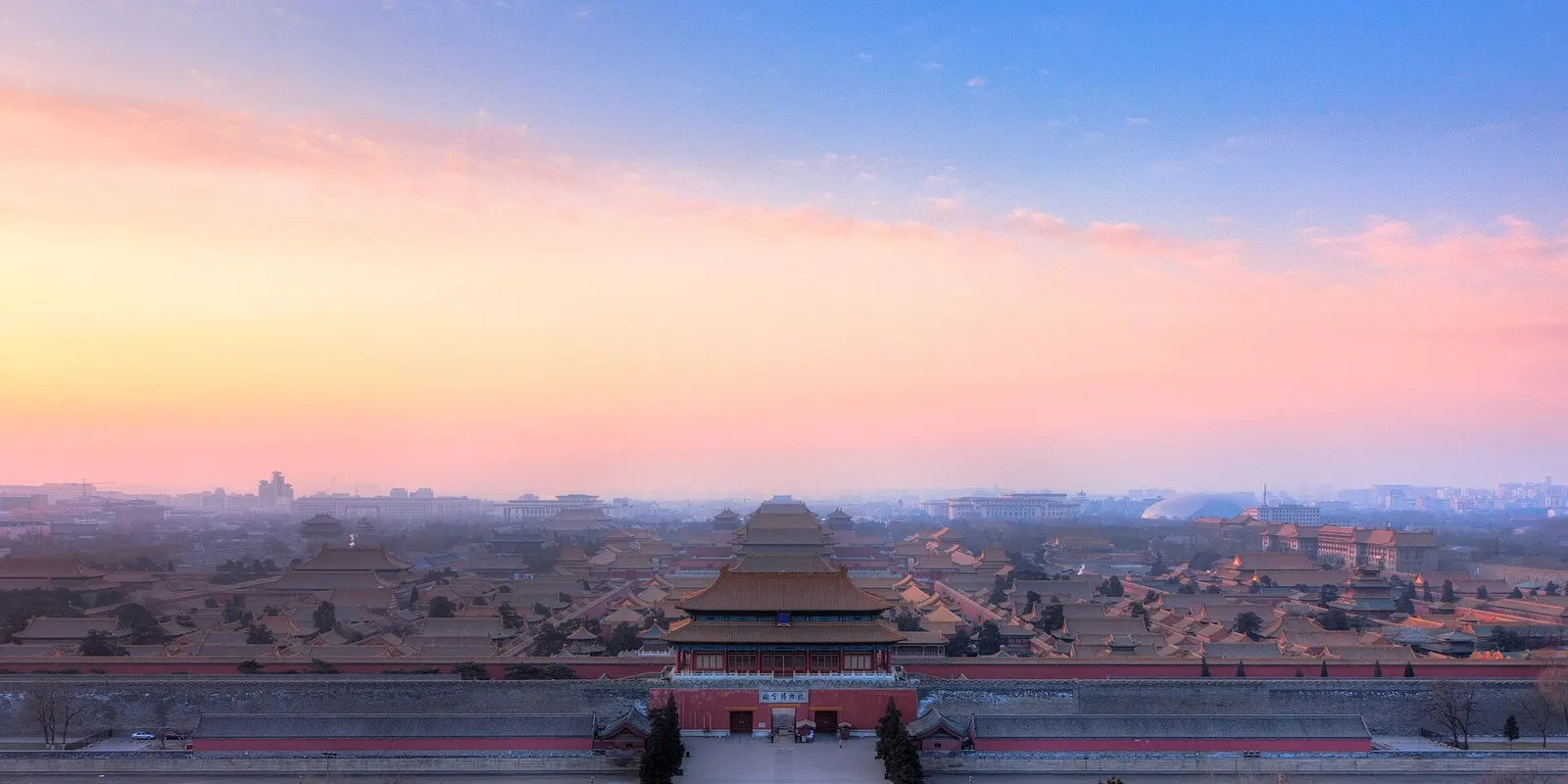
Landing in Beijing on a first trip to China, the two easiest mistakes are trying to see everything and booking the wrong neighbourhood. This guide gives first-time visitors a clear order of priorities: the Great Wall and the Forbidden City first, the Summer Palace and the Temple of Heaven added according to how many days you have, hutongs kept for the evening; staying along Metro Lines 1 and 2 saves the most time; three days is the minimum, five is comfortable. Booking rules and opening hours are subject to the latest official announcements (checked 28 September 2026).
If your China trip includes only one city, most people spend the slot on Beijing. The Great Wall, the Forbidden City, the Temple of Heaven, the Summer Palace — these names reach you long before departure, through textbooks, documentaries and films. The reality that greets you on arrival is different: Beijing is far larger than it looks, its sights point in different directions, and one day holds much less than you expect.
That gap produces the two classic first-trip mistakes. The first is wanting to see everything: squeezing the Great Wall, the Forbidden City, the Summer Palace, the Temple of Heaven and the hutongs into three days, which turns the trip into a blur of commutes and security queues. The second is booking the wrong area: saving a little on the room rate by staying beyond the Fifth Ring Road, then losing two hours a day to commuting — half a day of sightseeing gone.
This guide is written for travellers making Beijing their first or only stop in China. It does not try to cover the whole city. It gives an order of priorities instead: what you must see, what can wait for a second visit, how many days the city actually holds, which neighbourhood saves the most time, how to get in and out of Beijing, and the handful of procedures that trip up foreign visitors after landing.
Is Beijing a good first stop in China?
Yes — for many travellers it is the best one. Not because it is the most entertaining city, but because it is the easiest to handle on a first visit: plenty of international flights, a rail link from the airport into the city, the most complete English signage of any mainland city, established visitor procedures at the major sights, and ride-hailing and mobile payments that work almost everywhere.
The trade-off is crowds, security checks and reservations. The Forbidden City, Tian'anmen Square and the National Museum all require real-name booking, and peak-season slots can be gone days ahead — turning up on the day often means being turned away. The flip side: do the bookings before you fly and a first visit to Beijing is entirely manageable.
If you have five to seven days and want the classic symbols of China at once — the Great Wall, imperial palaces, hutongs, the modern city — Beijing plus Xi'an plus Shanghai is the smoothest combination. How to split the days is covered separately: how to plan 7–8 days for a first trip to China.
How many days does Beijing need?
Three days is the minimum, five is the most comfortable, and seven or more lets you reach the surrounding area (Chengde, Tianjin, Gubei Water Town, or another stretch of the Great Wall outside the city).
- One day: pick one highlight. The Forbidden City plus the Tian'anmen Square area is the default answer, assuming the bookings go through; otherwise choose the Temple of Heaven or the Summer Palace.
- Three days: one day for the Great Wall, one for the Forbidden City and the square, one for the Temple of Heaven or the Summer Palace. Keep the first day light — it usually goes to adjusting after the flight.
- 5 days: add the hutongs and Shichahai, plus whichever of the Summer Palace or the Temple of Heaven you skipped, and half a day for a museum. Relaxed, and the length most first-time visitors end up happiest with.
- 7 days or more: add a day for another stretch of the Great Wall outside the city, or a day trip to Tianjin or Chengde.
If you want the detail behind those day counts, and which length suits whom, there is a separate guide to how many days Beijing needs. This one covers only what to see on a first visit.
What to see first, and what to skip
For a first visit, the test is not how famous a place is, but whether it is unique to China and impossible to replace elsewhere. Sort the list that way and the choices become clear.
| Place | For a first visit | Why |
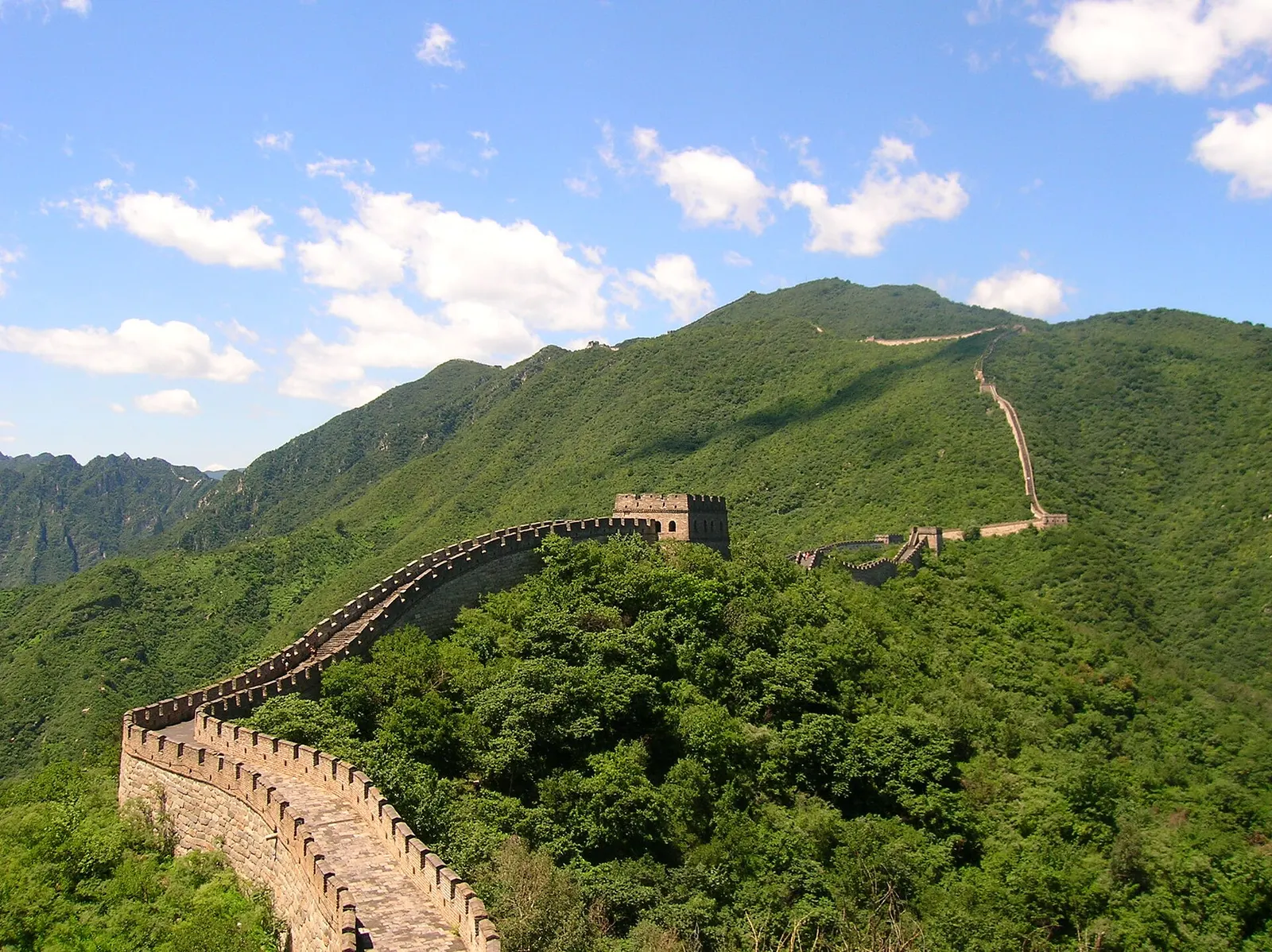
| Great Wall (Badaling or Mutianyu) | Must go | China's most irreplaceable piece of engineering — there is nothing like it anywhere else |
| The Palace Museum | Must go | The Ming and Qing imperial palace itself; the scale and completeness are rare worldwide, so book the real-name reservation in advance |
| Tiananmen Square | On the way | Same day as the Forbidden City, but a separate booking; security checks are stricter |
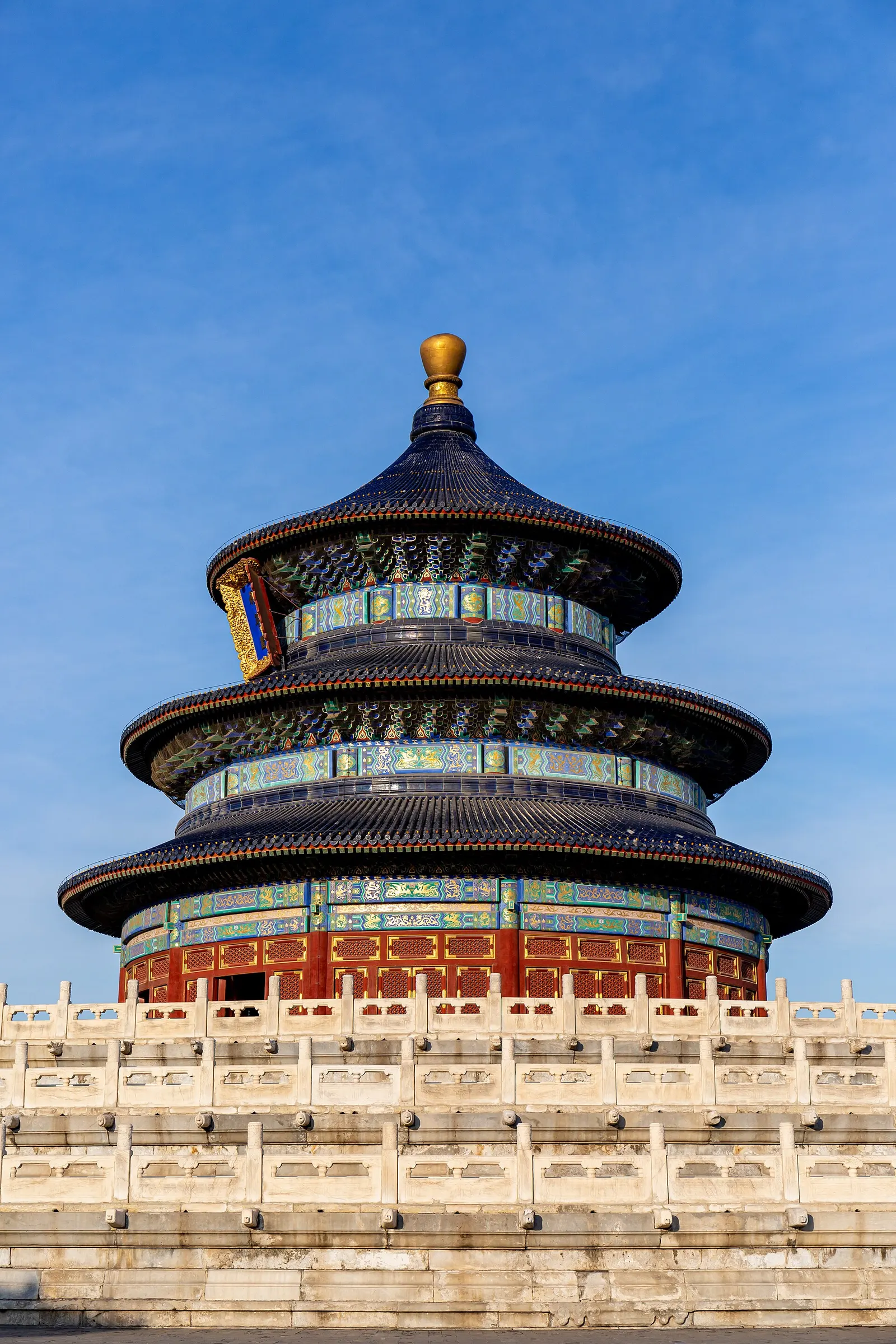
| Temple of Heaven | Strongly recommended | The Hall of Prayer for Good Harvests is the symbol of Chinese timber architecture, and the park around it is everyday life for locals |
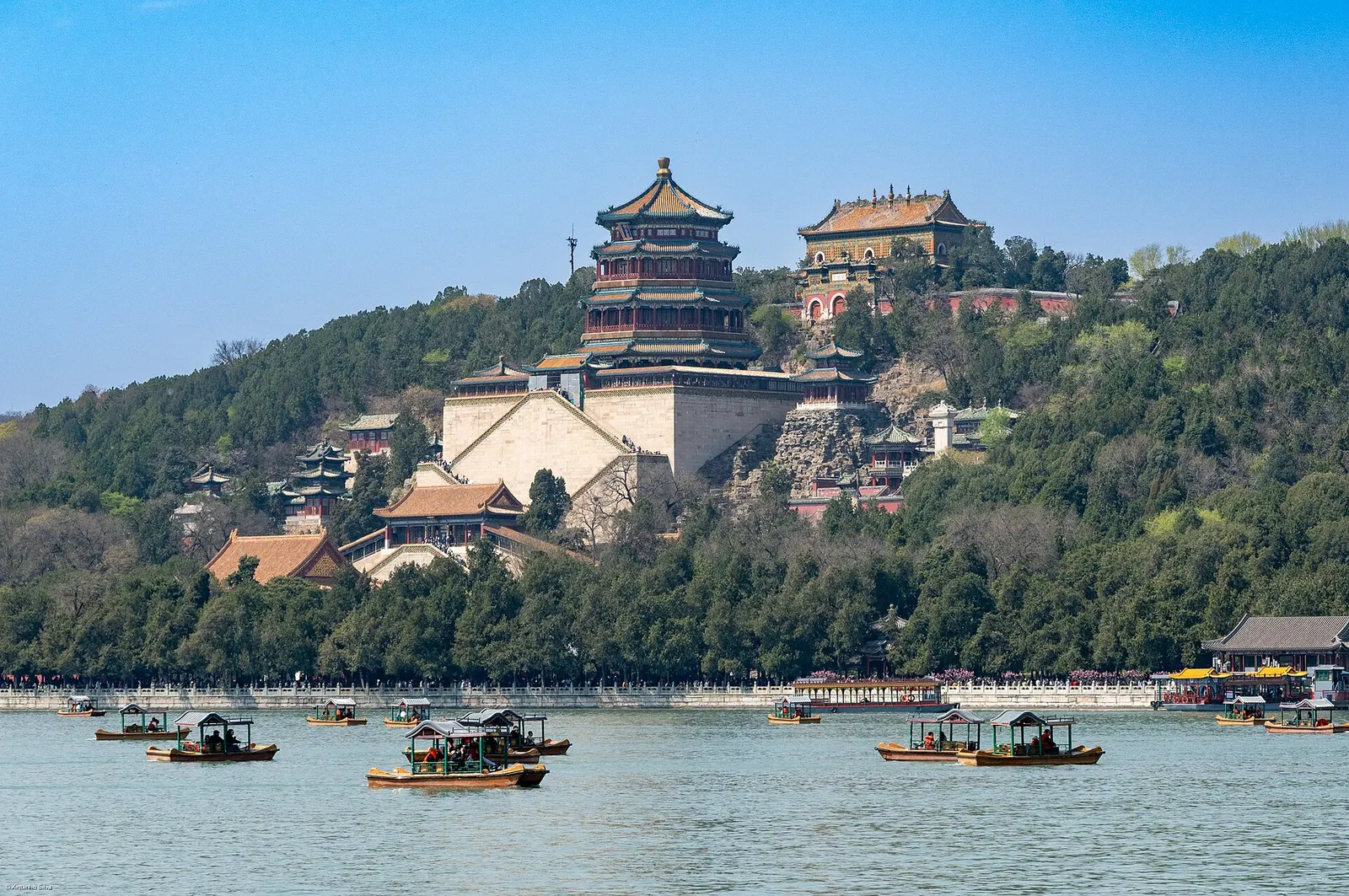
| Summer Palace | Advice | The classic imperial garden; it is large, so allow at least half a day |
| Hutongs and Shichahai | Advice | A look at old Beijing life; best kept for the evening so it does not eat into your main sightseeing hours |
| Yonghe Temple and Guozijian area | Optional | A Tibetan Buddhist temple and old streets, with smaller crowds than the core sights |
| 798 Art District | Optional | Contemporary art in industrial buildings — skip it if art is not your thing |
| Ming Tombs | Can skip | Far from the city centre; pairing it with the Great Wall on one day is rushed |
| Nanluoguxiang main street | Can skip | Heavily commercialised; the smaller hutongs around it are better for walking |
In one line: The Great Wall and the Forbidden City are Beijing's two irreplaceable sights; everything else ranks below them. When time is short, protect those two first and add the rest according to the days and energy you have left.
When to go, and how to dodge the crowds
- April to May: comfortable temperatures, the best window of spring; poplar fluff is heavy, so bring allergy medication if you are sensitive.
- September to October: widely considered the best time. Clear autumn skies, the sharpest light, and the best colour on the Great Wall and at the Summer Palace. Crowds surge around the early-October holiday, and room rates jump with them.
- June to August: hot and rainy, with afternoon thunderstorms; the Great Wall has no shade, so start at dawn.
- November to March: cold and dry, coldest in January; the upside is thin crowds and easier tickets, and a snowy Forbidden City or Great Wall looks like somewhere else entirely. In winter do not only chase outdoor sights — museums and indoor halls are a good substitute: how to book and plan a winter visit to Beijing.
The key to avoiding the crowds is not picking a different season but a different hour: take the first bus of the day to the Great Wall; enter the Forbidden City at the Meridian Gate and leave by the Gate of Divine Prowess, and mornings move far more smoothly than midday; reach the Temple of Heaven and the Summer Palace within an hour of opening, since tour groups arrive after ten.
Opening hours, ticket release times and visitor caps can change every year. Check the official channels before you travel (this article was reviewed on 28 September 2026).
Which area to stay in on a first visit
On a first trip to Beijing, the first rule of accommodation is a short commute; the room type comes second.
- Wangfujing / Dongdan / Dengshikou: walkable to the east side of the Forbidden City and to Tian'anmen Square, with Metro Line 1 running east-west and Beijing Railway Station close by. The easiest choice for a first visit, and pricier in high season.
- Nanluoguxiang / Shichahai / Gulou: the best hutong atmosphere, pleasant for evening walks, with Yonghe Temple a short ride north. Mostly courtyard guesthouses and small hotels — confirm before booking that they accept foreign guests.
- Sanlitun / Workers' Stadium: dense with restaurants, bars and malls, good if your evenings are planned; daytime trips to the core sights cost another 20 to 30 minutes each way.
- Around Beijing South / West Railway Station: suits travellers using Beijing as a stopover before a high-speed train to Xi'an or Shanghai, but the sightseeing experience is noticeably weaker.
Getting to Beijing and getting around
Into the city. Beijing has two main international airports: Capital Airport (PEK) and Daxing Airport (PKX). Capital Airport connects to the city by the Airport Express, Daxing by the Daxing Airport Express, and both join the metro network; fares and operating hours are subject to the latest official announcements. With heavy luggage or a late-night arrival, a taxi or ride-hailing car is easier — though the late-night fare into the city is a real cost, so budget for it.
Within the city. The metro is what first-time visitors to Beijing should rely on: a dense network, clear signage, low fares, and rush-hour crowding that stays predictable. Paying by QR code means activating the transport code in Alipay or WeChat Pay first, or using a transport card; how to set that up is covered here: how to pay in China and the travel apps foreign visitors use.
Ride-hailing is the easiest way to take a car, with one practical wrinkle after landing: when the driver calls to confirm your position, they do it in Chinese. Set a clear landmark as your pickup point in the app — the hotel name or a metro exit — or ask the hotel desk to call a car. That removes most of the friction.
To the Great Wall. Badaling is served directly by the suburban railway and high-speed trains, making it the most practical public-transport option; book tickets ahead in high season. Mutianyu has no direct public transport, so most people go by private car, shared car or a local day tour. Recheck train times and first and last departures before you go: how to travel by high-speed rail in China.
What to arrange before you land
On a first trip to China, what actually stops people is procedure, not sightseeing.
- Check your visa or visa-free eligibility. Travellers from some countries can enter visa-free or under the transit exemption, but the number of days and the ports of entry are both restricted, and the rules change — confirm against the latest official announcements whether you qualify: how to apply for a China tourist visa.
- Book the Forbidden City and Tian'anmen Square first. They run two separate systems with separate bookings, both using real-name passport details, and both have staffed verification lanes on site. Peak-season slots vanish as soon as they open, so do not leave this until you land.
- Prepare two ways to pay. Mobile payment is the default, but cash and a physical card remain the necessary backup; link your card and finish verification before departure and you will not be stuck in the first convenience store. The general pre-departure checklist is here.
- Network and connectivity. A local SIM bought on arrival, or an eSIM prepared before you fly, decides whether maps, ride-hailing and translation work at all: choosing between an eSIM, a physical SIM and roaming.
- Learn three words. At security checks, in restaurants and when asking directions, a few words of Chinese cover a lot of ground. Download the offline pack of a translation app before you fly.
- Recheck tickets and bookings. Opening hours, booking rules, and peak- and off-season prices change every year; check official channels before departure (this article was reviewed on 28 September 2026).
How Beijing fits into a longer trip
Beijing rarely stands alone as a trip — it is the starting point of a long China route. Three common ways to build it out:
- Beijing + Xi'an + Shanghai: the classic first-trip combination, strung together by high-speed rail, with 7 to 8 days a sensible length. How to split those days.
- Beijing + East China (Shanghai, Suzhou, Hangzhou, Wuzhen): a city-and-water-town route with easy high-speed connections, doable in 5 to 7 days.
- Beijing in depth: five days or more, giving the Great Wall, the Forbidden City, a garden, the hutongs and a museum their full time — best for travellers who would rather not change hotels or rush for trains.
If you would prefer someone to line up the transport, tickets and hotels, start with our China inbound tours page; to adjust it to your own dates and group size, tell us the dates and the number of travellers: contact us.
Frequently Asked Questions
Should first-time visitors join a tour? If you are willing to do the bookings in advance, independent travel works perfectly well — Beijing's metro and ride-hailing are friendly to foreign visitors. Tours earn their keep in two places: the Great Wall (especially Mutianyu, which has no direct public transport) and museums that reward a guide.
Is Beijing safe? Overall the city is safe. What to watch is traffic, petty theft, and pushy selling around the sights, including cut-price day tours. If anyone asks for cash up front to take you to the Great Wall, walk away.
What if I do not speak Chinese? Major sights, the metro and the airports have English signage, and hotel desks usually speak some English. Restaurant menus may not, so the camera-translation feature in a translation app is the most useful thing you can prepare.
How many days in Beijing before you regret leaving? If this may be your only China trip, allow five days: one for the Great Wall, one for the Forbidden City and the square, one for the Temple of Heaven or the Summer Palace, one for hutongs and a museum, and one spare. Three days covers the headline sights but will feel rushed.
Closing thoughts
The difficulty with Beijing is never a lack of things to see; it is that almost anything worth seeing takes a whole day. The Great Wall takes a full day. The Forbidden City plus Tian'anmen Square takes another. The Summer Palace is half a day at minimum, and the Temple of Heaven deserves time to walk the park. Account for that and the itinerary will not run away from you.
Here is an order a first-time visitor can simply follow: confirm your visa or visa-free eligibility, book flights and a hotel, secure the Forbidden City and Tian'anmen Square reservations, then decide which day the Great Wall gets based on the days you have left. Stay around Wangfujing, Dongdan or Shichahai, treat the metro as your main transport, go early to the Wall and the parks, and keep the hutongs for the evening.
The point of that order is to shrink the number of things that can go wrong. What remains is slow walking — the central axis seen from Coal Hill, locals singing in the Temple of Heaven park, one wrong turn in a hutong. Beijing deserves several unhurried days, not several days packed with sights.