Chongqing isn't one city but two: the 8D wonder of the mountain city, and the grandeur of Wulong's karst. This guide lays out a 5-day route combining downtown Chongqing and Wulong, explaining how to shoot the night views, how to tick off the monorail passing through a building, and how to eat hotpot.
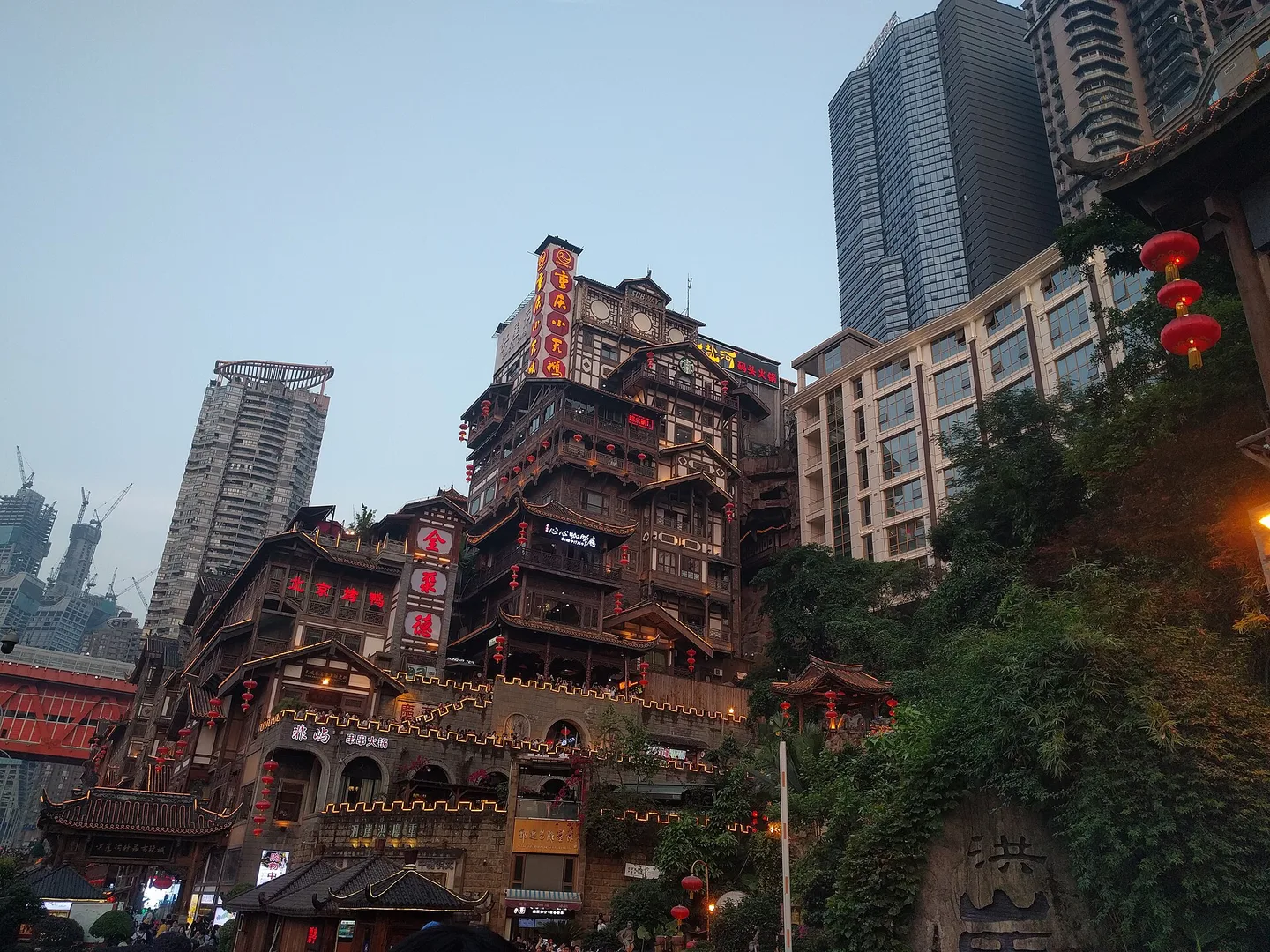
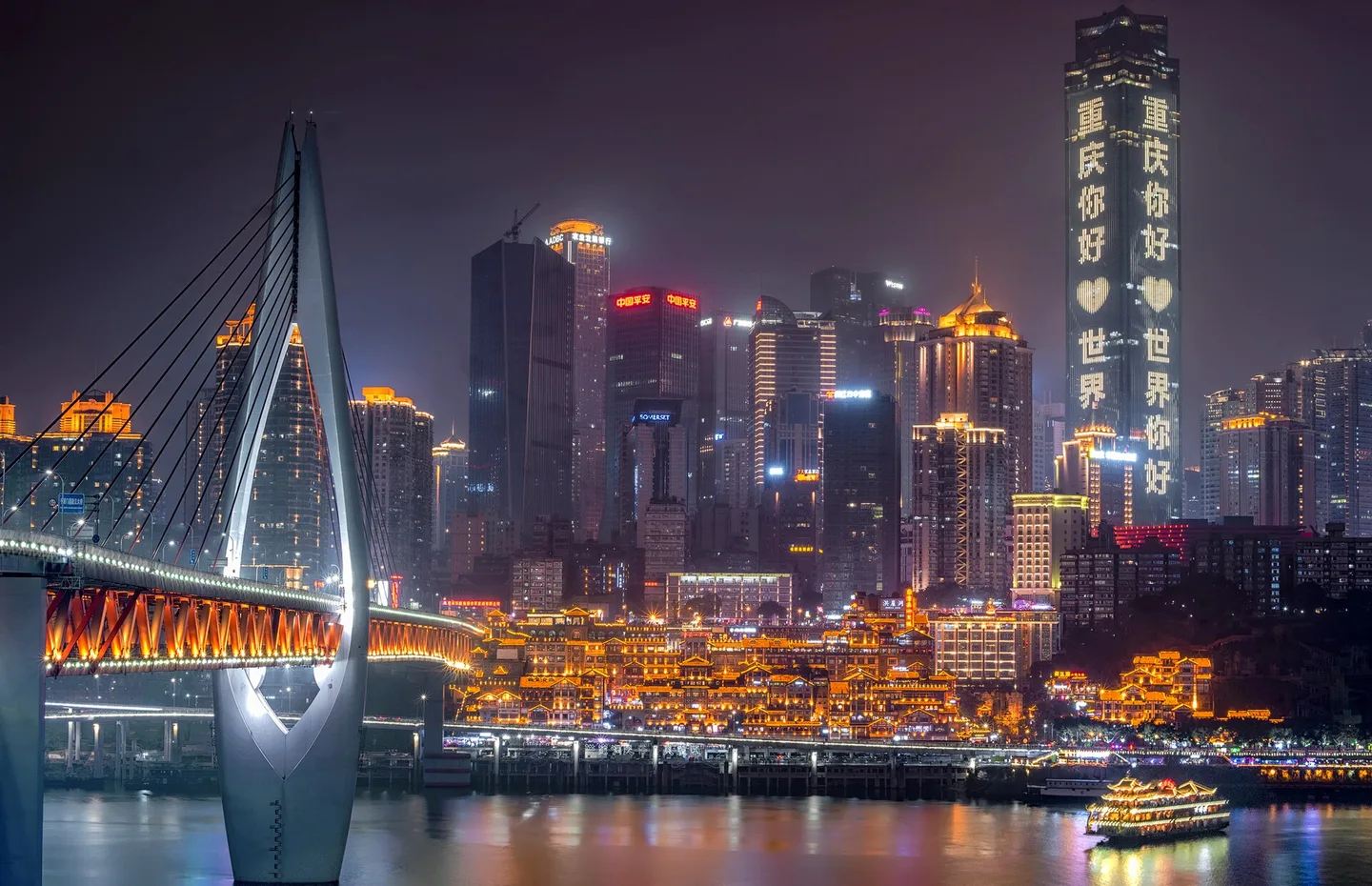
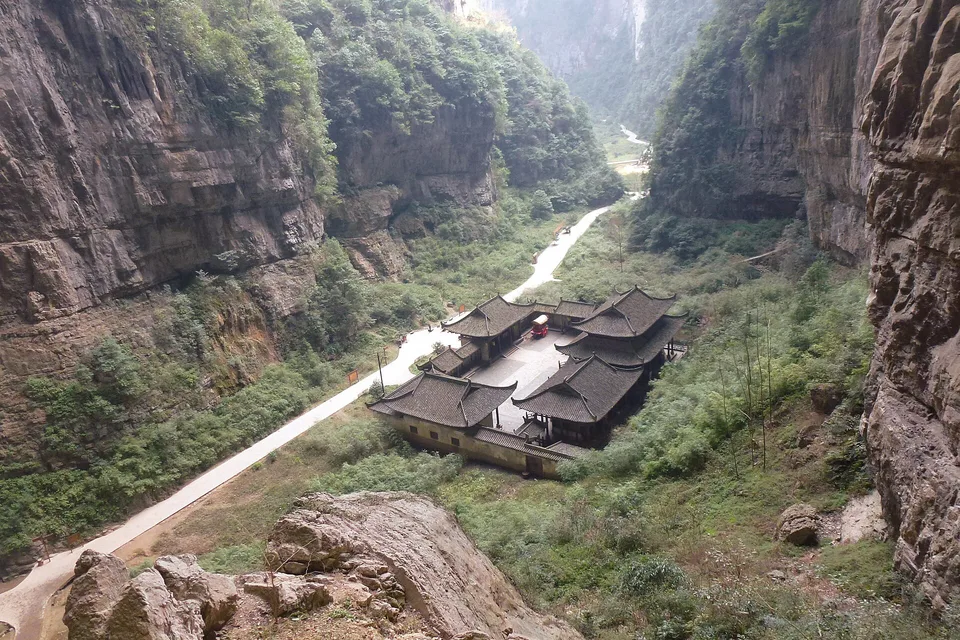
Chongqing is the destination in China that plays contrast better than any other: on one side, the stacked stilt-house night view of Hongya Cave, monorails threading through apartment blocks and cable cars crossing the Yangtze, nicknamed by netizens the "8D wonder city"; on the other, Wulong's World Natural Heritage — the Three Natural Bridges spanning a sinkhole canyon and the highland meadow of Fairy Mountain opening out like another planet. A five-day trip splits these two temperaments in half: three days for the mountain city, two for Wulong, so neither urban life nor natural marvels are missed. It suits first-time visitors to Chongqing — taking home the two classic experiences at once — and also families with elders and children, since Wulong's walkways and the downtown's gentler pace can both be accommodated.
Following that idea, this guide gives a 5-day route and explains "how to play, when to go and how to shoot" at every stop: the best angles for the Hongya Cave night view, how to watch the monorail pass through the building at Liziba, how to schedule Wulong without rushing, and how to eat Chongqing hotpot and xiaomian noodles properly. One note: scenic-area opening hours, cable car and show times change — please defer to the latest official announcements.
Reference 5-day route (return flights from Guangzhou)
Day 1: Arrive in Chongqing; in the afternoon wander Danzishi Old Street, take in the Raffles City tower and watch where the Yangtze and Jialing rivers meet; in the evening find a hotpot restaurant by the river and open the trip with an authentic Chongqing hotpot.
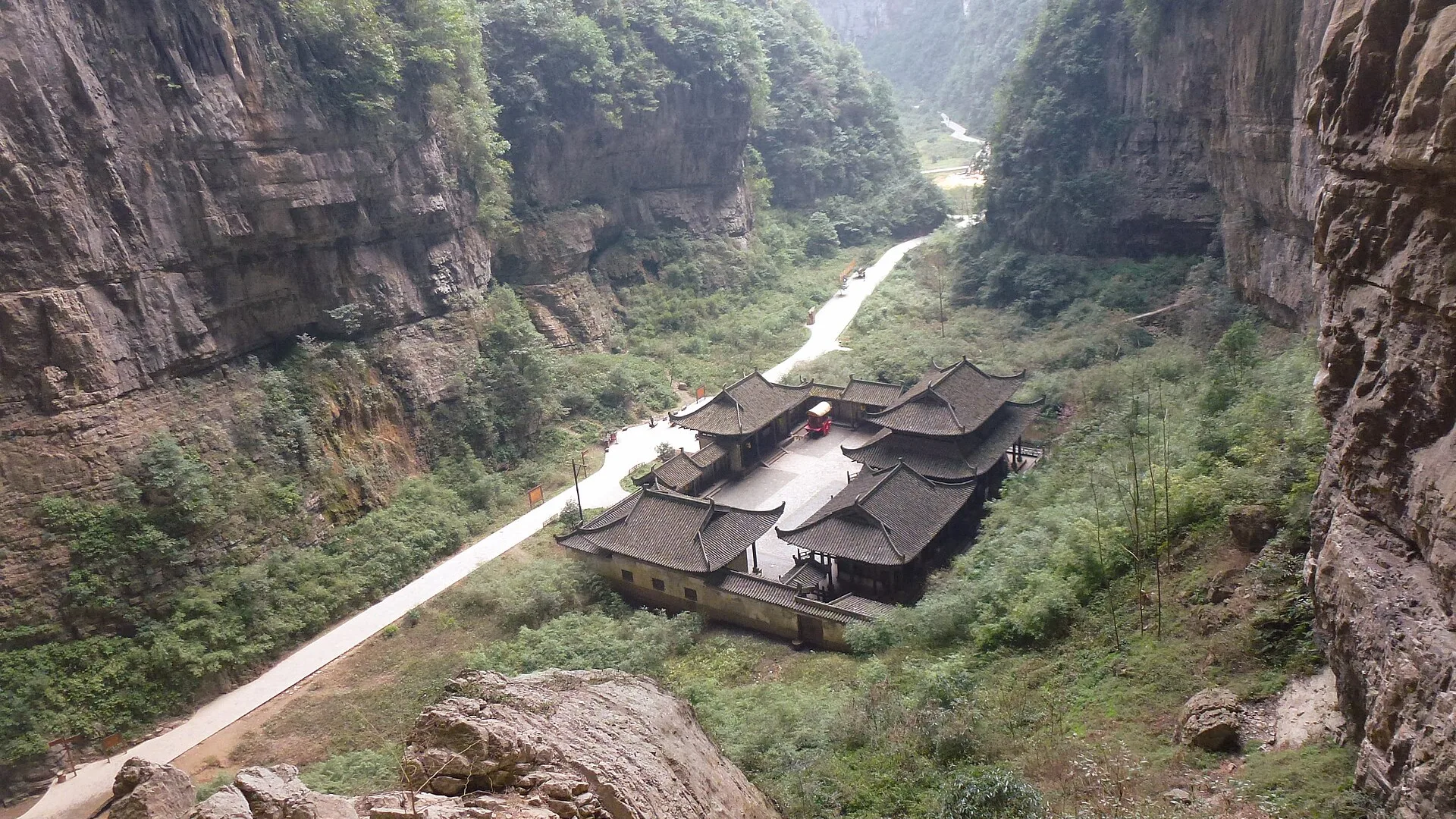
Day 2: Chongqing–Wulong. In the morning go deep into the Three Natural Bridges: stand at the bottom of the sinkhole and look up at the three natural stone arch bridges — Tianlong, Qinglong and Heilong — the filming location of Curse of the Golden Flower; after lunch visit Fairy Mountain National Forest Park to feel its highland meadow and sea of forest. Overnight in Wulong.
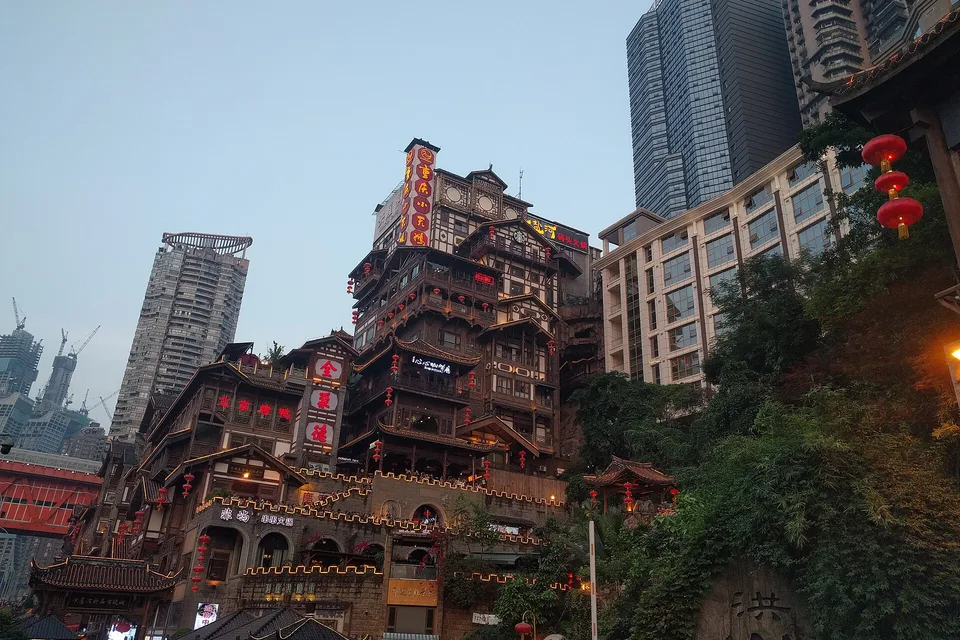
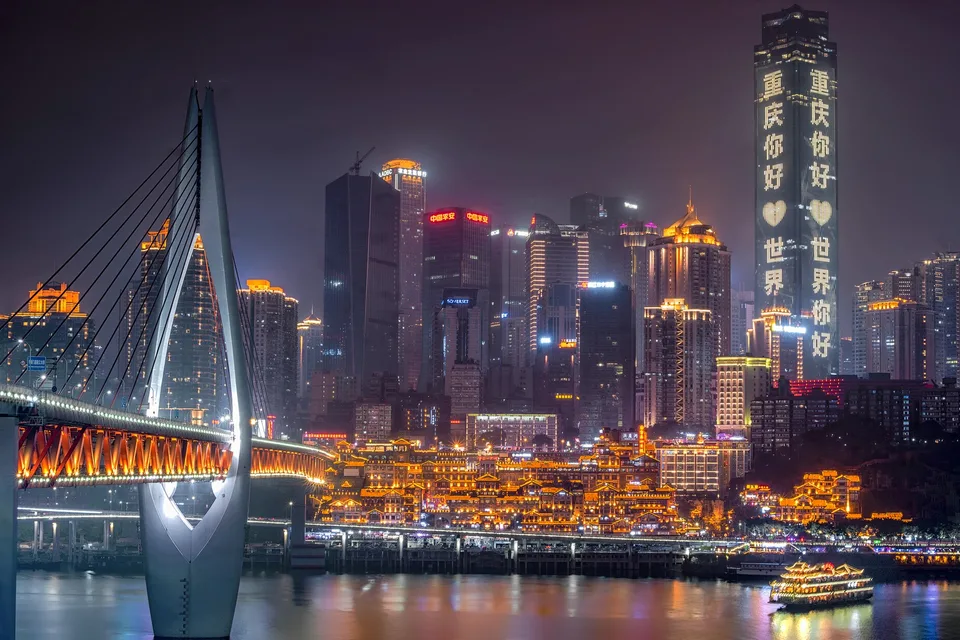
Day 3: A relaxed morning in Wulong, then return to downtown Chongqing in the afternoon. In the early evening start the "night view route": first watch the monorail pass through the building at Liziba, then follow the river to Hongya Cave and wait for the stilt-house lights to come on layer by layer.
Day 4: Ciqikou Ancient Town, Eling No. 2 Factory and other internet-famous stops; in the afternoon ride the Yangtze River Cableway across the river, and in the evening arrange your own time — a second look at the night views or a wander through the night market.
Day 5: Schedule around your flight time. In the morning you can fill gaps in the city (such as the Three Gorges Museum or the Shancheng trails), then head home.
How to shoot the mountain-city night views: position matters more than the camera
The soul of Chongqing's night views is "layers" — river, bridges, buildings and hillsides stacked in a single frame. Three classic positions:Across the river from Hongya Cave(shoot the full panorama of the stilt houses from the far bank, with lights and their reflections in the water together),the Qiansimen Bridge(side-on view of Hongya Cave with layered traffic), andthe Yikeshu (One Tree) viewing platform on Nanshan(look down over both rivers and four banks). Timing-wise, the half hour around sunset through the hour after dark is the golden window, with the clearest "blue hour" light before the sky goes fully black. Hongya Cave is packed on holidays — to avoid the crowds, go off-peak or find a viewpoint on the far bank.
How to do Wulong: a day and a half is just right
Wulong's core is the Three Natural Bridges. From the park entrance you take a shuttle buggy to the edge of the sinkhole, then follow the walkway down to the floor of the pit, where you look up to see three stone arch bridges spanning the sky. The walk is mostly steps and takes about two hours; the buggy shuttle saves energy and suits all ages. Fairy Mountain is nearby — a summer meadow and a winter snowscape — and pairs well with half a day. Placing Wulong in the middle of the itinerary (days 2–3), with flexible downtown time before and after, is the most comfortable rhythm.
Hotpot and xiaomian: how to eat Chongqing food
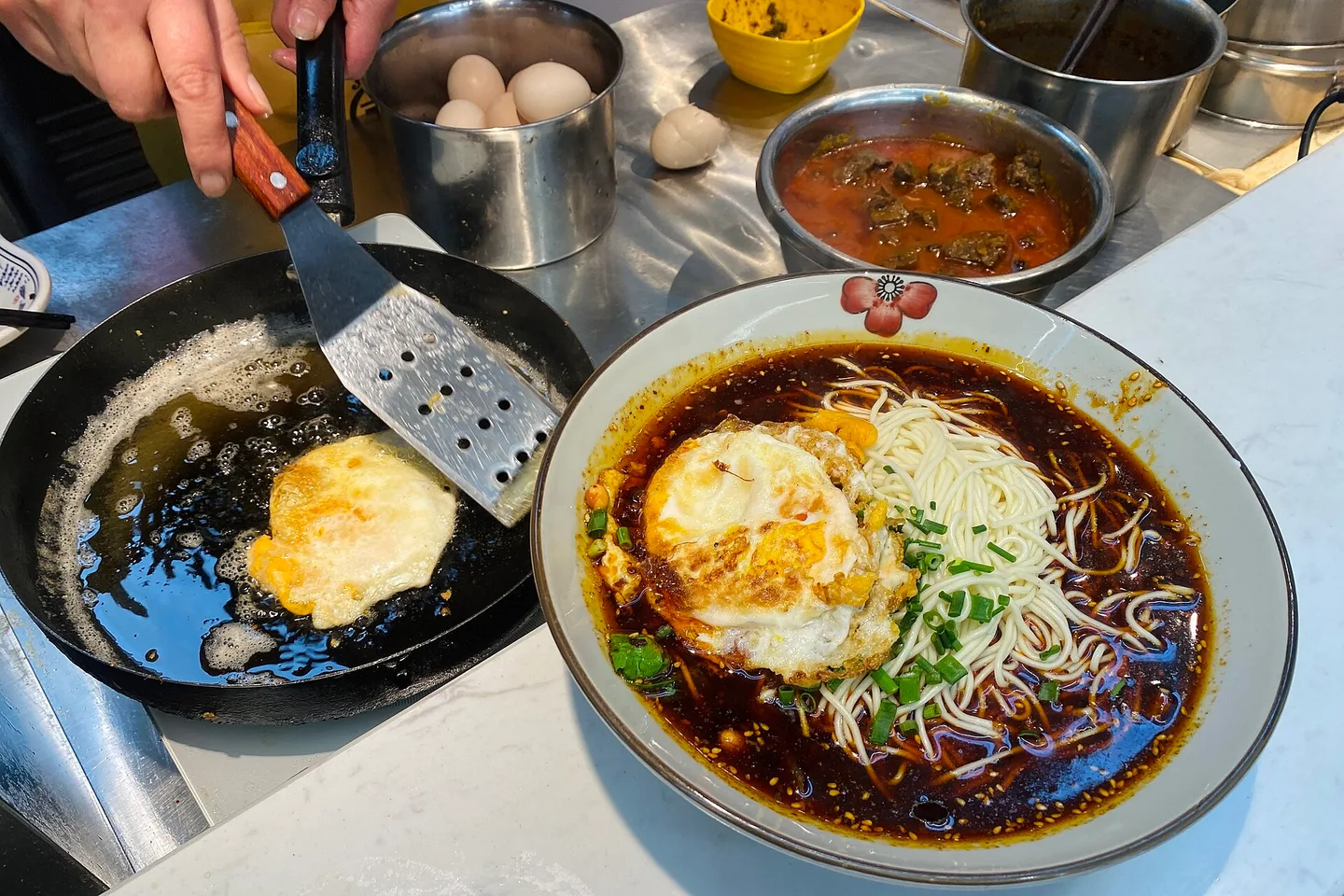
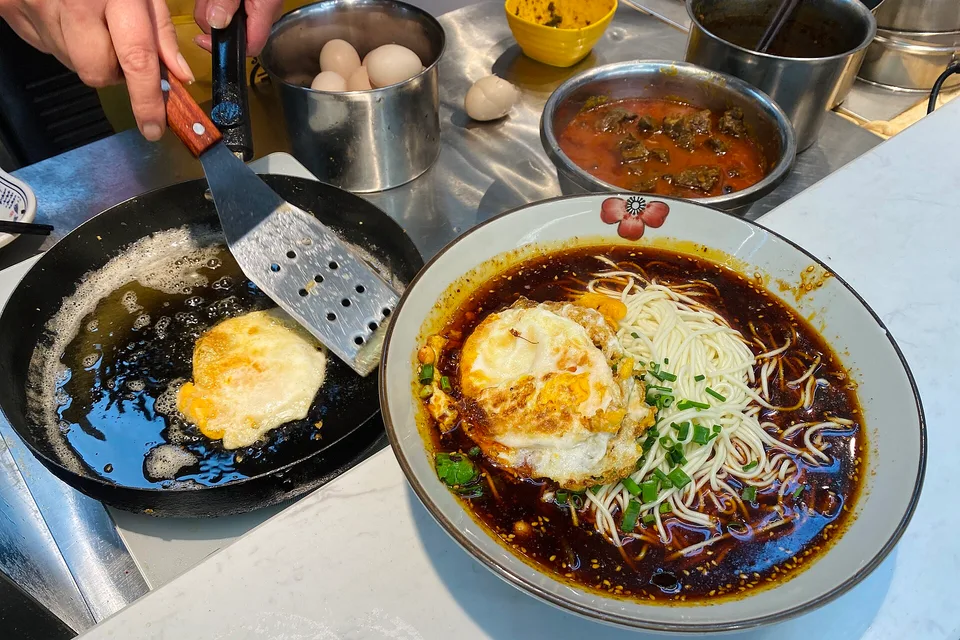
The essence of Chongqing hotpot is the nine-grid pot and the aged-oil broth. "Mild" is already punchy enough for most outsiders, so first-timers should start with "mild + sesame-oil and garlic dip"; tripe and duck intestine follow the "seven up, eight down" rule — leave them too long and they toughen. Xiaomian noodles are the soul of a local breakfast: one liang (50g) of noodles with a fried egg is the most authentic way to have them; the cold noodles and sour-spicy rice noodles sold from street shoulder-poles are also worth grabbing. Ciqikou, Bayi Delicious Street and the backstreet old shops locals actually favour each have their own flavour — don't put blind faith in any single "must-eat list"; where locals queue is usually a safe bet.
Leave some flexibility in the itinerary
Chongqing's highlights depend heavily on weather and light: the night views need clear skies, Wulong's canyons look greener after rain, and the Yangtze cable car has its own charm on rainy, foggy days. A five-day itinerary needn't fill every slot — leave half a day loose to sleep in, add a stop you suddenly want to see, or simply sit by the river. Chongqing itself will tell you: relax, and you actually see more.
Practical reminders
Chongqing is a three-dimensional city and navigation often "fails": you think you're at street level when you're really ten-plus storeys up. Ask directions often, watch the signs, and a comfortable pair of shoes matters more than anything.
Hongya Cave, the Yangtze cable car and other hot spots have long queues on holidays; ride the cable car off-peak.
The Wulong sinkhole walkway has many steps — slow the pace when travelling with elders; in rain the paths get slippery, so watch your footing.
Chongqing summers are muggy, so keep the harshest midday sun out of outdoor plans and save it for indoor museums or teahouses.
For a worry-free option, join the 5-day Chongqing pure-tour group with return flights from Guangzhou: the Three Natural Bridges at Wulong, Fairy Mountain, Ciqikou, Hongya Cave and Liziba all arranged, with signature Chongqing meals and a hotpot experience — flights save time and the pace stays easy.
Closing words: one city, two ways in
Chongqing takes both "wonder" and "nature" to their extremes. By day you can stand at the bottom of a sinkhole and look up at an 800-metre stone arch bridge; by night you step through the lights of Hongya Cave into Spirited Away. In the morning a monorail carries you through a residential building on your way to work; by afternoon you're standing on a meadow watching the clouds. That very switch is the most fascinating thing about Chongqing.
The right mindset for travelling Chongqing is not to rush through every spot. The mountain city's verticality and Wulong's vastness both need a little time to digest — and it is that digestion that keeps those pictures in your memory long after the trip ends. This is the gift Chongqing leaves you.
Five days, neither too long nor too short, is just enough to see both sides. If you don't want to worry about the route, hotels and connections, the 0765trip 5-day Chongqing pure-tour group arranges Wulong and the mountain city into one easy schedule, with return flights and signature meals included. To adjust the days, add surroundings such as the Dazu Rock Carvings, or customise a deeper experience, just tell the travel advisor. Before you leave, recheck scenic-area opening and cable car information — everything should be subject to the latest official announcements. The mountain city's verticality and Wulong's vastness are landscapes that only stay in your memory after being slowly digested — don't rush; Chongqing will naturally take you along at its own pace.