Want to spend the Spring Festival in China? This guide shows a first-time visitor how to fit 'one New Year's Eve dinner + one temple fair + one lantern festival' into 5-7 days. In short: the Spring Festival travel rush, shifting opening hours, fireworks restrictions and etiquette taboos are the four things to get right. It is a practical guide to the rhythm and etiquette of Chinese New Year.
This guide answers one question: for a first-time visitor celebrating Spring Festival in China, what will you actually experience and what should you prepare? It suits travellers who have already sorted flights, visas, payments and high-speed rail (see the Pre-Trip Checklist for Spending the Winter Break in China, china-inbound-prep-checklist-guide) and now want to understand 'the rhythm of the festival, its etiquette and how opening hours change'. This article focuses on the experience and seasonal shifts, not a visa/payment pre-trip checklist.
Here are three key points. First, Spring Festival is a 'whole-nation festival plus a city-wide season' layered together: New Year's Eve through Day 3 is about family reunions, Days 4-6 are the peak for visiting relatives, temple fairs and lantern festivals, and Day 7 to the 15th is about return journeys and the Lantern Festival.The most comfortable window for inbound visitors is Day 1 to Day 6(transport has settled, the crowds have dispersed and the festive mood is at its richest). Second,opening hours change dramatically: from New Year's Eve to Day 3 many small restaurants and shops close; hotel restaurants, chain restaurants and scenic areas mostly stay open but some adjust their hours, andflights, hotels and popular restaurants should be booked more than 30 days ahead. Third,etiquette and taboosare what inbound visitors most often overlook - how to accept a red envelope, where to sit at a meal, and what unlucky words to avoid at the New Year's Eve dinner - and they matter as much as watching fireworks and lion dances.
The rhythm of the festival: how the 8-day calendar plays out
China's 'national rhythm' for Spring Festival (the exact dates are set each year by the State Council holiday schedule, with small variations) runs roughly:
Day of the Kitchen God (23rd/24th of the 12th lunar month): in the north, offerings to the Kitchen God and malt-sugar snacks; parts of the south do this a little later;
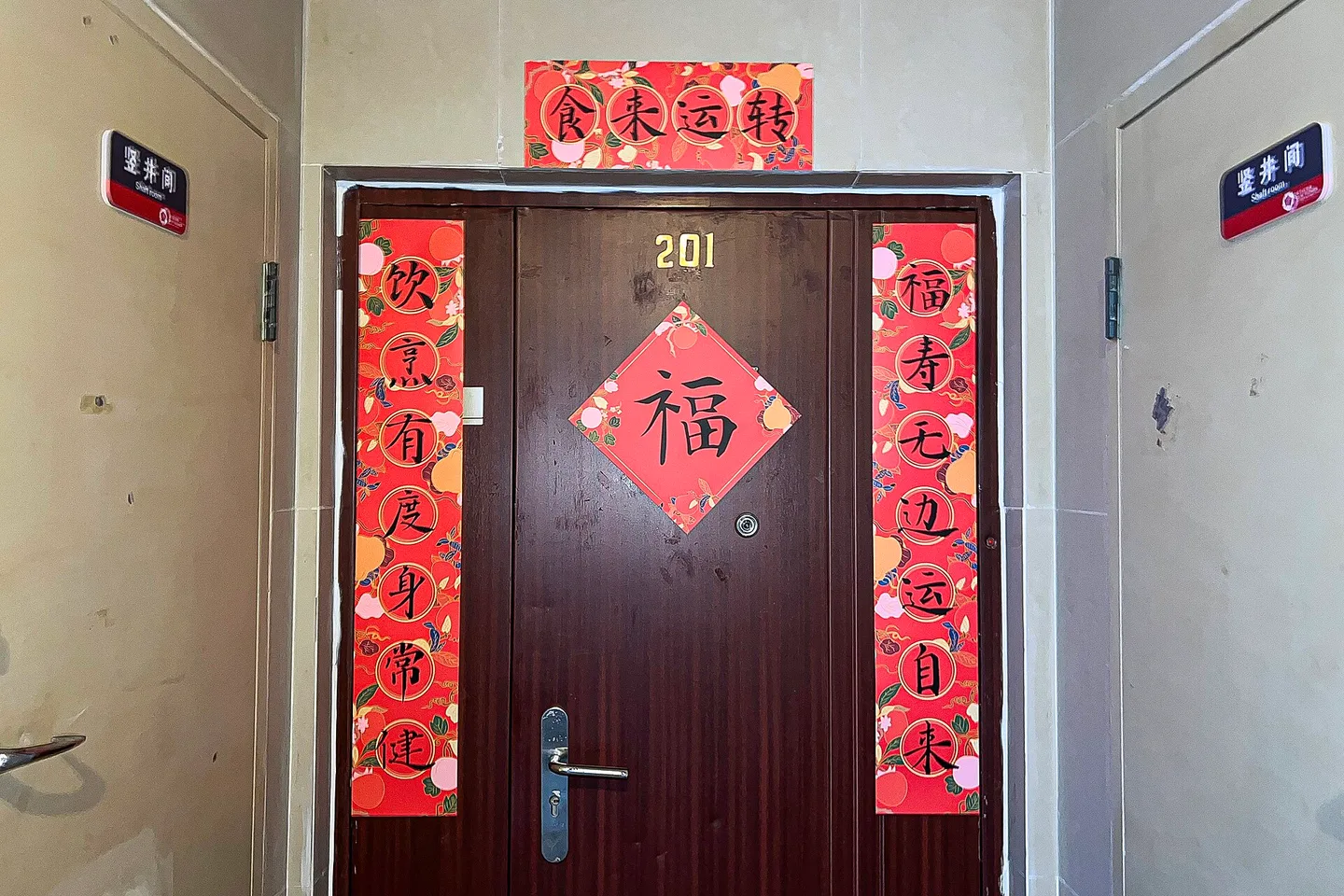
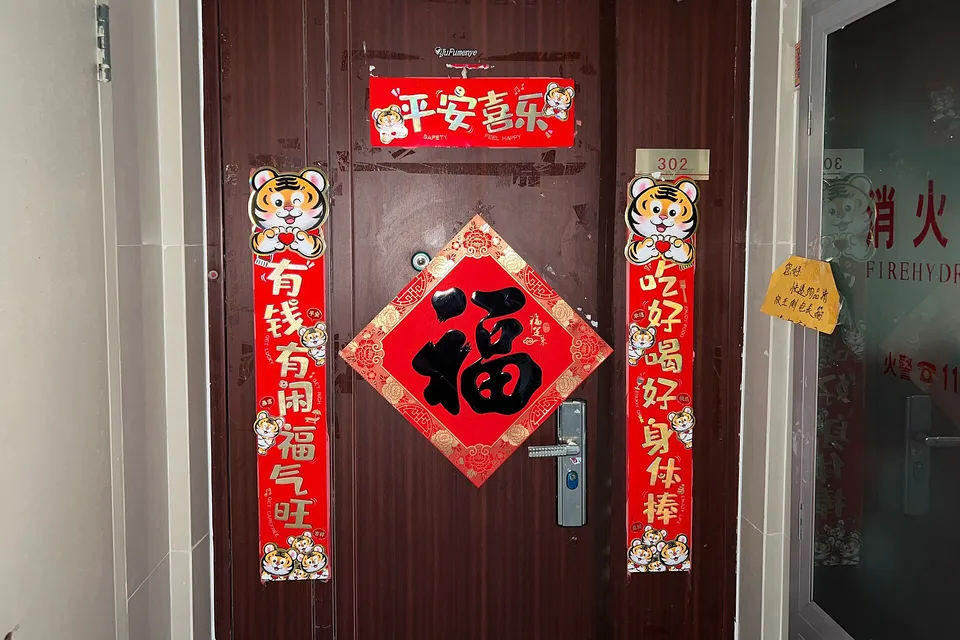
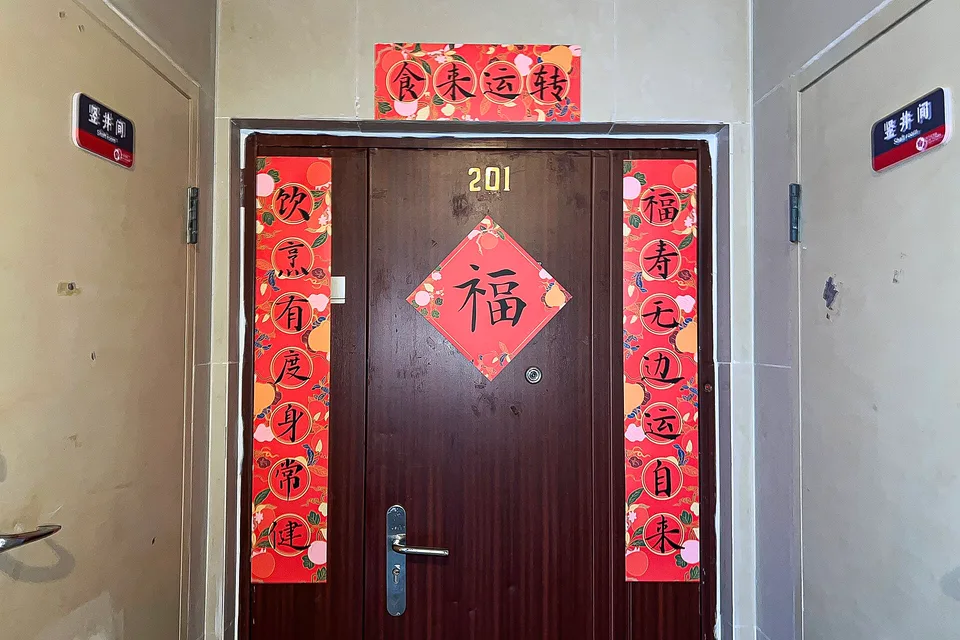
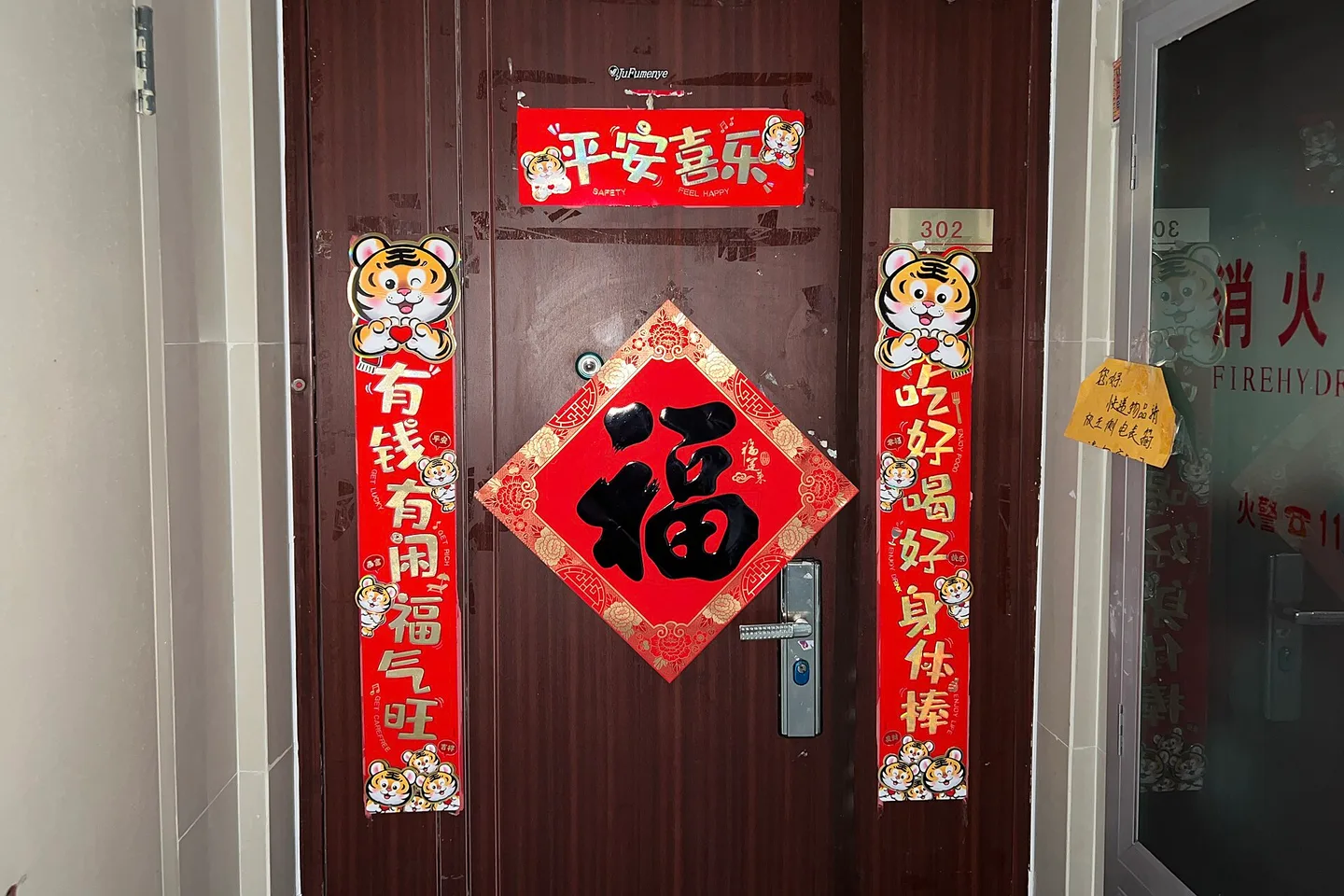
New Year's Eve: the whole family eats the reunion dinner, stays up for the new year, pastes spring couplets, and may watch the Spring Festival Gala (if you like);
Day 1 of the new year: wear new clothes, visit relatives and friends, and pray at temples;elders give younger, unmarried people red envelopes (lucky money);
Day 2: married daughters often visit their birth families (common in the south) and relatives exchange New Year greetings;
Day 3: the 'Red Dog Day', traditionally a day not suited to visiting others;
Day 4: welcoming the Kitchen God back to earth, with the festive mood building;
Day 5:'Po Wu' (Breaking the Fifth)- the day people set off firecrackers to welcome the God of Wealth; the loudest day for firecrackers;
Day 6: shops gradually reopen and business returns;
Day 7 to Day 14: the festive atmosphere lingers but cities return to work;
Day 15 (the Lantern Festival):the festival's second high point- eating tangyuan (glutinous rice balls), viewing lantern displays and solving lantern riddles; Spring Festival is not truly over until the Lantern Festival passes.
The most comfortable 'Spring Festival window' for inbound visitors: if you can only spend 5-7 days in China,arriving on Day 1 and leaving around Day 6is the best-value plan - you catch Day 1 prayers, Day 5's Po Wu and the reopening of shops on Day 6, then leave before normality resumes.
Etiquette and taboos: don't stumble on your first Chinese New Year
Most of the etiquette and taboos below are old customs, but they still apply in Chinese homes, with friends, in restaurants and at temples:
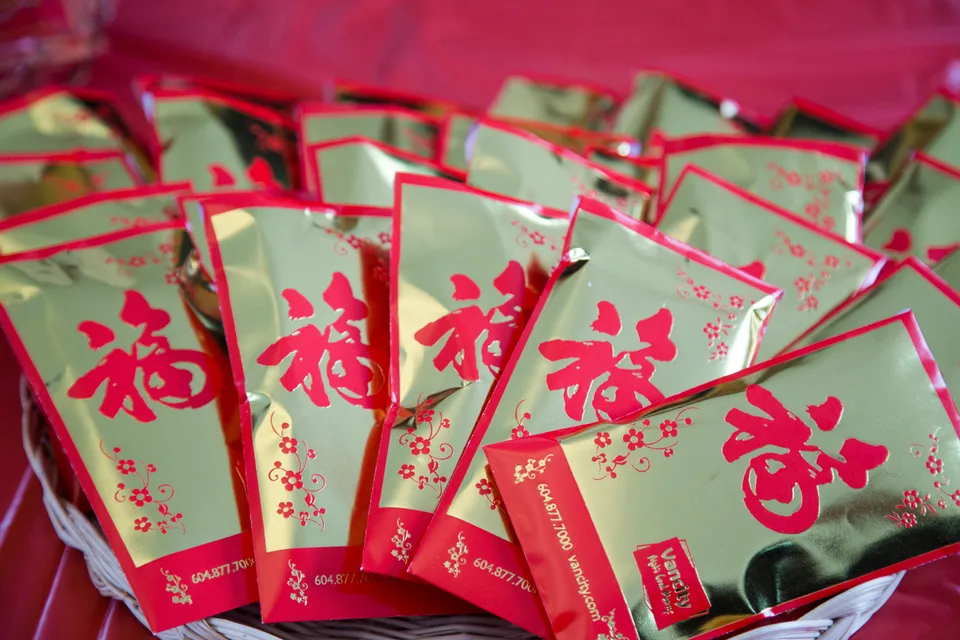
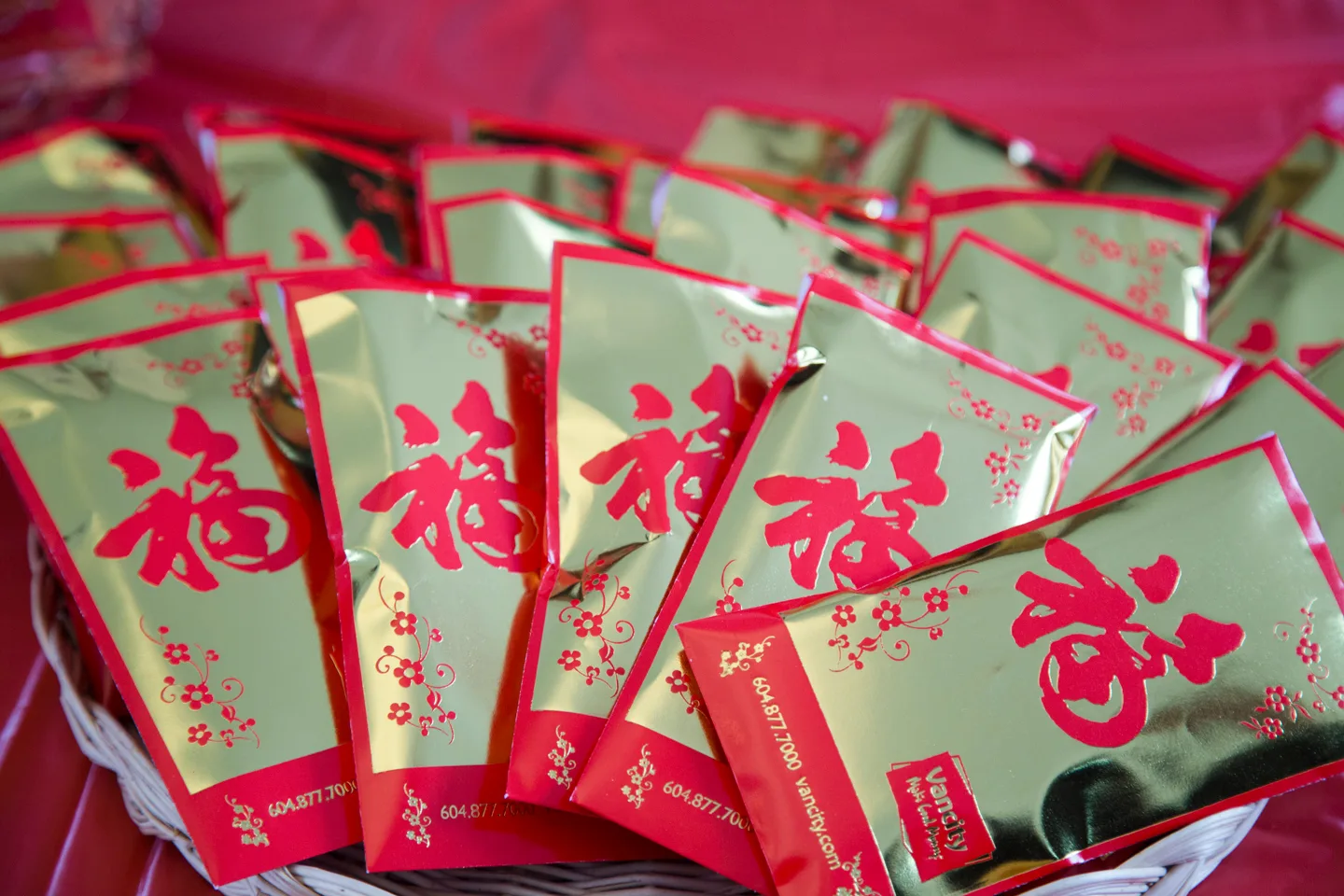
Red envelopes ('ya sui qian', lucky money)
Who gives and who receives: married elders give to unmarried juniors; amounts are even numbers (good things come in pairs), commonly 200/600/800/1,000 yuan;
say 'thank you' or 'gong xi fa cai' when you accept an envelope:and do not open it to check the amount in front of others- this is common Chinese courtesy;
should foreigners give them too?: if Chinese friends give you a red envelope,also do not open it in front of them; whether to return the favour depends on the relationship - a suitable return gift could be chocolate, a small craft or a handwritten note.
The New Year's Eve dinner
the fish 'cannot be finished': the fish at the reunion dinner symbolises 'nian nian you yu' (abundance year after year), soleave the head and tailto signify beginning and end;
dumplings (jiaozi): the northern New Year staple - anddo not say unlucky words('gone', 'finished', 'died');
seating at the table: elders take the seat of honour and juniors sit lower; toast or offer tea with both hands;
do not rush the dishes or knock over cups and plates- both are considered unlucky.
Greetings during the festival
'New Year greetings', 'gong xi fa cai' and 'wan shi ru yi'are the standard greetings;
do not give clocks, umbrellas or pears as gifts- 'song zhong' sounds like 'seeing someone off at death', 'san' (umbrella) suggests 'parting', and 'li' (pear) suggests 'separation'; all are gift taboos;
what you can give: tea, pastries, wine, fruit (avoid pears) and red envelopes (with an auspicious amount).
Taboo actions
do not break bowls or plates(they symbolise a year of safety; if you do, say 'sui sui ping an' to make up for it);
do not write a person's name in red ink(red was traditionally used for the names of the deceased);
do not sweep or take out the rubbish from Day 1 to Day 5(tradition says you would sweep away good fortune; modern families are no longer strict about this);
do not be loud at temples or touch ritual objects- even if you are not a Buddhist.
Opening hours and transport: the high season is not business as usual
Spring Festival is the time of year with the biggest changes in opening hours; know these changes in advance:
Dining
New Year's Eve to Day 3: many local restaurants close;hotel restaurants, chain fast food (KFC, McDonald's, Luckin) and Haidilaomostly stay open;
Day 4 to Day 6: restaurants gradually reopen, though some close for the festival;
hotpot, Cantonese and north-eastern cuisinehave the highest operating rates over the holiday.
Scenic areas
most scenic areasstay open as usual over Spring Festival, though some adjust their hours;temple fairs, lantern festivals and folk activitiesare actually more plentiful over the holiday;
popular museums such as the Palace Museum, the National Museum and the Shanghai Museumoften sell out at Spring Festival, sobook 1-7 days ahead;
Sacred mountains such as Jiuhua, Putuo and Emeiare packed with pilgrims at Spring Festival, and the experience is not necessarily 'relaxing'.
Transport
The week before Spring Festivalis the 'homecoming rush', when trains from Beijing, Shanghai, Guangzhou and Shenzhen to mid-western citiesare hardest to book;
During the holiday itself(New Year's Eve to Day 6): intercity passenger flows ease, buttraffic within popular tourist cities congests(Sanya, Lijiang, Zhangjiajie and Haikou);
Day 6 and Day 7are the 'return peak', whenhigh-speed rail and flight tickets are extremely scarce;
Metro and taxis: services in first- and second-tier cities stay stable over the festival, butride-hailing surcharges rise from New Year's Eve to Day 2。
Retail and services
Courier and food delivery: largely stop or turn unstable from New Year's Eve to Day 3, resuming around Day 4;
Convenience stores and supermarkets: some close on New Year's Eve afternoon and on the morning of Day 1;chain convenience stores (7-Eleven, Lawson, FamilyMart)mostly stay open;
Barber shops:are packed in the run-up to New Year's Eve(custom says one should not get a haircut in the first lunar month), and most close from Day 1 to Day 3.
See a temple fair, a lantern festival and a lion dance
The festival's 'high-concentration experiences' come down to three things to see:
Temple fairs
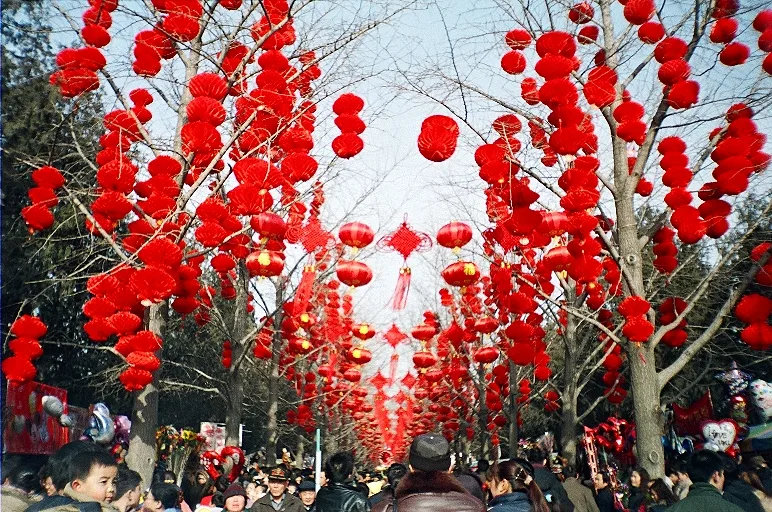
BeijingBeijing's Ditan, Longtan Lake and Changdian temple fairsare the most famous (see beijing-spring-festival-temple-fair-guide);
Shanghai'sCity God Templefair plus the Yuyuan lantern festival;
Guangzhouthe Guangfu temple fair in Guangzhou(around Yuexiu Park);
everywhere, the core is 'intangible-heritage markets + folk performances + local snacks'.
Lantern festivals
the Zigong Lantern Festival(see zigong-lantern-guide) is the pinnacle of Chinese lantern festivals;
the Qinhuai lantern festival in Nanjing, the Luoyang lantern festival, Kaifeng's Qingming Riverside Park lanterns and Foshan's Lingnan lanternseach have their own character;
the 'best time' for lantern festivalsis within 1-2 hours of the lights coming on (about 7-9 pm), avoiding midday and the crowds just before the lights go off.
Lion dances, Yingge dancing and yangge
Chaoshan's Yingge dance in Guangdong(see chaoshan-yingge-dance-guide) is the visual feast of the festival parades;
lion dances(the southern and northern schools) are everywhere in Guangdong, Fujian, Guangxi and Hong Kong over Spring Festival;
north-eastern yanggeis a fixture of the Harbin, Changchun and Shenyang festival fairs;
local opera(Peking opera, Henan opera, Chaozhou opera and Cantonese opera) also stages special performances over the festival.
Can you set off fireworks in China during Spring Festival?
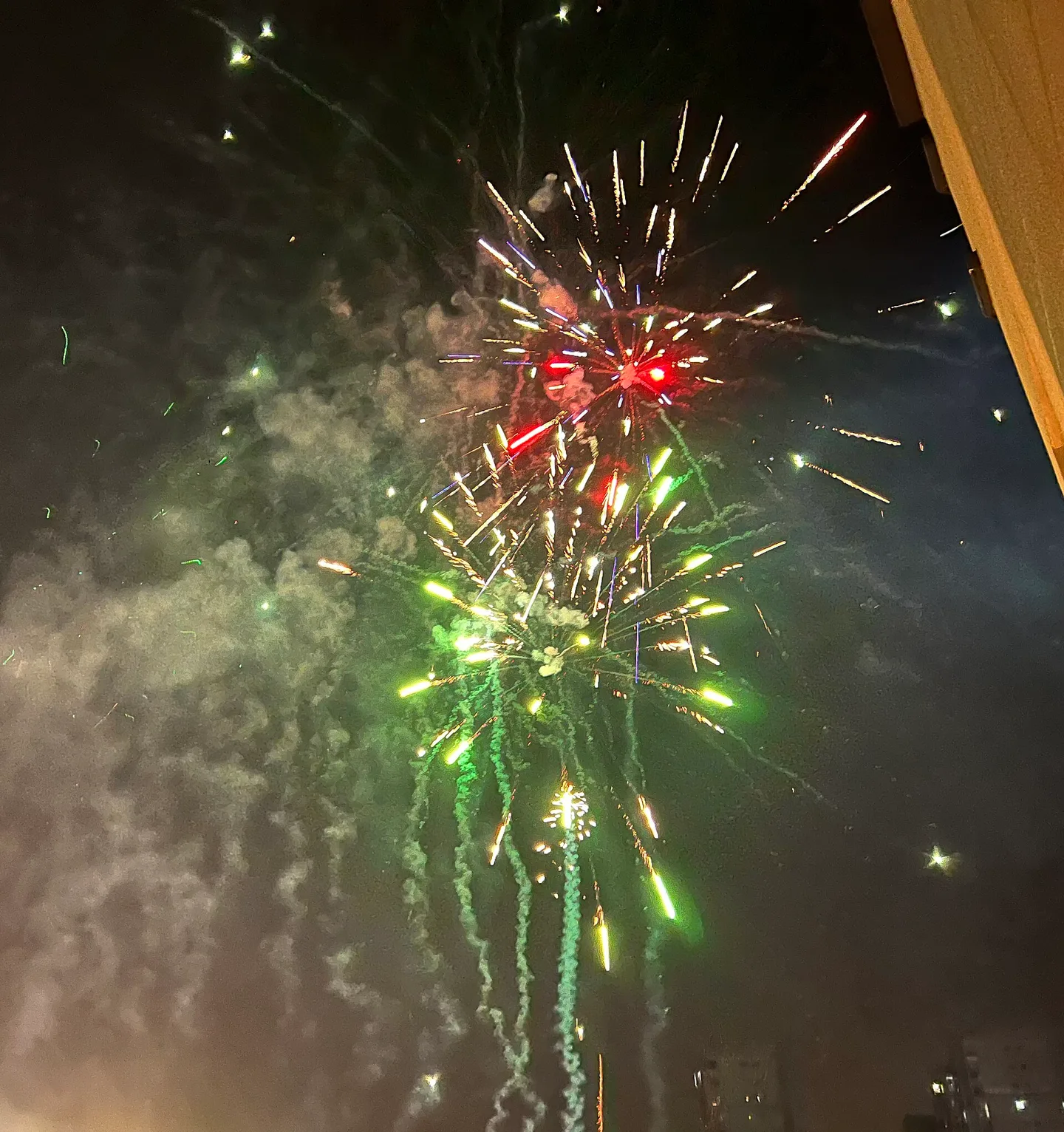
ChinaMost city centres across the country now ban setting off firecrackers and fireworks(the norm since around 2015), though some cities, areas and New Year's Eve-to-Day-1 windows permit them. Inbound visitors should know:
smoking and fireworks are banned inside hotels and guesthouses;
seeing no fireworks in the streets does not mean the festive mood is thin- the heart of the festival is 'family reunion + red lanterns + the reunion dinner + temple fairs'; fireworks are only a small part;
if you want to see fireworks-like displays: Shanghai's Bund, Guangzhou's Pearl River and Hong Kong's Victoria Harbourhold large light shows on New Year's Eve(not real fireworks but light-based substitutes, still spectacular); Beijing, Changsha, Taipei and Macao have legal, concentrated firework periods -follow local public-security notices。
Practical suggestions: how to plan a 5-7 day Spring Festival itinerary
Here is a7-day sample Spring Festival itinerary for inbound visitors(for Beijing/Shanghai/Guangzhou plus a nearby city):
Day 1: arrive and settle into the hotel; have the New Year's Eve dinner at the hotel or a nearby chain restaurant in the evening;
Day 2 (Day 1 of the new year): temple prayers in the morning (Yonghe Temple, City God Temple, Guangxiao Temple, etc.), city walking in the afternoon (Tiananmen, the Bund, Xiaogongyuan, etc.);
Day 3 (Day 2): museum or scenic area in the morning, temple fair or lantern festival in the afternoon, anda lion dance or Yingge performance in the evening;
Day 4 (Day 3): a flexible day of deeper city exploration (hutongs, longtang lanes, old neighbourhoods) plus local restaurants;
Day 5 (Day 4): change city - take high-speed rail to a second city (Shanghai to Suzhou, Guangzhou to Foshan/Chaoshan, Beijing to Tianjin, etc.) and stroll the old town after arriving;
Day 6 (Day 5): the second city's lantern festival, temple fair or folk events, plus Po Wu firecracker sounds in the evening (in some cities);
Day 7 (Day 6): return from the second city.
Who should reconsider visiting China at Spring Festival
A few profiles should think again about a Spring Festival trip:Those who want only natural scenery and no crowds- popular cities and sights are packed at Spring Festival;consider lesser-known cities or the countryside instead;Those who absolutely cannot cope with small restaurants closing- from New Year's Eve to Day 3 dining is limited, and you wouldhave to rely on hotel restaurants or chain restaurants;Those allergic to or afraid of firecrackers and fireworks- the sound of firecrackers is the norm at Spring Festival;city centres are relatively quieter, but smaller towns and villages can be loud;Strict vegetarians- the festive table is mainly meat;communicate in advance with restaurants or Chinese friends。
Wrapping up
To condense 'spending Spring Festival in China' into four points:Rhythm- Day 1 prayers, Day 5's Po Wu and Day 6's reopening of shops are the most comfortable windows for the experience;Opening hours- small restaurants close en masse from New Year's Eve to Day 3, while chain restaurants and hotels operate normally;Etiquette- do not open a red envelope in front of the giver, do not finish the fish, and do not say unlucky words;Experiences- be sure to see one temple fair, one lantern festival, and one lion dance or Yingge performance. Exact holiday dates, opening hours and temple-fair and lantern-festival schedules change every year,and this article was prepared in September 2026 for the winter / Spring Festival 2026-2027 window; before you travel, follow the latest official announcements from the State Council holiday schedule and local culture-and-tourism bureausThe 0765trip China inbound tours landing page and the Spring Festival inbound special are already live on the site — you can submit "headcount + departure city + whether family is coming + what you want to see" via our contact page to a 0765trip travel advisor, who will draw up an executable 7-day Spring Festival route based on the season's schedule. Spring Festival in China isn't "watching one performance" — it's "being invited by the whole country to celebrate the New Year once". That feeling stays with you long after you go home. Rather than worrying about stepping on etiquette landmines, put yourself in the mindset of "being invited to a friend's house for New Year": keep your ears open, follow the rhythm of the host family, and that is the best way to do as the locals do.