




Coming to China for the winter break or Spring Festival for the first time? This checklist explains how to prepare visas, mobile payments, 12306 high-speed rail ticketing, translation and local connectivity ahead of arrival, all per the latest official guidelines, so you can settle the essentials in one go.
This checklist answers one question: before your first trip to China over the winter break or Spring Festival, which few things must you actually get done in advance? It is for first-time visitors worried about arriving and discovering they were not prepared - visa, how to pay, how to move between cities, and what to do when you cannot speak the language; once these four are sorted, the whole trip becomes far more predictable.
Here are four key points. First, for visas and entry eligibility always follow the latest announcements from China's National Immigration Administration and Chinese embassies and consulates abroad; the eligible nationalities and stay lengths under transit visa-free and unilateral visa-free arrangements change often, so confirm before departure whether your passport nationality is covered. Second, for payments, first link an international bank card to Alipay or WeChat Pay, then carry some cash and one physical card as backup - in big cities you can almost go out with just a phone, but scenic-area stalls, some taxis and smaller towns may still take cash only. Third, for travel between cities, high-speed rail is the easiest option; buy with your passport, and follow 12306's official registration and ticketing rules. Fourth, for language, rely on a translation app plus offline packs; for connectivity, buy a local SIM or eSIM in advance. All of the above are changeable details; this article was prepared in September 2026 for the winter / Spring Festival 2026-2027 window, so always confirm against the latest official announcements.

Visa and visa-free policies: where is the most reliable place to check?
The visa is the first thing to confirm before you go, because it decides whether you can enter and how long you can stay. The common scenarios include an ordinary tourist (L) visa, visa-free transit, and unilateral or mutual visa-free arrangements covering many nationalities. Their eligible nationalities, stay lengths, ports of entry and document requirements change every year, so do not decide based on last year's experience or second-hand posts.
The safest approach is to verify along two lines in parallel: official notices on the National Immigration Administration website and its 'immigration' mini-program, and the visa pages of the Chinese embassy or consulate in your country. Look at both, because the 'list of eligible nationalities' under visa-free policies follows the National Immigration Administration, while the specific documents to submit follow the embassy or consulate. If your itinerary involves transiting Hong Kong or Macao before entering the mainland, confirm the relevant transit arrangements as well.
One reminder: visa-free does not mean 'nothing to prepare'. Even when entering visa-free, it is still usually wise to have return tickets, accommodation bookings and proof of sufficient funds for your trip, because border control may ask about your purpose and plans. Keep one copy of these documents in your phone and one printed; it noticeably reduces communication friction on arrival.
No Chinese bank card — how do you use mobile payments?
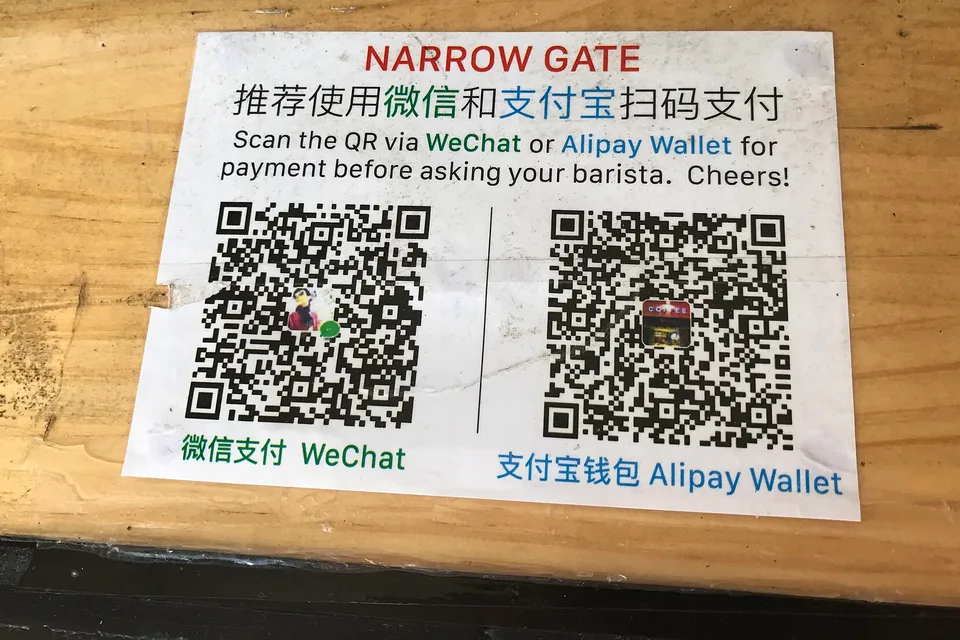
Mobile payments are extremely widespread in mainland China; Alipay and WeChat Pay cover supermarkets, convenience stores, restaurants, taxis, the metro and most scenic-area ticket offices. For holders of foreign cards, both platforms support linking certain international bank cards (from common networks such as Visa, Mastercard and JCB); the scope, verification method and per-transaction limits follow each platform's official guidance, which this article does not replace.
Three things to do before departure. First, install both Alipay and WeChat from your app store and link your international card through the official flow, trying a small top-up or card verification. Second, get familiar with the 'scan' and 'payment code' entry points - most offline payments in China work as 'you scan the merchant' or 'the merchant scans you', different from the NFC tap-and-pay used in many countries. Third, keep one physical international card and some RMB cash as a fallback if mobile payment fails.
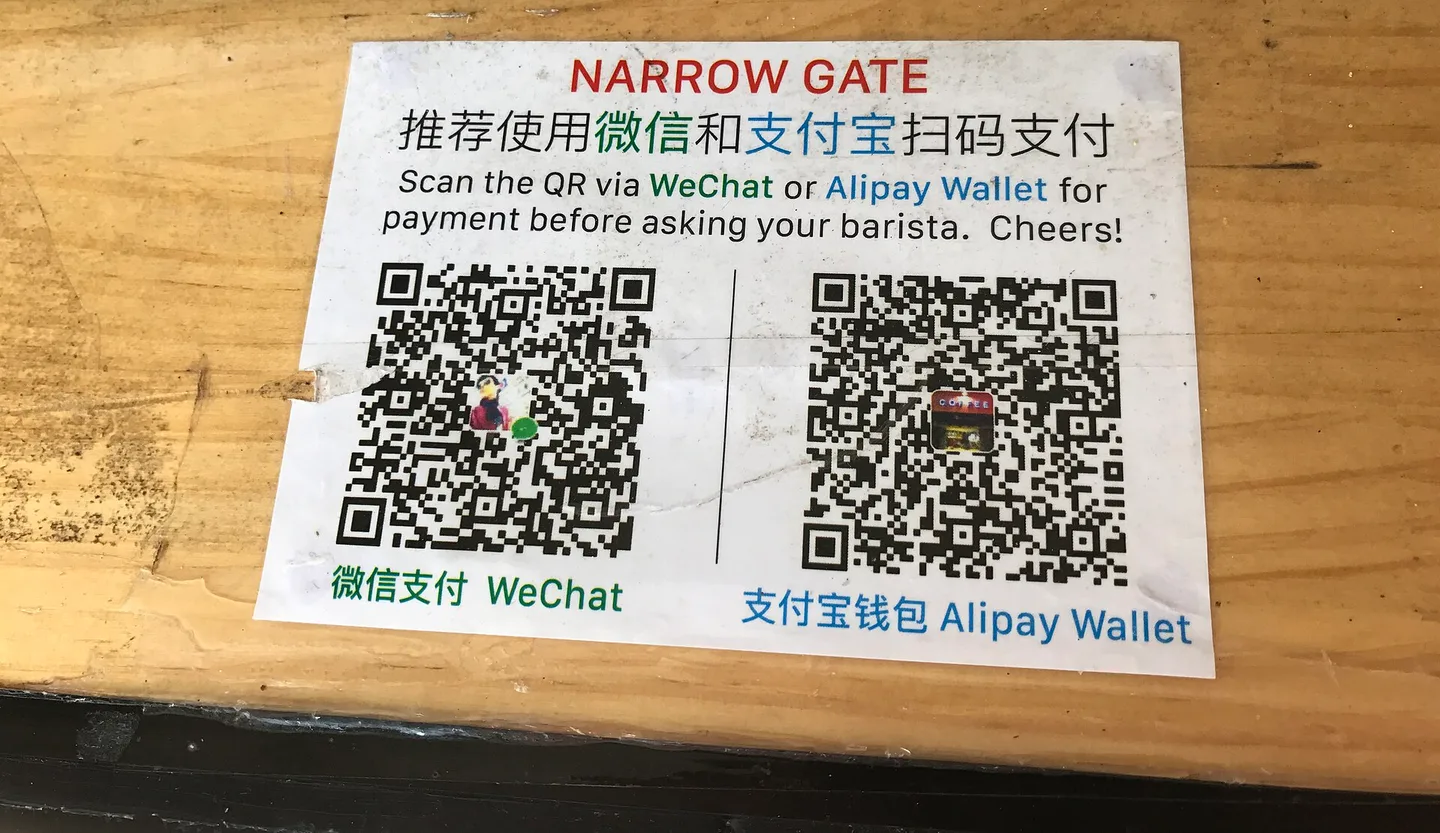
Where might cash still be the only option? County towns, small townships, morning markets, some taxis and stalls around scenic areas. So saying 'cash is completely unnecessary' is not accurate; carrying a few hundred yuan in small denominations is safer. You can exchange currency at airports, bank branches or licensed exchange points, with rates and fees per the published rates of the institution you use.
How to get between cities? Buying tickets on 12306 with a passport
For moving between cities, high-speed rail is the least hassle: stations are usually in city centres, security is relatively quick and punctuality is high. The main ticket channel is the official railway app '12306' and its website; document rules for buying, changing and refunding follow 12306. Overseas visitors can register and buy with a passport; the key point is that the document used to buy and the document used at the station must be the same passport - forget it or bring the wrong one on departure day and the gates cannot read it, which gets troublesome.
A few practical reminders: popular routes are extremely tight during Spring Festival and winter-break peaks, so confirm trains early and allow time for station security and waiting; child-ticket rules follow the latest 12306 announcements, so check them in advance if travelling with minors; train numbers, carriages and seats are in Chinese plus digits, so for a first ride save a screenshot of 'train number, departure station and arrival station' on your phone to match the station screens when finding your waiting area.
For very long hops (for example Beijing to Shanghai is around 4-plus hours by high-speed rail), compare flying. A flight is shorter in the air but adds transfers to and from airports, check-in and security, so door to door is not necessarily faster. Which to choose depends on your hotel location and the day's time budget; there is no single right answer.
Can't speak the language? Load offline translation packs first
Metros, airports, major attractions and chain hotels in big cities generally have English signage, but beyond the core areas, street signs, menus and staff English are inconsistent. The most practical preparation is to install a translation app, download the Chinese offline pack in advance, and learn the 'photo translation' and 'conversation translation' functions - photograph a menu when ordering and translate back and forth when asking directions; far more efficient than typing everything.
Two more small tips. First, save your hotel's name and address in Chinese plus pinyin and simply show it to the taxi driver, which is more reliable than pronouncing the English name. Second, how smoothly map apps work in China depends on connectivity (see below), so also confirm that navigation can show the general area offline. There is no need to worry about the language, but being able to show key information in Chinese noticeably improves the experience.
Connectivity: buy a SIM or eSIM in advance
Without local connectivity, translation, maps, payments and ride-hailing all become limited, so connectivity matters as much as the visa as a pre-trip item. There are three common options: international roaming, buying a physical SIM on arrival, or buying an eSIM before departure. Rates, coverage and how to set up follow each operator's official guidance; this article recommends no particular plan.
If your phone supports eSIM, buying one abroad before departure and switching it on after landing is the easiest; if your phone does not support eSIM, you can get a physical card at the airport or an operator store after landing, remembering your passport for real-name registration. Whichever you choose, decide in advance how you will get online in the first hour after landing - airport Wi-Fi usually covers card-linking and hailing a ride, but do not assume free connectivity everywhere the whole time.
Cash, currency and emergency numbers
The currency is the Chinese yuan (CNY). Besides cash and bank cards, the mobile payments mentioned above cover most scenarios. Memorise three emergency numbers: police 110, ambulance 120, fire 119; if your passport is lost, contact the Chinese embassy or consulate in your country, or your own country's embassy or consulate in China, as soon as possible. Storing these numbers and embassy contacts in your phone's address book is more reliable than searching in an emergency.
Packing and seasons: winter clothes and the Spring Festival window
The winter break and Spring Festival coincide with China's winter (December-February); the north is dry and cold, the south damp and cold, and both indoor-outdoor and regional temperature gaps are large. Pack in layers: a warm outer layer, a mid fleece and a moisture-wicking base layer, which is more flexible than one heavy down jacket. Around the festival (usually part of late January to mid-February, per the State Council holiday schedule), many shops close, logistics slow and traffic congests; return flights and popular-direction tickets tighten noticeably, so allow more buffer in packing and scheduling during this period.
Frequently Asked Questions
Q: Do I still need hotel bookings for visa-free entry? A: A visa-free policy does not by itself mean zero documentation. Border control may ask about your purpose of visit, length of stay and accommodation, so it is wise to have return tickets, hotel bookings and proof of funds available; specific requirements follow on-site enforcement at the port of entry.
Q: Can Alipay link a foreign card directly without a Chinese bank card? A: Alipay supports linking certain international bank cards; the scope, verification method and limits follow the latest official Alipay guidance. Keeping cash and a physical card as backup is still recommended.
Q: Must I use a passport for 12306? A: Overseas visitors can register and buy with a passport, and buying, collecting and boarding must use the same passport. The specific document rules follow 12306's official announcements.
Wrapping up
To sum this checklist up in one line: follow official sources for visas, link an international card and carry cash for payments, use high-speed rail between cities with consistent documents, rely on a translation app with offline packs for language, and buy connectivity in advance - sort these five things in an hour or two before departure and your first 48 hours in China will run far more smoothly. None of them is something you can safely leave to 'figure out on arrival'; on the contrary, the easier something is to get stuck on, the more worth doing it in advance.
To emphasise: visas, visa-free entry, payment card binding, high-speed rail booking rules and opening hours are all changeable information. This article was compiled in September 2026 for the 2026–2027 winter/Spring Festival window, so before departure please recheck each item against the latest official announcements from the National Immigration Administration, 12306 and the various platforms. If you'd like a specialist to verify "visa type + arrival city + travelling companions + rough number of days" and build an executable schedule, see the 0765trip China inbound custom tours landing page, or submit your travel needs via our contact page — an advisor will give pre-trip and itinerary suggestions based on that season's rules. Don't let the fear of "not being ready" scare you off a first China trip — sort out these few things before departure, and everything after landing is simply enjoying the holiday.