

With only 7-8 days for a first trip to China, how do you divide Beijing, Xi'an and Shanghai without rushing? In short: 3 days in Beijing, 2 in Xi'an and 2 in Shanghai is the minimum, and if you have an eighth day give it to Beijing first or keep it as a buffer. Use high-speed rail between cities, and weigh flight versus rail for the longer Xi'an-Shanghai leg. Tickets, train schedules and visa policy follow the latest official announcements.
Many first-time visitors hold only 7-8 days of leave but want to see China's most iconic symbols at once: the Great Wall and the Forbidden City in Beijing, the Terracotta Warriors in Xi'an, and the Bund and skyline in Shanghai. The difficulty is that these three cities sit in northern, north-western and eastern China, far apart from one another - so the sequencing alone decides whether the trip feels 'completed' or merely 'rushed through'.
Here are three key points. First, how to divide the cities: on a 7-day minimum, give Beijing 3 days, Xi'an 2 and Shanghai 2, including the arrival and departure days; with 8 days, give the extra day to Beijing first or keep it as a buffer. Second, how to travel between cities: prefer high-speed rail for Beijing to Xi'an, where city-centre-to-city-centre is much simpler; the Xi'an-Shanghai leg is longer and rail time rises noticeably, so fly when time is tight, or take the train when you have more days and prefer not to repeat security checks - specific services and times follow the official 12306 timetable. Third, whether to go north-to-south or the reverse: the default recommendation is to arrive in Beijing and depart from Shanghai, moving from an imperial old capital to a modern gateway city with an easier final departure; but if a flight into Shanghai is clearly better priced, doing it in reverse works just as well - let the order of the three cities follow your international flights rather than buying an extra domestic ticket to preserve a fixed sequence.
This guide answers one question: for a first visit to China of only 7-8 days, how exactly should you plan the classic Beijing-Xi'an-Shanghai route? It suits first-time visitors who can change scenes every day and want to sample all three kinds of Chinese cities in one trip; if you only have five or six days, or would rather see natural scenery, there is a dedicated section below explaining why you should not force this route. The tickets, opening hours, booking rules, train services and visa policy mentioned here are all changeable details; this article was prepared in September 2026, so always confirm against the latest official announcements.
First decide: do 7-8 days really cover three cities?
The distances between the three cities are the biggest cost of this route. Beijing, Xi'an and Shanghai are each separated from one another by interprovincial distances, so every city change costs half a day of 'checking out, heading to the station, passing security, boarding, riding, reaching the hotel and checking in'. Changing cities twice and sleeping in three places within 7-8 days means two daytime stretches are consumed in transit and your luggage has to be packed three times.
So the real test is not 'is each city worth visiting' but 'how often can you stand changing hotels'. If you can manage a new hotel every other night, 7 days works; if you want a full day without moving at all, choose just two cities. Every day-by-day suggestion below counts the arrival day as a half day and the departure day as a half day, so the actual time available is less than the calendar days suggest.
Beijing in 3 days: how to split the Forbidden City, the Great Wall and the Temple of Heaven
Beijing needs the most time of the three cities; over three days, plan roughly one day for the imperial centre, one for the Great Wall and one for gardens or neighbourhoods.
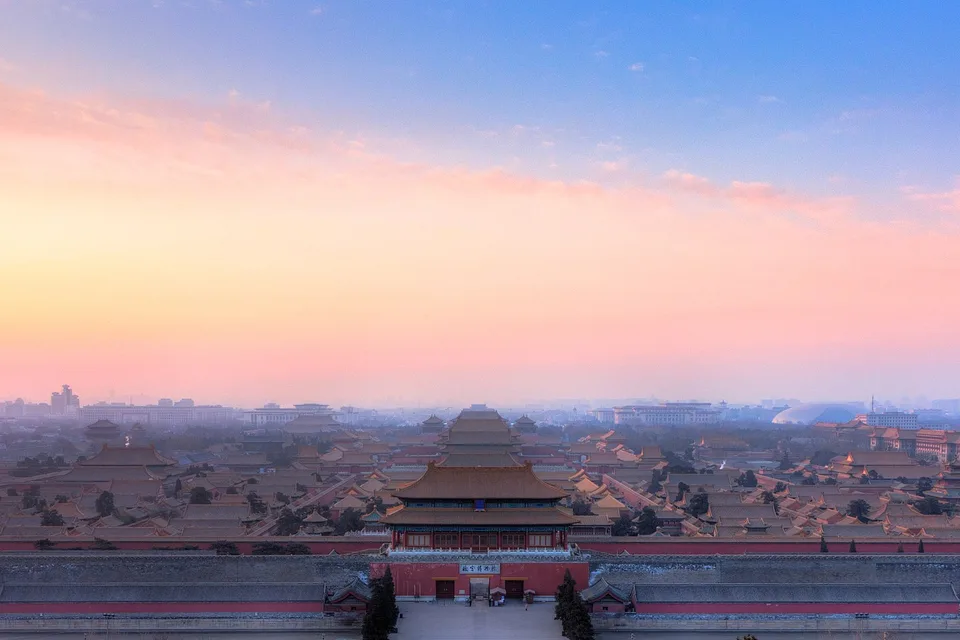
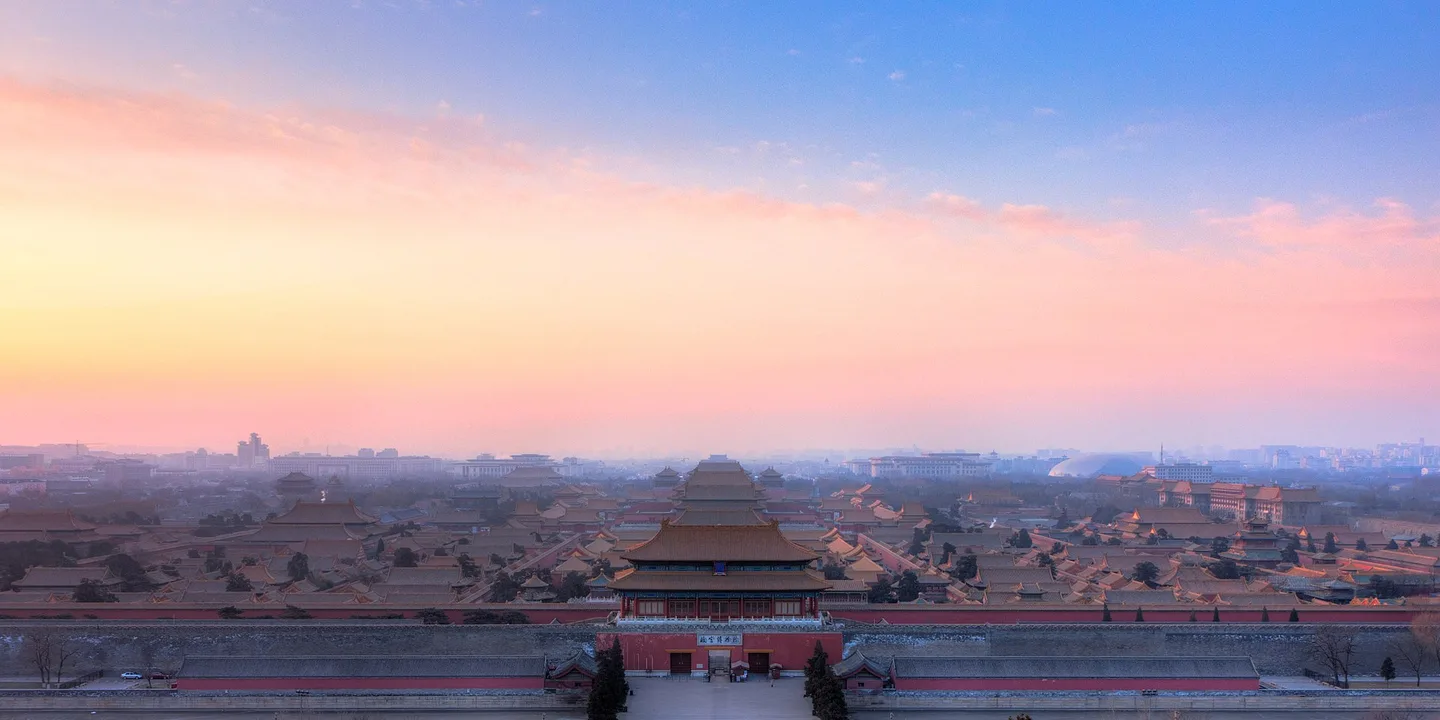
Give the first day to the Forbidden City area: Tiananmen Square, the Forbidden City and Jingshan Park can be strung into one line, with Jingshan as the viewpoint over the palace roofs. The Forbidden City runs real-name booking with capacity control, and its opening days, ticket-release times and carry-on rules change, so follow the Palace Museum's official announcements.
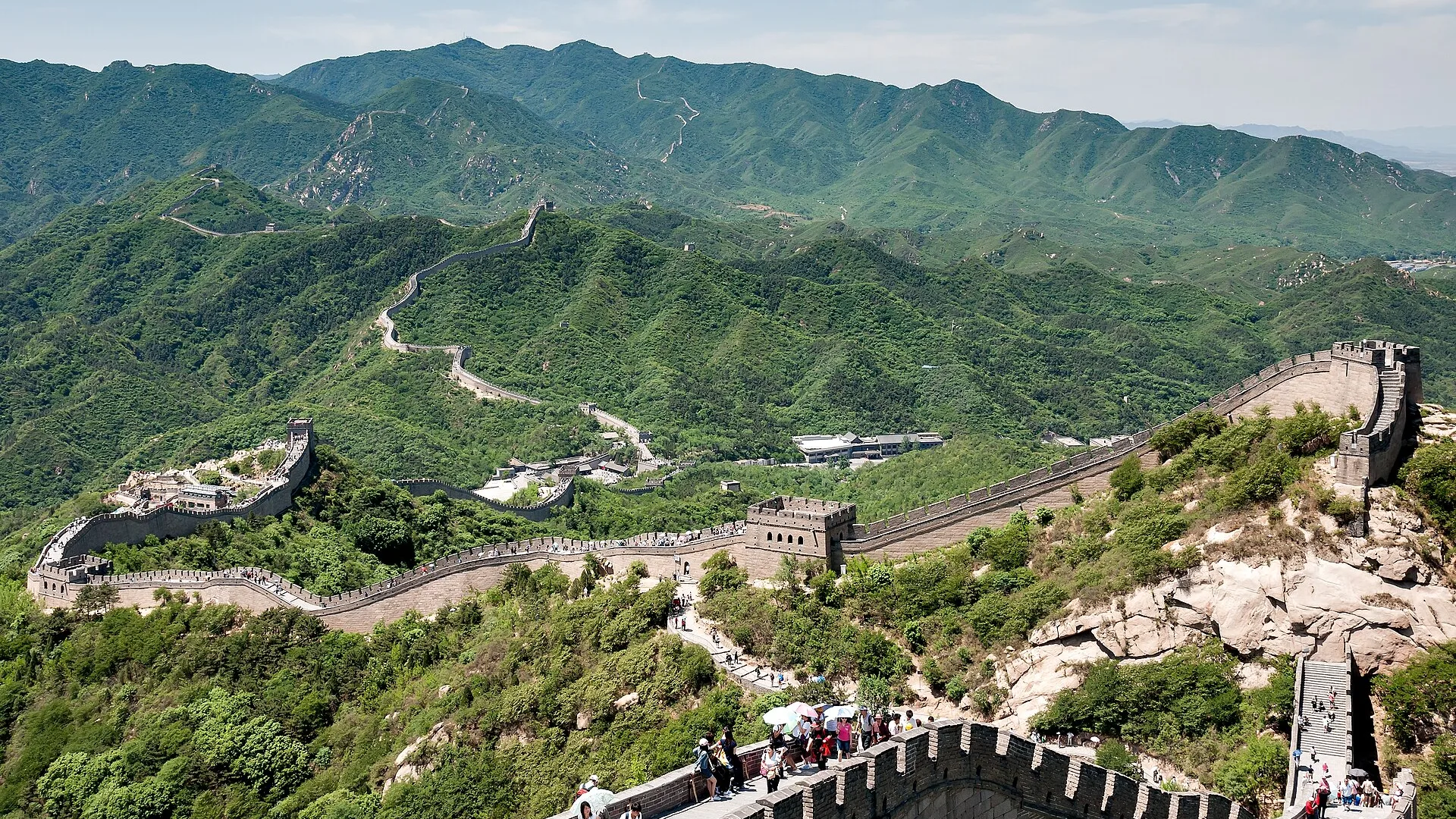
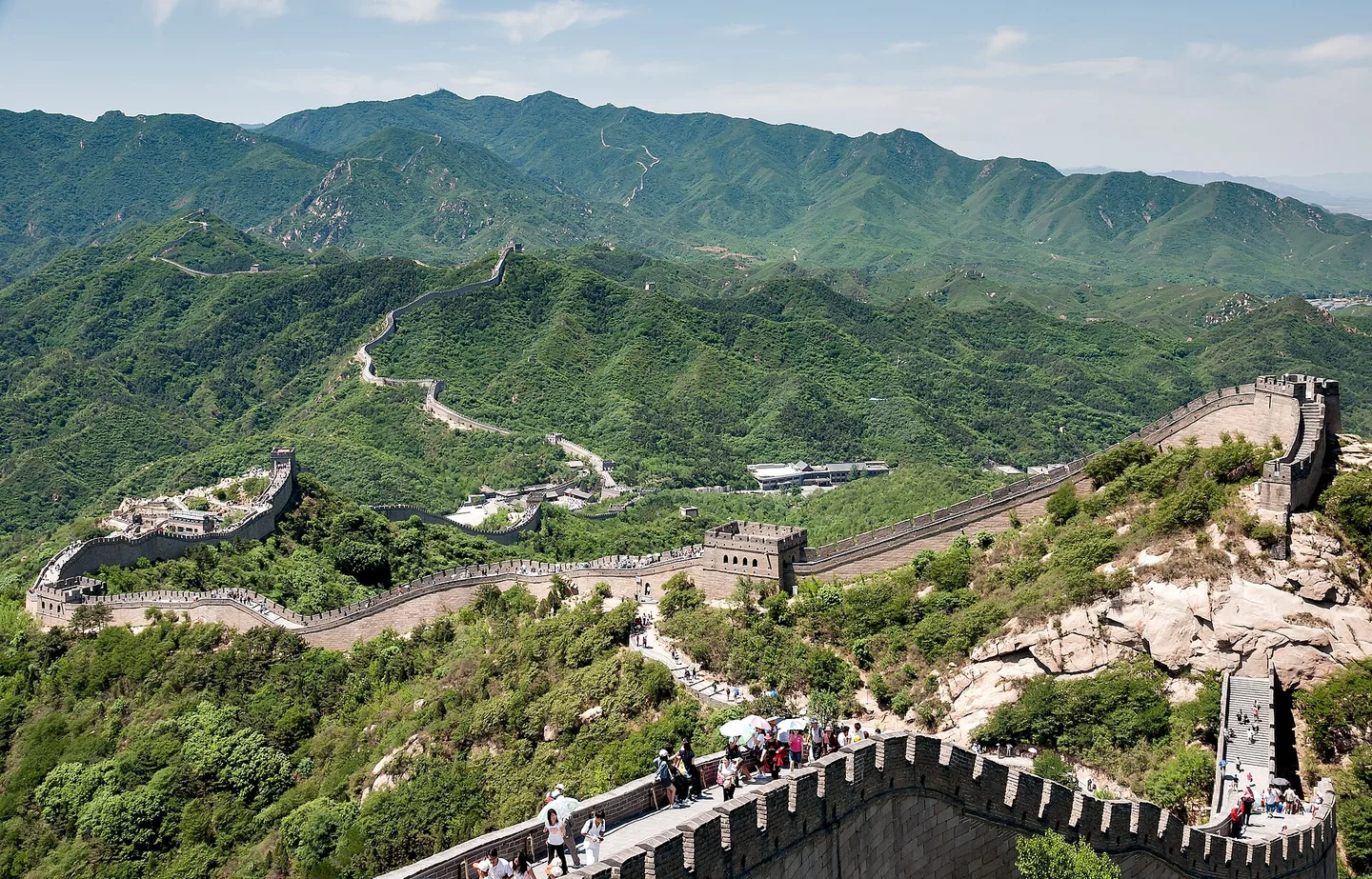
Give the second day to the Great Wall. More than one section of the Wall around Beijing is open to visitors - Badaling, Mutianyu and Juyongguan each have different transport and walking intensity - so which to choose depends on your companions' stamina, the season and the day's time budget; opening scope and ticketing rules for each section follow the scenic areas' official announcements.
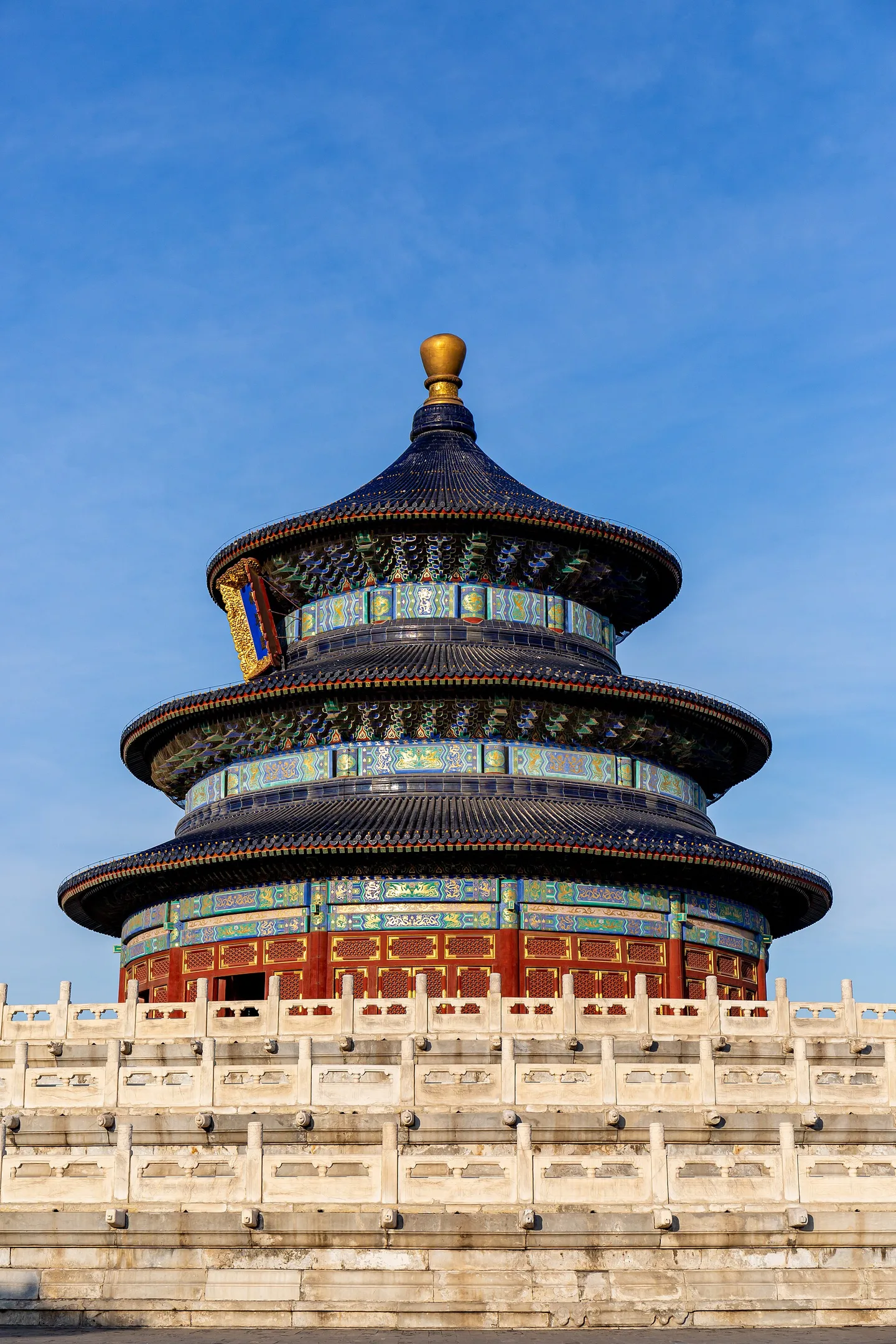
For the third day, choose between the Temple of Heaven and the old-city neighbourhoods, or save it for the Summer Palace. The Hall of Prayer for Good Harvests and the Echo Wall are the Temple of Heaven's landmarks; the park is large and shady, suiting a low-energy day; its opening hours, combination tickets and inner-garden arrangements follow official announcements.
Xi'an in 2 days: the Terracotta Warriors and the Ming City Wall
Two days are enough for Xi'an, but the split must be clear: one day out towards Lintong, one day inside the city wall.
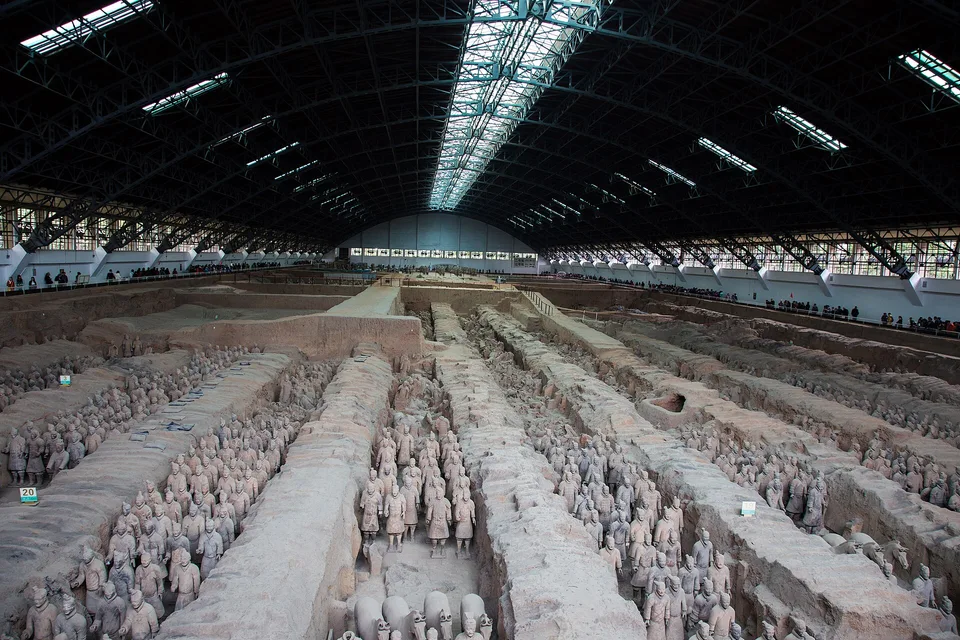
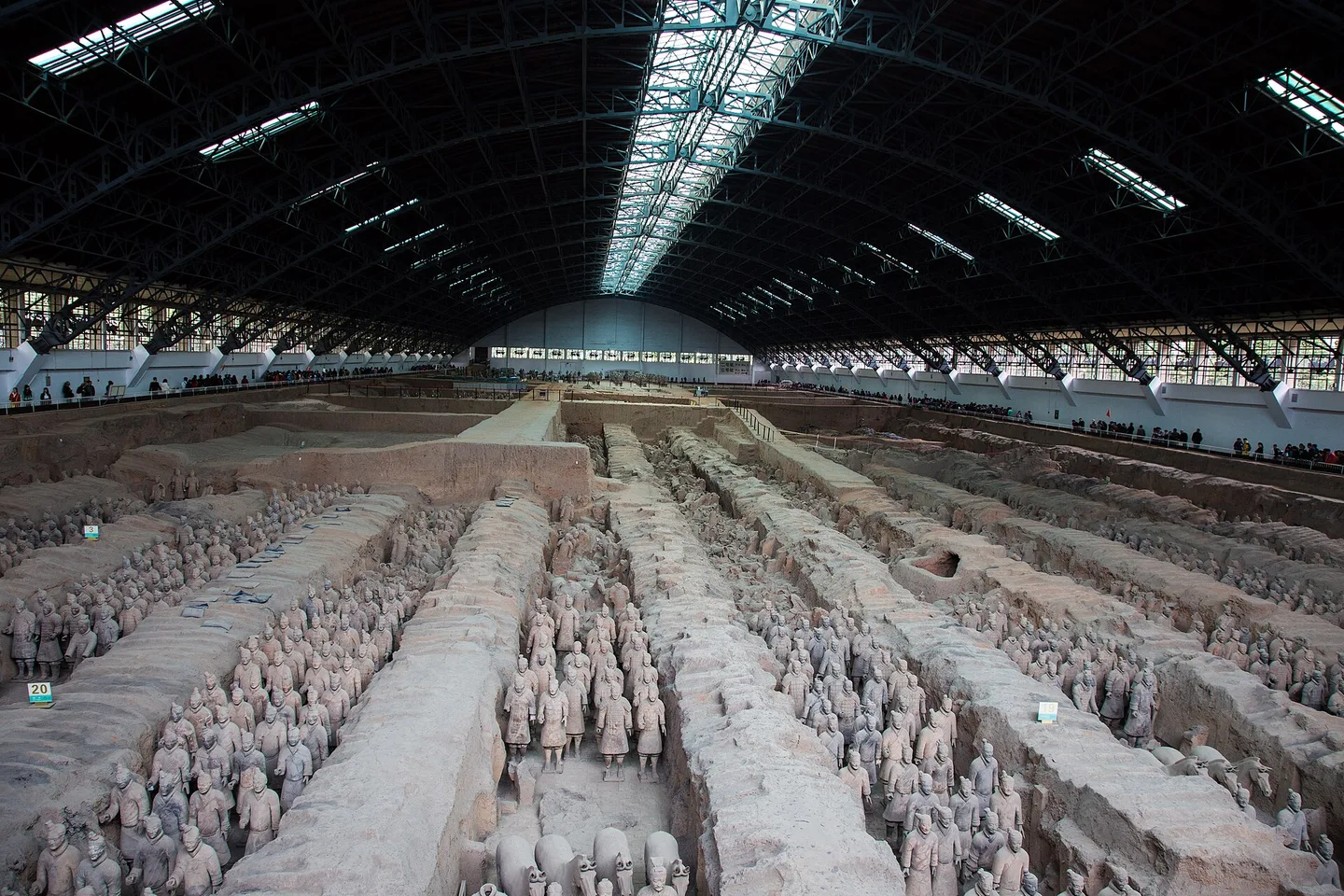
Spend the first day on the Terracotta Warriors. The Mausoleum of the First Qin Emperor and its warriors lie in Lintong, east of the city centre, so set aside time for the return transport; Pit No.1 is the main exhibition area, and Huaging Palace is often paired with it on the same day. The museum's opening hours, guided-tour services and booking requirements follow official announcements.
On the second day, move back inside and around the city wall: the Ming City Wall can be walked or cycled and is one of China's best-preserved ancient city walls; pair it with one or two of the Forest of Steles, the Shaanxi History Museum or the Huimin (Muslim) Quarter. Museums generally have fixed closing days and booking requirements, so check each venue's official announcements before you travel.
Shanghai in 1-2 days: the Bund and the neighbourhoods
On this route Shanghai is the closing stop, where the emphasis is on the cityscape and neighbourhood atmosphere rather than ticking off sights.
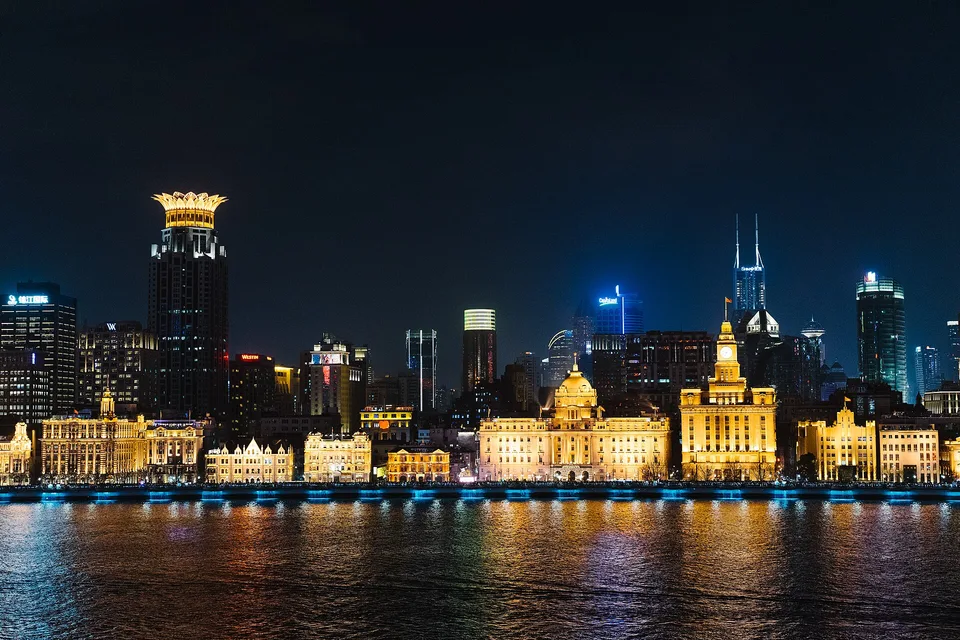
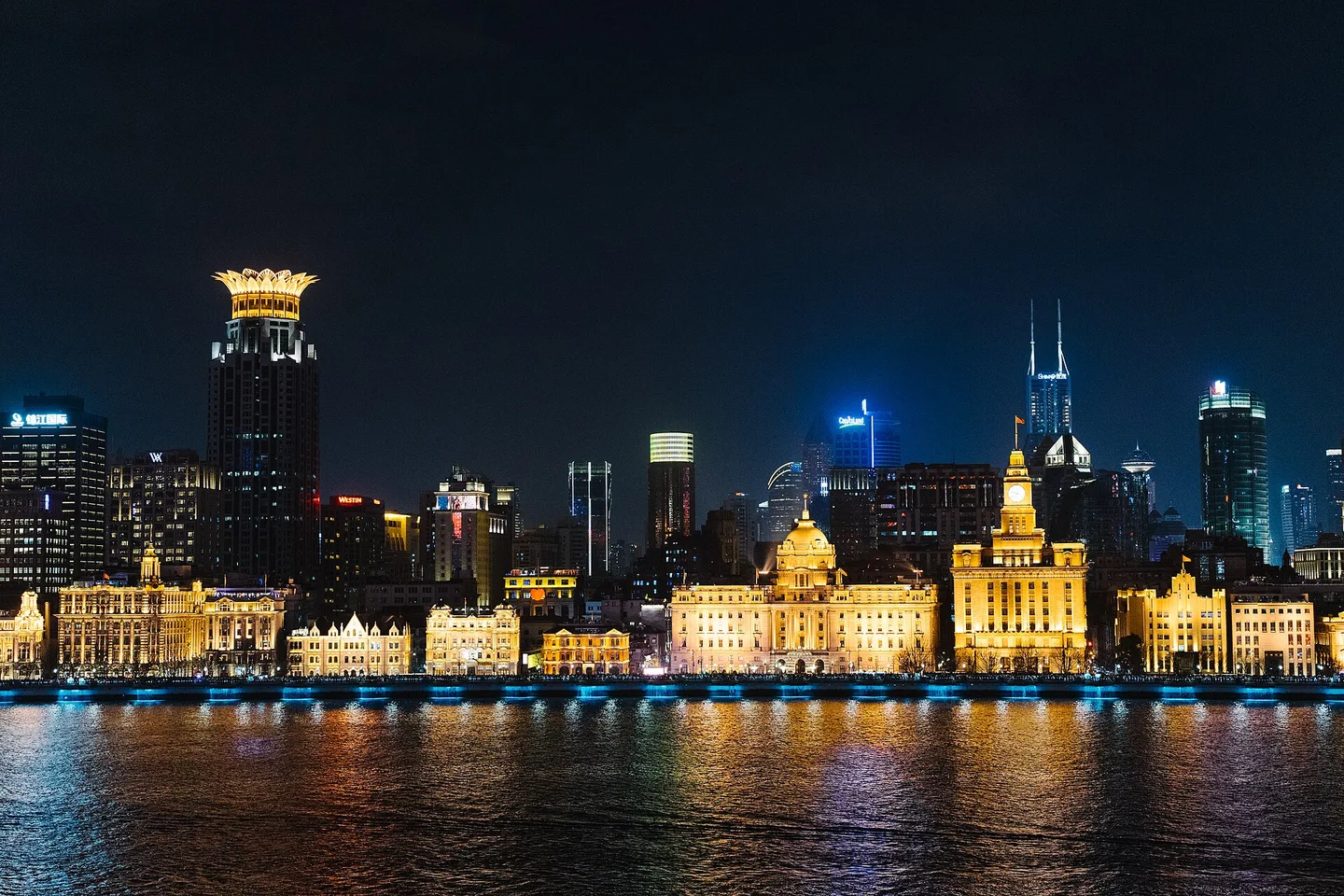
With only one day: walk the Bund by day to see the skyline and riverside buildings across the river, then come back again around dusk into the night to see the lights, slipping in Nanjing East Road or Yuyuan and the old town in between. Seeing the same stretch of riverfront in daylight and at night once each is the most time-efficient way to enjoy Shanghai.
With two days: give the second day to the neighbourhoods - the lilong lanes and streets around Wukang Road, or converted districts such as Xintiandi and Tianzifang - keeping the pace entirely at walking speed and skipping any schedule.
Intercity travel: how to choose between high-speed rail and flying
The comparison is not about 'which is faster' but about 'total door-to-door time'. Flying is short in the air but adds transfers to and from airports, check-in, security and waiting; high-speed rail spends most of its time on the train, has a shorter station flow, and its stations are usually in city centres.
Beijing to Xi'an: prefer high-speed rail. Most services take roughly 4.5-6 hours, city centre to city centre, and you avoid extra queues for baggage check-in.
Xi'an to Shanghai: this leg is longer, with most high-speed services taking roughly 6-8 hours (commonly via Zhengzhou or Xuzhou), while flying takes just over 2 hours. For a tight 7-day itinerary, fly; with 8 days and no appetite for repeated security checks, the train works.
Buying tickets and documents: your passport can be used to buy high-speed rail tickets; the booking channels, document requirements and change/refund rules follow 12306's official announcements, while flight schedules and baggage allowances follow the airlines' official terms.
For all services, arrival/departure times and fares above, please follow the latest announcements from 12306 and each airline's official channels; this article specifies no particular service. One more reminder: tickets tighten during holidays and the summer travel peak, so confirm popular periods early and set aside separate time for station security and waiting.
Pre-trip preparation: visa, payments, connectivity and language
These pre-trip items are only brief pointers; for the details always follow official sources rather than second-hand information:
Visa and entry: the eligible nationalities, permitted stay lengths and document requirements for visa-free entry, visa-free transit and other visa categories change often; follow the official announcements of China's National Immigration Administration and Chinese embassies/consulates abroad.
Payments: the mainstream mobile payment apps already support linking certain international bank cards, but it is still wise to carry some cash and one physical card as backup; the linking scope, limits and verification methods follow each platform's official guidance.
Connectivity: choose among international roaming, an eSIM or a local SIM; confirm your phone's network bands and a plan before departure, with rates and setup per each operator's official instructions.
Language and navigation: install translation, map and ride-hailing apps in advance and download their offline packs; urban rail and the main sights in big cities generally carry English signage, but the coverage of English services varies by venue, so follow the on-site reality.
Rail and flight documents: the document used for buying, collecting and boarding must match the one used to buy, per the official rules of 12306 and the airlines.
A more detailed pre-trip checklist (the full high-speed rail booking flow, currency exchange, seasonal packing and more) is compiled as a separate guide and can be requested together when you consult us.
7 days versus 8: where does the extra day go?
| Version | Beijing | Xi'an | Shanghai | Features | | ---- | ---- | ---- | ---- | ---- | | 7 days | 3 | 2 | 2 | Arrival and departure each take a half day; tight, with almost no buffer | | 8 days - add to Beijing | 4 | 2 | 2 | The safest addition; one more day for the Great Wall or the Forbidden City, easier on stamina | | 8 days - add a buffer | 3 | 2 | 2 + 1 buffer day | Reserved for weather, how you feel, or places you decide to visit on the spot | | 8 days - add to Shanghai | 3 | 2 | 3 | Slow neighbourhood strolling, or one short side trip per the official timetable |
Of the three ways to use an eighth day, adding it to Beijing fits the widest range of travellers: Beijing has the densest sights and is the most tiring of the three cities, so one extra day noticeably reduces the sense of rushing. Adding a buffer day suits families with seniors or children - if you suddenly need half a day's rest, it does not disrupt everything that follows.
Which travellers this route does not suit
People with only 5-6 days: the spread is too wide across three cities; cutting to two (Beijing plus Xi'an, or Beijing plus Shanghai) makes the experience far better.
People who would rather see natural scenery: the core of all three cities is urban and historical; karst peaks, snowy mountains and grasslands, and minority villages are not on this route.
People travelling with very young children or seniors with limited mobility: three hotel changes and two long intercity transfers in 8 days make luggage and waiting themselves a burden.
People who want to settle in one place: the value of this route lies precisely in changing scenes, which runs opposite to a slow-stay kind of travel.
People who can only travel during mainland public holidays: popular sights and high-speed rail tickets will be extremely tight; if you cannot avoid the dates, actively reduce the number of cities.
Wrapping up
To sum this route up in one line: Beijing for the imperial city and the Great Wall, Xi'an for the Terracotta Warriors and the city wall, Shanghai for the Bund and the neighbourhoods - three very different samples of Chinese cities compressed into one 7-8 day holiday. Its advantage is that a first visit builds a basic frame of reference, so your impression of China is not limited to a single city; its price is changing scenes every day, with luggage, trains and tickets eating into energy beyond the plan.
So there are really only two decisions: whether you have enough days, and whether you can accept changing cities every two nights. If the days suffice and you can manage it, follow the skeleton of 'Beijing 3-4 days / Xi'an 2 / Shanghai 2' and give the extra day to Beijing or keep it as a buffer; if the days are short, or you prefer not to move often, drop one city and trade the saved time for ease. Neither choice is superior; it is only about matching your holiday.
If you would rather not verify the city order, rail and flight connections, hotel neighbourhoods and venue bookings item by item, tell 0765trip's inbound route consultants your holiday length, arrival city, travel party and rough budget, and they will draft a workable itinerary around the season's train schedules and opening times. For inbound customised services, see 0765trip's China inbound tours page, or submit your travel needs at our contact page.
Three final reminders before you go. First, the Forbidden City, the Terracotta Warriors, the museums and each section of the Great Wall have different opening days, booking and capacity rules - check each venue's latest official announcements before travelling. Second, high-speed rail services and flight schedules follow 12306 and the airlines' official information, and if you buy with a passport make sure the document details stay consistent. Third, do not fill every day - the three-city route is most easily dragged into a scramble by 'well, since I am here anyway'; the itineraries that leave room for spontaneity are usually the ones worth telling stories about afterwards.