
For adult travellers visiting Beijing over the winter break: how to handle real-name booking and ticket-release timing at the Palace Museum and the National Museum of China, and what to watch for with winter opening hours and closure days. It also covers a central-axis route through the Palace Museum, choosing galleries for a half day at the National Museum, snow-photo spots, extreme-cold indoor fallbacks and 2-5 day structures. Booking and opening information follows the latest official announcements.
On a winter-break trip to Beijing, the part that usually goes wrong is not what to see but whether you can get a ticket at all. The Palace Museum and the National Museum of China both cluster around Tian'anmen, both require real-name booking, and both enter one of their tightest periods of the whole year around the winter break and Spring Festival. If you treat 'Palace Museum first or National Museum first' as a pure question of interest, you may only discover before you leave that one museum is already fully booked, or that the two are booked for the morning and afternoon of the same day - with security checks and the square crossing in between, the time all drains away on the move. Conclusion up front: when you come to Beijing over the winter break, treat booking as the axis of your itinerary - first work out which day and time slot you can actually get, then fill in what to see around it. What to see can be negotiated; if you cannot get a ticket, everything returns to zero.
This guide answers a single question: on a winter-break trip to Beijing, how do you book and tour the Palace Museum and the National Museum of China? It is aimed at adult visitors and ordinary travelling companions - classmates, couples, friends or parents travelling together - and does not cover managing children's pace and stamina; how to arrange flag-raising, science museums and museums with 5-12 year olds is covered separately in a companion article, which this one only nods to where necessary without repeating. Winter in Beijing adds another layer of particularity: short daylight, low temperatures and the possibility of snow, so a proper winter itinerary has to have both a snow-day route and an extreme-cold indoor fallback ready, rather than improvising on the day.
The order of this article runs: first the booking mechanics and ticket-grabbing rhythm of the two museums, then the three traps most easily tripped over in winter opening and closure days, then the off-season trade-offs, how to walk the Palace Museum central axis without rushing, how to pick galleries for a half day at the National Museum, where the snow-photo spots are, and finally two structures of 2-3 days and 5 days, plus a judgement of who should not visit Beijing in winter. The booking rules, ticket-release times, opening hours, closure days and ticket policies mentioned here may all change; this article was prepared in September 2026, so before you travel always follow the latest announcements from official channels such as the Palace Museum and the National Museum of China, and check again about a week before departure.
Make booking the axis of your itinerary first: how to book the Palace Museum and the National Museum
The two museums share the same basics: real-name, time-slotted and capacity-controlled. The Palace Museum operates real-name booking all year round, usually releasing booking places a certain number of days in advance and putting tickets on sale at a fixed time; some special halls and exhibitions inside (the Treasure Gallery, the Clock and Watch Gallery and the like) may need separate booking or separate arrangements. The National Museum's permanent exhibitions are usually free but not ticketless - they also need real-name booking; whether special or thematic exhibitions charge separately or need their own booking follows the museum's announcements.How many days ahead tickets are released, at what time, how many places are available each day and whether bookings can be changed or refunded - these details may be adjusted every year, so follow the latest official announcements, and do not set your alarm by any outdated time taken from an old guide.
The ticket-grabbing rhythm can be handled in four steps. Step one: before you leave, finish registration and real-name verification on official channels and enter the ID details of everyone travelling in one go - the real time sink is usually not the internet speed but filling in information at the submission stage. Step two: put the ticket-release time in your calendar as a reminder, log in a few minutes early, pick the date and time slot carefully and then submit. Step three: try to book everyone in the same trip together at once - booking in batches easily leads to mismatched time slots or some people getting in while others do not. Step four: a full booking does not mean no chance - cancellations keep flowing back in the days before an opening day, and the day before your visit and the morning itself are especially worth refreshing at set times. If your first choice fails, change the time slot first (afternoon sessions are usually looser than mornings), then the date, and only last of all consider switching museums.
There is one hard-won rule on sequencing: book the Palace Museum first and fix that day as your anchor day. The Palace Museum carries the most weight and the tightest constraints; once it is set, the nearby points in the same area - Jingshan, Qianmen and Tian'anmen Square - can be arranged around it. The National Museum is comparatively movable: it takes only half a day and sits in the same district, so swapping it costs little.Do not squeeze the Palace Museum and the National Museum into the morning and afternoon of the same day- between the two museums you must pass security checks and cross the square, and in winter the time cost of queuing outdoors is multiplied several times over by the cold; giving each half a day with at least one night in between is the safer plan.
One last reminder: use only official channels - do not buy ticket-grabbing services and do not believe any claims of markup guarantees or internal quotas. The winter break is when such offers flood in, and under a real-name system those promises are inherently unreliable.
Winter opening and closure days: the three traps people most often trip over
Trap one is closure days. The Palace Museum and the National Museum usually close on Mondays (except for statutory holidays and special arrangements), and since the winter break straddles Spring Festival, there are often temporary adjustments within a week before or after the holiday; arrangements around New Year's Eve and the first day of the New Year in particular need to be confirmed separately. When planning, mark those dates on the calendar first and then fill in the rest.
Trap two is shorter low-season hours. The Palace Museum's opening and closing times in winter (the low season) are generally earlier than in the high season, and the last-admission time moves up correspondingly - which means the effective time in a morning session is shorter than most people assume, and shorter still in the afternoon. The National Museum's opening window and last-admission time likewise follow official announcements, so in winter do not arrive right at the deadline - security checks and cloakroom alone take time. Putting what you most want to see in the morning is a principle that holds all year round, and it holds especially true in Beijing.
Trap three is last-minute notices. After snow, or during high winds, extreme cold or major events, the two museums may temporarily adjust their open areas or impose capacity control, and outdoor zones, roofs and high staircases may be closed or routed around. Reading the official notices and in-museum guidance on the morning of your visit is far easier than improvising at the gate. Also, the ID you bring must match the booking information, and since it gets dark early in winter, if you want to catch the sunset at Jingshan or photograph the corner towers after leaving, work backwards from the sunset time and do not turn the final stretch into a stumble in the dark.
What exactly is good about the low season: trade-offs of a winter-break visit to Beijing
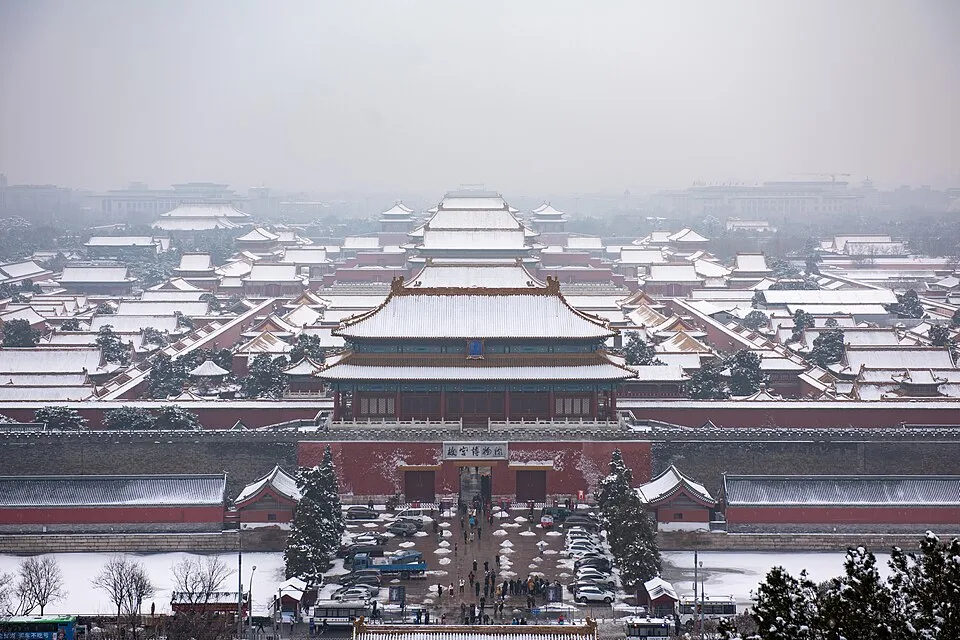
The low season's advantages are real. Crowds are lower than in summer and around National Day, so galleries and squares are not shoulder to shoulder; a snow-covered Palace Museum is a winter-only Beijing picture - golden roofs under snow and red walls against white - a scene no amount of money can buy in high season; when the air is clear, the depth of the central axis and the layers of rooftops read better than in summer; and outside the Spring Festival window, flights and hotels usually have more room for negotiation (subject to live prices).
The costs are equally clear: short daylight means the light starts fading after about 4:30 pm and effective outdoor time is limited; dry cold plus wind makes standing still far colder than walking; vegetation is bare, so purely natural scenery loses its appeal; and after snow the roads ice over and steps turn slippery, raising the effort of getting around.
The deciding test is really one line: if the core of your Beijing list is humanistic and indoor content - the Palace Museum, the National Museum, hutongs, the old city, museums - winter is a good deal; if the core is hiking, boating, flowers and greenery, winter means changing season or changing destination. Also, the winter break is not one uniform stretch - early-to-mid January and the Spring Festival holiday are two completely different traffic tiers, and the closer to New Year's Eve and the first days of the New Year, the higher the crowds and the harder the booking; if your dates are flexible, avoid the three days on either side of the statutory holiday.
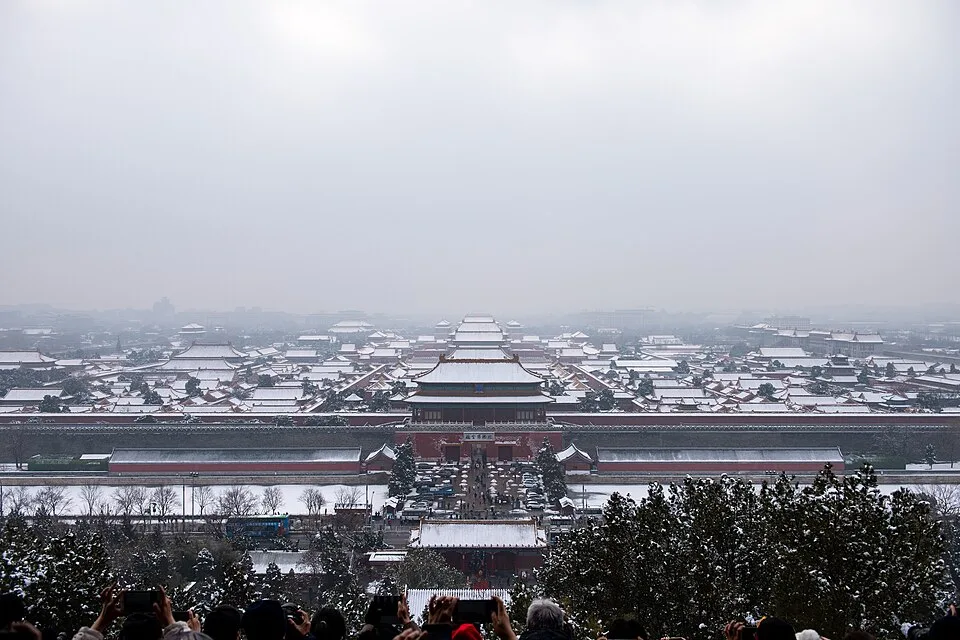
How to walk the Palace Museum central axis without rushing
You do not need to finish the Palace Museum - you need to walk it through. The classic first-visitor mistake is spending ninety percent of your energy on the first three great halls and skimming the rest. The central axis is the spine; the palaces and special galleries on the eastern and western roads are bonuses, to be picked according to your energy.
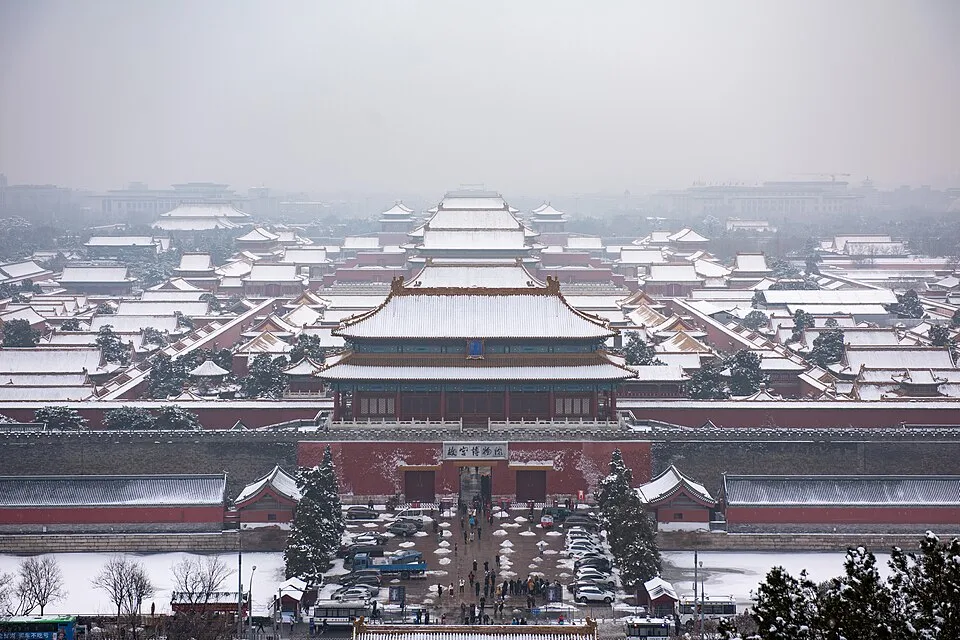
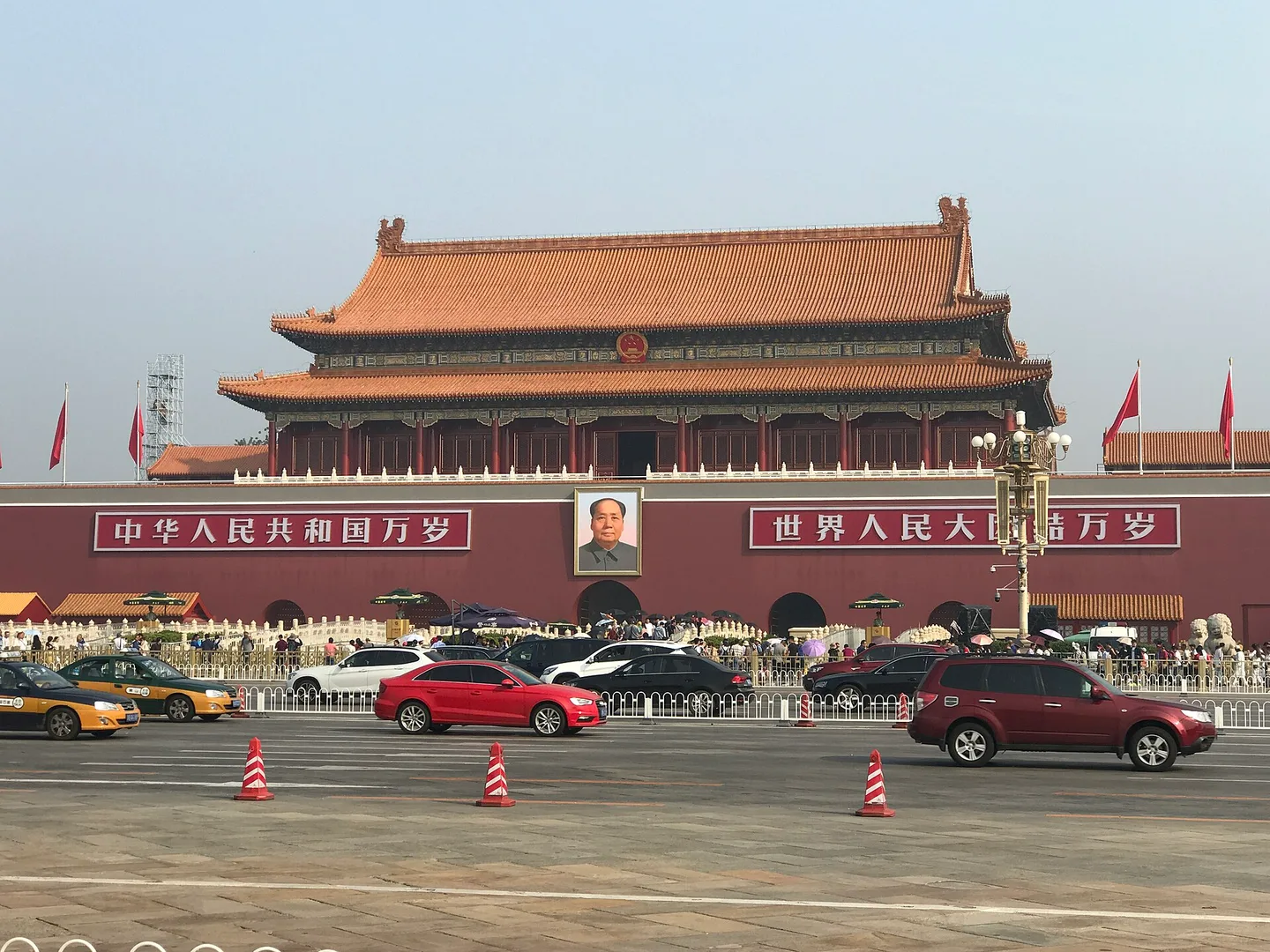
The compact half-day version takes about 3 hours: enter at the Meridian Gate, cross the square before the Gate of Supreme Harmony, pass the Hall of Supreme Harmony, the Hall of Central Harmony and the Hall of Preserving Harmony, continue past the Gate of Heavenly Purity to the Imperial Garden, and leave through the Gate of Divine Might. This line walks the complex through once, from the main front gate to the north gate, at a controllable pace, so you will not be frozen through in winter. The relaxed full-day version takes about 5-6 hours including rests: on top of the route above, add one of the eastern or western roads - for example the special galleries and displays around the East Six Palaces, or the West Six Palaces and the Cining Palace area - and schedule an indoor rest mid-route. In winter it is strongly advisable to write indoor warming stops into the route rather than waiting until you are too cold to take it and then hunting for somewhere.
Three small tricks if you do not want to rush: pick up a map or the official guide on entering and circle what you plan to see, allowing yourself to drop the rest; do not linger in front of any one hall shooting wide scenes for a long time - save the panorama for Jingshan; and with so many steps and thresholds, take your time going up and down, and hold the handrails after snow. As for special galleries such as the Treasure Gallery and the Clock and Watch Gallery and current special exhibitions - whether they are open and whether they need separate booking follows the latest official announcements. If there is a particular exhibition you badly want to see that day, confirm its location and status on entering so you do not cross the whole complex and find it closed.
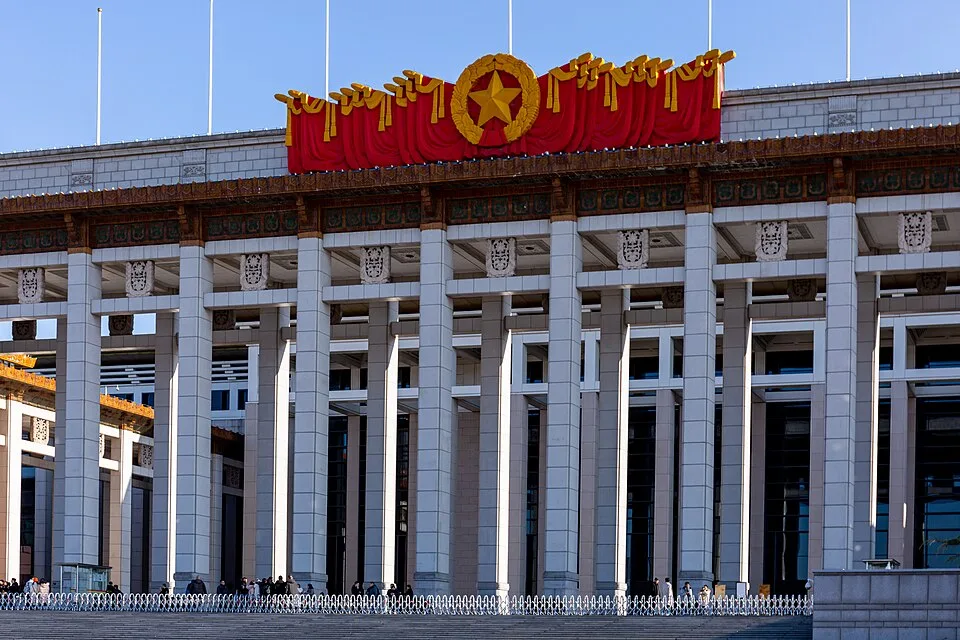
How to choose galleries for a half day at the National Museum
In half a day (about 3 hours) do only two things: one main thread plus one special topic. The National Museum is enormous, and trying to see all of it in half a day will only turn your visit into a jogging tour.
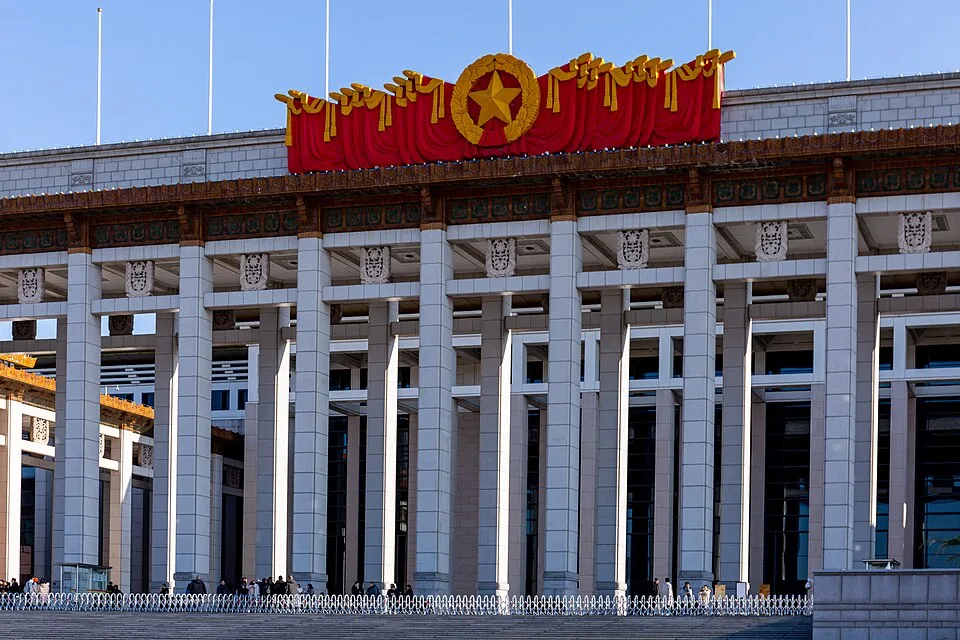
The main thread is the 'Ancient China' general-history exhibition, the museum's core: it traces the flow of artefacts in chronological order from antiquity through the Ming and Qing dynasties and suits a first visit as the backbone. Give it about 2 hours, moving at the pace of the dynasties without stopping before every object. For the remaining hour, pick the current thematic display closest to your interest - porcelain, jade, bronzes, coins, calligraphy and painting, or Buddhist sculpture, for example. Which galleries are showing and on which floor follow the museum's current exhibition notices and official announcements.
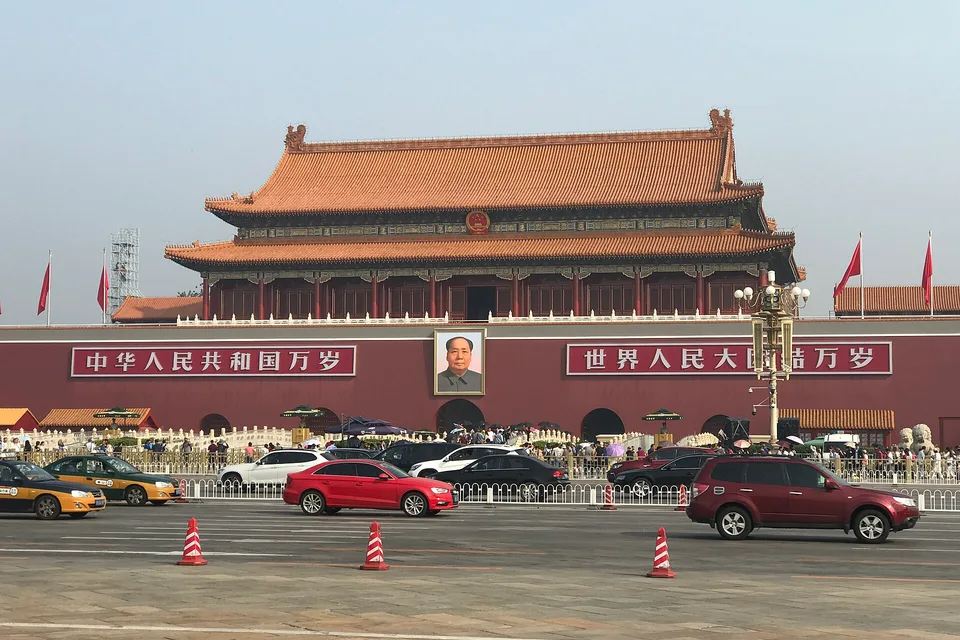
On the trade-off: people with a genuine interest in history and artefacts who are willing to read the labels will find the National Museum worth more than half a day; if you are only accompanying a companion and interest is moderate, half of 'Ancient China' plus one thematic exhibition is a more realistic plan. On the logistics, allow 20-30 minutes for entry security and the cloakroom - more in winter with extra clothing; the galleries are far apart on foot, so wear comfortable shoes; and the museum has rest areas and drinks points, with exact locations following the on-site guidance of the day. The National Museum belongs to the same walkable zone as Tian'anmen Square and Qianmen-Dashilan, so it can share a day with them as morning and afternoon halves - but do not squeeze it into the same day as the Palace Museum.
Snow-photo spots: the corner towers, the rooftop sea and the moat
First, the premise: snow scenes are a matter of luck, not something you can arrange. Beijing gets a limited number of snowfalls in winter, and after snow the visibility, opening status and crowds all shift; the prerequisite for capturing snow is always that the tickets are booked and the museum is open.
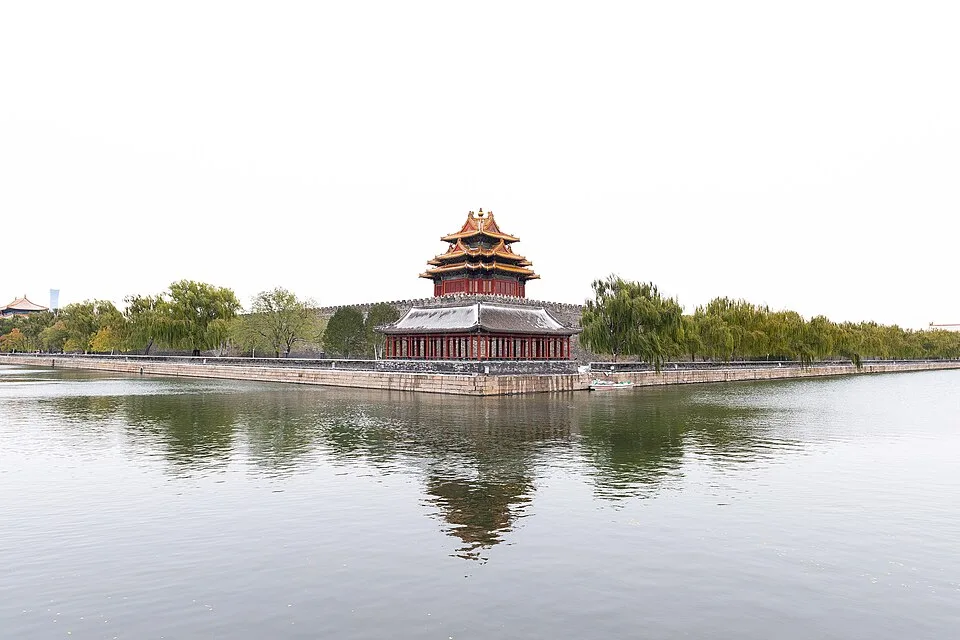
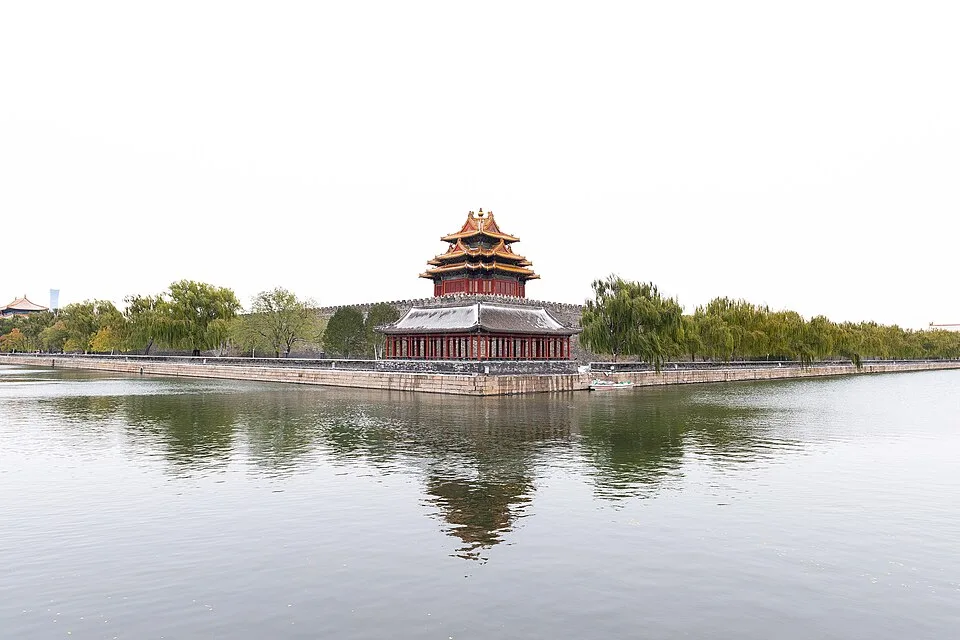
The most classic spot for the 'rooftop sea' is the high point of Jingshan Park, north of the Palace Museum (around Wanchun Pavilion), which overlooks the whole central axis, with the layers of rooftops at their clearest after snow. Jingshan Park has its own separate ticket and independent opening hours; whether booking is required follows the official announcements. In winter the sun sets early, so work backwards from the official time for climbing the hill rather than queuing only after you leave the Palace Museum. As for the corner towers, the watchtowers at the four corners of the Forbidden City are all among Beijing's most recognisable snow-photo subjects; the north-west corner tower, because it can frame both the tower itself and the moat water in one shot, is widely considered the best - and when the water has not fully frozen over after snow you can even catch a reflection. The bank is slippery, so set the tripod firmly.
Spots inside the walls also work: the red walls and golden roofs around the Meridian Gate, the Gate of Supreme Harmony square and the Imperial Garden look wonderful after snow, but tourists are many, so a mid-to-long telephoto that compresses the space helps you avoid the crowds; indoor exhibition halls are dimly lit, so raise the ISO or look for side light by the windows. On timing and gear: the light is cleanest on a clear morning right after snow, while in the afternoon the snow begins to melt and black tiles show through the rooftops; cameras and phones drain fast in low temperatures, so keep spare batteries close to your body, and pair thin touchscreen gloves with a thicker outer layer.
Indoor fallbacks for extreme-cold and windy days
The test is simple: when the forecast shows a cold wave, high winds or a very low feels-like temperature, swap the day's big outdoor stops wholesale for indoor content rather than toughing it out. Beijing's indoor resources are easily enough to fill a whole day.
Fallback one is a museum line. Besides the Palace Museum and the National Museum, Beijing has many more museums and galleries to choose from - the Capital Museum, the National Art Museum of China, the Beijing Museum of Natural History, the China Science and Technology Museum and the Beijing Planetarium, among others. Their booking rules, open days and opening hours all differ, and winter-break places are equally tight, so follow the latest announcements from each institution's official channels and simply go to whichever you can book. Fallback two is in-museum warming points: both the Palace Museum and the National Museum have rest areas and places for drinks and light meals, with locations and hours following the day's on-site guidance - treat them as heating stations on the route and go inside to sit for 15 minutes every 1.5-2 hours, which works far better than pushing on until your hands and feet go numb. Fallback three is shops and districts: the malls, bookshops and restaurants around Qianmen-Dashilan and Wangfujing are a bad-weather safety net and also suit the hours after dark. Fallback four is evening indoor performances and experiences, with exact shows and ticketing following the organisers' official announcements.
Two firm reminders: on extreme-cold days do not schedule the pre-dawn flag-raising - that long motionless wait is a hard test of cold tolerance; and after snow the steps, city bricks and lake shores are slippery, so your soles must have grip.
Two structures: 2-3 days and 5 days
Three core principles: the Palace Museum is the anchor day, the National Museum is the movable piece, and a flex day must be kept.
The tightest 2-day version: D1, Palace Museum morning session, walking the central axis on the compact half-day route, then up to Jingshan after the Gate of Divine Might depending on energy and light, and Qianmen-Dashilan in the evening; D2, a half day at the National Museum plus Tian'anmen Square and the surrounding walk, with the afternoon kept flexible or for departure. This version assumes you have already booked Palace Museum tickets and does not insist on snow scenes.
Recommended 3-day version: D1, arrive and cover the Tian'anmen Square area and Qianmen, then an early night; D2, the Palace Museum anchor day at the relaxed full-day pace, deciding after leaving whether to climb Jingshan for sunset depending on the light; D3, a half day at the National Museum plus a walk through the hutongs around Shichahai or one art gallery, departing in the afternoon. If snow happens to fall, slot Jingshan and the corner towers into the D1 evening or D3 early morning.
The relaxed 5-day version: add two days to the 3-day skeleton - one day for the Great Wall (choose a low-wind day; cable-car and opening status follow the site's on-the-day notices), one day for the Summer Palace or the Temple of Heaven plus a museum, and keep a flex day to absorb museums you could not book, ruined weather and points you want to revisit. The value of 5 days over 3 is not extra sights but margin for error - what the winter break most fears is tickets and weather failing at the same time. On sequencing, put the Palace Museum on the second day rather than the first to give the arrival day a buffer, and put the National Museum after the Palace Museum so the grand scenes come first and the object-level detail second, which reads more smoothly.
Who should not come to Beijing in winter
Clearly not recommended: people who tolerate cold poorly, have respiratory or cardiovascular conditions, or whose doctors advise against long outdoor activity in cold weather. The pre-dawn flag-raising and the Great Wall are long outdoor commitments in winter - for them a genuine burden, so do not burn out your health for a photo check-in.
Needing careful arrangement: those with limited mobility and older travelling companions. The Palace Museum has many thresholds and steep steps, snow leaves the paths slippery, and the National Museum's galleries are far apart on foot; such companions are better off centring the trip on indoor galleries and neighbourhoods where you can sit and rest, halving the daily walking target and allowing more time getting in and out of venues.
Expectations needing adjustment: if you are coming for seas of flowers, greenery, water activities or long hikes, winter is not Beijing's strength, and the same budget would buy a completely different experience in south China, Yunnan or Hainan. If you simply want to see the Palace Museum but fear the cold, shift the trip to early November or around March, when temperature and crowds are more balanced; if your holiday can only fall in Spring Festival, accept the premise of big crowds and hard bookings, allow even more lead time for reservations, and cut the daily list down another notch.
Wrapping up
To compress this guide into a few lines: on a winter-break visit to Beijing, booking is the axis of the itinerary, not an administrative chore - book the Palace Museum first to fix the anchor day, then arrange the National Museum and the other points in the same district, never squeeze both museums into the morning and afternoon of the same day, and use only official channels all the way, trusting no markup 'guaranteed ticket' offers; in winter dodge the three traps - Monday closures and temporary adjustments around Spring Festival, shorter low-season opening and last-admission times, and last-minute notices after snow, wind and the like; on the routes, at the Palace Museum aim to walk through rather than walk everything, a National Museum half day equals 'Ancient China' plus one thematic exhibition, and for snow photos set your sights on the Jingshan rooftop sea, the north-west corner tower and the moat - but the snow itself is a matter of luck; on extreme-cold and windy days switch decisively to indoor fallbacks, and the difference between 2-3 days and 5 days is mainly margin for error rather than the number of sights; travelling companions who feel the cold, have underlying conditions or limited mobility need both expectations and daily walking distance scaled down.
For the record, 0765trip currently has no published route product in Beijing, and this guide is written entirely at a self-guided pace that you can follow directly. If you would like the booking order, the trade-offs between the Palace Museum and the National Museum, and the weather fallbacks refined into a version around your specific travel dates - or want to learn about other destinations better suited to winter travel - you are welcome to submit your requirements through theContact Uspage and discuss the details with a travel consultant. What makes a winter-break Beijing most worth looking forward to is often not any single point on the list but those few minutes when the rooftops join into one stretch of snow after a fall, or that moment in a gallery when you meet an object face to face - loosen the itinerary, and these moments have room to happen.
One final reminder: all the booking rules, ticket-release times, opening hours, closure days and ticket policies in this article may change, so before you travel follow the latest official announcements from the Palace Museum, the National Museum of China and each relevant venue. Readers travelling with seniors or children should slow the pace down another notch, and set the daily walking distance and outdoor time by the weakest member of the party. May you walk out, between the Palace Museum's red walls and golden roofs and the National Museum's galleries, a winter itinerary that is neither rushed nor frozen.