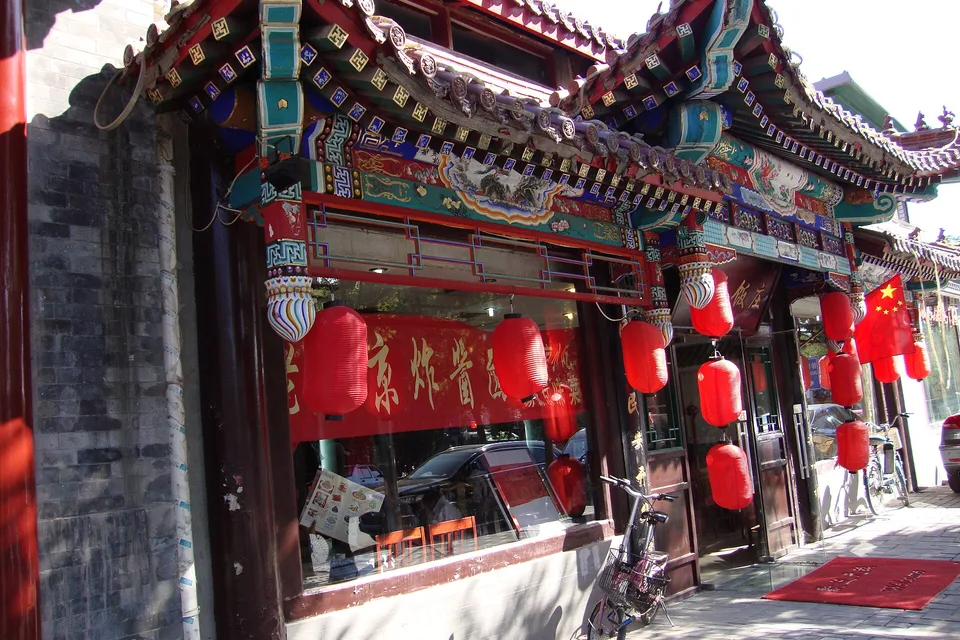
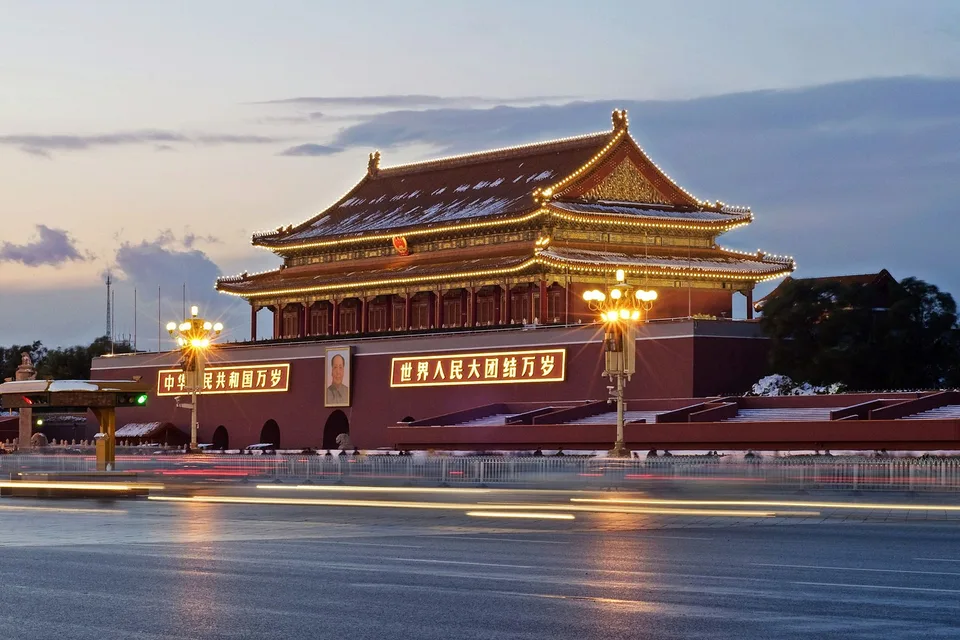
How do you choose among Beijing's Spring Festival temple fairs and avoid the worst crowds - the Ditan, Changdian and Longtan fairs among the imperial-city festive spots - what time of day is quieter, and what pace suits which kind of visitor?
For a Beijing Spring Festival, temple fairs are where the festive mood concentrates. The short answer: to experience a large-scale fair inside an imperial park, choose Ditan; for a bookish old-street festive atmosphere, go to the Changdian fair around Liulichang; for fair-side scenes around landmarks such as the Temple of Heaven or Yonghe Temple, pick whatever is nearest your accommodation. The choice itself is simple, but enjoying it depends on dodging the crowds: fair traffic typically peaks between 10 am and 3 pm, so seasoned visitors either enter when the gates open or go in off-peak at two or three in the afternoon and stay until the lanterns come on. This guide is for people coming to Beijing over Spring Festival for the festive flavour: it aligns the three mainstream fairs - Ditan, Changdian and Longtan - then gives crowd-dodging rhythm and ticket reminders. Fairs' opening dates, prices and stall arrangements change every year, so follow the latest announcements from the organisers and scenic areas; this article was prepared in September 2026 for the winter / Spring Festival 2026-2027 window.
If it's your first Spring Festival in Beijing, treat the temple fair as a "gateway to the new year" rather than the centrepiece of your itinerary: half a day, or one morning or afternoon, one main temple fair plus a market that's on the way, matched with an evening of red lanterns around the Forbidden City or Lama Temple — that balances festive atmosphere with a relaxed sightseeing pace. The sections below follow this logic: first pick the right temple fair, then enjoy it fully while dodging the peak.
If you want a grand temple fair in a royal garden, is Ditan (the Temple of Earth) the right choice?
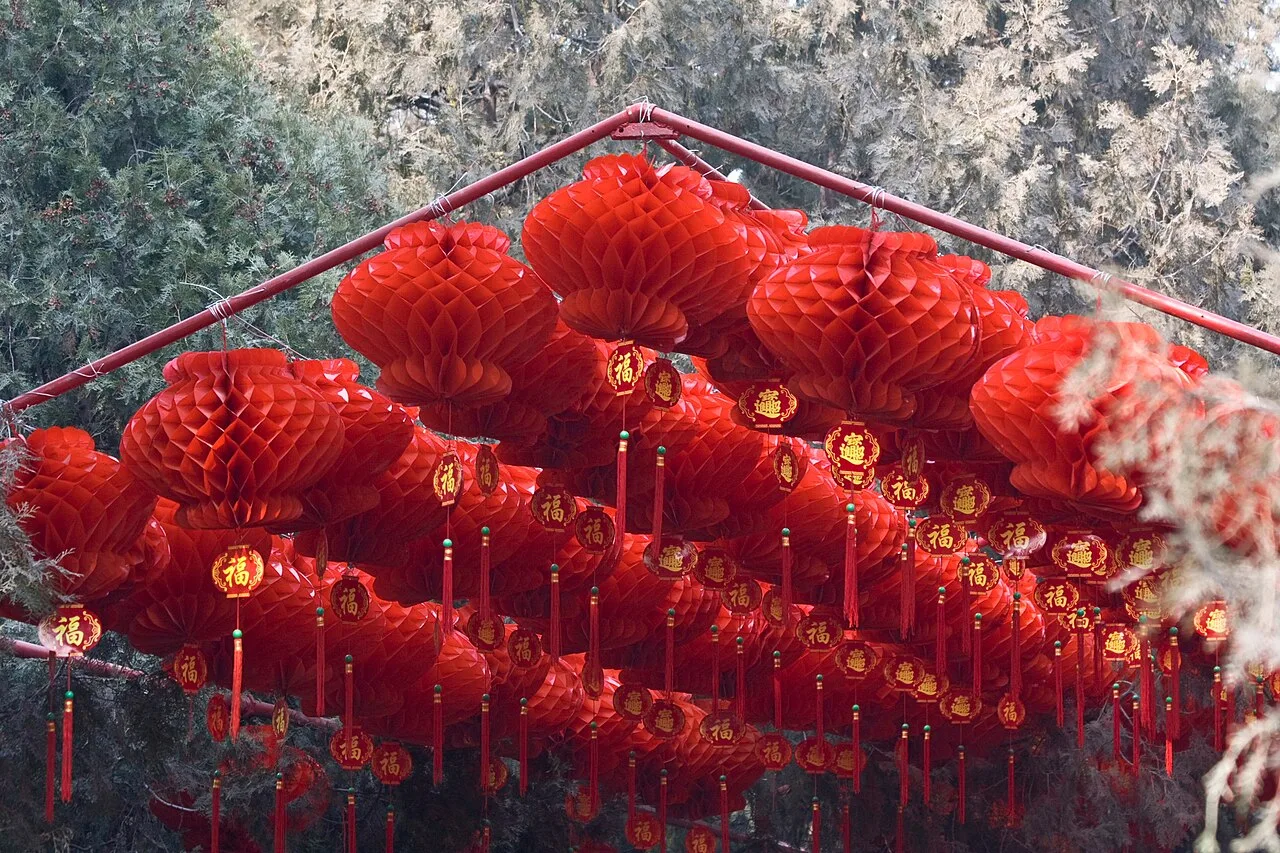
Ditan (the Altar of Earth) takes its name from the Ming-Qing imperial earth-sacrifice ceremonies, and the fair held there every Spring Festival is one of Beijing's biggest and most celebrated. Red lanterns hang in front of the Fangze Altar, and folk performances, Beijing snacks and craft stalls line the main avenues, with lanterns strung in rows - the festive mood at its richest. Who it suits: first-timers making a special trip to experience a 'Beijing temple fair', people who love lively folk scenes, and families bringing children to the folk stalls. Ditan sits beside the Second Ring Road and is reachable by metro, so a day trip is easy. The fair usually runs capacity control and real-name booking, and tickets can be bought in advance through official channels; exact opening hours and booking methods follow Ditan Park's latest official announcements.
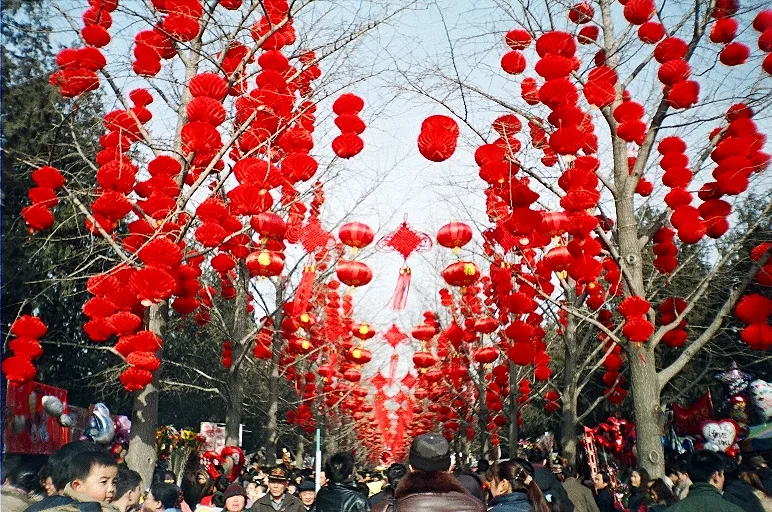
Looking for old-town new-year atmosphere with a scholarly touch — how about the Changdian fair?
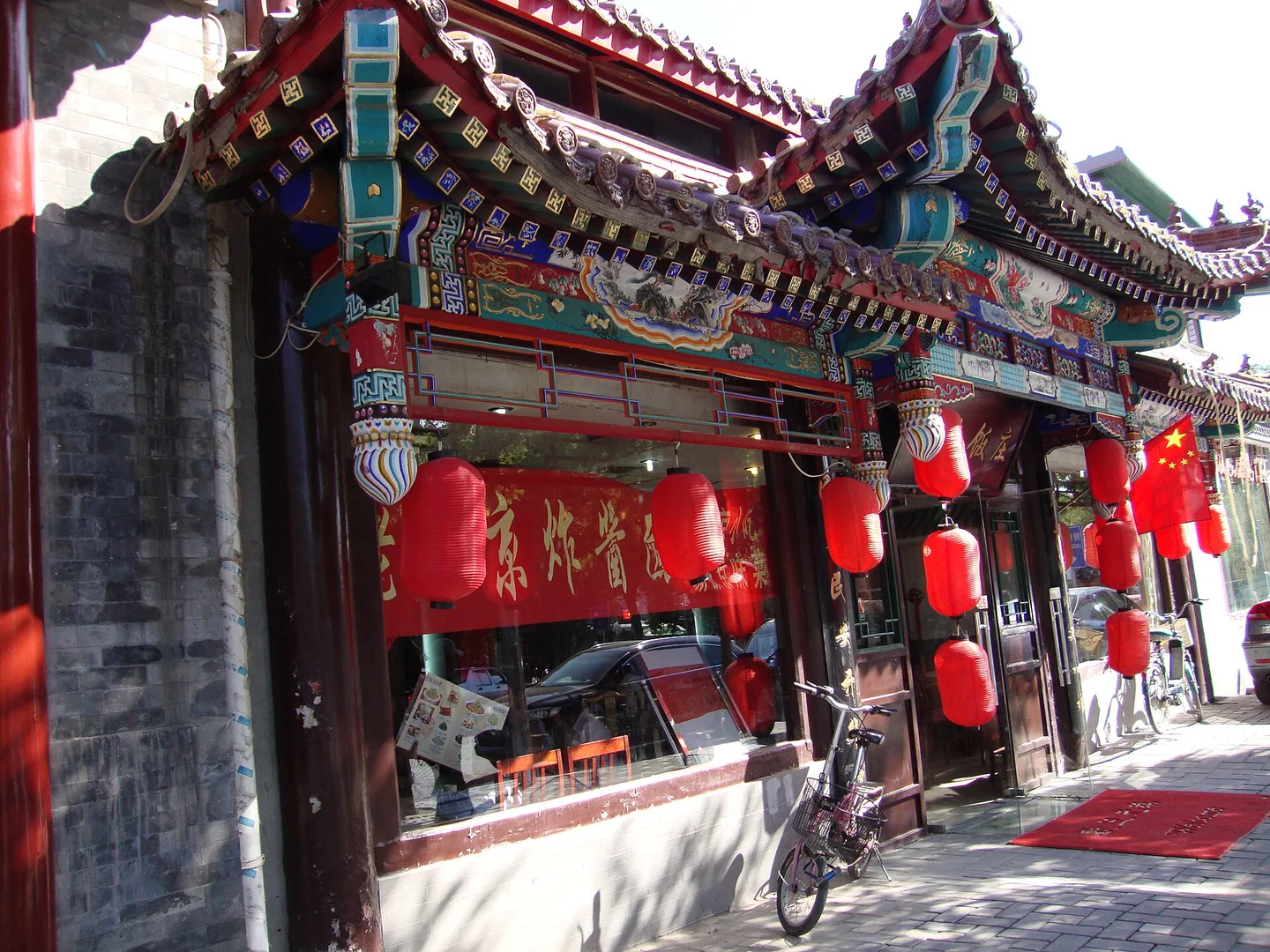
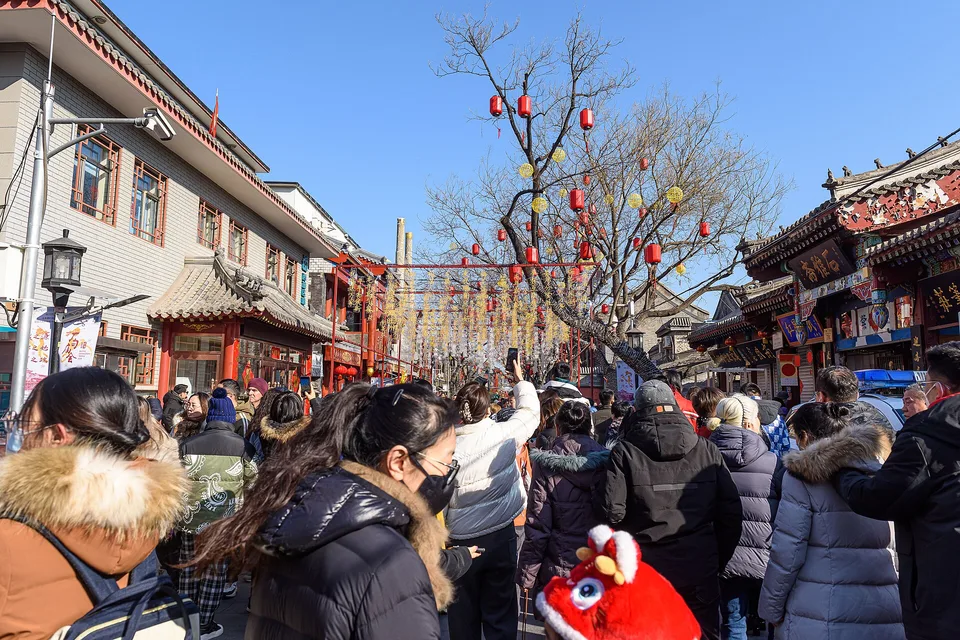
The Changdian fair is woven together with the Liulichang old book-street quarter, and its atmosphere differs from a park fair: it centres on traditional New Year pictures, couplets, antiques and second-hand books and traditional snacks, with crowds flowing along the lanes and the festive look carried by the streetfronts. It suits people who like a cultural flavour and want to browse the hutong bookshops along the way; near Liulichang you often see visitors in traditional dress. The Changdian fair takes a street form and in recent years usually opens during the Spring Festival holiday; exact dates, the stall area and capacity arrangements follow the latest official announcements. The lanes are narrow, so entering and leaving at peak times is crowded; if you want to browse slowly, go on a weekday morning or near closing in the early evening, off-peak.
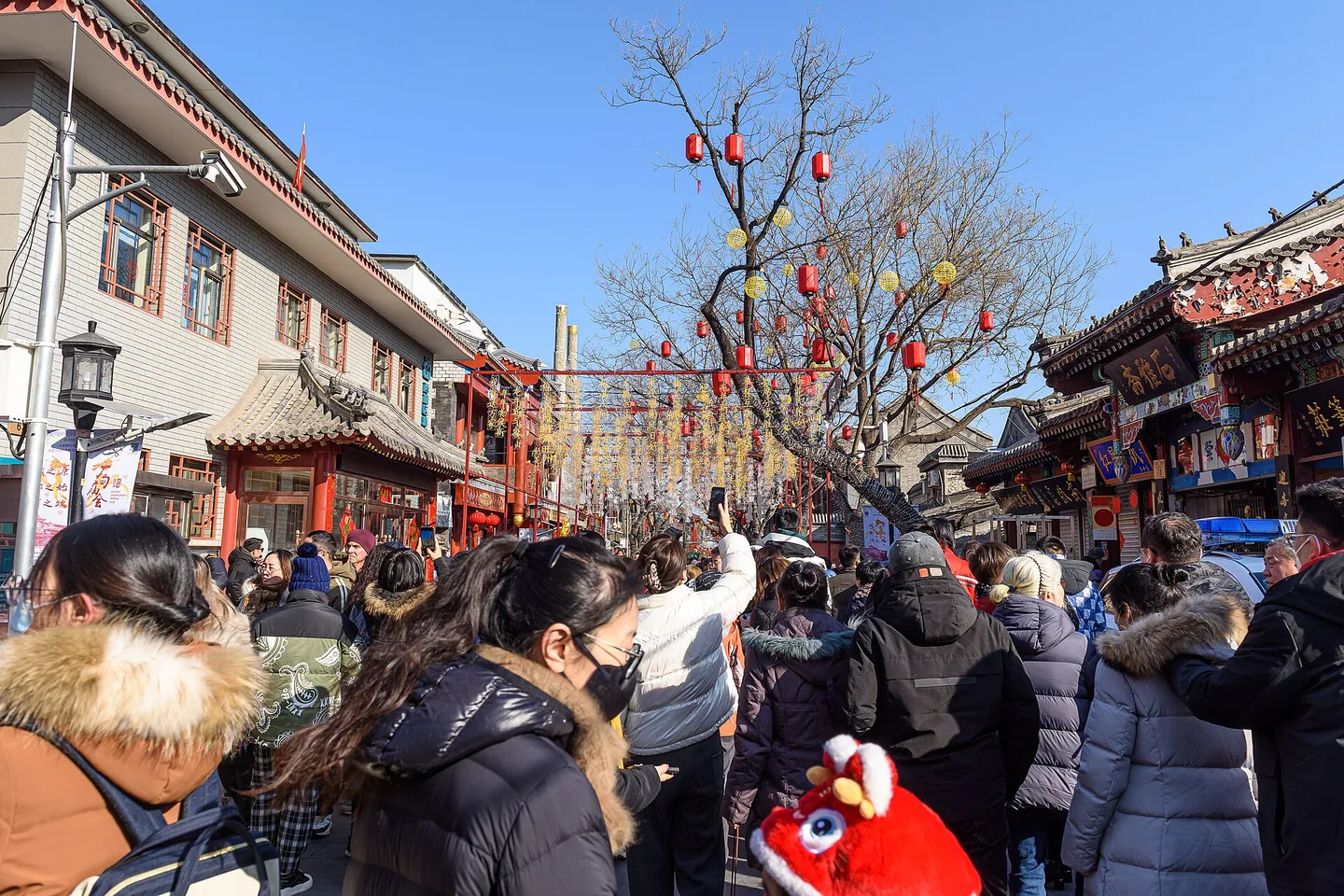
For families with children, which other temple fairs can you choose from?
Besides Ditan and Changdian, Beijing runs several more fairs and garden parties over Spring Festival. Longtan's fair excels at amusement rides and performances, suiting families with slightly older children; other parks and shopping districts in the east of the city also set up New Year markets. The core principle for choosing is not 'which is most famous' but which fits your accommodation and the day's route: Beijing's transport is under heavy pressure during the holiday, and crossing the city for a single fair often costs more energy than the fair itself. Most fairs publish their venue and session arrangements through official channels before the festival; before you set out, simply check the destination, opening hours and whether booking is required.
At what times are the crowds relatively smaller?
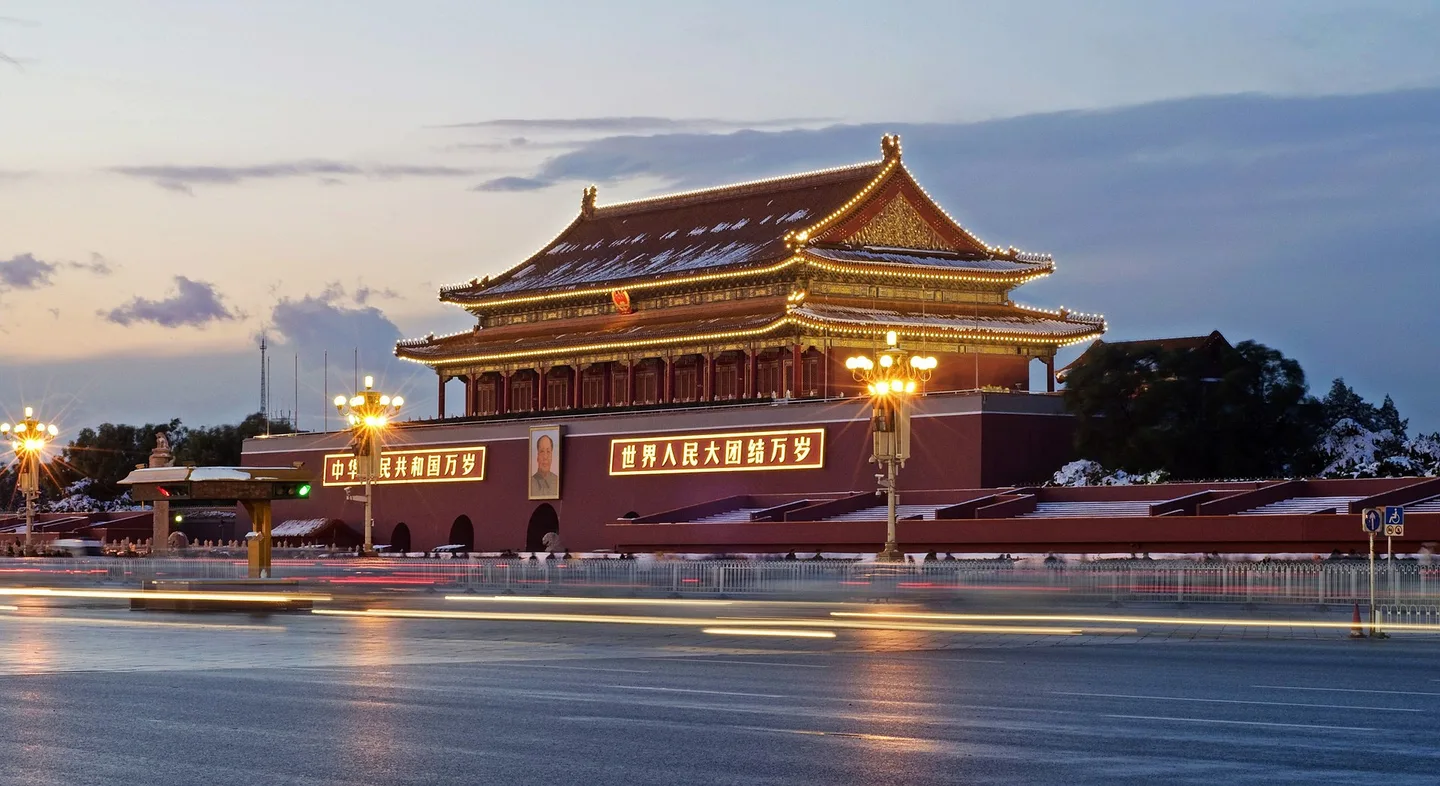
Three practical ways to avoid the crush: first, enter when the gates open and finish the main avenue before 10 am; second, eat and browse at off-peak times - noon to 2 pm is usually the longest queue window; third, string the fair together with the day's landmarks into one line: browse Ditan in the morning, see the hutong red lanterns around Yonghe Temple or Nanluoguxiang in the afternoon, and watch Tiananmen Square's lights at night. Beijing's winter days end early and run cold, so schedule what you most want to browse in the warm daylight hours and finish with lights and dinner in the evening. A few travel reminders: since you will be outdoors a long time in winter, dress for the coldest standard and carry hot water; queues for the metro and sight security checks run long during the holiday, so allow more travel time than usual; travelling with seniors or children, agree on a meeting point, bathroom locations and a plan if separated; open-air performances and parades are often affected by weather and may be adjusted on the spot for strong wind, rain or snow, per the on-site notices.
Wrapping up
To gather this guide's points together: Beijing's Spring Festival temple fairs are not about whose name is biggest but about matching the right one to you - for a grand scene in an imperial park choose Ditan, arriving at opening or off-peak, then take in the red lanterns of Yonghe Temple and Nanluoguxiang; for a bookish old-street festive flavour, go to the Changdian fair around Liulichang; and families with children can keep a rides-focused fair such as Longtan in reserve. In a three-to-five-day holiday, one morning or afternoon for a temple fair is enough; give the rest of the time to the Forbidden City, the Great Wall and the hutong streets, and the festive flavour becomes more three-dimensional. Re-check all opening dates, tickets and capacity information through official channels about a week before you travel before finalising the plan, since the holiday arrangements change especially often.
0765trip does not yet run a fixed group-tour product in Beijing, so this guide is written at a self-guided pace that you can follow directly. If you would like the temple fairs, the Forbidden City and the Great Wall reordered into a more detailed version around your travel dates, companions' ages and accommodation - or to learn about Spring Festival destinations beyond Beijing - please submit your needs through theContact Uspage, and a travel consultant will tailor a plan to your window. What a temple-fair visit is really about is that rush of liveliness and red-hot atmosphere: get the timing right and keep expectations level, and the imperial city's festive mood will settle naturally into your memories.