A 13-day route from Lhasa through Mount Everest, Mount Kailash, Guge, Pangong Lake and the Qiangtang lakes and back to Lhasa, focusing on daily rhythm, high-altitude acclimatisation, lodging trade-offs and pre-departure verification.
The key to the 13-day Northern Ali route is not filling the sight list but first judging whether you can handle consecutive long drives, high-altitude lodging and changing road conditions. This reference route starts in Lhasa, heads west through Yamdrok Lake, Mount Everest, Lake Manasarovar and Mount Kailash, enters Zanda, Shiquanhe and the Qiangtang heartland, and finally returns to Lhasa via Seling Lake and Namtso. The density of snow mountains, lakes, ruins and wilderness is high, at the cost of a tight rhythm and long drives that demand physical condition and on-the-spot adaptability.
The Northern Ali route is no ordinary "check-in tour"; it is more like a comprehensive test of stamina and mindset: the scenery differs every day and so do the uncertainties. The most worthwhile thing before departure is not studying sight photos repeatedly but honestly answering three questions: can you sit in a car for many consecutive days, can you sleep well above 4,000 m, and are you willing to accept itinerary adjustments when roads close or you feel unwell. If the answers are all yes, this route will give you an unrepeatable wilderness experience; if one gives you pause, shortening the route or adding buffer days is worth more than pushing through stubbornly. Below is the day-by-day route breakdown, plus the places most prone to errors — high altitude, lodging, documents and vehicles.
First judge whether this route suits you
This is no holiday route built around hotels and leisure. Apart from towns such as Lhasa, Shigatse and Shiquanhe, some lodging options along the way are limited; after entering Rendo, Coqen and Wengbu South Village areas, supplies and accommodation decline further. Most driving days in the reference materials are about 5 to 9 hours; actual arrival times may change due to weather, road maintenance, checkpoints and sightseeing stops.
If you value highland lakes, wilderness scale and historical ruins, and can accept early departures, long rides and simple lodging, this route deserves careful preparation. If you expect to wake naturally every day, arrive at fixed times, stay in high-standard hotels throughout, or plan to catch a flight immediately after returning to Lhasa on day 13, then shorten the route, add buffer days, or choose a more concentrated option such as the Southern Ali route.
How the 13-day route unfolds
The materials list a total road distance of about 4,000 km, but a few days' overviews and detailed descriptions differ by about 10 km, and some pages clearly omit content. Below we follow the station order; all distances are planning references only, not arrival-time promises.
Day 1: Assemble in Lhasa
After arriving in Lhasa, focus on rest and acclimatisation; do not pack the city sights too full. Lhasa sits at about 3,650 m; the materials advise reducing strenuous activity, avoiding alcohol and ensuring rest that day. If time is ample, a nearby stroll is fine within your energy, but do not extend activity time just to "not waste day one."
Day 2: Lhasa - Yamdrok Lake - Karola Glacier - Shigatse
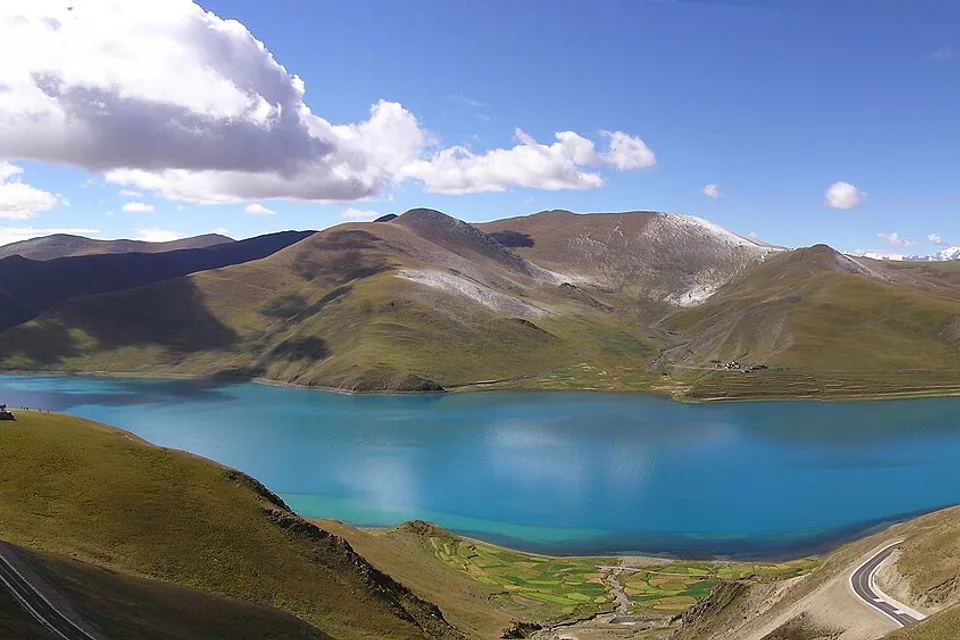
Reference distance about 350-360 km, with the materials estimating about 6 hours of driving. That day follows the Lhasa River and the Yarlung Tsangpo toward high-altitude passes and lakes, with main stops at Yamdrok Lake and the Karola Glacier, staying overnight in Shigatse. Tashilhunpo Monastery is listed in the original materials as an optional item after arrival; whether it can be arranged depends on that day's departure time, opening status and energy — do not assume it will happen.
Day 3: Shigatse - Tingri - Mount Everest area
Reference distance about 380 km, with the materials estimating about 8 hours of driving, entering the Everest area via Gyatso La pass. The original materials are inconsistent on lodging, listing Rongbuk Monastery, Basong Village or Tingri as different options; the main text mentions prioritising Basong Village while also saying "stay overnight at Rongbuk Monastery." Do not rely only on the marketing page — before signing, confirm item by item the actual lodging location, room type, heating, private bathroom and night altitude.
Whether Everest appears clearly depends on cloud cover and weather; no itinerary can guarantee a full view of the peak. Lodging altitude is also the day's most important trade-off: staying closer to the scenic area reduces backtracking but usually burdens the body more; returning to lower ground is safer but adds driving.
Day 4: Everest area - Shishapangma views - Paiku Lake - Saga
The overview table says about 330 km while the detailed page mistakenly says 30 km; combined with the about-7-hour drive, treat it as a long-distance driving day. The day's highlights shift from Himalayan snow peaks to the Paiku Lake area, staying overnight in Saga. Whether roadside viewpoints can be visited and for how long depends on that day's road conditions and physical state.
Day 5: Saga - Lake Manasarovar - Mount Kailash - Darchen
Reference distance about 460 km, with the materials estimating about 8 hours of driving — one of the longer days of the whole route. The route passes Zhongba and Payang into the sacred-mountain-and-lake area, offering views around Lake Manasarovar, Lake Rakshastal and Mount Kailash, staying overnight in Darchen. The original 13-day plan does not include a Kailash kora (circumambulation); if a full kora is the goal, extra days must be added and stamina, lodging and support re-assessed — it cannot be squeezed into that day's sightseeing.
Day 6: Darchen - Zanda Earth Forest - Tholing Monastery - Zanda
Reference distance about 240 km, with the materials estimating about 5 hours of driving. The itinerary turns from the sacred-mountain area into the Sutlej River valley and the Zanda Earth Forest, staying overnight in Zanda county town. The earth forest's look is greatly affected by light, but delaying arrival to wait for sunset also increases night-driving risk — safety should come before photography timing.
Day 7: Zanda - Guge Kingdom Ruins - Donggar Piyang - Shiquanhe
Reference distance about 330 km, with the materials estimating about 6 hours of driving. The day centres on ruins and murals, visiting the Guge Kingdom Ruins and the Donggar Piyang cave complex before heading to Shiquanhe. Site and monastery visits should follow on-site photography, relic-protection and religious-etiquette requirements; whether the mural caves are open, and the open scope and visiting method, follow that day's announcements.
Day 8: Shiquanhe - Ritu - Pangong Lake - Shiquanhe
Reference distance about 290 km, with the materials estimating about 6 hours of driving, returning to Shiquanhe after a same-day round trip to Pangong Lake. Pangong Lake lies in a border area; documents and checkpoint arrangements must be settled in advance. The lake area is a wild-bird habitat — stay on open roads and designated areas, do not chase or feed the animals, and do not drive into pastures to get closer.
Day 9: Shiquanhe - Xiongba - Yare - Rendo
The reference materials write about 320 km and 330 km respectively, with about 8 hours of driving expected. From this day the route enters more remote stretches of the Northern Ali line: supply points thin out, and gravel roads, washboard roads and temporary detours can all lengthen the drive. Before setting out, replenish water, portable food and common supplies in Shiquanhe, confirm the vehicle's condition and backup plans, and stay overnight in Rendo.
Day 10: Rendo - Lakes and salt-lake stretch - Coqen
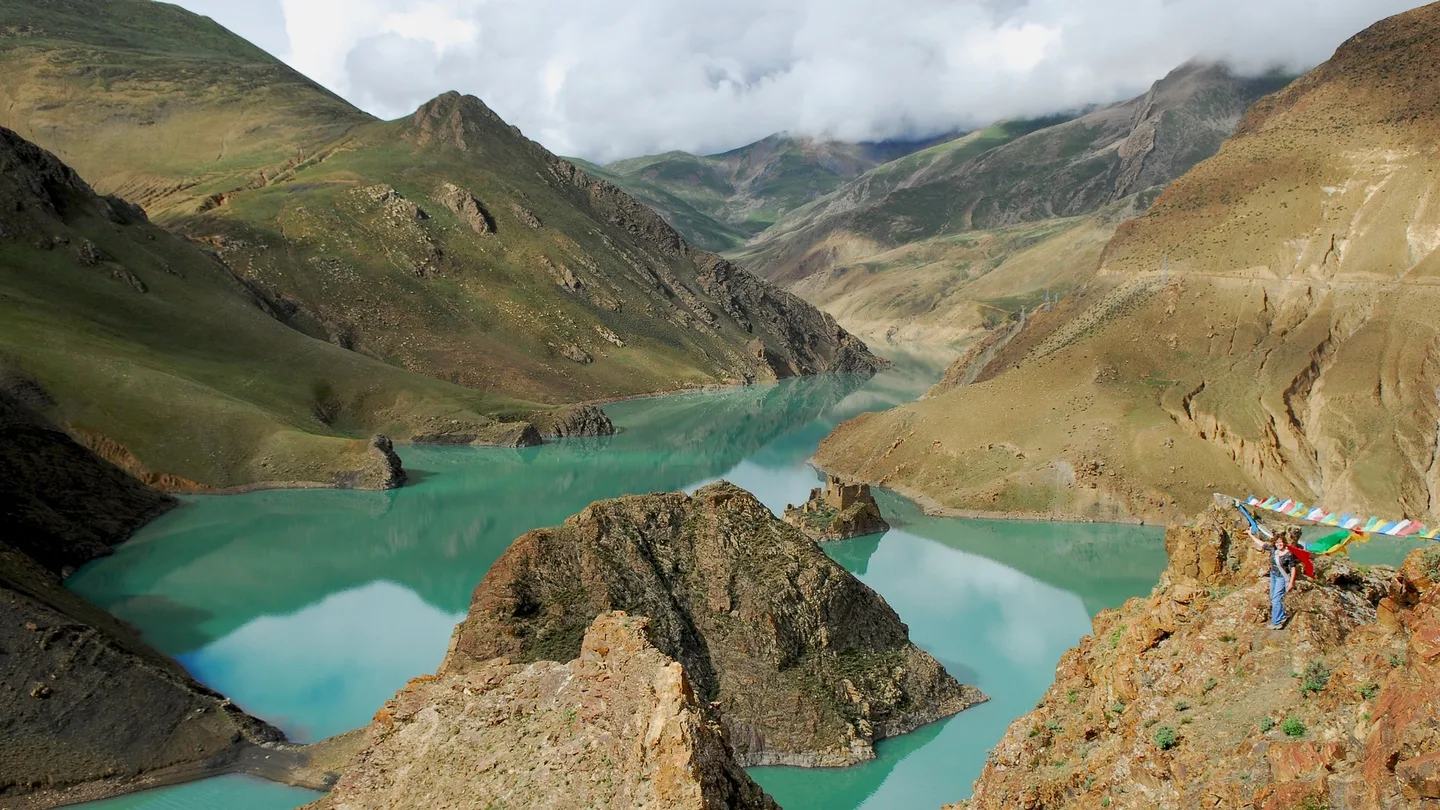
The overview route lists Rendo, Zabuye Salt Lake, Dawa Lake and Coqen, at a reference distance of about 290 km and about 7 hours of driving; the detailed description mainly mentions Ringqing Xiu Bu Lake and Zabuye Salt Lake without expanding on Dawa Lake. The two versions' stops do not fully match; confirm the final route in the departure notice and do not treat every lake as mandatory. Stay overnight in Coqen; the materials note the county town sits at about 4,600 m.
Day 11: Coqen - Zhari Namtso - Dangra Yumtso - Wengbu South Village
Reference distance about 330 km, with the materials estimating about 9 hours of driving. The day passes great lakes and wilderness, finally reaching Wengbu South Village on the shore of Dangra Yumtso. The original materials clearly warn that local lodging is simple with limited meal options; when consulting, confirm whether hot water, heating, a private bathroom and normal meals are available that night, and prepare one portable meal as backup.
Day 12: Wengbu South Village - Wengbu North Village - Nyima - Seling Lake - Baingoin
Reference distance about 340 km, with the materials estimating about 8 hours of driving. The route passes Dangqiong Lake, Wengbu North Village and Seling Lake toward Baingoin, with several more lakes of various sizes possible along the way. When meeting wildlife such as Tibetan antelope, keep your distance, do not ask the driver to chase for photos, and do not leave the open roads.
Day 13: Baingoin - Sacred Elephant Gate - Namtso - Lhasa
Reference distance about 330 km, with the materials estimating about 9 hours of driving, returning to Lhasa via Namtso's north shore and the Nagenla pass. The Sacred Elephant Gate's entry, vehicle and ticketing rules have changed several times in recent years; verify through official channels such as "Youzangyou" (Tibet travel) before departure. A June 2026 management notice adjusted the self-driving entry policy while still requiring travel on designated routes and prohibiting entry into unopened areas.
That day also faces the uncertainty of National Highway 109 road conditions and city-entry traffic. The original materials explicitly advise against booking a same-day flight out of Lhasa; the safer approach is adding one night in Lhasa and putting the return ticket on the next day.
High altitude and long rides: what to prepare
The Northern Ali route is no ordinary city trip you "figure out on arrival." Assess your health before departure; if you have underlying conditions, recent illness, or are unsure whether high-altitude travel suits you, consult a doctor first. After reaching the plateau, reduce activity intensity, ensure rest and do not push on while unwell. If obvious headache, chest tightness, shortness of breath or other discomfort appears, stop activity and seek professional help promptly; follow local medical advice for treatment rather than toughing it out.
Gear need not be elaborate, but must cover real scenarios:
layered warm clothing, a windproof outer layer, hat and gloves — even in summer the plateau can have large temperature swings;
sunglasses, sun protection and lip care for strong sun, UV and dryness;
your usual medication, any medicine your doctor advises, and clear emergency-contact information;
drinking water, energy food and at least one portable meal for delays or limited food at remote lodgings;
power banks, car charging cables, tissues and personal hygiene items;
small soft bags or moderate-sized luggage to avoid running out of boot space in multi-person off-road vehicles.
Which terms should be written into the contract before you sign?
This route passes border-related areas including Tingri, Saga, Zanda, Ritu and Gar. A July 2026 advisory from the Tibet autonomous region culture and tourism department requires a frontier pass for border areas, applied for in advance through the "NIA 12367" app or mini-program. The application method, eligible applicants, required materials and regions to fill in may change; follow the latest notices of the public-security and immigration authorities and the licensed travel agency handling the trip.
The reference materials' transport plan is a small off-road vehicle with a driver-guide who provides itinerary reception and simple introductions, not a scenic-area lecturing guide; meals, tickets, sightseeing vehicles, single-room supplements and driver meal allowances are separately specified in the materials. Since prices and scenic-area policies change, this guide does not carry over the materials' quotes. When consulting or signing, at least confirm the following:
the actual vehicle model, legal operating licence, passengers per vehicle and luggage limits;
each night's specific lodging location, room type, heating, hot water and bathroom conditions;
in the Everest area, whether staying in Basong Village, around Rongbuk Monastery or in Tingri;
which meals, tickets, sightseeing vehicles, insurance and driver costs are included in the contract;
how the route will be adjusted and new costs shared when roads close, weather turns, scenic areas shut or someone falls ill;
the insurance's age coverage, altitude limits and exclusions for pre-existing conditions and special activities.
Final checks before departure
Check at least once a week before departure and once on the day before: weather warnings, road access, scenic-area opening, the frontier pass, lodging stops, vehicle and driver information. In summer also watch for heavy rain, mudslides and landslides; in any season, do not enter undeveloped, unopened or unsafe areas.
To customise along this 13-day framework, state in one go at consultation: travel month, group size and age range, departure city, acceptable lodging conditions, whether a single room is needed, whether a Kailash kora is planned, and any health or mobility needs to discuss in advance. This yields an actionable itinerary and accurate quote far more easily than merely asking "how much."
Closing words: do your homework up front, keep your composure on the road
The point of this route is not to tick off a checklist but to get close to this wilderness at a pace that suits you. Over the ten-plus days, snow mountains, sacred lakes, ruins and the Qiangtang lake country unfold in turn — and the denser the scenery, the more it rewards preparation done in advance: whether your health can handle the altitude and the long days in the car, whether permits and paperwork like the border pass are in order, and whether vehicle licensing and the actual standard of each night's accommodation are written into the contract. Confirm all three and you can keep your attention on the landscape. Recheck weather alerts, road access, scenic-area openings and permit arrangements a week before departure and again the day before, then run through the overnight stops, vehicle and driver details one more time — with that certainty under your belt, the road holds no surprises.
If altitude sickness, road closures or a suddenly closed scenic area come up en route, neither push through nor rush: itineraries can be shortened and stops dropped, and safety and how your body feels should never be compromised. Missing one viewpoint is not missing Ali — there are endless lakes and mountains worth stopping for along the way. Doing the homework up front and keeping your composure on the road is the right way to take on this northern line. If you would like to customise this 13-day framework, tell us once — your travel month, group size and ages, departure city, acceptable accommodation standards, whether you need single rooms, whether you plan the Kailash kora, and any health or mobility needs to discuss in advance — and we will put together a more realistic plan.
Sources and timeliness notes: This route and its day-by-day arrangements are compiled from the user-provided 24-page "Ali Northern Line 13 Days" itinerary material. Health, safety, border paperwork and Shengxiang Tianmen (Elephant Gate) management information also draw on the following official sources and must be rechecked before you actually depart:
Tibet Autonomous Region Culture and Tourism Department: Travel safety tips for flood season and summer (https://wlt.xizang.gov.cn/xwzx_69/tzgg/202607/t20260716_550274.html)
Tibet Autonomous Region Culture and Tourism Department: Pre-departure tips for a midsummer visit to Tibet (https://wlt.xizang.gov.cn/xwzx_69/tzgg/202607/t20260706_548816.html)
Shannan City Culture and Tourism Bureau: Tibet frontier pass application and applicable areas (https://www.shannan.gov.cn/zjsn/snly/jzcs/202512/t20251229_162221.html)
Tibet Autonomous Region Culture and Tourism Department: Sacred Elephant Gate scenic area visit management notice (https://wlt.xizang.gov.cn/xccx/lytg/202606/t20260617_546017.html)