Aershan's beauty runs on a clear seasonal clock: green summers, golden autumns and snowy winters. This guide breaks down the Hulunbuir grasslands, birch forests, border roads and Aershan National Forest Park by season, and pinpoints the best golden-autumn window and photography spots.
The name Aershan (Arshan) makes many people picture a single mountain, but it is actually a small border town on the southwestern edge of the Greater Khingan Range, and one of the rare destinations in China where the scenery itself defines the season. In summer the Hulunbuir grassland rolls green and wide, with reindeer tucked among the birch forests; from mid-to-late September into early October the grassland is gilded with autumn colour, birch leaves glow gold in the sunlight, and the volcanic crater lakes mirror the autumn sky — that short window alone is why people fly thousands of kilometres to get here. Winter is a quieter, snow-draped stillness, while spring arrives last of all.
So the answer to "when is Aershan most beautiful" depends on whether you want the richness of golden autumn, the vastness of high summer, or the snowfields of winter. This guide splits the route by season: when the Hulunbuir grassland leg (in and out of Hailar) and the Aershan forest-park leg are each at their best, how to lock down the golden-autumn window, what to see and when to shoot at each key spot, and practical reminders at the end. One note: the autumn colour peak, forest fire controls and opening status shift with the climate each year, so always go by the latest official announcements.
A season-by-season timeline: green summer, golden autumn, snowy winter
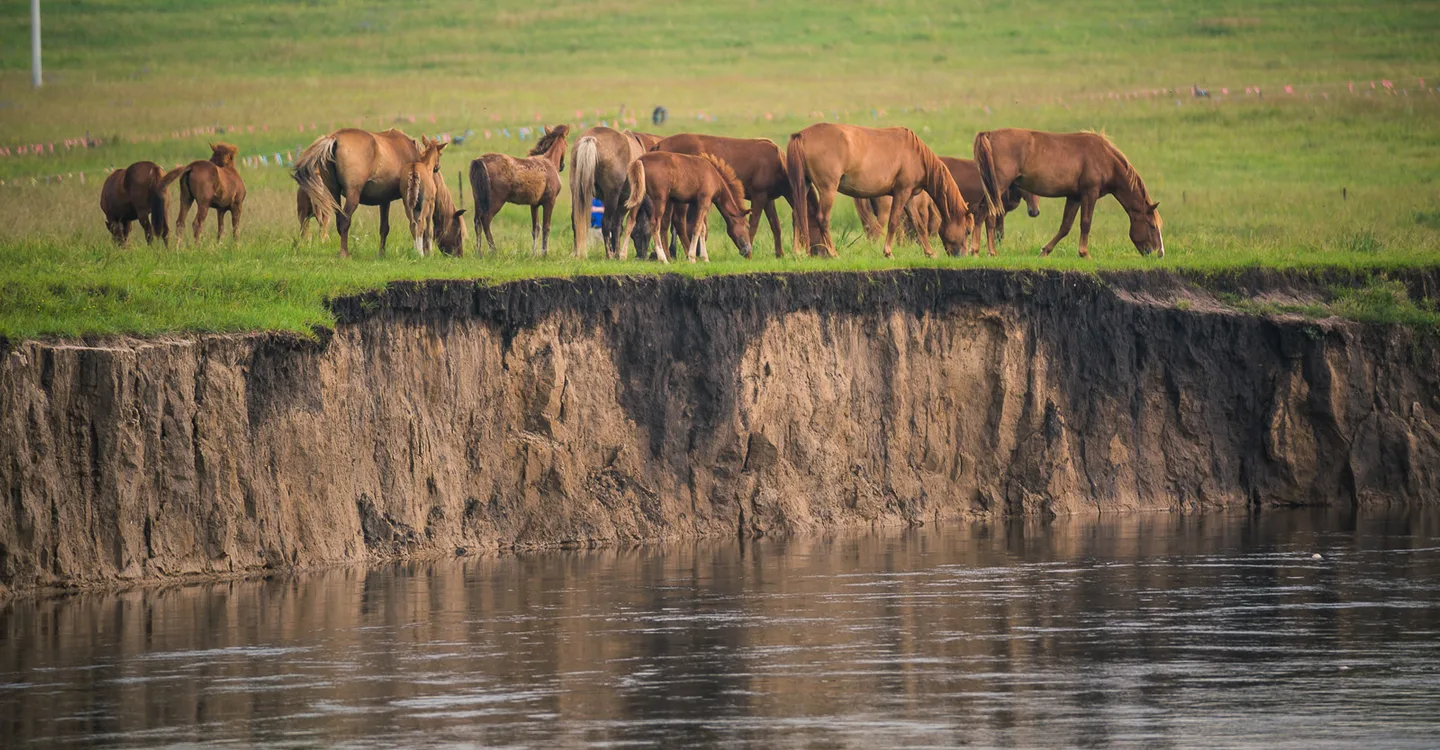
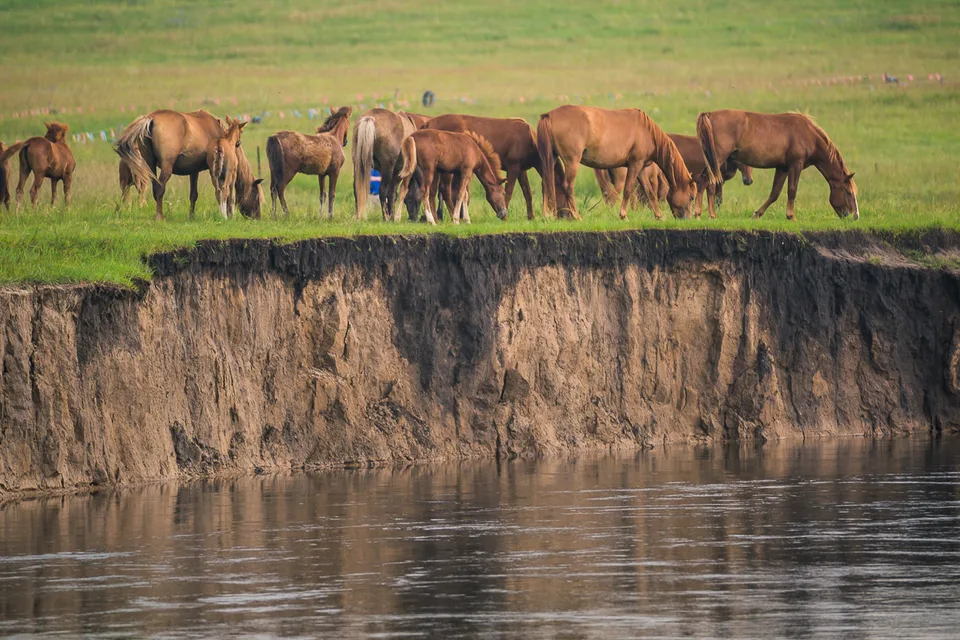
June–August (high summer): The Hulunbuir grassland is at its visual peak, with the Moergele River's famous bends winding through the green and herds of cattle and sheep across the plain. Aershan National Forest Park is lush and cool — a natural summer retreat.
Mid-to-late September to early October (golden autumn): The most beautiful window of the year. The grassland shifts from green to gold, the birch forests turn brilliant yellow, and Aershan's volcanic crater lakes share the frame with the autumn colours. The weather is crisp, crowds are thinner than in summer, and photographers arrive in force.
Mid-to-late October (late autumn): Leaves begin to fall and the colours fade; visitor numbers drop sharply, and some forest areas may adjust their opening due to fire prevention or snow. The scenery turns flat in this stretch, so a dedicated trip is hard to justify.
November–March (winter): Snow blankets the grassland and forests, and Aershan slips into snow-country mode with snowfields, rime ice and winter stargazing. Temperatures are extreme — often around −20°C — so dress thoroughly for the cold; some forest roads close in winter, so confirm road conditions before you set out.
When is it most beautiful? Aim for around 20 September, before the National Day crowds
The autumn colour peak in Hulunbuir and Aershan usually arrives in mid-to-late September and lasts roughly two to three weeks. The grassland's "gilding" begins north of Hailar; the birch leaves are at their densest in the last two weeks of September and peak around the National Day holiday before falling quickly. To dodge the National Day crowds and still catch the best colour, the stretch from around 20 September until National Day is the most recommended window of the year. The exact peak drifts a little each year with temperature and rainfall, so check the live autumn foliage reports put out by local scenic areas and tourism authorities before you go. Accommodation in this window also climbs towards National Day, so booking early is the safer bet.
How to pick highlights on the grassland leg: river bends, birch forests and the border road
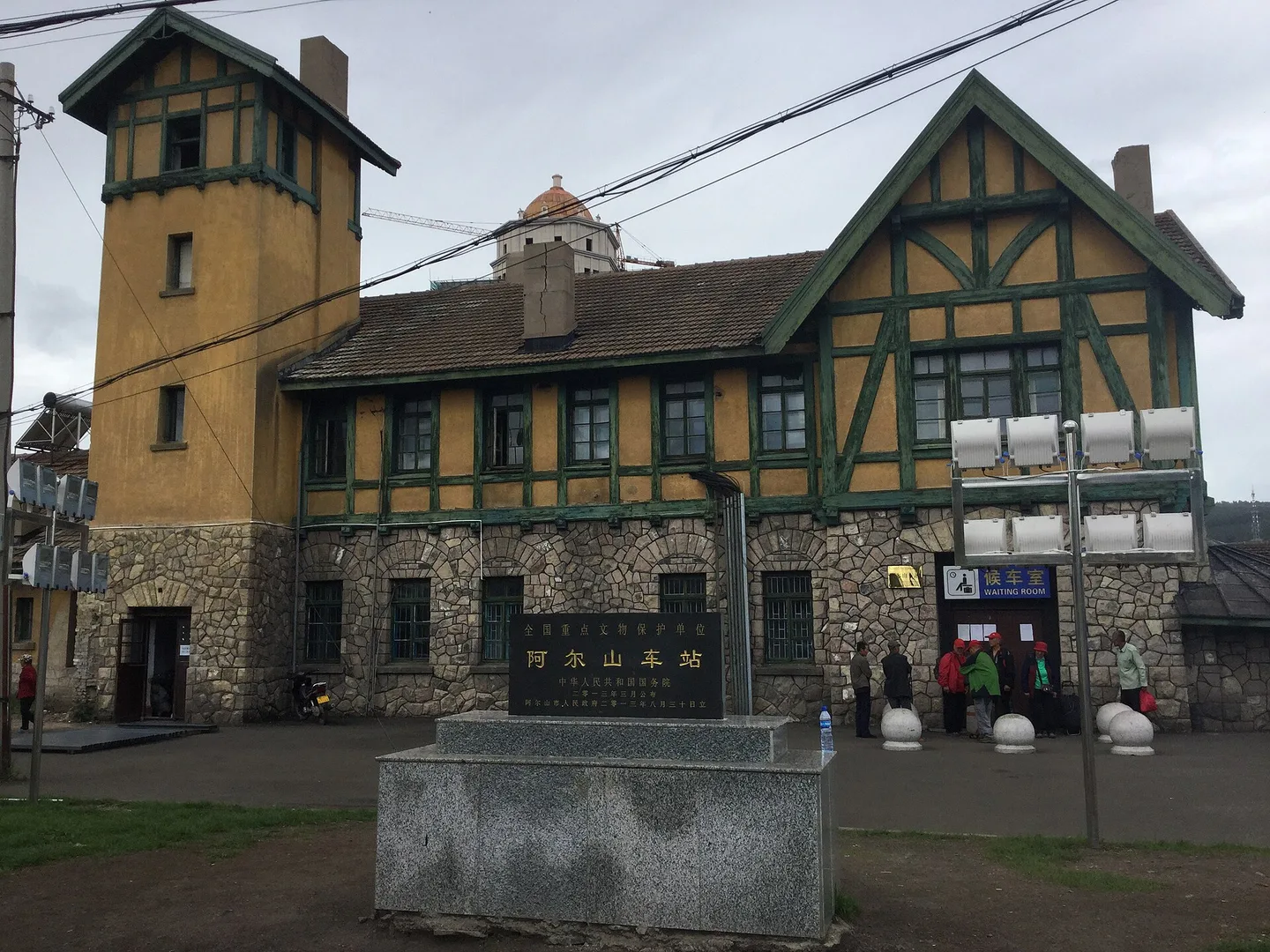
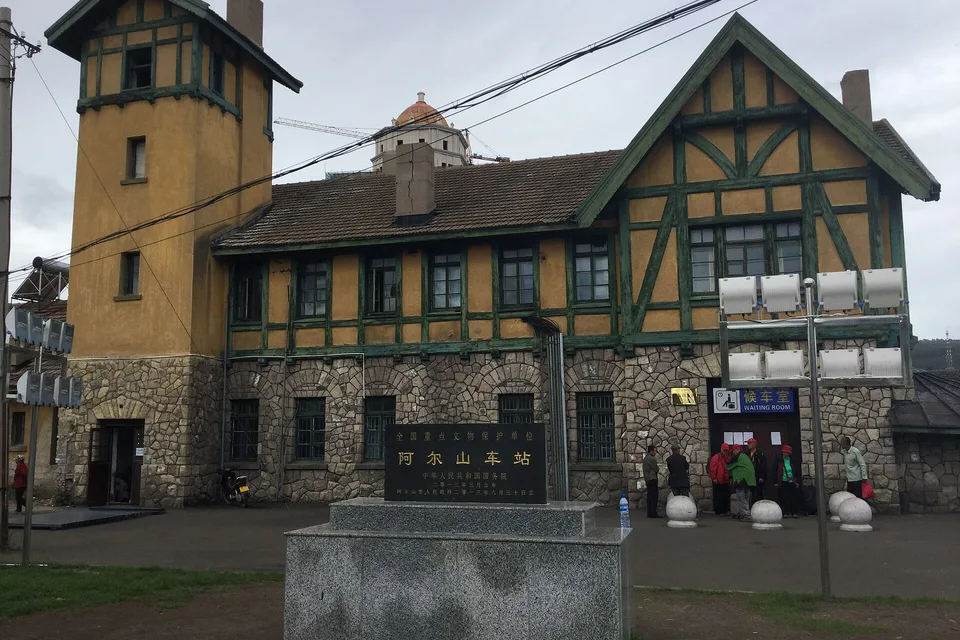
The grassland leg out of Hailar is both the appetiser and the centrepiece of this route.The Moergele Riveris a classic viewpoint for its winding bends — stand high and watch the river trace silken curves across the grassland, with the softest light in early morning and late afternoon;the Birch Forest Scenic Areashines most in autumn, where reindeer often drift through the golden trees and you can meet them up close;the Heishantouarea offers horse riding and grassland sunsets; driving along theborder highway, one side is grassland and the other a boundary river, with colours running rich in autumn;Enheand other Russian-heritage villages of log houses look almost like oil paintings in the autumn light. The Russian-style architecture and night scenes of Manzhouli make a fitting exotic finale.
How to explore Aershan National Forest Park: a volcanic and crater-lake autumn route
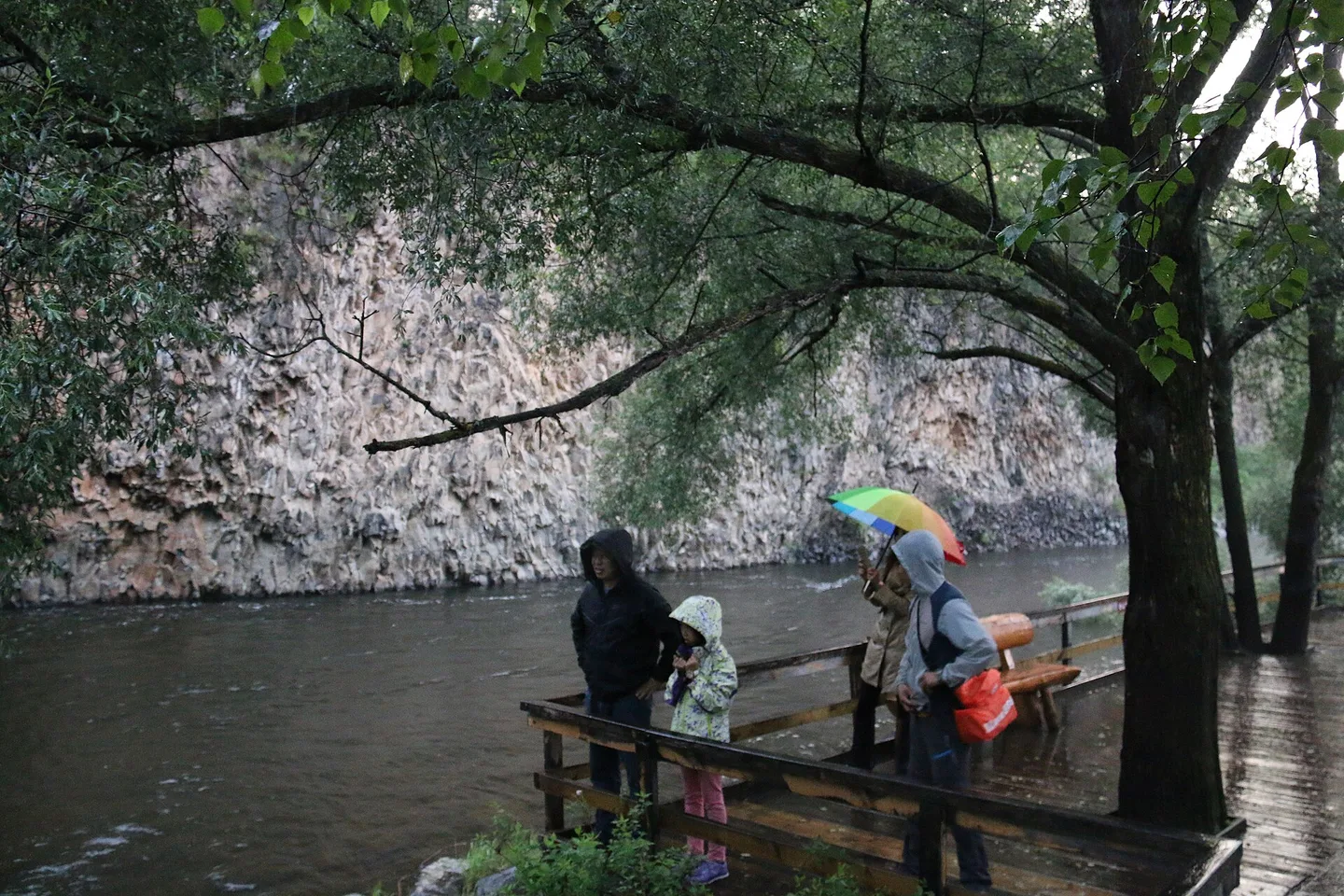
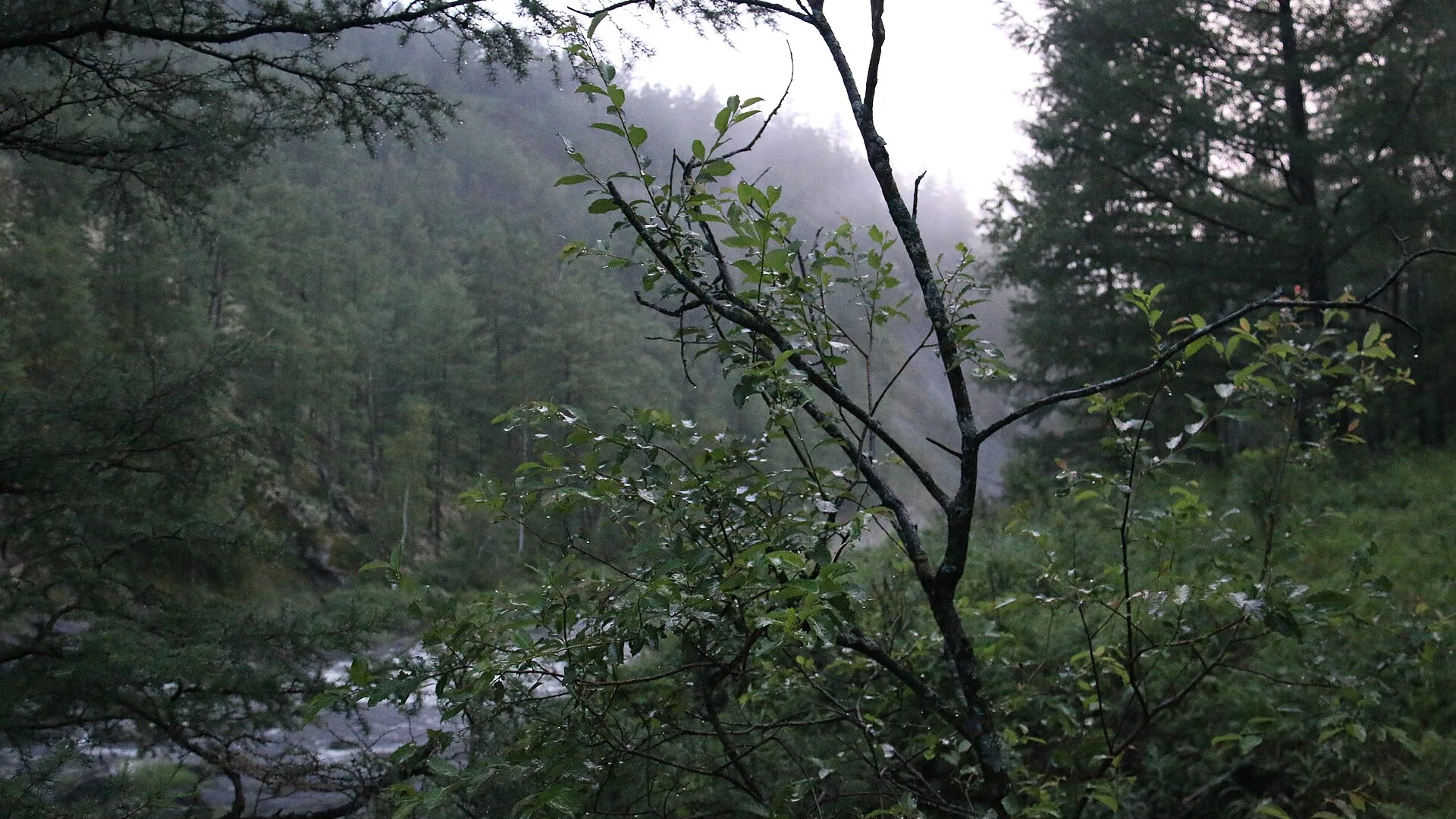
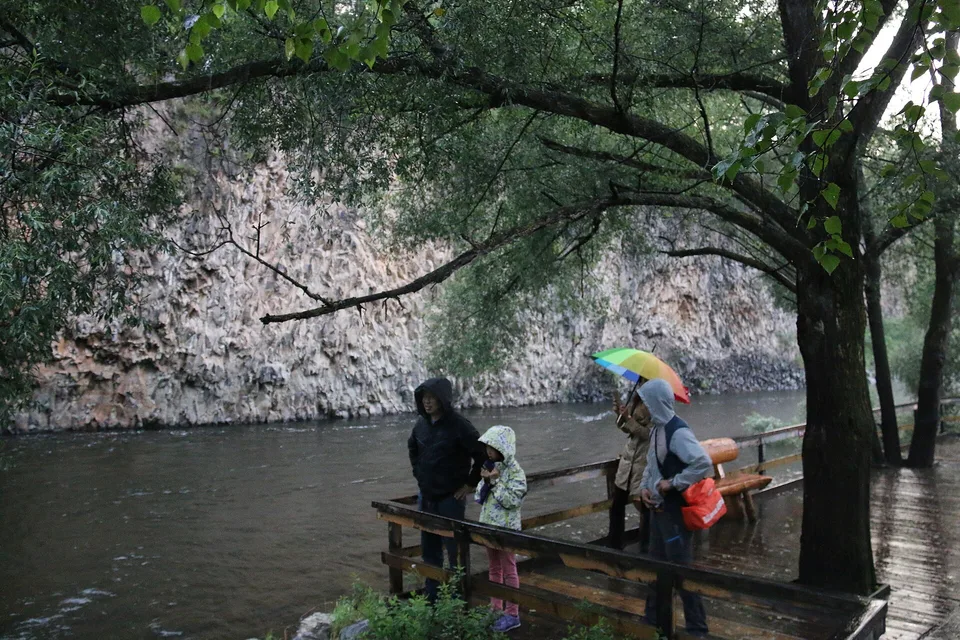
The heart of Aershan National Forest Park is its Quaternary volcanic landscape:Tuofengling (Camel Peak) Tianchiis the best point to photograph the crater lake's reflection, most breathtaking when the autumn colours and water meet;Shitanglinis a sea of rock formed by lava, where moss and autumn leaves grow among the black stone for superb layering;Santangxia (Three Pools Gorge)sets streams against autumn woodland;Wusulangzi Lakeoften carries morning mist — a favourite among photographers. The park is huge and internal shuttle buses connect the sights, so set aside a full day and follow a "lakeside at dawn, forested hills in the afternoon" rhythm: light matters far more than ticking off spots.
What to prepare for an autumn trip to Aershan?
Autumn brings a big temperature swing between day and night — daytime around ten-something degrees, night falling below zero — so a shell jacket over fleece or a light down jacket is the standard kit; winter demands full cold-weather gear.
Sunlight is intense over grassland and forest, so sunglasses, sunscreen and a hat are essentials; autumn is windy, so guard against the chill.
From late September the forest enters its fire-prevention season and some areas may be restricted — carrying fire starters or lighting up improperly can draw warnings or fines, so follow forest regulations.
Horse riding, grass sledding and similar experiences are paid extras with prices and hours set on site; choose within your comfort level.
For a worry-free option, join the 7-day golden-autumn loop out of Hailar that covers the Moergele River, birch forests, Heishantou, the border highway, Manzhouli and Aershan National Forest Park in one trip, with a horse dance show, a herdsman's home experience and drone filming included, plus grassland classics like hand-held mutton and hotpot lamb.
Closing words: keep the grassland's richest season for yourself
The autumn of Hulunbuir and Aershan is a golden letter the Greater Khingan Range writes to the land. The Moergele River bending across the grassland, birch woods paved with broken gold, Tuofengling Tianchi reflecting the autumn sky — these scenes appear in full only for those two or three weeks each year, and missing them means waiting another year. Aligning your holiday with this window is the single most worthwhile piece of advice in any guide to this land. After all, the grassland's autumn waits for no one, just as the best trips always live in the present — and you are already ready to set off for it. Aershan is waiting for you too. This journey is as much about luck as about scenery: autumn colour never shows up on a fixed schedule, so leaving two or three days of flexibility in your itinerary is the most practical trick of all for chasing autumn.
If you would rather not gamble on timing and road conditions, the 0765trip 7-day Aershan golden-autumn loop starts and ends in Hailar and threads the grassland, forests, borderlands and volcanic crater lakes into one schedule tuned to autumn's best rhythm — small group, comfort-first stays, and flexible departure dates around your holiday. To confirm the best departure date, upgrade experiences or customise the trip, just tell the travel advisor. Before you leave, double-check the live autumn foliage reports, forest fire controls and road conditions — everything should be subject to the latest official announcements.